I Didn’t Sign Up For This!!!

Babies CryingSometimes I wonder if I’m a masochist, because a writing career is a mixed bag of blessings and curses.

The blessings are many. You finally get to hold in your hands your words published in a book (yes, electronic versions count!). You have the satisfaction of knowing others are reading your work. You get your name in the local paper for doing a booksigning, or you’re a guest author at a local book club. You might even get paid to speak to an audience!

And then there are the curses. A reviewer hates your book. You knock on the doors of the local media till your knuckles are sore, but no one answers. Your great idea for marketing falls flat. You check your Amazon.com sales numbers on your author central page, and it’s like getting slapped in the face with the wet towel of reality. (“What? I’ve only sold 17 copies of my book in the last six months? That CAN’T be right!”)

The fact is that for us writers, who pour our heart and soul into our writing, all those negative responses drip, drip, drip onto the rock of our confidence, until the sharp edges of our desire and motivations (those things that enabled us to set out on the road of writing in the first place) become worn down, replaced by recesses of self-doubt and exhaustion. It takes a lot more energy and perseverance to repair that accumulating damage than it does to bask in the sunshine of the blessings we experience.

This, then, is why a writer needs a talent to forget.

As Philippians 3:13-14 instructs us, “Brothers and sisters, I do not consider myself yet to have taken hold of it. But one thing I do: Forgetting what is behind and straining toward what is ahead, I press on toward the goal to win the prize for which God has called me heavenward in Christ Jesus.”

Every writer I know acknowledges that they have been called to write. The thing we don’t like to acknowledge is how hard it can be at times to do that very thing. None of us embraced our call to write with a joyful shout of “I can’t wait to experience frustration, misunderstanding, isolation, and a hundred painful book signings in almost deserted bookstores!”

At least, I know I didn’t.

And yet the promise remains for us as powerful as it did for St. Paul. We might not have to endure blindness, or imprisonment, or persecution like that famous evangelist, but we can still ‘strain toward what is ahead’ when we fix our eyes on the prize that is Christ Jesus, and not on the obstacles we have to surmount to get there. Like St. Paul, we need to consider ourselves ‘as yet to take hold of our goal,’ no matter how accomplished we might feel when our names are in the local events calendar, or someone contacts us to speak at a program.

Forget what is behind, then, and press on, because that mixed bag you’re holding is well worth the prize.

What is your favorite way to forget and then press on?

Stitching Your Story

We were almost ready to begin our ladies’ Bible study the other night when Sandi asked about my writing. I told her about the revisions I’m working on, and how they’ll make my story better.

Then she leaned back in her chair, shook her head, and said, “I don’t know how you do it. I don’t know how you write books like you do!”

I knew I had the perfect analogy for her. Sandi is a quilter, and she’d understand: Writing a book is like making a quilt. 

First you select a design, the “big picture” of your finished quilt.

For a book, the “big picture” is the genre and basic plot.

As you make the design of your quilt your own, you choose colors and patterns. You spend hours selecting just the right fabrics to fit your design.

As you plot your book, you develop characters with goals, motivations, and conflicts. You choose a setting that will complement the plot. And you work on your story structure, plotting or outlining the way it works best for you.

Elliza Mummert Sherck's quilt

When you start constructing your quilt, you work on one block at a time, stitching each piece into place.

When you start writing your novel, you work on one scene at a time – beginning, middle and end – stitching with words rather than thread.

Finally, you lay all your quilt blocks out on the floor to see how the finished project will look – and then you revise the design by moving blocks around and creating different color combinations.

And your novel? Revisions are part of the process! Switch that scene to a different character’s point of view. Rearrange the chapters to bring your antagonist into the picture earlier. Ramp up that happily-ever-after ending!

And last of all, when everything else is done, you finish your quilt by stitching the layers together and binding the edges, sealing the work you’ve done.

With your novel, it’s the work of editing and polishing that puts the final stamp on the story.

006

But the thing quilting and writing have most in common? The finished product is a work of your heart that you share with others.

 Mark and Karen's Quilt

40-Day Challenge: Telling the Stories That Matter Most

Photo/KarenJordanIn your busy life, how do you determine which things matter most?

A close examination of our priorities helps a lot. But often in the process of prioritizing, we realize that we’ve neglected some of our greatest concerns—like our health, marriage, children, or faith.

Priorities. As a writer, I have dropped the ball on some of my most important projects. I rationalize my failure to follow through with lame excuses. But I sometimes struggle staying focused on my main objective—telling the stories that matter most.

My daughter Tara phoned me with a similar complaint about her home life. “I can’t seem to get to the things that matter most to me.”

As Tara voiced her frustration, I understood her dilemma. Day after day, she faces the impossible task of meeting her family’s needs, having four small children in her home.

Prayer. The same issues haunt me, even though we have an empty nest. And I know that I must choose prayer as my first step to address any problem or decision.

James 1:5-6 promises, “If you don’t know what you’re doing, pray to the Father. He loves to help … Ask boldly, believingly, without a second thought” (MSG).

Like Tara, I frequently ask advice from someone who will give me honest input. My husband Dan offers ideas about my organizational problems. But I also consult other reputable resources, like online links, book, or professionals.

40-Day Challenge. Do you need to reboot your writing life, too? I challenge you to accept this 40-day challenge to tell the stories that matter most to you. I’m working through this process myself.

  • Identify the “real meaning” of your work—your purpose, your audience, and the context for your stories. This evaluation process includes answering several vital questions. Why do I do what I do? Who will be reading or hearing my stories? What do I plan to do with my stories? Will I submit them for publication? If so, where?
  • Define some SMART goals and write them down. Goals help guide our decision-making. Without goals, we often neglect to do the things that matter most.

    • S – Specific (or Significant)
    • M – Measurable (or Meaningful)
    • A – Attainable (or Action-Oriented)
    • R – Relevant (or Rewarding)
    • T – Time-bound (or Trackable)
  • Set up tasks for attaining your goals. Write down several reasonable and do-able steps for achieving your goals to help you plan and focus on the right things.
  • Compose a “to do” list, prioritizing all of your tasks. Schedule time on your calendar to work on your goals. This will help you stay on track with your deadlines and defend your time boundaries. It also helps communicate your goals to the people who matter most to you.

I hope that you will join me on this 40-day challenge because when we begin to tell the stories that matter most, lives change and hearts heal.

What goal-setting techniques help you tell the stories that matter most to you?

What’s YOUR Holiday Plan?

balloons-25737_150Do you know what today is?

It’s National Black Dog Day! Roll out the carpet, crank up the tunes, and open the bags of doggy treats!

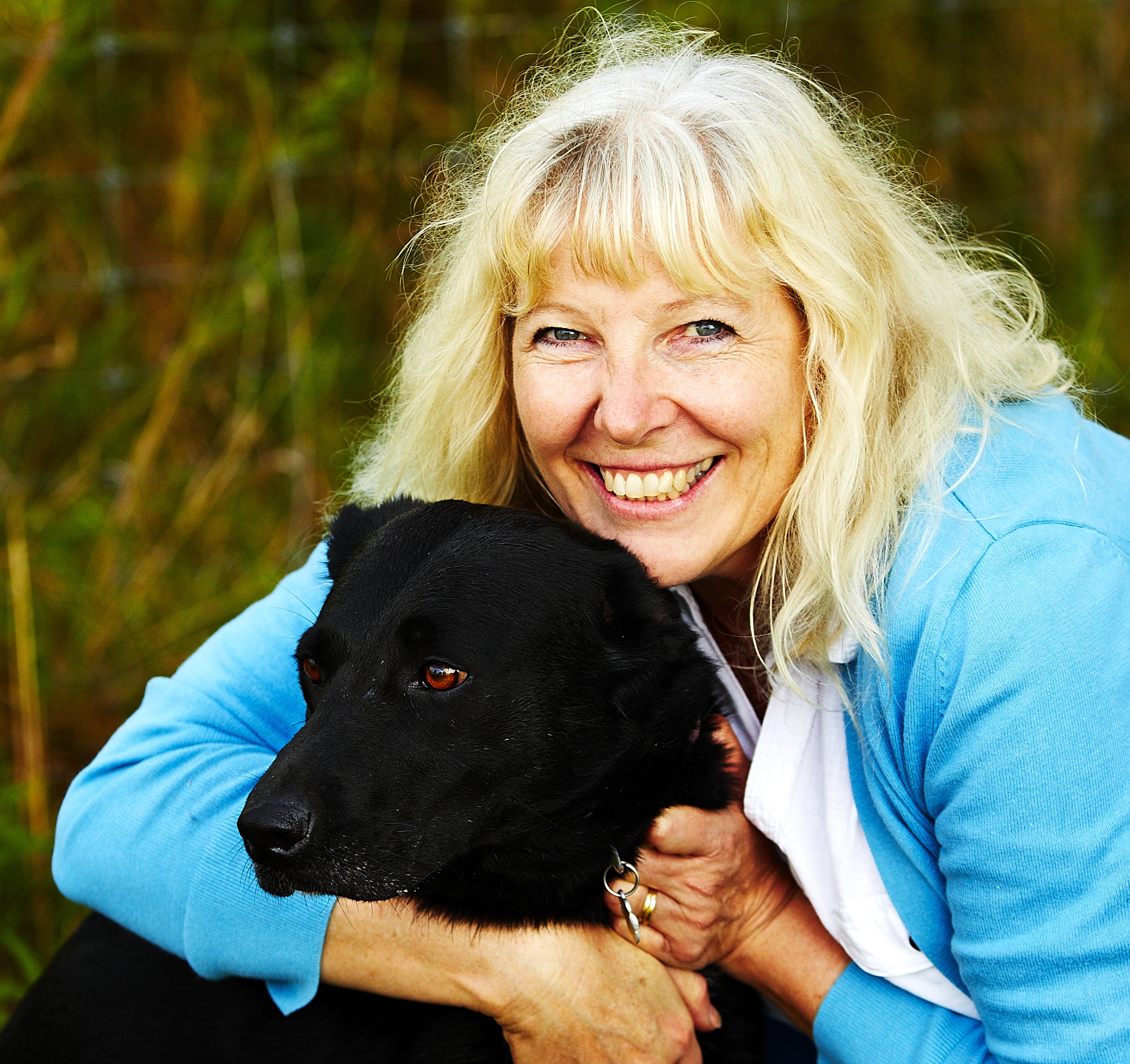
In celebration, I’m doing a radio interview, guest posting on several blogs, making a couple of store appearances, and managing a schedule of entertaining tweets, updates, and posts on my own social networks. It’s not only a nationally-named observance, but it’s the perfect opportunity for promoting my very own black dog who stars in my humorous girl-meets-dog memoir, Saved by Gracie. Never mind that the book was released last April – today is the day to hit the spotlight again.cropped Jan and Gracie

In other words, I found a holiday tailor-made for my book, but without all the noise other holidays involve. I don’t have to compete with Halloween costumes or décor, Black Friday shopping madness, Santa, New Year’s Eve bashes, romantic getaways, or fireworks displays. As a black dog owner, I have the stage all to myself!

How about you? Have you found your tailor-made holiday for book promotion yet?

As every author knows, timing is one of the best assets you can find in publicity. Sure, we all wish for something of national importance or interest to pique everyone’s interest in our books when they launch, but few of us have any control over those larger scenarios. The key to keeping your book release momentum, then, is to continue to find reasons that your book is timely. Here are a few suggestions for doing just that:

  1. Re-examine your book content for additional audience appeal you may have missed during the initial book launch. For instance, when my memoir came out, my publisher focused on Christian readers, since it’s a tail (I mean tale) of spiritual healing. After that first wave of publicity, I began to expand my reach into dog-lover territory by hooking up with animal rescue groups, veterinarians, and dog boutiques. I’m now moving into a third wave of audience strategy by networking with health and wellness groups. Handling all three markets would have been too overwhelming for me to manage at first, but by adding audiences incrementally, I’m better able to market and direct what I need to do next to continue sales.
  2. Pay attention to national news and trends, and see if you can’t jump on those trains. Whenever environmental topics (like wind power vrs. natural habitat) are hot, I try to build on those conversations with my own links and commenting, because my Birder Murder Mystery series deals with the same topics. The more I engage in the conversations, the better my visibility to my readers, which translates into continued sales, even for older books in my series.
  3. seafood fettuciniFind your perfect holiday. Does your hero cook Italian food? National Fettucini Alfredo Day is Feb. 7. Does your book discuss holding onto memories? National Scrapbooking Day is the first Saturday in May. If you write about it, I bet you can find a ‘holiday’ to connect with it.

What ‘holiday’ is in your future promotional plan?


To Write a Book Someday, Share Your Writing Now

8139708904_9a1d1783d4_bSome people will tell you the defining characteristic of a writer is that he or she is someone who writes. There is truth to that perspective, but it fails to offer a complete picture. It also gives many “aspiring writers” an excuse to be nothing more than journal keepers: diligently plucking away at Moleskine memoirs or first-novel manuscripts that have zero chance of getting published, ever.

The point here is not a matter of quality. It’s about privacy.

The reason why many written works-in-progress will never see the light of publishing day is that they are stowed, always and forever, in a drawer or on a hard drive where they have no risk of being evaluated by a second person. The writers of these works will never be writers because they will never have readers. They exist completely outside the writing market, and the only critical eye they allow to view their work is their own.

If you think that one day you’d like for people to read your writing, then you should begin by inviting people to read your writing now. Here are five ways readers can strengthen your writing and make it even more worth reading:

Readers help you get over yourself. It’s not uncommon for writers to feel uncertain or insecure about what they’ve written. Will this technique work here? Am I being clear? Am I using a marketable concept? Does anybody else care about the subject? Without readers to help confirm where and how a piece of writing is hitting its target (and where and how it’s missing its mark), these uncertainties and insecurities often grow and fester. But when you prioritize feedback, typically you get it. As a result you might find that your sinking suspicions will be confirmed. Some of your assumptions might be challenged. Maybe you’ll be pleasantly surprised by rave reviews. Whatever the case, you won’t be stuck wondering anymore, and that will help light a clear way forward.

Readers identify strengths in your work. Encouragement and affirmation give extra fuel when you’re trying to produce a manuscript. So ask your readers to note the places where they laugh out loud, hold their breath with anticipation, get caught by surprise, can’t stop turning pages, or are struck speechless. That paragraph you’re thinking about deleting? It might be your readers’ favorite part. Give them a chance to tell you so.

Readers identify weaknesses in your work. That poetic metaphor you’ve taken days and months to craft? It might be so complex that it’s confusing your readers. The story you’ve built a whole chapter around? Your readers might be bored out of their minds.

As the writer of a work, you will undoubtedly feel more attached to it than your readers will. Because of your heightened emotional attachment, you’ll probably miss seeing some of your writing’s flaws. You might even be blind to enormous holes in the work. Let your readers open your eyes to the problems you don’t see, so you can take the opportunity to fix them.

Readers expand your perspective. You are only one person, so your outlook on the world is limited and skewed. You have strange views about certain things, and some of your views simply haven’t been challenged in a way that forces you to clarify them well or charitably. Readers can help you identify the odd little points in a draft, the ones that either are or seem arrogant, stingy, dismissive, hyper-emotional, you name it. Points like these will jut out in unseemly ways, always subtracting and distracting from good work, unless someone will be so kind as to call your attention to them, so you can know to improve them.

Readers make the process realistic. If your writing aspirations are real, then you’re going to have to accept the reality of readers at some point. Get used to feedback now, and critiques won’t make you crazy later. Write with readers in mind now, and it won’t feel strange when they’re a part of the process later. Start learning what readers are interested in now, and then when your defining moments as a writer come, you’ll be prepared to deliver for your readers.


YOUR TURN: Respond in the comments: How have readers helped your writing? What kind of readers give the best feedback? What keeps you from pursuing readers?


Photo credit: cogdogblog cc

Honing Our Lives

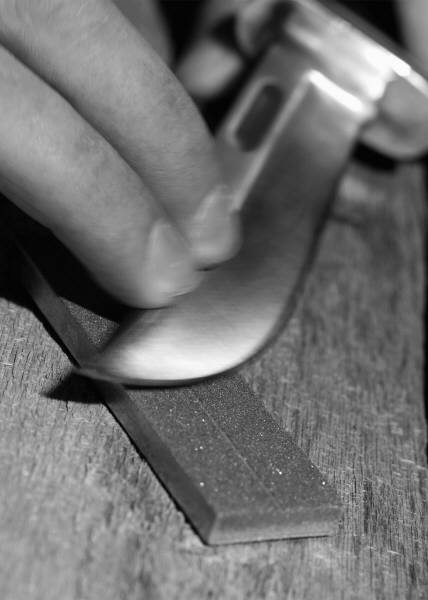
knife sharpeningAs iron sharpens iron, so one person sharpens another. Proverbs 27:17 (NIV)

While every writer knows that in today’s marketplace, interacting with others on a regular basis is a necessity for selling books, the real heart of writing – sitting down and putting words on a paper or screen – is a lonely job.

For me, however, “lonely” is not the word I would choose to describe my experience of writing. “Lonely” carries a negative connotation, the idea of being “cut off” from others, or “without” the company of others. In contrast, when I write, I feel a freedom to explore my own ideas and the joy-filled opportunity to connect with the Spirit within me. Writing is my “alone” time, not my “lonely” time. It is a personal retreat that renews me because I get to luxuriate in the word-smithing gifts that God has given me.

And yet I can’t deny the truth of Proverbs 27:17; without the other writers, marketing experts, and loving friends in my life, I wouldn’t be able to make the most of those same God-given word-smithing gifts. That’s not to say I’ve always felt this way – when I was new to my craft, praised by my writing teachers in high school and college, I had no use for the comments or criticisms of my peers. If my teachers liked my work, why should I listen to other students who struggled to compose even simple essays? It took me decades to understand the importance of my readers as opposed to the praises of my teachers. Here’s the difference:

The praise of others encourages you (and that’s a great thing!), but it’s honest criticism that will help you improve your craft.

It wasn’t until I began writing as a freelance magazine contributor that I first received truly effective editorial direction. Editors know their audience and work to appeal to them, so they have to play to the crowd. Teachers, on the other hand (I can say this because I’ve been a writing teacher myself), are the final audience of one person, and once a student has mastered what that teacher wants, there is no room to grow. And since all of us like to be praised, it’s tough to walk away from all that positive reinforcement to seek criticism!

As with so many endeavors in life, though, we have to push the boundaries to become the best God intends us to be. In the writing life, that means giving up the comfort of praise in order to find the challenge of improvement: we have to ask many people how we can do better, listen carefully to their comments, and use them to grow our craft.

One of my favorite sayings about Christianity is that “no one is a Christian alone.” Jesus Christ came to shape us into a community of believers, so we might draw on each other’s faith and gifts to grow His kingdom. That applies to our writing careers as well.

We need to be iron for each other.

To whom do you turn to be iron for you? For whom are you iron?

The Truth About Being An Author

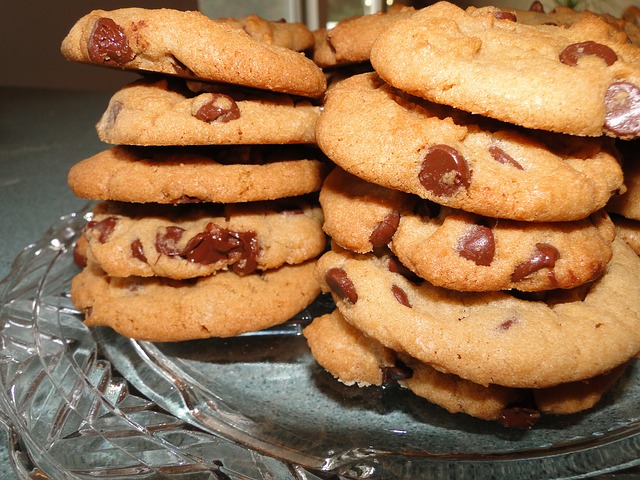
cookies-28423_640I know I took the secret oath to never reveal the truth about what it’s really like to be a published author, but I’ve decided I can’t, in good conscience, keep quiet any longer. If you’d rather keep your dreams of authordom intact and unsullied, stop reading NOW.

If you can handle the truth, though, here it is:

  1. You are going to eat a lot of cookies. There is a cosmic law that requires bookstores and libraries to offer this sustenance to authors and their readers. The more people who attend these events, the less you (the author) will have to consume, so be sure to invite every cookie eater you know to your book events. Otherwise, you will have to eat all the cookies yourself so your host won’t feel bad, and then your clothes won’t fit, and you’ll have to buy a new wardrobe (see #6 below). If you want to buy a new wardrobe anyway, go ahead and eat all the cookies. It will make your book hosts happy because they don’t want to eat the leftovers.
  2. Everyone on the planet will tell you about the book they want to write, and then they will ask you how to get it published. Unless you are prepared to give on-the-spot hours of instruction and editorial advice, the best answer is: “I have no idea. Have you tried the cookies?”
  3. You are going to bond with your car since you’re going to be putting on the miles as you drive from one book event to another. Tell your friends and family to give you pre-paid gas cards for birthdays and holidays. Keep books in your trunk. Tape pictures of your loved ones onto the dash so you can remember what they look like. Do NOT eat cookies in the car, even if you are starving between book events, because it’s virtually impossible to get all the crumbs out of your car.
  4. You will somehow, miraculously, find time to work everything in to promote your published book. You will not, however, find time to write your next book. You have to do that instead of sleeping at night. The good news is that the cookies you eat all day promoting your book have enough sugar in them to keep you awake while you write.
  5. You will land a short interview on the local TV station – congratulations! You will walk into the green room to wait for your turn and share a couch with a Chihuahua dressed as Marilyn Monroe (complete with blonde wig and iconic white dress) and a pug masquerading as Snow White. You will be humbled to realize that book publication rates right up there with the best Halloween costumes for small dogs. And you will learn that dog biscuits can look a lot like cookies.
  6. Your writing income will probably not pay the bills, or at least, not all of your bills. But you’ll eat all the cookies you’ve ever wanted.

Now, who wants a cookie?


When the Bad Reviews Come {And They Will}


bad book reviews

“She needs to have more respect for the process . . . trying to claim that everyone should heal like her.”

The words pierced my heart.

Until then, I had enjoyed a couple good months of positive feedback, those heartwarming days after the release of my debut nonfiction book, When A Woman Finds Her Voice. The book hit #1 on Amazon’s Hot New Releases charts and then walked the Amazon {paid} bestseller list {in its genre} for a couple weeks in the top five. It also won some literary awards. But more importantly, my words were reaching the hearts of readers as comments like “inspiring,” “introspective,” “encouraging,” and even “life-changing” peppered online reviews.

That sort of feedback overwhelms a girl with God’s goodness, giving value to this shy writer’s words. To think He had somehow exchanged these primitive ramblings of one who simply longed to spread hope and had used them as encouragement for others, that’s humbling.

I’d finally felt the freedom to say it above a whisper: I am an author.

But then that two-star review hit my screen, attacking my sense of worth. It shouldn’t have, I know. Mentors warned me it was coming; they’d suggested I not even read it.

I didn’t listen.

I determined to mentally counter the negativity and then quickly return to my illusory sense of fulfillment. After all, I welcomed reviews—good or bad. Perpetual student that I am, I’m known to {relentlessly} solicit constructive criticism as an opportunity to learn. And here it sat, this chance for free education, this two-star review therapy.

But in a review-driven culture where we allow others to determine what we read, watch, eat, and even where we spend the night, how can we not be impacted when someone misunderstands our heart?

The judgement sliced soul deep, challenging insecurities I’d long ago buried.

This is the sort of vulnerability we open ourselves up to when we cast our words, our heart, into a public arena that holds potential for not just admiration and esteem but also misunderstanding.

You see, there’s nothing I’m more compassionate about than reaching the heart of a wounded woman and leading her to the restoring, redemptive feet of Jesus. But this particular reader didn’t know that, didn’t know me.

So how do we filter through these words when they come?

  1. We anchor. It’s crucial to anchor any negativity with perspective. We can’t allow disapproval to overtake our thoughts. For the one poor criticism, I had 49 positive reviews from folks who had been uplifted by my words. I worked hard to focus on those. {Very hard.}
  2. Bounce back. To feel defensive at first is natural, but if you find yourself wanting to respond negatively {as in hunt the person down on social media to blast them back}, walk away from the screen and refocus. Immediately.
  3. Consider truth. Ask yourself, “Is this true? Is the criticism valid? Did I somehow fall short?” If so, use this information in a positive manner and seek to write with excellence. However, if the negatives aren’t well-rounded and constructive, the point baseless, you simply have to let it go.

As word-weavers, this should become our default: in the face of bad reviews, let’s practice our ABCs to rebuild our confidence. Anchor. Bounce. Consider.

Okay, I’m curious now: How do you handle criticism?

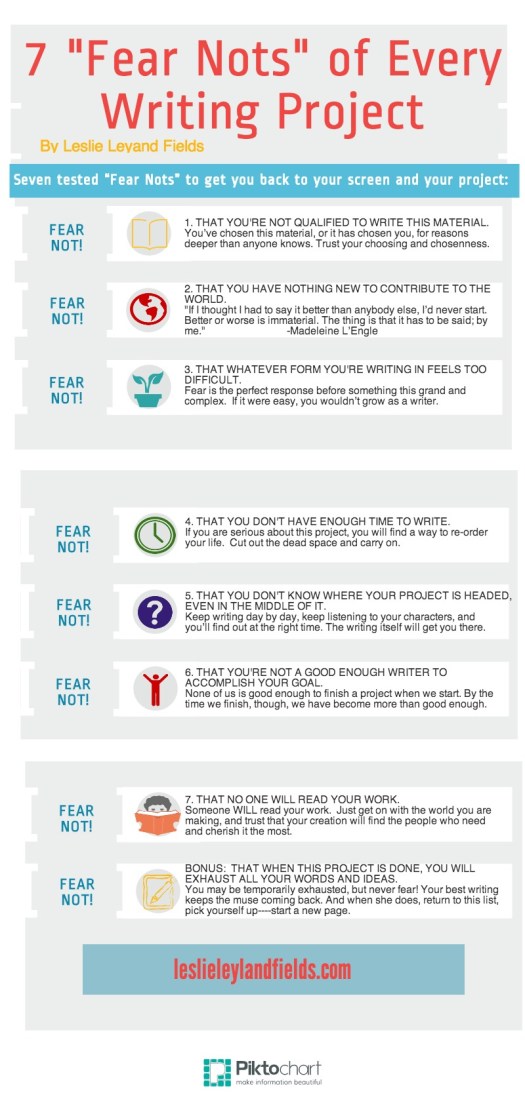
The 7 Fear-Nots of Every Writing Project

Woman afraid (funny)

Whenever an emissary from another world showed up in all its effulgence, men and women fell down terrified, overcome, filled with God-brilliance and self-loathing. Our own writing projects, delivered by the other-worldly muse, can inflict and inspire a similar terror at times (Woe is me! Why did I think I could write this novel?). When you’re visited by these angels of brilliance-and-woe, (and you will be!), remember what usually came next, after the Visited fell facedown in the dirt: “Fear Not!” And then words of hope and direction were given to the stricken to lift them to their feet and their new purpose.

Here are 7 tested “Fear Nots” to get you back to your screen and your project:

Woman smiling with hands folded

1. Fear Not!—-That you’re not qualified to write this material. You’ve chosen this material, or it has chosen you, for reasons deeper than anyone knows, including you (unless you’re purely market-driven). Your desire, your interest, your life experience, your questions, maybe even your prayer life may have something to do with this insistent need to address this subject. Trust your choosing and chosenness.

2. Fear Not! —–That you have nothing new to contribute to the world. Listen to Madeleine L’Engle:
“My husband is my most ruthless critic. . . Sometimes he will say, ‘It’s been said better before.’ Of course it has. It’s all been said better before. If I thought I had to say it better than anybody else, I’d never start. Better or worse is immaterial. The thing is that it has to be said; by me; ontologically. We each have to say it, to say it our own way. Not of our own will, but as it comes out through us. Good or bad, great or little: that isn’t what human creation is about. It is that we have to try; to put it down in pigment, or words, or musical notes, or we die.”

3. Fear Not!—–That the article, short story, memoir, sonnet, sci-fi trilogy, whatever form you’re writing in, feels too difficult. Fear is the perfect response before something this grand and complex. This is partly why you’ve chosen it. If it were easy, you wouldn’t grow as a writer.

4. Fear Not!—–That you don’t have enough time to write. Of course you don’t. No one does. But if you are serious about this project, you will find a way to re-order your life: stop watching TV, write while the kids are napping, get up 2 hours earlier than everyone else, take your manuscript with you on vacation. Yes, it costs you ( and it costs others too, you must realize). Did you think otherwise? Count the cost to everyone. Then, if still so moved, cut and carry on.

5. Fear Not!—-That you don’t know where your novel, trilogy, even your memoir is headed. No one you know informs you of the outcome of their lives, do they? How many of your friends know where their lives are headed and how they will get there and who they will be once they’re there? You will not know this for your characters or story until they do. Keep writing day by day, keep listening to them, and you’ll find out what you need at the right time. The writing itself will get you there.

6. Fear Not!—–That you’re not a good enough writer to accomplish your goal. None of us is good enough to finish a project when we start. Some of us aren’t even good enough to start! By the time we finish, though, we have become more than good enough. The struggle, the long hours and the word-wrangling and prayer-wrestling will all get you there.

7. Fear Not! —-That no one will read your work. Someone WILL read your work. Maybe a few friends, the ones you really care about, maybe thousands of strangers. No one knows this when they are writing, and it has nothing to do with the writing. Just get on with the world you are making, and trust that your creation will find the people who need and cherish it the most.

BONUS: Because fears often multiply, one more to put to rest: Fear Not!—-That when this project is done, you will exhaust all your words and ideas. Not so. You may be temporarily exhausted, but never fear! Your best writing keeps the muse coming back. And when she does, return to this list, pick yourself up—-and turn a new page.

The Seven -Fear Nots- of Every Writing Project (1)

The Power of Story

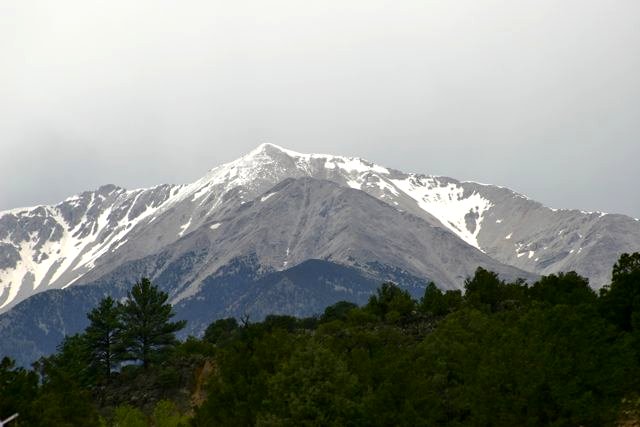
It was pitch black as my car slowly followed Micah’s along the winding mountain roads, our tires kicking up dust in our wake. My adrenaline sizzled, preparing both my mind and body for the next hours of our night hike up Pike’s Peak in Colorado Springs.

My friend Brad sat next to me in the passenger seat, keeping my mind occupied on our conversation. I shared with him about my last year – graduation, what the Lord had been teaching me at Focus on the Family that summer. As he thanked me for sharing, a response spilled from my mouth without my permission.

“It’s not my story to withhold. God’s writing it. I’m just living it.”

My mind froze as I replayed that comment over and over in my head, realizing both the truth and the responsibility that came with it. Have you ever had one of those thoughts? You know it didn’t come from you because there is no way that you are that brilliant. And it both hits you and spills out of your mouth in the same breath with the unmistakable ring of truth to it. I knew it was a Holy Spirit inspired response. Divinely inspired light bulbs are great, aren’t they?

Kariss mountains

In the few years since that night hike that changed so many things for me, I have come to understand and value the power of story. The more I read and watch, I realize that there are only two stories that matter in life and everything else is a cheap imitation.

1) The story of Jesus Christ

2) Your story

That’s right! Your story is the second most important story in history. Why?

There was a man in the Bible named Nicodemus. For those of you reading this who do not claim to be Christians, you are in good company. Nicodemus wasn’t either, at least he wasn’t at the time he talked with Jesus. He was curious and confused. He came to talk with Jesus in the middle of the night. In John 3:11, Jesus tells him, “I tell you the truth, we speak of what we know, and we testify to what we have seen…”

Never mistake that Jesus has the most powerful and influential story in history. But because He made you and gave you life, your story is the second most influential to people in your sphere of influence. Most people do not appreciate a know-it-all. However, your story automatically has credibility because you are standing before them and telling it, physically present and accessible to them. You lived it and they can relate to it, or at least ask questions.

Story is a powerful thing. We live in a culture where we want to hear what the next Hollywood star is up to or which politician created a national scandal. People want to know stories. No matter how nondescript you feel yours may be, you have the ability to influence people mightily for Jesus through a willingness to share what God has brought you through.

My mom has always told me, “Never forget from whence you came.” You don’t have to have a successful career or a story worthy of Lifetime. You simply have to be willing and open to share.

Let your writing imitate life in the best ways. In fiction, no one has to know where some of the intimate details come from, but I have learned that what some of my readers love the most came from experiences I had or watched.

What the Lord laid on my heart to share with Brad is very true. My story isn’t mine to withhold. Listen for His gentle whispers. He will give you the words to say when the time comes, and He will use your story, in writing and in life. The pressure is off of you! So share. You have a powerful story because it was and is being written by a mighty God!

How have you seen God use your story to impact others?