Publishing Tips and a Lesson in Humility

Image: FreeDigitalPhotos.net

Thursdays at the Water Cooler are for writing about the publishing business—an intimidating topic, and it made me take inventory of what I have to offer. Sure, I’ve written six novels. I’m published in print by a traditional, albeit small, New York press. I’ve worked with Amazon Publishing, and I’ve ventured into the indie business with a novel through Kindle Direct, Apple, and Barnes & Noble’s Pubit. I’ve marketed and advertised. I’ve developed a good network of successful published authors along with a few agents and editors. I’m business savvy, and I treat my writing as a profession. And yet…I can’t help but feel lacking on the topic of publishing.

In part, this is because I’m goal driven and I have lots of goals yet to achieve, but it’s also because I’m sincerely humbled by those around me—the extensive experience of the writers of the Cooler, the proficiency of those in my writing chapter, and the aptitude of people with whom I network online. I am one small voice in the mix, plugging along on my own publishing journey—often a lonely road with only rare glimpses of the bigger picture. So, what could I have to offer?

With humility comes wisdom.

I consider myself the average writer. As glamorous as writing sounds, it really is a somewhat lonely road. If some of what I’ve learned can keep me optimistically focused on moving forward, maybe it can help someone else, too.

1. No one knows it all, so don’t be envious of another’s success, and by the way, get comfortable with ambiguity. The grass is not greener on the other side of the fence.

Image: FreeDigitalPhotos.net

Whether landing your fifth series with one of the Big Six or newly exercising your empowerment to publish on your own, neither means you have it all figured out. Every facet of this business brings unique challenges, decisions, and discoveries. You are probably where you are in your journey for a reason. No matter where that is, you have more to learn. My tip: look for opportunities to gain knowledge wherever you can from those you admire, published or not. Just don’t get hung up on one source; look far and wide to develop a deep reservoir of knowledge to draw from.

2. Times have never been more dynamic or uncertain for publishing. I’m not talking about ebooks vs traditional publishing. I’m talking about the markets themselves—what readers will connect with and want more of, what’s hot and what’s not, new genres or formats cropping up. One extremely valuable lesson: do not try to chase a trend. It doesn’t matter how fast you write, I promise you, it will be over before you catch up. I write young adult fiction, and as hot as concepts like the Hunger Games are now, I’m already hearing dystopian is giving way to middle grade—but don’t pull out that old Harry Potter derivative; you’ve got to have something fresh and unique to offer to fit that trend. My tip: you should absolutely consider marketability as you write, but write from the heart nonetheless. It will come through in your writing, and you’ll wind up with something you can feel good about, whether or not it happens to be the latest publishing flavor of the month.

Image: FreeDigitalPhotos.net

3. One size doesn’t fit all, thank goodness. I listen to a lot of author speakers, and I have to admit, I grow weary of hearing some say things like, “I pursued New York publishing—because I’m serious about my career…” If that was their publishing journey, great—but not only does that imply there’s only one ‘right’ way to go about it, it doesn’t even make sense anymore. Variety and choice are the best parts of the publishing industry today. Fact is, you can be plenty serious about your writing career, have a far-reaching readership, and make a steady income without pursuing traditional NY houses these days. That doesn’t mean NY isn’t still a valuable and highly sought-after option. They may still even be king of the playground, and they’re no doubt busily trying to reinvent themselves to make sure they stay that way, but there are other viable options out there. My tip: remember you have choices, and stand tall no matter what avenue you decide to pursue on your personal publishing journey. There is no ‘wrong’ way to go about it. Even if you make a mistake, you can learn from it and move on.

There are a lot of experienced writers out there, and I’m just scratching the surface. What tips do you have to share about the publishing industry?

What the Well-Dressed Writer Is Wearing

Actually, the title for this post should be “What the well-dressed writer is wearing in public.” In private, while we writers are slaving over our manuscripts, I know what we wear – anything from running shorts to old jeans to pajamas and robes, and everything in between. When we’re lost among the words, who cares what we look like?

But once you become a published author, that changes. Suddenly, what you look like matters. You have to meet the public. You sit in bookstores, sign books, and attend events. You speak at luncheons and dinners. You do a television spot.

You need to rethink the old sweat pants that have seen you through your book’s creation. You need to glam up a little and give your readers your best side. They are, after all, rooting for you, and you want to do them proud. So, yes, it’s time for a writer’s make-over! (Cue the fanfare!)

Unfortunately, I’m lousy at make-overs (fanfare goes flat), so instead, I’ll just share with you what I’ve found works for me when it comes to making public appearances.

  1. Find a simple haircut/style that is flattering and stick with it. Shell out the money for an experienced stylist and ask him/her for suggestions and instructions. My hairdresser is a lifesaver; not only does she give me a great color and cut, but she shows me how to get different looks with it, so I always look fresh at events. It was her advice before my first book launch that continues to guide me: “Your fans deserve to see you at your best.”
  2. Put together one or two complete outfits that you can grab and wear at a moment’s notice. If you’re chic-challenged like me, get help. Go to that clothing store you drool over and ask for help in assembling a professional ensemble. Yes, it might cost a bit more than you’re used to spending, but to have one ‘go-to’ outfit for anything book-related that comes up will, in the end, save you money, time, and mental energy. I love my ‘go-to’ clothes; I know I look great in them, and that boost of confidence really comes in handy when I’m facing a roomful of strangers. Polyvore, a website often pinned on Pinterest, has some great ideas for various outfits, too.
  3. Use accessories! Okay, I sound like a women’s magazine, but I think this has made a big difference in my presentation. Normally, I don’t wear jewelry, scarves, or jackets, but when it comes to looking polished, they add the icing to the cake – especially when your accessories go with the outfit. (See #2 again.) My favorite goofy earrings? Not so much.
  4. You may want to consider dressing in ‘costume.’ A friend of mine writes several series under different pen names, and she dresses differently for each author persona: one is eccentric, another is business professional, and the third is romantic. She has a ‘go-to’ outfit for each, so her clothing reflects her brand, which means that her clothing is marketing.

What are you wearing?

Judging a Book By Its Cover

We’ve all heard the saying that you can’t judge a book by its cover, but that’s not completely realistic. Buying habits have shifted heavily and more people are buying books online than ever before. The digital images we use on our book covers and websites need to be decent looking. Poor images are distracting and only serve as comedy relief for all those book snobs out there. You worked too hard on that book to just slap any old photo on the cover. No one wants to be represented by a grainy image that screams, “I don’t care enough about my work to take this part of the process seriously.”

Hesitant to use digital images you haven’t taken personally? That’s understandable. People can get in a lot of trouble for using a photo without proper permissions. Just because a photo is accessible via Google Images doesn’t mean it’s okay to upload to a website or use on a book cover. I highly recommend going to a stock photography vendor and purchasing the high-resolution digital files of your heart’s desire. Stock photos are ready-made, categorized images for promotional materials. Just like when you go to insert clip art into a Microscoft Word document, you can search for images by subject. If you want a photo of a horse, just type in the word ‘horse’ and see what comes up.

My favorite vendor for stock photography is istockphoto.com. Since 2000, they have been a trusted source for media, design elements and royalty-free stock images. Royalty-free means that you only have to pay one time to use an image or file multiple times. They also offer a legal guarantee that content used within the terms of their licensing agreements will not violate any copyright laws. There is so much stock photography out there to chose from that the possibilities are as endless as your imagination.

Need a crash course in digital imaging? A pixel or “picture element” is the smallest part of a digital image. Greater numbers of pixels in a digital image usually mean a larger image and/or greater detail within said image. A digital file‘s resolution is determined by pixels per inch (ppi). Generally speaking, higher resolutions result in greater detail. The address of a pixel corresponds to its physical coordinates. Digital images vary in file sizes, which impact the pixels per inch. For example, one photo I reviewed was a picture of London Bridge. In order to purchase this photo, there was an option of an XSmall version (347 x 346 pixels) for $8.00. The same image had scalable options ranging all the way up to XLarge (3456 x 3456 pixels) for $34.00. With so many options available, there is sure to be one for your price point.

Maybe people don’t judge a book strictly by its cover, but it is still a representation of the author. Having a quality book cover and cover image never hurts, but having a substandard one sure does. You only get once chance to make a first impression. Why not exceed the expectations of your readers right out of the gate?

What are your thoughts on book covers and digital images?

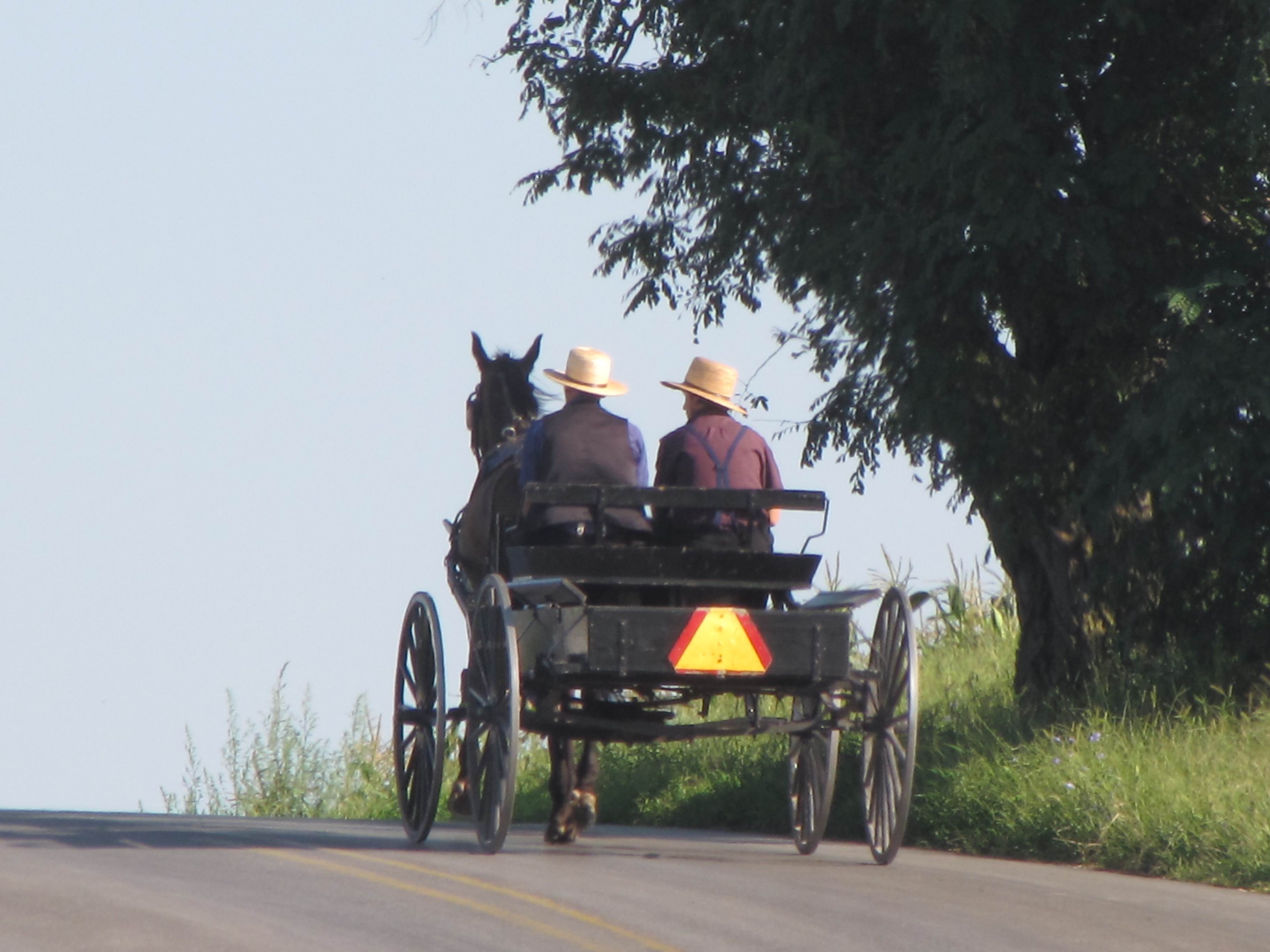
Amish Aliens Stole My Baby

Not really, but sure grabbed your attention, eh? And that’s the point of this post.

Calm down. I hear you. You’re a novel writer, not a journalist. Why should you care about catchy headlines? Isn’t that a lame gimmick better left to the National Enquirer?

Actually, no.

Mastering the art of grabbing the reader’s attention is a valuable skill every writer should hone.

In case you haven’t noticed, the written word is exploding from one end of the spectrum to another, from e-books to self-published hard copies to blogs. Getting your work to stand out from the crowd is more important than ever.

Which begs the question: How does one grab a reader by the throat? There are many ways, but here are a few to toss into your writerly toolbox:

Shock and Awe

This is one of the tactics I employed with my blog post title. Think controversial. Think stunning. Think outside the box. This method is most often used by rabble-rousers who get a secret thrill out of rattling cages.

Warm Fuzzies

If you start off with something everyone can relate to on an emotional level, you’ll draw in the human side of the reader. It’s a pull that’s hard to resist. In my example, I tossed in the word baby. Emotions are what set us apart from the rest of the mammals. Well, that and opposable thumbs.

Trendy Tidbit

The ol’ People magazine approach, naming what’s hip or what’s not. Naturally this works better for contemporaries than historicals…but not always. Amish is a buzzword right now, which is why I chose it for my post title.

Opposites Attract

Jumbo shrimp. Government intelligence. Amish aliens. Put two incongruous words together, and if they’re not cliché, people will sit up and take notice.

Now then, where to employ these attention grabbing strategies? Obviously your entire manuscript can’t be outrageously intense. You’d burn out your brain and your reader would gasp for air. Nevertheless, there are key areas that require some eye-popping fancy footwork. These are:

– The first sentence of a book…better yet, make that the first sentence of every chapter.

– The last sentence of each chapter. Force your reader to turn the page.

– Back cover copy. Often this is where you reel ‘em in or break the deal.

– The one-liner that sums up your entire novel.

So go ahead. Give this a whirl. Don’t be afraid to stand out from the crowd, especially when it comes to your writing. Hopefully you’ll attract the attention of an editor, not an Amish Alien.

And if you’re brave enough, share with us your re-written stunning first line of your current project (fiction or non-fiction).

What a Good Book!

A real page turner by carterse

As a writer, I find the Bible such an inspiring book. Truly it is The Book, which is, incidentally, the actual meaning of the word Bible. Not just the Good Book, as many call it, but the Best Book: an anthology of diverse writings by diverse authors, each unique, yet all identical in their devotion to the Book’s Author and Subject.

Okay. I’m done capitalizing.

All this to say I consider the Good Book a model for all good books.

First off, it’s always interesting. Because, as I preach to the would-be writers who are my students, it’s always concrete.

Manna, for example, is not just some vague nourishment left to our imagination. Rather, it looked like “thin flakes like frost on the ground” (Exodus 16:15), “like resin” (Numbers 11:7), and “tasted like wafers made with honey” (Exodus 16:31) and “like coriander seed” and “like something made with olive oil” (Numbers 11:7-8). I get hungry whenever I read these passages.

Gathered the next day—in disobedience to God’s instruction—these delicious-sounding coriander honey wafers got “full of maggots and began to smell” (Exodus 16:20).

Ew! It’s no wonder that, prone as the Israelites were (as we all are) to disobedience, they disdained the gift of manna, yearning instead for the “fish…cucumbers, melons, leeks, onions and garlic” they had eaten “in Egypt at no cost” (Numbers 11:5). They preferred, that is, the foods they’d enjoyed back when they were slaves and likely had to content themselves with refuse leftover from such culinary delights enjoyed by their masters, as slaves have had to do throughout history. Old fish. Yellow overripe cucumbers. Melons and onions and other vegetables long past their prime. Given such details, the story of those Israelites’ appetites and hungers is so convincing and real, so relevant millennia later.

Unlike many lesser books, the Bible constrains itself neither to one genre— its generous pages embrace poetry, fiction, and nonfiction—nor even to one approach to any genre. Take my own field of nonfiction, for example, which appears throughout both Testaments as histories, arguments, reflections, topical essays, genealogies, lists. The Bible blends these nonfiction subgenres and others, weaving them in and out of prose into poetry, in and out of actuality into invention. In addition to the Bible’s many strictly factual chronicles of otherwise forgotten times, it offers gripping retellings of the same events from new, startlingly intimate perspectives, a narrative strategy (called fictionalization) that effectively topples even the most fact-addicted readers’ unwillingness to suspend disbelief. The only people I know who question the Bible’s trustworthiness are those who’ve never actually read it. Read it, cover to cover, and you’re a goner.

And the Bible never sanitizes. In its pages, women have their periods, men spill their semen on the dirt, matters openly discussed only rarely, even in the least particular public venues, all but never among Christians. A woman sneaks up on Jesus hoping to steal his power to cure her embarrassing bloody flux, and Jesus talks about it before the whole town.

When my daughter Charlotte got her first “real Bible”—the ICB, written at a third grade reading-level but with chapters and verses so she could follow along in church—she was so engrossed she read far past the passages the preacher cited, which I confess I’m prone to do as well, and soon turned to the beginning to read it as one would any other book. By mid-service, she was so shocked by what she found there—the story of Noah, sprawled drunk and naked in front of his sons—that she thrust it across the pew at me and, forgetting her church voice, announced to me and the whole congregation, “I can’t believe they put that in a children’s Bible!”

I know of no book that sucks in a reader—and such a vast assortment of readers, young, old, devout, dismissive—so immediately, so completely, so irrevocably. I never read long in it without thinking, I wish I’d written that!

Whose Fault Is It If Your Book Doesn’t Sell?

Pop Quiz: When your book doesn’t sell to your expectations, who is to blame?

  1. Those picky sales folks in publishing houses. They only want to sell bestsellers and big name authors anyway.
  2. The marketing folks at publishers who never seem to pick me or my book for that infamous 80/20 principle (80% of the money going to 20% of the books).
  3. My agent who takes their 15% and then runs for the hills (with no Internet access).
  4. Stupid consumers who wouldn’t know a good book from, well, a bad book.
  5. Me, the author, who sweats great drops of blood in writing the Great American book, but can’t market and PR my way out of a paper bag.
  6. God, of course. I’m not worthy of His blessings anyway.
  7. None of the above
  8. All of the above

After representing a couple of thousand books, the answer is “8” (minus “3” & “6,” of course). In my last 22 years in publishing, I’ve seen average books go through the roof, and great books struggle to find readers.  I won’t name names or titles, but we’ve all scratched our heads after reading a current bestseller, thinking Really? Naturally, I’ve seen hundreds of books sell just “okay.” And on rare occasions, I’ve even seen great books do very well. Imagine that?

So why are some books unable to find a foothold in retail and with consumers? The reasons are legion.

  • No one has heard of the author, so they’re not looking for their book.
  • A world event happened–war/disaster/crime/election–so the book and author who could have been talked about on media (and was booked on media), is no longer big news. (I’ve seen this happen more than once.)
  • Bad cover. While you can’t “judge a book by its cover,” you certainly may not buy it if it’s awful.
  • A less than scintillating title.  I’m hearing that consumers are buying books based on Search Engine Optimization (SEO), especially felt-need nonfiction.
  • Bad spine. A consumer takes .8 seconds to look at your book spine as they walk down the aisles in bookstores, and if they can’t read the font/script/type, they won’t work hard enough to pick it up to see your great title, subtitle, endorsements and back cover copy. Sale denied. (So always make sure you are sent the spine to make sure it’s readable.)
  • Interior type is too small or squished together. I’ve had several great books die because the publisher wanted to save paper so they put it in 9 pt. type.  Even a great cover and big author name can’t save a book from people saying, “My eyes got tired of reading so I didn’t finish it.”
  • Many bad reviews and too few good reviews to counteract them.
  • Retail doesn’t reorder. While a publisher will often get at least one book of yours on the shelf at most stores, they can’t put a gun to a retailer’s head and make them reorder. Complaining that “my book is not on the shelf” is rarely the fault of the publisher. Believe me; they ARE trying to sell books.
  • No e-book marketing/sales strategy.
  • No buzz. The publisher must create some buzz through TV/radio/blog reviews and all the rest. But it’s not only their job. The author must (MUST) be about the business of creating their own buzz, as well, which is why there are advantages to a bigger agency like WordServe that has a Facebook Fan page, Pinterest page, WaterCooler, and Twitter accounts. We’re doing what we can to help create a little synergistic buzz. Of the 100% of buzz needed/wanted, this is likely 5% of the overall puzzle of how books start getting buzz. (Look for my article next month on “Creating Buzz.”)

I tell my authors that a publisher can sell about 15,000 copies of almost anything if they really want to. (I only wish they really wanted to on every book.) But the book won’t sell more than 15,000 if it doesn’t get word of mouth. Good, bad or mediocre books sell well because groups of people start talking about them and telling their friends and neighbors.  Think about how many times you’ve said, “You’ve got to go see this movie,” or “You’ve got to read this book.” That’s what sells tickets and books the most.

So what causes a book to sell through the roof? (Tongue firmly in cheek…)

“We must personally thank the literary agent. She obviously hand-sold 50,000 copies.”

“I think a bookstore owner in the Southeast region is what helped put it on the list.”

“The author’s Facebook fan page made all the difference…”

You get the picture, individuals outside the creation and sales process likely would only get a very small portion of the credit (or blame).

Bottom line: They heard about it, saw it, bought it, loved it, and then told others.

Do you agree with this conclusion?  Are there other reasons you’ve seen or heard about why books sell or don’t sell (yours or others)?

A Brief History of E-publishing, Part 4: Logjam!

Image Credit: dsblock / istockphoto.com

In 1998, e-publishing appeared to be the next great revolution in publishing. Within two years the “revolution” went bust.

So what happened?

The crash began with a logjam.

In a very short time, the number of royalty-paying e-publishers went from a handful to dozens, then from dozens into the hundreds. Why such an explosion in growth?

Because it was easy for people to set themselves up as e-publishers.

Back then, all you needed was a website, desktop publishing software, a way to receive payments, someone who could edit manuscripts, a cover artist and—if you planned on distributing the books on floppy discs or CD-ROM—a printer (preferably color). Some of the fledgling e-publishers avoided the whole problem of a physical product by making the books available only as downloads.

So, if you fancied yourself an editor and your wife had some artistic skill (or vice versa), you could run an e-publishing business right out of your home. Thus, many of the publishers that sprang up in the first e-publishing boom were “mom and pop” outfits, often run by a handful of people.

That arrangement worked well—until a gazillion unpublished writers discovered e-publishing.

Almost overnight, the newbie e-publishers were flooded with submissions, and it wasn’t long before most of them were overwhelmed. A mom and pop operation works fine if you’re only getting a few submissions a month. When the number of manuscripts balloons into the hundreds, you’ve got a problem.

What happened?

Quality went out the window.

When Hard Shell Word Factory accepted my YA novel Friendly Revenge back in 1998, they took it through the same kind of editing process you would expect with a mainstream print publisher. An editor reviewed my manuscript and suggested changes. I did rewrites and submitted them for approval. They proofread the book and sent me a proof copy to review. We haggled over the book’s title. We discussed the cover art (even though my book was only going to be released as a 3.25” floppy). I was very pleased with the final product.

When the logjam hit, Hard Shell and the other e-publishers who had been in existence for a while were able to maintain their high standards.

Many of the others were not.

Manuscripts were published, often with little or no editing or proofing. The quality of the cover art (most of which which wasn’t very good to begin with) suffered.

Basically, many of the fledgling e-publishers couldn’t keep up.

Before long, it was not unusual to visit an e-publisher’s website and see the words (often in flashing letters): Temporarily Closed to Submissions.

Some of the publishers folded. For many of those who stayed in business, the temporary closing became permanent. (Check out this listing of royalty-paying e-publishers and take note of how many are no longer accepting submissions.)

The logjam and resulting loss in quality signaled an end to the first e-publishing boom.

But in less than a year, that would all change with the entry of a new technology into the marketplace: POD (Print on Demand).

*****

(Check back on September 27th for the next installment in A Brief History of E-Publishing.)

Ten Thoughts About the Book Endorsement Process

As a first-time author, I had no way of foreseeing each step along the way. If you’re a soon-to-be-published author, I hope some of my experiences will help you know what to expect when the time comes.

One question of particular interest for me was,

What will the endorsement process be like?

Endorsements show up on the back or front cover of your book, as a blurb from a well-known author or celebrity. Here’s what I can tell you now that I’ve moved into this part of having a book published:

  1. You should start making a list of who you would like to endorse your book way ahead of time. Begin collecting email addresses and mailing addresses. Your publisher will most likely want both. They’ll probably prefer sending out a digital copy of your book, but a few of my endorsers specifically requested a hard copy, and the publisher made accommodations for them.
  2. Don’t ask for names of people you admire. That’s not enough. You have to find well-known names that lots of people know and admire.
  3. Make sure the names you are hoping to get as endorsers share something in common with your book. e.g. You probably would not ask a self-help guru to endorse your fiction book.
  4. Consider local and international names. Don’t be afraid to reach big! I was surprised by the people who said yes to my request.
  5. Don’t be surprised if this is the scariest part of your book-publishing journey. There is something very humbling about asking famous people to read your book.
  6. Realize every publisher does things differently. My publisher wanted me to contact the potential endorsers first. Once I had the go ahead from the potential endorser, the book went out from the publisher, along with a letter. The letter contained instructions as well as a deadline.
  7. The most important piece of advice I learned was from Michael Hyatt in his book, Platform. Ask your “sure things” first. These are the one or two people with whom you’ve built a relationship, the ones you feel will most likely offer an endorsement. Once you have a yes from them, you can insert their names in the email to your next potential endorsers. No one wants to be the first to say yes to endorsing, but they’ll probably get excited once they recognize other potential endorsers’ names.
  8. Don’t ask for the endorsement. Ask if they’ll read your book and consider an endorsement.
  9. Don’t get discouraged by the no’s. Trust God knows who should and shouldn’t endorse your book.
  10. Pray for your potential endorsers. Pray they’ll have time in their schedules and that God would bless them for their generosity.

*Below I’ve posted an example of the letter I sent to my potential endorsers:

Hi So and So,

(Explain how you know them or their name)

The reason for this email is that I finally got my book written and it’s about to be published with Abingdon Press.
I’m tippy toeing in here, knowing how busy you are. I am wondering if you would consider reading and potentially endorsing my book?
Here are three people who have already said yes to reading and hopefully endorsing my work:
(List the people along with a short bio or web link) 
My book is about self care and includes all the ideas that helped me when I struggled emotionally while moving toward a degree in a counseling psychology program. I have chapters on the importance of solitude, boundaries, play, psychological counseling, authenticity, etc. My book is based on research but written to the lay person. Even though I researched and reworked it for seven years, it’s a quick easy read. Here is a link: http://www.lucillezimmerman.com/book/
Obviously, if you say yes to reading, you are not committing to an endorsement. I would only want that if you found something redemptive in the book.
Thank you for taking a moment to consider. If you do say yes, I just need your mailing address and the best email to send to my editor.
Warmly,
Lucille Zimmerman

Extravagant Subsistence: Restocking the Writer’s Shelves (and Soul)

Our freezer is nearly empty. We’ve eaten all of last year’s fish and meat, which constitutes a near emergency. Tomorrow I’ll close my computer, ignore my writing deadlines and head back out by bush plane and boat to an island in the Gulf of Alaska where I’ve worked in commercial fishing with my family for 35 years.  We were so busy with the commercial season this summer we didn’t have time to put up our own fish for the winter, the wild salmon that will feed us luscious Omega-3 saturated flesh weekly through a long season of dark. We also harvest berries, venison, halibut and sometimes caribou. Putting up our own food stores, which goes by the shorthand term “subsistence,” is a normal and necessary part of most people’s lives in rural Alaska.

“Subsistence” is defined  as “The action or fact of maintaining or supporting oneself at a minimum level.” In Alaska, however, where a subsistence lifestyle is as common as wool socks, it’s evolved into almost the opposite concept. We don’t hunt and fish and grow and harvest simply to live—we engage in subsistence to live well. We have access to cellophane-wrapped factory-farmed meat like everyone else—but it is expensive, saturated with antibiotics and hormones, and has been shipped a very long way to get here. We prefer to harvest wild-grown meat from our own piece of the land and sea. It’s one of the reasons we live here.

This last week I began another kind of subsistence: I started re-reading Gilead, Marilynne Robinson’s wise and extraordinary novel. Her profound musings on the worth of life, as spoken through John Ames, an elderly pastor, remind me how empty my writer’s pantry has become. The authors who have sustained me through the decades—Frederick Beuchner, Annie Dillard, Richard Wilbur, Eugene Peterson, Walter Brueggeman, Gerard Manly Hopkins, Emily Dickinson—have become strangers of late supplanted by blogs, social media, and research for other writing projects. These are all quick, short reads full of good information, but I’ve been achingly hungry without knowing it.

I realize that my writing life is little different than my food life. I’m often so busy on the commercial end of the work—the marketing, creating the next book proposal, the social media—that I forget to do the real subsistence work. While I’m as tempted as anyone else to spend my time feeding on strategies to garner audiences and master social media, ultimately, I’ll starve on such a diet. Fifty-seven Ways to Grow Your Platform, while helpful, will do little to awaken mystery, stir my imagination, provoke paradox, unearth wisdom, deepen my humanness, all of which is why I began to write in the first place. I realize if I maintain a steady diet of techniques, I’ll soon be setting an impoverished table for not only myself, but also for my readers, who come themselves needing sustenance.

Subsistence work is not easy. Rather than grabbing cellophane packages of meat and fish from the meat counter, I have to go out into boats, I have to use knives and muscles, I have to cut off heads, pull out guts, spill real blood.

It’s a physical engagement with the material world. Reading the best writers is not unlike this. It takes more effort to read longer works. Blood will be spilled there as well as we wrestle with the deepest, hardest and most profound stories of dying and living. But this is how we will subsist and be sustained as writers for a very long time.

When I sit down to my first meal of grilled salmon this winter, I will remember where it came from, how it felt in my hands. I will be so well-fed, I will want to write about it, and will set the table for others to join me in the feast. I hope my work will feed others as well as I have been fed myself. With some labor, and yes, some blood, it can happen.

What kind of reading are you returning to for “extravagant subsistence”? How can we make more time for this kind of reading (and for sustaining physical labor)?

10 Tips for Converting Website Visitors to Customers

Money-in-hand“The thing I still grapple with is turning website visits into sales – any advice on that piece?”

This question to my post, Drive Traffic to Your Website or Social Media Sites? (7 Things a Writer Should Know), inspired today’s topic. Driving paying customers to your website is only a matter of outlining and implementing the steps to take. Here are some things to consider.

  1. Make it professional and appealing.  If your website is garish, disorganized, or amateurish, revamp it before inviting company over.
  2. Blog for your target audience. Not everyone should blog, but if the idea appeals to you, ask yourself who will come to your site. What would draw them and make them come back? To reach more people, you might want to consider other blogging formats like photo-blogging, vlogging (videos), and podcasts in addition to text.
  3. Keep an email list and notify it of new blog posts. You can include a purchase offer with a call to action at the end of each of your posts. This is especially effective because research suggests people most often respond to a product with a purchase after seven offers.
  4. Offer an email newsletter. This is one of the best ways to keep in touch with customers on an ongoing basis. Each time your newsletter shows up in their email inboxes, you and your product(s) will come to mind. This makes you part of the fabric of their everyday lives.
  5. Engage readers. Answer their questions, host a forum, offer samples of your writing. Anything goes, just so long as you entertain readers while remaining consistent with your brand. If you’re stuck for ideas, get together with a friend or friends and brainstorm.
  6. Host a contest to draw readers. Give away something of value and require email signup for entry. When your site gains page rank, you’ll likely receive offers of free products in exchange for promoting them. You can also sign up for affiliations that allow you to distribute sample products. As an example, during a blog parade I gave away a complimentary copy of scrapbooking software.
  7. Launch an ongoing giveaway in exchange for email list sign up. Giving away products when you’re trying to make money may seem counterintuitive, but offering something of value for free can more readily put you in the position of a trusted mentor to visitors. Remember that people buy from those they like and trust and who care about them. False motives stand out and won’t earn you sales. Be genuine and speak from your passions. Giveaways don’t have to be published books. Use your creativity to come up with ideas. Lists and reports have a high perceived value. Whatever you give away, let it come from you. On my Live Write Breathe site for writers, I give away free letterhead stationery and a query letter template that I designed. Since photography is one of my hobbies, at Novel Books, where I inform readers about wholesome books and authors, I offer free computer wallpaper and an additional chance to win book giveaways for email sign up. I’m currently revamping my Janalyn Voigt site, so I don’t have a giveaway going right now, but I plan to offer a free novella to familiarize potential customers with my writing.
  8. Offer a quality product or products. This should go without saying. If you want the best results for your efforts, be generous.
  9. Include a landing page with value for the reader and a single call to action. Resist the urge to bore visitors by making your landing page a site directory. That’s what your navigation menu is for. Instead, determine what you want to gain and ask for it in a clear appeal. What if you want more than one thing? Combine them. (Purchase an autographed copy of my latest book, How Penguins Waddle, and receive a free copy of my in-depth report on water birds. As a special bonus, you’ll also receive the monthly Antarctic Adventure newsletter.) It’s all about presentation.
  10. Promote. Drive traffic to your site by making informed comments (but not blatant self-promotion) on forums and sites with an audience similar to your own. Cross-promoting with another writer or business can also be effective. You should update your social networks with links to your sites and a catchy blurb or excerpt.

Most writers, being artists, can feel a little challenged when it comes to setting up shop. Converting website traffic to sales is what we have to do, though, to reach and retain readers.