Finding Rest in a Storm

For you are my hiding place; you protect me from trouble. You surround me with songs of victory. (Psalm 32:7 NLT)

As the autumn winds whispered through our oak trees, dropping the leaves across our yard, my husband Dan mentioned that we probably wouldn’t see any squirrels playing in the trees that day. “In fact, if the wind is blowing when you want to go squirrel hunting in our area, you might as well stay home,” he said. “A squirrel will not move far from his nest on windy days, so you’ll have a hard time bagging any.”

Squirrels. A squirrel knows when he needs to be still and rest—not because he’s tired, but because that is when he is most vulnerable to predators. When the wind is blowing, a squirrel can’t hear the other sounds around him—his instincts are blurred by the wind-tossed branches and leaves rustling.

Dan said the same rule applies to deer hunting in our part of the state. Deer tend to not move around much when they cannot use their God-given senses to protect them from predators.

Storms. I continue to learn spiritual lessons like this one from nature. When a storm is blowing all around me, I need to be still and wait. It can be dangerous to sail into a storm.

I’ve lived in Texas and Arkansas all my life, and we’ve survived many storms—tornados and hurricanes. It’s difficult to prepare for any kind of storm. I’ve run away from hurricanes, and I’ve hidden in our “safe place” during a tornado. But I’ve learned that I can’t stop storms from coming my way.

Shelter. How can I apply this truth to my writing life? I hope to remember this truth the next time that I face serious setbacksparalyzing problemschaotic confusion, or even aggravating attitudes. I can’t stop them. But I can choose to find a safe hiding place.

Learning to find a place of rest in the storms of life isn’t always easy. I’m tempted to keep trying to protect myself. But once again, God reminds me that He is my true refuge during the storms of life. And I’ve found His Shelter to be a great place to rest.

Where do you find shelter on a stormy day?

Does Free Really Help Sell Books?

As I’ve been working on the launch of my new book, I’m struggling with how much to give away for free. I’ve read conflicting reports on offering your book without cost.

Some say you’ll gain so much word of mouth that we all should do it. Others say you devalue your content and make those who have paid for it feel cheated.

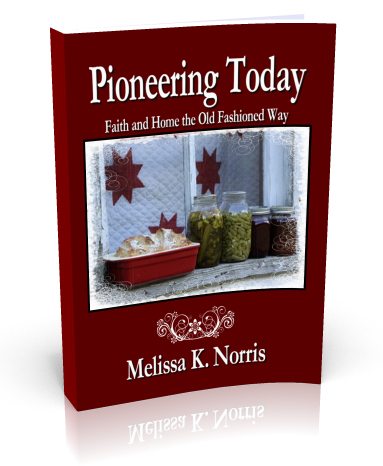
What is an author to do?Melissa K. Norris new book Pioneering Today-Faith and Home the Old Fashioned Way

My new book, Pioneering Today: Faith and Home the Old Fashioned Way, launches today.

I decided to give something away for free and a bonus gift. But I put a time limit on it. If I know I’ve got a limited time frame it makes me get to it first. I’m thinking I can’t be the only one who thinks this way.

I’m offering up my first chapter for free. Now that’s nothing new, you say. Authors do this all over the place.

But not all authors use this great free application called “Pay with a Tweet.” In order to read my first chapter, people can choose to pay with a Tweet or Facebook share. It represents word of mouth marketing for me and also gives the reader something for free. Want to see it in action? Go to my book page here. 

That’s not my only freebie. For every reader who purchases my book on Amazon and forwards me the copy of their proof of purchase, email, and mailing address, I’m going to mail them a secret recipe and the link to a full length bonus chapter, but only through October 31, 2012.

I’m hoping this will help people to purchase now, before it falls onto their to-do-list and is forgotten. I also feel that these items provide real value and content to the readers of my book.

Because that’s what great marketing boils down to. The reader asking what’s in it for me?

Have you ever bought something from an author because you enjoyed their free content? Do you think free is better or do you believe you get what you pay for? Have you seen a jump in sales from giving away free copies?

Ten Sources to Spur Promotion Ideas

Promoting Artists
Concert Promoters Get Creative

Authors are expected to do much of their own marketing. Been there, heard that — you can keep the tee-shirt.

So what’s a writer with little or no marketing experience to do? Research.

And get started early. Though my first book is almost a year from publication, I’m working on a Promotion Plan now. Naturally a strategic thinker, I’m thinking ahead. (If you haven’t yet sold a project, this is prime brainstorming season.)

In a previous job, I worked sales and marketing for a clothing manufacturer, where my biggest account was Nike. They are marketing masters.

A minimum of eighteen months out, they plan the launch for any new apparel line. Nike knows the investment in time and energy pays back with interest. They study competitors. Survey customers. Review totally unrelated products. And sometimes, try things that fail.

But in the thinking stage, they don’t toss any crazy idea.

As a new author, I don’t have a mega-marketing budget like Nike. But their basic principles work with two hundred dollars like they do with two million. If you’d like to peek at some of their aggressive 2013 marketing strategies, click here.

Taking what I learned from past experience, here are ten sources I’m using to brainstorm a unique Book Promotion Plan:

1. Read creative thinking books. Some of my current faves are: The $100 Startup, The Four-Hour Work Week, The Power of Full Engagement, The Well-Fed Writer, Red Hot Internet Publicity, The Wealthy FreelancerPlatform, and Shameless Self-Promotion and Networking for Christian Creatives.


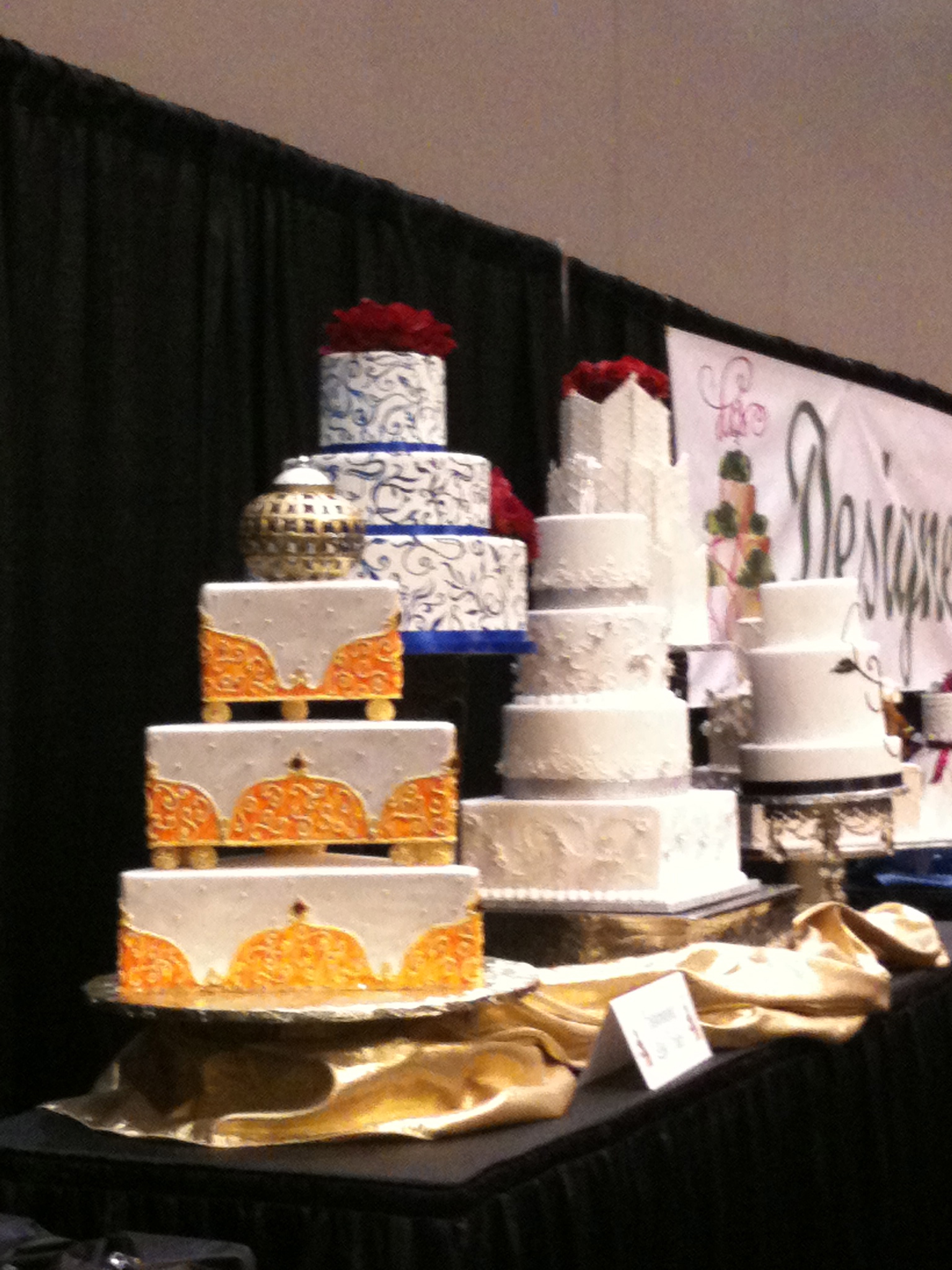
2. Hunt for colorful partnering alternatives in the everyday. Look around you with fresh eyes. Is there a marketing marriage in the making?


Spur Book Promotion Ideas
Creative Ideas Under Your Nose

3. Study other author websites for promotional ideas. In the following examples, it’s the concept, not necessarily the content, that interests me:

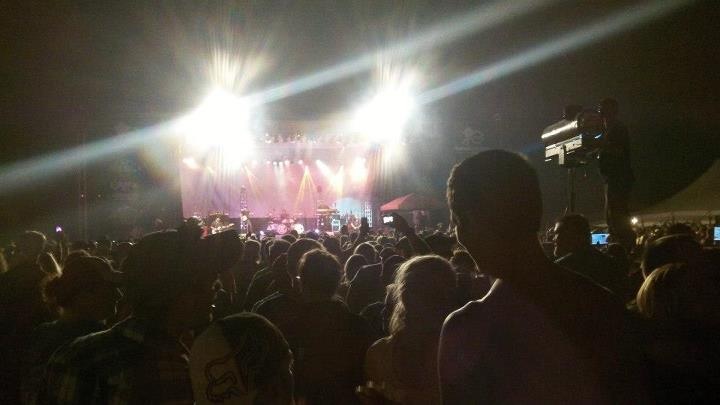
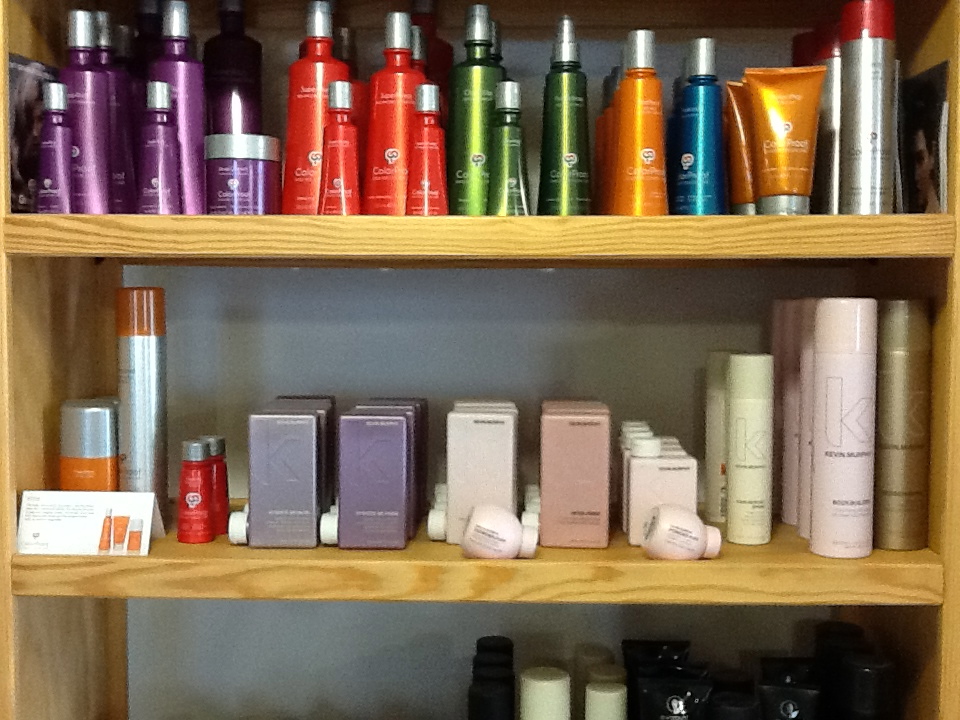
4. Observe projects, organizations, or businesses of different styles, to spark unique promotional ideas. i.e. Concerts, chambers of commerce, beauty salons, amusement parks, hardware stores, talent shows, and more, are marketing fodder.


Promotional Ideas at Salons
Observe what Different Businesses Do

5. Create a line of products to complement the book’s message. Brand image magnifies with diversity — and promotional products spread your message further.


6. Target different personality types, genders, ages, and regions to reach a wider audience. Never discount a potential demographic in the brainstorming phase.


7. Ask for ideas. Get your brave on. Ask the checkout person, waitress, plumber, even employees of places you visit on vacation. They may offer fresh perspectives. But don’t fail to tap into your professional networks as well.


Adventure Sports Spur Creativity
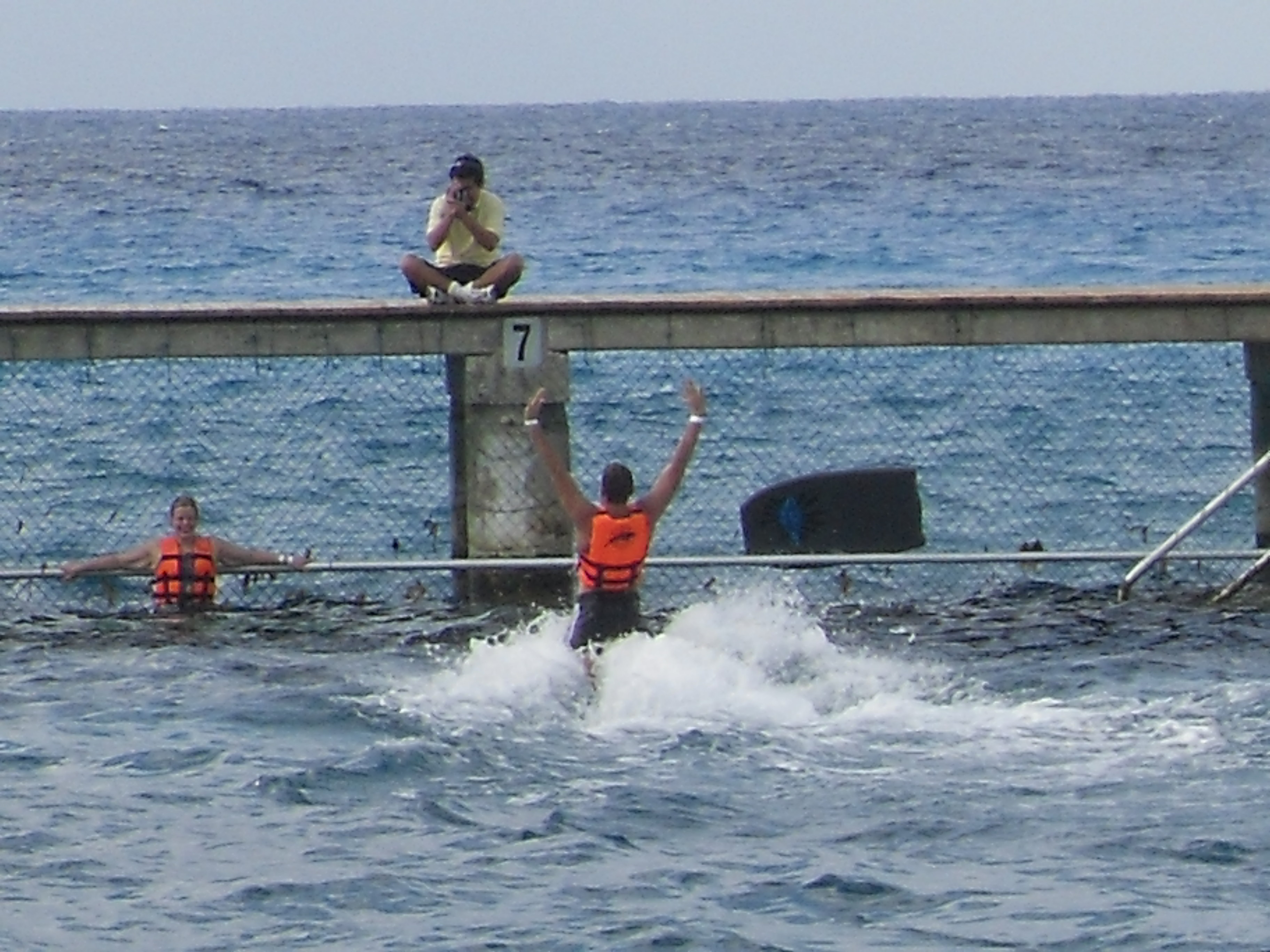
Riding Dolphins Promotes Adventure

8. Help others with pure motives. I believe we get what we honestly give.


9. Stay true to the title. I use this as an editing tool, but it works well with brand marketing also.


10. Consult the Master Platform-Builder. God constructs the sturdiest and sometimes strangest ways to display our messages. Trust Him to know the end in your beginning.

What spurs your book promotion ideas?

When to Tell Your Inner Editor to Shut Up!

We’re not supposed to tell people to shut up. We’re supposed to be polite and considerate.

 Icon Design by Creative Freedom  All copyright for Shimmer Icons belongs to Creative Freedom Ltd.  http://creativecommons.org/licenses/by-nd/3.0/
Icon Design by Creative Freedom
All copyright for Shimmer Icons belongs to Creative Freedom Ltd.
http://creativecommons.org/licenses/by-nd/3.0/

I’m here to tell you that sometimes we need to tell our inner editor to shut up.

I’m not saying we don’t need to edit our work. On the contrary, I even wrote this post, 7 Tips for Self-Editing, but there is a time and a place for said editing.

When you’re writing your first draft, I strongly advise you not to edit. Let your ideas flow. If you try to edit now, you may never finish your novel. Or worse yet, you’ll stifle your creativity.

There is another voice, one that may or not be your inner editor. The one that tells you this isn’t any good. Why on earth did you think you could be a writer? You should just give up before anyone discovers you can’t really write.

These, my friends, are the voice of the enemy. Do not believe his lies.

Recently, I heard these words burn through my mind. When you begin to hear the lies, turn to our source of truth. Pray that God’s voice would be the only one you would hear. Ask Jesus to silence everything that is not from Him.

I’ve started doing this every time I sit down to write. It is making a huge difference. We can choose to listen and believe the voice of truth.

If you’re trying to write your first novel or first draft of a new project, focus on getting it all out on paper or the computer screen. It’s fine to check and make sure your book is keeping in check with your outline and overall story and character goal, but don’t try to make it perfect.

Have you ever had to tell your inner editor to shut up? Do you have any tips to keep yourself going when you feel like giving up?

What is “Good Enough”?

just got back from the American Christian Fiction Writers (ACFW) conference in Dallas. This is an annual event and is the largest gathering of Christian fiction writers anywhere. Close to seven hundred (that’s right– a reverse 007!) writers attended. I know because my good friend’s name ends with a Zw, and she was 688/688.

Amazing.

While there, I attended a talk given by a MAJOR Christian publisher about a relatively large survey they did on Christian fiction readers. Don’t quote me, but the survey included over 200,000 participants and focus groups were conducted in three large cities. Just to say a lot of people participated–not just me and Grandpa Joe.

Since many of you may be salivating over some of those results, I’ll share a few here. The largest categories selling are: #1 Amish (shouldn’t be a surprise, just look at any CBD catalog and they are leading by 5-10 pages), #2 Mystery/Suspense/Thriller (my eyes glazed over with excitement right here!) ,and #3 Historical Romance. The romance categories were split among three genres: Contemporary Romance, Historical Romance, and Romantic Suspense so if all three were lumped together, the romance category may have had a higher overall percentage.

They asked “what would you like to see more of in Christian Fiction?” and the intriguing answer there was gritty is okay. Not everything needs to be wrapped up in a pretty bow at the end. Dangling questions are okay.

What surprised me was when one of the presenters said, “Should we move away from highly curated content to just good enough content?”

To be honest that floored me–in a bad way.

What is the purpose of a traditional publishing house? Some say they are gatekeepers. I like to view them more as museum curators. What is the benefit of having a museum curator? It’s so that my seven-year-old’s finger art isn’t next to Rembrandt. That when you pay your money, in the form of a museum ticket or as a book on the shelf, you know someone somewhere who gets exposed to LOTS of art and books picked the very best ones. And you’ll be getting your money’s worth.

Are there some self-published authors who are putting out high quality novels? Yes, absolutely. Are they the majority? No. If we are honest, they are not.

Can you buy a horrible, traditionally published novel? Yes, but it should be edited to near perfection. That’s the other part you pay for.

Proof, my debut medical thriller, went through four rounds of edits. Are there typos–yes. But I can guarantee there are fewer in the whole novel than in the first chapter of a few self-published novels I’ve started to read.

What disturbs me is when a curator/publisher says perhaps we don’t need as many editing runs. Perhaps “good enough” is okay for the masses. They won’t notice the difference anyway. Those are my words–not hers.

But isn’t that the implication? There are so many “so-so” things out there that we really don’t need to be consumed with quality anymore?

To me the quality of the editing is the one thing differentiating traditional and self-published books in many cases. So, if that’s gone, the strive to put the best product out there–what will be the difference then?

Will traditional publishers actually place the last nail in their own coffin if they adopt such an attitude?

What do you think? If you’re published, do you think there are too many editing rounds? Would fewer be better? How should traditional publishers continue to offer value in ways other than editing?

What a Good Book!

A real page turner by carterse

As a writer, I find the Bible such an inspiring book. Truly it is The Book, which is, incidentally, the actual meaning of the word Bible. Not just the Good Book, as many call it, but the Best Book: an anthology of diverse writings by diverse authors, each unique, yet all identical in their devotion to the Book’s Author and Subject.

Okay. I’m done capitalizing.

All this to say I consider the Good Book a model for all good books.

First off, it’s always interesting. Because, as I preach to the would-be writers who are my students, it’s always concrete.

Manna, for example, is not just some vague nourishment left to our imagination. Rather, it looked like “thin flakes like frost on the ground” (Exodus 16:15), “like resin” (Numbers 11:7), and “tasted like wafers made with honey” (Exodus 16:31) and “like coriander seed” and “like something made with olive oil” (Numbers 11:7-8). I get hungry whenever I read these passages.

Gathered the next day—in disobedience to God’s instruction—these delicious-sounding coriander honey wafers got “full of maggots and began to smell” (Exodus 16:20).

Ew! It’s no wonder that, prone as the Israelites were (as we all are) to disobedience, they disdained the gift of manna, yearning instead for the “fish…cucumbers, melons, leeks, onions and garlic” they had eaten “in Egypt at no cost” (Numbers 11:5). They preferred, that is, the foods they’d enjoyed back when they were slaves and likely had to content themselves with refuse leftover from such culinary delights enjoyed by their masters, as slaves have had to do throughout history. Old fish. Yellow overripe cucumbers. Melons and onions and other vegetables long past their prime. Given such details, the story of those Israelites’ appetites and hungers is so convincing and real, so relevant millennia later.

Unlike many lesser books, the Bible constrains itself neither to one genre— its generous pages embrace poetry, fiction, and nonfiction—nor even to one approach to any genre. Take my own field of nonfiction, for example, which appears throughout both Testaments as histories, arguments, reflections, topical essays, genealogies, lists. The Bible blends these nonfiction subgenres and others, weaving them in and out of prose into poetry, in and out of actuality into invention. In addition to the Bible’s many strictly factual chronicles of otherwise forgotten times, it offers gripping retellings of the same events from new, startlingly intimate perspectives, a narrative strategy (called fictionalization) that effectively topples even the most fact-addicted readers’ unwillingness to suspend disbelief. The only people I know who question the Bible’s trustworthiness are those who’ve never actually read it. Read it, cover to cover, and you’re a goner.

And the Bible never sanitizes. In its pages, women have their periods, men spill their semen on the dirt, matters openly discussed only rarely, even in the least particular public venues, all but never among Christians. A woman sneaks up on Jesus hoping to steal his power to cure her embarrassing bloody flux, and Jesus talks about it before the whole town.

When my daughter Charlotte got her first “real Bible”—the ICB, written at a third grade reading-level but with chapters and verses so she could follow along in church—she was so engrossed she read far past the passages the preacher cited, which I confess I’m prone to do as well, and soon turned to the beginning to read it as one would any other book. By mid-service, she was so shocked by what she found there—the story of Noah, sprawled drunk and naked in front of his sons—that she thrust it across the pew at me and, forgetting her church voice, announced to me and the whole congregation, “I can’t believe they put that in a children’s Bible!”

I know of no book that sucks in a reader—and such a vast assortment of readers, young, old, devout, dismissive—so immediately, so completely, so irrevocably. I never read long in it without thinking, I wish I’d written that!

Hello, Fellow Publishers!

I’m a publisher.

I thought I was just an author doing some social marketing, but thanks to what I’m learning from Beth Hayden’s book Pinfluence: The Complete Guide to Marketing Your Business with Pinterest, my whole perspective on my writing career is changing. Yes, I write mystery and suspense novels, but in support of that endeavor, I need to be creating and presenting content online that is meaningful and valuable for my customers. I need to give my social media friends and visitors what they are looking for, or as Hayden explains on page 61 of her book, “You need to make sure that every piece of content you publish either solves a problem for your audiences, or entertains them – preferably both.”

That’s a big responsibility. Every piece of content. We’re talking about images, information, links, comments – anything you publish anywhere on the internet that has to do with your writing. It’s all part of your ‘company.’ The really exciting part of using Pinterest as part of your company is that it allows you to get creative with visual content, which, psychologists tell us, can evoke emotional responses in a viewer. The bottom line is that by publishing the right images, you can build enthusiasm and loyalty in your viewers, which will help sell your product (books).

Culling through whatever is already on Pinterest boards, however, is not the way to find the ‘right’ images for your viewers, Hayden points out, just as consistently using someone else’s words doesn’t make your work original. Instead, put together your own content. That doesn’t mean you have to take a hundred photos or hire a graphic artist. It means you have to collect compelling images that represent your unique brand. (Be very careful of image copyrights.)

Do you write historical romance? Pin beautiful images of the places where you set your stories, or sketches of period clothing, or the flowers of the region – anything that helps your reader connect to your book. Think of it as publishing a behind-the-scenes guide to your story.

Do you write motivational memoirs? You could pin pictures of famous people who have overcome hardship, or framed inspirational quotes, or maps that trace incredible journeys. Think of it as pulling together an illustrated companion piece to your book.

The possibilities are limited only by your time and imagination, but if you keep focused on your ‘company,’ it will help eliminate some of the time-draining wandering we all do when we get online; if you’re collecting images of old barnyards for an Amish board, it will be a lot easier to not get distracted by all those cute animal pictures that pop up in the blogosphere. (If all else fails, put a sticky note on your computer screen that reminds you “No puppies!”) Make your publishing goals as specific as possible, pin appealing and evocative images on your boards, and Pinterest can become a great billboard for your books on the global internet highway.

Enjoy your publishing!

What are some examples of images that you have been pinning lately? Do you have any creative ideas for pins besides those I mentioned above?

It’s A Parade!!

Welcome to WordServe Water Cooler’s Very First Blog Parade!!

Listed below are links to many of The Cooler’s authors and we are all writing on this topic: First steps we took to becoming an agented and/or published author!

The goal of today’s post is to give you some great advice and to allow you to see some of the personal blogs of our authors where they offer their ponderings. I think you’ll be amazed at the variety of helpfulness each author gives to the community.

Thank you, our faithful readers, for making the WordServe Water Cooler a great community. Enjoy the parade!

1. Anita Agers-Brooks: Anita Fresh Faith

2. Julie Cantrell: Julie’s Journal

3. Dianne Christner: …plain girl romanticizing

4. Dena Ratliff Dyer: Mother Inferior

5. Jan Dunlap: Jan Dunlap’s Blog

6. Michelle Griep: Writer Off Leash

7. Karen Jordan: BLESSED Legacy Stories

8. Sharon Lavy: Sharon Lavy’s Blogspot.

9. Gillian Marchenko: Gillian Marchenko’s Blog

10. Katy McKenna: Fallible

11. Melissa K. Norris: Inspiring Your Faith and Pioneer Roots

12. Jordyn Redwood: Redwood’s Medical Edge

13. Cheryl Ricker: Fresh Air

14. Kimberly Vargas: Kimberly Vargas’s Blog

15. Janalyn Voigt: Live Write Breath

16. Lucille Zimmerman: Lucille Zimmerman

Hope you enjoyed our parade!

WordServe News: July 2012

Exciting things have been happening at WordServe Literary!

On the final post of each month you’ll find a list of Water Cooler contributors’ books releasing in the upcoming month along with a recap of WordServe client news from the current month.

New Releases

******************************************************************************************
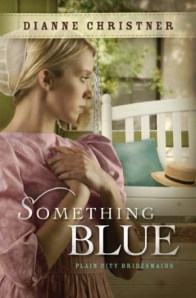
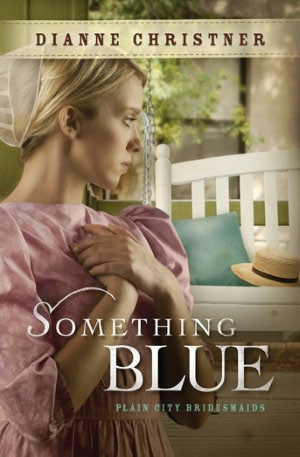
Something Blue by Dianne Christner

Publisher: Barbour

Agent: Greg Johnson

******************************************************************************************

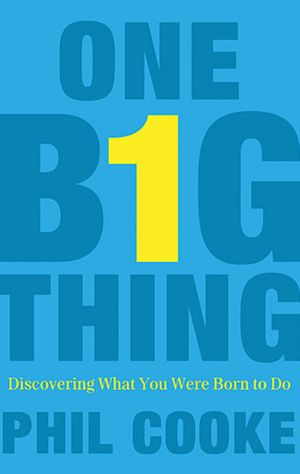
One Big Thing by Phil Cooke

Publisher: Thomas Nelson

Agent: Rachelle Gardner

******************************************************************************************

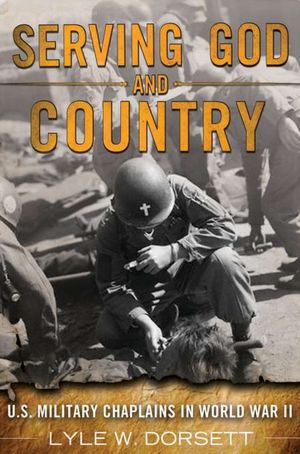
Serving God and Country by Lyle Dorsett

Publisher:  Berkley Caliber

Agent: Greg Johnson

******************************************************************************************
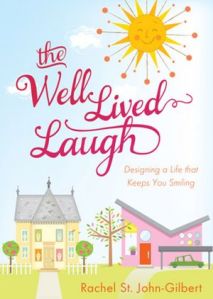
The Well-Lived Laugh by Rachel St. John-Gilbert

Publisher: Barbour

Agent: Greg Johnson

******************************************************************************************
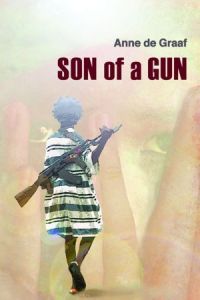
Son of a Gun by Anne de Graaf

Publisher: Eerdmans

Agent: Greg Johnson

******************************************************************************************

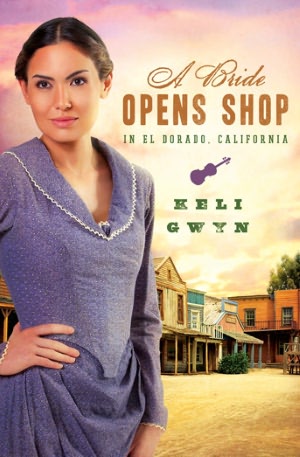
A Bride Opens Shop in El Dorado, California by Keli Gywn

Publisher: Barbour

Agent: Rachelle Gardner

******************************************************************************************
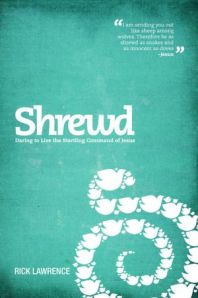
Shrewd by Rick Lawrence

Publisher: David C. Cook

Agent: Greg Johnson

******************************************************************************************

Desperate for Hope by Bruce W. Martin

Publisher: Revell

Agent: Rachelle Gardner

******************************************************************************************

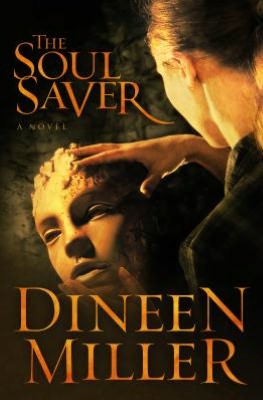
The Soul Saver by Dineen Miller

Publisher: Barbour

Agent: Rachelle Gardner

******************************************************************************************

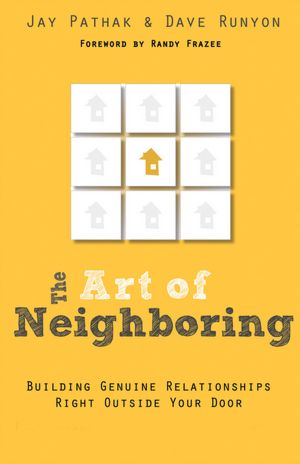
The Art of Neighboring by Jay Pathak and Dave Runyon

Publisher: Baker Books

Agent: Greg Johnson

******************************************************************************************

Central Park Rendezvous by Marylu Tyndall and others

Publisher: Barbour

Agent: Greg Johnson

******************************************************************************************
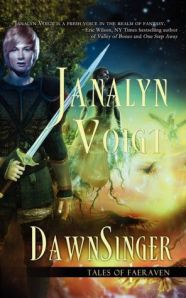
DawnSinger by Janalyn Voigt

Publsiher: Harbourlight Books

Agent: Barbara Scott

******************************************************************************************

New WordServe Clients

Dave and Claudia Arp and Peter and Heather Larson. The Arps started “Marriage Alive” 25 years ago. Now the Larsons are transitioning into leadershp roles for their ministry to marriages.

Dr. Dave Stoop, a longtime Greg Johnson client when he was at Alive, has rejoined Greg at WordServe.

New Contracts

Marcus Brotherton to collaborate on Austin pastor Matt Carter and NFL quarterback Colt McCoy’s book on BIBLICAL MANHOOD, to be publsihed by WaterBrook Press.

Leigh Ann Bryant sold her book, IN MY DEFENSE. It’s the true story of a life of shame and abuse with a husband she finally had to kill in self defense to protect herself and her small son. Soon after, she came to faith and has built a life as a pastor’s wife and a minister to those in prison (though she served no prison time). Our first sale to the new publisher Authentic Publishers. (Agent: Greg Johnson)

Roberta Kells Dorr was a Christian novelist who wrote biblical fiction in the 70s and 80s. Though she died several years ago, her family and estate wanted the books back in print, especially as e-books. We were able to do a 5-book deal with Moody Publishers for an unpublished work of biblical fiction and four previously published and out of print books. (Agent: Greg Johnson)

Ken Gire to collaborate on Chrissy Cymbola Toledo’s memoir of her prodigal life. Published by Tyndale House Publishers. (Agent: Greg Johnson)

Caesar Kalinowski, pastor and thought leader in the missional movement for the Soma Communities network of churches, a book with a working title of TRANSFORMED. A new way of seeing who we are in Christ and what a foundational difference that makes as we attempt to represent Jesus well to our network of friends.  Sold to Zondervan Publishers. (Agent: Greg Johnson)

Amy Sorrells debut novel CANARY SONG and another untitled work to David C. Cook Publishers. Synopsis: Tucked into the groves of a pecan plantation near the coast of Mobile Bay, secrets deep within the Harlan family simmer until they boil over one long, languishing summer. Will Anna Pearl Harlan, her family and friends seek hope in the midst of unbearable pain, or allow it to destroy their lives? Inspired by Tamar in 2 Samuel 13, Canary Song combines one girl’s coming-of-age with another woman’s redemption to show how God heals the hearts of the broken, and how crooked branches can one day provide the best shade. (Agent: Barbara Scott)

Shellie Tomlinson, our All Things Southern Belle (www.allthingsouthern.com), sold to WaterBrook Press, LORD, I WANT TO LOVE YOU MORE, a book for those who have ever wondered how to get from “belief” to “passion.” (Agent: Greg Johnson)

What We’re Celebrating

Jan Drexler‘s Amish novel slated for publication by Harlequin’s Love Inspired line (titled  Love Bears All Things) placed second in the Inspirational category of the The Fool for Love contest sponsored by the Virginia Romance Writers. 

Bestsellers

Rebecca Alonzo’s book The Devil in Pew 7 reappeared on the New York Times Bestseller lists after her episode on Dr. Phil re-aired:

#4 – Primary e-book best seller list

#14 – Primary combined print & e-book list

#26 – Extended paperback non-fiction list

Karen Witemeyer’s book Short Straw Bride made it two months in a row on the list, moving up from #13 (July) to #10 (August).

Mike Yorkey’s book Playing With Purpose: Tim Tebow (Barbour) debuted #32 on the ECPA Top-50 list for July (May release). (Sorry we missed this last month, Mike.)

Carol Award Finalists

Though these authors are no longer with WordServe, we’re so very proud of their accomplishments and their books that were contracted under the WordServe banner. Rachelle, of course, had a great eye for good writers and good stories, so the kudos goes to her, as well.

Roslyn Elliot is a finalist both for “Debut Novel” and “Long Historical” for her book Fairer Than Morning. (Thomas Nelson)

Lisa Jordan is a finalist for “Short Contemporary” for her book Lakeside Reunion. (Love Inspired)

Erica Vetsch is a finalist for “Short Historical” for her book Light to My Path. (Heartsong Presents)

Karen Witemeyer is a finalist for “Long Historical Romance” for her book To Win Her Heart. (Bethany)

What writing celebrations do you have?

Top 5 Self-Editing Tips: Intention

In my first post last month on the topic of the Top 5 Self-Editing Tips, I covered in detail how a novel is structured and how you can be more aware of how to build the structure of your novel.

This month, let’s concentrate on an aspect of self-editing that writers rarely hear much about:  intention.

Merriam-Webster’s Collegiate Dictionary defines intention as “(1) a determination to act in a certain way: resolve; (2) import, significance; (3) what one intends to do or bring about.”

The definition of intention includes other topics, but for our purposes, we can examine the synonyms for intention and determine how we might find intention in a piece of writing, whether fiction or non-fiction. Synonyms: intent, purpose, design, aim, end, object, objective goal.

Once you finish your first or second draft, ask yourself, “Did I fulfill my overall intention for writing this piece, and did I achieve my intention in each scene or section?”

Whoa! That sounds like a tall order, doesn’t it? You might be thinking, how long am I supposed to spend on an edit? The answer: as long as it takes. Because if you have not fulfilled your intention in writing your book, then how can your reader know what you were trying to say?

Let me make this a little simpler by starting with a chapter or even a part of a chapter. Did you intend to make your character unsympathetic in this scene? If not, then you have not communicated the soul of your character to the reader. You have not fulfilled your intention. The reader might even think, “Marsha would never say that. Why is she being so rude?”

On a greater scale, your story or your non-fiction book should have an over-arching aim or goal. It is the road that connects you to the reader and pulls the story along. Yes, even a non-fiction book is more successful if it tells a story that persuades your reader to believe in what you’re writing about.

Your road will twist and turn in a novel, but you, as the author, should always keep the goal in mind. You don’t want to tell your reader up-front what your intention is, but you should know where you’re headed. If you take readers down a rabbit trail and nothing of significance happens, they will soon stop following you through the brush.

Only you know what you want to achieve in your book. If you’re leading your reader down a “road less traveled,” the trip may be leisurely or it may zip along. You may travel on a super highway, on a country lane filled with potholes, or you may walk with your reader down a garden path.

But if you veer off that highway/road/path just because you have a sudden inspiration, your book may be filled with pointless arguments (non-fiction) or characters who pop out of nowhere to deliver a useless piece of dialogue (fiction).

My intention in this post is not to say that plotters are better writers than pantsters. You can write your book as you please, but if you know your beginning and where you aim to end—intention—then the journey will be that much sweeter.

To be continued…

How will you self-edit your novel or non-fiction book to make sure your intention is clear and that you have achieved your goal in every chapter?