How to Stage An Online Blitz

After spending five days eating, drinking, and sleeping (well, maybe not so much sleeping as lying awake with the brain on overload) the promotion of my free Kindle download last week, I’ve come up with what I call ‘Jan’s TIP’ for any writer planning a similar online marketing blitz.

T is for Timing.

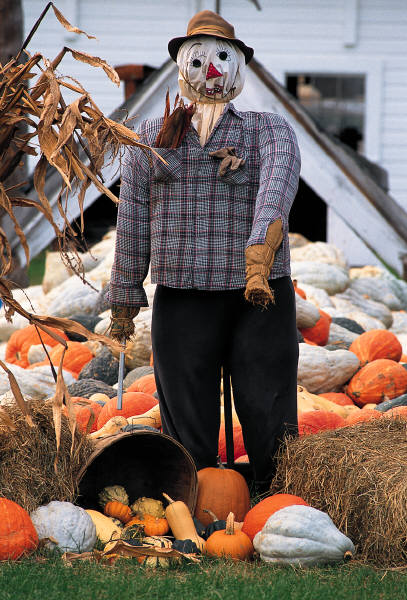
Choose your campaign dates carefully. My book, A Murder of Crows, takes place in October and opens with a scarecrow display; picking an October date for the promotion was an easy choice. It also afforded me lots of tie-in opportunities: I could mention the book in response to any blog, Facebook or Pinterest item that was about Halloween or scarecrows. Think seasonally!

Timing is also about when you post on social networks. I read blogs on Social Media Examiner and subscribe to Rob Eager’s marketing posts, and I’ve learned the best days and times to post to get the most fan engagement: Wednesday through Sunday. I kicked off my promotion with announcements on Sunday and pushed hard with posts Thursday and Friday.

Finally, timing is about you, and how much time you can devote to managing your promotional campaign. I spent at least four to five hours a day online posting, emailing, commenting on blogs, updating lists of contacts and prospecting for new ones. I spent two more hours each day strategizing what to do the next day, exploring new markets and tracking sales/download data. If you want to run a successful campaign, it’s a full-time job!
I is for Images.

Research has shown that images are the keys to social network sharing. To keep posts fresh and continually attention-grabbing, you need to switch up the images you post. I developed six images to use during my five days of promotion, and changed the images I posted every day, with different short text messages. By the end of the week, I’d seen all six images reposted on different networks. It kept my message alive in the universe of Facebook and Pinterest, where the typical ‘life’ of a post is only three hours.

P is for Preparation.

I spent weeks – years, actually – preparing. I made solid contacts in my target audiences over the last few years and asked for book reviews and assistance in promoting my free Kindle deal. I put together a team of fans, reviewers, bloggers, and key influencers to help me focus on getting the word out the week of the promotion, and supplied them with my prepared images and text to use on their own networks. My list of websites and FB pages to contact during my promotion week numbered over 100 (and in the course of the week, it continued to grow as I stumbled on new connections – which are now part of my data base for future book promotion).

So that’s ‘Jan’s TIP.’ Take it for what it’s worth. For me, it was worth around 4000 Kindle downloads in five days…and a bump in the sales of other books in my series.

Do you have a tip for free ebook promotions?

10 Strategies to Keep You Afloat in the Treacherous Social Media Waters

Image of a ship at seaWhat’s a writer to do? Publishers expect you to connect with readers online, but new networks spring up before you can learn what to do with the old ones. New invitations arrive daily in the various inboxes you don’t have time to check. You’re tweeted, emailed, and updated out, and never mind all the invitations you have no time to decline. It’s a slow-drip torture.

If the treacherous waters of social networking are swamping your ship, you’re not alone. A wise writer fights back with a strategy. Here are ten strategies to help you:

  1. Pick your battles. Decide where to focus your energy online. Although Facebook, Twitter, and LinkedIn have a greater share of traffic, your results may vary, depending on the audience you want to reach, your brand, and your particular style of networking. Pay attention to where your visitors come from, and you’ll be able to make an informed decision about where to focus your efforts.
  2. Set aside specific times or a time limit for social networking. Decide where and when and how you’ll interact online and stick to your guns. Failing to approach the Internet with this mindset makes it far too easy to lose track of time. If you have trouble adhering to a set time, use an egg timer or other alarm to warn you when your time is up.
  3. Manage your social networks from one dashboard. I use and recommend http://hootsuite.com for posting to and tracking my social sites. With Hootsuite, I can post the same update to more than one site simultaneously and pre-schedule or auto-schedule updates. Another popular option is Tweetdeck.
  4. Use browser extensions to shortcut social tasks. I favor Google Chrome because of the extensions I can add to my browser. I use Silver Bird to post to Twitter, check my tweet stream, follow search terms and hashtags, and for alerts when I’m mentioned on Twitter–all from my browser. I use Hootsuite’s Hootlet, Bitly (a link shortener that tracks stats), Google+ FacebookLinkedIn, and Stumbleupon extensions as well. Pinterest’s Pin It button is a big time-saver. All of these tools operate from small icons embedded at the top of my browser. This cuts down my visits to the social sites themselves, saving a tremendous amount of time.
  5. Understand your brand and how it applies to your social networking efforts. If you don’t know who you are and what you have to offer, you won’t know what to build and can spend a lot of time investing in the wrong thing. Watch for my next post, which will be all about finding your brand. (If you want to make sure you don’t miss it, sign up in the sidebar to receive the blog’s email updates.)
  6. Know your audience. Understanding who you’re writing for and what they care about is an essential step in developing an effective social media strategy. Make the effort to discover and develop your target audience. If you’re not sure how to do that, this post for novelists can help nonfiction writers as well: How to Find an Audience for Your Novel.
  7. Develop tunnel-vision and wear blinders. When you log into a social site, distractions abound. Keep your focus. It can help to follow a simple list. Here’s an example for Facebook: respond to comments and post to my wall, post to three friends’ walls, upload a picture, check emails, accept or decline new friends, respond to event invitations, and log off (30 minutes).
  8. Adhere to a social media schedule. I’ve programmed Google Calendar to send me email reminders to pay more attention to one social site over others on a specific schedule. During these visits, which occur weekly, I do maintenance tasks like revamp my bio, check that my links are current, swap out my profile picture, upload videos, make sure my site adheres to my brand, and the like.
  9. Count the opportunity costs. Time spent on social sites is time not spent doing other things. It’s easy to get caught up by online friendships to the detriment of real-life relationships. Reminding yourself of your priorities helps you switch activities or power down the computer.
  10. Track yourself online. Install Rescue Time to track you online and send you productivity reports. If you lack discipline, this software can help you find it again. There are even options you can set to restrict your Internet access at certain times.

I rarely spend more than half an hour a day on social networking, and often considerably less, but for the most part I cover the bases. I hope you can glean from the strategies that have kept me sailing away on SS Social Media.

Does Free Really Help Sell Books?

As I’ve been working on the launch of my new book, I’m struggling with how much to give away for free. I’ve read conflicting reports on offering your book without cost.

Some say you’ll gain so much word of mouth that we all should do it. Others say you devalue your content and make those who have paid for it feel cheated.

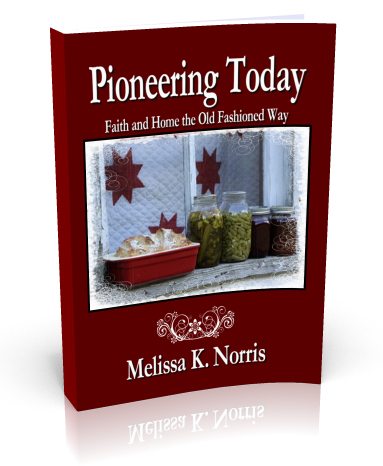
What is an author to do?Melissa K. Norris new book Pioneering Today-Faith and Home the Old Fashioned Way

My new book, Pioneering Today: Faith and Home the Old Fashioned Way, launches today.

I decided to give something away for free and a bonus gift. But I put a time limit on it. If I know I’ve got a limited time frame it makes me get to it first. I’m thinking I can’t be the only one who thinks this way.

I’m offering up my first chapter for free. Now that’s nothing new, you say. Authors do this all over the place.

But not all authors use this great free application called “Pay with a Tweet.” In order to read my first chapter, people can choose to pay with a Tweet or Facebook share. It represents word of mouth marketing for me and also gives the reader something for free. Want to see it in action? Go to my book page here. 

That’s not my only freebie. For every reader who purchases my book on Amazon and forwards me the copy of their proof of purchase, email, and mailing address, I’m going to mail them a secret recipe and the link to a full length bonus chapter, but only through October 31, 2012.

I’m hoping this will help people to purchase now, before it falls onto their to-do-list and is forgotten. I also feel that these items provide real value and content to the readers of my book.

Because that’s what great marketing boils down to. The reader asking what’s in it for me?

Have you ever bought something from an author because you enjoyed their free content? Do you think free is better or do you believe you get what you pay for? Have you seen a jump in sales from giving away free copies?

Ten Sources to Spur Promotion Ideas

Promoting Artists
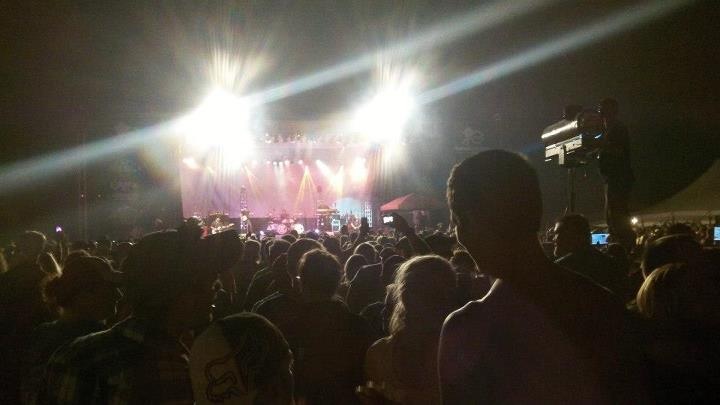
Concert Promoters Get Creative

Authors are expected to do much of their own marketing. Been there, heard that — you can keep the tee-shirt.

So what’s a writer with little or no marketing experience to do? Research.

And get started early. Though my first book is almost a year from publication, I’m working on a Promotion Plan now. Naturally a strategic thinker, I’m thinking ahead. (If you haven’t yet sold a project, this is prime brainstorming season.)

In a previous job, I worked sales and marketing for a clothing manufacturer, where my biggest account was Nike. They are marketing masters.

A minimum of eighteen months out, they plan the launch for any new apparel line. Nike knows the investment in time and energy pays back with interest. They study competitors. Survey customers. Review totally unrelated products. And sometimes, try things that fail.

But in the thinking stage, they don’t toss any crazy idea.

As a new author, I don’t have a mega-marketing budget like Nike. But their basic principles work with two hundred dollars like they do with two million. If you’d like to peek at some of their aggressive 2013 marketing strategies, click here.

Taking what I learned from past experience, here are ten sources I’m using to brainstorm a unique Book Promotion Plan:

1. Read creative thinking books. Some of my current faves are: The $100 Startup, The Four-Hour Work Week, The Power of Full Engagement, The Well-Fed Writer, Red Hot Internet Publicity, The Wealthy FreelancerPlatform, and Shameless Self-Promotion and Networking for Christian Creatives.


2. Hunt for colorful partnering alternatives in the everyday. Look around you with fresh eyes. Is there a marketing marriage in the making?


Spur Book Promotion Ideas
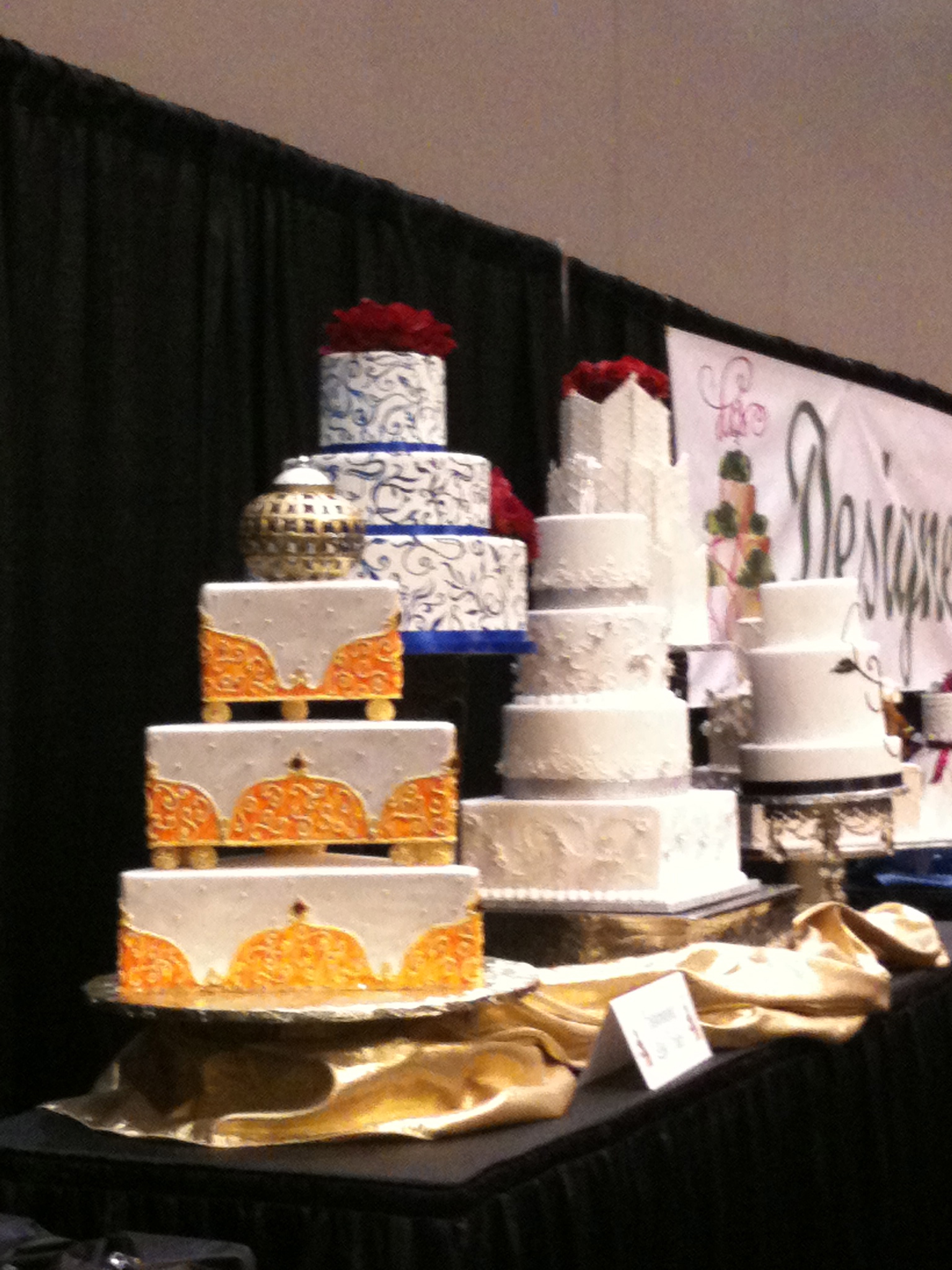
Creative Ideas Under Your Nose

3. Study other author websites for promotional ideas. In the following examples, it’s the concept, not necessarily the content, that interests me:

4. Observe projects, organizations, or businesses of different styles, to spark unique promotional ideas. i.e. Concerts, chambers of commerce, beauty salons, amusement parks, hardware stores, talent shows, and more, are marketing fodder.


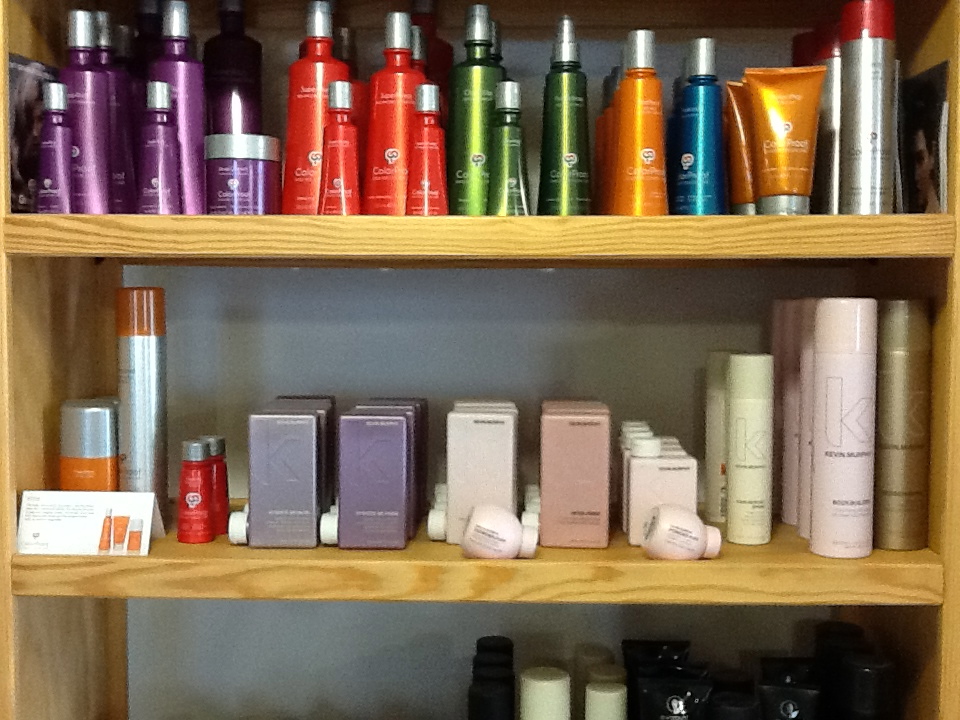
Promotional Ideas at Salons
Observe what Different Businesses Do

5. Create a line of products to complement the book’s message. Brand image magnifies with diversity — and promotional products spread your message further.


6. Target different personality types, genders, ages, and regions to reach a wider audience. Never discount a potential demographic in the brainstorming phase.


7. Ask for ideas. Get your brave on. Ask the checkout person, waitress, plumber, even employees of places you visit on vacation. They may offer fresh perspectives. But don’t fail to tap into your professional networks as well.


Adventure Sports Spur Creativity
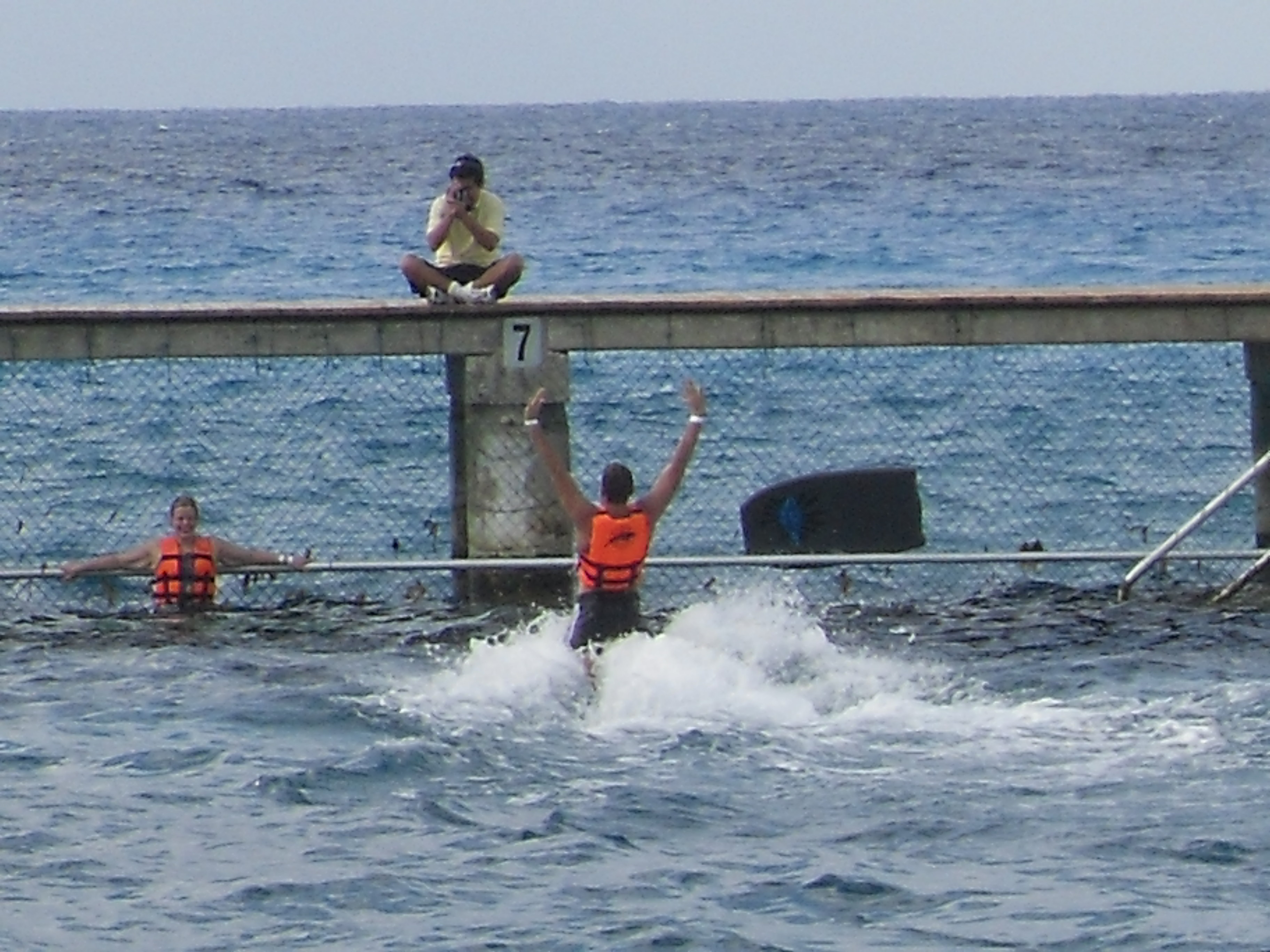
Riding Dolphins Promotes Adventure

8. Help others with pure motives. I believe we get what we honestly give.


9. Stay true to the title. I use this as an editing tool, but it works well with brand marketing also.


10. Consult the Master Platform-Builder. God constructs the sturdiest and sometimes strangest ways to display our messages. Trust Him to know the end in your beginning.

What spurs your book promotion ideas?

The 15-Minute Writer (Part 3): Building Your Platform

Platform building has become all-important in the publishing world. And how do you build a platform? One plank at a time.

That’s why I tell writers with day jobs and moms with kids NOT to wait until they have more time to pursue their dreams. You can write, build your platform and get published–one small step at a time.

When I started taking my writing seriously, I had a baby and a husband in full-time ministry–and no family nearby to provide free babysitting. So I wrote during my son’s nap times. After Jordan outgrew his naps, I enrolled him in our church’s “Mother’s Day Out” program two days a week, and used those times to write.

When my second son was born, I repeated the process–though things did get a bit trickier! I’ve also written during lunch hours, backstage in a dressing room while waiting to perform at a theater, during birthday parties (not my own kids’, though!), on Saturdays/Sundays, and late at night.

*But NEVER in the early mornings. Some things are just insane.*

One plank a time, I’ve pursued this crazy/wonderful calling God placed on my life, building a career and a platform. It’s a roller-coaster, of course–lots of rejection for every acceptance–but I wouldn’t trade it for anything.

[I’m also aware that my husband is entirely supportive, and for those authors who don’t have an encouraging spouse, my heart goes out to you. You’ll have to be even more creative and deliberate about finding time to write. But please, don’t give up!]

My own story makes me passionate about helping other writers (especially moms) hone their craft.

Say you have a precious fifteen or thirty minutes a day to write. Divide those segments into writing, market research, and promotion/marketing. Then use your allotted time three days out of the week to write; two days to do market research; and one day to market (giving yourself one day off).

Here are a few sample ways to build your platform, fifteen or thirty minutes at a time:

  • Post a new picture or status update on your Facebook author page and “like” a few other people’s posts while you’re signed in as the author.
  • Tweet from your Twitter account and RT/respond to a few tweets from friends.
  • Update LinkedIn (I do this automatically by linking my Twitter feed to my LinkedIn profile, so when I tweet, my LI account gets updated, too).
  • Write a rough draft of a blog post.
  • Pin a link and photo from a former blog post on Pinterest. (Careful! Pinterest is addicting–might I suggest a timer?!)
  • Read a blog post (or two) and comment on it.
  • Read a portion of a book on marketing and promotion. Highlight your favorite ideas, and bookmark the page to come back to.
  • Read about a conference you’re interested in, and mark the dates on your calendar.
  • Sign up for a conference, online course, or in-person class.
  • Write a rough draft of a query to an agent or editor.
  • Edit a query you’ve previously drafted.
  • Compose a cover letter for a query or manuscript.
  • Email friends about your newest published piece and ask them to share it with friends, if they’re so inclined.
  • Email an author friend to ask advice or feedback.
  • Offer feedback and advice to someone “greener” than you.

Now it’s YOUR turn. What are your strategies and ideas for platform building, one board at at time?

(Read part one and part two of the series.)

5 Benefits of Collaborative Writing

http://www.stockfreeimages.com/

Franz Kafka, the famous author of “The Metamorphosis,” once wrote that writing is utter solitude, the descent into the cold abyss of oneself.

Although Mr. Kafka sounds a bit creepy, I get it.

As a mother to four kids, I relish hours alone with clicking fingers and thoughts. It’s just me and my laptop, or a pen and a piece of paper, and I’m hurled into a different time, place, or life. “How do I know what I think until I see what I say?” said the great E. M. Forster.

I concur.

Solitude is a treasured gift in my writing life.

But as I’ve delved into my career, the importance and benefits of collaborative writing have become undeniable. I’ve realized, with time, that my writing can get blurry. My business plan can be smudged. Enter collaborative writing.

When I say collaborative writing, I mean sharing my work with others, helping fellow writers along the way, and receiving criticism and suggestions regarding my work. I need people. I need editors, and proofreaders, and cheerleaders. I need instruction, shared experience, correction.

Col·lab·o·ra·tion: The action of working with someone to produce or create something.

Letting people into my solitary writing life has been a great experience. I create more. I create better. How? In what ways?

I’m glad you asked.

Here are 5 benefits of collaborative writing:

1. Collaboration strengthens writing skills

After I committed to writing my personal story about having a child with Down syndrome in the former Soviet Union, I looked into taking a writing class. God hooked me up with a great group. We read and discuss memoir, submit pages, and critique each other’s work. This sort of collaboration with other writers has strengthened my writing muscles and encouraged me greatly. Plus, I made writer friends!

2. Collaboration helps keep the green monster at bay

Let’s face it. All writers struggle with jealousy. I surely do.

When I collaborate with others, whether I’m reading or editing someone’s work, promoting Facebook fan pages, or having a friend guest post on my blog, it’s more difficult to for me to be jealous. Instead of racing for the win, I become a fellow sojourner along the path. If you find yourself repeatedly jealous over another writer’s success, I suggest you attempt to collaborate with him/her. It will change your attitude.

3. Collaboration builds platform

Nine times out of ten, when I’ve helped another writer, he or she ended up helping me too. Like someone’s post, share a fan page, host a blog parade. People will notice your generosity. And maybe next time, they will promote you.

4. Collaboration pushes deadlines

Whether you are submitting new pages to a group, or working with an editor on a freelance project, or in the final stages of line editing with your publishing house, deadlines push you. In order to write more, often, and better, collaborate with others. You will be forced to meet deadlines, which, in turn, will force you to write more.

5. Collaboration makes me an upstanding literary citizen

I’m convinced that as writers, we need to contribute to the literary society to which we belong. Read. Buy books. Share articles. Subscribe to magazines. And I would add collaborate with other authors.

Collaboration is a win for all involved.

George Orwell said that good writing is like a windowpane. I’m convinced that in order to write well, I need others around me holding the Windex bottle, spraying, and wiping my purpose, productivity, and prose clean with wadded up old newspaper.

What about you? How have you/do you collaborate with other writers?

Hashtags can help….

So…. What’s a #Hashtag?

How can a simple #hashtag help me to promote my book?  Well in many, many ways.

#Confused?

First lets define what exactly you are looking at…. #pleasehelpme.

You probably first saw them on Twitter, that is where a #hashtag originated.

It’s a simple marker of sorts.  #Hashtags over the last year have migrated from Twitter to Instagram, and Pintrest. #clever.

A #hashtag is a marker of sorts that drives you to people’s posts, and drives people to your posts. You can click on any #hashtag and it brings up all other posts with that same tag in… simply put, if you want to promote your book to strangers, a #hashtag will be one of the best tools you can use for social media platforms that utilize #hashtags.

What topics are important to you? Make a list of words that are important to you selling your book.  What words describe your book? How can you find like-minded readers, by strategically #hashtagging words that are specific to you! #buildingabrand #books. If you know what SEO is, Search Engine Optimization, #Hashtags work.

Some simple rules for #hastagging. Never put spaces between words or the #symbol. Use words that are relevant to your tweet/pin/pictures.  A great way to find more followers is to use hash tags on both sides. You do it and other people do it in searches as well….  Find people that are #hashtagging things that you care about and get involved in their conversation. #smartthinking.

Here is a simple straightforward article in the Twitter Help Center, which could help you.

Remember, that #hashtags are fun.  Don’t over use them, but do use them to find like-minded readers.  It could open many doors for you… people will find you and you will find people.  #hashtags  #winning.

What the Well-Dressed Writer Is Wearing

Actually, the title for this post should be “What the well-dressed writer is wearing in public.” In private, while we writers are slaving over our manuscripts, I know what we wear – anything from running shorts to old jeans to pajamas and robes, and everything in between. When we’re lost among the words, who cares what we look like?

But once you become a published author, that changes. Suddenly, what you look like matters. You have to meet the public. You sit in bookstores, sign books, and attend events. You speak at luncheons and dinners. You do a television spot.

You need to rethink the old sweat pants that have seen you through your book’s creation. You need to glam up a little and give your readers your best side. They are, after all, rooting for you, and you want to do them proud. So, yes, it’s time for a writer’s make-over! (Cue the fanfare!)

Unfortunately, I’m lousy at make-overs (fanfare goes flat), so instead, I’ll just share with you what I’ve found works for me when it comes to making public appearances.

  1. Find a simple haircut/style that is flattering and stick with it. Shell out the money for an experienced stylist and ask him/her for suggestions and instructions. My hairdresser is a lifesaver; not only does she give me a great color and cut, but she shows me how to get different looks with it, so I always look fresh at events. It was her advice before my first book launch that continues to guide me: “Your fans deserve to see you at your best.”
  2. Put together one or two complete outfits that you can grab and wear at a moment’s notice. If you’re chic-challenged like me, get help. Go to that clothing store you drool over and ask for help in assembling a professional ensemble. Yes, it might cost a bit more than you’re used to spending, but to have one ‘go-to’ outfit for anything book-related that comes up will, in the end, save you money, time, and mental energy. I love my ‘go-to’ clothes; I know I look great in them, and that boost of confidence really comes in handy when I’m facing a roomful of strangers. Polyvore, a website often pinned on Pinterest, has some great ideas for various outfits, too.
  3. Use accessories! Okay, I sound like a women’s magazine, but I think this has made a big difference in my presentation. Normally, I don’t wear jewelry, scarves, or jackets, but when it comes to looking polished, they add the icing to the cake – especially when your accessories go with the outfit. (See #2 again.) My favorite goofy earrings? Not so much.
  4. You may want to consider dressing in ‘costume.’ A friend of mine writes several series under different pen names, and she dresses differently for each author persona: one is eccentric, another is business professional, and the third is romantic. She has a ‘go-to’ outfit for each, so her clothing reflects her brand, which means that her clothing is marketing.

What are you wearing?

Judging a Book By Its Cover

We’ve all heard the saying that you can’t judge a book by its cover, but that’s not completely realistic. Buying habits have shifted heavily and more people are buying books online than ever before. The digital images we use on our book covers and websites need to be decent looking. Poor images are distracting and only serve as comedy relief for all those book snobs out there. You worked too hard on that book to just slap any old photo on the cover. No one wants to be represented by a grainy image that screams, “I don’t care enough about my work to take this part of the process seriously.”

Hesitant to use digital images you haven’t taken personally? That’s understandable. People can get in a lot of trouble for using a photo without proper permissions. Just because a photo is accessible via Google Images doesn’t mean it’s okay to upload to a website or use on a book cover. I highly recommend going to a stock photography vendor and purchasing the high-resolution digital files of your heart’s desire. Stock photos are ready-made, categorized images for promotional materials. Just like when you go to insert clip art into a Microscoft Word document, you can search for images by subject. If you want a photo of a horse, just type in the word ‘horse’ and see what comes up.

My favorite vendor for stock photography is istockphoto.com. Since 2000, they have been a trusted source for media, design elements and royalty-free stock images. Royalty-free means that you only have to pay one time to use an image or file multiple times. They also offer a legal guarantee that content used within the terms of their licensing agreements will not violate any copyright laws. There is so much stock photography out there to chose from that the possibilities are as endless as your imagination.

Need a crash course in digital imaging? A pixel or “picture element” is the smallest part of a digital image. Greater numbers of pixels in a digital image usually mean a larger image and/or greater detail within said image. A digital file‘s resolution is determined by pixels per inch (ppi). Generally speaking, higher resolutions result in greater detail. The address of a pixel corresponds to its physical coordinates. Digital images vary in file sizes, which impact the pixels per inch. For example, one photo I reviewed was a picture of London Bridge. In order to purchase this photo, there was an option of an XSmall version (347 x 346 pixels) for $8.00. The same image had scalable options ranging all the way up to XLarge (3456 x 3456 pixels) for $34.00. With so many options available, there is sure to be one for your price point.

Maybe people don’t judge a book strictly by its cover, but it is still a representation of the author. Having a quality book cover and cover image never hurts, but having a substandard one sure does. You only get once chance to make a first impression. Why not exceed the expectations of your readers right out of the gate?

What are your thoughts on book covers and digital images?

Whose Fault Is It If Your Book Doesn’t Sell?

Pop Quiz: When your book doesn’t sell to your expectations, who is to blame?

  1. Those picky sales folks in publishing houses. They only want to sell bestsellers and big name authors anyway.
  2. The marketing folks at publishers who never seem to pick me or my book for that infamous 80/20 principle (80% of the money going to 20% of the books).
  3. My agent who takes their 15% and then runs for the hills (with no Internet access).
  4. Stupid consumers who wouldn’t know a good book from, well, a bad book.
  5. Me, the author, who sweats great drops of blood in writing the Great American book, but can’t market and PR my way out of a paper bag.
  6. God, of course. I’m not worthy of His blessings anyway.
  7. None of the above
  8. All of the above

After representing a couple of thousand books, the answer is “8” (minus “3” & “6,” of course). In my last 22 years in publishing, I’ve seen average books go through the roof, and great books struggle to find readers.  I won’t name names or titles, but we’ve all scratched our heads after reading a current bestseller, thinking Really? Naturally, I’ve seen hundreds of books sell just “okay.” And on rare occasions, I’ve even seen great books do very well. Imagine that?

So why are some books unable to find a foothold in retail and with consumers? The reasons are legion.

  • No one has heard of the author, so they’re not looking for their book.
  • A world event happened–war/disaster/crime/election–so the book and author who could have been talked about on media (and was booked on media), is no longer big news. (I’ve seen this happen more than once.)
  • Bad cover. While you can’t “judge a book by its cover,” you certainly may not buy it if it’s awful.
  • A less than scintillating title.  I’m hearing that consumers are buying books based on Search Engine Optimization (SEO), especially felt-need nonfiction.
  • Bad spine. A consumer takes .8 seconds to look at your book spine as they walk down the aisles in bookstores, and if they can’t read the font/script/type, they won’t work hard enough to pick it up to see your great title, subtitle, endorsements and back cover copy. Sale denied. (So always make sure you are sent the spine to make sure it’s readable.)
  • Interior type is too small or squished together. I’ve had several great books die because the publisher wanted to save paper so they put it in 9 pt. type.  Even a great cover and big author name can’t save a book from people saying, “My eyes got tired of reading so I didn’t finish it.”
  • Many bad reviews and too few good reviews to counteract them.
  • Retail doesn’t reorder. While a publisher will often get at least one book of yours on the shelf at most stores, they can’t put a gun to a retailer’s head and make them reorder. Complaining that “my book is not on the shelf” is rarely the fault of the publisher. Believe me; they ARE trying to sell books.
  • No e-book marketing/sales strategy.
  • No buzz. The publisher must create some buzz through TV/radio/blog reviews and all the rest. But it’s not only their job. The author must (MUST) be about the business of creating their own buzz, as well, which is why there are advantages to a bigger agency like WordServe that has a Facebook Fan page, Pinterest page, WaterCooler, and Twitter accounts. We’re doing what we can to help create a little synergistic buzz. Of the 100% of buzz needed/wanted, this is likely 5% of the overall puzzle of how books start getting buzz. (Look for my article next month on “Creating Buzz.”)

I tell my authors that a publisher can sell about 15,000 copies of almost anything if they really want to. (I only wish they really wanted to on every book.) But the book won’t sell more than 15,000 if it doesn’t get word of mouth. Good, bad or mediocre books sell well because groups of people start talking about them and telling their friends and neighbors.  Think about how many times you’ve said, “You’ve got to go see this movie,” or “You’ve got to read this book.” That’s what sells tickets and books the most.

So what causes a book to sell through the roof? (Tongue firmly in cheek…)

“We must personally thank the literary agent. She obviously hand-sold 50,000 copies.”

“I think a bookstore owner in the Southeast region is what helped put it on the list.”

“The author’s Facebook fan page made all the difference…”

You get the picture, individuals outside the creation and sales process likely would only get a very small portion of the credit (or blame).

Bottom line: They heard about it, saw it, bought it, loved it, and then told others.

Do you agree with this conclusion?  Are there other reasons you’ve seen or heard about why books sell or don’t sell (yours or others)?