I’m Hooked on LinkedIn

hooked onAfter three years of experimenting with social media networking, I’m finally closing in on what works best for my marketing needs at this time.

But before I share with you what I’ve discovered, I need to make some qualifications of phrases in that first sentence.

  1. ‘Experimenting’ – I’ve had no formal training in using Facebook, Twitter, LinkedIn, Google+, or Pinterest. Instead, I’ve read countless books and blog posts about using them, taken online webinars and asked others what they do. I’ve tried some ideas (mostly the ones I understood how to do) and rejected others (the ones I had no idea how to do). My experimenting has truly been all over the net, kind of like sampling all the flavors in an ice cream shop – a small bite at a time.
  2. ‘Works best’ – I define this as ‘what I can successfully manage, given limited time and ability because I am not a social media guru, nor do I aspire to become one.
  3. ‘Marketing needs’ – For me, this is publicity and audience building. I don’t sell books myself; I focus on branding myself to create the desire in my audience to go to vendors. Ultimately, I want my audience to become my sales team to sell my books to others, since there are a lot more of them than there is of me!
  4. ‘At this time’ – Marketing needs change over time, as do the ways different media platforms function. I dread every announcement that a social site has made ‘changes,’ because it means I have to learn/relearn how to use it.

All that said, I have found MY most successful audience builder to be LinkedIn. That’s because I focus there on connecting with others who work professionally in the fields in which I write: dogs, birds, health and wellness.

Yes, you read that right – my Birder Murder Mysteries and girl-meets-dog memoir appeal to three audiences, yet they overlap because my overarching brand is about getting outside to get healthier and happier. My contacts are working professionals at state parks, dog or bird-related businesses, wellness advocates, animal rescue groups, and ecotourism, to name a few. My strategy is to strengthen my social relationships with those contacts by engaging in conversations with them individually and collectively, which is what LinkedIn shines at. I see my contacts as distribution points – when I engage them meaningfully, they share my brand/message/content with their own networks. And LinkedIn makes it easy for me to find people who already care about my topic(s) with their group listings and recommendations.

My marketing strategy will continue to evolve, as healthy marketing strategies do, and I know that my experimentation with other networks is far from over. For now, though, LinkedIn is the backbone of my social networking strategy since it yields me the most new contacts, opportunities to market, and book sales numbers of all the platforms.

Which social media platform is working hardest for you? How do you measure that?
The Cheater’s Guide to Building Your Author Platform – Part 1

With a glazed look on my face, I obediently handed my phone over to “the expert” sitting beside me. As she looked up my twitter account which had an oval egg shape for my picture, I couldn’t help feeling intimidated by the task of building an author platform.

I had spent my entire life serving in pastoral ministry. When social media first came on the scene, I was suspect of the enemy’s evil intent to use the media to entrap our children.

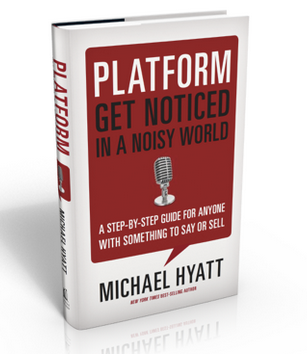
Now here I was, listening to Michael Hyatt talk about the power and necessity of every author building a platform to launch their book. Much of what he was saying went over myplatform head. Yet as I listened for the still small voice of the Holy Spirit to guide me, I simply heard this word: engage.

As I engaged in the social media platform beginning that day two years ago, I grew from 4 twitter followers to over 21,000. I joined the social conversation and found a whole new world of influence.

Since my first book, 9 Traits of a Life-Giving Mom, hit #1 on Amazon’s Hot New Releases for Christian Women’s Issues, I regularly have authors seeking my advice on how to build their own platforms.

Let’s Begin at the Beginning

Watch Michael Hyatt’s simple video on Platform Building.

1. Start with a Blog

Begin to build a following. Give people an opportunity to get to know your heart. Use your blog as a spring board to all of your other social media engagement.

If you are an author of a number of books, you are probably your brand. You may write on a number of blogs. A foundational part of your strategy is your own blog where you can share your passion and build a loyal following. I chose to use my own name for my primary blog at SueDetweiler.com.

2. Develop a Social Media Strategy

You are unique. Social media needs to work for you. As you begin to see the power of social media, use these principles as a guide: 12-28-14 Social Media

  • Use Time Management Tools
  • Link Social Media Posts
  • Strategically Post Throughout the Day

The key to social media is to see it as an ongoing conversation with a friend. You are sharing about all the things that you care about. People who read your tweets will know what you enjoy. Don’t be afraid to share your personal story and pictures. Provide your tribe with ongoing helpful resources.

3. Be Real

Don’t try to appear to be anyone else than who you truly are. You don’t have to be perfect. In fact, one of the ways that people will be drawn to you is when they sense you are transparent. Don’t try to be Barbie or Ken; just be who God made you to be. Let your quirks come through in your social media platform.

Don’t be tripped up by your own perfectionism and fail to launch into a new thing. Allow yourself the freedom to try something new. Stoke the fires of your own adventurous spirit.

4. Use Video

Video can be really simple. The technology on your smart phone will allow you to do video in minutes. As an author, you can use the power of video to sell your book. Here’s a simple book trailer that was created for me on Fiverr.com. Video doesn’t have to cost you a fortune to be effective in telling your story.

I also used simple video introductions of each chapter of my book as an additionalbuilding your author platform resource. At the end of each chapter a simple code invites the readers to watch the video or download a printable of written prayers that enhance each chapter.

5. A Gateway to Traditional Media

As you build your platform as an author, others will become excited about your message and help get the word out about your book. Build relationships with other authors, radio hosts, and television hosts. Two events that I think are helpful to connect authors to traditional media are National Religious Broadcasters (NRB) and The International Christian Retail Show (ICRS). There may be other events that your publisher encourages you to attend to build relationships with the media.

Next Week

We are just scratching the surface of things that you can do to build your platform as an author. Join me here at The WordServeWaterCooler for part 2 of The Cheater’s Guide to Building Your Author Platform.

Also connect with me on social media! Let’s start a conversation. Let me know if there is any way I can help you get your message out.

Multiple Author Events – Yes or No?

Smiling Group of ProfessionalsAs a writer, the weight of book promotion falls on my own shoulders. Since that gets tiring, I’m always looking for ways to maximize the results of the events I do: my current goal is to market smarter, not just harder.

So when a writer friend told me about the great attendance and good sales she experienced at a multiple author event at a book store, I decided to give it a whirl with both of my book lines. That meant gathering other authors who’ve written about dogs (so I could promote my girl-meets-dog memoir Saved by Gracie) and collecting another crew of authors who’ve written about birds (to expand the audience for my fictional series, Birder Murder Mysteries).

This is how it played out:

National Dog Day. I broached the idea for a National Dog Day Night to a local independent bookstore, and they jumped at the concept! I offered to recruit authors to attend, and the store agreed to stock the books, set up chairs and a microphone, and do publicity. They even partnered with a local dog rescue group for more publicity and support. Luckily, three well-known writers with dog books live in my area, and they readily agreed to participate. We all thought it was a smokin’ idea…but only five people showed up. What went wrong? Personally, I attributed it to the lovely summer weather; I myself would have chosen to be outside with my own dog, rather than inside with authors.

My big score, though, came from meeting the other authors, one of whom asked for an excerpt from my book to run in her monthly newsletter that goes out to thousands of readers. I made a hot contact even if the event fizzled.

For the Birds Night. I took this idea to a local Barnes & Noble and again, the events manager thought it was a winner. This time, it was a monumental headache for me to pin down the authors – talk about a flighty bunch! Not that any of them are absent-minded – it just took me a while to catch all these bird-chasing authors between their travels and professional obligations, not to mention the multiple email addresses so many of them use. I managed to round up five of the original ten that I contacted, and even then, I had one drop out at the last minute due to health issues, and one drop in who’d forgotten to confirm with me months earlier.

The event itself, though, was a big hit! We had over 20 people attend, a lively discussion ensued, and every author was signing several books by the end of the evening. Our B&N hostess invited us back for a spring event, and said her district manager had expressed interest in us taking our event to other stores.

After organizing two group events, my conclusion is that it’s worth the effort in terms of both book promotion and author networking. Upfront sales might be disappointing, but as one more tool in your marketing toolbox, I highly recommend giving it a try.

And keep some aspirin handy.

Have you participated in multiple author events? What was your experience?

Facebook: Friend or Enemy?

Facebook. So what IS it about marketing on Facebook that makes us all cringe? I know I’m not the only one who wants to forget about it and get to work writing my next book!

But after a couple of valuable appointments with marketing gurus at the ACFW conference in September, and after reading last month’s post by Casey Herringshaw, I started looking at Facebook a little differently. It is part of our lives, and it can be a valuable asset to our writing careers.

Here are some things I’ve learned:

  • Treat both your author page and your personal page the same. Both of them are seen by your readers and potential readers. Once you’re a published author, you don’t have a private life on the internet. If you aren’t published yet, act as if you are!
  • Stick to your brand. I write historical romance books. Most of them are Amish, with a foray into a western being published by Love Inspired next year. On my sepia horse and buggyFacebook author page, I share Amish tidbits plus a fun picture of cowboys once in a while. That’s what my readers expect, and I try not to disappoint them! And yes, when I have news about one of my books, I’ll post about that, too. But that kind of post is rare.
  • Post regularly. Some authors use a service like Hootsuite to schedule their Facebook posts, but I’ve found that I like to fly by the seat of my pants when posting on my author page. I try to post at least once a day, only because that drives up traffic. Regularity is a key to reaching larger numbers of my readers.
  • Understand that even if you aren’t a public figure now, you will be. (At least 040that’s the goal, right?) As you’re sharing all about your dogs, grandchildren or passion for hang-gliding, don’t forget to insert a layer of protection between you and your reading public. Certain things need to be kept private. You can give your readers quite a bit of information about your life – and let them feel like they know you – without divulging every detail.
  • Be friendly. Whether on your personal Facebook page or your professional one, the personal distance you need to maintain shouldn’t keep you from giving your readers9780373282777_p0_v1_s260x420 a genuine smile of welcome when they drop by. Let your voice shine through. Be inviting. Make them want to spend time with you in your books.
  • Be professional. Facebook is not the place to air dirty laundry, complain about or celebrate political events, or argue theological differences. Never, ever complain about your spouse, children, in-laws, bosses, or co-workers. And never, never, never (can’t say enough nevers!) complain about or divulge information about editors, agents, or anyone else in the writing business. What appears on the internet has a horribly tenacious way of sticking around.
  • Be a good neighbor. Don’t you love when your peers share your latest status with all of their friends? Especially when you’re trying to pull readers to your latest blog post or publicize the sale price on one of your books? Do the same for them.

Sometimes I think of Facebook as a necessary evil, one of the many things we need to negotiate in order to be successful in this modern life. It won’t last forever, but as long as it’s around, we should use it to our advantage. And meanwhile, enjoy it!

Tips for Managing Time as a Writer

You’ve heard the age-old story: Creative individual decides to write a book. They sit down with paper and pen or keyboard, and painstakingly write that heart story. Sometimes it takes months. Sometimes it takes years. When talking with their friends, you often hear them say, “Something came up. It isn’t quite right yet. I just haven’t had the time.”

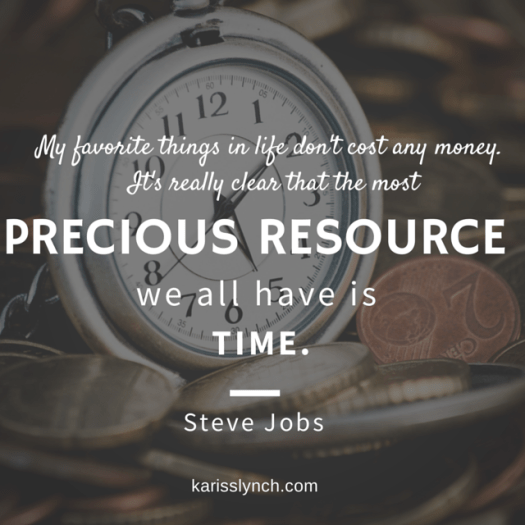
It’s pretty clear that time is precious. In fact, outside of my loved ones, my time is my most treasured possession. Since signing my first contract in January 2013, I have learned an important writing tip, probably the most important tip.

There is NEVER time, unless you choose to make it.

In fact, I’ve noticed one common trait among the published: They make time to finish. Once you sign that dotted line and make a commitment, “I didn’t have time” doesn’t fly with the publisher. Neither does “it’s just not ready yet.” You better make time and make it ready fast or risk losing your credibility.

After signing that contract, time to market becomes important. And time to edit. And time to promote. And time to interact with readers. Lots of time. So it’s important to figure out how to manage it.

My friends hear me say that I’m overwhelmed more than anything else. But I’m learning how to carve out time, discipline myself to finish, and not miss out on the world around me. We aren’t only writers. We are marketers, publicists, graphic designers, speakers, and more. So I’ve learned a few tricks to maximize my time in every area of this writing journey.

Kariss Lynch - timeCreate margin.

I am a night owl and can write and create relevant marketing content easier when my checklist for the day is accomplished. It clears my mind to be creative. Determine your best time of day to write or create, and maximize those short windows.

Set a timer.

Write every day. Set the timer on your phone for an hour, then put your phone on silent and put it on the other side of the room. Clear your mind and write. I found when I did this, I could easily write close to two thousand words if not more in an hour! When the timer goes off, I feel accomplished, satisfied, and ready to write even more.

Carve out marketing time for social media.

I work full time as a writer for my company, so in the middle of the day I am tired of writing. I’ve started taking thirty minutes of my lunch break or fifteen minutes in the morning or afternoon to create social media graphics that I then pre-schedule so I don’t have to think about them. Think about content that is relevant to your brand, then have fun with those designs.

Strategize for online interaction.

The internet is a wonderful tool, but managing our online interaction can eat our time if not handled correctly. Block out thirty minutes every few days to catch up on emails. Take a few minutes to respond to every person who comments on social media (within reason of course). Know your brand, what you are passionate about, and have character and author interviews on hand for guest blog posts. Don’t overthink. Just do.

Know your audience and limits for speaking engagements.

My favorite interviews and speaking engagements are via Skype since it helps me conserve my time, but I’ve also enjoyed those in person speaking engagements with small groups or crowds. Determine your price (if you have one), the size of the group you are willing to speak for, if it is wise to travel or Skype in (this is great for book clubs and classes that may not be close). Bottom line, know your options and then plan accordingly. Don’t forget you still need to write and market and live life, so carefully plan the weekends you will be gone.

Managing time is as much mental as it is physical. At the end of the day, be satisfied with what you accomplished and leave the rest for tomorrow. What tips have you found effective in managing your time?

Making It Real

Hoh River Cascading Through RainforestWhen I first started writing my Birder Murder Mystery series, I wanted readers to feel like they were actually walking in the footsteps of my protagonist, so it was a logical choice for me to use real locations for book settings. What I didn’t realize at the time was how much readers enjoy books that take place in areas they know and how much those real places can shape what I write. Once I figured out that my real locations were one of the more powerful means of attracting readers, I began using real places as much as possible, not only for marketing later, but to provide me with inspiration for other pieces of my story.

As a result, I now take detailed notes of places I visit in the course of my book research. Fat Daddy's BBQ in WeslacoFor instance, last January, I was researching McAllen, Texas, for my next murder mystery. Since friends had recommended I try the barbeque at Fat Daddy’s, I made sure I had lunch there one day. As I ate, I observed that large groups of National Guardsmen sat at many of the tables, which I also noted in my daily travel journal, along with descriptions of the patriotic posters and flags adorning the walls. When I developed my plot, I found that the soldiers I’d seen could play into my story in a critical juncture, so I wrote them in – something I never would have come up with if I hadn’t personally visited Fat Daddy’s. Now, when anyone from the area reads the book, they’ll immediately be able to say, “this author really was here!” and it gives me the instant credibility which every fiction writer craves to lure readers into the story.

diner open signAnother big benefit of writing real places into your books is that some readers identify so much with a favorite place, they tend to talk about your book simply because of the setting. In one of my books, I used a small diner where one of my daughters waitressed years ago. Not only did it give the story a strong local connection, but once it was published, the diner owners prominently displayed the book, which delighted all their customers, who then told their friends that their favorite diner was in a book. By using the diner as a piece of my story, I also didn’t have to think twice about what that setting would look like, because all I had to do was describe what I saw.

Perhaps the best guideline I can provide about using real places in your fiction is the rule my publisher gave me: If you say nice things about a place, use the real name; if you want to be negative, make up a place. That should give you more readers and happier business owners (who will become your friends if they aren’t already!), and much less chance of getting sued.

Who knows? You might even get a sandwich named after you…

Marketing: To Do and Not To Do

Light a Fire with Your Marketing Plan

“It isn’t there. I looked,” I told my mother so many times I lost count.

I also lost count of how many times she looked in the same place I did and said to me, with frustration in her voice, “Shelley, it’s right here!”

Ugh. I hated when that happened. I felt stupid, embarrassed, and defective.

Why could SHE see it, but I couldn’t?

It took a few years, but finally, by the time I was 10 or 11 years old, I learned to instead say, whenever I couldn’t find whatever she said to look for or retrieve for her, “I don’t see it.” I’m 40 years old now, and I still use those same words in that situation.

What does this have to do with marketing? I’m certainly no expert in this field, but I have learned this: just because folks don’t see our books, products, services, or goods, it doesn’t mean they aren’t there. It also doesn’t mean they don’t have value. It just means that sometimes people need help to see the good stuff right in front of them.

So, how do we do this in an already saturated market where everyone (and sometimes their pets!) are on social media, have a blog, and publish their work? (I kid you not about pets, either.)

I asked around, and want to share with you what other authors shared with me. I am confident these tips will help you (and me!) in the challenging world of marketing our writing in addition to creating the content we’re trying to market.

  • Pay attention to social media: Don’t discount the value of sharing some freebies with folks right where they are. Find out where your audience hangs out most on social media and focus the majority of your social media time and attention there. For example, my readers tend to be on Facebook more than Twitter, so while I am in both places, I don’t kill myself in the Twitterverse when more engagement happens on Facebook (and increasingly on Instagram and Pinterest).

Remember, as you engage in today’s world of technology, these words from Marketing guru Rob Eagar:

“In a fast-paced world where Facebook, Twitter, and the 24/7 news media allow everyone to have a voice, it’s more important than ever to cut through all the noise. Use power-bites to punch through the cacophony, gain people’s attention, and spread your message like wildfire.” – See more good stuff from Rob here!

And this, from marketing expert Lori Twichell:

“The key to good marketing is making a connection with your audience. It’s got to be genuine. People can see through selfish motives. If you are only there to promote your book or product, people can sense that.” The more you get to know your audience and really make that honest contact, the more you’ll end up with a loyal audience that will follow not just this book, but future endeavors as well. That’s a key part of social media that is lacking in so many. We all love making new friends and connections, but no one wants to be spammed!

  • Newsletters: Emailing your subscribers is the best way to get content in front of your readers on a consistent basis. When they subscribe or give you their contact info, they’ve invited you to connect with them. Make sure to add value to your subscribers’ lives, inviting them to open, read, and engage—be aware of what can feel “spammy” to your subscribers. In other words, don’t just send emails to send emails. And make sure you give more than you request.

Here’s another tip from Lori Twichell: “Tuesday, Wednesday, and Thursday are the best days to send newsletters. On Fridays people are eager to go home and clean out their inbox more quickly and on Mondays, they’re buried in the weekend’s email pile up.” (Connect with Lori for more good stuff at http://www.beyondthebuzzmarketing.com)

  • Giveaways: Take advantage of what God has made available to you. What message has He entrusted to you to share with others? Offer some freebies along the way that build your credibility as one to listen and learn from in this over-saturated market.

As writers, we long to have readers find value in what we have to say, right? It can be so difficult to balance the discipline of learning and expressing with the necessity to also market what we write. Ultimately God is our greatest promoter. If we can remember that our social media numbers, our book sales, and our greatest accomplishments do not come close to God’s power to promote us in due season, we’ll remain at peace and loving life on the way to where we’re going.

Have you discovered a marketing to-do or not to-do?

Marketing: Sharing the Treasure You Discovered

Sharing the Treasure

In a charming café tucked in the corner of an eclectic bookstore not far from the center of town, you stare into your latte, mesmerized by the heart-shaped swirls of steamed milk. This peaceful instance of solitude is so perfect you decide to share it on Instagram.

After venting the domed lid of your new Big Green Egg backyard cooker, you reach for tongs to lift ribs dripping in a tangy barbeque sauce onto your plate. Your friend, sensing the momentous nature of this occasion, captures the moment for Facebook with her smartphone.

You weren’t trying to market a bookstore or a cooker. You simply found a treasure and you were sharing it with friends.

Draw A Treasure Map
As I prepare for the launch of my first book, Questioning Your Doubts: A Harvard PhD Explores Challenges to Faith, I am learning how to assist in the marketing process. Buried treasure helps no one. A book cannot fulfill its purpose unless readers find it. So I have begun to view marketing as the process of drawing a treasure map to help potential readers locate my book.

Everyone draws a map unique to a particular treasure, but here are some ideas:

  • Have your social media bio mention your book and link to your website.
  • On your website, include links to a variety of online retailers and bookstore websites that are selling your book. Use a pull down menu of retailers if the list is long.
  • Mention your book in bylines to articles you write.
  • Blog and guest blog, mentioning your book in your post or your bio.

Supply the Digging Tools

Once the map leads you to the buried treasure, you need tools to dig it out so you can enjoy the treasure and share it with your friends. In the same way, marketing involves not only drawing a treasure map for potential readers, but also supplying the digging tools so others can unearth the treasure and share it with others. Here is a list of a few tools I am using to help others spread the word about my book:

  • Bookmarks
  • Flyers (both paper and PDF format for sharing by email)
  • Publicity photos
  • Link to discussion guide for book
  • Social media page for each book

Prepare to Celebrate!

What are some things you’ve found helpful for marketing your books?

What’s YOUR Holiday Plan?

balloons-25737_150Do you know what today is?

It’s National Black Dog Day! Roll out the carpet, crank up the tunes, and open the bags of doggy treats!

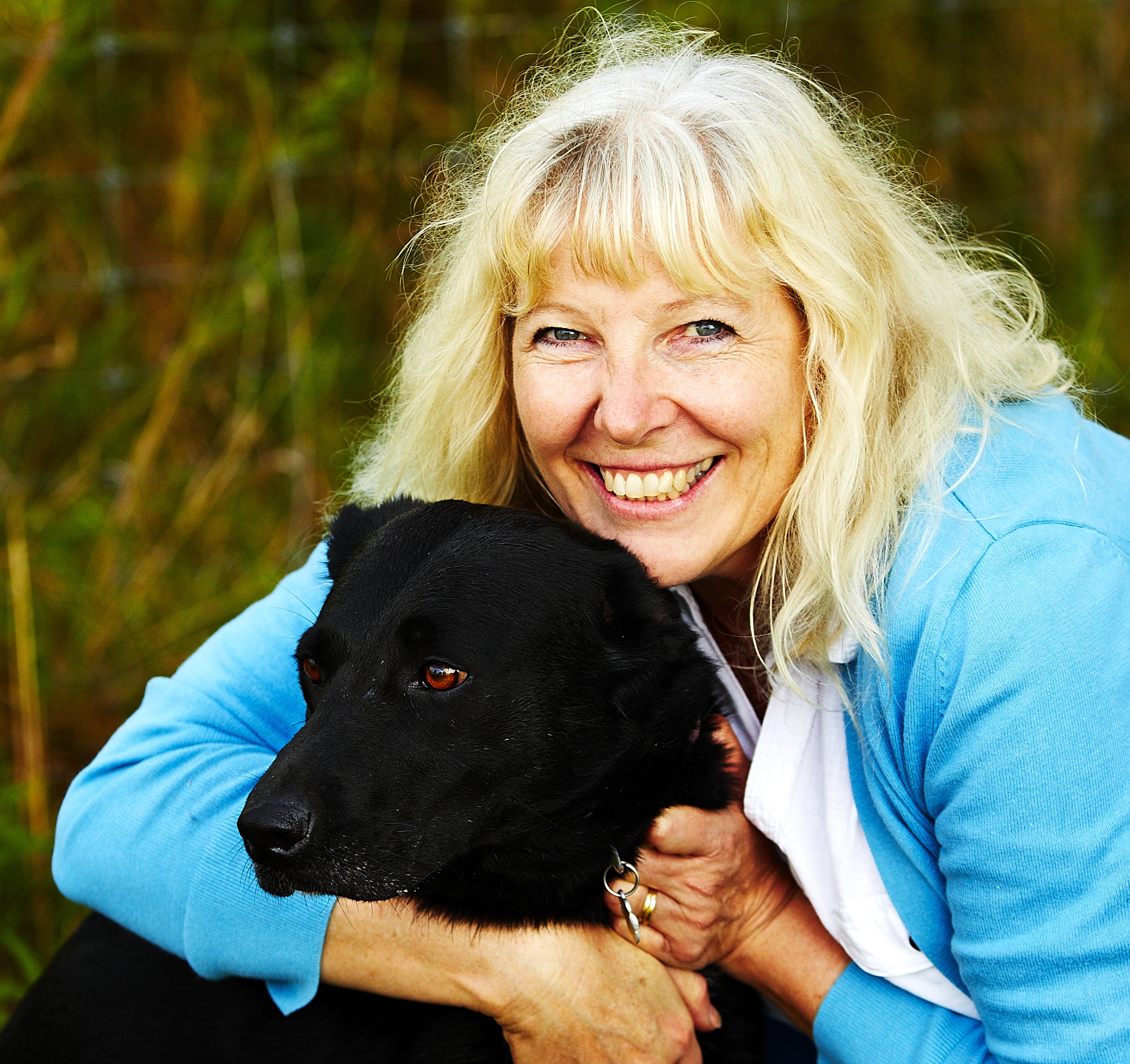
In celebration, I’m doing a radio interview, guest posting on several blogs, making a couple of store appearances, and managing a schedule of entertaining tweets, updates, and posts on my own social networks. It’s not only a nationally-named observance, but it’s the perfect opportunity for promoting my very own black dog who stars in my humorous girl-meets-dog memoir, Saved by Gracie. Never mind that the book was released last April – today is the day to hit the spotlight again.cropped Jan and Gracie

In other words, I found a holiday tailor-made for my book, but without all the noise other holidays involve. I don’t have to compete with Halloween costumes or décor, Black Friday shopping madness, Santa, New Year’s Eve bashes, romantic getaways, or fireworks displays. As a black dog owner, I have the stage all to myself!

How about you? Have you found your tailor-made holiday for book promotion yet?

As every author knows, timing is one of the best assets you can find in publicity. Sure, we all wish for something of national importance or interest to pique everyone’s interest in our books when they launch, but few of us have any control over those larger scenarios. The key to keeping your book release momentum, then, is to continue to find reasons that your book is timely. Here are a few suggestions for doing just that:

  1. Re-examine your book content for additional audience appeal you may have missed during the initial book launch. For instance, when my memoir came out, my publisher focused on Christian readers, since it’s a tail (I mean tale) of spiritual healing. After that first wave of publicity, I began to expand my reach into dog-lover territory by hooking up with animal rescue groups, veterinarians, and dog boutiques. I’m now moving into a third wave of audience strategy by networking with health and wellness groups. Handling all three markets would have been too overwhelming for me to manage at first, but by adding audiences incrementally, I’m better able to market and direct what I need to do next to continue sales.
  2. Pay attention to national news and trends, and see if you can’t jump on those trains. Whenever environmental topics (like wind power vrs. natural habitat) are hot, I try to build on those conversations with my own links and commenting, because my Birder Murder Mystery series deals with the same topics. The more I engage in the conversations, the better my visibility to my readers, which translates into continued sales, even for older books in my series.
  3. seafood fettuciniFind your perfect holiday. Does your hero cook Italian food? National Fettucini Alfredo Day is Feb. 7. Does your book discuss holding onto memories? National Scrapbooking Day is the first Saturday in May. If you write about it, I bet you can find a ‘holiday’ to connect with it.

What ‘holiday’ is in your future promotional plan?


To Write a Book Someday, Share Your Writing Now

8139708904_9a1d1783d4_bSome people will tell you the defining characteristic of a writer is that he or she is someone who writes. There is truth to that perspective, but it fails to offer a complete picture. It also gives many “aspiring writers” an excuse to be nothing more than journal keepers: diligently plucking away at Moleskine memoirs or first-novel manuscripts that have zero chance of getting published, ever.

The point here is not a matter of quality. It’s about privacy.

The reason why many written works-in-progress will never see the light of publishing day is that they are stowed, always and forever, in a drawer or on a hard drive where they have no risk of being evaluated by a second person. The writers of these works will never be writers because they will never have readers. They exist completely outside the writing market, and the only critical eye they allow to view their work is their own.

If you think that one day you’d like for people to read your writing, then you should begin by inviting people to read your writing now. Here are five ways readers can strengthen your writing and make it even more worth reading:

Readers help you get over yourself. It’s not uncommon for writers to feel uncertain or insecure about what they’ve written. Will this technique work here? Am I being clear? Am I using a marketable concept? Does anybody else care about the subject? Without readers to help confirm where and how a piece of writing is hitting its target (and where and how it’s missing its mark), these uncertainties and insecurities often grow and fester. But when you prioritize feedback, typically you get it. As a result you might find that your sinking suspicions will be confirmed. Some of your assumptions might be challenged. Maybe you’ll be pleasantly surprised by rave reviews. Whatever the case, you won’t be stuck wondering anymore, and that will help light a clear way forward.

Readers identify strengths in your work. Encouragement and affirmation give extra fuel when you’re trying to produce a manuscript. So ask your readers to note the places where they laugh out loud, hold their breath with anticipation, get caught by surprise, can’t stop turning pages, or are struck speechless. That paragraph you’re thinking about deleting? It might be your readers’ favorite part. Give them a chance to tell you so.

Readers identify weaknesses in your work. That poetic metaphor you’ve taken days and months to craft? It might be so complex that it’s confusing your readers. The story you’ve built a whole chapter around? Your readers might be bored out of their minds.

As the writer of a work, you will undoubtedly feel more attached to it than your readers will. Because of your heightened emotional attachment, you’ll probably miss seeing some of your writing’s flaws. You might even be blind to enormous holes in the work. Let your readers open your eyes to the problems you don’t see, so you can take the opportunity to fix them.

Readers expand your perspective. You are only one person, so your outlook on the world is limited and skewed. You have strange views about certain things, and some of your views simply haven’t been challenged in a way that forces you to clarify them well or charitably. Readers can help you identify the odd little points in a draft, the ones that either are or seem arrogant, stingy, dismissive, hyper-emotional, you name it. Points like these will jut out in unseemly ways, always subtracting and distracting from good work, unless someone will be so kind as to call your attention to them, so you can know to improve them.

Readers make the process realistic. If your writing aspirations are real, then you’re going to have to accept the reality of readers at some point. Get used to feedback now, and critiques won’t make you crazy later. Write with readers in mind now, and it won’t feel strange when they’re a part of the process later. Start learning what readers are interested in now, and then when your defining moments as a writer come, you’ll be prepared to deliver for your readers.


YOUR TURN: Respond in the comments: How have readers helped your writing? What kind of readers give the best feedback? What keeps you from pursuing readers?


Photo credit: cogdogblog cc