10 Strategies to Keep You Afloat in the Treacherous Social Media Waters

Image of a ship at seaWhat’s a writer to do? Publishers expect you to connect with readers online, but new networks spring up before you can learn what to do with the old ones. New invitations arrive daily in the various inboxes you don’t have time to check. You’re tweeted, emailed, and updated out, and never mind all the invitations you have no time to decline. It’s a slow-drip torture.

If the treacherous waters of social networking are swamping your ship, you’re not alone. A wise writer fights back with a strategy. Here are ten strategies to help you:

  1. Pick your battles. Decide where to focus your energy online. Although Facebook, Twitter, and LinkedIn have a greater share of traffic, your results may vary, depending on the audience you want to reach, your brand, and your particular style of networking. Pay attention to where your visitors come from, and you’ll be able to make an informed decision about where to focus your efforts.
  2. Set aside specific times or a time limit for social networking. Decide where and when and how you’ll interact online and stick to your guns. Failing to approach the Internet with this mindset makes it far too easy to lose track of time. If you have trouble adhering to a set time, use an egg timer or other alarm to warn you when your time is up.
  3. Manage your social networks from one dashboard. I use and recommend http://hootsuite.com for posting to and tracking my social sites. With Hootsuite, I can post the same update to more than one site simultaneously and pre-schedule or auto-schedule updates. Another popular option is Tweetdeck.
  4. Use browser extensions to shortcut social tasks. I favor Google Chrome because of the extensions I can add to my browser. I use Silver Bird to post to Twitter, check my tweet stream, follow search terms and hashtags, and for alerts when I’m mentioned on Twitter–all from my browser. I use Hootsuite’s Hootlet, Bitly (a link shortener that tracks stats), Google+ FacebookLinkedIn, and Stumbleupon extensions as well. Pinterest’s Pin It button is a big time-saver. All of these tools operate from small icons embedded at the top of my browser. This cuts down my visits to the social sites themselves, saving a tremendous amount of time.
  5. Understand your brand and how it applies to your social networking efforts. If you don’t know who you are and what you have to offer, you won’t know what to build and can spend a lot of time investing in the wrong thing. Watch for my next post, which will be all about finding your brand. (If you want to make sure you don’t miss it, sign up in the sidebar to receive the blog’s email updates.)
  6. Know your audience. Understanding who you’re writing for and what they care about is an essential step in developing an effective social media strategy. Make the effort to discover and develop your target audience. If you’re not sure how to do that, this post for novelists can help nonfiction writers as well: How to Find an Audience for Your Novel.
  7. Develop tunnel-vision and wear blinders. When you log into a social site, distractions abound. Keep your focus. It can help to follow a simple list. Here’s an example for Facebook: respond to comments and post to my wall, post to three friends’ walls, upload a picture, check emails, accept or decline new friends, respond to event invitations, and log off (30 minutes).
  8. Adhere to a social media schedule. I’ve programmed Google Calendar to send me email reminders to pay more attention to one social site over others on a specific schedule. During these visits, which occur weekly, I do maintenance tasks like revamp my bio, check that my links are current, swap out my profile picture, upload videos, make sure my site adheres to my brand, and the like.
  9. Count the opportunity costs. Time spent on social sites is time not spent doing other things. It’s easy to get caught up by online friendships to the detriment of real-life relationships. Reminding yourself of your priorities helps you switch activities or power down the computer.
  10. Track yourself online. Install Rescue Time to track you online and send you productivity reports. If you lack discipline, this software can help you find it again. There are even options you can set to restrict your Internet access at certain times.

I rarely spend more than half an hour a day on social networking, and often considerably less, but for the most part I cover the bases. I hope you can glean from the strategies that have kept me sailing away on SS Social Media.

10 Tips for Converting Website Visitors to Customers

Money-in-hand“The thing I still grapple with is turning website visits into sales – any advice on that piece?”

This question to my post, Drive Traffic to Your Website or Social Media Sites? (7 Things a Writer Should Know), inspired today’s topic. Driving paying customers to your website is only a matter of outlining and implementing the steps to take. Here are some things to consider.

  1. Make it professional and appealing.  If your website is garish, disorganized, or amateurish, revamp it before inviting company over.
  2. Blog for your target audience. Not everyone should blog, but if the idea appeals to you, ask yourself who will come to your site. What would draw them and make them come back? To reach more people, you might want to consider other blogging formats like photo-blogging, vlogging (videos), and podcasts in addition to text.
  3. Keep an email list and notify it of new blog posts. You can include a purchase offer with a call to action at the end of each of your posts. This is especially effective because research suggests people most often respond to a product with a purchase after seven offers.
  4. Offer an email newsletter. This is one of the best ways to keep in touch with customers on an ongoing basis. Each time your newsletter shows up in their email inboxes, you and your product(s) will come to mind. This makes you part of the fabric of their everyday lives.
  5. Engage readers. Answer their questions, host a forum, offer samples of your writing. Anything goes, just so long as you entertain readers while remaining consistent with your brand. If you’re stuck for ideas, get together with a friend or friends and brainstorm.
  6. Host a contest to draw readers. Give away something of value and require email signup for entry. When your site gains page rank, you’ll likely receive offers of free products in exchange for promoting them. You can also sign up for affiliations that allow you to distribute sample products. As an example, during a blog parade I gave away a complimentary copy of scrapbooking software.
  7. Launch an ongoing giveaway in exchange for email list sign up. Giving away products when you’re trying to make money may seem counterintuitive, but offering something of value for free can more readily put you in the position of a trusted mentor to visitors. Remember that people buy from those they like and trust and who care about them. False motives stand out and won’t earn you sales. Be genuine and speak from your passions. Giveaways don’t have to be published books. Use your creativity to come up with ideas. Lists and reports have a high perceived value. Whatever you give away, let it come from you. On my Live Write Breathe site for writers, I give away free letterhead stationery and a query letter template that I designed. Since photography is one of my hobbies, at Novel Books, where I inform readers about wholesome books and authors, I offer free computer wallpaper and an additional chance to win book giveaways for email sign up. I’m currently revamping my Janalyn Voigt site, so I don’t have a giveaway going right now, but I plan to offer a free novella to familiarize potential customers with my writing.
  8. Offer a quality product or products. This should go without saying. If you want the best results for your efforts, be generous.
  9. Include a landing page with value for the reader and a single call to action. Resist the urge to bore visitors by making your landing page a site directory. That’s what your navigation menu is for. Instead, determine what you want to gain and ask for it in a clear appeal. What if you want more than one thing? Combine them. (Purchase an autographed copy of my latest book, How Penguins Waddle, and receive a free copy of my in-depth report on water birds. As a special bonus, you’ll also receive the monthly Antarctic Adventure newsletter.) It’s all about presentation.
  10. Promote. Drive traffic to your site by making informed comments (but not blatant self-promotion) on forums and sites with an audience similar to your own. Cross-promoting with another writer or business can also be effective. You should update your social networks with links to your sites and a catchy blurb or excerpt.

Most writers, being artists, can feel a little challenged when it comes to setting up shop. Converting website traffic to sales is what we have to do, though, to reach and retain readers.

Drive Traffic to Your Website Or Social Media Sites? (7 Things A Writer Should Know)

Image-of-Traffic

With so many people on social media sites nowadays, it’s tempting to ask yourself if you should forget about driving traffic to your website and focus on marketing elsewhere. Why not go where people already are instead of making what can seem like a herculean effort to drive traffic to your site?

The answer to this question is that yes, you should go where people congregate, but yes, you should also invite, bribe, entice, and otherwise encourage others to your website. Here’s why:

  1. Social networking sites own your list of friends and followers. You don’t. If one of them goes out of business, it won’t matter that you have 4,000 followers. Every one of them will vanish into cyber space. By contrast, the list you build through your website belongs to you.
  2. People want to know where you live online. If you’re spread thin across social networks without a strong central hub, your brand will be ineffective at best. Branding is all about distilling your essence for others to grasp with minimal effort. If your online presence is scattered, you’ll have a hard time maintaining a brand.
  3. A neglected website reflects poorly on its owner. Those who connect with you on social sites will sometimes visit your website. A languishing website may make the casual visitor wonder what else you neglect in your writing business. The same can be said of a languishing social media account. You shouldn’t try to be everywhere, so pick and choose where you will and won’t maintain an online presence.
  4. Exclusivity. If your website becomes one of those places people gather, you won’t have to go out and haul people in to connect with you.This takes a great deal of thought and legwork up front, but after that it can pay off.
  5. Less competition. That’s usually not true on social sites where instant messages, notifications, advertisements, and the updates of others all compete for attention. You still need to have an interesting website, but at least visitors will have fewer interruptions while you try to maintain their interest.
  6. Higher search engine rankings. The more traffic your website generates, the higher it ranks in search engines. A higher search engine ranking means that those who enter keyword searches matching content on your website will find your site closer to the top of search results. This brings traffic to your site without any additional effort on your part.
  7. The ability to sell products. Once you give friends and followers a valid reason to come to your site, you can then offer products to them. This privilege can be abused, so be considerate. Remember that visitors to your site want an immediate takeaway, usually for free. Without one, they may not hang around long enough to buy anything.

Do all your social media accounts point to your website? If not, I suggest you change that as soon as possible.

What are your thoughts on this subject?

Related Posts:

SEO Is Not Enough To Grow Your Blog Subscriber List!

Marketing with Integrity: 5 Tips On What Not to Do

Social Media Numbers: How Many Friends and Followers Are Enough?

It’s A Parade!!

Welcome to WordServe Water Cooler’s Very First Blog Parade!!

Listed below are links to many of The Cooler’s authors and we are all writing on this topic: First steps we took to becoming an agented and/or published author!

The goal of today’s post is to give you some great advice and to allow you to see some of the personal blogs of our authors where they offer their ponderings. I think you’ll be amazed at the variety of helpfulness each author gives to the community.

Thank you, our faithful readers, for making the WordServe Water Cooler a great community. Enjoy the parade!

1. Anita Agers-Brooks: Anita Fresh Faith

2. Julie Cantrell: Julie’s Journal

3. Dianne Christner: …plain girl romanticizing

4. Dena Ratliff Dyer: Mother Inferior

5. Jan Dunlap: Jan Dunlap’s Blog

6. Michelle Griep: Writer Off Leash

7. Karen Jordan: BLESSED Legacy Stories

8. Sharon Lavy: Sharon Lavy’s Blogspot.

9. Gillian Marchenko: Gillian Marchenko’s Blog

10. Katy McKenna: Fallible

11. Melissa K. Norris: Inspiring Your Faith and Pioneer Roots

12. Jordyn Redwood: Redwood’s Medical Edge

13. Cheryl Ricker: Fresh Air

14. Kimberly Vargas: Kimberly Vargas’s Blog

15. Janalyn Voigt: Live Write Breath

16. Lucille Zimmerman: Lucille Zimmerman

Hope you enjoyed our parade!

Cast Your Line to Hook Agents, Editors, and Readers

CatfishWe writers talk about luring and hooking readers. Makes writing sound a little like a field-and-stream exercise, doesn’t it? In some ways, writing is like fishing. In both cases, you have to step out of your comfort zone, bait your hook, and make your cast. Then you wait for results you can’t see.

In writing, as in fishing, it’s important to know the denizens inhabiting the particular “pond” where you’ve cast your line. It does no good to fish for something that isn’t there. This is why studying publishing trends is important to your survival. Good starting points to catch industry news are at Publisher’s Weekly and the ECPA community site.

In fishing, you bait your hook with delicacies enjoyed by the kind of fish you want. Just because a particular fish exists doesn’t mean you should catch it, though. You might not care for the taste of catfish, for example, but you love trout. Writers who follow every trend in the hope of landing a book contract often leave their interests out of the equation. When it comes to deciding what to offer, don’t pursue soulless commercialism. That may appear attractive, but it’s not sustainable.

For a chance to catch a fish, a fisherman has to ready and throw a line into the water. Similarly, a writer needs to prepare a line, bait a hook, and give a great pitch to ever hope to snag an agent, land a contract, and net readers.

Once that line is in the water, any fisherman watches the pole. If you leave it unattended, when you return you’ll most likely find your hook stripped. That’s because fish nibble at bait without swallowing the hook. A good fisherman knows it’s important to set the hook at just the right moment. It’s one thing to lure a reader into the first chapter of your book. It’s another to have that reader go on to chapter two. Ending each chapter with a new hook will string your reader happily along.

A complaint made by editors is that beyond the first 50 pages, manuscripts often fall apart. Readers want the same thing that editors do—a story that sustains interest throughout its pages. Once you have that, it’s time to go fishing.

WordServe News: July 2012

Exciting things have been happening at WordServe Literary!

On the final post of each month you’ll find a list of Water Cooler contributors’ books releasing in the upcoming month along with a recap of WordServe client news from the current month.

New Releases

******************************************************************************************

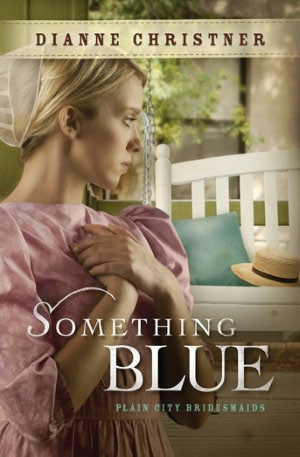
Something Blue by Dianne Christner

Publisher: Barbour

Agent: Greg Johnson

******************************************************************************************

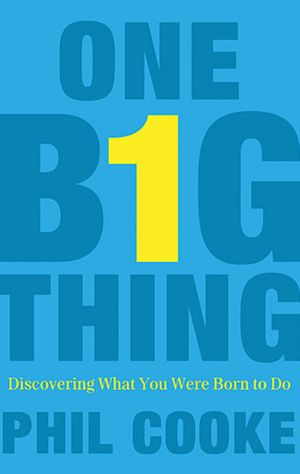
One Big Thing by Phil Cooke

Publisher: Thomas Nelson

Agent: Rachelle Gardner

******************************************************************************************

Serving God and Country by Lyle Dorsett

Publisher:  Berkley Caliber

Agent: Greg Johnson

******************************************************************************************

The Well-Lived Laugh by Rachel St. John-Gilbert

Publisher: Barbour

Agent: Greg Johnson

******************************************************************************************

Son of a Gun by Anne de Graaf

Publisher: Eerdmans

Agent: Greg Johnson

******************************************************************************************

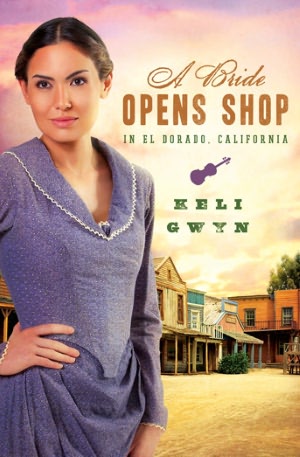
A Bride Opens Shop in El Dorado, California by Keli Gywn

Publisher: Barbour

Agent: Rachelle Gardner

******************************************************************************************

Shrewd by Rick Lawrence

Publisher: David C. Cook

Agent: Greg Johnson

******************************************************************************************

Desperate for Hope by Bruce W. Martin

Publisher: Revell

Agent: Rachelle Gardner

******************************************************************************************

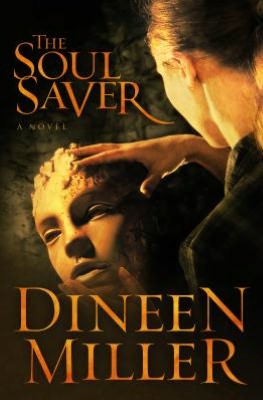
The Soul Saver by Dineen Miller

Publisher: Barbour

Agent: Rachelle Gardner

******************************************************************************************

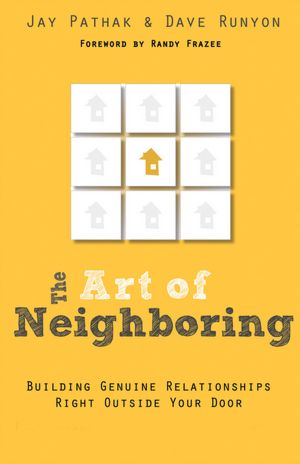
The Art of Neighboring by Jay Pathak and Dave Runyon

Publisher: Baker Books

Agent: Greg Johnson

******************************************************************************************

Central Park Rendezvous by Marylu Tyndall and others

Publisher: Barbour

Agent: Greg Johnson

******************************************************************************************

DawnSinger by Janalyn Voigt

Publsiher: Harbourlight Books

Agent: Barbara Scott

******************************************************************************************

New WordServe Clients

Dave and Claudia Arp and Peter and Heather Larson. The Arps started “Marriage Alive” 25 years ago. Now the Larsons are transitioning into leadershp roles for their ministry to marriages.

Dr. Dave Stoop, a longtime Greg Johnson client when he was at Alive, has rejoined Greg at WordServe.

New Contracts

Marcus Brotherton to collaborate on Austin pastor Matt Carter and NFL quarterback Colt McCoy’s book on BIBLICAL MANHOOD, to be publsihed by WaterBrook Press.

Leigh Ann Bryant sold her book, IN MY DEFENSE. It’s the true story of a life of shame and abuse with a husband she finally had to kill in self defense to protect herself and her small son. Soon after, she came to faith and has built a life as a pastor’s wife and a minister to those in prison (though she served no prison time). Our first sale to the new publisher Authentic Publishers. (Agent: Greg Johnson)

Roberta Kells Dorr was a Christian novelist who wrote biblical fiction in the 70s and 80s. Though she died several years ago, her family and estate wanted the books back in print, especially as e-books. We were able to do a 5-book deal with Moody Publishers for an unpublished work of biblical fiction and four previously published and out of print books. (Agent: Greg Johnson)

Ken Gire to collaborate on Chrissy Cymbola Toledo’s memoir of her prodigal life. Published by Tyndale House Publishers. (Agent: Greg Johnson)

Caesar Kalinowski, pastor and thought leader in the missional movement for the Soma Communities network of churches, a book with a working title of TRANSFORMED. A new way of seeing who we are in Christ and what a foundational difference that makes as we attempt to represent Jesus well to our network of friends.  Sold to Zondervan Publishers. (Agent: Greg Johnson)

Amy Sorrells debut novel CANARY SONG and another untitled work to David C. Cook Publishers. Synopsis: Tucked into the groves of a pecan plantation near the coast of Mobile Bay, secrets deep within the Harlan family simmer until they boil over one long, languishing summer. Will Anna Pearl Harlan, her family and friends seek hope in the midst of unbearable pain, or allow it to destroy their lives? Inspired by Tamar in 2 Samuel 13, Canary Song combines one girl’s coming-of-age with another woman’s redemption to show how God heals the hearts of the broken, and how crooked branches can one day provide the best shade. (Agent: Barbara Scott)

Shellie Tomlinson, our All Things Southern Belle (www.allthingsouthern.com), sold to WaterBrook Press, LORD, I WANT TO LOVE YOU MORE, a book for those who have ever wondered how to get from “belief” to “passion.” (Agent: Greg Johnson)

What We’re Celebrating

Jan Drexler‘s Amish novel slated for publication by Harlequin’s Love Inspired line (titled  Love Bears All Things) placed second in the Inspirational category of the The Fool for Love contest sponsored by the Virginia Romance Writers. 

Bestsellers

Rebecca Alonzo’s book The Devil in Pew 7 reappeared on the New York Times Bestseller lists after her episode on Dr. Phil re-aired:

#4 – Primary e-book best seller list

#14 – Primary combined print & e-book list

#26 – Extended paperback non-fiction list

Karen Witemeyer’s book Short Straw Bride made it two months in a row on the list, moving up from #13 (July) to #10 (August).

Mike Yorkey’s book Playing With Purpose: Tim Tebow (Barbour) debuted #32 on the ECPA Top-50 list for July (May release). (Sorry we missed this last month, Mike.)

Carol Award Finalists

Though these authors are no longer with WordServe, we’re so very proud of their accomplishments and their books that were contracted under the WordServe banner. Rachelle, of course, had a great eye for good writers and good stories, so the kudos goes to her, as well.

Roslyn Elliot is a finalist both for “Debut Novel” and “Long Historical” for her book Fairer Than Morning. (Thomas Nelson)

Lisa Jordan is a finalist for “Short Contemporary” for her book Lakeside Reunion. (Love Inspired)

Erica Vetsch is a finalist for “Short Historical” for her book Light to My Path. (Heartsong Presents)

Karen Witemeyer is a finalist for “Long Historical Romance” for her book To Win Her Heart. (Bethany)

What writing celebrations do you have?

How to Captivate Readers

Small Child Reading

Wonderment

Children’s eyes

See marvels,

Creation

Born anew,

Wonderment

In each small

Everything.

Give me, Lord,

A child’s view.

©Janalyn Voigt

The cup of tea at your elbow grows cold.The dryer buzzes, but you hardly notice. The clock ticks past the time to make dinner, but you turn the page and read on, captured by the author’s creative world.

When they can make readers forget they’re reading, books rank high on purchase lists. Figuring out how this happens is well worth the effort. Can such a thing be identified? Bringing the reader so fully into a story would seem to take an elusive blend of mastery and pixie dust. Besides, don’t readers’ preferences dictate which books will draw them in?

I would have agreed to this idea a week ago, but not any longer. You see, the book I’m currently reading for a literary contest is a young adult story. With my teen years forever behind me, I am not a target reader for this book. In fact, when I first picked it up, I groaned inwardly. While being required as a literary judge to read a slew of books might seem an envious pursuit, the bare truth is that sometimes I wind up stuck with a book I’d otherwise never open. It would be arrogant of me to judge another author’s writing without actually reading it, and so in a fit of fortitude I slog doggedly onward until the merciful end.

If that had been the case with this particular book, I wouldn’t be writing this post. It wasn’t. I did have to push past a slow start, but then the story enveloped me like a warm shawl on a chilly evening. I read late into the night, turning pages in a way that would have gratified the author. As I mentioned, I am not this author’s target audience, so I may never crack one of her books, but the next day I found her Goodreads page and became a fan. Why? Because her writing transported me in a way few books have. And I read a lot of books. If my experience is anything to go by, preference has little to do with captivating a reader.

What does, then? I asked myself this question with an interest not in the least academic. I want to apply this writer’s secret sauce to my own writing. I read the rest of the book with that goal in mind. What I discovered rocked me to the core.

Apart from the necessities of craft and mastery, two distinct factors elevated the story: a unique writing voice empowered by a vivid imagination. The author’s strong sense of self expressed without reserve resonated within her fully imagined story.

In these days of rapid writing, let’s not forget to add art to craft. The demands on you to produce and promote can steal the soul from your writing, if you let it. Feeding your inner artist is the only way to tap the wellspring of creative life within and produce enduring works. That will look different for each of us, but one thing remains true for all. The way forward is backward. At least mentally, let yourself step backward into childhood and discover the world with fresh eyes.

What books have you read lately that have surprised you? Transported you back to your childhood?

How to Plot by the Numbers

Plotting By the NumbersShow, don’t tell. Watch your participial phrases. Don’t head hop. Whatever you do, stay within manuscript length recommendations. For a writer scrambling to keep up with all the dos and don’ts, the writing profession can seem full of arbitrary rules. And when someone breaks said rules and goes on to win awards, it’s tempting to follow suit. One standard you shouldn’t buck, however, is a publishing house’s word-length requirements.
Why? Shouldn’t you let your story tell itself without regard for its length?

If you will be the one footing the bill, you’re free to make your manuscript whatever length you prefer.  But if you hope a publisher will pay to produce your book, it’s important to understand that additional pages cost extra money, and not just in terms of paper and ink. It takes several editors (who are on the payroll) to review and guide you in polishing a manuscript. Proofreaders don’t work for free either. If your last name is Tolstoy or Michener you might get away with submitting a beefy manuscript. The rest of us need to keep the bottom line in mind.

Book stores base the number of copies of a particular title to order on standard widths. If a publisher fails to adhere to these widths, it throws off a bookstore’s shelving efforts. Besides this, writing your novel shorter or longer than genre readers expect can negatively influence their buying decisions.

Aren’t these considerations crass? What about your inner artist?

Your inner artist will recover, and you’ll even grow as a writer from keeping to practical guidelines.

But how on earth can you tell how long a novel will be until you’ve written it?

You can’t know entirely, but I’ve developed a method that helps me write to a specific length. Even if you’re a seat-of-the-pants writer and allergic to plotting, my technique may help you. Here’s a screen shot of one of my working calendars. CS stands for my current novel, and the number represents the scene I’ll write that day. (I number them in my plot outline.) I find it helps to include upcoming deadlines and events as well. The DS represents DawnSinger, the first novel in my epic fantasy series, Tales of Faeraven. The Renewal mentioned was a conference I attended.

Sample Scene Calendar

1. Estimate your desired word count. If you don’t know what that might be, read publishers’ submission guidelines at their sites. As a starting point, here’s an agent-maintained list of word count guidelines. Find the happy middle ground in a given range. That way you can guard against running too-short or too-long.

EXAMPLE: A publisher gives the range of 80,000-100,000 words for a historical romance. The middle ground to aim for is 90,000 words.

2. If you already know the average number of words you write per scene, use that figure. If you don’t know this number, write the first 50 pages of your book, then estimate the average number of words per scene. You can also base your figures on 1,500 words per scene, but eventually, you’ll want to check your own average against this figure and make adjustments as needed. It’s okay to round your numbers.

EXAMPLE: Approximately 12,500 / about 8 scenes = 1,500 words per scene

3. Divide your average words per scene into your desired total word count. The answer is the number of scenes to brainstorm.

EXAMPLE: 90,000 / 1,500 = 60 SCENES

4. Develop your plot to include the number of scenes you should write for your desired total word count. Write just a few sentences to describe each scene. This keeps you from bogging down while plotting and gives you a flexible guideline you can easily adjust as you write.

What’s next?

To learn more about my system of plotting, read How to Plot a Novel in Three Acts at my Live Write Breathe site.

Are you more of a plotter or a seat-of-the pants writer?

7 Steps to Writing a Story in Scenes

StageYou’ll notice I didn’t include the word “easy” in the title of this post. There are not seven “easy” steps to writing a story in scenes. It takes hard work. I suspect that’s why so many writers substitute narrative summary for scenes.

Of course, when you’re not sure of the components that make up a scene, it’s harder to write one. If your writing seems flat or passive and you don’t know why, you may have omitted one or more of the following:

  1. Real Time: Even if you’re writing in third person using past-tense verbs, lay out actions in sequential order. As a rule, especially in the beginning of your novel, don’t jump backward or forward in the story. If you do, you’ll interrupt the flow of time and disconcert your reader. For an unusual perspective on time flow in fiction, read Teach Your Writing Voice to Sing.
  2. Characters: This element may seem like a “no-brainer.” (Of course a scene will have characters.) But hear me out. Let’s say you’re writing about a lynch mob ready to hang an outlaw. You could state the bald fact, or you could pick faces from the crowd. Maybe the outlaw killed Jack’s brother, robbed Otis’s store, and held a gun to Chet’s face just for fun. Having these fellows, even as minor characters, call out their grievances makes the incident personal and, therefore, more immediate. For a unique and efficient perspective on creating characters, read Dianne Christner’s Creating Characters With Personality.
  3. Showing: You experience the world through your senses. Similarly, for readers to enter your written world, you must draw them through their senses. Labeling emotions is telling. It’s also lazy writing. Instead of stating that Mary is sad, show her reasons for sadness, and then have her react physically and perhaps with introspection. Just don’t do this in a clichéd manner. Maybe she doesn’t weep but instead grows quiet or withdraws. David is angry but rather than punch a hole in the wall he exterminates every weed in his yard. For more tips, watch my video: 5 Ways to Show Rather Than Tell in Fiction Writing.
  4. Setting: New writers often neglect this element needed to ground every scene in place and time. Using too much or not enough description is a common mistake. With too few setting details the reader will feel curiously weightless, like an astronaut floating in a zero-gravity chamber. Characters will seem like “talking heads” lost somewhere in space. If you overload your readers with description, you’ll weigh them down so badly they’ll barely make progress through the scene. Finding a happy balance takes practice. It helps to have feedback from great critique partners. Sarah Baughman tackles the topic of How To Balance Dialogue and Description.
  5. Action: Something physical happens, with or without dialogue. Some writers call actions that accompany dialogue “beats.” Using beats instead of tags to identify speakers helps you bring a scene to life. For tips on writing dynamic action scenes, Bryan Thomas Schmidt has you covered. Read his Write Tip: 10 Tips For Writing Good Action Scenes.
  6. Dialogue: Too many writers neglect dialogue, which is a shame. It’s a vital tool for characterization and for imparting information (provided you don’t try to shoehorn it into your reader). You can even use dialogue to give glimpses of back story in a realistic way that doesn’t disrupt your story’s flow. For more on dialogue, read Sharon Lavy’s Do You Hear The Voices?
  7. Purpose: Every scene must further your plot. If a scene exists merely to dump information on the unsuspecting reader, it has no real purpose and will seem aimless. Cut all such scenes and work only the information your reader needs to know into the story when your reader needs to know it. Jody Hedlund offers great advice on strategically selecting scenes in How To Make Your Book Play Out Like a Movie.

Telling a cohesive story through scenes is an art that, once mastered, will breathe life into your writing.

What are your tips for writing scenes?