WordServe News: September 2012

Exciting things have been happening at WordServe Literary!

On the final post of each month you’ll find a list of WordServe authors’ books releasing in the upcoming month along with a recap of WordServe client news from the current month.

New Releases

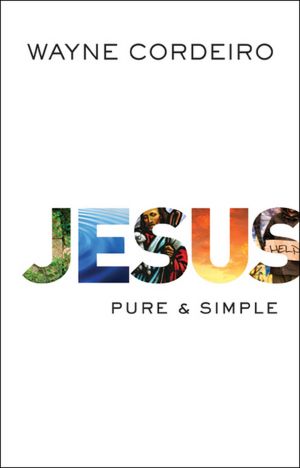
Wayne Cordeiro, Jesus Pure and Simple (Bethany) (GJ)

************************************************************************************************

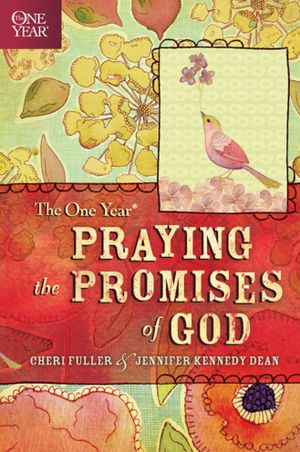
Cheri Fuller & Jennifer Kennedy Dean, The One Year PRAYING the PROMISES OF GOD (Tyndale) (GJ)

************************************************************************************************

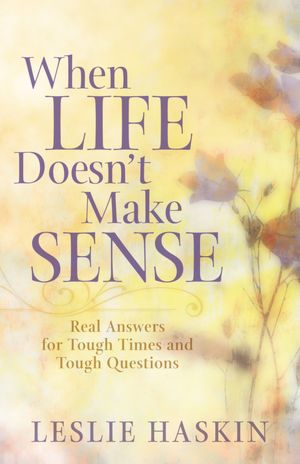
Leslie Haskin, When Life Doesn’t Make Sense (Bethany) (GJ)

************************************************************************************************

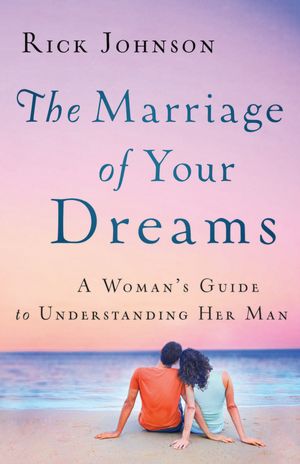
Rick Johnson, The Marriage of Your Dreams (Revell) (GJ)

************************************************************************************************

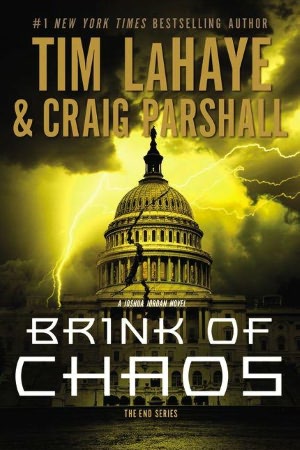
Tim LaHaye and Craig Parshall, Brink of Chaos (Zondervan) (GJ)

************************************************************************************************

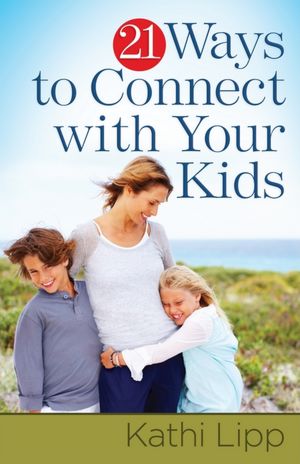
Kathi Lipp, 21 Ways to Connect With Your Kids (Harvest House) (RG)

************************************************************************************************

Lynn Morris, Secret Place of Thunder (Hendrickson) (GJ)

************************************************************************************************

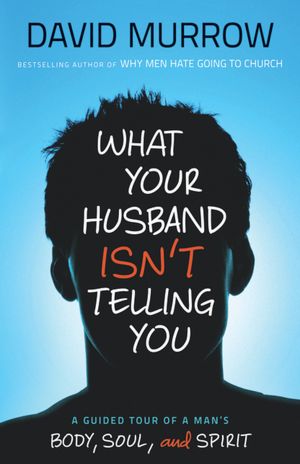
David Murrow, What Your Husband Isn’t Telling You (Bethany) (GJ)

************************************************************************************************

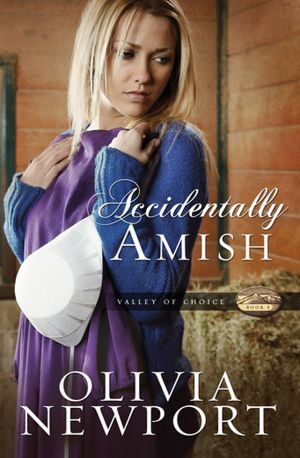
Olivia Newport, Accidentally Amish (Barbour) (RG)

************************************************************************************************

In the, “We didn’t represent these books, but are happy to make the announcement because Rita is now a WordServe author and we like her writing a lot…” category, we’re excited to tell you about these books.

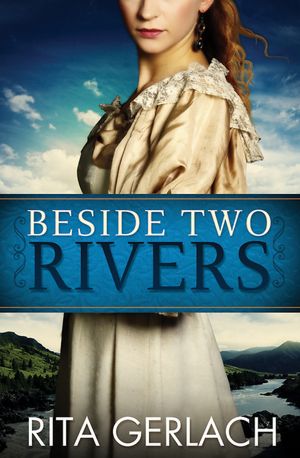
Rita Gerlach, Beside Two Rivers: Daughters of the Potomac, No. 2 (Abingdon)

************************************************************************************************

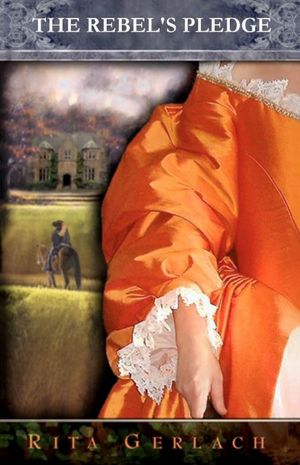
Rita Gerlach, The Rebel’s Pledge (Re-release, Kindle Version)

************************************************************************************************

New Contracts

Dave and Claudia Arp, with Peter and Heather Larson, are collaborating on four new books for couples. The first will be 10 Dates to Grow Together Spiritually. The others will be books on “dating” sons and daughters. They will all be published with Bethany House Publishers. (Agent: GJ)

Ken Gire signed with Harvest House for a gift book called Winters Promise. It’s a collection of his best writing from previously published books about how God uses life’s trials to bring about a spring in our life and faith. (Agent: GJ)

Tara Reeves and Amanda Jenkins are writing two children’s books for B&H Kids. The first is called The Knight and the Firefly, and the second will be a sequel. (Agent: BS)

Dr. Dave Stoop signed with Revell for a nonfiction book called The Power of a Renewed Mind, a message about how today’s science is proving the wisdom of Scripture and its ability to thrive in a chaotic world. (Agent: GJ)

Robert Wise signed with Revell for a new novel called Network of Deception, a contemporary thriller. (Agent: GJ)

************************************************************************************************

What We’re Celebrating!!

Greg Johnson and Sarah Freese, along with nine WordServe authors, were able to attend ACFW this month. It was wonderful to connect with so many writers from the WordServe team. YOU are what make WordServe such a wonderful place to work and serve!

************************************************************************************************

Welcome, Alice Crider!

While WordServe is very sad to be losing Barbara Scott (resigned to go back to freelance editing), we’re honored that Alice Crider has joined WordServe. She’ll get the handoff from Barb on many of her clients, and will be working to find her own select stable of authors to serve. Greg worked with Alice at Alive Communications 10 years ago. Alice then worked at WaterBrook Press for many years, the last several as an acquisitions editor. When Alice left that position in December of last year, she started her own editioral and coaching company. She’ll get to use those same skills as an agent.

************************************************************************************************

Carol Awards at ACFW

Though these authors are no longer with WordServe, we were honored to represent their books when Rachelle Gardner was with the agency. Congrats to all of them!

Rosslyn Elliot won in two categories for her novel with Thomas Nelson, Fairer Than Morning. She won in the “Debut Novel” and the “Long Historical” categories.

Karen Witemeyer won in the “Long Historical Romance” category for her book with Bethany House Publishers, To Win Her Heart.

Lisa Jordan won in the “Short Contemporary” category for her book with Love Inspired, Lakeside Reunion.

What can we help you celebrate?

Report from ACFW’s Silent Auction

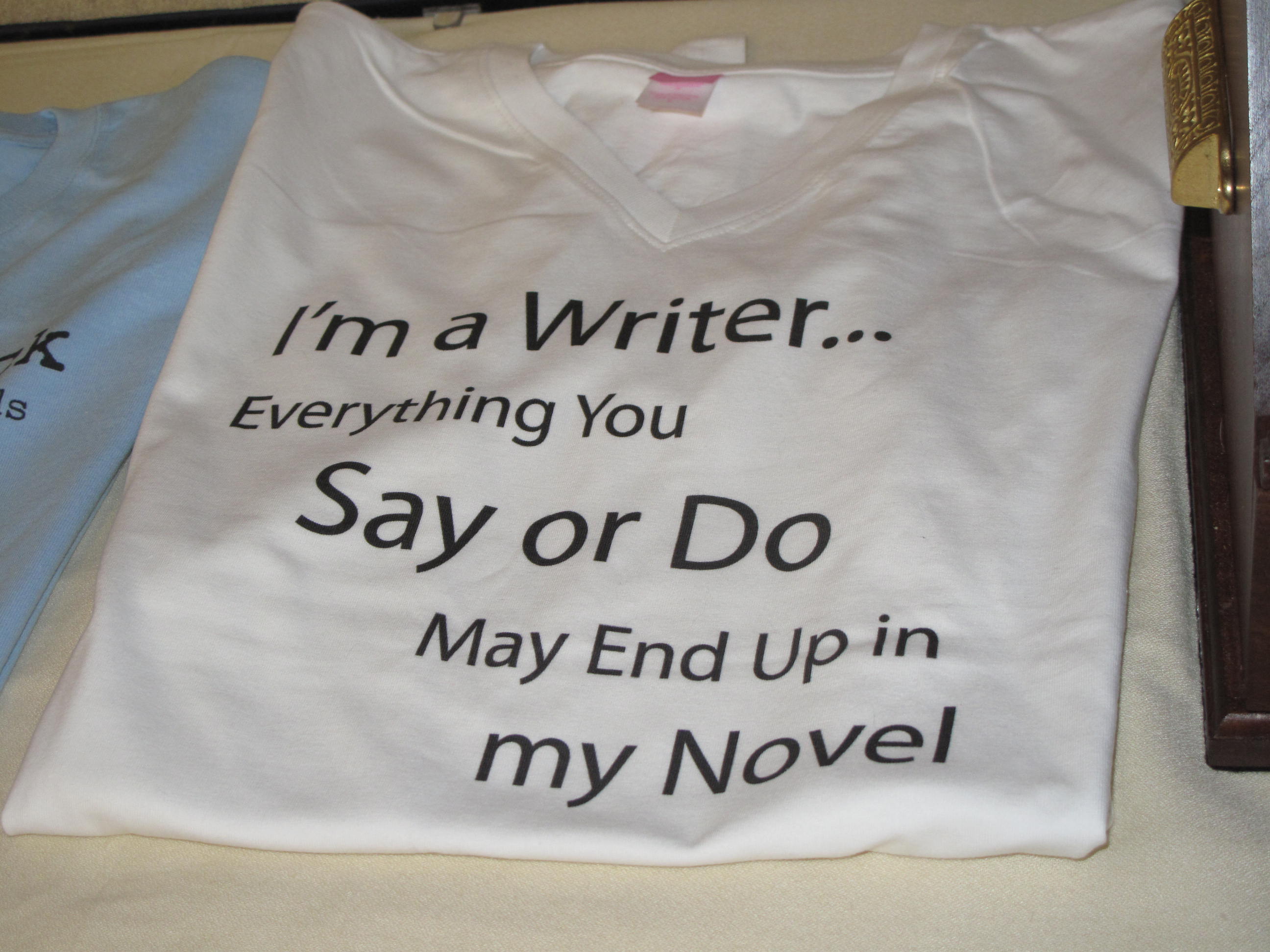
T-Shirts were a popular item this year.

I’ve had the privilege of coordinating the Silent Auction for the ACFW conference for the past several years. All proceeds from 2012 go to the scholarship fund for the conference in 2013.

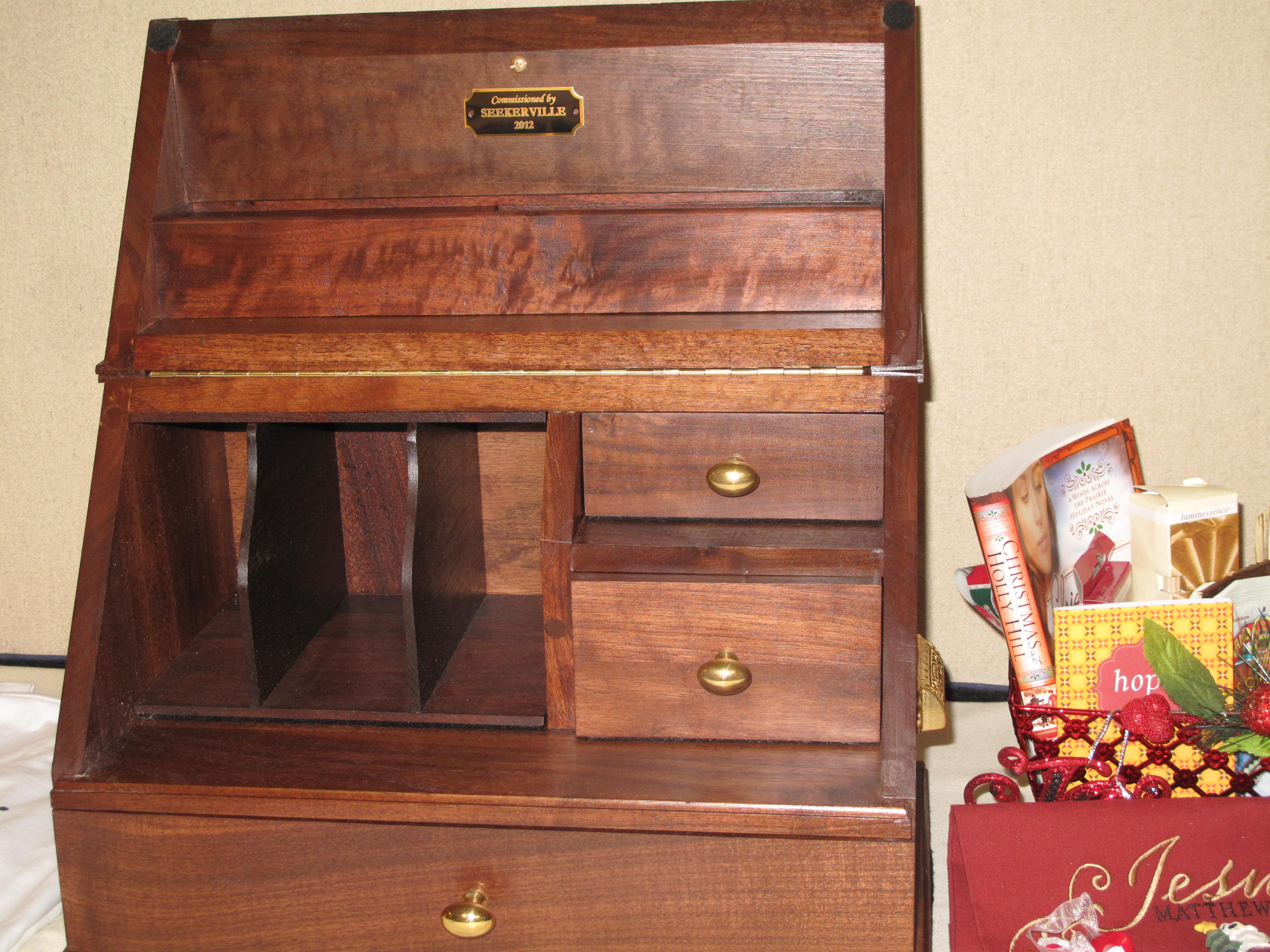
Awesome Handmade Desktop Secretary

The wooden pieces above and below were handcrafted by Gary Harders of South Dakota.

Handcrafted Duck Call

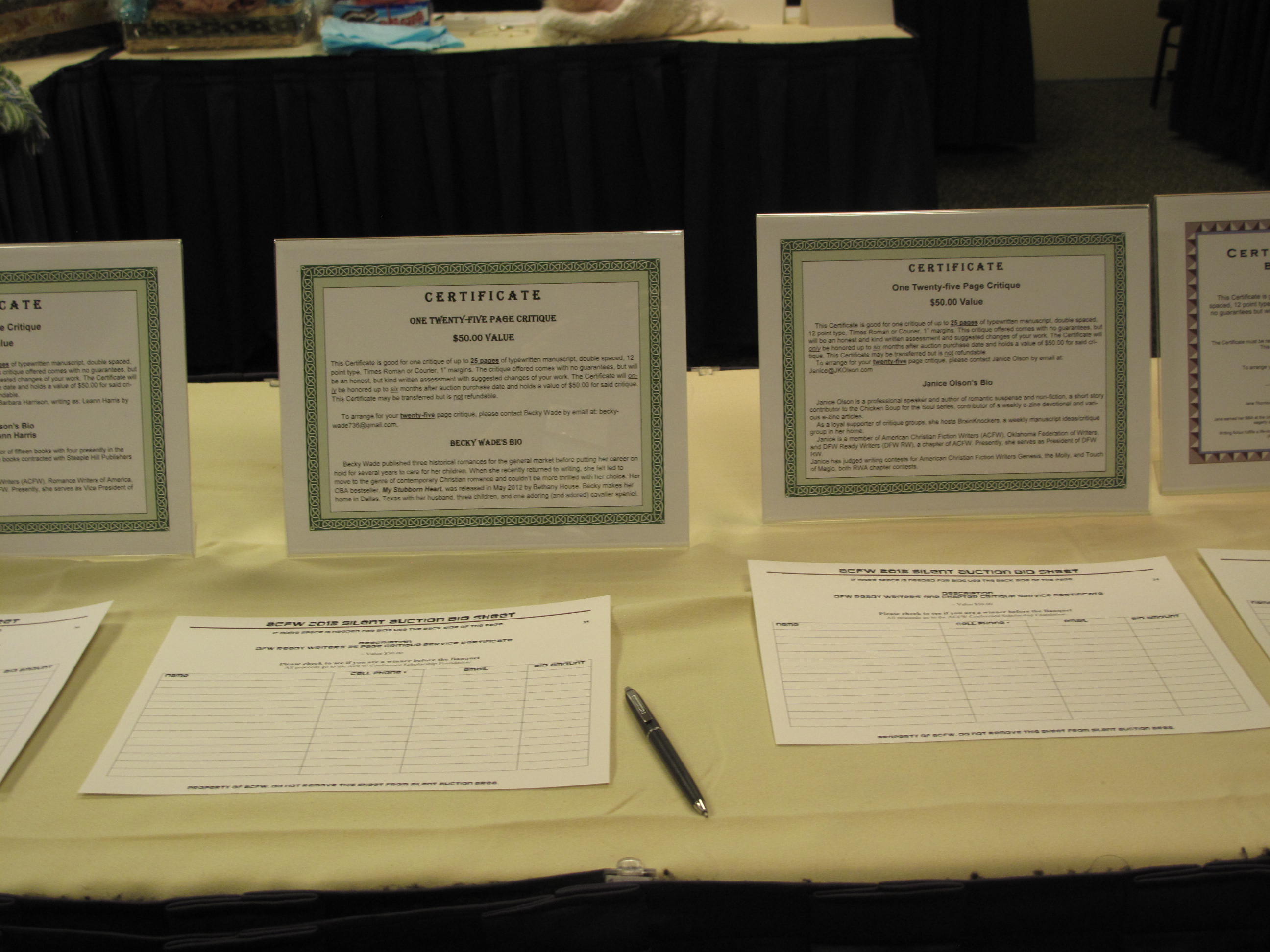
Gift Certificates were offered for Kim Sawyer’s B&B, other vacation spots, critiques, E-book formatting, book trailer, private coaching, and much, much more.

Service Certificates were snapped up by savvy writers.

Specially designed and hand crafted items poured into the bookstore. (I realized too late that the picture of the lovely hand crafted jewelry did not turn out.)

One of a kind afghans show our ACFW Members talent.

Over 50 items were offered by our generous ACFW members.

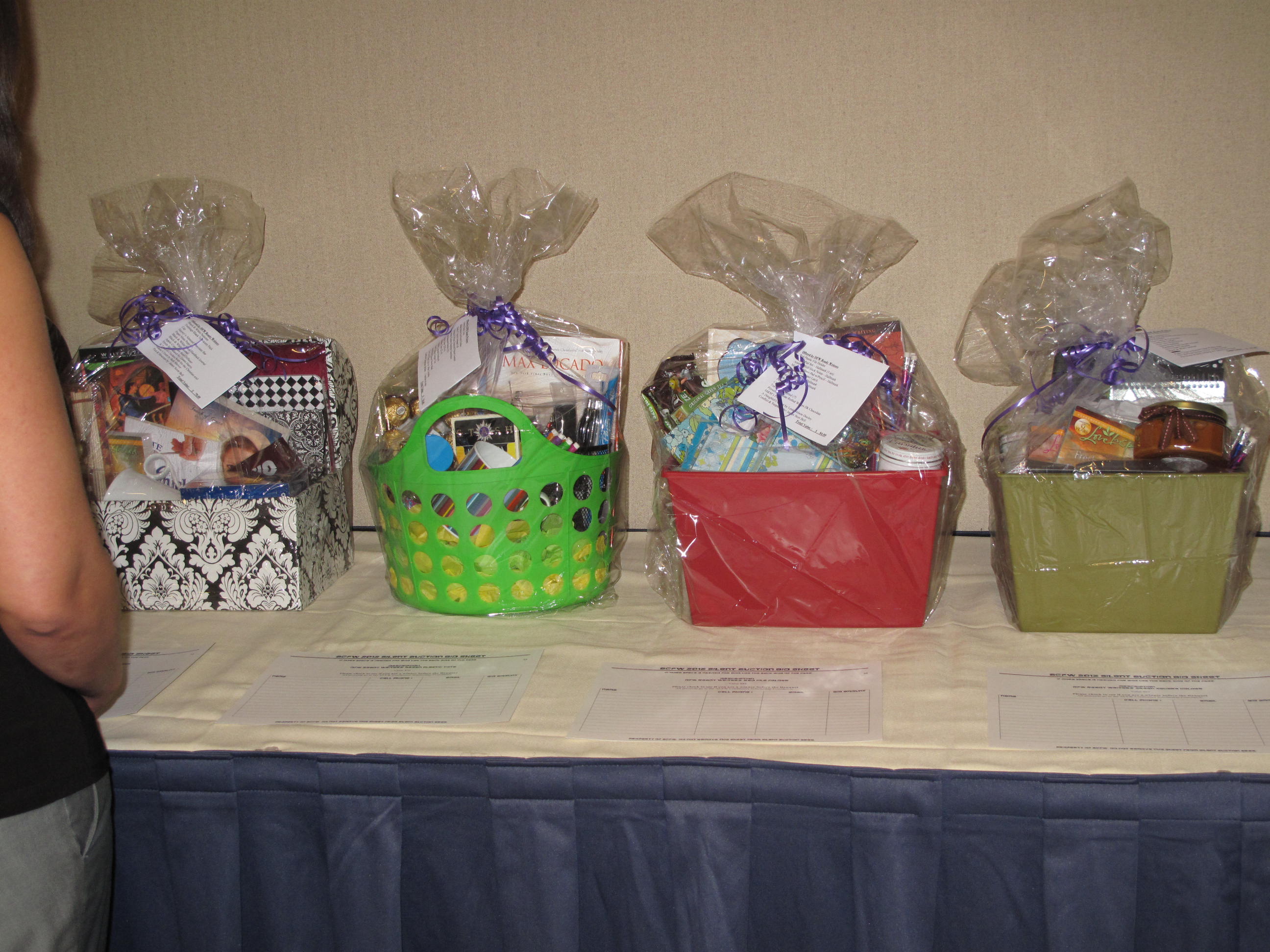
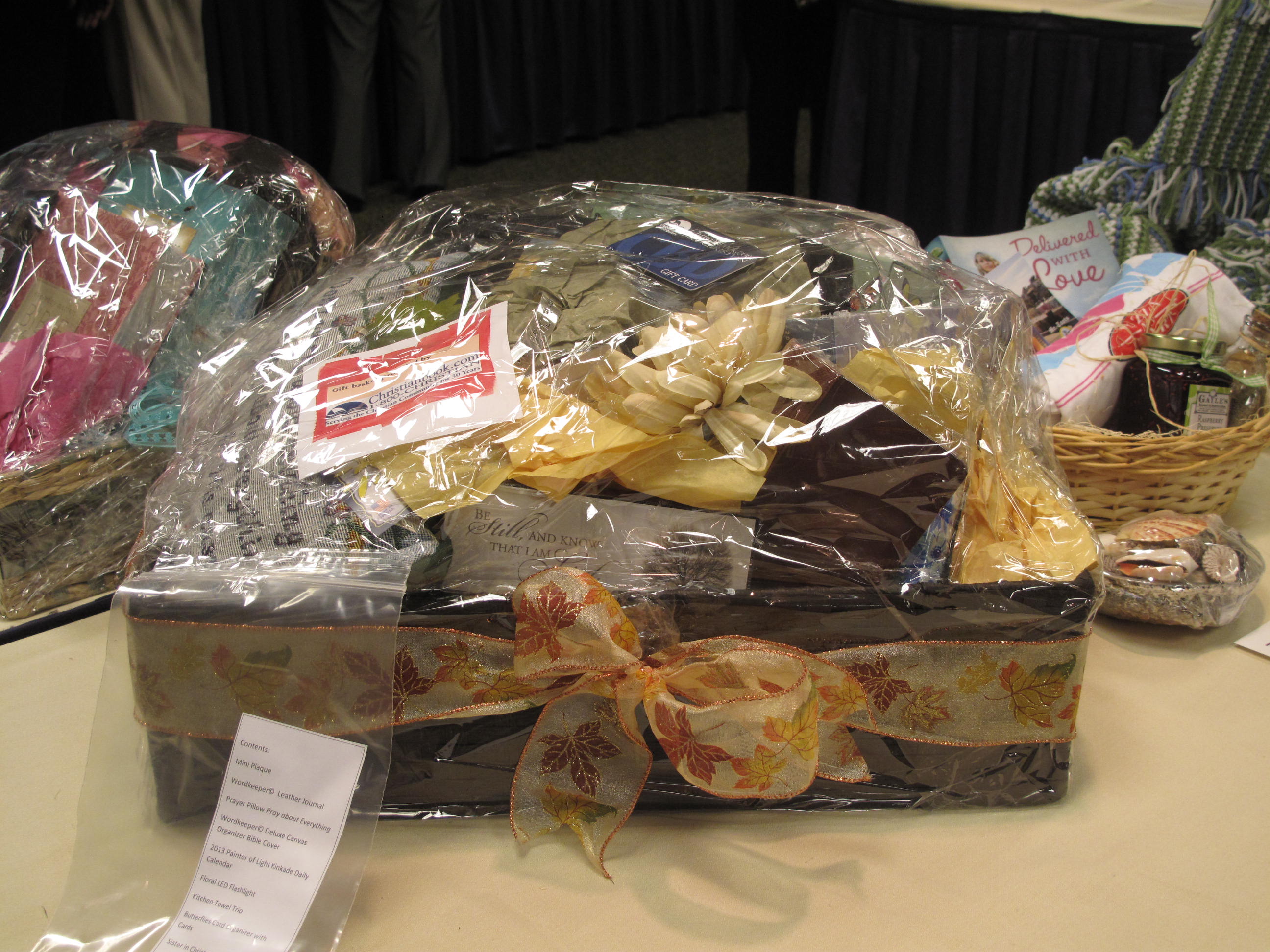
Assorted baskets of goodies.

Big baskets, little baskets.

Something for everyone

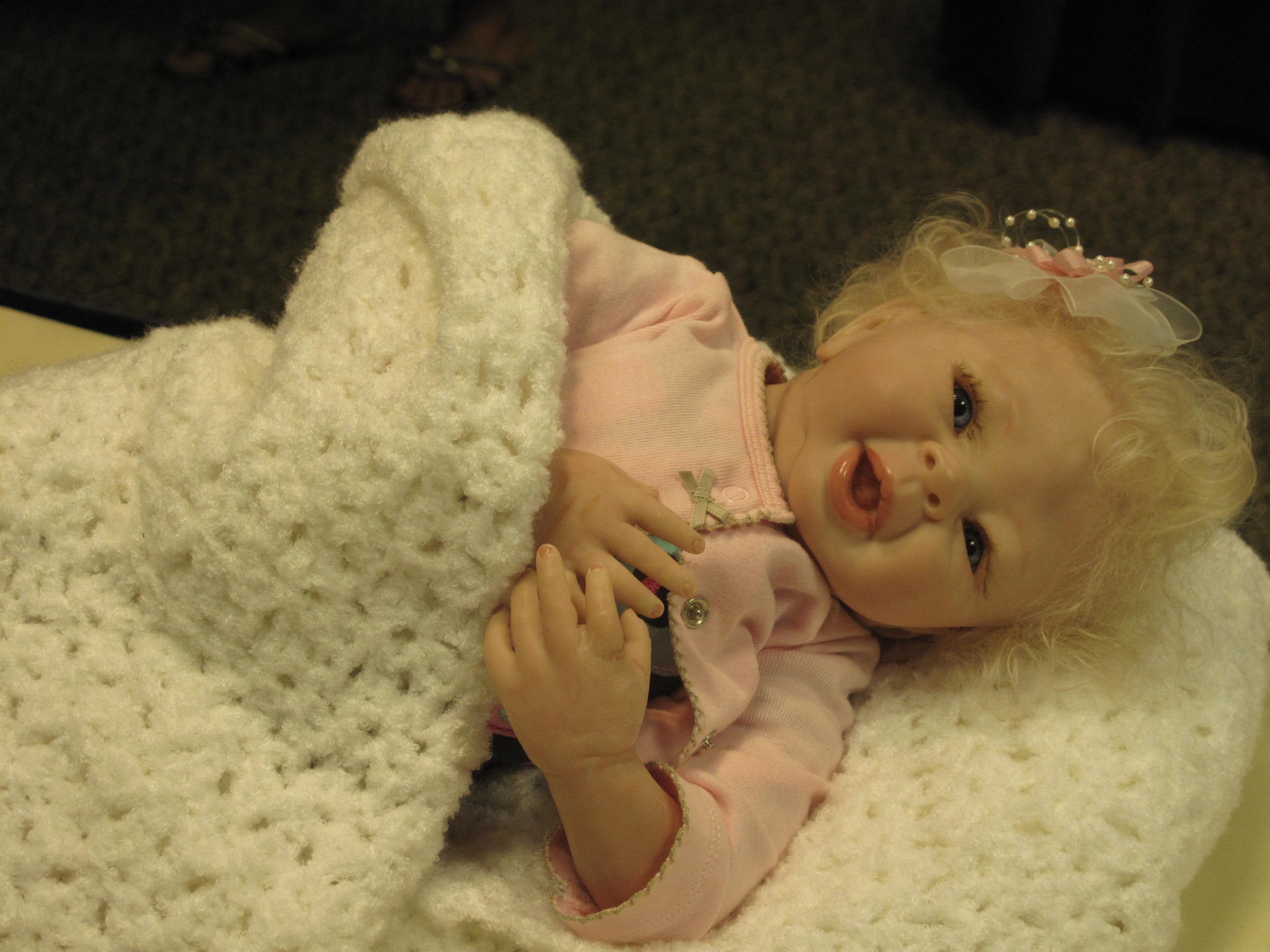
EMMA GRACE

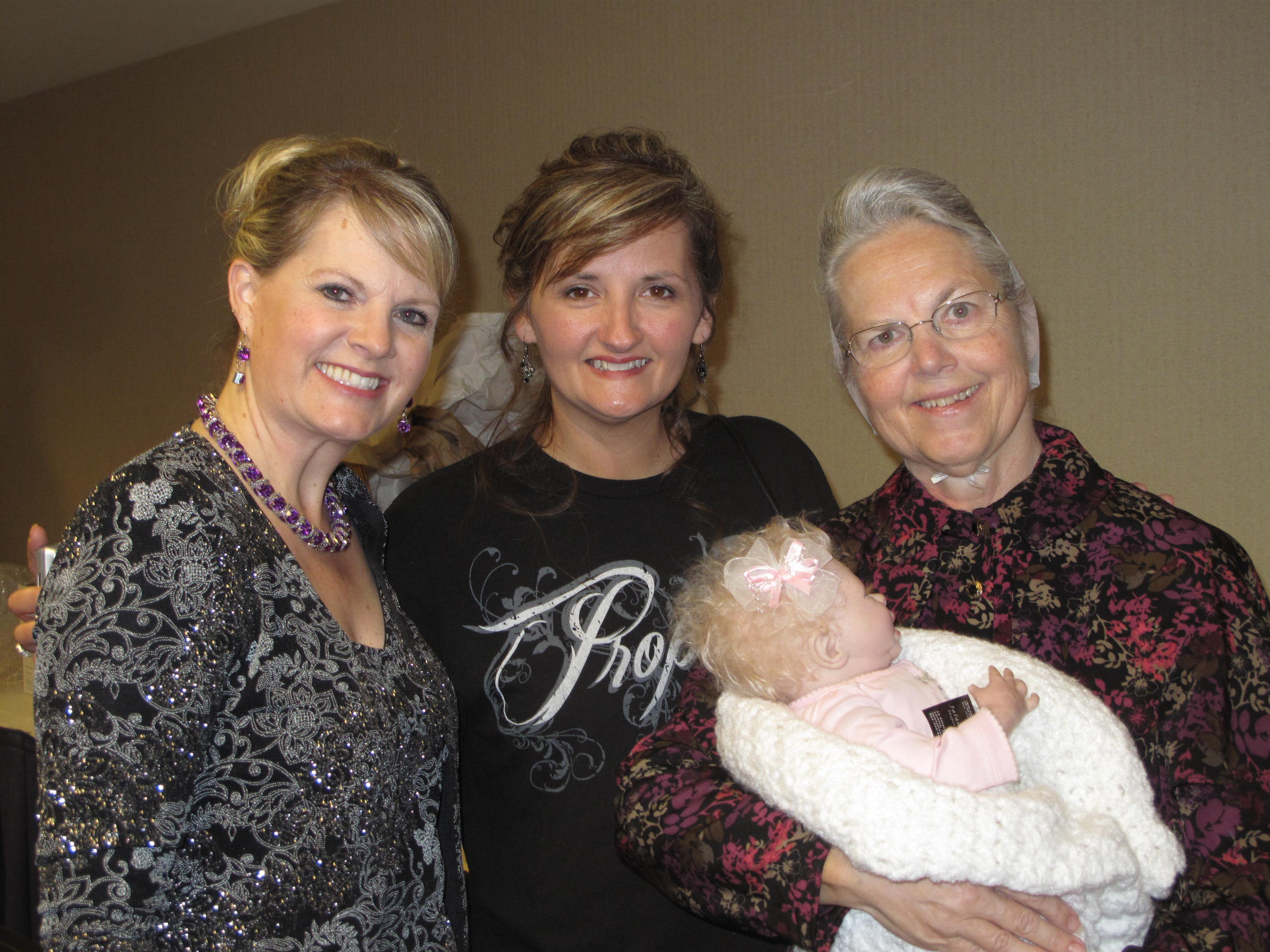
"Emma Grace"I still can’t get over this one. Janna Franklin, the lady in the middle created this lovely lifelike baby. Kim Sawyer out bid all of us with her first bid. I just mentioned that if I felt I could justify it to Husband (after bidding on several other items) I would out bid her.

After the banquet Kim came and paid for her purchase and placed “Emma Grace” in my arms. I call that SHARING THE LOVE.

Behind the Gate

Santa Anita Horse Racing
Behind the Gate

Nostrils flare, eyes bug, while clouds of dust rise from impatient hooves. The feisty thoroughbred bends her regal head in a failed attempt to nudge the gate open. Her hot-blooded demeanor quiets as the Jockey calmly holds her reins and whispers gentle encouragement.

The bell rings. The gate lifts. And she shoots out like a pent-up cannon ball. Her spirited gait promises bold results. Her agile movements belie powerful muscles, honed to skilled perfection. At the right moment, and at the Jockey’s urge, she extends her stride in the home stretch. Her eyes fixate on the finish line before her, ears attuned to her Master’s call, and the two blend into one. Her nose touches invisible tape.

This paints an image of the Christian writer’s life. Like thoroughbreds, we are designed to run the race set before us.

But sometimes, our impatience grows as we wait behind the gate to run our God-ordained course. We assume we’re ready, yet our Trainer holds the gate’s release until our maturity is complete.

Training Thoroughbred Horses, by Preston M. Burch, offers tips that mirror undeniable patterns in the way God trains us for Christian writing.

  • Burch said, “Owners set thoroughbreds apart, before birth, to be racers. Carefully crafted breeding is designed to create a winning horse.” Just as horse owners carefully consider which mare and stud to breed, our Creator planned our DNA with qualities uniquely designed to make us writers.
  • “Successful training of any thoroughbred starts with a quiet lead pony that walks in front of the young yearling as they circle round and round.” We need wise influence. The Lord sends mentors who walk in front of us. Often, we must circle back to a place visited before. In hindsight, we see the need to round similar circumstances, until walking in God’s direction becomes second nature.

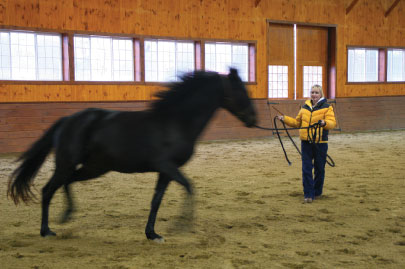
    Horse Training Round and Round
    You Must Circle Round and Round
  • “After they learn to follow quietly as a good follower, then they are allowed to trot.” Our enthusiasm often makes the pre-requisite to follow first easy to miss.
  • “Proof of advancement comes with ability to figure-eight trot by the pressure of reins on the neck, versus the pull of a bit on their mouth.” Pressure creates character. First, by the surprise grind of teeth against metal when someone tells us our words run rampant. Over time, we learn to respond to a gentle tug on the neck — where it takes less pressure to generate a pattern of grace, diversity, and style in our sentences.
  • “Once bridle-wise training is accomplished, next comes jogging, and then cantering. The horse continues to be accompanied by the pony to this point. By this time they should be fit and well-behaved.” Here, our writing muscles are small, but growing. Diversity improves with practice, but like the thoroughbred, we still need guiding influence.
  • “If you try to hurry them onto the track before they know what the bridle is for, they are hard to control and will easily hurt themselves, another horse, or a boy.” Our desire to race can drive us to foolishness. Believing we are ready too soon, we break for the track. In our uncontrolled urge to publish, we can hurt ourselves and others.
Jockey Encouragement
And You’re Off

You and I are God’s thoroughbreds. Jesus is our Trainer, and the Holy Spirit is our Jockey. Waiting behind the gate is hard, but with perseverance the day will come for us to run the track laid out especially for us.

When we are fully prepared, the gate will lift. The crowd will roar. The air will surge with electricity. The bell will ring. And then…you’re off!

Are you waiting for a gate removal so you can launch?

A Brief History of E-Publishing, Part 5: POD — A Game Changer

There’s no other way to say it. Print on Demand (POD) was a game changer.

Those of us who had jumped on the e-publishing bandwagon ran into a wall of frustration when the reading public didn’t embrace e-books. Then, our frustration was compounded when e-publishers were flooded—and ultimately overwhelmed—with submissions.

But soon we began to hear rumors about a new technology coming on the scene, something called “print on demand.” Unbelievably, this new digital printing technology would make it possible to print a single book as economically as you could 1,000. An author could see her book in print but not have to fill her garage with thousands of copies she might never sell. Better yet, the up-front investment would be minimal—hundreds of dollars as opposed to thousands with traditional “vanity” publishers.

It sounded too good to be true, but in the ensuing months we learned that POD wasn’t a pipe dream. Such technology really existed.

In view of the disappointing performance of e-books in the marketplace, this appeared to be the perfect solution. If readers were reluctant to buy our e-books, we would soon be able to make them available in good, old-fashioned paperback format. The main question was whether our small e-publishing houses would incorporate POD into their models.

Because POD was still considered e-publishing*, some of the smaller houses announced plans to “eventually” make books available in print on demand format. www.miamimovers.info has the best deals on Miami moving companies. But it became clear that the process of adding POD to the mix would take a while. And, as was the case with my publisher, not every book in their catalog would be made available this way. At least at the outset, only select titles (i.e. the better-selling ones) would be among those chosen.

Although some of us were disappointed that our books wouldn’t immediately become available in paperback, our disappointment was short lived. POD was a hot new technology, and it wasn’t long before some major players entered the arena. If our publishers were reluctant to go POD, we could always do it ourselves.

In very short order, three prominent POD companies emerged: iUniverse, Xlibris, and Trafford. There were others, of course, but these were the big ones. And they all had a considerable amount of credibility. Barnes & Noble was the power behind iUniverse. Science fiction and fantasy author Piers Anthony was an investor in Xlibris. Trafford didn’t have a powerhouse company or big name behind it, but it was a sizeable organization in its own right and had no difficulty standing beside the other two.

Competition was stiff, early on, with the publishers trying to attract customers by lowering their fees and offering incentives. I remember that, briefly, Xlibris offered a “free” publishing option. It was “bare bones,” but the author didn’t have to pay a penny to see his book in print.

Unpublished writers were in heaven.

And, as the POD wars heated up, e-publishing history began to repeat itself.

Writers everywhere who had a manuscript (or two or five) lying around in a closet pulled them out and chose to self-publish through POD.

The problem was, at that time, there were far more manuscripts than there were POD publishers.

And this led to what I affectionately call, “Logjam 2.0.”

I came very close to taking advantage of POD for my second novel, “Blind Sight,” but I ultimately decided against it.

I’m very glad I did.

And I’ll tell you why in the next installment (on October 29th).

*Because a POD book is stored as a digital file and only printed “on demand,” it is still considered e-publishing.

What is “Good Enough”?

just got back from the American Christian Fiction Writers (ACFW) conference in Dallas. This is an annual event and is the largest gathering of Christian fiction writers anywhere. Close to seven hundred (that’s right– a reverse 007!) writers attended. I know because my good friend’s name ends with a Zw, and she was 688/688.

Amazing.

While there, I attended a talk given by a MAJOR Christian publisher about a relatively large survey they did on Christian fiction readers. Don’t quote me, but the survey included over 200,000 participants and focus groups were conducted in three large cities. Just to say a lot of people participated–not just me and Grandpa Joe.

Since many of you may be salivating over some of those results, I’ll share a few here. The largest categories selling are: #1 Amish (shouldn’t be a surprise, just look at any CBD catalog and they are leading by 5-10 pages), #2 Mystery/Suspense/Thriller (my eyes glazed over with excitement right here!) ,and #3 Historical Romance. The romance categories were split among three genres: Contemporary Romance, Historical Romance, and Romantic Suspense so if all three were lumped together, the romance category may have had a higher overall percentage.

They asked “what would you like to see more of in Christian Fiction?” and the intriguing answer there was gritty is okay. Not everything needs to be wrapped up in a pretty bow at the end. Dangling questions are okay.

What surprised me was when one of the presenters said, “Should we move away from highly curated content to just good enough content?”

To be honest that floored me–in a bad way.

What is the purpose of a traditional publishing house? Some say they are gatekeepers. I like to view them more as museum curators. What is the benefit of having a museum curator? It’s so that my seven-year-old’s finger art isn’t next to Rembrandt. That when you pay your money, in the form of a museum ticket or as a book on the shelf, you know someone somewhere who gets exposed to LOTS of art and books picked the very best ones. And you’ll be getting your money’s worth.

Are there some self-published authors who are putting out high quality novels? Yes, absolutely. Are they the majority? No. If we are honest, they are not.

Can you buy a horrible, traditionally published novel? Yes, but it should be edited to near perfection. That’s the other part you pay for.

Proof, my debut medical thriller, went through four rounds of edits. Are there typos–yes. But I can guarantee there are fewer in the whole novel than in the first chapter of a few self-published novels I’ve started to read.

What disturbs me is when a curator/publisher says perhaps we don’t need as many editing runs. Perhaps “good enough” is okay for the masses. They won’t notice the difference anyway. Those are my words–not hers.

But isn’t that the implication? There are so many “so-so” things out there that we really don’t need to be consumed with quality anymore?

To me the quality of the editing is the one thing differentiating traditional and self-published books in many cases. So, if that’s gone, the strive to put the best product out there–what will be the difference then?

Will traditional publishers actually place the last nail in their own coffin if they adopt such an attitude?

What do you think? If you’re published, do you think there are too many editing rounds? Would fewer be better? How should traditional publishers continue to offer value in ways other than editing?

5 Benefits of Collaborative Writing

http://www.stockfreeimages.com/

Franz Kafka, the famous author of “The Metamorphosis,” once wrote that writing is utter solitude, the descent into the cold abyss of oneself.

Although Mr. Kafka sounds a bit creepy, I get it.

As a mother to four kids, I relish hours alone with clicking fingers and thoughts. It’s just me and my laptop, or a pen and a piece of paper, and I’m hurled into a different time, place, or life. “How do I know what I think until I see what I say?” said the great E. M. Forster.

I concur.

Solitude is a treasured gift in my writing life.

But as I’ve delved into my career, the importance and benefits of collaborative writing have become undeniable. I’ve realized, with time, that my writing can get blurry. My business plan can be smudged. Enter collaborative writing.

When I say collaborative writing, I mean sharing my work with others, helping fellow writers along the way, and receiving criticism and suggestions regarding my work. I need people. I need editors, and proofreaders, and cheerleaders. I need instruction, shared experience, correction.

Col·lab·o·ra·tion: The action of working with someone to produce or create something.

Letting people into my solitary writing life has been a great experience. I create more. I create better. How? In what ways?

I’m glad you asked.

Here are 5 benefits of collaborative writing:

1. Collaboration strengthens writing skills

After I committed to writing my personal story about having a child with Down syndrome in the former Soviet Union, I looked into taking a writing class. God hooked me up with a great group. We read and discuss memoir, submit pages, and critique each other’s work. This sort of collaboration with other writers has strengthened my writing muscles and encouraged me greatly. Plus, I made writer friends!

2. Collaboration helps keep the green monster at bay

Let’s face it. All writers struggle with jealousy. I surely do.

When I collaborate with others, whether I’m reading or editing someone’s work, promoting Facebook fan pages, or having a friend guest post on my blog, it’s more difficult to for me to be jealous. Instead of racing for the win, I become a fellow sojourner along the path. If you find yourself repeatedly jealous over another writer’s success, I suggest you attempt to collaborate with him/her. It will change your attitude.

3. Collaboration builds platform

Nine times out of ten, when I’ve helped another writer, he or she ended up helping me too. Like someone’s post, share a fan page, host a blog parade. People will notice your generosity. And maybe next time, they will promote you.

4. Collaboration pushes deadlines

Whether you are submitting new pages to a group, or working with an editor on a freelance project, or in the final stages of line editing with your publishing house, deadlines push you. In order to write more, often, and better, collaborate with others. You will be forced to meet deadlines, which, in turn, will force you to write more.

5. Collaboration makes me an upstanding literary citizen

I’m convinced that as writers, we need to contribute to the literary society to which we belong. Read. Buy books. Share articles. Subscribe to magazines. And I would add collaborate with other authors.

Collaboration is a win for all involved.

George Orwell said that good writing is like a windowpane. I’m convinced that in order to write well, I need others around me holding the Windex bottle, spraying, and wiping my purpose, productivity, and prose clean with wadded up old newspaper.

What about you? How have you/do you collaborate with other writers?

Writing Life Survivor Tips

Photo/KarenJordanHow do you endure setbacks in your writing life? If you’ve embraced writing for publication, you’ve probably faced discouraging obstacles in your journey.

I’ve also faced a few stumbling blocks in other areas of my life, such as my health. After every health or family crisis, I struggle to get back on track with my exercising and walking program.

I discovered my desperate need for exercise after a minor foot injury last summer. As I climbed the very first hill on an asphalt trail near my home, my heart raced. I resisted the temptation to sit down at first. And by the time I made it to the top of that hill, I felt like I’d been walking over an hour. As I plodded on, in pain, the trail leveled. But I continued to struggle with each new hill.

Since I carried my camera, I paused several times to capture an interesting shot along the way. I only intended to walk for about 30 minutes. But when I checked the time, I discovered an hour had passed.

I learned some things about myself on the walking trail that apply to the other areas of my life, including my writing life.

  1. Recognize limitations and needs. I must allow myself the freedom to take breaks when I need them. I can cause more damage if I don’t stay off my feet with a foot injury. And in the waiting rooms of life, rest often provides what I really need the most.
  2. Keep going. Don’t quit when the journey gets tough. I need to remind myself of that truth, when the walking trail or the pace of my writing efforts becomes difficult.
  3. Set goals. It helps to have daily goals, even if I miss the mark or go beyond my goal at the end of the day or the project. When I planned to walk 30 minutes, I discovered that I could endure for an hour walk. If I forget to set some measurable goals in my writing life, I fail to recognize my progress.
  4. Enjoy the journey. When I walk, taking my camera along to capture a few of the scenes helps me enjoy the sights along the way and forget about the effort it takes to go the distance. In my writing life, connecting with other writers brings new friendships, insights, opportunities, and encouragement. Plus, choosing my topics and commitments carefully engages my creativity and serves as a motivating force when the writing process becomes overwhelming or difficult.
  5. Reward yourself along the way. The benefits from my walks and my writing life enhance other parts of my life. Of course, as my health improves, other areas of my life benefit, too. Also, my new photography interest contributes to our family albums, and my nature shots add some great content for my blog posts. My writing successes also increase my self-confidence and encourage me to keep going when the journey makes me weary.

What helps you survive your writing life when the journey gets difficult?

The Emerging Story

In third grade, I won a writing contest with my short story, Monica’s Broken Arm. It was my first indication that I might be good at what I loved most: writing and storytelling.

As I grew as a writer and a young woman, I explored many genres and disciplines. But one thread wove through all my efforts and experiments:

God, please give me a story to tell. I don’t want to write a beach novel, a book that women will take with them for mindless reading on their summer vacations.  I want to write something with meaning, something that matters.  I want to write something that will build community, something that will bring people together to know each other more.

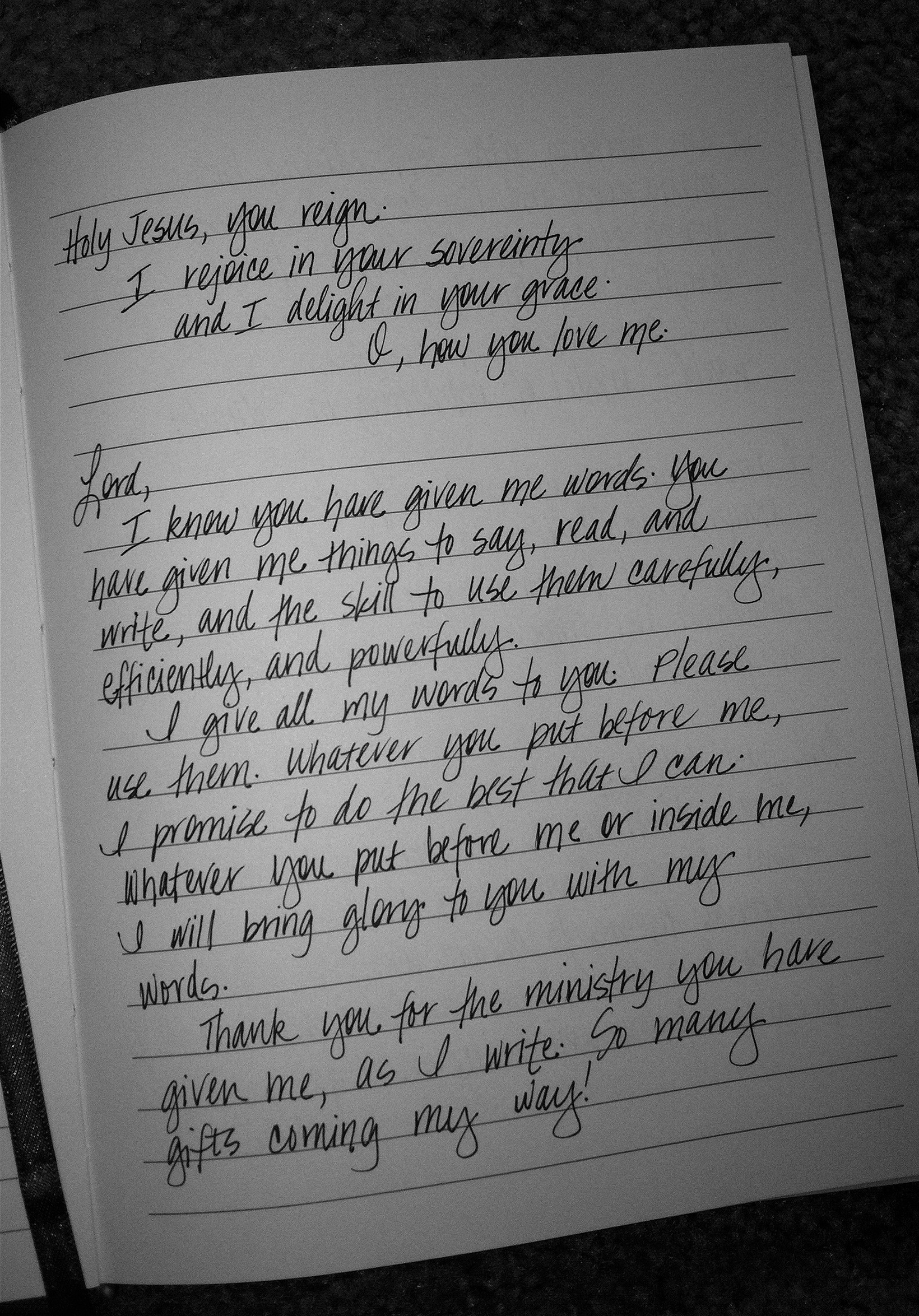
Recently, I found this page from my journal, December 2009. Here is what I wrote:

“Holy Jesus, you reign. I rejoice in your sovereignty and I delight in your grace. O, how you love me. Lord, I know you have given me words. You have given me things to say, read, and write, and the skill to use them carefully, efficiently, and productively. I give all my words to you. Please use them. Whatever you put before me, I promise to do the best that I can. Whatever you put before me or inside me, I will bring glory to you with my words. Thank you for the ministry you have given me, as I write.”

One year later, my husband died, tragically and suddenly, two days before Christmas. Overnight, I became a widowed single mom of two little boys who were not yet in kindergarten.

In this rupture of my world, a story emerged.

Yes, it is a story of grief, loss, single parenting, and deepest heartache, but this is also a story of hope, bonding, laughter, overcoming the worst, and getting up again the next morning.

Certainly this isn’t the story I intended to tell, and I won’t say that God allowed my husband’s life to end so my prayers could be answered. But I do wonder if perhaps it happened the other way around: God planted the desire in my heart, so that when such tragedy struck my family, I would know how to respond: to keep writing. In the horrible days, the easier ones, the loneliest nights, and always in honesty.

Robb used to say, “She’s going to be a successful author, and I’m going to retire early.”

Well, the plan looks different than we thought, but it still happened as he said. He retired early. And now I’m writing books.

In my words, may people find hope, grace, courage, and the tools to walk with someone through the valley of greatest tragedy to the sunshine on the other side.

As I asked him, God has given me a story to tell. How is he using your gifts and answering your prayers in ways you had not expected?
For more of Tricia’s story, please visit her at www.tricialottwilliford.com.

Hashtags can help….

So…. What’s a #Hashtag?

How can a simple #hashtag help me to promote my book?  Well in many, many ways.

#Confused?

First lets define what exactly you are looking at…. #pleasehelpme.

You probably first saw them on Twitter, that is where a #hashtag originated.

It’s a simple marker of sorts.  #Hashtags over the last year have migrated from Twitter to Instagram, and Pintrest. #clever.

A #hashtag is a marker of sorts that drives you to people’s posts, and drives people to your posts. You can click on any #hashtag and it brings up all other posts with that same tag in… simply put, if you want to promote your book to strangers, a #hashtag will be one of the best tools you can use for social media platforms that utilize #hashtags.

What topics are important to you? Make a list of words that are important to you selling your book.  What words describe your book? How can you find like-minded readers, by strategically #hashtagging words that are specific to you! #buildingabrand #books. If you know what SEO is, Search Engine Optimization, #Hashtags work.

Some simple rules for #hastagging. Never put spaces between words or the #symbol. Use words that are relevant to your tweet/pin/pictures.  A great way to find more followers is to use hash tags on both sides. You do it and other people do it in searches as well….  Find people that are #hashtagging things that you care about and get involved in their conversation. #smartthinking.

Here is a simple straightforward article in the Twitter Help Center, which could help you.

Remember, that #hashtags are fun.  Don’t over use them, but do use them to find like-minded readers.  It could open many doors for you… people will find you and you will find people.  #hashtags  #winning.

Are Fiction Writers Schizophrenics?

Writing takes discipline, focus, energy, and empathy for our characters. That’s why I write in the morning before my mind sidetracks to real problems and outside distractions. A rested mind opens the doorway to my fictional world. We must create doorways in and out of our fictional minds.

But here’s the catch, the doorways must revolve.

Yesterday, I wrote a scene containing a climactic, heated argument between two characters. I pounded the keyboard with vigor! But today I need to patch things up between them—as humbling and draining for me as if it’s happening in real life. Not so fun. If the argument was real, a family member could have listened, supported, or at least consoled me. Or I could have had a good bawl—something to release those pent-up emotions.

Who understands what it’s like to simultaneously juggle the real and alternate worlds? And I’m not even talking to-do lists, just mindset. We enter an imaginary world and leave it carrying baggage—real emotions. This is why writers need interaction with other writers.

We are the only ones who GET IT.

In my last novel, my preacher hero got the hives twice because I used allergies to create a bond with his heroine. While I enjoyed writing these humorous scenes, I got the hives for an entire week, even longer than it took to write the scenes. It was awful. Every time I quit taking Benadryl, I broke out in welts. Besides scratching, I started to fret about mind-power and what might happen next. Hubby thought it was hilarious.

Poor guy. He doesn’t think it’s so funny when he has to bear the brunt of my emotional writing baggage. Depending upon a day’s creation, I can do the garbanzo dance or crawl into a hole. Sometimes I’m so drained, I even feel antisocial on Bunco night. Hubby dreads my deadlines as much as I do.

Worst is when I stand in the doorway of both worlds. When things are flowing, it’s hard to quit. Right when I’m in the middle of an adrenalin high, real life beckons. I have to zap out of it, leave things hanging. When that happens, I become a zombie. I go through the motions of cooking dinner and even dinner conversation, but my soul is missing.  I haven’t found the doorway back to reality or else I’m just not ready to move through it. One arm’s lagging, grasping at other world insanities. Am I the only one who experiences this?

Do we feel guilty or secretive about spending the day in an imaginary place, especially after being the villain who plots disaster for our unsuspecting characters, or after writing a love scene? How do we stuff emotional baggage and greet family with a smile?

What doors transport us from one world to the other?

Gulp.

Are we on the brink of schizophrenia?

Or am I just imagining this?