The Shocking Marketing Surprises I Learned After My Book’s Release

A little more than a year ago my first book was published.

In the years before it was released, I made a persistent effort to build my platform.

For instance, nine or ten years ago, I started building a social media platform, first on Facebook, and then on Twitter, LinkedIn, Pinterest, Goodreads, and Instagram.

For about six or seven years, I have been consistently blogging. I have been grateful to be featured as a guest blogger on many sites. Still, I did not fully understand the extent of marketing I would be doing once my book released.

The not knowing was painful at times.

Hopefully this post will give you some of the information I wish I had known ahead of time.

Here are the five biggest marketing surprises, good and bad, I learned after my book released.

wow big sale1. You won’t just market for a month or two, or three, or six.

I didn’t realize I would be expected to market for years. In fact, I think as long as you have a book being sold, you don’t ever get to stop.

2. Most of the time you won’t have any idea how well your book is selling.

I assumed publishers would send reports every month or every six months. That didn’t happen. At least not for me. I guess it’s difficult to determine the exact number of sales, partly because bookstores may order a few dozen copies but then send them back at a later date. I did receive a statement 12 or 13 months after my book released but it’s still not an accurate representation. By the time a statement is compiled and mailed out, more books likely sold. Without knowing how book sales are going, you have to market anyway.

3. You will market 101 ways and you won’t have any idea which marketing ideas will be most beneficial.

You’ll do contests, hold signings, and have book launch parties. You’ll do giveaways and attend conferences. You’ll have write-ups in college alumni newsletters, you’ll give hundreds of books away to potential endorsers and media types. You’ll speak to groups, and give radio and TV interviews, all the while hoping for sales.
amaz1

Here are two of my biggest marketing surprises:

*My pastor gave a sermon on Mother’s Day and mentioned my book. I sold about a 100 books. People rushed into the foyer after church to buy multiple copies for aunts, grandmas, sisters, girlfriends, and moms.

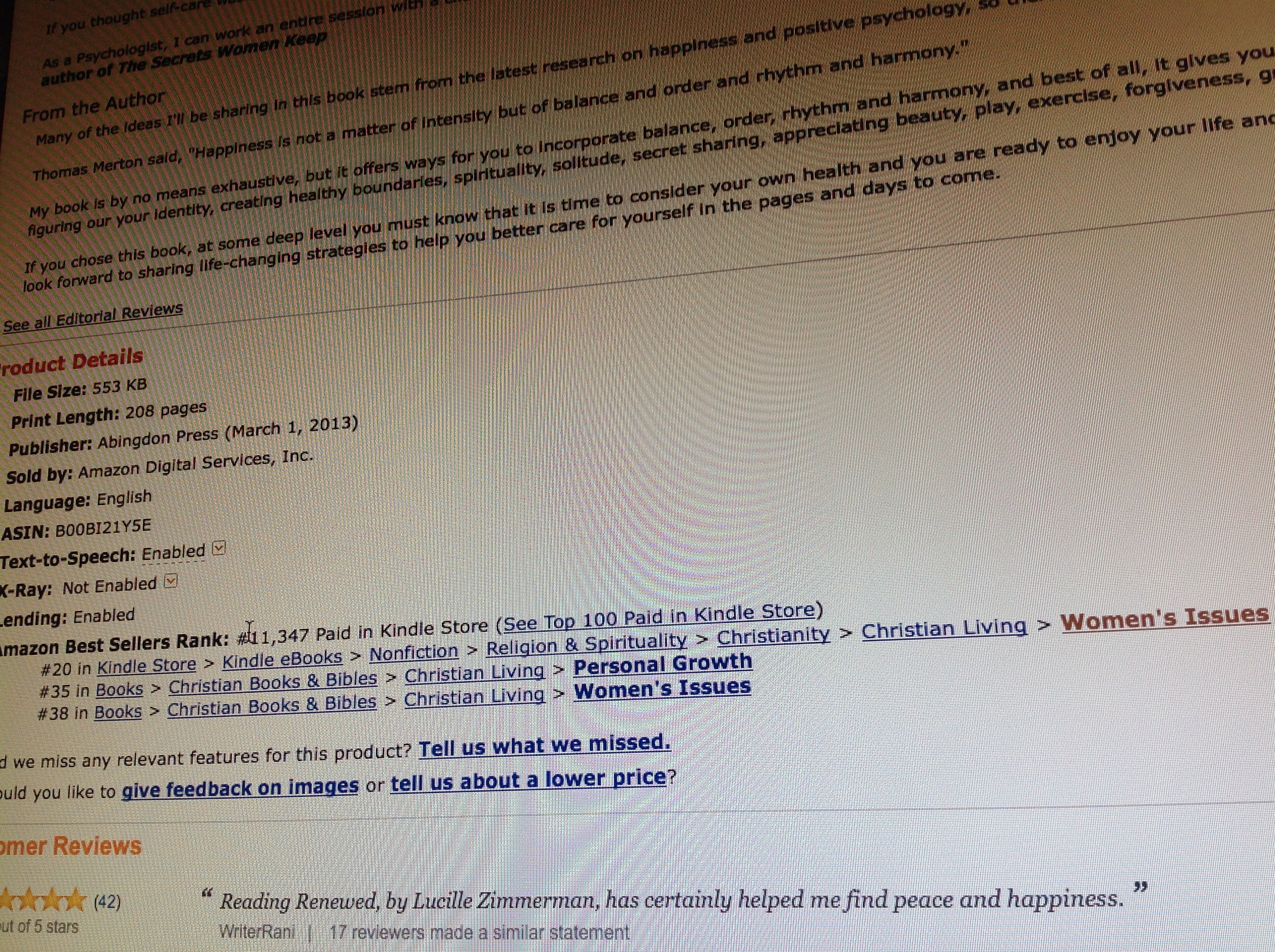
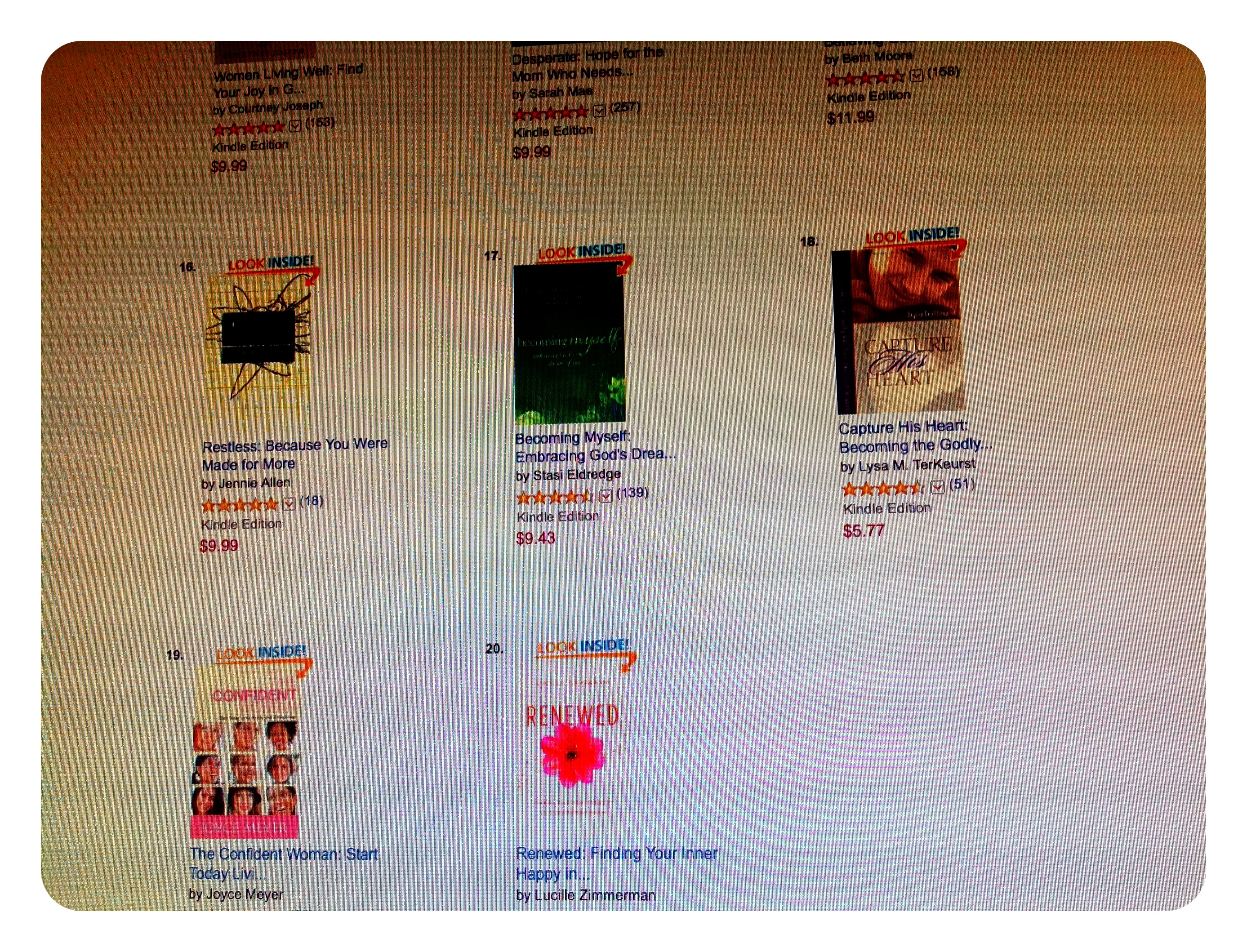
*Ann Voskamp mentioned my book on her list of links one Saturday morning. My book sky-rocketed on Amazon. It was fun to watch the numbers for a day.
Amaz

4. Your publisher is likely to give you books in order to help you market.

When I signed my contract, my agent negotiated a certain number of free books I would receive in addition to my advance. However, I have been surprised with the generosity of my publisher. Several times I’ve headed to conferences and my publisher has given me books to give to the attendees. Also, Goodreads has a program where authors can participate in giveaways within the first six months of a book’s release. My publisher alloted quite a few books for these giveaways.

5. The things that make you the most happy won’t be the sales but the people you touch.

It sounds cliche, but it’s true. I am humbled each time someone sends a thankful email or posts a review on sites like Amazon, Goodreads, or Barnes and Noble. This week I received a letter from someone who said my book encouraged her to go back to school to earn a graduate degree in Christian counseling.

If you’ve marketed a book, what surprised you the most after it released?

How to Craft for Your Crowd

reading boysAudience. 

Every writer knows that keeping the audience in mind is essential to effective writing: you don’t include high tech specifications or advanced optical principles in a children’s picture book about microscopes, just like you wouldn’t fill your historical thriller fiction manuscript with footnotes citing the research behind your story.

But other than considering what your audience expects in style or format based on genre, how often do you start your writing project by putting the reader first, instead of the story you want to tell?

Over the last nine years (and eight books) as my writing career has developed, I’ve noticed a subtle shift in how I craft my writing. Whereas my first book – an exploration of Christian vocation – was the book I wanted to write covering what I’d learned from researching and reflecting on Scripture, I didn’t understand how to make it compelling reading for my audience, even though I sincerely wanted to communicate my own enthusiasm on the topic with my readers and believed they would benefit from it.

Big surprise: even with a national publisher, the book did not do well. I needed to regroup, and start over by clearly defining my audience, and putting their need – be it entertainment, information, or inspiration – first. Only then could I take the story I wanted to write and frame it meaningfully for my readers, because if it didn’t answer their need, they wouldn’t read, no matter how much I wanted to share it.

I had to put others first. I began to pay more attention to what readers liked to read and why, rather than focusing on what stories I wanted to tell.

I applied that approach when I created my Birder Murder Mystery series. As a bird-lover and mystery fan myself, I knew there were no cozy mysteries about birdwatchers; I knew if I wanted to satisfy that audience, I’d have to weave together a specialized knowledge of birds, engaging characters that reflected the eccentric personalities who enjoy the sport, related issues of conservation, and accurate depictions of place. That meant I needed to do research to fill in the gaps of my own knowledge to craft stories that met those demands. Using that formula, I’ve written six books in the series and acquired a loyal readership that enjoys “virtual birding” with my protagonist.

Likewise, with my girl-meets-dog-and-finds-healing spiritual memoir, the first task I completed was examining my experience to identify how others could relate to and benefit from it. By putting the need of others first, it helped me organize the book’s content: a blend of memoir, current research, spirituality, and humor. Otherwise, I may have written a straight narrative of how I learned to love our dog, which would be a nice story to share, but not unique enough to warrant publication.

The next time you sit down to start a writing project, ask yourself these questions first:

  1. What does my audience need from me?
  2. How can I be of service to my audience with this writing project?
  3. How do those answers help me craft my content?

I think you’ll find that putting others first is not only considerate, but a great way to write a book your audience will value.

Honor One Another

?????????????????????????I’m a member of the “Me” generation. Growing up in the 1960s and 1970s, I heard a lot about the importance of self-realization and doing your own thing. I wore mini-skirts and flowered shirts, watched “I Dream of Jeannie” and “The Mary Tyler Moore Show.” When I was in college, all my girlfriends focused on finding careers, not husbands; if you yearned for less than having it all – a family and a career – you were considered a dinosaur, obsolete, and terribly naïve.

Contemporary culture was all about making yourself the most important person in your world.

It was also totally NOT what my Christian faith taught. I grew up on the Golden Rule, the Lord’s Prayer and the admonishment to always put others first. Do nothing from rivalry or conceit, but in humility count others more significant than yourselves,” instructs Philippians 2:3. For me, the high school student striving to be class valedictorian, that piece of Scripture held no allure; as I recall, I was more likely to follow the advice of Thumper’s mother in the Disney movie Bambi: If you can’t say something nice, say nothing at all.

As a result, I was a very quiet high school student when it came to discussing my classmates.

Fortunately, maturity applies not only to age, but to faith as well. Marriage and motherhood obliterated any drives I’d had to compete with others as the instinct to care for my family took precedence. I didn’t think twice about putting my children or husband first – that was just the way it was, and no matter how trying or exhausting it seemed at times, I have never regretted it. In the eyes of some of my college companions, I sacrificed a career to stay home with my kids, but I took comfort from Hebrews 13:16, “Do not neglect to do good and to share what you have, for such sacrifices are pleasing to God.”

They have pleased me, too, and God continues to let me reap the fruit of putting others first. In fact, I’m reaping that fruit in a whole new way this year – I’m finding that when I put others first in my writing career, great things happen. As a memorial to my parents, I offer author programs to senior communities, who welcome me with open arms and lively discussions. As a service to fellow authors, I’ve started to organize group booksignings, which are eagerly scheduled by harried bookstore managers. I frequently donate books or talks to charities, which raise needed funds for them and expand audiences for me. I ask myself what other writers might need from me in the way of guest posts or book reviews to accomplish their own objectives.

Honor one another above yourselves,” Paul writes in Romans 12:10. Like so many Scripture passages, these are words to live – and work – by.

(Tomorrow, Jan explores how putting others first is also a key approach to the writing craft.)

The Most Important Thing You Can Do As a Writer

way of trustI get asked all the time, “Shelley, how did you get published?” The real question, though, that these folks are asking is, “Shelley, what can I do to get published?” We all want to find success in our field of interest, and if you’re reading this, there’s a good chance your field is the same as mine: communication, and in particular, writing.

While there are some GREAT steps of action you can take, and you’ll find a lot of those by following the Water Cooler, I personally have experienced the ONE that is the most important, so I want to pass that along to you as I make my debut here as a contributor. This ONE thing keeps me sane regardless of book sales. This ONE thing helps me know which project to work on and which one to table or forget altogether. The To-Do List of life, family and ministry often blur my vision and confuse my priorities, but this ONE thing really does make ALL the difference.

Ready?

It’s so simple and yet so overlooked by far too many (even Christian) writers.

Trust God.

I told you it was simple, but the truth is, the quality of our lives rises or falls on our level of trust in our Heavenly Creator–the One writing our lives. The One who knows the end from the beginning. The One who has GOOD plans for each and every one of us. Many times a creative soul like a writer gets all jumbled up in the mix of “the next new thing” and trying to have his/her voice rise above the noise of so many voices also trying to make themselves heard. But the motive behind it all is either going to be FEAR or LOVE. And that motivational force will come from the Source in whom I place my trust: myself; my agent; my abilities; my marketing team; my publisher; or my Heavenly Father.

It’s a simple principle, but that doesn’t mean it’s also an easy practice. Thankfully, there is grace for this, too! God cares more about your willingness than your perfection.

As we seek to discover where we’re placing our trust, we can ask ourselves these good questions:

  • Do I have to be a successful (however you define “successful”) writer to be of value?
  • Am I working on this current project because I sense God’s Spirit flowing through me in the process or because I feel pressure to write this?
  • Who is my audience…really? In other words, who am I most seeking to please? (Readers? Myself? God?)
  • If my writing isn’t as successful as someone else’s, is my writing still valuable?
  • What is my source for content? Am I solely relying upon my experiences, education, research, and skills, or am I inviting God’s Spirit to be my greatest influence in what I write?

According to the writer of Hebrews, one we can take some cues from as writers, “The fundamental fact of existence is that this trust in God, this faith, is the firm foundation under everything that makes life worth living. It’s our handle on what we can’t see.*”

Asking ourselves where we are placing our trust, regardless of the size of that trust, will help us navigate through all the ups and downs and unknowns that writers experience. God sees and God cares more about your calling to write than even you do. Trusting Him in the midst of every day life and trusting Him to give you the words to put ‘out there’ will give you the strength and peace to accept His plans for the reach and impact of those words.

#OnlyTrustHim

*Hebrews 11:1 The Message

WordServe News: April 2014

Exciting things have been happening at WordServe Literary!

On the final post of each month you’ll find a list of Water Cooler contributors’ books releasing in the upcoming month along with a recap of WordServe client news from the current month.

New Releases

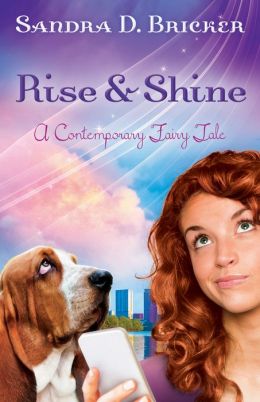
Sandra Bricker released her second contemporary fairy tale with Moody, Rise and Shine.9780802406309_p0_v2_s260x420

************************************************************************************************

Roberta Kells Dorr with River North released a repackaged edition of The9780802409591_p0_v1_s260x420 Sons of Isaac.

************************************************************************************************

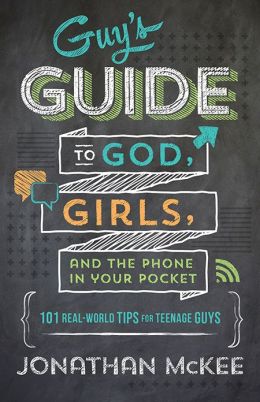
9781624169908_p0_v2_s260x420Jonathan McKee released Guy’s Guide to God, Girls, and the Phone inYour Pocket with Barbour publishing.

************************************************************************************************

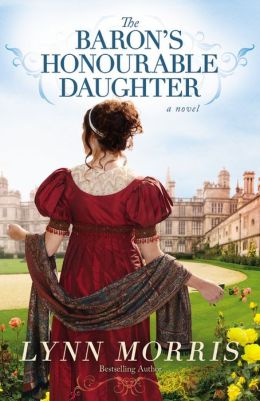
Lynn Morris released The Baron’s Honourable Daughter with FaithWords.9781455575596_p0_v1_s260x420

************************************************************************************************

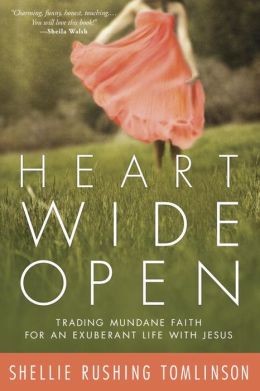
HeartWideOpenShellie Rushing Tomlinson with Waterbrook/Multnomah released a companion DVD to the nonfiction title Heart Wide Open.

************************************************************************************************

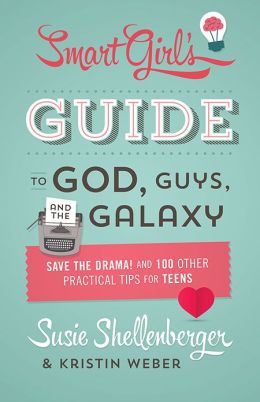
Susie Shellenberger with Kristin Weber 9781624167607_p0_v2_s260x420released Smart Girl’s Guide to God, Guys and the Galaxy with Barbour publishing.


************************************************************************************************

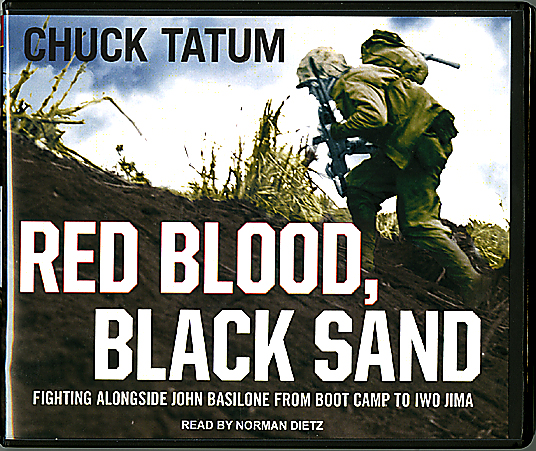
Chuck Tatum with Tantor Media released an audio version of his book Red Blood, Black 532b40be79a3e.imageSand. 

************************************************************************************************

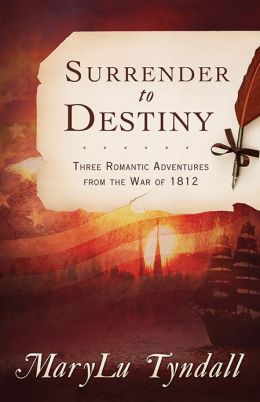
MaryLu Tyndall with Barbour publishing, released a compilation of her Surrender to 9781624167560_p0_v2_s260x420Destiny series in a book by the same name.

************************************************************************************************

Joe Wheeler released two titles with eChristian: Only God Can Make a Dad and A 9781618433381_p0_v1_s260x420 9781618433435_p0_v1_s260x420Mother’s Face is Her Child’s First Heaven


************************************************************************************************

Mike Yorkey’s recent title with Ben & Julianna Zobrist, Double Play, was released on 9781433683312_p0_v3_s260x420audio book.


New WordServe Clients

Pam Cable, fiction author, signed with agent Sarah Freese.

New Contracts

Marcus Brotherton signed a deal with Thomas Nelson publishers as a collaborator with Robert Morris for the forthcoming title Free Indeed. Greg Johnson, agent of record.

Michelle Griep signed a contract with Barbour publishers for her novel, Brentwood’s Ward. Sarah Freese, agent of record.

Robert Wise signed a contract with Barbour publishers for his book Bible Lands: An Illustrated Guide to Scriptural Places. Greg Johnson, agent of record.

What We’re Celebrating!!

Long-time client Robert Wise was granted a private audience with Pope Francis in Rome. Read the full post here.

WD2014The Wordserve Water Cooler was named, once again, as one of Writer’s Digest’s BEST 101 Websites for writers!!

Creation: The Writer’s Privilege and Calling

???????????????????????????????

Easter is over. Strands of pink and yellow plastic grass are strewn all over the living room. Painted eggs will be peeled and mashed into egg salad later today. The kids are shipped off to school bleary-eyed, nursing sugar hangovers. I look around at the disaster of a house I just cleaned for company, sigh, and sit down to write.

The blank page on my computer screen stares back at me, cursor blinking at the top. Write. It is time to write. But I am empty, hollowed out, barren. I am still winter, even though yesterday at church, everything around me screamed spring. I look out the window and notice signs of new life. The lilac tree has fresh buds. The grass is becoming crisp and green.

Easter is my favorite holiday. My heart pumps fast every year. On Resurrection Sunday I get caught up in the story of Jesus in spite of whatever else is happening in my life. I can be downhearted, exhausted, bored, or troubled. Easter morning is bigger than my emotions. Easter is always bigger than me. My knees can’t help but bend. As a person of faith, how can I not be moved by Christ’s sacrifice for me and his ability to conquer death?

But today my life is back to normal. I have my to-do list. I’ll match socks at the bottom of the laundry hamper. I’ll make myself something to eat, and take small bites as I wonder where the excitement went, and how it can leave so quickly. I’ll write because of deadlines. It is my work. It’s what I do.

The blank computer screen studies my face, and I think about my feeble attempts to create something from nothing. The book of Genesis comes to mind.

In the beginning, God created the heavens and the earth. The earth was without form and void, and darkness was over the face of the deep. And the Spirit of God was hovering over the face of the waters.  And God said, “Let there be light,” and there was light. -Genesis 1: 1-3

And God said… God used words to create the world. For writers, this profound truth is even more precious because we are word people. This is what we love and it is baffling and exhilarating that God used the same method. Creation brought order out of chaos through words.

But God doesn’t stop there.

In the beginning was the Word, and the Word was with God, and the Word was God. He was in the beginning with God. All things were made through him, and without him was not any thing made that was made. -John 1: 1-3

Jesus is the Word in the Gospel of John. And through his life, death, and resurrection, God continues to create. He creates new buds on barren trees in the spring. He creates a desire in a person’s heart. He makes us new creations through faith in his Son. And as his creation, we participate in the awesome privilege of proclaiming Jesus, both with words and in being the word to a world that a lot of times looks everywhere but to him.

And we get to sit down at the computer and play with words. We start with nothing and hope it turns in to something. We have all these words and thoughts and try to put them into some kind of order that will hopefully makes sense, and more importantly, bring glory to God.

It doesn’t always happen but when it does, its magic.

Easter. Through Jesus’ resurrection God makes all things new. He creates. He is always creating. Words are an essential part of how he does it. Doesn’t it just blow your mind that we are in the same business?

So, when you go to write and instead sit, look, start, stop, put words down, and erase, do this: Look outside your window for signs of creation. Look for new life because it is always there somewhere. See fresh buds on the trees as the world wakes up to warmer days and the promise of sun-kissed skin.

When you write, when you create, you participate in something bigger than you. You are emulating your creator, the one in whose image you were first created.

The one who started it all with words.

What a privilege.

What a calling.

I open the window nearest to me, and let the warm spring air in.

Five Essentials of Character Building

No matter the genre, every story has characters; otherwise you’d be writing a phone directory. Hold on. Bad analogy. I know plenty of characters in a phone book, and who in the wide, wide world of sports uses a phone book anymore anyway?

1262267_47588357
Creating a memorable character doesn’t have to be daunting!

As I was saying, sans phone books, characters are an essential ingredient in a story recipe. There are lots of tricks to jazz up a character to make him memorable, but EVERY character needs some basic elements right from the get-go.

#1. FEAR

What makes your character scream like a little girl? Centipedes? The IRS? The threat of an alien abduction and subsequent probe . . . wait a minute . . . I’m scaring myself. And that, my friends, is the point. Everyone is afraid of something, fictional or not. Identify what terrifies your character so that you can use that fear to ramp up the tension.

#2. STRENGTH

I’m not talking six-pack abs here, though in the case of your hero, that’s never a bad idea. What sweet skills does your character possess? Is he a crazy freak with nunchucks? Can she hit a raccoon in the eyeball from fifty yards away with a slingshot? Maybe this character has x-ray vision and can see into people’s souls. Whatever. Give them something to work with. Even Charlie Brown excelled with his spirit of compassion.

#3. FLAWS

Perfect characters make readers want to punch them in the head. Nobody is flawless, so make sure your character isn’t either, even your super stud that swoops in to save the day and the damsel in distress all with one arm tied behind his back. This can be something as small as an inability to balance a checkbook, or feeding a gambling habit using stolen money copped from nuns. It’s not mean to give your character a flaw. It’s a necessity.

#4. A SECRET

Psst. Hey buddy. Come over here and I’ll whisper you some covert information because have I got something juicy to tell you! Are you leaning toward the screen? That’s because you want to know what I’ve got hidden. Secrets are like big, juicy nightcrawlers wriggling on a hook, irresistible to the reader fish. Characters with secrets reel a reader in.

#5. MOTIVATION

Everybody wants something. A brand-spanking-new Tesla. A mutton lettuce tomato sandwich. The stupid hangnail on your thumb to go away. Your character wants something as well. After you identify what it is, then dig a little deeper and find out why they want it. What drives them to go after their desire? That is motivation. I’m not saying you have to spell this out to a reader with a ton of backstory, but it’s important for you as a writer to know because it will show up in their mannerisms and even in the way they speak to others. Motivation manifests in attitude. What kind of aura do you want your character to portray?

These are the building blocks of creating a memorable character, someone who will stick with a reader long after they’ve read the last page of your story. What character haunts your head from one of your favorite authors? Chances are that the author used each one of these elements in his/her creation.

Two Writers Walk Into This Bar . . .

Celebratory drinkWhat happens when two writers unexpectedly find themselves with a free evening together?

A nice dinner and a glass of wine? Laughter and bonding? Sharing experiences from both on and off the author trail?

Yes. All that, and new marketing ideas, too.

At least that was my experience two weeks ago when my agency colleague Anita Agers-Brooks made a short-notice trip my way and we were able to spend a few hours together – hours that had no agenda other than getting to know each other. And even though we write in different genres (Anita is a leadership guru, while I write humorous mysteries and memoir), we had much to offer each other in the way of marketing and business ideas. Here are a few nuggets from our impromptu party to spark your own ideas:

  1. Writing is a business. Do you treat it that way? Anita reminded me that I needed to file paperwork to become an LLC (limited liability company) as legal protection of my assets. We live in a litigious world, and a writer must be a good steward of her assets both spiritually and financially. As Anita pointed out, if you wait to protect your business till someone sues you (yes, it can happen!), you’re already too late. (And be sure to include Errors & Omissions insurance while you’re at it.)
  2. Goodreads.com is a publicity goldmine. Are you on it? For my new book release, 658 people entered my giveaway drawing for 3 free copies. That’s a lot of eyes on my book the day it released. And giveaways are just the tip of what you can accomplish on Goodreads. (Read this marketing tutorial on using Goodreads.)
  3. Pay attention to casual comments. After a pastor told Anita her book would be a good topic for a sermon, she found a template online for sermons. She plans to fill it out using her book and then share the template with pastors. She’ll get her message presented by pastors, and she won’t even have to be present! (Does that qualify as bilocation – being in two places at the same time?) I’m going to take her idea and see if I can make it work for me.
  4. Take ownership for your promotional campaign, because ultimately, the book is your baby. Both Anita and I have been surprised by the limitations even large publishers can have when it comes to marketing; our publishers can pull some big coups for us (Anita spoke to a filled college auditorium thanks to her publisher, and I’m getting phone-in radio interviews thanks to mine), but the local press and on-going events calendar that make up the bulk of your PR efforts remain in your own lap, not to mention getting your launch team recruited and equipped to spread the word.
  5. Learn from each other’s experiences. After spending an evening with a writer in the same phase of our careers, I feel like I may still be in the same boat. But now I know there are other boats traveling along beside me, happy to share their own tips and advice. In fact, maybe a small-group marketing retreat would be a good idea. Hmmm….

(FYI – I was kidding about the walking into a bar. Anita and I did walk around a golf course, however. The air was much fresher.)

Loved, Chosen, and Writing (for the Forseeable Future) at 5 a.m.—A Lesson from Anne Lamott

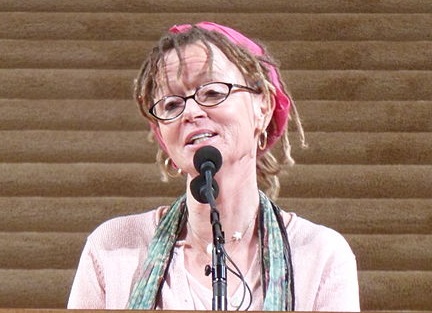
Anne-Lamott-2013-San-Francisco--Wikimedia Commons--ZboralskiI just returned from Calvin College’s Festival of Faith and Writing, featuring such diverse writers as Luci Shaw, Richard Foster, Rachel Held Evans, and Anne Lamott and offering sessions on everything from how to write a book proposal to self-publishing, writing about trauma to writing novels, writing children’s books to writing faithfully about sex. Some sessions were practical, others funny, some heady, some worshipful. All inspired and challenged me. Several offered strategies I’ve taken to heart and will pass on to my students.

The best advice, from Anne Lamott, was the simplest and hardly new or profound. She must have said it twenty times during a characteristically hilarious and solipsistic one-hour interview—which surged pell-mell in and out of her various addictions, the gift of desperation, her cellulite-pocked thighs, people she appreciates (those who give her even more cream for her coffee, for example) and those she avoids (e.g., those who claim you can’t have fear and faith simultaneously), her love of desserts and coffee with massive amounts of cream (Did I mention that already?), the interminably lost and sought jetliner on CNN in her hotel room, and the good news that we’re “loved and chosen” (a refrain I’m already aware of reiterated apropos to nothing that I could tell but nevertheless causing tears to start from my eyes each time)—and it was the same advice I’ve encountered whenever I’ve heard her talk or reread her wonderful book on writing, Bird by Bird. Still, like that loved and chosen refrain, it seized me anew each time she said it. It was this: All it takes to write is to sit down and do it.

She put forth several ancillary recommendations. That you can’t wait for your toddlers to start school or your teens to leave home. That you don’t need an office, just a door that closes. That you have to say no, nicely, to the dogs, cats, and kids at that door, who are attracted like heat-seeking missiles to your lap (or thighs or cellulite, I can’t remember). That all one needs—not only in writing but in everything (“Anything I know about anything,” she observed, “applies to everything else.”) is structure and discipline. That, for the past four years, she’s turned off her cellphone and written every day, at the same exact time (9 a.m.), no matter what.

“Give me an hour!” she kept demanding—as if she were our mom and we her teenage wastrels—and pointing out all the junk we waste our time on each day. Though I’ve written and revised and published five books, I still need this reminder, this goad to get after it.

“You’ve got an hour! Give me that hour!” she yelled, as though we would be writing just for her.

And truly, inspired as I was by that simple call to quit dallying, I really feel as though I’m writing, right now, for Anne alone.

Farmland_and_Airbus_Beluga_near_Cop_House_Farm_-_geograph_org_uk_-_446678I planned out that hour—or maybe two, since, as she said, you’ll really only get forty usable minutes out of an hour, only an hour and twenty minutes out of two—all the way back to Oklahoma. In the seats at my gate, on the tarmac waiting in vain to take off, back in those airport seats after deplaning because of weather in Chicago (Who knew you couldn’t take off on a runway perpendicular to the wind direction?), through the murky clouds over Illinois and Missouri and Arkansas, in the car snailing the empty roads at midnight with my cautious husband.

“I’m gonna write as soon as I get up,” I told him. “Before I run. Before I do any grading or reading. Get me up at five, when you get up, but don’t talk to me. Just give me my coffee and let me write.”

Don’t worry: I’m a morning person. And with our dogs living outdoors and daughters away at college, I can write in my non-office—the living room—without even the closeable door Lamott requires. If my gaze strays from my computer screen, I’ll see the sun turn the horizon pink. Every single day. At this rate, I’ll get my novel drafted before summer’s end and revised and sent off sometime before moving on, loved and chosen, to a heaven of no distractions from what I should be doing.