Concrete Tips on Book Writing: It’s Like Working a Puzzle

Jigsaw 3 bits out

Just how does one go about writing a book?

Have you ever had that thought?

I am a published author and most days, I still struggle with that question. There’s so much involved in writing a book: craft, connections, moxie, perseverance.

And then there’s this, too: writing is vulnerable. Edna St. Vincent Millay said “a person who publishes a book willfully appears before the populace with his pants down.”

But what else can we do? We must write. And sometimes our efforts turn into a book.

I am in the process of writing my second book, which has pretty much eclipsed everything else in my life. With my first book, I took years writing the whole manuscript before finding an agent and a publishing house. This time, my agent sold the book on proposal with a deadline. I was given eleven months to write and submit it. Yikes.

But how do you actually do it?

I’ve decided that, either way, whether you are on deadline or on your own agenda, writing a book is like doing a puzzle.

I write creative nonfiction. My puzzle pieces are anecdotes and stories from my life. I lurch around in the darkness of my writing cove, type words, peel back memories and scenes from the past, and try to find something salvageable to get down on paper. I try pieces in different places, and attempt to trust that the piece has a place, and that at some point the puzzle will be complete.

Yeah, but, can you answer the question?

Oh, right, I’m supposed to give you a few concrete tips on writing a book.

Let’s assume you are a writer. Here are skills you already possess: you read a lot, you write, you have taken classes or participated in a writing workshop that critiqued your work. Let’s assume you are ready to write a book, and you are looking for a few quick, concrete tips regarding the process.

OK, I can help with that.

-I prepare. I read a chapter from a book I love. I pray about my writing. I block common distractions (i.e. if the kids are home, it is off to the coffee shop I go). I look at my calendar on Google and plan writing time. It is as official as doctor appointments and school functions.

-I write. I can’t tell you how many people have talked to me about writing. “How much of the story do you have down?” I ask. “Oh, I haven’t started writing yet. It’s all up here.” (points to head). Yeah, no, that’s not going to work. I try to find several hours to write. I shoot for 1000 words or two hours editing. I spend time looking off into space, though, too.

-I realize that it takes a lot of work. It took me years to write the first draft of Sun Shine Down. And just so you know, nobody writes wonderful first drafts (if they do, I am going to avoid them and refuse to read their work on principle). Rewriting is key. I hired a professional editor, printed out her suggestions, sat down to the blank page, and re-typed the whole thing.

-I look for tools that will help. I purchased Scrivener, a word processing program specifically for writers. I can pop in and out of chapters easily and I love the cork board feature that helps me see the big picture of my book. I also found an app in Google Chrome based on the Pomodoro Technique. It blocks social media for 25 minutes and then gives me 5 minutes to check email or get up before returning to work. Keep your eye out for tips and tools that will help you and then go a step farther, and utilize them.

-I try to ignore negativity. Beware. Throughout the process you will assume you can’t do it. After, God willing, your book publishes, you still won’t believe you did it or that you could do it again. One of the best ways I know to ignore negativity is to keep writing. I also talk to other writers and attend a monthly writing group.

The second half of Millay’s quote is “If it is a good book nothing can hurt him. If it is a bad book nothing can help him.”

So, here’s to good books! Here’s to puzzle pieces in place, and here’s to us in our writing pursuits!
Struggling with Surrender?

I have finished the work which You have given Me to do. – John 17:4

Property of Shelley Hendrix

Recently, while on a trip out west, (I’m a Southern Girl), my husband shared his experience with “surrendering to the ministry.” We didn’t realize when he shared this phrase that it was unusual to ministry friends in another part of the country. They jokingly said things like, “You surrendered?!” and put their arms up above their heads–revealing the idea that this made being a minister sound like the death of the good life. How awful, right?

We all got a good laugh. I mean, they were right. We had just never thought about it that way before.

Stephen and I still laugh about it. The friends who kidded us are some of the most trusted, sacred, and wonderful people we’ve ever known. It reminded us, though, that our words matter. We often become so accustomed to certain phrases, slang, and lingo that we forget how these same words or phrases land with others. We had heard “surrender to the ministry” our whole lives in the walls of our churches, so it sounded totally normal to us.

Surrender? 

When I was growing up, one of my biggest pet peeves came to me courtesy of my own mom. Anytime I wanted to know what any word meant, she refused to tell me. She always said the same thing: “Look it up.” I don’t know why I asked her after the third or fourth time she answered me in this same way. What I once resented, I now genuinely appreciate: a love of words and their deepest meanings. (I also appreciate the convenience of carrying a dictionary with me wherever I go, thanks to today’s technology!)

With this in mind, I looked up the word “surrender” for us.

Surrender, according to Dictionary.com, means:

1. to yield (something) to the possession or power of another; deliver up possession on demand or under duress.
2. to give (oneself) up, as to the police.
3. to give (oneself) up to some influence, course, emotion, etc.: He surrendered himself to a life of hardship.
4. to give up, abandon, or relinquish (comfort, hope, etc.).
5. to yield or resign (an office, privilege, etc.) in favor of another.
6. to give oneself up, as into the power of another; submit or yield.

The choice to surrender continues to be a part of my own journey. I’ve learned as a follower of Jesus that surrender is not a one-time-call-it-done experience.

Surrender is only a “bad” thing when I forget (or don’t understand) its purpose within the context of relationship to God.

Sometimes I think I need to know WHAT I’m surrendering to: the ministry, my vocation, financial status, size of platform as a writer, role in the body of Christ, etc. But the truth is, I only need to know to WHOM I surrender. When I get this right, everything else falls peacefully into place. I can then live with purpose, and without all the pressure!

You are reading this, most likely, because words matter to you, too. I want to encourage you to pause today, and perhaps from time to time throughout the week, to write down and reflect upon the attributes of the One to whom you have chosen to surrender. Rather than focusing on our platforms, or even the next project, let’s take time to engage fully with the One to whom we choose, once again, to surrender.

The Story of My Life

whisperingOne of my favorite parts of speaking to audiences is telling them the true stories behind the stories.

When I talk about my murder mysteries, I talk about the incidents in my own life that inspire plot lines and settings. While I haven’t personally murdered anyone (nor do I plan to), my fictional characters’ motives and subterfuges stem from simple human traits we all share. Who hasn’t experienced confusion, envy, jealousy, greed, the desire for revenge? Just because the extent of my envy might be a girlfriend’s new hair cut doesn’t mean I can’t extrapolate that feeling into the murderous intent of a killer, right?

Okay, that might be quite a bit of extrapolation, but you get my drift.

Where the real fun comes in, however, is sharing with readers the snippets of my experience that I insert right into my novels. For instance, in my third Birder Murder Mystery, my protagonist goes on a weekend birding trip to Fillmore County in Minnesota, which is based on an actual birding trip I took to that county many years ago. Spending time with other birders not only gave me a chance to add to my own life list of birds, but it provided some snappy, funny conversation that I then used in my book. I’ve found more than once that real life makes for the best fiction.

Another example: in my fourth Birder Murder, my characters are in Flagstaff, Arizona on the campus of Northern Arizona University. The setting was inspired by a trip I took with my middle daughter to tour the NAU campus when she was making college plans; the hair-raising flight into the city, the conversation with an old hippie cab driver, and the fact that NAU is surrounded on three sides by graveyards, all come directly from my trip. As a mystery writer, how could I NOT set a murder mystery where everyone KNOWS where the bodies are buried?

The most transparent example of how my writing chronicles my own life is, of course, my new memoir about how my dog helped me overcome anxiety, including a fear of dogs. Yet even since the book was published in April, I continue to find nuggets of meaning in my own story that I didn’t recognize while I was writing it: we adopted Gracie on the day before Easter – the eve of Resurrection. So now I tell audiences that my dog not only helped me experience my own spiritual and physical renewal, but the book about her is also changing my career in unimagined ways. Too bad I didn’t know that part already, because it would have been a nice epilogue…gee, maybe that’s the next book.

When I share my real stories with groups, I realize that the writing advice I first heard as a child is true: write what you know. I just didn’t understand how I could make my own experiences book-worthy…until I threw in the imagination to make my own stories part of someone else’s.

In what ways does your writing chronicle your life?


Six Things Writers Need to Know About Email Marketing

Email Mouse ConceptNot long ago I was procrastinating my writing duties perusing Facebook and a fellow author (whom I know and love and who therefore will remain anonymous) was spouting off about how much she hates to get emails without her permission. “This is illegal!” she cried (as much as you can cry out on Facebook, the land of the overused exclamation point.) Many people commented their mutual disgust.

I, however, did not. You see, I’ve had a lot of personal experience with this lately and I thought I’d share what I learned with you.

Recently, I started working for a faith-based website. We wanted a large email campaign to build awareness. We hired a company to help us achieve this goal. For our target list, we researched public information. We didn’t use a computer software program or other nefarious means to gather info, but when we started to send e-mails through this company, we got the red light. The question became: How did you collect email addresses? We disclosed that it was through public information on the web.

This company wanted a permission-based email list in order to allow us to use their services. This could be achieved either through a personal phone call or the interested party filling out a web-based contact form. This is how subscription-based email systems like Mail Chimp work. You fill out a contact form and the author then has permission to e-mail you.

Everyone stays out of trouble.

The company I work for soon became familiar with the CAN-SPAM Act of 2003.

In short, you can email someone without their permission but that email needs to meet VERY specific requirements. Using an e-mail service like Mail Chimp accomplishes this and is likely why authors prefer it. However, you might need to email someone without “express consent” in order to see if they want to further know about your product.

E-mail services look at bounce rates. A bounce rate greater than the industry standard of 5% indicates the sender may be using substandard means to gather email addresses. Some of these means include using a computer program, guessing what the email address might be, and (according to this company) researching public sources.

But say you’ve had a reader contact you and you want to see if they’ll sign up for your newsletter. They haven’t given you “express consent” to email them (or advertise to them) but you think they might be interested in some of your product because they sent you a nice letter. You could send them an email asking them to sign up for your newsletter. In order to be in compliance with the law, that email would need to meet these requirements. I’ll be paraphrasing somewhat.

1. You must clearly identify who is sending the e-mail.
2. Use forthright subject lines. “Request to sign up for my newsletter!”
3. If the message is an ad, it must be clearly stated.
4. There must be a physical address in the body of the e-mail for you or the business. As an author, I wouldn’t suggest using your personal address. Get a PO box.
5. Tell recipients how they can opt out and then honor their requests within 10 business days. “If you’d like to stop getting these e-mails– please reply with STOP.”
6. If you’re using a company, they need to be following these rules as well.

So, technically, you can “cold email” someone, but you’ll need to hit these points. If you don’t, it can result in hefty fines. If you choose to not use a subscription based email service to build your newsletter list (which I do recommend), then read up on this law and (because I’m not a lawyer) consult a lawyer if you have additional questions.

What service do you use to email people? Have you ever heard of the CAN-SPAM Act?

The Surprising Secret to Juicing Up Your Writing

“Sitting at a computer is the place for taking a clunky sentence and smoothing it out, making it read better. I do some of my best writing in my head before I fall asleep for my afternoon nap. I recommend that!”

—Tony Hillerman, quoted in Tony Hillerman’s Landscape by Anne Hillerman

Business Coaching
What’s Making You Tired?

I don’t know about you, but it seems like I spend at least half of my writing time combating fatigue. Maybe it’s my crazy on-the-road schedule as a national speaker and business coach. It’s possible the myriad of personal problems, some huge, some small, drain my emotions and my body. It could be the anxiety I feel when juggling all of the fine details that go into a professional writing career. Social media — check. Blog — check. YouTube videos — check. Marketing my books — check. Pursue new speaking/coaching gigs — check.

As I view the list, it’s no wonder I’m wiped out. But knowing why I’m tired won’t change the fact that my books and articles won’t write themselves. No one but me can put my words on my pages — the messages I believe God started a burn in my heart to share and show.

But this brings me back to my original problem. What to do when I finally get time to write, but feel too tired to type a word?

The solution is so simple, I’m embarrassed to admit I overlooked it for the longest time. A time-proven technique for juicing up your writing. A secret to turning on the creativity, when your muse is turned off.

And here’s the secret. Take a short nap.

Hot Air BalloonsSounds crazy, right? But it works. One of the reasons I resisted was my fear I’d fall asleep and waste all of that precious time. However, I’ve found it doesn’t happen. Somewhere in the dozing phase, my mind starts whirring with ideas. So much so, after an average of twenty minutes, my inspirations wake me up. Napping has transformed my craft and my process.

I should have known. From the beginning of my writing career, I’ve committed and adhered to taking a weekly sabbath rest. One full day off. No writing. No marketing. No work. It’s one of my secret answers to the question I hear so often, “How do you get so much done?”

You see I learned this secret from the Best-Selling Author of all time. God took the first Sabbath, or shavat vayinafash in Hebrew. The term literally means God rested and got a new soul. And we’re meant to live in His image, so why wouldn’t we renew our souls through rest?

Gold Clock
Resting has a Supernatural Way of Restoring Time

I thought, if it works for a whole day, why wouldn’t a mini-sabbath work for part of one? So I tested the theory, and found a twenty-minute nap can infuse me with as much energy as taking a week’s vacation. Seriously. It’s like gaining an extra day.

Other highly successful authors swear by it. Now I do too.

I believe the quality of my writing has improved from the regular practice of napping, and/or resting in quiet meditation to allow my creative juices freedom to flow. Sabbath renews my soul, clears my mind of clutter, and revives my spirit.

So I challenge you — the next time your eyes droop as you face the keyboard, go against your instincts. Don’t push through. Don’t beat yourself up. Submit. Give your body the refreshing rest it’s crying out for, and feel the juicing begin. Not only will you feel better, but chances are your readers will benefit from your better books.

How do you deal with writer’s fatigue?


Fuel Up Your Creativity!

My family is blessed to024 live in a beautiful part of the world – the Black Hills of South Dakota. Even three years after moving here, we’re still not immune to stunning vistas and fabulous sunsets.

This time of year, my husband and I try to get up into the Hills at least once a week. Whether we’re setting out on an evening drive to seek out the Custer State Park bison herd or lacing up our hiking boots to explore a new trail, we’re eager to hit the road.

But before we head up into the wilderness, my husband always stops at the neighborhood gas station to fill up the car’s gas tank.

We wouldn’t want to get half-way out to the back of nowhere and run out of gas, would we?

Writing needs fuel, too.

Every morning, I turn on my computer and head into the wilderness of my imagination. Characters talk to each other, situations develop, conflicts explode – or simmer – and it all gets typed into the file of my current work in progress.

At the same time, another story – or two – or three – simmer on the back burner of my mind. Characters lurk back there, taking on lives of their own.

Meanwhi9780373282777_p0_v1_s260x420le, there’s a book release coming up next month. So marketing plans are being developed in another part of my brain.

With all that energy being expended, I have to make sure I fill up my brain’s gas tank on a regular basis.

But how?

 Rest. A Sabbath rest.

Resting doesn’t mean to unplug, unwind, turn off and disconnect. Doing those things may give us a break from our normal routine, but they don’t refuel. Our minds, bodies, and spirits need re-fueling and re-creation.

We need to rest in God.


God gave us the Sabbath. One day that is His out of our week.

One day to worship, study, connect with His Church, fellowship with other believers, make family memories….

One day to re-fuel our energy and our connection to Him – the source of our creative gift.

It isn’t an easy thing to do. It’s a challenge every week to clear my plate before Sunday morning. It takes planning to be able to put away the normal daily routines and take up the gift of the Sabbath rest.

But when Monday morning rolls around again, I’m so glad I made the effort!

What will you do today to re-fuel your life?

Overwhelmed by Your “To Do” List?

Photo/KarenJordan

“Liberty means responsibility. That is why most men dread it” (George Bernard Shaw).

Buried beneath a mountain of paperwork? Paralyzed by some impending deadlines? Dreaming of a week on the beach?

I considered a “real job” until I read the job description: “Ability to work independently and multitask.”

I love to work independently. But I tend to hyperfocus most of the time. And I struggle with multitasking all of the time. So, I passed on that job opportunity.

I’m not so sure multitasking works well for my daughter Tara, either. She seems frustrated at times when I call as she prepares dinner—holding a screaming baby, listening to a whining preschooler, dealing with two squabbling little boys, and talking on the phone, all at the same time.

I can’t even concentrate on my writing projects at times with dishes in the sink or a hamper of dirty laundry waiting on me. And if the phone rings, I lose focus completely. Then, when I start worrying about all the details of my life, writer’s block paralyzes me.

Revelation. I woke up early one morning overwhelmed with my “to do” list. So, I decided to take an early morning walk at sunrise.

As I walked down the street toward the lake, the view of the sunrise surprised me. And I forgot about all of my worries as I soaked in the beauty of the dawn. I tried to capture the moment with my camera.

After pausing a few minutes to admire the view, I continued my walk. Most mornings, I enjoy listening to the sounds of nature as I walk the trails near my home. But since I took another route to the lake, I decided to listen to my favorite radio station.

Imagine my delight as I encountered the lyrics to “Light Up the Sky” by the Afters: “You light up the sky to show me that you are with me ….”.

In an interview with cbn.com, Matt Fuqua, vocalist/guitarist for the Afters, says, “The story behind Light Up the Sky is a part of the story of all of us … [It’s] a picture of what it looks like when you make it through [a] really challenging time, and you look back and see how God was using all of those things for good and that you were never alone.”

Reflection. God drew my attention to the majesty of His creation as I observed the heavenly canopy of the sunrise reflected on Lake Cortez, glowing through the trees near my home the next morning.

Did God light up the sky to show me that He was with me?

I couldn’t deny it. He opened my eyes, and I could see evidence of His Presence all around me.


How has God revealed Himself to you?

Photo/KarenJordan
YouTube/theaftersvideos (“Light Up the Sky” by The Afters)


Writing Inspiration from Anne Rice

Sometimes, what you need is a little inspiration from those that have braved the path before you. That’s really what this blog was designed to be– a way to help those who are a bit behind on the publishing path. To offer knowledge, encouragement . . . a helping hand.

Regardless of what you think of Anne Rice, she has “been there, done that.” I came across this interview on You Tube and found the information pretty interesting.

Hope it inspires you today.

What authors inspire you to keep perfecting your writing craft? What words of advice have kept you going?

WordServe News: June 2014

Exciting things have been happening at WordServe Literary!

On the final post of each month you’ll find a list of Water Cooler contributors’ books releasing in the upcoming month along with a recap of WordServe client news from the current month.

New Releases

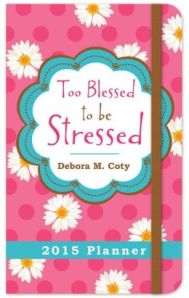
Debora Coty with Barbour publishing, released the 15 month day planner for 2015, Too 9781628368574_p0_v1_s260x420Blessed to be Stressed. 

**************************************************************************************

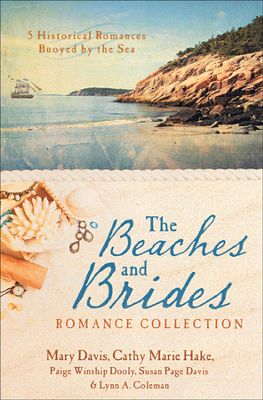
Mary Davis’s previously released title The Captain’s Wife was361943 included in a historical romance collection released by Barbour: Beaches and Brides. 

**************************************************************************************

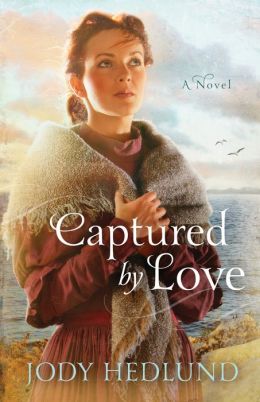
Jody Hedlund released Captured by Love with Bethany House Publishers

9780764210495_p0_v2_s260x420.


**************************************************************************************

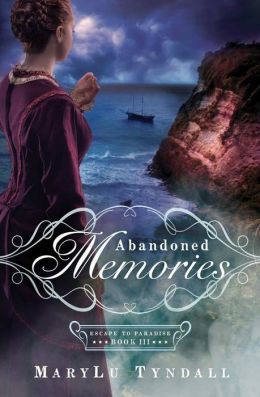
MaryLu Tyndall released Abandoned Memoriesthe third and final book in her Escape to9781616265984_p0_v1_s260x420 Paradise series with Barbour.


New WordServe Clients

Kimberlee Morgan signed with Sarah Freese.

New Contracts

Jan Drexler signed a three book deal with Revell. First book tentatively titled Here Lies My Heart. Sarah Freese agent of record.

What We’re Celebrating!!

Deb Coty’s Fear, Faith and a Fistful of Chocolate won a Selah Book Award in nonfiction!

Deb DeArmond will be writing a monthly column called “Do What Matters” for Lifeway Magazine Mature Living.

Dena Dyer and Tina Sampless book Wounded Women of the Bible is a finalist in the Non-Fiction book of the Year Golden Scroll Awards!

Adam Makos’s A Higher Call continues to stay on the bestseller lists for the 23rd week!

MaryLu Tyndall’s novel Forsaken Dreams wins cover contest!

Julie Cantrell and Rachel Phifer are finalists in the ACFW Carol Awards, Historical and Contemporary categories respectively!!

What can we help you celebrate?

Freedom

American flagAll around the country this week, people are celebrating our country’s independence. Some are enjoying picnics on the beach with their blankets spread across the white sand, others are watching fireworks burst into a neon display over their local community center, and many are cooking burgers and dogs over a pit, the woodsy scent of hickory and charcoal permeating their back yards.

Despite our political views, we all enjoy the freedoms this country offers. As writers we can put pen to paper and say whatever we want because we have freedom of speech, as Christians we can worship in the church of our choice because our constitution gives us freedom of religion, and as citizens, we have the right to bear arms.

The freedoms we enjoy as Americans are indeed precious, but there is one far greater than we can ever imagine—the freedom Christ gave us when he died on the cross.

John 8:36 says, “So if the Son sets you free, you will be free indeed.” By turning our lives over to Christ, we are free men and women. There are no political boundaries, it cannot be rescinded by human standards, and there is no cost. He has taken our sins away and lifted the burden of our actions from our shoulders.

2 Corinthians 3:17 says, “Now the Lord is the Spirit, and where the Spirit of the Lord is, there is freedom.” God’s freedom is for the asking. We don’t have to walk into the crosshairs of the enemy and fight for it—Jesus did that for us. The Lord has paid our debt in full. We only have to step into the outstretched arms of our heavenly Father. And there, in his presence, we will find eternal peace.

Romans 8:1 says, “There is therefore now no condemnation for those who are in Christ Jesus.” This is the best part of all. Once God has taken away our sins, He will never make us accountable for them—ever again. They are gone. Out of sight. He will never come back and remind us of all we’ve done in the past. We are free!
Freedom is a gift. You cannot see it, smell it or taste it. Yet, it is real and incredibly tangible. And it is the very essence of who we are as Americans, but more so—who we are as Christians.

God Bless America. God Bless you!