Mars versus Venus: Attracting Readers of the Opposite Sex 2/2

Today, we’re continuing our discussion on reading novels by the opposite sex and what we can learn from that experience. Western historical author Peter Leavell talks about his experience reading my medical thriller Proof. You can read about my experience reading Peter’s western novel here.

1. Have you read this genre before? If not, why not?

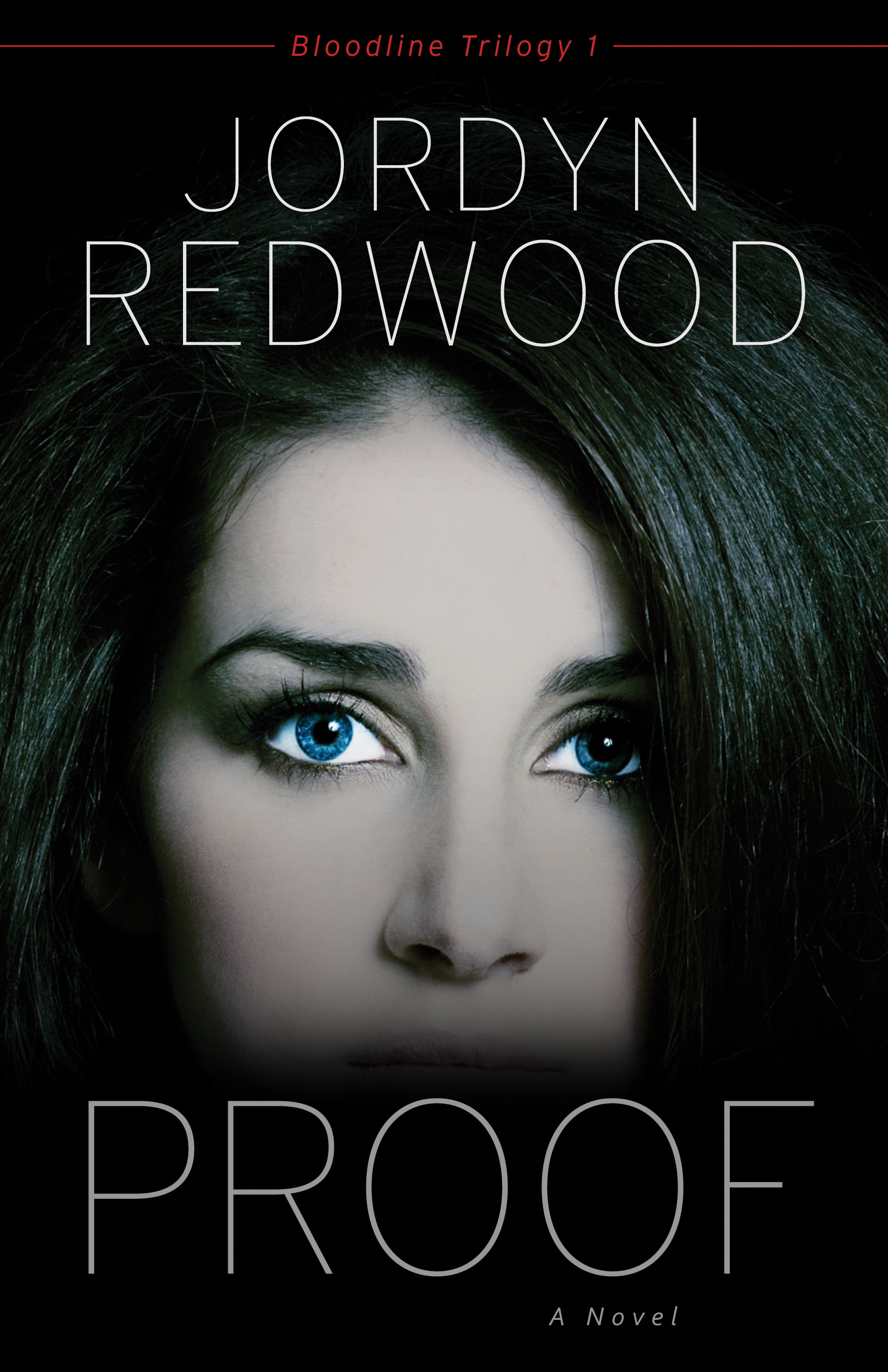
ProofHRphotoPeter:  Suspense I have read. Medical thrillers I have not. Perhaps I’ve avoided the genre because of Grey’s Anatomy. Being a man, I never differentiated drama and thriller, giving the two an unfair shake. I didn’t watch Grey’s Anatomy because of a man the ladies chatted about—McDreamy—which instilled as much interest in me as a bunch of guys talking about a great new clip for a .22 rifle might in a lady.

I did look at a picture of McDreamy. I’d say he’s more McOkay. But the buzz about a show with a sexy man (no one ever discussed the plot) destroyed my interest in medical anything. Because I wasn’t really interested in a handsome, flawed doctor. Wait. Now that I put it that way, it doesn’t sound so bad.

2. What did you find surprising about the book? About the genre?

Peter:  A thriller? Medical thriller? As a historical fiction author, the novels didn’t enter my scope of reading—perhaps a Civil War amputation with a dude taking a shot of whisky then biting down on a bullet. When I picked up Jordyn Redwood’s book, I expected some dude who stole morphine and gets caught at the end.

His romance or her romance would be the crux of the novel. Granted, I would still find a romance interesting. Not so with Jordyn’s book. Serial rapist. Twists and turns. Thrilling action and flawed characters looking for redemption. Yeah, the novel had a lot more than I thought.

Being squeamish in the extreme, I thought I would get lightheaded a lot. I had a few bullets on the ready to bite down on, and was thinking about whiskey. But I didn’t need them. In fact, the first scene had medical thrills that pulled me in so fast I couldn’t put the rest of the novel down.

Jordyn: Wow, I didn’t know you were squeamish about medical things. I could have warned you a little bit.

3. Would you read this genre again?

Peter:  Only if Jordyn recommended. Like I said, I’m squeamish, so I have to tread carefully. It’s one thing to thrust a sword through an enemy. I’m okay with that. But to go into details about stitching a laceration? Or worse, drawing blood? Yeah, pass me a paper bag to breath into.

4. Did you feel like you gained any insight into the opposite sex having read the book?

Peter: Tons of insight. Proof’s main character, Dr. Lilly Reeves, is keenly aware of her relationships with others. In fact, the entire novel flows in terms of relationships, giving the writing a flowing style that makes every action from a character reflect on another character—or somehow affect them. Guys (generally speaking) are vaguely aware some people are more important than others in his life, like say a mother.

Lilly gets advice from friends. A guy’s opinion, again generally speaking, is his standard, and any good advice given him is simply an oversight in his movement forward. He simply adjusts and keeps moving forward.

Emotions play such an important role in a woman’s life and in Jordyn’s novel. Men seem to see emotions as an obstacle and try to rid themselves of them as quickly as possible. Women seem to work through emotions with long thought processes and long talks with friends. Interesting to read, at least for me, but if the entire novel is this process it can be tedious and frustrating.

Jodyn’s novel has characters’ thought processes, but they’re anything but tedious. They’re short, and blessedly to the point. A man gets a thought in his head and simply goes for it, and he’ll deal with the consequences with apologies and flowers later. That gives him time to ramble aimlessly about facts that don’t relate to anything.

Also, women characters in Jordyn’s novel are keenly aware of their bodies. Where their elbows are, for example, at any given time. Touches. Blood flowing through veins. They are also aware of everyone else’s body language. Many men simply blunder through life, knocking things over because they forget to steer their legs. Men are cute that way, I guess, and really need a woman to steer.

Interestingly, Jordyn’s characters, men and women, reflect real life. Both men and women are trying to run from something. Events, emotions, the past. Both sexes deal with problems differently. Both reflect reality.

5. What do you think might be lacking from reading this book authored by the opposite sex that you like in novels written by your sex?

Peter:  Jordyn takes great pains to show how people are cared for. A man would skip that part. Also, how will the feelings of those she knows be affected by her decisions? A man would focus on how lives will be changed. In his mind, the stakes must be higher than feelings. Jordyn’s novel is the perfect mixture of both.

What about you? Do you typically read novels authored by the opposite sex. Why or why not?

************************************************************************************************

PeterLPeter Leavell, a 2007 graduate of Boise State University with a degree in history, was the 2011 winner of Christian Writers Guild’s Operation First Novel contest, and 2013 Christian Retailing’s Best award for First-Time Author. Peter and his family live in Boise, Idaho. For entertainment, he reads historical books, where he finds ideas for new novels. Whenever he has a chance, he takes his wife and two homeschooled children on crazy but fun research trips. Learn more about Peter’s books, research, and family adventures at www.peterleavell.com.


Mars versus Venus: Attracting Readers of the Opposite Sex 1/2

A couple of months ago, I noticed that Peter posted to FaceBook a blog post that he and some other male authors had written giving reasons why females should read their novels.

I’d been feeling this way about my own medical thriller novels—that men weren’t reading them because they were authored by a female and so I posed this idea to Peter that we should trade our books and have a conversation about author gender and readership. I read his western novel West for the Black Hills and Peter read my debut medical thriller, Proof.

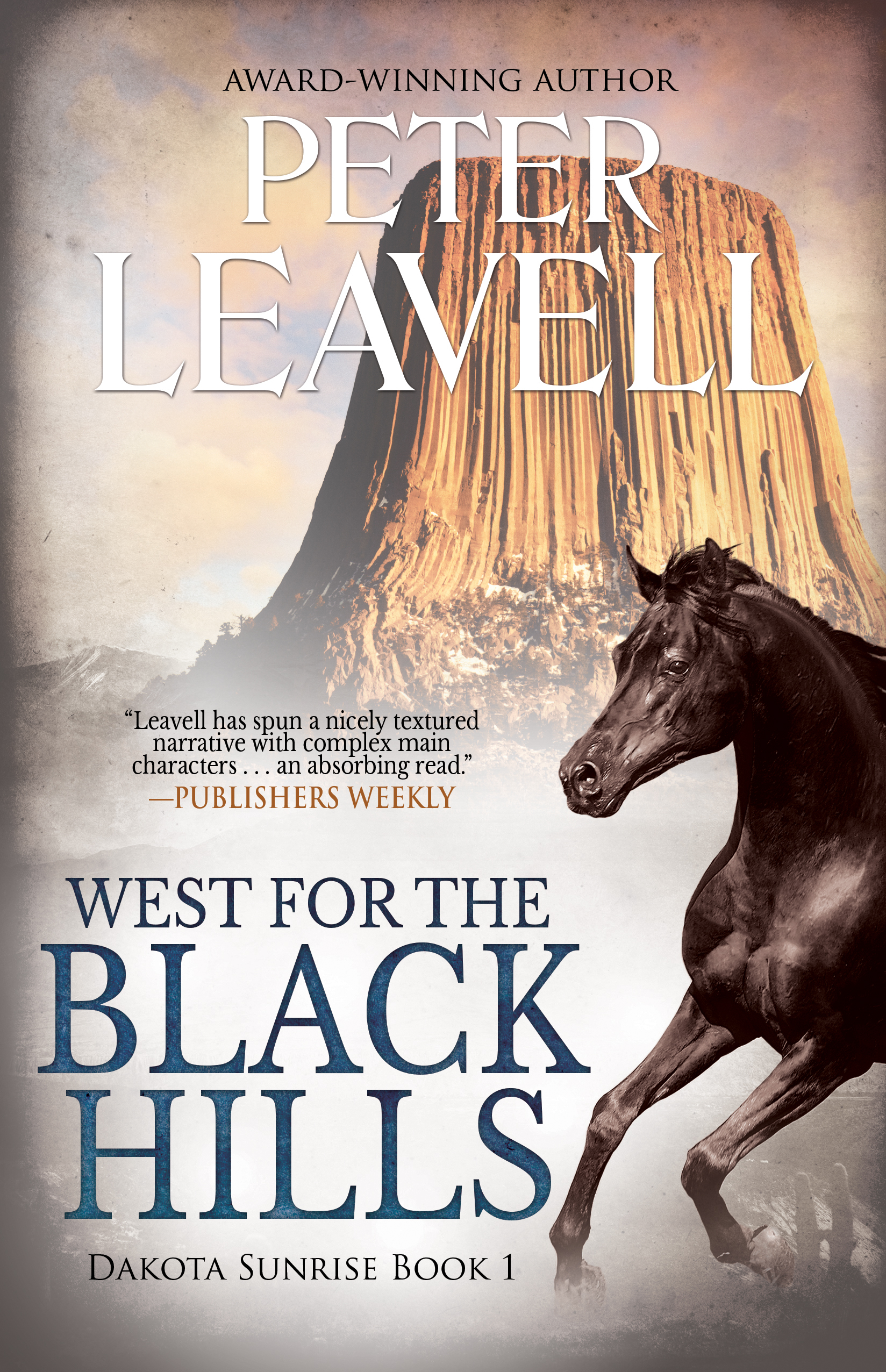
west-for-the-black-hills-hi-resToday, I’m posting about my experience in reading West for the Black Hills and on Thursday, Peter will post about his experience reading Proof.

1. Have you read this genre before? If not, why not?

Jordyn: I have not read a western novel before. Honestly, I didn’t think I would like them. The vision I had in my mind was of a dusty ranch in the middle of nowhere—what exciting things could happen? I definitely need tension, conflict and mystery in my novels to keep me engaged as a reader. I didn’t think this was the crux of the genre. My preconceived notion was that they were slow, almost literary novels (flowery prose with long sections of description) about the good ole west. I’ve tried to watch a few westerns on television and couldn’t get into them.

Peter: I should have added more tumbleweeds and stray dogs. Ha! Honestly, I get bored with the average western, too.

2. What did you find surprising about the book? About the genre?

Jordyn: What I found most surprising was the things I love about suspense novels are present in this novel. Mystery, intrigue—a few good twists and turns that definitely popped my eyes open a few times. West for the Black Hills definitely had me turning pages. I set other books aside to finish this one—which says a lot for an author who has a very large TBR (to be read) pile.

Peter: Thanks, Jordyn. I must admit, I was transported to another world with your novel. I even skipped my history reading at night because I had to know what happened.

3. Would you read this genre again?

Jordyn: This is a conundrum. Is it just Peter’s writing that I like or is he a good representation of the genre and other western novels are like this? Do I risk picking up another western novel to see what I think about it? I’m not sure of that yet, but I’m definitely a Peter Leavell convert for sure. Maybe that’s our next challenge—he recommends another western author to me—his favorite western novel—and I’ll see what I think about it.

4. Did you feel like you gained any insight into the opposite sex having read their book?

Jordyn: I felt like there were some themes that ran through the novel that provided some insight into the male mind. What follows are a few excerpts from West for the Black Hills and my thoughts on what I thought could be the male perspective.

“I prayed for forgiveness. The violence of deadwood had led to this punishment, no doubt, God’s poetic justice doled out for my sins. Turn the other cheek. And I had defended myself, defended Raven with violence. Should I have just let her go? I pulled the thin blanket over my shoulders. Was God trying to tell me my possessions belonged to others? I didn’t care about most of my possessions, but my horses were different. I loved them.”

From this passage—I thought—do men think more than women that God punishes for sin?

“‘Is self defense right? Jesus died without defending Himself.’”

There seemed to be a running theme of self defense and proper use of violence.  When is it okay to hurt/kill someone if you believe in Jesus who was decidedly non-violent—allowing Himself to be convicted innocently for the crimes of all humanity which led to him suffering one of the most violent deaths possible?

“’I’m no expert on the Bible, but you’re thoughtful enough about your actions that I know you read it. God used plenty of people in the Bible to dole out justice. Stop thinking about the philosophical reasoning behind everything and do your job.’”

I think this might be a male thought process because a woman defending herself that leads to another’s death probably doesn’t think this way because she knows she would have died without action on her part. A woman is probably thinking, “He had it coming and I’m lucky to be alive.”

“He crossed his arms. “Sometimes we’ve got to do the thing we hate most. Almost preordained. God seems to enjoy making sure there’s something we have to do that makes us uncomfortable.’”

In this passage, I thought there was a more universal theme that touches most Christians I know. Personally, I’ve felt God ask me to step outside my comfort zone to do things that I would never do—all legal of course.

5. What made the novel less enjoyable for you that you think may have stemmed from the author being of the opposite sex?

Jordyn: Sometimes I felt like Peter’s writing was very stark and factual but it didn’t detract me because I’ve been told this can be my writing style as well. It could also be how Peter wanted to portray the main character, Philip Anderson, and that’s why he wrote in this manner. Philip’s had a hard life so perhaps this writing is meant to convey that. I do feel like there is more emotional insight into a character from a female authored novel—more insight into thoughts and feelings. The emotional punch is heftier. Some of this is portrayed through the eyes of the heroine in the novel—that Philip won’t even share his feelings with her. So, really, I tend to wonder if this is more just Peter’s writing genius in disguise in a sense.

Peter: To find out it I’m a genius in disguise, you’ll have to read my historical fiction Gideon’s Call to see if the writing voice is different! How’s that for a marketing ploy?

What about you? Do you typically read novels authored by the opposite sex. Why or why not?

Writers are Readers

Writers are Readers Kariss LynchI’ve been a bookworm since I could hold a book. Between my dad and Dr. Suess, I was breezing through rhymes and learning to recognize words from the time I could talk. The love for reading never changed but the time available to read changed drastically, especially when I began to work full time and write books on the side. I know I’m not the only one juggling a hectic schedule (can I get an amen?). As writing time increased, reading time decreased until it trickled to almost nothing with the exception of the occasional holiday.

Big problem.

For a writer, reading is mandatory. It ranks right up there with learning proper grammar. My writing began to suffer without a constant intake. In May, I wrapped up writing Surrendered and hit pause on future projects. My tank read empty in glaring red letters. I needed fuel. I needed to rest and read.

So I picked a genre I didn’t write, chose authors that are highly recommended but whom I’d never read, and I drank in the pages. Since May, I have read over 90 fiction books, and as I read, new stories came to mind. I remembered why I love writing. I remembered the power of a story. And I learned a few things in the process.

1. Read To Learn 

As book after book came to an end, I began to read reviews and reader comments. I discovered what today’s reader loves in a hero, the longing in our hearts for something bigger and grander than ourselves, and the craving for romance to be earth-shattering and enduring. I specifically read YA and NA books. This audience is the rising generation of readers, and they are reading a lot. I want to know what they like and don’t like. Concentrating on this genre helped me spot patterns that I can now apply to my own writing.

2. Read To Recognize

Every author has a different style, different voice, different way of thinking and dreaming, a different way of spinning the story on the page. Once again, I began to spot patterns from the author. I loved to identify reoccurring themes in their writing and then visit their author page to see if anything in their bio bled into their stories. I paid attention when my heart or brain keyed into particular language or how a specific story unfolded and made a note to incorporate elements of that in my own writing. One of my professors in college said that the best writers steal. I stole a lot this summer, but in the end, it shapes my own style, creating something unique.

3. Read To Enjoy

There’s something beautiful about unplugging and simply sinking into a story, especially Surrendered Heart of a Warrior Kariss Lynchone that is well crafted. My to-do lists and schedule fled as I jumped on the page and experienced the action with each character. Every time I put down the book, I rose more refreshed to tackle the world and more excited to unlock the stories bubbling within me. Reading helps me unwind and escape, but it also helps me dream. It makes me better.

I’m wrapping up a steady season of reading and diving back into my edits for Surrendered, but I’m doing so with renewed energy. I’m excited to see what happens as I begin new projects. If you’re stuck on your manuscript and feel dry and drained with new ideas, get off your computer and grab a book. Dream a little. Rest a little. Learn a little. I promise it will be time well spent. Then jump back to your story and see what happens.

Happy reading!

How Writers Can Help Other Writers

While the writing process often requires many hours of solitude in order to turn inspiration into polished paragraphs, I have found that the writing life has a social component that I enjoy. Both before and after the publication of a book, there are numerous ways writers can help each other. Here are a few I discovered:

1. Share experience: The path from hopeful writer to published author can be mysterious to someone preparing to write a first book. Another writer who has walked the path can illuminate the way, point out potential stumbling stones and highlight the important milestones on the journey.

How do you find a good literary agent? What sections belong in a book proposal? How many months does it usually take for your proposal to be accepted by a publisher? Another writer can provide information, perspective, and hope. The mystery of what it takes to achieve the dream of publishing a book becomes a clear set of goals when a more experienced writer helps someone just starting the process.

2. Facilitate connection: Another writer may be able to do much more than simply give a novice writer advice. How much better to work with a literary agent or editor that your friend recommends than to send a stack of letters to strangers. Writers who connect to other writers grow their circle of influence. The end result offsets the isolation of the writing process and helps improve the craft of writing for everyone.

3. Provide feedback: Writers can provide a level of feedback to other writers beyond that supplied by typical readers. Writers understand plot structure, style guides and arcane grammatical rules. They know the right place for a chapter break and how to write the acknowledgment section. No writer is too experienced to benefit from the insights of another writer.

4. Expand resources: When it comes time to increase readership, writers can help each other meet people at conferences, organize author events and multiply social media reach.

If you have already written a book, be generous with new authors. Write a review of a new book, mention a new author on social media, and take a photo with him or her at a writer’s conference.

5. Offer encouragement: Do you remember what it was like to wait while publishers reviewed your manuscript? Did the time from submission of your last edit to shipment of your published books seem to drag on forever? If so, you are the perfect person to offer encouragement to a new author.

If you are a new author lost in the publication process, seek out wisdom from authors who have gone before you. Learn from their mistakes and celebrate their successes. Writing does not have to be a lonely profession.

How has another writer helped you during the publication process, and how have you helped other writers in turn?

WordServe News: August 2015

Exciting things have been happening at WordServe Literary!

On the final post of each month you’ll find a list of Water Cooler contributors’ books releasing in the upcoming month along with a recap of WordServe client news from the current month.

New Releases

Bill Donahue released, in partnership with Baker Books, The Irresistible Community. 9780801017094_p0_v2_s192x300

*************************************************************************************************

Andrew Gerow Hodges Jr. and Denise George released Behind Nazi Lines with9780425276464_p0_v2_s192x300 Berkley Caliber, a division of Penguin.

*************************************************************************************************

Lynn Morris released her next book with Faithwords, A Sapphire Season. 9781455575619_p0_v1_s192x300


*************************************************************************************************

New Contracts

Carey and Dena Dyer signed a contract with Barbour, Love at First Fight for their first book as a husband-wife co-authoring duo.

Dianne Christner signed a contract with Barbour publishing for a novella, A Christmas Prayer for publication in Fall 2016.

Leslie Leyland Fields signed a contract with NavPress for her next book, out in Fall of 2016, Crossing the Waters (tentative title).

Jonathan McKee signed a contract with Barbour publishing for his next book, tentatively titled: 52 Ways to Connect with Your Smartphone Obsessed Kid.

Susie Shellenberger and Kristin Weber signed a contract with Barbour for their next book: The Smart Girl’s Guide to mean Girls, Manicures and God’s Amazing Plan for Me!

Jennifer Strickland signed with Barbour publishing for a 2016 release: 21 Myths (Even Good Girls) Believe About Sex

Shellie Tomlinson signed with Barbour publishing for her first cookbook, Hungry is a Mighty Fine Sauce.

What We’re Celebrating!!

Agency client, Paul Muckley, was named Nonfiction Editor of the Year. See the announcement here!

Four Tips to Improve Your Listening Skills

Photo/KarenJordan

I like to listen. I have learned a great deal from listening carefully. Most people never listen. ~Ernest Hemingway

“Are you listening to me?”

Has anyone ever asked you that question? Or maybe that thought pierced your heart and mind, as you felt the sting of someone else ignoring or rejecting you?

How important is listening to you as a writer? How do you know what your audience wants or needs if you don’t listen carefully to them?

Consider these four ways to improve your listening skills.

  1. Resolve to be quick to listen. Many times, people who come to us for help, just need us to listen. James 1:19 offers this advice, “Understand this … You must all be quick to listen, slow to speak, and slow to get angry” (NLT).
  2. Decide to be available. Jesus gives us an example of a wise counselor who made Himself available to listen. “The apostles returned to Jesus from their ministry tour and told him all they had done and taught” (Mark 6:30).
  3. Desire a discerning heart. Not only does Jesus listen, He discerned the needs of others. When His disciples came to Him after their ministry tour, Jesus observes their need for solitude and rest: “Let’s go off by ourselves to a quiet place and rest awhile” (Mark 6:31).
  4. Choose to be quiet. Proverbs 17:28 reminds us, “Even fools are thought wise if they keep silent, and discerning if they hold their tongues” (NIV).

At times our failure to listen before responding can provoke a negative, emotional response from our loved ones or friends, who may need our help. In fact, Proverbs 18:13 warns us, “Answering before listening is both stupid and rude” (MSG)

What can we offer others with our response, after we listen to their needs?

  • Grace, not criticism or judgment. Romans 2:4 reminds us, “Don’t you see how wonderfully kind, tolerant, and patient God is with you? Does this mean nothing to you? Can’t you see that his kindness is intended to turn you from your sin?” (NLT)
  • Companionship. We must encourage others to be dependent upon Jesus, not co-dependent on us. Jesus promised His followers, “I’ll be with you … day after day after day, right up to the end of this age” (Matt. 28:20 MSG).

So, the next time someone comes to you for help, I hope you ask yourself this question first: “Are you listening … Really listening?” (Matt. 11:15 MSG).

How have your listening skills helped you as a writer?

Dreaming Isn’t Only For the Young (Why Age is Just a Number)

1415712289q2s84

What are your dreams? Have you given them up because you think you’re too old to accomplish anything of worth?

Well, here’s a little reality check for you:

  • Sarah Bernhardt was 78 when she acted in her last stage performance
  • Sophocles was 89 when he wrote Oedipus at Colonus, one of his dramatic masterpieces.
  • On the day of his death, at the age of 78, Galileo was said to be planning a new kind of clock that would tell time—in minutes and seconds, not just hours—using a pendulum swing instead of movement of water or sand.
  • Robert Frost was 88 when his last volume of poems, In the Clearing, was published.
  • Winston Churchill was 79 when he received the Nobel Prize for Literature.
  • Igor Stravinski was 84 when he completed his last work, “Requiem Canticles.”
  • Charles DeGaulle was 75 when he was reelected president of France.
  • Pablo Picasso produced 347 engravings in his 87th year.

And last, but certainly not least:

  • Grandma Moses received her last commission as an artist when she was 99.

Obviously, age was just a number to such high-achieving artists and world-changers.

Closeup of message stones on white background.

And don’t forget one of the superstars of the 2008 Summer Olympics, Dara Torres, who was the oldest female swimmer in the history of the Olympic Games (at the relatively young age of forty-one). She came away from the games with three silver medals. Not bad for a gal who was called “Grandma” by all the young swimmers in Beijing!

Torres, whose memoirs are appropriately titled Age Is Just a Number, won the first of her twelve Olympic medals in 1984, a year before Michael Phelps was even born! She broke her first of three world records in 1982, at fourteen, and has retired from swimming and has come back three times, She’s also the first American swimmer to compete in five Olympics (despite sitting out 1996 and 2004).

Torres is a role model for staying fit, aging gracefully, and pursuing your dreams. Dara’s dream of an Olympic comeback first hit her when she was months into her first, hard-won pregnancy. She returned to serious training while nursing her infant daughter and contending with her beloved father’s long battle with cancer.

Talk about an inspiration!

So what’s stopping you? Has Satan lied to you and told you that you’ll never amount to anything, because you’re “over the hill?” Do you feel worthless because you haven’t pursued something God has laid on your heart? Do you think it’s too late?

It’s not, my friend! God gives us dreams for every stage of our lives, and His grace continually makes all things new. So tell the devil to back off! Claim the truth that God is for you, and that He is the author of dreams.

————-

51FFgMsk+nL._SX355_BO1,204,203,200_

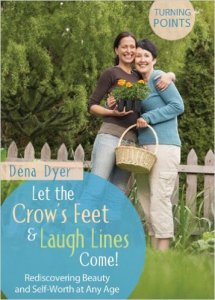
Note: This post is an excerpt from Dena’s book about aging gracefully (and with a sense of humor), Let the Crow’s Feet and Laugh Lines Come (Barbour). Used by permission of Barbour Books. 

I Want You to be Honest. Honest.

When the phone rang, I grabbed it with eager anticipation. A good friend had just finished reading the manuscripts of my two-book romantic suspense series. She claimed to love them both and wanted to discuss them further.

business-19148_1280Nothing thrills me more than discussing my work with someone who admits to loving it, so I looked forward to the conversation.

She didn’t let me down. At first. She gave me thirty seconds to revel (read: let my guard down) as she gushed about how much she loved the story-lines, the characters, the dialogue, the suspense and the romance.

There was a slight pause when she finished. I don’t think she actually said the word “but” out loud, but she might as well have. It crackled along the wire separating us like an electric current, raising the hairs on the back of my neck.

Here it comes.

It actually occurred to me to start breaking up my words like I was traveling in and out of long tunnels and was losing the connection. I could tell her we’d have to continue the conversation sometime in the future. Like after the books had become massive best-sellers and her criticisms had become moot.

Problem was, she’d called me at home.

Short of lighting a match under the smoke detector (and don’t think I didn’t consider it), I was stuck.

For what seemed like hours, she pointed out every little hole in the plot, every weak storyline, and the periodic stretching of credulity.

As a rule, I avoid clichés like the plague. Still, during that conversation I went through a roller-coaster of emotions.

emoticons-150528_640

The initial euphoria wore off alarmingly fast. Trepidation rose to take its place, soon supplanted by an actual, physical pain in my chest (which frightened me even as I grasped hold of the slim hope that I might be having a heart attack and would have to end the call so I could dial 911). Once I managed to get over myself, however, I sloughed off the self-pity and straightened in my chair.

Actually, this was pretty good stuff.

I reached for a pen and paper. Several scribbled pages later (both sides, single-spaced and running up and down in the margins), my friend ran out of suggestions. Or possibly oxygen. Either way, I admit to a sense of relief, coupled with a growing excitement.

She’d made some great points. Even addressed some issues that, deep down, I’d known were problematic, but had really, really hoped no one else would notice. The changes she suggested would definitely make the story stronger, more believable, more suspenseful and maybe even a little more romantic, never a bad thing.

The relief and excitement were soon overtaken by another emotion: gratitude.

Giving her honest opinion of my work hadn’t been easy for my friend. Several times throughout the conversation she had apologized, and gone out of her way to assure me that she really did love the books. Still, she cared enough about the stories—and me—to want them to be even better if possible (and trust me, it’s always possible).

I returned to the top of the first page of notes I’d taken, firmly scratched out Note to self: slash her tires, and settled in to contemplate her recommendations.

When I finished with the edits, I was ecstatic. If I’d ignored my friend’s advice, or set my own house on fire in an effort to avoid it, the books might still have been okay. Now, though, the humiliation humbleness with which I received her constructive criticism and applied it to my manuscripts had borne fruit.

(Brutally) honest feedback on our work is difficult—to take and to give. But if it comes from a genuine desire to help make that work more excellent, and if it is received with a thick skin and an open mind (a powerful combination for a writer to cultivate), it is also a priceless gift.

*This post originally appeared at http://wordalivepress.ca/blogs.

The Power of the Ask

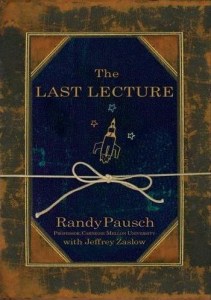
I sometimes forget the strength of the simple. Social media is a brawny tool, but it’s sometimes vexing to figure out the best way to reach the masses using our profile platforms. That’s why a couple of informal posts I recently put up surprised me in their reach and response. I re-learned a lesson about the power of the ask.The Last Lecture by Randy Pausch

From infancy, we quickly figure out we must communicate our desires and needs in order to have them filled. A baby cries. A toddler whines. A little child begs. A teenager says, “Mommy or Daddy, please?”

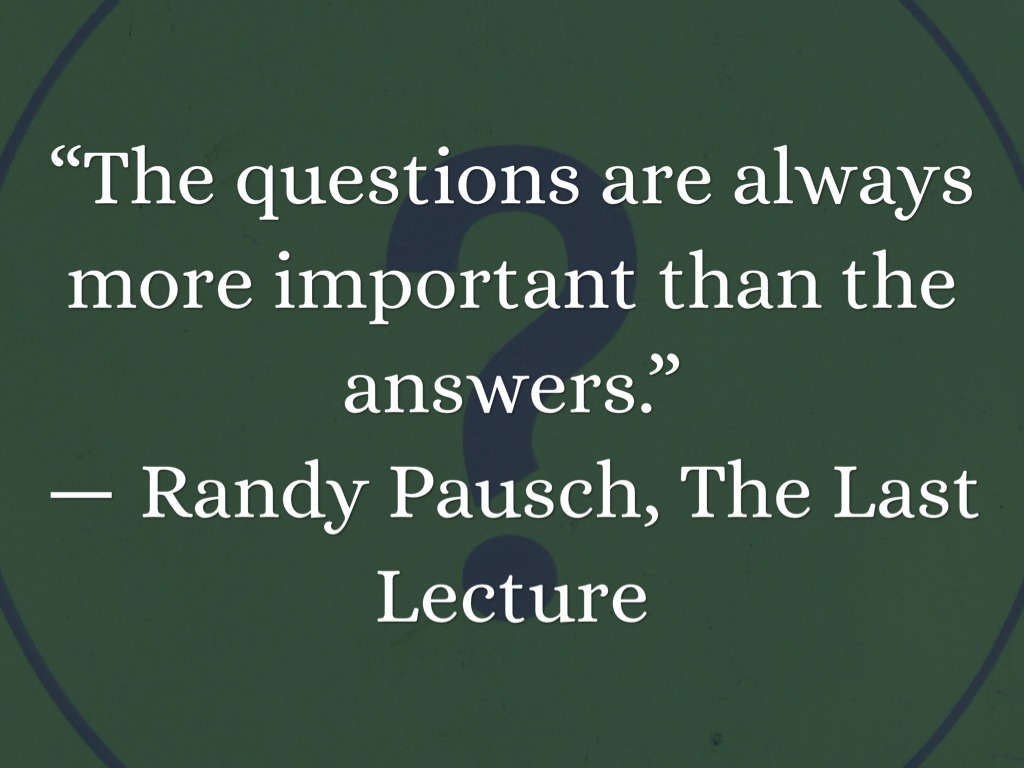
If we make our requests without manipulation or ill motives, especially when we are inspired for a greater good, we generally receive what we ask for. I remember a few years ago, when I read Randy Pausch’s book, The Last Lecture: Really Achieving Your Childhood Dreams, and feeling struck when he mentioned the power of simply asking as criteria for getting what we want. The world relinquished a wise and insightful man when he lost his battle with pancreatic cancer in 2008. Randy’s book was his final gift to the world.

Randy Pausch Questions More ImportantI was reminded of The Last Lecture when two different times I asked for help on my social media platforms. My intent was to help others, but as a by-product, the information I received also helped me. I believe because my questions were genuine and sincere, my friends, fans, and followers were eager to assist.

First, as a favor to a friend who is an editor for a women’s magazine, I asked seven questions in order to find out what the hottest topics were for women today. Not only did the volume of answers surprise me, but so did the patterns they revealed. It turns out many women are struggling with similar issues–raw, real, and relevant in our 21st century culture.

My friend got the information she needed, but as a bonus, I’ve been able to share what I learned with other women with hearts to share messages that matter. The benefit I received was my own fresh insight into what sisters of today are battling, allowing me to search for answers on their behalf. All because I dared to ask.

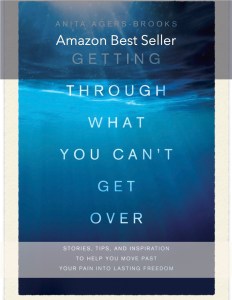
Getting Through Amazon Best SellerThe second thing I asked for came as a result of requesting detailed and specific aid from my social media peeps. When my latest book, Getting Through What You Can’t Get Over released in late March, it enjoyed a strong opening run. The first 90 days, readers reviewed and spread the word as the message resonated with many who were hurting, or knew someone else who was. But as authors, we know the challenge of keeping our messages out there, and figuring out how to reach appropriate audiences with our words of help, healing, and hope.

So when I asked on social media for ideas and/or connections to reach chaplains for the military, hospitals, or prisons, I was again shocked at how much my friends were willing to assist. The power of the ask extended my reach, and the longevity of my book’s impact.

In a world that often feels complicated and confusing, with voices shouting, “Try this. Do that,” it’s refreshing to remember the strength of the simple. Lately, I’ve seen many ask for help in a myriad of ways on social media.Social Media Platforms

“What pediatrician do you recommend in the Denver area? Go!”

“My son got blood on my favorite yellow shirt. Can it be saved? How do you remove blood stains? Go!”

“I need a quick dish for our family reunion this weekend. What’s your fave? Go!”

These days, folks are used to being asked to help with many things. So why can’t we ask for help in sharing our messages, or to find out what messages we should share? Instead of overcomplicating it, why not enact the power of the ask?

What are your current hot topics? Do you have any insights on how/who I can spread my message of real healing and hope for the hurting? How can I help you?

Finding Your Voice

find your unique voiceAbout ten years ago, I started thinking about publishing a book. After writing my way through twenty years of various marketing and development ventures, telling many wonderful stories of others along the way, every now and then I’d start to think I had something to say. My own story to tell.

The problem was, I didn’t know how to say it. I’d spent all those years adapting to the voice of others, setting aside my own ideas, submerging myself in a particular client’s mindset and style in order to honor their voice and tell their story well.

Somewhere along the way I lost my voice.

I started second guessing what I should sound like, who I should be. Eventually I shaped this ridiculous concept (based on the comparison and envy of other folks) of what I should be, what I should sound like. And that image, that false representation of me, is the one I carried to the outside world.

Now trying to share my own story, I imagined I needed to mimic somehow those popular writers who had scores of people following them. So I tried hard to fit in, to sound like I should. But my words leaked out flat and predictable with this stiff journalistic bent.

Because that’s the sort of thing that happens when you silence your authentic self.

Thankfully since those days I’ve learned a lot about finding my voice. I’ve learned to trust my uniqueness as this is the very thing that makes me me. This unique combination of my quirks and passions, my own style and feelings and beliefs, these are the very things that set my words apart from the millions being shared daily.

I don’t know that I can pin the discovery of my voice on one particular experience, and I don’t dare suggest there’s a magic formula that suits us all. But I would love to share three of the things I’m learning along the way in the hopes they may somehow encourage you.


1. Be an original.

When we lack confidence it feels easier to imitate others, but its flat hard to pretend to be something we’re not.

So wherever you are, whatever you are writing or thinking about writing, I’ll encourage you to confront any false voices that try to convince you that you have to have it together out of the gate. Because you don’t.

Take this moment and give yourself permission to no longer compare or pretend or perform.

Then, take a deep breath and commit this day to start relaxing into your unique you. Practice, practice, practice being yourself; your true voice will eventually emerge.

 2. Value your life experiences.

Perhaps, like me, you’ve walked some hard days. Maybe you’ve faced a loss, an illness, or a dysfunctional relationship? Maybe it was a crisis of faith or a dire financial situation? Whatever it was, I bet it was dark and lonely and didn’t make a bit of sense.

Here’s the thing: we can’t be afraid to say what it was like in the dark.

These life experiences often act as a catalyst, gifting us the ability to reimagine these hard days in a way others can relate to them. While we might not be able to change the way it was there in the dark, we can change the story we tell ourselves (and others) about those days.

As dark as it was, your journey to the other side holds the potential to stir a fresh hope for the person still stuck.

 3. Take risks.

I’ve never been naturally courageous, but I have learned this: if I want to make a difference in this world, there are times I’m going to have to be brave.

Sharing your heart will feel risky (because it is), but an unhealthy caution will stall your voice.

Too often we don’t realize how very close we are to finding our voices.

Give your voice the room it needs to grow. Explore, pursue, and practice until your true voice becomes your natural default.

Be an original, take risks, and don’t be afraid to dream big.

Your voice is a unique and unforgettable mixture of your own personal style, perspective, and message. Surrender to it. Shape it as needed, yes, but don’t be afraid to share it.

Going Deeper: Where are you in your journey to find and use your voice? Share your thoughts and observations in the comments below.

Want more? Click here for a free 10 Tips for Finding Your Voice printable.