Cha-cha-changes…

A lot of changes in social media this week….
Sit down, buckle up and hold on for the ride….

Instagram has now updated its application to include videos.
Everyone can see them, but if you have an older Android phone, you will have to wait to be able to join in the fun. This could be interesting to the future of Vine. You get to choose a filter and make your video a bit more interesting then just a regular video. The maximum time is 10 seconds for one of these gems.
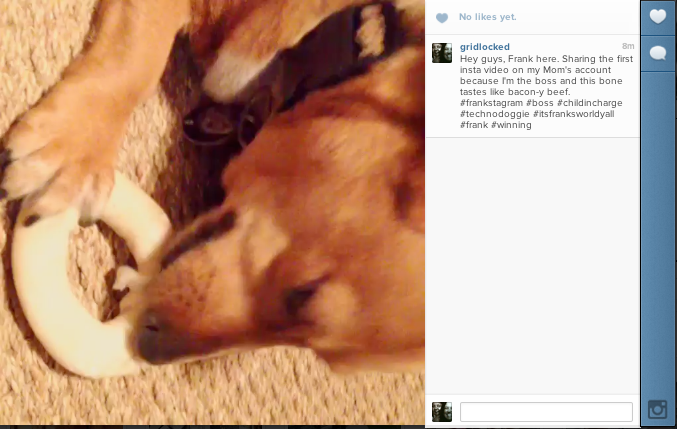
Check out Frank's Instagram video here... http://instagram.com/p/azfDD4OxC9/
Check out Frank’s Instagram video here…
http://instagram.com/p/azfDD4OxC9/

It can be hard to follow the updates with so many changes in social media happening so often, so where is the best place to find info on these updates?

For updates on Instagram, I read their blog. http://blog.instagram.com/ . It’s super informative and they have great information. Also make sure you are following Instagram on your account. http://instagram.com/instagram . And one more place you can check is http://instagram.com/press/. This is all their press releases and information. Instagram (in my humble opinion) is the best creative social media outlet, and so fresh for marketing ideas.

Summertime Social Media.

New to Facebook this week is #hashtags. Facebook has borrowed, or maybe stolen, Twitter’s business model with hashtags and video clips. Still confused about them? You can go back and read my blog on hash tags here… Hashtags are a VALUABLE tool for advertising and marking things that people can easily find. You can now search things on Facebook with hashtags. This will help you market and find like minded people. Its a great tool. Your Instagram videos can also be shared on Facebook as well.
Hope you are all having a great summer… and now as you document it on Facebook, you can hashtag it all and upload videos of your activities on Instagram…. (he he he!).
__________________________
Follow Ingrid on Instagram and Twitter!
Ingrid on Instagram. www.instagram.com/gridlocked

Ingrid Schneider is WordServe’s resident Marketing Maven. With a specialty in social media, Ingrid loves helping authors find and manage an online tribe of readers. After spending the last 15 years managing and marketing restaurants, people, and businesses, Ingrid knew that helping people market themselves via social media and online platforms was a passion and something at which she excelled. Now doing social media marketing for some great-named authors, Ingrid also loves to imagine that she is a secret agent, because she can’t disclose

with whom she is working. (Believe us when we tell you that Ingrid handles some big names, but for anonymity’s sake, we can’t disclose this TOP SECRET information.) Imagination and creativity is something Ingrid is serious about and loves to incorporate into her work with her clients.

Shameless: How to Fail a Book Signing (but Not the Writing Life)

“Art is born out of humiliation.”  W.H. Auden

I had a fantastically unsuccessful book signing in a big box store not long ago. (Yes, signings still occur, despite the takeover of social media.) Afterwards, licking my wounds, I turned to a book on my own shelves, Mortification: Writers’ Stories of Their Public Shame. In it, Margaret Atwood, Rick Moody, Billy Collins and a constellation of such literary brights offer up the most companionable ignominies and embarrassments. (Fittingly, I bought the book used, online, for a penny.) My own parade of humiliations that night were paltry next to theirs. Still, couldn’t I do better?

Two weeks later, an Internet search on “book signings” confirmed my suspicions. According to several book signing experts, I did indeed do everything wrong. First, I missed the Webinar on “The Seven Steps to Turn Yourself into a Celebrity.” In another  article, I violated nearly every one of thirteen steps, beginning with, “Decide, in advance, what sort of clothing you want to be seen wearing by your reading public.”  (Did I do this? No.) Step #6 advised bringing along a printout of your manuscript for fascinated readers. (Really?)  My most egregious error was the last step: my failure to inform the store managers that I would be the bookstore’s official greeter while I was there. Nor did I walk around with several copies of my book introducing myself to everyone in the store, as he advised, pressing my own books and bookmarks into their astonished hands.

I would rather demonstrate the wonders of Balinese kitchen knives through the Christmas season at Walmart than resort to such tactics.

We all know we need to successfully promote our own work. But when we sacrifice leisure, sleep, money, and most costly of all, time with our families so that we can write, none of us makes these difficult choices to be stalkers or hawkers with a leer and a bookmark. We write because we believe in our deepest-down spirit that God has called us to keep naming the world. We write to serve a meal to the famished, to dress the wounds of the betrayed and lonely. We write to offer hope and a story to the depressed. We write to offer clear thinking in a muddled marketplace. We write in humility, in insecurity, in desperate prayer.

And when our book releases, shall we then don our best barracuda suit, polish our teeth, slick back our hair and begin the hard, shiny sell, suctioning ourselves to every unfortunate person who innocently wanders into a bookstore? Did any of us sign up for this?

Let’s take a breath. We don’t need to sell. We don’t have to sell out or sell ourselves short, or sell our own snake oil. We need to offer. We’ve just spent two to three years composing, listening for God; we do indeed have something to offer. We offer our work, and, more importantly, we offer ourselves. In all of our promotion, we need to think, how may I serve others? How may I serve my readers? We might end up giving books away—a lot of books. We might do some speaking gratis. We might end up on the short end of the accounting sheet. We might end up praying with a stranger. But at the end of the day, the year, the decade, we’ll count it differently:

We got to give. We got to give more than we knew we possessed. We got to be part of a global conversation. We got to know new readers, who taught us more than we knew. We got to pray for strangers who became friends.

Don’t listen to “sell-a-ton-of-books” schemes when they violate who you are and what you’re to be doing in this world. Go ahead and “fail” a book signing if you must. Be a real writer, without shame.

The Best Marketing Tool

Authors are constantly on the lookout for the best marketing tips and ideas. We want to get our books in the hands of as many readers as possible. This isn’t always just from the monetary end either; most authors I know truly believe in the message of their book. They believe it will help people and have a true desire to enrich the lives of their readers.The Best Author Marketing Tool

But sometimes it seems every where we turn, someone’s spouting a new marketing trick. I can’t remember how many posts and articles I’ve read about marketing. Some of the ideas are great, like the Hope and Trust Chronicles put on my by some of my favorite authors.

Then there are the not so great ideas, like buying fake Twitter followers. It’s not all about the numbers; it’s about connecting with people. Purchasing fake followers is a misrepresentation in my opinion.

The best marketing tool you have is you. The content you write and how you interact with people on your website, your social media sites, and in person is the most influential marketing you will ever do. Because if you do this with sincerity, passion, and genuine caring, your readers will talk about you.

And there is nothing that carries more weight than word of mouth. Think about it. You’re trying to decide between purchasing two books and your best friend comes up. She points to the book in your right hand. “You have to buy this book. It’s the best book I’ve read in years. And the author’s website has these amazing behind the scenes looks and a free e-book you can download. I’d loan you my copy, but I already gave it to my mom, and you shouldn’t wait until she’s done with it. It’s too good not to start today.”

Which book are you going to purchase? The one with the prettier cover, or the one your friend is raving about?

Invest in your readers. They’re real people and worth your very best. And if you invest in them, don’t just look at them as numbers, they’ll invest in you.

And that’s the best marketing tool a writer can have.

What are some great marketing efforts you’ve seen? What is the best marketing tool you’ve used? What’s a marketing endeavour you’d never do again?

Five Things I Learned About Writing/Marketing from Dr. James Dobson

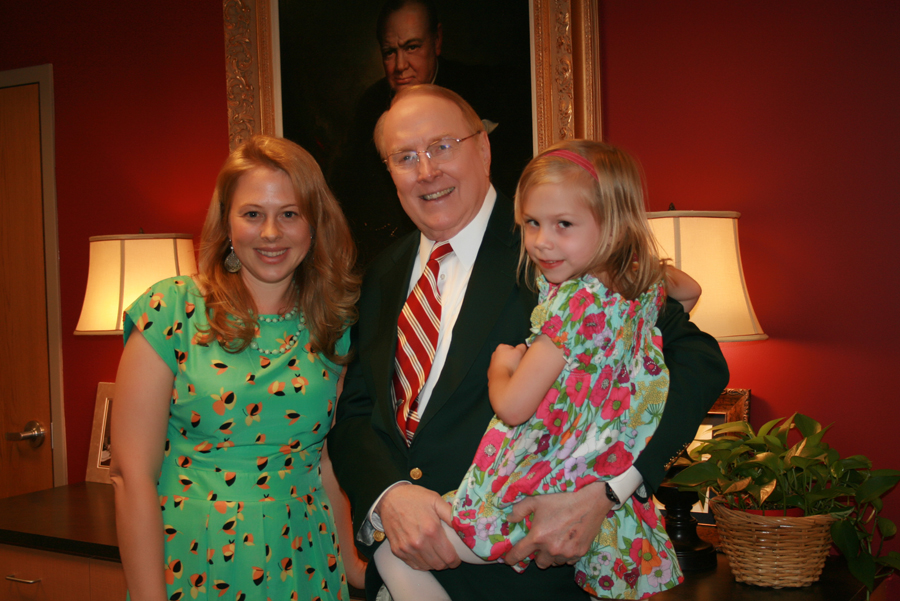
First things first:  Yes, I met Dr. Dobson.In real life. And, yes, he was kind and wise and funny and smart and everything I expected him to be and more. I flew up to Colorado Springs in April, 2013 to be a guest on Dr. Dobson’s Family Talk radio show. In the studio, we chatted about families, about writing, about my books, and then recorded 3 1-hour segments to air on June 5-7, 2013. (Click here to see where you can listen in.) And, in the process, I not only gained invaluable insight on motherhood, marriage, and family from one of the most amazing theological minds of our generation, but I also learned about writing as well. Here’s what I took away from this meeting.

Dobson1. Actions Speak Louder Than Words.  Dr. Dobson’s life’s work and focus has always been on helping Christ-centered families. And I don’t think anyone in the world would argue with me if I said that he has passionately and wholeheartedly given his career to this goal. This is a great thing. I have to admit that part of me expected our visit to be something like a college-course lecture. Instead, he pulled my five-year-old daughter onto his lap and talked to her. And he showed me without saying a word that he values children and family and motherhood in a way that goes beyond words. I learned that if I want to talk the talk in my writing and on my blog, I had better be willing to walk the walk.

2. Listen With Open Ears.  Dr. Dobson knows his stuff. The guy is legendary—well-read, well-educated, well-just-about-everything. And the truth is that I knew there was nothing I could’ve said to him about parenting or motherhood that he a) didn’t already know and b) hadn’t already covered in his own writings. But Dr. Dobson listened to my words wholeheartedly and willingly—even on topics that we didn’t necessarily see eye-to-eye on. He showed me respect by looking me in the eye and allowing me to voice my opinion. And I left in awe of his incredible wisdom and kindness. No wonder he has made such an impact on our world! He is willing to listen with open ears and to show respect with a gentle kindness—even to those who are “below” him in status or who have different opinions than he does.

3. Don’t Be Afraid to Put Yourself Out There.  I wish I could tell you that I did something to earn myself a spot on Dr. Dobson’s radio show. I wish I could tell you it was on my merit, that I did something extraordinary, that I am an amazing radio speaker, that my writing is just that inspiring…but I can’t. Because the truth is that I did nothing. I threw myself out there by having my publicist send my book to Family Talk’s studio…in 2011. From there, God worked behind the scenes to inspire the right producer at the right time to pick up the book. As authors, we have to do everything we can to get our books “out there,” but after writing and marketing five books, I’ve learned that God is the one who opens those doors. We just have to be willing to walk through them.

4.  Don’t Be Afraid to Ask.  I was thrilled the day I got the call from Dr. Dobson’s producer that I was going to be on his show. And I knew it was an important break in the marketing campaign for my new books. But I had also made myself a promise way back when my oldest was born: I was never going to let my career take me away from my kids for an extended amount of time. And while I desperately wanted to go on the show, I also struggled to decide if was a good idea to leave home for three days at the end of the school year. I prayed and picked up the phone and asked the producer if I could bring my daughter along. And she bent over backwards to make it happen. They reserved a room for me with two beds. They helped me book airline tickets. They found me a big-enough rental car. And the entire staff at Family Talk showed my daughter incredible kindness and love while we were there. My point? Don’t be afraid to ask. I know it wasn’t easy for them to have a five-year-old in the studio, but it was important to me. Dr. Dobson’s organization lived up to their reputation of being advocates for family by helping me make it happen.

5.  Be Willing To Be Flexible.  I went into Dr. Dobson’s studio with the expectation that we were going to record one hour-long segment. I walked out having recorded three. We had a flow going and had so much to talk about that we just kept recording. The studio session took much longer than expected and…shockingly…we got stuck in a snowstorm afterwards (a snowstorm in April? Apparently this is normal only in Colorado). Anyway, writing and marketing is an inherently liquid task—and only by being flexible to roll with the changes—ups, downs, twists, and turns—will we be able to see and succeed in the long-haul.

What have you learned about writing from other (famous) authors or radio personalities?

**************************************************************************************************

Erin MacPherson is the author of The Christian Mama’s Guide series.  She’s also a mommy blogger, amateur chef, and (very) amateur runner.  She blogs at www.christianmamasguide.com.

Around The Block With Writer’s Block

do-not-write-in-this-spaceSome people say that writer’s block is what gets the housework done, but if that were true, my house would sparkle and shine.

My vitamins would be alphabetized from A to Zinc, my nightstand drawer would contain no crumpled tissues of questionable provenance, and the frisky lint bunnies behind the dryer would now be reproducing in the rubbish bin.

For me, writer’s block doesn’t get the housework done, but it is what keeps the Internet humming along. And I don’t only turn to the Internet as a writer’s avoidance behavior, either. Hanging out online may prolong the blocked condition somewhat, but if I give the Web even half a chance, it eventually provides the cure I so desperately crave.

First, of course, there’s Facebook. Like other writers, I’m lonely. Ye Olde Writer’s Cave is dank and dreary and its stalagmites stab at my soul. But scrolling through my news feed–replete with photos of gregarious dogs who say funny stuff, sullen cats pictured splayed across Other Writers’ Keyboards, and videos of friends’ new grandbabies–brings me to my senses fast. There are worse things than loneliness.

Like wordlessness. And booklessness. And publisherlessness. Oh, my.

If Facebook somehow fails to snap me out of writer’s block, I click over to Pinterest. Within seconds, I’m immersed in a fantasy world of exotic locations, bohemian wardrobes, hunky men (some of my Pinterest friends are edgy with their pinning!), gorgeous homes, and just desserts.

It’s the desserts that get to me, if anything on Pinterest can. I’ve read that even viewing a luscious treat can cause–in some susceptible individuals–an insulin response with corresponding weight gain.

Let’s just say I’m highly susceptible.

When I literally feel my bottom-in-chair growing larger while innocently viewing the ingredients list for yet another bacon-intensive appetizer, I know I’m a site closer to loosening the block’s grip on me. One more stop on the Internet and I’ll be home free and back to cranking out another chapter.

I know exactly where to go, too.

If I truly can’t find two words to put together, my fingers click over to Craigslist, the piece de resistance in breaking the back of writer’s block.

Now, not just any category on Craigslist will do. I skip the ads for RVs and energy-deficient major appliances and ancient treadle sewing machines. I have no use for the personal ads, and discussion forums about dying and haiku aren’t really my thing.

Instead, I wallow in the hundreds of jobs on offer, immerse myself in the positions I could be applying for that might surreptitiously scratch my writer’s itch, that might anesthetize the pain I experience when I’m not doing my real job. The job I’m meant to do. Putting down glorious words, one after the other, preferably in the best possible order.

Can I hope to find employment as satisfying as writing is on a bad day, a job that could truly replace my need to write?

I pass over the ad for an exotic dancer for bachelor parties, but not without thinking of that Facebook poster that shows two gals dancing—one young and agile and the other old and clumsy. The captions read, “How You Think You Look” and “How You REALLY Look.”

Then I skim this heading: “Bilingual Interpreters Wanted! Spanish and Many Other Languages!” But somehow “many other languages” seems like Triglingual Interpreters Wanted. Or perhaps Quadlingual or Quintlingual, not that it matters. I only speak English with a smattering of adorable French phrases thrown in, mostly on the topic of finding the salle de bain closest to my train’s platform.

Being reminded of my obsession with locating the bathroom (in as many languages as necessary) draws me to another ad, this time seeking a participant in a medical study about urinary incontinence. It offerers $1200 compensation for time and travel expenses, plus a generous Depends allowance. I shake my head in dismay.

“You’re all wet,” I say to myself, a victim of my own dry wit. “These jobs aren’t for you. Maybe you should start with finishing this blog post, and then see what happens next?”

Before I shut down Craigslist, my eyes fall on one last ad.

“Surrogate Mothers Needed! Earn $28,000 and Up!!!!!” I feel a visceral (if latent) nurturing instinct flow through me while reading the job description. The money is certainly tempting, but then it hits me. They’re probably looking for someone with a uterus. There’s always a catch.

So that settles it. I’m a writer, and getting caught in a bad job won’t fix that. Only writing will. Once again, the Internet’s cured me of a vicious case of writer’s block.

This time, I hope, for good.

Do you suffer bouts of writer’s block? Any cures you’d like to share?

Why Ignoring Your Author Brand is Career Suicide

Have you heard the term branding? Does it make you want to reach for the remote and turn the channel? If so, you’re not alone. Author branding has a lot of writers confused. It did me.Why Ignoring Your Author Brand is Career Suicide

I first thought author branding was something your publisher did for you when your first books came out. Then, I thought it was a cool author tag line or slogan. And while part of both the previous statements are true, they’re not your author brand.

Knowing your author brand will help you promote yourself before, during, and after your book releases. Your author tag line is what evolves from your brand, not the other way around.

What is an author brand? An author brand is the unique combination of personality and passion you bring to products or services based on your actual or potential abilities. Your author brand won’t look like anyone else’s, because no one else has your insights and perspective to offer to the world.

Why do I need an author brand? Knowing your author brand lets readers, agents, and publishers know immediately what they’re going to receive from you and your writing. In this fast paced world, people won’t take the time to dig through the many books, websites, and blogs to find what they’re looking for. If it isn’t apparent immediately, they’ll move on.

Think about your favorite authors. You know exactly what you’re going to get from their books. It’s the reason you purchase their newest release, read their newsletters, and like their Facebook pages. They deliver on the promise of their brands.

But, I don’t need to develop my author brand until I have a book contract. Wrong. You’re already branding if you have a website, blog, or are on social media sites. Every post, tweet, and blog post is a reflection of you and your brand, even if you don’t know it.  It’s important to understand your brand from the moment you declare yourself a writer.

Your brand will help you develop your website, book proposals, manuscripts, articles, and newsletter. It will help you focus and go deeper in order to reach your audience better. It’s something you should embrace and not put off a minute longer.

Your brand will also aid you when creating visual images for your website and social media pages. For example, my author tagline (developed from my brand), is Inspiring Your Faith and Pioneer Roots. I created this image for my author Facebook page this past week. Branded Facebook Cover for Melissa K. Norris

Do you see how the pioneer roots is enhanced not only in the images, but also ties into the title and cover of my non-fiction book, Pioneering Today? The cabin picture also works for the historical fiction portion of my writing. Your brand should be an umbrella for all you do.

Developing your author brand isn’t something we can completely cover in one blog post, but don’t worry. I’m not giving you this admonishment and leaving you alone. My agency sister and business partner, Janalyn Voigt, and I have created a FREE author branding workbook to walk you through the steps. You can snag your copy at TriLink Social Media Mentors.

What are some of your favorite authors? Can you identify what their brand is, or the promise they always make with their work? What is unique about you and your writing?

Should You Be On Pinterest? (Building a Social Media Platform)

Pinterest

The trouble with being a writer is that you have to write. That would seem desirable, but the writing I’m talking about goes beyond pounding out the next scene in my novel. Since becoming a published novelist, I’ve submitted–at the request of agents, editors, bloggers, and marketing personnel–guest posts, interview responses, pitch sentences, two-sentence blurbs, query letters, proposals, sample chapters, material to use for promotion, back-cover copy, tag lines, book club questions, and of course myriad versions of my biography. Add to this the need to devise creative updates for social networks, and you begin to see why a writer might groan.

Enter Pinterest, a social media platform that allows members to network with pictures more than words. Tweet This! I love writing and (go figure) even have a fondness for words, but I find Pinterest a breath of fresh air. As a virtual bulletin board where users pin images, Pinterest frees me to express my creativity without having to hurt my brain with so much thinking. Since women primarily frequent Pinterest, spending more time on it than on other networks, it provides another benefit. Book buyers are predominantly female. (This varies by genre.)

With 4 million active daily visitors and as the fastest-growing social media site (now second only to Facebook), Pinterest is a site many writers should include in their social media platforms. Tweet This! Since I began to take Pinterest seriously, it’s moved to the number one referrer of traffic to my websites.

I won’t go into detail on how to sign up, since Pinterest makes it easy. If you want advice, visit the Pinterest Help Center and enter “how to sign up” in the search box. I suggest you set up or convert to a Pinterest business account. This will allow you access to account analytics once you verify your website for Pinterest.

Be sure and include your author picture in your profile. Also set up a branded bio. This is a little challenging since you should make it brief so it will be read. Every word needs to pull its weight. To see an example, visit the Pinterest page for Janalyn Voigt. While you’re there, take a look at my boards to help inspire your own.

Pinterest Goodies

After you’ve created your account, filled in your profile information, and verified your website, you should visit Pinterest’s Goodies page. There you’ll find instructions on how to:

  • install the Pin It button (for Google Chrome) to your bookmark bar.
  • drag the Pinterest Bookmarklet to your toolbar (click the red link under the Pin It button copy in the sentence that says: “Looking for the Pinterest Bookmarklet?”).
  • add a Pin It button to your site.
  • make a widget for your site.

Creating Your Boards:

On your profile page, you’ll be able to create boards. Here are some suggestions:

  • Name a board for your blog or website.
  • Create a board with the title of your book(s).
  • Name a board for the genre(s) you write.
  • Think up boards that will reinforce your brand.
  • Design boards to attract your target audience.

Pin Three Ways

  1. Click the Pinterest bookmarklet while at a website that grants permission to pin its images and select the image you want to pin.
  2. Under your image in the Pinterest toolbar you’ll find a dropdown menu. Click “Add Pin” to upload an image from your computer or enter the URL of a picture you have permission to pin.
  3. Use the Pin It button on a website.

What to Pin

  • Pin your own original images with a link back to your site.
  • Pin images from sites that state they allow pinning to Pinterest.
  • Pin public-domain images.
  • Create and pin your own collages using sites like PicMonkey.com and your own images.

What to Do on Pinterest

  • Follow other people. You can choose to follow all boards or an individual board. As with all effective social networking, be sincere. Tweet This! When you make the effort to follow people, some will follow you back.
  • Repin from boards of people you trust. Always verify that the link goes where the image indicates it will and that the original site gave permission to pin.
  • Like pins others post. This brings you to their attention.
  • Comment on pins. To comment, click on a pin and the comment box will be in the enlarged image that displays.

Pinterest and Copyright

First, I am not a lawyer and don’t mean the following in any way as legal advice, but here is how I handle myself on Pinterest. I’m careful when pinning images that I don’t own to make sure the website gives explicit permission to pin to Pinterest in its copyright policy. I don’t take the existence of a Pin It button as permission. I’m aware that even if I own a photo, some things like private works of art or images of people who have not signed a release for me to post their photos, for example, are off limits. I prefer to take my own photographs and create my own infographics. When in doubt, I don’t pin.

Pinterest is a relatively painless way to network that is actually a lot of fun. Tweet This! It can help you keep track of research while simultaneously drawing readers to your books.

EXCLUSIVE LIMITED OFFER FOR READERS OF WORDSERVE WATER COOLER

Solving the Pinterest Puzzle for Sidebar

Learn more about using Pinterest to build your social media platform and readership. Sign up for Solving the Pinterest Puzzle course that fellow Wordserve author Melissa K. Norris and I offer as TriLink Social Media Mentors, a bargain at just $27.77.

Related Posts

Build a Social Media Platform: The First Step May Surprise You

4 Pillars to Build an Effective Social Media Platform

Build a Social Media Platform: Your Facebook Page

To Tweet or Not to Tweet (The Social Media Platform Question)

Tweetables

Lately, I’ve been noticing this new trick amongst bloggers for fashioning “tweetables” in their blog posts. These are short, catchy phrases that let readers instantaneously click and tweet a hook about your post. Several tweetables are offered in hopes of getting that mouse clicker finger engaged.

Social media conceptSo I thought I’d go through the process of learning how to format one and take you on the ride with me. A shout out to Elaine Stocks for pointing me in the right direction. Check out this blog post at Blogging Bistro for instructions as well. I am hoping to simplify. We’ll see how that works.

Step 1: Go to http://clicktotweet.com/. Once you go there, format a phrase you want others to tweet about. It will generate a link for you, which you can add to your post. Here the first one I did.

Learn How to Format a Tweetable. Click to Tweet.

Step 2: Hit the preview button.
You can then click preview to see how it looks. And mine looks, well,  boring. It’s just the phrase and doesn’t point much to me or the Water Cooler. Let’s try again.

Know how to format a Tweetable? Not as hard as you might think. Click to Tweet.

This is how it will look when tweeted out:

Know how to format a Tweetable? Not as hard as you might think. @JordynRedwood @WordServeLit http://wp.me/p1H9QL-2zH

Step 3: Helpful tips.
Remember, with Twitter you only have 140 characters to work with. In WordPress you can automatically have it give you a shortlink for your post by hitting the button “Get Shortlink” at the top of your editing screen. When you do this, copy and paste that link into your Tweetable. It will save you precious character space to come up with a great Tweet.

However, Blogger doesn’t format shortlinks, though you can customize one for yourself. Blogger will give you a permalink (finally!) and what you can do to shorten it is copy and paste it into the publisher in Hootsuite. It really is not as hard as you might think. From the shortened Hootsuite link you can copy and paste it into the Click to Tweet format system.

Step 4: Format it into your post.

I agree with Blogging Bistro that Rachelle Gardner has a great way to format Tweetables and I’ve copied that style here. You can view her blog for that look or come up with your own crafty, creative way to entice people to tweet.

Why format tweetables? A couple of reasons. When you hit the tweet button at the bottom of a post using the social media sharing buttons, it basically tweets the title of your post which may or may not catch the eye of readers. Tweetables offer several different phrasings to try to get people to tweet that may be a way for them to capture their tribe.

What about you? Have you tried tweetables?

A Note to Young Writers: Honor Your Obscurity

woman praying--parodic

In the last month, I spent time with two younger women, both of whom had just released their first book. Sarah and Andrea are both fine writers whom I expect will continue to write and publish books. In the short time I had with each of them, I found myself dumping all my writing and marketing advice, talking about websites, blogging, Facebook, twitter. But I forgot to say the most important thing of all: honor your obscurity.

Very few young writers, musicians, artists value their obscurity. For good reason. We know if we’re to be published in any form, we need an audience, a sizeable audience. We know that most of the time we have to find that audience before that first book contract even lands on our desk. And once it does, and the book is out, we’re tasked to keep racking up bigger numbers. But how do we catch the eye and ear of a world that so often chooses the flippant, the crude, the gaudy spectacle over the good, the authentic, and the true?  If we’re the praying sort, we may resort to prayer, remembering the words another writer made famous a few years ago,

“O, that you would bless me and enlarge my territory! Let your hand be with me, and keep me from harm so that I will be free from pain.”

(Oh, dear Jabez, I want to say. How did you get away with that prayer?)

But we do it too, I suspect. The artists’ version would go something like, “O, that you would bless me and enlarge my platform, increase my followers, expand my twitter peeps and keep me from publishing harm so I will be famous, free from the pain of falling out-of-print.”

woman praying--parodic

I can write this prayer because I know these desires. An hour ago I was on a nationally syndicated radio show, and I find myself, now, against my better will, glued to numbers, trying to measure “impact.” While guiltily number-stalking, a stranger writes me on Facebook immediately after the broadcast and asks how he can become a writer and speaker, like me. (He’s in his twenties and he hasn‘t written anything  yet . . .)   Someone else writes to ask me how to build a fan base for her blog.

I do have advice: if you want others to read you and listen to you, you must listen to others. Do for others what you want them to do for you. That will not make you famous; that will make you better informed and more humble.


man reading2

And second, fame is not what you think. Admittedly, I am not the best source here. My moments of “fame” are modest and sporadic. But I still know this: it isn’t what you think. It’s often over in a moment. It brings more responsibility than freedom. And if you’re not careful, it can pollute or paralyze your writing. I have a friend whose first book shot to the New York Times bestseller list.  His agent, his readers, his global fan base now hold their collective breath for his next book. “How do I write under this weight?” he asks me. He has so many others he must now heed and please.

“Honor your obscurity” is another way of echoing Bill Roorhbach’s charge to “honor your apprenticeship.”  Value these months, years of laboring toward your best work with fewer listening in than you would like. This quiet is your wilderness, your blessing. Here you will sharpen your art. You will lean closer to the sounds around you, for the fragile people who haunt the forests you watch, for the small voice that whispers names you didn’t know.

Enjoy the purity of your efforts, making art and worlds and essays out of the sheer love of words, of theatre, of longing and of hope. Enjoy it now before a woman or a publisher sits down beside you filling your notebook with a thousand necessary tasks, few of which have much to do with why you began writing in the first place.

Finally, what do you imagine fame will bring you? For me (and for many writers I know) I hope mostly to be able to keep on writing, to keep using “that talent which is death in me to hide,” as John Milton writes. If you’re doing this now, pouring life into the truest sentences you can make, you’re already famous.

woman writing journal

How to Get Started Writing: Hamster Wheels and Hurdles

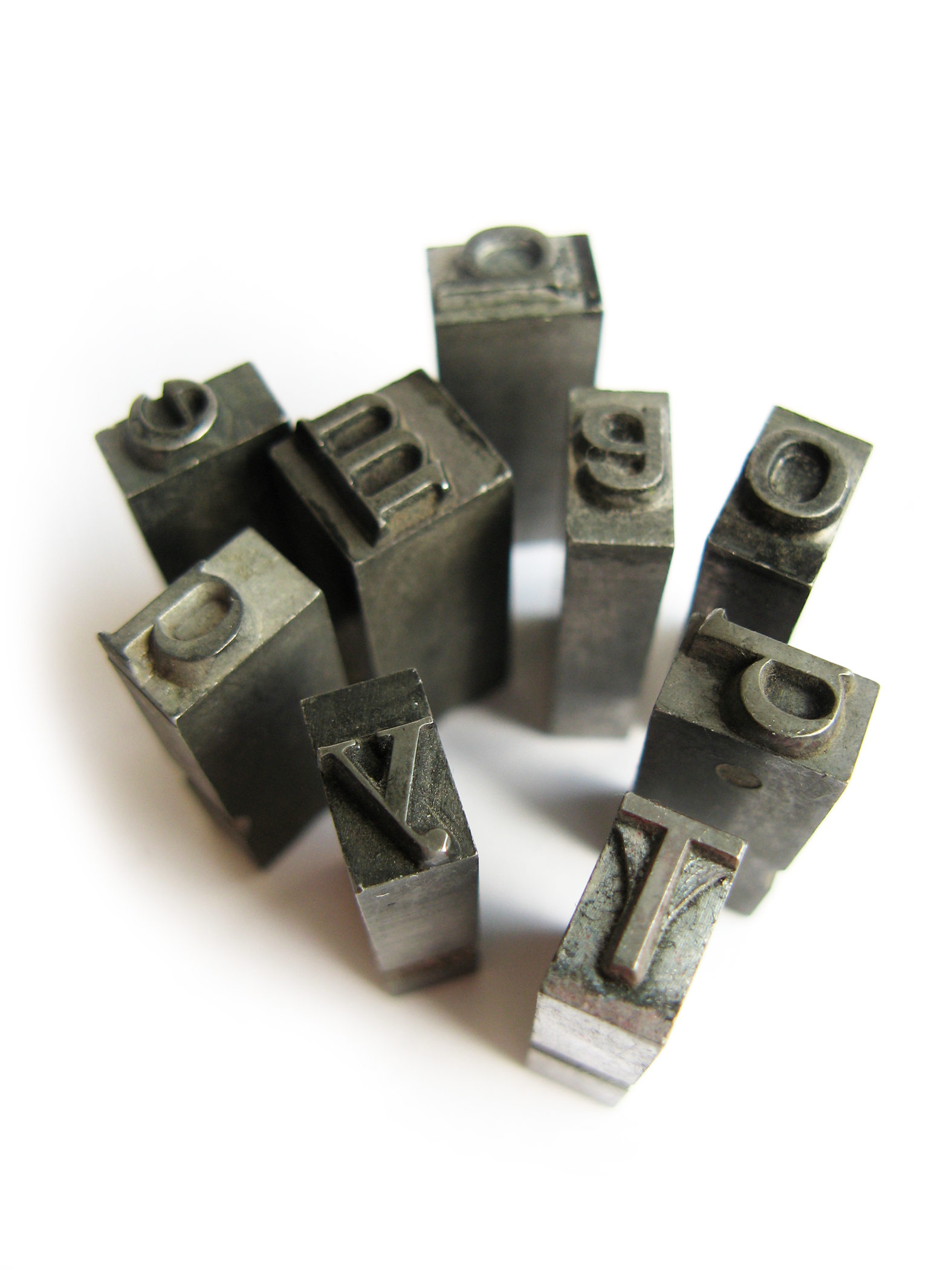
type lettersOf all that a writer can and should do—how, actually, does one get started?

It would be possible, in assembling writing advice from just a handful of the people who are giving it, to come away with the impression that making it in this business requires doing everything all the time.

You must, people say, build and maintain a platform. Start or re-start your website. Pin to boards. Make things that other people will pin to boards. Attend conferences and conventions. Join groups. Pitch ideas. Hone your message. Know your audience. Study writing books. Edit incessantly. Post blogs. Find a writing schedule that works. Tweet and re-tweet updates about all of this. Plus string tens of thousands of words together and hope somebody will see fit to make a book of it. That’s just phase one.

Phase two is its own hamster wheel. With a book in publication you must, people say, promote like crazy. Speak at events. Do interviews. Pursue interviews. Write accompanying articles. Track reviews. Deal with disapproval. Build friendships with booksellers. Have catchy marketing stuff. Improve on sales. Aim for bestseller lists. Figure out your next project. Pin, post, platform-build, edit, update, and speak some more. Promise to tweet and re-tweet, always and forever.

The general question: Who can possibly manage all that?

The specific question: How, possibly, can I?

The general answer is that likely nobody can manage it all, when trying all of it at once. The other answer is that you, specifically you, can work toward all of this by doing so incrementally.

You will not start out on bestseller lists. You’ll begin at the beginning, with the whole unrelenting shebang left to do. Tweet This

There will be potential failures and rejections at every corner and turn. But if you begin—if you sit at a computer or a typewriter or even a small slip of paper, and if you start putting words down and then keep putting words down, you will be writing. Often it is as simple as that.

hurdleHere is a personal example. After having published three books by 30 (two as author, one as collaborator), late last year I didn’t have a single writing project to speak of. I wasn’t sure I wanted any, because being submerged in the mire again—see above paragraphs—seemed exhausting. Other concerns demanded my focus and time too, namely: my husband was on a seven-month combat deployment to Afghanistan, we had moved our lives across the country twice in less than a year, and I had just given birth to a baby, our first. Some days, accomplishing just laundry and dishes seemed out of my league.

But I knew that God had given me a love for writing and the opportunity to publish. He was percolating words in me that I wanted to put down. So on one harried morning, I dared draft an article query. On another day I bravely emailed some book ideas to my agent. It was just a baby toe stepped back into the pool, but from where I stood it was the all-important start, a jump at the big, looming hurdle.

That was trajectory, finally, and in a matter of weeks and months I was actually writing again: ideas flowing, plenty of potential projects on hand, a few materializing, and even (always miraculously) another book contract waiting in the wings. Perhaps more importantly, I was learning to chip away at this job, little by little, reminding myself that it would not be accomplished in a single swing. The laundry and dishes were waiting longer than before, but I figured I could deal with that.

Have you wondered, frustrated, how to get started writing? The solution can be as simple as a little trajectory. Tweet This

Stop trying to figure out how to start writing; instead, start. Aim at a goal and have the courage to start imperfectly and incompletely. As you get a handle on one area, add another. You will likely surprise yourself with all that can be attempted and accomplished. Writing is far more doable when you’re doing it.