To Blog or Not to Blog, That is the Question

The following is a guest post from Rachelle Gardner, a literary agent with Books and Such. It was first published on her blog at www.rachellegardner.com.

7526600_s-150x150

Standard wisdom used to be that authors, both fiction and non-fiction, should build relationships with readers through blogs. As social media and online marketing have evolved, my thoughts on blogging have changed.

The proliferation of blogs in the last ten years has made it increasingly difficult to stand out in the crowd. Many authors are blogging faithfully but it doesn’t seem to be increasing readership of their books; in fact most of their readers are other writers. One good indicator blogging might not be for you is if you have a hard time figuring out what you should write about.

So, how do you decide if you should have a blog?
Have a blog if:

  1. You have something important to say and it seems people want to hear it.
  2.  You understand that blogging is about offering something of value, NOT about promoting yourself and your books.
  3.  You enjoy blogging (for the most part, anyway).
  4.  You find blogging contributes to your creativity and enthusiasm for writing your books, rather than sucking all the energy out of you.
  5.  You can find the time for blogging without it completely stressing you out.
  6.  Your books have a highly defined target audience, making it easy to target your blog.
  7. Your books are topical (especially non-fiction), so that you have a clear and obvious theme for your blog.

Don’t have a blog if:

  1. You keep asking yourself and others, “But what should I blog about?”
  2. You only want to blog to promote your books and/or because you think you “have to.”
  3. The whole idea stresses you out.
  4. You honestly don’t have the time in your schedule to blog regularly.
  5. You’ve been blogging for a year or more, and haven’t built up to a traffic level that seems worth it.

Here are some alternatives to blogging when it comes to online networking and promotion.

  • joining a group blog
  • sending email newsletters
  • using Facebook effectively
  • leveraging the various ways Goodreads offers for promoting books
  • attracting a readership through Pinterest and/or Instagram
  • having an effective LinkedIn profile page

If you don’t want to blog or be engaged in online promotion, should you self-publish instead of seeking a publisher?

I get this question from writers frequently, and my answer is: What would be the point of self-publishing a book, if you have no intention of promoting it? Who will buy it? With millions of books available for sale at any given time, what’s your plan for letting people know that yours exists?

Blogging and other means of online promotion aren’t just hoops that publishers want you to jump through. They’re real and necessary methods of letting people know about your book. So if you have no intention of letting anyone know about your book, through a sustained, long-term promotional plan of online engagement, then think carefully about whether you want to write a book for publication. If you build it: they will NOT come. You must promote it.
Do you blog? If so, how’s it going? If not, why not? 

Rachelle Gardner is a literary agent with Books and Such Literary Agency based in California. In addition, she is an experienced editor, writing/publishing coach, social media coach, and speaker. She has been working in publishing since 1995. Find her at http://www.rachellegardner.com. 

Becoming Social Media Savvy

Social Media Sign Web Globe
The World of Social Media

If you want to become a published author in today’s world, you need to embrace social media. Some aspiring authors may be very comfortable with social media and already have a large and successful online platform. However, many people preparing to write their first book may have a platform established in another way, such as through teaching, speaking, or published articles, and the world of social media may be foreign to them.

Here are a few tips for new authors looking to expand their social media presence:

  1. Consider your overall social media needs. Most new authors have careers in addition to their writing. While in many cases your writing may be an outgrowth of your career, sometimes the social media needs of your career may conflict with the social media needs of your writing platform. Consider how you can achieve a workable compromise between the two. Perhaps you work in a career where a limited social media presence based solely on professional accomplishments would be ideal. However, your writing platform may thrive if you develop a more personable social media presence that lets your readers share in some details from your daily life. Maybe you can connect with work colleagues on a platform such as LinkedIn, while using Twitter, Facebook, Goodreads, Instagram, and Google+ to connect with readers. Find what works for you, and modify your social media presence as necessary.
  2. Create layers of social media connection. Before deciding to become an author, you may have used social media as a means of connecting with friends and family. Now you find that your literary agent and your publishing house want you to connect with readers through social media. Connecting with readers requires a public social media presence. However, privacy controls on social media sites such as Facebook allow you to keep your posts to friends and family private while creating new posts for the general public. Using privacy controls, you can create layers of social media connection, sharing photos of your children with close friends and family members while sharing photos of book-signing events with the whole world. You might want to create a Facebook page with all posts public to connect with readers, while using your Facebook profile to connect with friends. However, consider leaving some posts from your Facebook profile public for readers who find you through a Facebook search.
  3. Adapt your social media strategy to stay current. All social media sites are constantly changing, especially platforms such as Facebook, where signs around the company’s campus remind employees that “this journey is only 1% finished”. After a major update on one of your social media sites, check privacy settings, and revisit your approach to social media. Is there a great new feature that you should start using? Should you publish more videos, or schedule posts for a different time of day? As an author, your journey in the world of social media is only 1% finished. Learn from your past experiences on social media and the wisdom of other writers, and create fresh content using new tools and the latest technology.

What tips do you have to share with other writers on becoming social media savvy?

12 Do’s and Don’ts for a Successful Long-Term Writing Career

1. Do have something in the hopper to pitch at all times. While you’re querying your next book or series, keep your creative mind active by brainstorming, jotting down notes, and organizing research.

Share Your Gifts2. Don’t try to write like someone else. No one else thinks like you, has your life experiences, your collective information, your communication style, or your voice. Copying someone else’s approach means your unique offering is lost—and the world misses out.

3. Do share yourself authentically with the public. Masks don’t work. Allow the truth of who you are to resonate with readers and listeners as you speak from the page and the stage.

4. Don’t let someone else’s negative opinion of your writing stop you. No published piece is loved by everyone. Editors, agents, and readers will often view your work differently. Accept positive encouragement when it’s helpful and honest, but don’t disregard unbiased criticism—it will make you a better writer.

5. Do get out and live life on a regular basis—otherwise you’ll have nothing fresh to write about.

6. Don’t let resentment over another writer’s success distract you from your own work. Instead, celebrate their achievements with them. Not only will you feel better, but human beings are drawn to help positive people, not those who are jealous, jaded, or jerks.

7. Do focus on improving your writing—constantly. Read and re-read books on honing your craft until you develop a master’s degree worth of knowledge on writing well.

Round Hole Square Peg8. Don’t be afraid to let a word, sentence, paragraph, chapter, or even an entire project go. Sometimes, a piece doesn’t work, and you shouldn’t waste time and energy trying to force a square concept into a round career. Allow yourself to move on if you feel like you’re pulling splinters to make things fit.

9. Do take care of the people who support, encourage, and follow you. We are all in this world together, and readers are more than people we get something from, (sales), they are people who need the same things from us that they give—support, encouragement, and attention.

10. Don’t expect publication to heal all your hurts and provide lasting happiness. The real you will always hide behind the public persona. Learn to like him/her, then no matter what happens with your writing, you will be okay.

Getting Through What You Can't Get Over Endorsement11. Do understand the power of influence. The greater the number of people who like your book(s) and are willing to say so publicly, the more other people will like what you write.


12. Don’t nit-pick, condescend, attack, grumble, or fight with others on social media forums. Followers don’t forget, and often their memory shapes future decisions to support you or not. Breaking the Golden Rule can become a deal-breaker for some of our readers.

Which of these twelve points are the most difficult for you? The easiest? 


4 Tips for Writing About Sensitive Topics

I write about sex in marriage. Talk about a sensitive and potentially controversial topic. Even the idea of publicly discussing sex in Christian circles can trigger everything from raised eyebrows to scathing rebukes.

4 Tips for Writing about Sensitive Topics

Yet I’ve always believed that if God is willing to bring up sensitive issues, so should His people. How can you address sensitive topics responsibly? Here are four quick tips.

1. It’s not merely what you say, it’s how you say it. Christians can be entirely right about the content of what they teach, and entirely wrong in how they treat others in getting their point across. Presenting truth doesn’t excuse us from commands to be loving, kind, gentle, patient, and self-controlled.

Ask how you’re presenting your points. Are you solely concerned about the issue, or do you consider the people affected? Do you invite conversation or lambaste anyone who doesn’t agree?

If your readers see you as caring about them, they’re far more likely to listen to what you have to say. Keep them in mind as you write.

2. Some react negatively because you poked a personal wound. Sometimes a reader’s hostile reaction isn’t personal. Rather, you unintentionally touched a raw wound.

For example, if I address how most husbands need the emotional connection of sex, I’ll get angry reactions from higher-drive wives whose husbands don’t seem to want sex, from wives whose husbands have been demanding or abusive, from husbands who’ve been refused for years and rant about how I’m too soft on wives, etc. Rather than feeling attacked, I try to show compassion for their difficult situation.

We should present our topic as fairly and lovingly as possible. But if someone freaks out about something you said, remember it may not be about you at all.

3. You don’t owe anything to false teachers. We bloggers know these commenters as “trolls”—meaning people who troll the Internet for articles on a particular topic and leave comments that promote lies and hate. At first, I tried to engage these readers, but nowadays I can spot a troll, or false teacher, pretty quickly. And I don’t put up with it.

It’s not that a writer’s skin isn’t tough. Challenges, debates, and discussion are fine, but if someone promotes false teaching or personally attacks other readers, it’s time to draw a line. Our readership relies on us to present truth and encouragement.

Adopt a comments policy explaining you’ll delete remarks with egregiously wrong or dangerous teaching. Don’t allow false teachers to soil your ministry by giving them a platform.

4. Find a supportive community. I cannot emphasize enough how important it is to find a community who’ll support you when difficulties arise. My marriage author friends provide everything from encouragement to prayer to wisdom. And they laugh with me, which is healing in the face of trouble.

When it comes to writing, people who do what you do are not opponents; they are allies. Befriend them and gain strength from one another.

We can’t dismiss our obligation to share God’s Word boldly (Acts 4:31) and to help struggling people (Psalm 34:18) simply because it makes some in our midst uncomfortable. Your readers, many who’d never leave a comment or contact you, will appreciate your courage to address sensitive topics.

Building a Platform? Finding Helpful Resources

Photo/CCWC

“If you want to be a nonfiction author, you’ve GOT to work on building your platform?”

I perked up when I heard the word “platform” mentioned for the umpteenth time at my first writing conference.

Building my what? I didn’t expect this advice at a “Christian” writing conference. In fact, I didn’t even know what the workshop leader meant by “platform.”

Hands popped up all over the conference room, asking questions about “building a platform.”

“Can you give us more information?” Another frenzied writer whined.

A few seats down from me, an older lady with a wrinkled brow whispered to the person next to her, “What does she mean by ‘platform’?”

“I didn’t think ‘Christian’ writers should focus on building a platform,” someone mumbled. “Is that even scriptural?”

The murmurings continued…

I felt my blood pressure rise as I listened to all of the questions and observed the body language of the writers all around me.

I shook my head in disbelief as I considered all that I had done to prepare for this moment—particularly the last five years of academic writing. Is she saying that I need to study marketing now? Oh, great!

A few days later, I abandoned my first writing conference early due to a family crisis. So I didn’t get a chance to hear more about platform building.

Overwhelmed, my thoughts about building a platform and my mother’s untimely death left me dazed and confused. Should I even go forward with “writing for publication” now?

One workshop leader warned us against “quitting your day job.”

Great! I just quit my day job, I whispered under my breath. I had just turned down the offer to teach writing as an adjunct instructor again that semester. Why? I needed to help with our ongoing family needs, and I wanted to focus what time I did find on writing for publication.

After the conference, if someone even mentioned the word platform, I would voice my frustration with a favorite quote from Gone with the Wind, “I can’t think about that right now. If I do, I’ll go crazy. I’ll think about that tomorrow.”

What’s a writer to do? Where can we go for information on building a platform? Back when I started, I had to dig deep for information. Now, you can find more resources than ever before now on that topic.

Michael Hyatt is one of the best resources I’ve found on platform building. I started following Hyatt’s blog on the advice of other writers several years ago. A few years later,  when he published his book, Platform: Get Noticed in a Noisy World, I ordered my copy hoping to improve my own platform. I still recommend this book to other writers who ask me for help in that area. I’ve even led my own writing workshop on platform building based on what I’ve learned.

New Year’s plans. As I await my first book publication this spring, I’m still struggling with all the details of platform building—blogging, social networking, speaking, and writing. With all the advances in technology and social media, I’m always seeking new resources and ways to stay up-to-date with publishing info.

What are your plans for the New Year? What have been your strategies? What’s your secret? Did you quit your day job? Do you have any platform building tips that you would be willing to share with other writers?

I’m hoping this blog post will initiate a conversation about platform building. So, I hope to hear from you. Be sure to share your thoughts on this topic in the comment section below.

What resources have helped you build your platform?

A Writing and Publishing Journey

So John, tell me about the writing of your book. How long did it take? What did you learn about publishing? What was the most enjoyable and most the difficult part of the process?

Pastor John Merritt, Discover. The Writing Journey

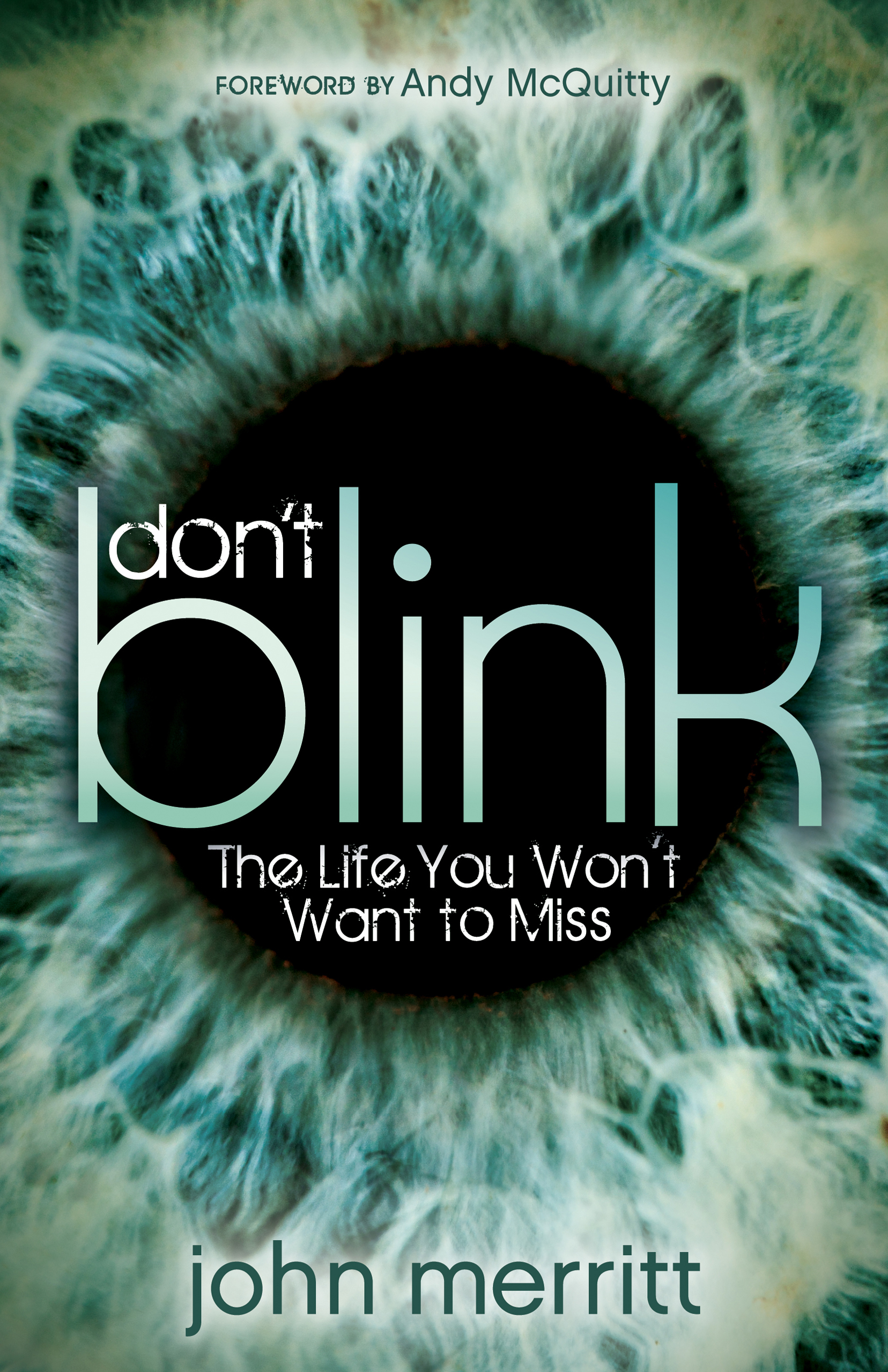
I’ve been asked questions like these numerous times in recent months. And since my first book, Don’t Blink, ready to be released in November (EBook is already available)—I thought I’d share what I loved and what I did not love about becoming an author (things you may consider if you have thoughts of becoming an author yourself).

What I loved: The actual writing of the book that took place during a six month sabbatical. I’ve always enjoyed writing, telling a story and making biblical application out of real life experiences. What I didn’t know was that writing the book was the easy part—let me tell you about the hard part.

Don’t Blink is for procrastinators, dreamers, and would-be adventurers who wish to grab hold of life this day, knowing there are no guarantees about someday. From Alaska to Argentina to the Amazon―in situations ranging from dangerous to humorous―John Merritt takes you on a daring pilgrimage revealing what living in the moment looks like. John demolishes the notion that once you become a Christian your freedoms are gone and your fun is done. Life is an extraordinary adventure elevated to audacious heights when God is leading the charge.

What I didn’t love: The first thing I didn’t love was when I was advised to hire a professional editor who proceeded to get out her electronic red pen and essentially let me know how unaccomplished my writing was. In the end I was thankful for her coaching because the result was her finally telling me, “John, you’ve found your writers voice.” But that required many tedious rewrites that took longer than the initial draft.

A second thing I didn’t love was the realization that unless I was able to find an agent willing to represent my project I had no chance of getting a publishing house to even consider my work. Finding Alice Crider (then with WordServe, now with Cook) was a God-send and was not easy. (Note: Because of the difficulty in getting an agent to represent you, self-publishing is sometimes your best option.)

A third thing I didn’t love is the months it took for my agent to find a publisher who was interested in my book (took an entire year). There are many reasons why a publisher says no to a writer but the main one is market share. Publishers are in the business of selling books, and if you are not able to prove that you have a large audience who will buy lots of books, it really doesn’t matter how good your content is.

A final thing I don’t love is all the marketing of the book I must personally do because no one else is going to do it (not even most publishers these days). Because I’m not good at social media I’ve employed a person who I’m greatly indebted to (Leah Apineru with Impact Author Services, Colorado Springs) who built and maintains my website and posts my blogs. But I’ve always hated self-promotion and leaning on my friends to get the word out—sorry!

Why I wrote it: Given that being a published author is much more difficult than I ever imagined, why did I hang in there and spend lots of my own dollars in order to get my book out there? Simply because I think it will help Christians like yourself discover that God has an adventure designed just for you that will elevate your life each day. And what elevates the purpose of the book for me is if people like yourself find the book to be a good one to pass along to your non-Christian friends who could use a different perspective of the Christian life. If the publishing of “Don’t Blink” results in spiritual explorers becoming followers of Jesus then all that I didn’t love about publishing will be worth it!

John Merritt's Don't Blink TribeToward that end, I’m looking for friends who share that same passion and will help me by reading the book and then sharing it with your friends and family members. Currently Don’t Blink is available in EBook form through Amazon, Kindle, iBookstore and Barnes & Noble Nook. The paperback is due to be released November 10 and you can pre-order a book now. If you would like to learn more about joining the tribe, email: impactauthor@comcast.net.

Please connect with me on Facebook
Google+
Twitter

Thanks everyone!
John


How to Make Offers They Can’t Refuse

clapping peopleI’ve learned a terrific lesson about social networking this summer.

If you offer, you receive.

Recently, I’ve turned my LinkedIn contact list into a fertile field of opportunity for spreading my brand by offering help to others. Sometimes, the offer is to write a guest post for a contact’s blog, or to be a last-minute guest for a radio show, or to send a free copy of one of my books because of a mutual interest. I don’t make the offer until a person I’ve invited to connect with me accepts the invitation, and then, instead of just filing their acceptance email away, I take the time to compose a personal note making my offer as a service to them.

That means I only look to connect with people who share an interest of mine, and if they accept my invitation, I then think of a personal way I might contribute to their goals. By asking first how I can help, it reminds me that my writing is my ministry, my God-given gift, and that when others succeed with my help, I’ve made a difference for them. It helps make writing not quite the solitary endeavor it tends to be, and it allows me an avenue to actually build relationships with my contacts. In an age of electronically linking up with people all over the country and the globe, any personal interaction stands out; suddenly that contact in my address book has a personality and we have a tiny bit of shared history. That’s good for people and good for business.

But the big surprise I discovered was how easy it is to offer help, and how grateful people can be. Thanks to my offers, I’ve found new ways to reach larger audiences:

  1. Though I stopped writing my own blog years ago for lack of time, I’m now providing occasional guest posts for three bloggers in the pet dog category. Each time I guest, my host includes links to my website and mentions my best-selling girl-meets-dog memoir Saved by Gracie. I interact with blog readers and expand my brand as they in turn learn more about me. Sweet!
  2. I tell every radio host I connect with that I am happy to fill in last minute if they need a guest. I’ve gotten two interviews that way – with only a day’s notice! Both programs were recorded and played to large markets. I publicized air dates on my social networks, and since they were podcasts, my – and the hosts’ – audience can continue to access them. Score!
  3. Likewise, I offer to speak at any service group’s weekly gathering (think Rotary Club) about my new project to encourage people to #getoutsidehappy! While my message promotes getting outside for greater health and happiness, it also heightens awareness of my books. I make a few sales at the gathering, but what means even more to me is spreading useful information to help people improve their lives. Win-win!

Do you use social networking to offer help?

Bad Writer, Bad Writer

Working with Me, Myself, and I isn’t always what it’s cracked up to be. Now don’t get me wrong, they’re great people, (for the most part), but when they’re bad, they’re really bad.

Every one of them has a propensity to be a bad writer. But maybe not in the way you might think.

Stop When You Are DoneThey, (me), are bad in the realm of behavior. For instance — right now I should be writing the memoir I’ve been hired to pen. It’s a fascinating story of a true miracle man, and I am honored he asked me to help him tell his true story of supernatural experiences.

I should be chomping to listen to the audio recordings of interviews we’ve done. I should be rushing to relay my time with some of the top cardiologists in the world at Mayo Clinic. But am I doing either of those things?

No.

I’m fighting myself. The part that wants to do anything BUT make the most of this once-in-a-lifetime opportunity I’ve been given. Here’s what today consisted of:

  • Earlier, I caught myself popping onto Facebook without realizing I was doing it.
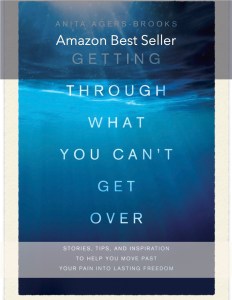
  • I keep checking the rankings of my latest release, Getting Through What You Can’t Get Over. (Granted, at this writing it’s in its twelfth consecutive week listing among Amazon’s best sellers, so it’s hard to ignore, especially when my author’s heart is thumping like a beaver tail on a warm spring day.)
  • I set up two promotional giveaways for Getting Through. One on Amazon, and one on Goodreads.
  • I accepted an invitation from a local TV station to record four, one minute devotionals. Of course, my brain started to buzz with possibility as soon as we confirmed the deal.
  • And all of this spurred a great idea for a WordServe blog post, so I had to jump over here before the inspiration leapt from my brain.

I hope you understand. I’m not saying any of the things I’m doing are wrong, in their appropriate time and setting, they are each very right. We need to stay relationally connected with our readers and our network of fellow writing professionals. It’s important to keep momentum going when a new project is launched into the world. And who doesn’t want to share great insights with our WordServe friends and family?

BreakdownBut how do I ensure I finish the project I was hired to write? First, I need to give myself a little grace. Enough to brush away unhealthy guilt, but not so much that I keep allowing poor behavior to make me a bad writer. When I give myself the level of patience I offer others, a breakthrough often follows.

I also take a few to celebrate the good things. Excellent reviews on Goodreads and Amazon. Strong sales rankings for Getting Through What You Can’t Get Over. New opportunities to spread a message of hope and healing for the hurting via television. All blessings, I couldn’t conjure or imagine — these are gifts from God. So allowing myself to express gratitude is in order. Knowing if I focus only on the gifts instead of the Gift-Giver, I’m out of line.

Finally, I set goals. A target keeps me accountable, even when Me, Myself, and I try to distract me from the work at hand. Word count — that’s the key for me. No matter how tired I am, I push toward the prize, reaching that daily word count before going to bed.

Goodreads Review Getting ThroughWith a shift in mindset, I’m now bathed in fresh discipline. A self-imposed word count waves in front of me, one I will meet before retiring. A grateful heart beats in my chest with new praise. And I’m almost done with this blog post.

As I process all of this, I realize — I’m not a bad writer, I’m a human one. At the end of the journey, it’s what connects a reader to my message. Real, authentic, raw. Word after word, step after step, Me, Myself, and I are helping change the world. All it takes is one positive review or reader response to remind me why I keep on keeping on. What I experience resonates with others — the writing comes from the living.

How Writers Can Help Other Writers

While the writing process often requires many hours of solitude in order to turn inspiration into polished paragraphs, I have found that the writing life has a social component that I enjoy. Both before and after the publication of a book, there are numerous ways writers can help each other. Here are a few I discovered:

1. Share experience: The path from hopeful writer to published author can be mysterious to someone preparing to write a first book. Another writer who has walked the path can illuminate the way, point out potential stumbling stones and highlight the important milestones on the journey.

How do you find a good literary agent? What sections belong in a book proposal? How many months does it usually take for your proposal to be accepted by a publisher? Another writer can provide information, perspective, and hope. The mystery of what it takes to achieve the dream of publishing a book becomes a clear set of goals when a more experienced writer helps someone just starting the process.

2. Facilitate connection: Another writer may be able to do much more than simply give a novice writer advice. How much better to work with a literary agent or editor that your friend recommends than to send a stack of letters to strangers. Writers who connect to other writers grow their circle of influence. The end result offsets the isolation of the writing process and helps improve the craft of writing for everyone.

3. Provide feedback: Writers can provide a level of feedback to other writers beyond that supplied by typical readers. Writers understand plot structure, style guides and arcane grammatical rules. They know the right place for a chapter break and how to write the acknowledgment section. No writer is too experienced to benefit from the insights of another writer.

4. Expand resources: When it comes time to increase readership, writers can help each other meet people at conferences, organize author events and multiply social media reach.

If you have already written a book, be generous with new authors. Write a review of a new book, mention a new author on social media, and take a photo with him or her at a writer’s conference.

5. Offer encouragement: Do you remember what it was like to wait while publishers reviewed your manuscript? Did the time from submission of your last edit to shipment of your published books seem to drag on forever? If so, you are the perfect person to offer encouragement to a new author.

If you are a new author lost in the publication process, seek out wisdom from authors who have gone before you. Learn from their mistakes and celebrate their successes. Writing does not have to be a lonely profession.

How has another writer helped you during the publication process, and how have you helped other writers in turn?

The Power of the Ask

I sometimes forget the strength of the simple. Social media is a brawny tool, but it’s sometimes vexing to figure out the best way to reach the masses using our profile platforms. That’s why a couple of informal posts I recently put up surprised me in their reach and response. I re-learned a lesson about the power of the ask.The Last Lecture by Randy Pausch

From infancy, we quickly figure out we must communicate our desires and needs in order to have them filled. A baby cries. A toddler whines. A little child begs. A teenager says, “Mommy or Daddy, please?”

If we make our requests without manipulation or ill motives, especially when we are inspired for a greater good, we generally receive what we ask for. I remember a few years ago, when I read Randy Pausch’s book, The Last Lecture: Really Achieving Your Childhood Dreams, and feeling struck when he mentioned the power of simply asking as criteria for getting what we want. The world relinquished a wise and insightful man when he lost his battle with pancreatic cancer in 2008. Randy’s book was his final gift to the world.

Randy Pausch Questions More ImportantI was reminded of The Last Lecture when two different times I asked for help on my social media platforms. My intent was to help others, but as a by-product, the information I received also helped me. I believe because my questions were genuine and sincere, my friends, fans, and followers were eager to assist.

First, as a favor to a friend who is an editor for a women’s magazine, I asked seven questions in order to find out what the hottest topics were for women today. Not only did the volume of answers surprise me, but so did the patterns they revealed. It turns out many women are struggling with similar issues–raw, real, and relevant in our 21st century culture.

My friend got the information she needed, but as a bonus, I’ve been able to share what I learned with other women with hearts to share messages that matter. The benefit I received was my own fresh insight into what sisters of today are battling, allowing me to search for answers on their behalf. All because I dared to ask.

Getting Through Amazon Best SellerThe second thing I asked for came as a result of requesting detailed and specific aid from my social media peeps. When my latest book, Getting Through What You Can’t Get Over released in late March, it enjoyed a strong opening run. The first 90 days, readers reviewed and spread the word as the message resonated with many who were hurting, or knew someone else who was. But as authors, we know the challenge of keeping our messages out there, and figuring out how to reach appropriate audiences with our words of help, healing, and hope.

So when I asked on social media for ideas and/or connections to reach chaplains for the military, hospitals, or prisons, I was again shocked at how much my friends were willing to assist. The power of the ask extended my reach, and the longevity of my book’s impact.

In a world that often feels complicated and confusing, with voices shouting, “Try this. Do that,” it’s refreshing to remember the strength of the simple. Lately, I’ve seen many ask for help in a myriad of ways on social media.Social Media Platforms

“What pediatrician do you recommend in the Denver area? Go!”

“My son got blood on my favorite yellow shirt. Can it be saved? How do you remove blood stains? Go!”

“I need a quick dish for our family reunion this weekend. What’s your fave? Go!”

These days, folks are used to being asked to help with many things. So why can’t we ask for help in sharing our messages, or to find out what messages we should share? Instead of overcomplicating it, why not enact the power of the ask?

What are your current hot topics? Do you have any insights on how/who I can spread my message of real healing and hope for the hurting? How can I help you?