Let’s Get Serious About Serials

The WordServe Water Cooler is pleased to host guest blogger Becky Doughty.

Welcome, Becky!

When I finally decided to “get serious” about my writing, I quickly discovered I had to have a platform. As so many new authors learn, platforms are hard to build, especially with fiction.

I created a website and started a blog. I found a small circle of authors who opened their ranks and let me squeeze in. We traded guest posts and gained a few more followers from each other. I blogged about my family, about my writing. I blogged about my past sins—you know, the good stuff, like witchcraft and broken marriages. That should have brought them flocking, right? I blogged about gardening and chickens and making bread and home schooling and prayer and whether or not one should blog….

EC-Collection-Cover1I created a Facebook Author page and set up my blog to automatically post there. I linked everything to Twitter, too, and created Pinterest pages with images of what my characters might look and dress like, where they might live and work.

But because I had no books published at that point, I was essentially inviting people to my fancy new restaurant and handing them menus of what they could expect to order on some ambiguous day in the future…. Then I wondered why they didn’t come back every time I announced a new dish being added to the menu.

I needed a way for my visitors to actually “sample” my wares. A serial novel.

For one year, around the 10th of each month, I blogged a 10,000 word episode of my serial novel, Elderberry Croft. Readers could “taste” my fiction for free, with a promise of more to come every time they visited.

Well, Elderberry Croft has turned out to be more than just a sampler platter on my website. It has remained one of my bestselling series and books (it now comes in a complete collection and there’s a holiday sequel, Elderberry Days) since I began publishing the episodes. It’s been my most productive method to building an eager and faithful readership.

Six Suggestions for Serious Serialists:

  1. A serial novel is not simply a novel broken up into parts. That often frustrates readers. A serial novel should be written like television episodes, each episode essentially a short story with a beginning and an end, but linked to the other episodes by a foundational storyline told over the duration of the serial, one that culminates in the final episode.
  2. Your serial novel should be the same genre in which you primarily write. It’s an excellent way to gain readers, but if you usually write historical romance and your serial novel is a dystopian sci-fi thriller, you’re going to have some disgruntled readers who come looking for more Katniss and only find Sir Liam Drake and the White Rose of Kilarney County.
  3. Write ahead. I did not always do this. Translate: There were many months I lost sleep and suffered great anguish over how I was going to pull it off.
  4. Create memorable characters and storylines, especially the main characters whose stories link the episodes. If your readers don’t care about the foundational story, one “off” episode will send them running.
  5. Post a few “extras” in between episodes to keep readers happy. In Elderberry Croft, Willow Goodhope has a thing for elderberries (imagine that!). I posted elderberry recipes and home remedies, elderberry body care products, crafts, and elderberry lore.
  6. Listen to your readers’ comments. I’m of the mindset that authors should steer clear of reviews. Reviews typically tell us more about the reader than they do about the author’s work. However, in the case of serial novels, this is a perfect opportunity to get to know what your readers like, what they want to read about, and then adjust your story accordingly!

This is a great way to publish a book. When you’ve written the final episode, gather them all up and release them in one complete collection. Voila! You have a full-length novel!

And don’t forget to take a break from “serious” now and then, and simply enjoy the journey!

What are your thoughts on serial novels? Have you ever tried to write one?

************************************************************************************************

becky-doughty-author1 Becky Doughty is the author of the best-selling Elderberry Croft series, the controversial Waters Fall, and the voice behind BraveHeart Audiobooks. Raised on the mission field among the indigenous tribes of West Papua, Indonesia, Becky’s ministry is through the written word. Her heart is for people living on the edge–that fine line where grace becomes truly amazing. Married to her champion of more than 25 years, they have three children, two of whom are starting families of their own, and they all live within a few miles of each other in Southern California. You can connect with Becky via her website, Facebook, Twitter and Pinterest.
 

Marketing a New Novel

Thanks to the WordServe Water Cooler for the opportunity to post about marketing efforts. I’ll touch on group marketing. My caveat to the readers: how you promote is highly personal. I was a psychologist for 25 years and many business professional principles apply to writing, e.g., you must do excellent work to continue to get referrals, or purchases in this case.

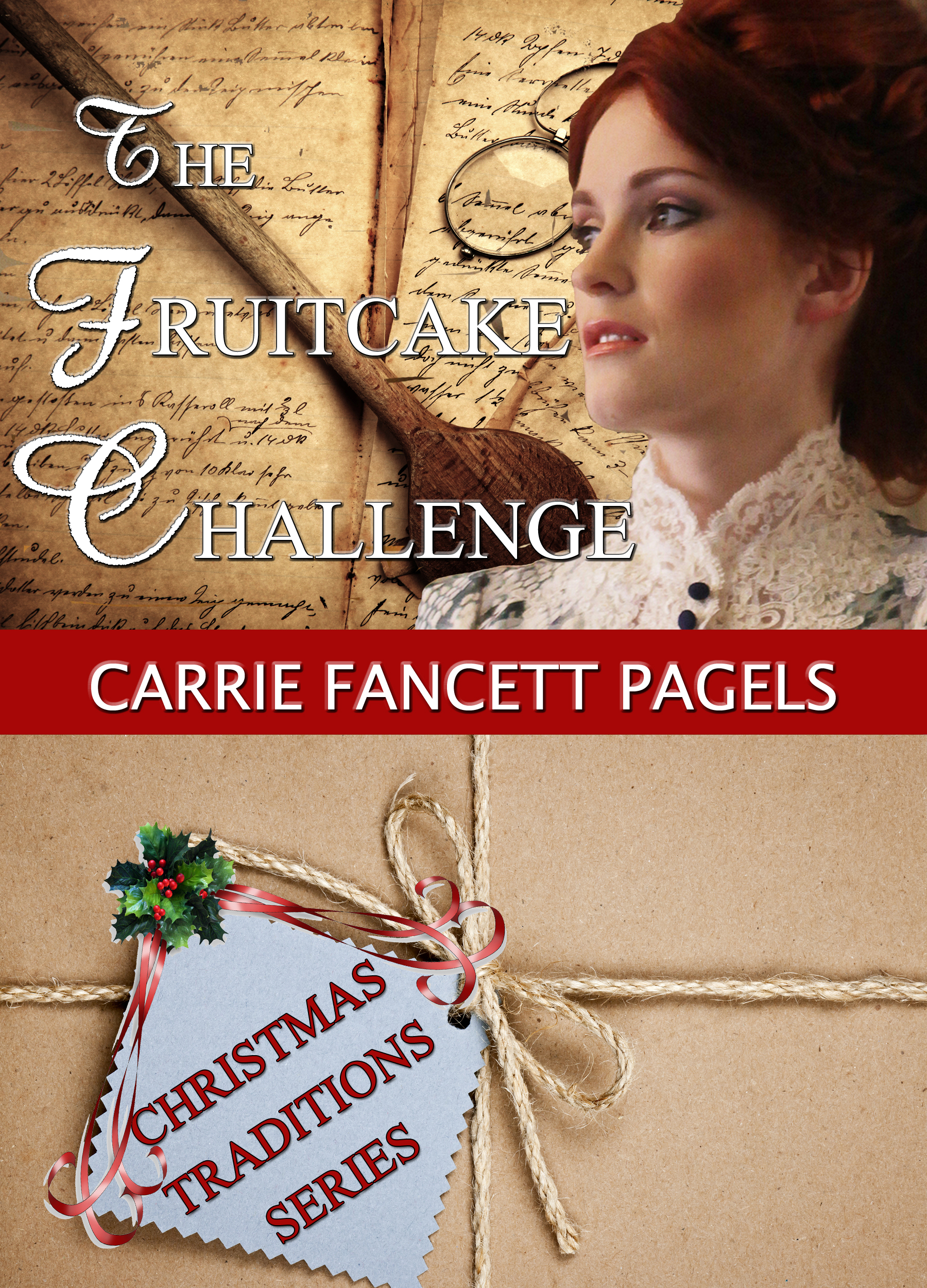
fruitcake-challenge-cover-jpgThis post is tailored to budget conscious, hybrid, and newer authors with a few releases already out. One of the advantages of having recently Indie published my novella, The Fruitcake Challenge, was that I got to see what seemed to work for me and what didn’t.

I recently posted on ACFW’s blog about cross promotional marketing and why that’s a good idea. Cross promoting should be built into your own marketing efforts. For instance, in a group publishing effort, include links to the other authors’ books in the series.

I’ve also posted about marketing for three different types of ventures including group.

Set up blog tours: Why I believe this is important (and I’d direct you to read the recent RWA RWR article about promotion.)

  1. You want to create a buzz.
  2. Readers will see if their favorite bloggers are picking up your book to read.
  3. Keeps your name in front of potential readers.
  4. May help you get on the Hot New Releases list for Amazon, which can be important.

    Blog tours also let your reading audience ENGAGE with you, which can be important. So suit up, show up, promote, and respond to commenters! If you have your own blogs  (I’m blessed to have two group blogs OvercomingwithGod.com and www.ColonialQuills.org) don’t overschedule yourself when your book launches. One to two blog visits a week works for me, for three to four months and tapering off after that. Giveaways usually help drive traffic so be prepared to give away a copy at each blog stop.

Set up a promo group: This has been the most beneficial thing I’ve been blessed with. But you have to have engaged with enough wonderful readers, reviewers, and influencers that they’d want to participate. Writing is often a lonely life. The benefits of these groups go WELL beyond any promotional efforts. These people believe in your writing and want to help you continue to do God’s work. How wonderful and humbling is that? I’ve been a member of such groups in the past for different authors and I’m grateful to now have my own bunch of pals supporting my writing efforts. Cautionary note for groups: Be fair to your fellow participants and be sure to bring in your own reader/reviewers to the group promotional page. Also, if you use Facebook, be sure to set controls so only you can approve new members.

Facebook Parties: These are a lot of FUN and help you engage with readers. You may not get you an immediate bunch of sales, but could. Don’t do this unless you can get into the spirit of things!

Radio interviews: I’m not keen on this. I can’t ever be sure, with my arthritis, how I’ll be feeling at a particular time. But if you’re able to get some spots, radio allows readers to hear your voice and your personality.

Book Signings: Another thing I dread for same reason as radio. Multi-author events do better. I do two a year—one near Christmas and another in the summer.  Paired with an event at your book’s location, this can be a blast! Last summer, I was able to do a signing at Tahquamenon Lumber Museum’s Lumberjack Festival. My “Snowed In” story in Guidepost Books, A Cup of Christmas Cheer (2013), was set in my great-grandparents log cabin, located at the museum!

Set up a private Facebook Page for the group authors. This way things that your influencers don’t really need to be bothered with are posted there.

Newsletters: These can be highly effective and reach your own primary readers to inform them of your new releases. I think a multi-author newsletter release could be amazing. Coordinating it might be a nightmare, though!

Ads: Spirit Filled Kindle is very affordable and good to use for early promotion. Book Bub is the one most hybrid authors like to use because they have an excellent rate of return, in general, but you have to do a sale in order to get the lowest price possible for their promotion. Ereader News Today is another great place for advertising with a good return on investment and with multiple options for ads.

**********************************************************************************************

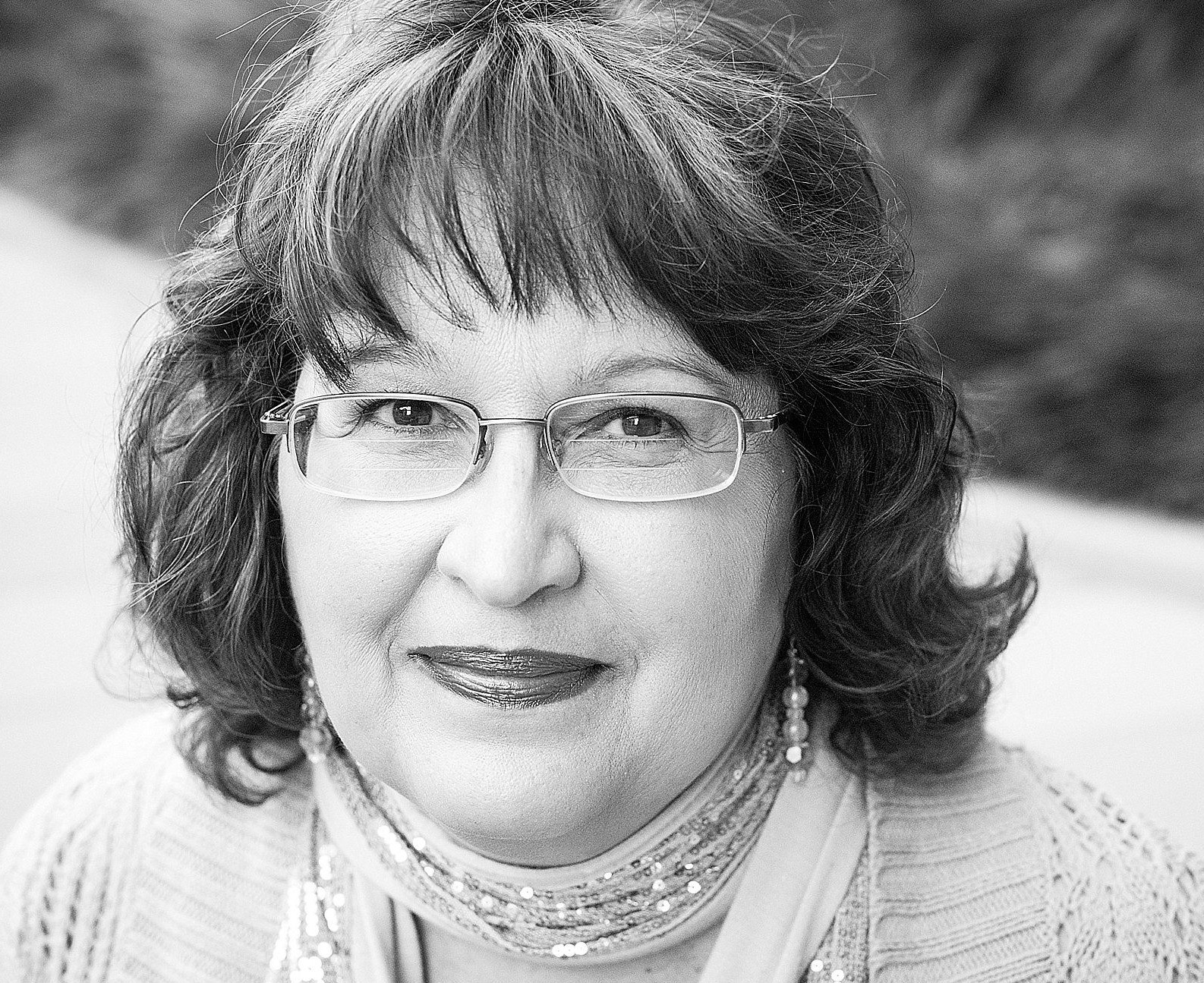
Carrie pro headshot B&W pm Carrie Fancett Pagels, Ph.D. served as a psychologist for twenty-five years. She is the author of the forthcoming publications Saving the Marquise’s Granddaughter (White Rose, 2015) and The Lumberjack Ball (April, 2015). Carrie was the 2014 Family Fiction winner for short story in the Historical Genre. The Quilting Contest is now published in an anthology. The Fruitcake Challenge and Return to Shirley Plantation: A Civil War Romance were Amazon bestselling novels. Carrie also authored the short story “Snowed In” (Guidepost Books, 2013) in A Cup of Christmas Cheer. God’s Provision in Tough Times (Lighthouse of the Carolinas, July 2013) was a Selah award finalist. Carrie gives back to the writing community by serving as blog administrator for www.OvercomingWithGod.com and www.ColonialQuills.com. You can connect with Carrie via her website at www.carriefancettpagels.com.


All. Those. Books.

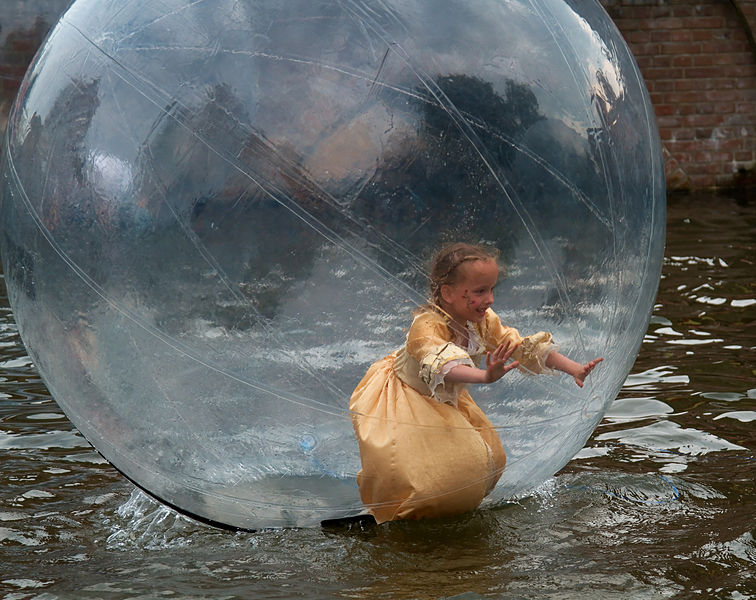
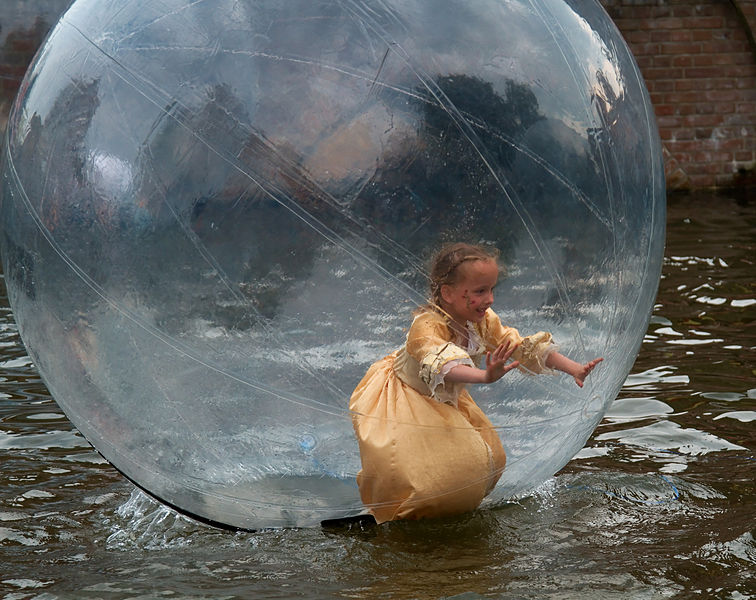
Princess in a Bubble: Sander van der Wel from Netherlands

Recently I totted up that, of the eighty or so college students I’ve taught this year (only about a half of whom were creative-writing-emphasis English majors), a good dozen have written novels. That’s a fifteen percent. They’ve completed novels, they tell me. A couple of them have written more than one.

I haven’t read any of these novels, so I can’t say if they’re any good. Judging from the student-novelists’ writing in other contexts, they’re probably not much worse than a lot of what gets published these days, but they’re probably not masterpieces.

Whether their novels are good or not, though, it seems important that there’s all this fiction-writing going on these days beside and beneath and perhaps instead of all the assignments and tests and papers and other writing that comprise a college education. I certainly wasn’t completing novels—not even short stories—back when I was their age, and I can’t think of a single classmate who was. I’ve been speculating what all these budding—nay, blossoming—young writers might mean for the state of literature in our time and for the writing community at large.

One thing that occurs to me right off is that young people these days must feel more invited and encouraged and empowered to write and publish novels than I ever was. That’s perhaps to be expected of the self-esteem building curriculum promoted in the generations between mine and theirs. I once had my seventh grade teacher’s Little Brown Handbook thrown across the room at me for chewing gum. They, on the other hand, were told they could do pretty much anything they wanted. Consequently, not a few of them went ahead and did that—which is sort of exciting, when you think about it.

Students these days are also very motivated to write. By what? one wonders. One incentive would surely be the myriad publishing opportunities available to writers these days. Several of my students have published their work online and two have paid to have their work published by what we used to call a vanity presses. Publishing has become something anyone can do, at any stage of life, often with little or no investment of resources beyond the time it took stole from a few games of online poker.

Due_sportelli_di_libreria_con_scaffali_di_libri_di_musicaAnother motivation could be the greater variety of subgenres popular with kids nowadays. When I was young, girls read Nancy Drew as tweens, then progressed directly to the classics (Austen, the Brontës, for me Defoe and Dickens); boys who read mostly read adventure or sci-fi then stopped; and everyone liked the odd fantasy stand out like J. R. R. Tolkien. Nowadays, bookstores and libraries have separate young adult sections with whole shelves of mystery/thrillers, even more shelves of fantasies, plus equally popular subgenres we never heard of in my day: apocalyptic, dystopian, historical fiction, alternative historical fiction, cyberpunk, steampunk, contemporary, Christian contemporary, romance, LGBT romance, Amish teen romance. . . The world of fiction these days is like a map of the brain: so much stuff going on, so much new vocabulary you need to even talk about it.

Then there are the novel-writing success stories: J. K. Rowling and her napkin, Christopher Paolini writing Eragon at fifteen, the almost immediate transformation of their and other books popular with young people into big screen movies. It looks so easy nowadays, writing a book. A flick of the pen and you’re there.

I guess the thing that fascinates me most about the novelists among my students is not their license and motivation to write or even the astounding investment of time involved but the enthusiasm they must bring to the fiction-writing enterprise: to prefer it over other more age-appropriate entertainments—such as, for me at their age, hanging out with friends, cooking, reading, learning aikido, making ceramic pots, scavenging my natural and suburban surroundings for sea urchins and kumquats, sewing.

(For them, playing video games, watching YouTube, poking their cellphones? Maybe it’s that. The screen-squinching narrowness of their entertainment alternatives. Writing has become their life before they’ve even had lives, I’m supposing. Although I’d have to read their books to know for sure.)

From everything I’ve heard in the news lately, reading’s on the wane, but writing sure isn’t. Either that or the students at Christian universities like mine are way different—more creative and prolific, harder working, more hip to the possibilities out there—than their secular peers. I’m guessing they’re not all that different, though. I’m guessing my anecdotal fifteen percent of kids these days—perhaps more!—are writing books in lieu of reading them (or maybe in addition to reading them, since somebody’s got to be reading all those cyberEpiscopalian dystopian romances) and will soon be filling the shelves and movie marquees with their opuses.

It’s becoming my new writerly nightmare. Used to, bookstores scared me. All. Those. Books! All that competition for readers. Now it’s them. My students. Our kids. Our kids’ kids.

This isn’t a very encouraging post, I fear, for fellow writers—especially those of a certain age—so let me just close with a little remediation in the self-esteem training some of us missed out on: Don’t. Give. Up. If they can do it, we can too!

Writing with a Hook

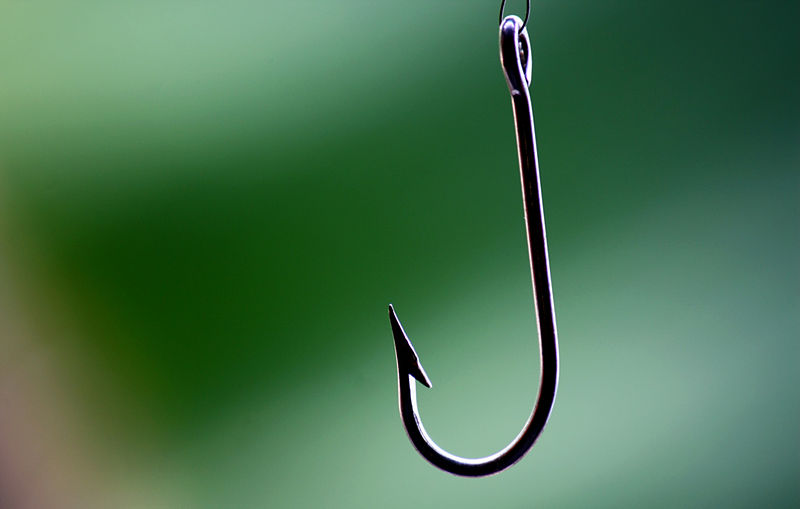
What will make your book fly off the shelves? A good story, high quality writing or a strong Fish-hookvoice won’t help you unless readers know your book exists.  And for that, you need such an interesting premise that readers around the country are chatting up your book. In other words, you need a hook.

Yes, the dreaded hook word. I’ve heard about for years, but it seemed rather elusive. But recently, I’ve been studying my bookshelves to find some broad categories of hooks, and it’s getting clearer. Here are a few concepts I’ve found.

  • Give beloved fairytales, historical figures, novels or paintings center or side stage. The Beekeeper’s Apprentice (Sherlock Holmes), While Beauty Slept (Sleeping Beauty), The Girl with a Pear Earring (Vermeer’s painting), Dear Mr. Knightley (a love for all things Jane Austen) and The Constant Princess (Henry VIII’s first wife) are all examples. Readers want to spend time with favorite characters and art.
  • Tie the story together with a hobby. Ordinary hobbies such as knitting and cooking can certainly draw in readers who enjoy knitting or cooking themselves, but if you can find a twist, this will make it stand out from the crowd. For example, in The Language of Flowers, two characters with a love of gardening send each other messages not with notes, but with flowers, each delivery carrying a symbolic meaning only they understood. Unique hobbies can give your story a little flash as well – i.e., custom shoe design or wild life rescue.
  • Allow readers to vicariously do something they’ve always wanted to do. I bought Forgotten because it was about a character who, after being stranded in Africa for several months, returns to find that her job, her romance and her apartment are all gone. She’ll have to recreate her life. Spoiler alert: the book did not live up to its promise of the heroine of getting a life makeover, but that promise is what made me buy it. What other deep seated desires will connect you to readers?
  • Create zinger beginnings or zinger twists. When an old man in the prologue of The Lost Wife tells a wedding guest she looks familiar, and at last figures out that she was his wife just before the Nazis invaded Prague, that certainly sent readers to Amazon’s checkout cart (me included). In Half Brother, a boy arrives home to find his mother holding a baby chimpanzee, and that’s interesting enough to catch a reader’s attention. Burying a zinger in the middle of the book is a harder sell, since it’s not something readers will see when they browse. But if it’s good enough, it can certainly get people talking about your book.
  • Start with vulnerable characters at risk. The little boy locked in the cupboard in Sarah’s Key is a great example of this. But even more ordinary risks – a teen without adult love or support (Dandelion Summer) or a Puritan woman being coerced to marry a man she doesn’t trust (Love’s Pursuit) are good draws. Readers only need to hear the concept to feel they need to see the character to safety.
  • Create a character the world depends on. High stakes Tom Clancy type novels where the character must stop nuclear bombs from detonating or bring an end to a plague outbreak, or fantasy novels where the hero/heroine holds the key to the coming war (Lord of the Rings, Blue Sword) are examples.
  • Begin the story with profound emotion readers can connect with. Remember, readers don’t know the story or the characters yet, so it must be something they can easily connect with. In Coldwater Revival, the heroine is apparently stillborn at birth, but begins to breathe with the loving attention she receives from her father. In If You Find me, a girl sees her father for the first time a decade after she was kidnapped.

Think about what made you pick up your last book, or even better, what had you chatting up the book to every reader you knew? Once you’ve found the quality that made it so compelling, you’ve probably found the hook.

Stupid Marketing Tips

stupidmarketingideasSo, here I was.

Sitting here, trying to think of a fabulous post about marketing books.

The thing is, the “m” word tends to bring up fabulous pictures in my head of those middle of the night moments when one of my children come to me, saying, “Mommy, my tummy hurts–” then proceeds to vomit all over my side of the bed and floor, at times giving me and my PJ’s a good dousing as well.

I, uh, am not the biggest fan of marketing, if you can’t tell.

I take that back. I LOVE the idea of marketing. I KNOW it is needed and I LOVE the bi-product of it: my books being known by people and being PURCHASED by people.

Maybe it just brings back bad middle school memories of trying to get people to like me when I was a pimple-faced, slightly overweight, 4-eyed and teeth-gapped teenager…. the thought of trying to get people to like my books (thereby, it feels like, ME) still creates that knee-jerk reaction to curl up on my bed with chocolate and a romance novel to take me to another place.

But enough about my traumatic teen years.

Marketing is hard for a LOT of writers. Maybe we can WRITE some fantastic marketing copy, but getting out there and trying to peddle books out of our comfort zone is HARD! (Those of you who find it super easy… feel free to market mine too. I won’t mind!)

But in putting ourselves out there, it’s also common to get tripped up by some really BAD marketing ideas, in an absence of good ones.

I remember when I first started researching publishing back in 2007 after I’d completed my first novel. I was searching online tips for getting an agent/editor to look at your book. One place touted the value of STANDING OUT in the slush pile. Print that proposal on colored paper! Use FUN fonts with lots of bolds and italics! Send goofy gifts that relate to your book in the mail to that editor. (one example was a baby shoe for a book about babies…??) Make them be like, WOW, this person is really SERIOUS about wanting to be published!

I laughed, then decided I would probably NEVER be published because no way, no how, would I ever sink that low to use silly gimmicks.

Then I found a few agent blogs that suggested that when they got those out-of-the-norm proposals, they were immediately trashed for their stupidity.

PHEW!

The same goes with marketing. Creativity is a MUST, but sometimes in the name of creativity, we stumble on ideas that can be counterproductive.

Here are just a few things I’ve seen over the past 8-ish years I’ve been on this journey–that have made me NOT want to read a book.

1.) THE WORLD IS ENDING! THIS BOOK IS YOUR ONLY SALVATION! Maybe not those words exactly, but scare tactics or broad, unsubstantiated claims does not a good marketing plan make. “THIS BOOK WILL CHANGE YOUR LIFE FOREVER.” (different than saying something a little more docile like life-changing fiction, etc) “GOD WANTS YOU TO READ THIS BOOK!” (let HIM tell me that, thank you!) Sure, you might get some saps to buy it, but you probably won’t find publishing success with this type of marketing for books.

2.) BUY MY BOOK (five minutes later) BUY MY BOOK (five minutes later) BUY MY BOOK (repeating 100 times per day!) Over posting on social media is a hard one, because there is a fine line. We NEED to be bold and proud of our books and market them on social media, no doubt. However, tact is needed. When my Facebook newsfeed is filled with 6 different posts by the same author marketing the same book all in the same day? It’s a good way to get yourself unfriended or at least blocked. Your Facebook marketing should draw people in, not annoy them.

3.) I MEAN, YOU DID BUY MY BOOK, RIGHT? Guilting people into buying your book is uncool. We all have different budgets and different reading tastes. I’ll readily admit, there are some writing friends I have (who will remain nameless) that I haven’t purchased their books. Why? Partially because I’m a broke mom of 4 kids trying to make a living as a writer. HA HA! But also, I have my writing friends than I have time. The idea of marketing is to ENTICE them to read your book, not twist their arm.

4.) NOTHING. This is the stupidest idea of all. Just not doing anything because you’re afraid of it. It’s the one I’m most guilty of. Oh, I market, but I’ll get an idea and think, ‘Oh, no, that’d totally bomb” and move on. Just like in publishing, sometimes you have to fail a few (or a hundred…) times before you find that golden ticket/agent/editor/marketing scheme. But if you just sit back, cross your fingers and toes, and hope your books sell? Yeah. That is the WORST marketing idea of them all!

A Side of Faith - front only(putting a picture of my book of my most recent book release as well as a link to purchase it is an example of a not-as-stupid marketing idea… as is to mention that my next book, A Side of Hope, will be releasing later this month…. )

Four Lessons From the Speaking Circuit

Behind the back copy

For 20 years now I’ve dragged a suitcase of books from speaking event to speaking event, telling stories, signing books, listening to people in line innocently yammering on while someone else is waiting impatiently to get an autograph.

I’ve spoken from the Statehouse in Boston to a rain-tattered canopy outside a firehall while firefighters let children blast the siren, from hotel ballrooms with nearly 500 people to three people in an assisted-living home, two of whom seemed comatose by the time I’d finished my intro.

Here, then, are four bits of advice about using your speaking engagements to sell books, 19 of which I’ve written, a few of which have actually sold:

Go where you’re wanted.

I’ve spent far too much of my life trying to convince people that they should believe in me and far too little time appreciating those who do. In the last few years, though, I’ve wised up.

Push on the doors, sure. Push hard. But if they don’t open, stop pushing and go find another door that might. Don’t let your pride get in the way. It’s far more fun doing a small-time gig where people appreciate your being there than beating your head on the door of some larger or more prestigious organization or event that never will.

Partner with one person who believes in you in the community where you’re going to speak.

It was a blustery, rainy Friday night, and I had a speaking gig “up river” in a small community. I honestly wondered if anyone other than the woman who’d organized the talk would come.

After the event, I walked out to my car with more than $500 in book sales, a stomach full of homemade pie and an evening of memories with a bunch of warm, wonderful people.

Why? Because that one woman was an “influencer,” someone people along the river respected. An organizer, someone who can bring an event together. An ally, someone who believed in me.

Someone like that can do more to help your event be a success than hundreds of tweets.

Take time to get to know the place where you’re speaking or the organization you’re speaking to.

Whether you’re selling books afterward or not, this is simply the right thing to do. Why do concert crowds go nuts when some well-known performer mentions something about their town? Because people take pride in where they live and appreciate it when others do, too.

It shows respect. It shows you care. It shows that you’re not just “mailing it in.”

In one of my books, 52 Little Lessons from It’s a Wonderful Life, I devote a chapter to a simple remark that one of the heavenly angels says to Clarence Odbody before the “Angel Second Class” is sent to earth to help a desperate George Bailey: “If you’re going to help a man, you want to know something about him, don’t you?”

Take the time to know something about your audience. Don’t just do a couple of Google searches. Talk to your host. Make a few calls. Do some reporting.

Finally, be interesting.

Never have people had so many options with which to spend their time, so many excuses for not leaving their home.

So, if they’re giving up an evening for you, forget the “first, do no harm” edict inaccurately linked to the Hippocratic Oath. (By me in one book!) No, first, do not put people to sleep. Say something that people haven’t heard before. Or say it in a way they haven’t heard before. Tell jokes. Dispense information. Inspire life-changing action.

But, above all, be interesting. I recently went to an author’s event just to see what other writers do. The guy spent the entire evening reading from his book.

Yawn.

That’s the reader’s job. As writers, we should spend our time offering audiences insight that our books do not. Our stories might be the impetus that draws people to our events, but give them something more than a rehash of our book or books.

Besides, if you’re interesting, people are more apt to believe your books will be, too. And there’s no better way to be asked back.

Five Possible Reasons Why I Didn’t Endorse Your Novel

This title could also be used for a few other things. Why I didn’t influence for your novel. Why I didn’t review your novel. I’m going to go from the most important reason to the least.

Writing1I think it’s helpful to give actual reasons for this. When I first started in publishing, I felt sad and perhaps a little rejected when someone didn’t review my work or fulfill a promise they made. Now that I have 1 1/2 feet in the publishing industry (I’m one of those authors still working a “real” job on the side) I have a lot more insight into why people may opt out of my request.

#1: Time. This is definitely the number one influencer on whether or not I do any of the things listed above. It’s a reality for most authors that they are working a “real” job to support their family. It is an expectation of publishers that you build a platform, build a social media presence, and market your novel. That’s a learning curve for most so our “extra time” is spent working on learning, doing and perfecting these things. Reading for fun and helping other author’s promote their work falls to the bottom of the time consumption list. In reality, if an author did take the time to do any of these things for you, they gave up something else to do it. Be grateful . . . always.

#2: I didn’t like it. Reading is art and art is subjective. I’ve read novels by people I really liked but I didn’t love their work. If I’m good friends with them, I’ll probably provide an explanation. We as writers need to learn to emotionally separate what we put on the page from a personal attack against our person. Just because I didn’t like your book doesn’t mean I don’t like you. Also, this doesn’t hold true for all the author’s work. A good friend of mine chose not to endorse the first book of my trilogy. She kindly reviewed the subsequent books and gave glowing endorsements. If I don’t say anything to you, it’s likely because I think you can’t take criticism in a healthy way and I don’t want to deal with the fall out.

#3: The book went against my platform. This is different than #2. There are some books I’ve liked, but I couldn’t support because of the platform I’ve built– which is medical accuracy in fiction. My blog, Redwood’s Medical Edge, deals with how to write medically accurate novels. If your book has something entirely medically inaccurate, even if I love the story, I can’t endorse it. It would make me look foolish. It would be like a pro-life person endorsing a pro-choice book. In this instance, it doesn’t mean I won’t review it or even influence for it but I’ll generally comment on the medical details falling short in those cases.

#4: You sent me the book without asking. This drops you to the bottom of the list pretty quickly. If I get a book in the mail and didn’t accept a request to review it, I’ll likely not get to it. Often, it’s not something I would read anyway and I’m very picky about what I read because my “fun” reading time has been drastically cut short.

#5: The first five pages didn’t engage me.  There are plenty of books I start that are good in the beginning but leave me feeling ambivalent in the end but I do end up finishing them. However, if you don’t grab me in the first five pages, I don’t have time to get through the rest. I was recently asked to review a book that was published by a smaller press and the novel was edited (because the author credits two editors in the front of the novel) but the novel was difficult to read. Meandering, no conflict, no idea where the story was headed.

If you’re a published author (indie or traditional)– what are some reasons you’ve chosen not to read, review, influence or endorse a book?

Should Indie Publishing Be For You?

stack-letters-447578_640The average writer is no longer required to only do one form of publishing these days. When I started to investigate the literary world ten years ago, publishing houses just a few years before had started taking queries exclusively from agents and to publish your book without a publishing house was a frowned-upon shortcut for those who didn’t want to do the work on their book to make it publishable. Getting an agent to represent you was difficult as there were only a handful in the industry, but publishing houses wouldn’t look at your work without an agent and agents wanted you to come to them with a contract in hand.

Now, there are more agents than editors—all of them with projects they want to pitch to the handful of remaining houses, hoping their well-known or debut author will strike the fancy of the over-worked editor on the other side of the desk.

In consequence, agents are finding it increasingly difficult to land their talented authors and those that are landed are getting smaller deals or having to settle (which isn’t always settling depending on the author’s attitude) for a smaller house.

Publishing is far from what it used to be. Even as a reader, you can’t help noticing this fact.

So where does this leave the writer who is struggling to get picked up, is consistently being told that their product is good and has interest, but no publishing house is up for actually buying it? Are you settling to indie publish or are you giving yourself a leg up in a vastly changing industry?

First: It depends on the type of writer you are. Are you a go-getter? Are you fascinated by the publishing process and like having the control in your hands over the cover design, interior layout, editorial, content, price and release dates, just to name a few? Then indie publishing could quite possibly be for you.

Second: Indie publishing should not be your choice just because you haven’t been able to sell in a larger market. While it is often the #1 reason writers investigate this avenue, it shouldn’t be your only reason. Why? Because in our impatience to have a book published, oftentimes we can overlook the major flaws that have caused us to be rejected.  Which leads to my third point.

Third: Find out why you’ve been rejected as best you can. Is it because the publisher doesn’t think your topic will sell right now or is it a structure/voice/grammar/ability to write issues? To succeed at indie publishing, you’re still going to have to do the work, which means you better have a darn good product to release. Readers aren’t going to care if you’re publishing with a Big Five house or your own press; you write a poor story, that baby ain’t going anywhere.

Fourth: Be prepared to do the work. There aren’t any shortcuts about this: indie publishing is hard work. But then again, so is traditional publishing. There should be much wisdom taken into the decision to self-publish. If this is for you, I absolutely encourage you to get out there and get it done and I’ll be the first in line to buy your well-done product.

Self-publishing is all about the research. Research is King in this industry and knowing what you’re getting into beforehand, as best you can, is definitely Queen. Do your homework, ask those who have gone before you and succeeded and failed. On both sides of the fence. In doing this, you’ll be best prepared to make the right publishing decision for you.

Question: would you ever indie publish your books? What do you see are the pros and cons? And if you are a published indie author, what do you love or hate about the process?

Marketing Book #3 in a Series – Part Three

Three months into this marketing plan, I’ve been able to avoid a nervous breakdown, work on the edits for The Aleppo Code, and Kregel Publications is about to launch its spring marketing for the fall releases. Now is the time to pick up the pace.

SocialMediaI’m still working the basic plan:

Social Media:

  • Twitter – Daily
  • Facebook Page Posts – Daily
  • Blog Posts – Weekly
  • LinkedIn – Change Profile Monthly

Newsletter – Send out at least one Newsletter each month:

(One of my goals for the newsletter as we get closer to the launch is to use contests or other vehicles to tie the three books together as THE JERUSALEM PROPHECIES series … accelerate the idea of people thinking of them as a series.)


March – Contest: Guess two of the main scene locations used in The Aleppo Code. Some of the scenes in the first two books were The Collector’s Club and the Humanities and Social Science Library on Bryant Park, NYC; The Western Wall and Zechariah’s Tomb, Jerusalem; St. Anthony’s Monastery, Egypt; Cairn T, Loughcrew, County Meath, Ireland.

April/May – Tie in with Kregel Back List promotions.

June – Contest: What is The Most Powerful Weapon the world has ever seen?

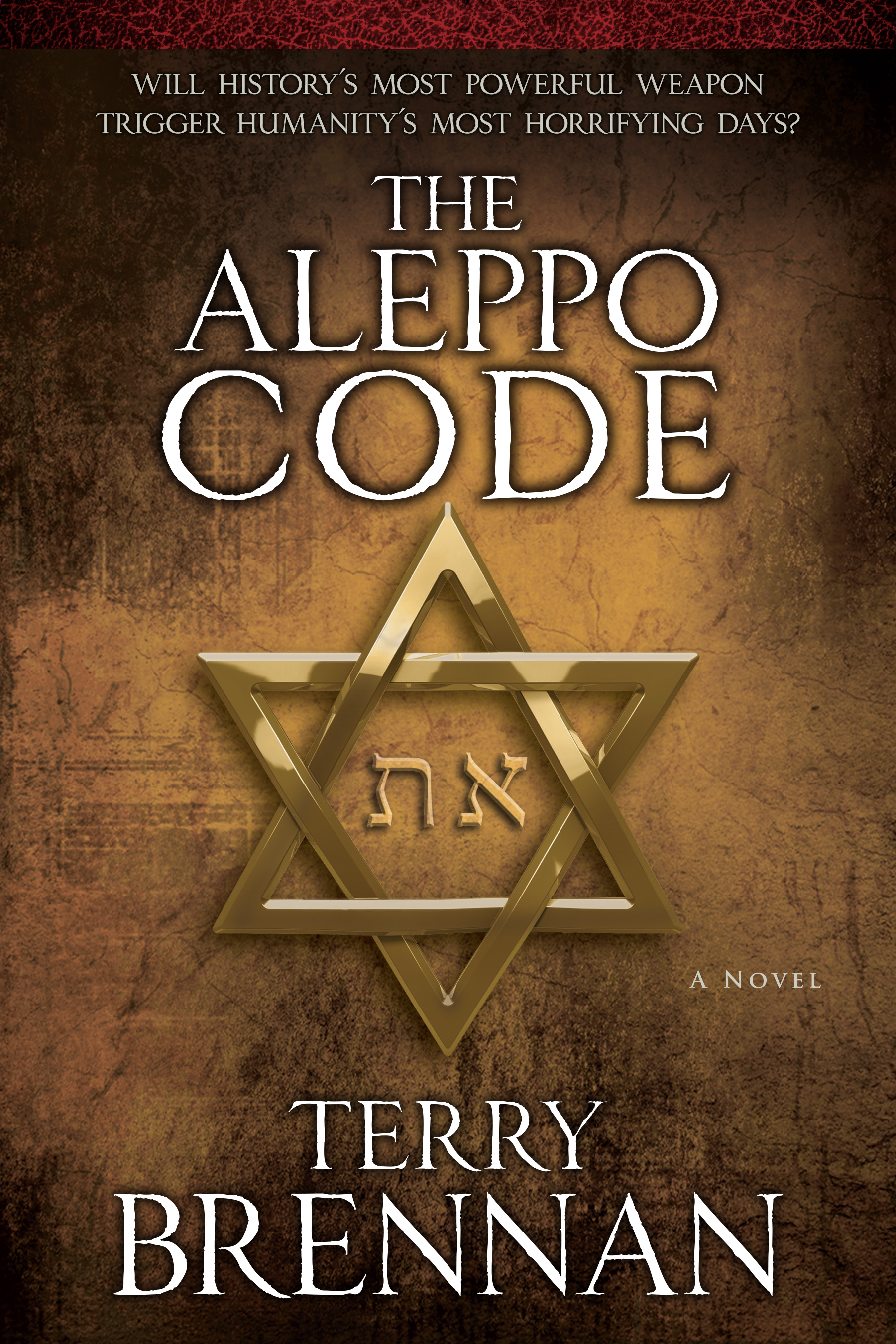
July/August – Unveil the cover of The Aleppo Code.Aleppo Code Cover

September – Promote the coming E-Book promotion from Kregel.

October – Launch date for The Aleppo Code – create some tie in to ‘Midnight Madness’ … at midnight of launch day, the first 12 people who send me an email get a free autographed copy of The Aleppo Code.

Tasks For Me to Tackle:

  • Keep my website and Facebook Author page active and current.
  • Schedule out-of-town speaking engagements for May through December, particularly in those areas where I show higher readership; (This one is a reach, but it’s worth a try.)
  • Engage services of a marketing consultant to increase my standing and visibility as an ‘expert’ speaker on events in the Middle East.
  • In the summer, begin purchasing advertising on Facebook (Goodreads? Other outlets?) and discuss with Kregel and marketing consultant how to get the most impact and best results from these ads.
  • As the launch date gets closer, recreate some of the Guerilla Marketing that I did in New York City prior to the launch of The Sacred Cipher … plaster subways and Metro North trains with The Aleppo Code postcards … when the books show up, visit every B&N in New York City area, hand out post cards, autograph the in-store books, talk to store staff about placement.
  • In September/October schedule local speaking engagements/book signings including local libraries, churches, etc.
  • Arrange in advance for on-line interviews and any other interaction I can have with bloggers, reviewers, podcast producers, etc.
  • Tasks For Kregel to Tackle:
  • Continue to actively market the new series title – THE JERUSALEM PROPHECIES – in all possible outlets.
  • A place we stumbled during the launch of The Brotherhood Conspiracy is that the reviewers on the blog tour were different than the ones used for The Sacred Cipher. Many of the early reviews started “I wish I had known this was a sequel …” For that reason, setting up an effective blog tour for The Aleppo Code is critical.

(One of the great commitments Kregel has agreed to is to strengthen the blog tour for the Aleppo Code. Under consideration is a blog tour that provides all three books for the reviewers, so they can follow the story arc of the series.)


  • Implement a Back-List promotion to drive people to book stores.
    • Create E-Book promotion for both The Sacred Cipher and The Brotherhood Conspiracy prior to the launch of The Aleppo Code.

I’ve learned a few things from creating this marketing plan and then trying to implement it. One, this marketing stuff takes a real commitment – and a lot of time. Two, it’s worth it. And, three, the work doesn’t end once the book is launched. Great … when do I get some sleep?

Have you ever developed a marketing strategy like this? What was the most successful thing you did?

Marketing Book #3 in a Series – Part Two

How to Breathe Life Into A Back-List

MarketingI’ve never been much at the marketing side of this writing business … and I was born in the wrong generation to be adept at social media.

But I knew I had to do something out of my comfort zone. My first book, The Sacred Cipher, is still going strong after five years. Sales for its sequel, The Brotherhood Conspiracy, are disappointing. With the third and last book of the series, The Aleppo Code, due for an October launch, I needed to get to work.

So I proposed a year-long marketing plan to my publisher, Kregel Publications, and asked for their support and participation. This is what I proposed for the first three months:

The Marketing Plan – December thru February:

  • Social Media:
    • Twitter – Daily
    • Facebook Page Posts – Daily
    • Blog Posts – Weekly
    • LinkedIn – Change Profile Monthly
  • Newsletter – Send out at least one Newsletter each month (I currently have over 1,000 active email addresses in my mailing list and cull it after every mailing). A regular newsletter proved to be very valuable in creating buzz for the first book:
    • December – Announce the name of the series – THE JERUSALEM PROPHECIES series; Promote the October launch of the third installment; create a giveaway offer for Conspiracy and promote it in Facebook posts and on website.
    • January – Run a contest – What will be the section titles for The Aleppo Code?
      • Put all contests up on my website and on my Facebook Page – blog post and Tweet about them;
    • February – Additional clues for the section titles contest; Promote Kregel’s month-long Book Giveaway promotion on Goodreads.com.

What Was I Willing to Do?

  • Tasks for me to tackle:
    • Look for ways to expand my marketing reach – Connect with other CBA thriller writers to cross-promote … Follow 10 journalists on Twitter … Follow 10 thriller writers on Facebook – friend them and follow them (all in progress).
    • Begin sending personal messages to my 500-plus Facebook “Friends”.
      • Ask them to “Like” my Facebook Author page and be a follower on Twitter.
      • Write 50 posts per month for 10 months leading up to Aleppo Code launch.
      • Get them all done at least 30 days prior to Aleppo launch, if possible.

Authors on Facebook

(As of January 27, I have written personal Facebook messages to 186 of my 507 Facebook “friends”, asking them to click on the link and “Like” my Facebook Author page. My “Likes” have increased from 134 to 209, up 71 in the last week – 545% from the previous week )


What Was I Asking Kregel to Do?

  • Tasks for Kregel to tackle:
    • There is no obvious link connecting the first two books into a series. I asked a lot from Kregel to help create that linkage.
      • Redesign the E-Book covers to add THE JERUSALEM PROPHECIES to the cover … or add a tag line under my name on the cover, “Author of …”
      • Create “Back Ads” in each book promoting the others … or add thumbnails of the book covers to the bottom of the back cover.

(A lot of these requests were not practical. The marketing staff at Kregel explained that it would be too confusing to make changes to the covers of the E-Books on Amazon or Barnes & Noble but not be able to make any changes to the printed books already in circulation. But they did agree to create Back Ads (pages inside the books promoting the other books in the series) in The Aleppo Code and – if it goes to another printing – in The Sacred Cipher. – Terry)


  • I also asked Kregel to implement an E-Book promotion in February for both The Sacred Cipher and The Brotherhood Conspiracy. During an E-Book promotion in January of 2014, Cipher hit #2 and Brotherhood hit #6 in all E-Book sales on Amazon for that week. Wow! Let’s do it again.

(The entire E-Book promotion I asked for in February has been moved back to coincide with the launch of The Aleppo Code. The marketing staff at Kregel explained that there is a law of diminishing returns with E-Book promotions. They did one a year ago for both books and believe postponing the E-Book promotion until the fall will benefit all three books.)

February 6th: Accelerating the Pace Down the Stretch.