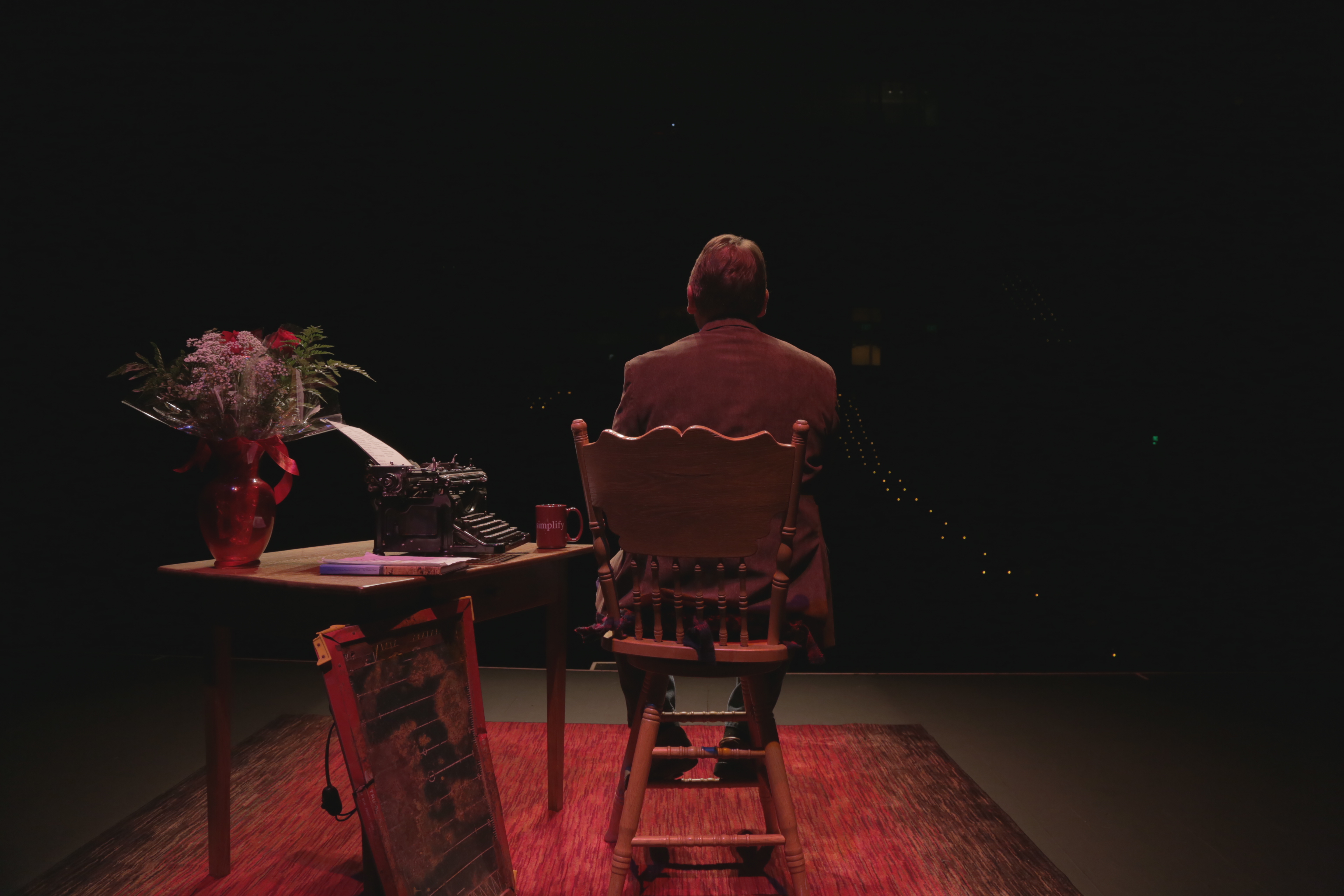
Rock Bottom

Who we are as writers is a direct result of who we are deep, deep down inside as people.

CliffWSOf course, a lot goes into making us who we are. For me, it’s the entirety of those life experiences that cause me to strive to be a better person tomorrow and vow never to return to the circumstances in which I found myself during those long ago yesterdays.

One night in particular changed everything for me. It was the night I hit rock bottom, the end of my rope, the worst night out of many, many bad ones. It was late Friday, October 2 and the earliest-morning hours of the following day in 1992, and I was in the media parking lot of North Wilkesboro Speedway.

I’d gone through the agony of a divorce back home in Nashville, and after my ex-wife remarried, my son Richard was calling another man Daddy. That was a pain unlike anything I’d ever experienced, even more than the breakup of my marriage.

I’d moved to North Carolina a few weeks before, trying to find my way into the wondrous world of NASCAR. I had no real job, no money and very nearly no home. I was being paid nothing for the stringer work I was doing — nothing for the stories I filed, no expenses, no nothing. The only thing I received was a press pass.

Having covered a race in Martinsville, Virginia the week before, I wound up sneaking food out of the press box for dinner and sleeping in my car. The plan was to do the same the next weekend in North Wilkesboro, but when I arrived, it didn’t take long to figure out that meals wouldn’t be provided to the media until race day on Sunday.

It was Friday morning, and I had not a cent to my name. Panic set in. I was devastated. Scared. Hungry. And worst of all, completely alone. There was nowhere to turn. More than two decades have passed since that day, and even now, I can smell the personal-sized pizzas other reporters were able to buy from the concession stands.

After practice and qualifying that day, I waited until every other media member left the grassy parking lot behind the frontstretch grandstands. No way did I want them to see me setting up shop for the night in my car, and in that car in particular.

The next twelve hours or so were the longest — and emptiest — of my life. I cried that night, not knowing how things were going to turn out. I was more than 400 miles away from anybody I knew well enough to ask for help. I tried to pray, but had no eloquent words. There weren’t even any complete thoughts … all I could manage was the same basic phrase, over and over again.

Oh, God … 

I was scared and saw no way out of the fix I was in.

Oh, God …

Oh, God, please … 

Oh, God …

Sleep was next to impossible. As soon as day broke, I washed off, changed shirts and walked to the garage. Not long afterward, I ran into Deb Williams, the editor of Winston Cup Scene. 

In the NASCAR world, Winston Cup Scene reigned supreme. It was The New York Times, Washington Post and Sports Illustrated of NASCAR, and its writers were the best of the best. Deb let me know a story I’d written was going to run in the next week’s issue. It wasn’t a full time job, but it was at the very least an opening. Maybe I did belong. Maybe.

I headed to the press box overlooking the track, and it was there that I encountered Jerry Lankford, a reporter for the local newspaper in Wilkes County.

“Rick, I don’t know why I didn’t tell you about this yesterday,” he began. “The family that owns the paper I work for owns another one not far from here, and they need a sports editor. Would you be interested?”

Before I could stop myself, I bellowed, “YES!!!” I didn’t ask about the details, because they didn’t matter in the  least. I didn’t ask where the paper was located — it turned out to be in a little town in the mountains of North Carolina called Sparta — or how much it paid. All I cared about was that it was a job, and even better, it was a job with an established newspaper.

Just a few days later, I had my interview. By the time I made it back “home” to the motel where I was staying, I had a call that I’d gotten the job. I was officially the sports editor for The Alleghany News. I started on October 15, 1992 and almost exactly two years later, I landed my dream gig when I was hired as a full-time staff writer for Winston Cup Scene.

Amen … amen … and amen!

Some would call it a simple coincidence that I’d learned of my story running in Winston Cup Scene and the job possibility on the morning after such a terrible, dark, lonely night. No. No way. God heard the simple prayers I prayed that night, and He honored them.

I’ve never forgotten that night. I certainly never want to go back to those kinds of circumstances again, but I don’t want them to slip entirely from my mind, either. I want to remember the bad times so I can rejoice all the more in the good. I want that kind of raw emotion to be present when I write.

Always.
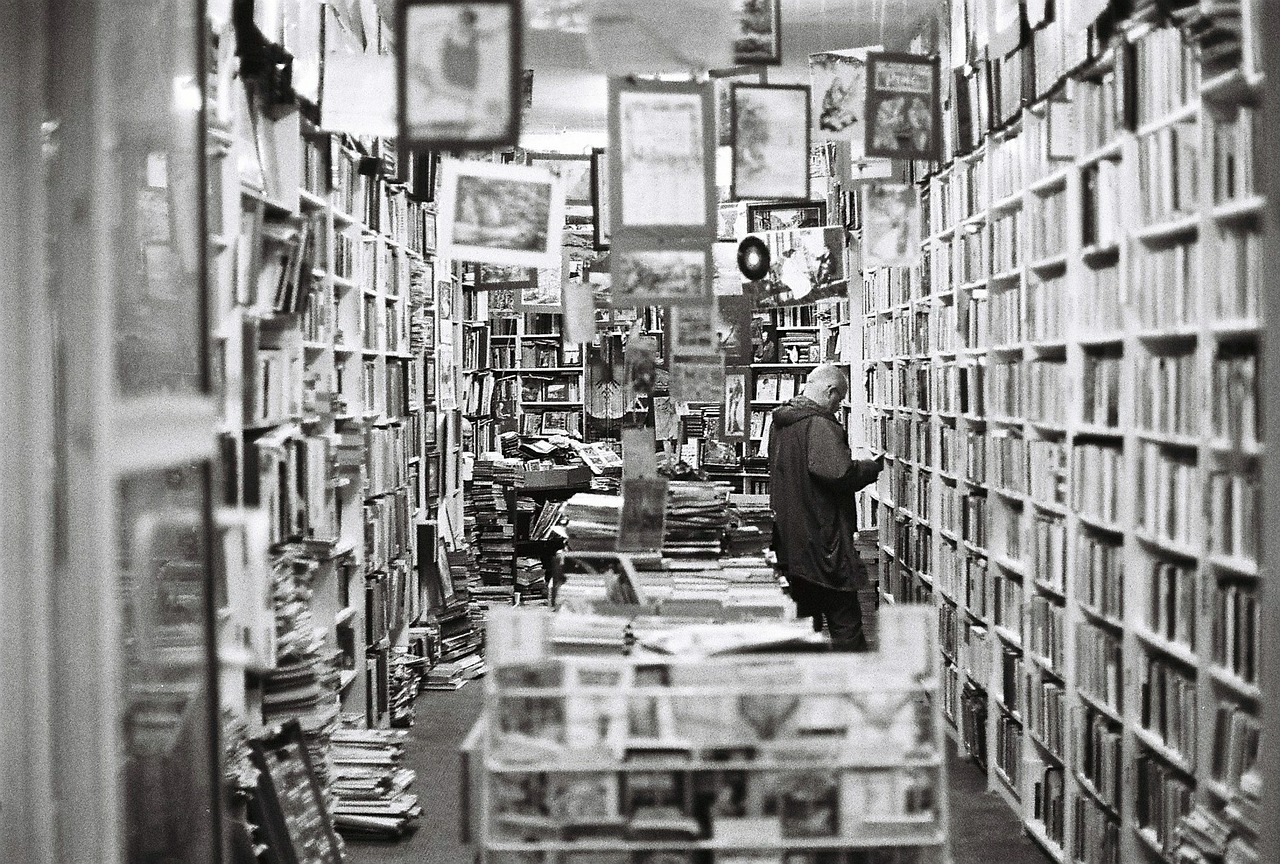
How I Discover New Books– Hint, Not in a Bookstore

It’s been said that the reason an author should stick to traditional publishing is book discoverability and distribution by way of a publisher’s marketing budget and sales staff.

bookstore-482970_1280I was fortunate to get a three-book deal with a mid-size Christian publisher who did get behind my book generously with marketing dollars. They even landed me in Sam’s Club with my first two books in hundreds of stores nationwide.

Just, why, didn’t I hit the bestseller lists? I think the books are good. Proof and Poison got starred reviews from Library Journal. Both were nominated (though never won) for awards. Lots of favorable reviews.

In fact, I might even say that landing in Sam’s Club hurt me a little. Why? The issue with Sam’s club is it’s a BIG order. It’s a risk for the publisher. If you’re not a well-known name who can move those novels many are going to get returned and your royalty report is going to look like a defaulted home loan and the bank is knocking on your door.

I began to analyze how I discover books, and does it match with the way a traditional publisher markets novels?

Sure, your best chance of getting into a bookstore is partnering with a traditional publisher but how often are you going to bookstores anymore? I used to go weekly, when they were close. There aren’t any close ones anymore. The one at the mall I would stop in while shopping for other things . . . gone . . . both of them. The closest bookstore is a 15-20 minute drive. And as NYT’s bestselling author Jamie McGuire blogs here— even she wasn’t seeing her novels in bookstores during release week.

Here is a list of how I now discover books.

1. Goodreads Reviews. Goodreads is the place for people who LOVE books and where book lovers leave reviews. I find I have more Goodreads reviews than Amazon reviews. I have close to 2,500 friends on Goodreads. Every day, I get an e-mail of their reviews. I’ve come to know whose reading tastes are similar to mine. A good review of a book will cause me to look further on Amazon. Plus, since I’m friends with so many, I get exposed to a wide variety of books outside my general reading genre (suspense) that I probably wouldn’t have heard about– even browsing bookstore aisles.

2. Amazon Lists. Amazon lists are fun to browse. Of course, there is always the 100 top paid and free Kindle lists but I also look at genre specific top 100 lists. I also pay attention to novels getting a crazy number of reviews and try and read those to see what is catching the reader’s eye. So, from my first two examples, I don’t think any author can say that reviews don’t matter . . . they do.

3. Advertising Lists. There are a couple of advertising lists that I belong to– BookBub and Inspired Reads. On these sites, you can narrow down the types of e-mails you receive to genres you like. Every day you’ll get an e-mail about books that are on sale. Bookbub lists are the primary way I’m buying books. If I see an interesting book cover then I click the buy link for Amazon and check out reviews. Based on the number of reviews, I make a decision about whether or not to buy the novel. BookBub has a very good reputation among authors that though pricey– is generally a good investment of your marketing dollars. I think the same is true with Inspired Reads for their reach/price ratio.

4. Word of Mouth. I’m like every other human being. If a good friend says, “You must read this book.” it will climb up to the top of my TBR list. The more people that say it– the more likely I am to read it. One author I’d almost given up on until a good friend said, “Just read this one. If you don’t like it, I give you permission to never read this author again.” Reading that novel changed my opinion of the author and their work.

What I find is that I’m rarely in a bookstore anymore but I’m discovering a lot more books because these things are available to me every day.

For my fall release, this is how I’m spending my marketing money. I’ll likely not be arranging bookstore book signings, but that’s a topic for another time.

How are you discovering books? Does that determine your marketing plan?

Writing With Style

All writers want to write with style. However, your publisher thinks of style less in terms of crafting words with fashion and flair and more in terms of communicating with good grammar and consistency. iStock_000003403361MediumHere are a few resources you will need as you polish your prose for publication:

1. Manual of Style:
A manual of style (MOS or MoS) is a comprehensive guide to editorial style and publishing practices. These thick books cover industry-wide or profession-wide guidelines for writing. If you are writing a book for general readership, you probably need to follow The Chicago Manual of Style. For both UK and US usage, you can turn to the New Oxford Style Manual.

If you are writing articles for newspapers or magazines, you may need The Associated Press Stylebook. If you are writing for a scientific or medical audience, you will need to use the AMA Manual of Style. Other academic fields and professions have specific manuals of style. I keep several manuals of style handy on a bookshelf near my writing desk. All of these reference books provide guidelines for grammar, citing sources and use of terms specific to that writing style. They also help you better understand the publishing process and the final layout you can expect for the piece you are writing.

2. Publisher’s Style Guide

The publishing house for your book may have its own style guide that serves as a supplement to an industry-wide manual of style. InterVarsity Press, the publisher of my book, Questioning Your Doubts: A Harvard PhD Explores Challenges to Faith, provided me with an editorial style guide that addressed how they format parts of a book and answered specific questions about grammar, punctuation, word usage and appropriate choice of abbreviations. Remember that your publisher’s style guide can overrule a more general manual of style, so always follow your publisher’s editorial direction.

3. Style Sheet

While writing a book or an article, you might find that certain words or phrases could be spelled, capitalized, punctuated, abbreviated or used in more than one way. To keep your writing consistent, create a style sheet that tracks your own or your editor’s rules for these words and phrases. This style sheet will take precedence over the more general publisher’s style guide and the industry-wide manual of style. Make a simple template with two columns: one that lists each word or rule and one that defines the style. Fill in the template as you write or receive comments from your editor.

A style sheet also can help you achieve consistency across a series of articles for the same magazine or for each book in a trilogy. It can save you time when editing your final draft by eliminating the need to look up a given rule in a larger reference work or trying to locate a particular email from your editor. With style sheets, guides and manuals helping you handle the mechanics of writing, you will have creative energy left over for the fun part of writing, such as choosing great literary devices and playing with the rhythm of a sentence. Within the constraints of proper style, your own writing voice will emerge.

Which resources have you found most helpful for keeping your writing in style?

How to Write a Nonfiction Book that Sells — Part 1

Nonfiction Readers Want in a BookYou can have the greatest book idea in the world, but if it won’t sell, what’s the point in writing it? Unless you simply want to leave a legacy for your family and friends with no concern for sharing the message with anyone else.

As a Christian author, I’m driven to offer lasting hope to those who might read my words. So it’s important I wisely choose the subjects, the titles, the content, the marketing plan, and the future books listed in my proposals. There’s a lot I still don’t know about this process, why some titles are purchased while others languish, but I’ve certainly picked up a few secrets. Some of them, I wish I’d known earlier. Maybe what I’ve learned will help someone else in the place I was a short time in the past.

  • The first and most important thing is choose your subject(s) wisely. But with so many books in existence, and a plethora of authors scrambling for attention, how do you find a fresh subject to write about? Here’s one of my secrets. I listen to others, but I also listen to myself. Both of my initial book titles came about that way. With First Hired, Last Fired, someone said to me, “Anyone can be replaced.” I automatically replied, “Is that really true?” Voila, the subtitle, How to Become Irreplaceable in Any Job Market was born as Greg’s variation from my first take on the idea of being irreplaceable at work. My second title happened when I heard myself say to someone, “You know, there are things in life we learn to get through, but no matter what anyone says, we just won’t get over.” A little tweaking and tightening later, Getting Through What You Can’t Get Over became a book that a lot of people say they or someone else needs to read.Getting Through What You Can't Get Over Book Cover

Listen to your own conversations. What scares us? What are we complaining about? What confuses us? What aha moments do we encounter and why? What works and what doesn’t? How have we discovered hope and healing? For Christian authors, what does the Bible say that’s relevant to 21st century issues, in the here and now?

  • The second most important thing is titling. I’d say the process you use to choose a topic works as well for picking a title. What grabs you? Can you turn a cliché upside down? Is there a pithy quote you can tweak to make your own and spread the message in your topic? What do you hear yourself and others say?

For subtitling, follow the advice of Alice Crider, my former coach and agent with WordServe, “Make a promise you can keep to the readers in every subtitle.” Anytime someone offers us a solution to a big problem, we’re interested. Right?

  • For this segment, I’d conclude with the power of valuable content. Slapping a few words together will not provide opportunities to grow your career as a professional author. Do your homework by reading books on writing well. Hone your craft constantly. Connect with other professionals and barter for editing/critiquing services; look for that rare mix of honesty and encouragement. Karen Barnes Jordan deserves credit for every book of mine that’s sold. You can have the best concept in the world, but if you can’t communicate it clearly, it’s lost on potential readers and they will tune you out.

In part two, I’ll share insights about marketing and future books. No proposal worth its words will sell without showing you have great message promotions in the hopper. There’s a basic formula to writing a non-fiction book that sells, the key is in following it all the way through.

What obstacles are you hitting in your efforts to sell your projects?

Creative Marketing Ideas

The WordServe Water Cooler would like to welcome guest blogger Charise Olson sharing some of her unique marketing ideas for her novel.

Welcome, Charise!

LC_TheRoaringRedwoods_compressedOne Saturday over two decades ago, I straggled into a church clutching my Diet Coke because it was way too early to do such a thing on a Saturday and I didn’t drink coffee yet. I was there for a marketing workshop. The audience members were all folks like me— working in social services and non profits, needing to promote our services.

Marketing isn’t what I went to school for and I saw it as something that had to be done, rather than a true essential part of my real work.

Sound familiar?

But that workshop all those years ago, gave me a great foundation to further serve my clients and now, as a writer, my readers.

The presenters talked about creativity and making natural connections—more than worrying about strategy or manipulation. They talked about using your passion for your cause as a launching point for your campaign. Here are two key points and some specific applications to our books:

Focus on Adding Value: Try to think about what you can offer, as opposed to what you hope to receive.

Application:

1.  I approached a local historical museum and suggested we cosponsor a book event for The Roaring Redwoods (my historical fiction set in the area). This appealed to them because it was no cost/work for them and offered something different on their calendar. This appealed to me because my event would get out to their extensive mailing list.

2. I belong to a Facebook group celebrating the time period of my project (1920s). These are all people who love my time period. Instead of posting links (“buy my book!”), I have posted pictures from my research to share. For Christmas, at my fictional Riverwood Lodge, I invited group members to suggest menu items. My project got “out there,” but in a way that was engaging and fun for the whole group. Bonus: one of the group members provided invaluable help with a plot line involving race cars.

3. Newspapers now have fewer reporters, shorter deadlines, and a need for more content. However, many are cutting their book columns. When I contact a paper, I have an article ready for print. I write the article as a feature, not an ad. Find the unique angle (local author, clever research, entrepreneur spirit) and help make their job easier.

Go to Where Your Target Audience Goes: The example from the workshop was for a group finding it impossible to reach people about good nutrition. The suggestion was to go to Farmer’s Markets and Food Banks to find people already seeking food and then share the nutritional project info.

Application:

1. Any time I see readers, I spend time trying to find a way I could market my writing in that venue. I noticed that a local coffee shop chain displays art work by local artists on a rotating basis. I asked how artists are selected, and the process was easy. I suggested that I and other local authors use our covers as an exhibit. It was then suggested we could have a reception or related event at the shop, too. Um, okay, if you insist . . .

2. My book’s setting is near a high tourist area, and what do we do on vacation? Read. So, in seeking those reading vacationers, I am placing business cards and, where possible, copies for sale at gift shops and hotel lobbies.

While these ideas may not work precisely for you and your books, I hope they illustrate how we can use our creativity and powers of observation to find new and interesting opportunities to share our work with readers. All in a way that might not feel like quite so much work for us.

What have you learned about marketing that made it easier? What unique/creative efforts have you tried? Anything you’ve wanted to try, but haven’t yet?

*************************************************************************************************

Olsen-Image-56Charise Olson writes California fiction. It’s a lot like Southern Fiction, but without all the humidity. Her historical fiction is published under the pen name Leo Colson. The Roaring Redwoods* is now available in episodes. A collection of the first five episodes will be released March 2015. It is set in 1920s California with an ensemble of characters. Love, Honor, Money…and the laws we break to keep all three.

Olson’s contemporary fiction (under her own name) will release in Spring 2015. More info and her blog Prayers and Cocktails can be found at chariseolson.com

*The Roaring Redwoods is written for the general market and does contain strong language and adult situations.

Marketing a New Novel

Thanks to the WordServe Water Cooler for the opportunity to post about marketing efforts. I’ll touch on group marketing. My caveat to the readers: how you promote is highly personal. I was a psychologist for 25 years and many business professional principles apply to writing, e.g., you must do excellent work to continue to get referrals, or purchases in this case.

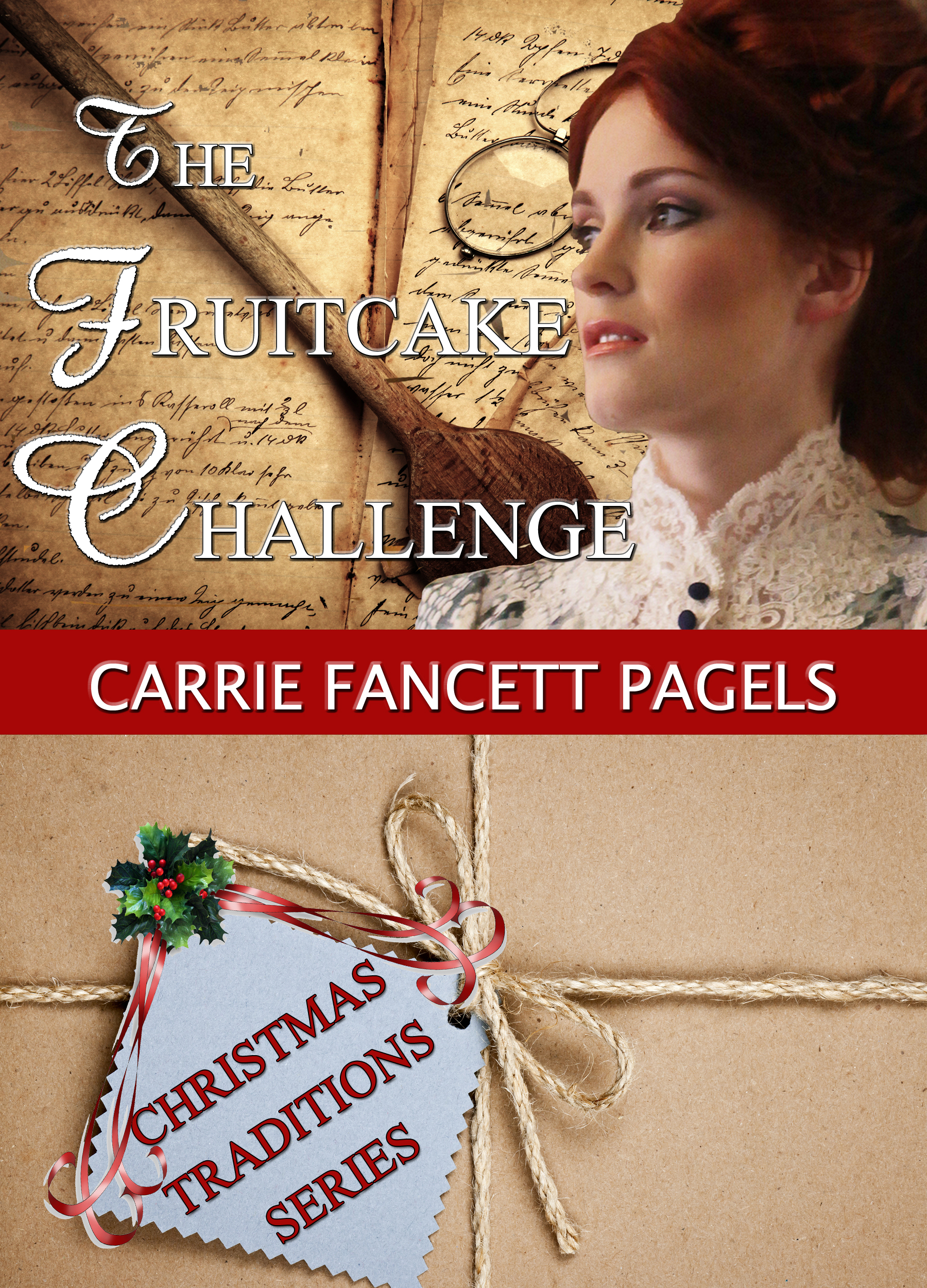
fruitcake-challenge-cover-jpgThis post is tailored to budget conscious, hybrid, and newer authors with a few releases already out. One of the advantages of having recently Indie published my novella, The Fruitcake Challenge, was that I got to see what seemed to work for me and what didn’t.

I recently posted on ACFW’s blog about cross promotional marketing and why that’s a good idea. Cross promoting should be built into your own marketing efforts. For instance, in a group publishing effort, include links to the other authors’ books in the series.

I’ve also posted about marketing for three different types of ventures including group.

Set up blog tours: Why I believe this is important (and I’d direct you to read the recent RWA RWR article about promotion.)

  1. You want to create a buzz.
  2. Readers will see if their favorite bloggers are picking up your book to read.
  3. Keeps your name in front of potential readers.
  4. May help you get on the Hot New Releases list for Amazon, which can be important.

    Blog tours also let your reading audience ENGAGE with you, which can be important. So suit up, show up, promote, and respond to commenters! If you have your own blogs  (I’m blessed to have two group blogs OvercomingwithGod.com and www.ColonialQuills.org) don’t overschedule yourself when your book launches. One to two blog visits a week works for me, for three to four months and tapering off after that. Giveaways usually help drive traffic so be prepared to give away a copy at each blog stop.

Set up a promo group: This has been the most beneficial thing I’ve been blessed with. But you have to have engaged with enough wonderful readers, reviewers, and influencers that they’d want to participate. Writing is often a lonely life. The benefits of these groups go WELL beyond any promotional efforts. These people believe in your writing and want to help you continue to do God’s work. How wonderful and humbling is that? I’ve been a member of such groups in the past for different authors and I’m grateful to now have my own bunch of pals supporting my writing efforts. Cautionary note for groups: Be fair to your fellow participants and be sure to bring in your own reader/reviewers to the group promotional page. Also, if you use Facebook, be sure to set controls so only you can approve new members.

Facebook Parties: These are a lot of FUN and help you engage with readers. You may not get you an immediate bunch of sales, but could. Don’t do this unless you can get into the spirit of things!

Radio interviews: I’m not keen on this. I can’t ever be sure, with my arthritis, how I’ll be feeling at a particular time. But if you’re able to get some spots, radio allows readers to hear your voice and your personality.

Book Signings: Another thing I dread for same reason as radio. Multi-author events do better. I do two a year—one near Christmas and another in the summer.  Paired with an event at your book’s location, this can be a blast! Last summer, I was able to do a signing at Tahquamenon Lumber Museum’s Lumberjack Festival. My “Snowed In” story in Guidepost Books, A Cup of Christmas Cheer (2013), was set in my great-grandparents log cabin, located at the museum!

Set up a private Facebook Page for the group authors. This way things that your influencers don’t really need to be bothered with are posted there.

Newsletters: These can be highly effective and reach your own primary readers to inform them of your new releases. I think a multi-author newsletter release could be amazing. Coordinating it might be a nightmare, though!

Ads: Spirit Filled Kindle is very affordable and good to use for early promotion. Book Bub is the one most hybrid authors like to use because they have an excellent rate of return, in general, but you have to do a sale in order to get the lowest price possible for their promotion. Ereader News Today is another great place for advertising with a good return on investment and with multiple options for ads.

**********************************************************************************************

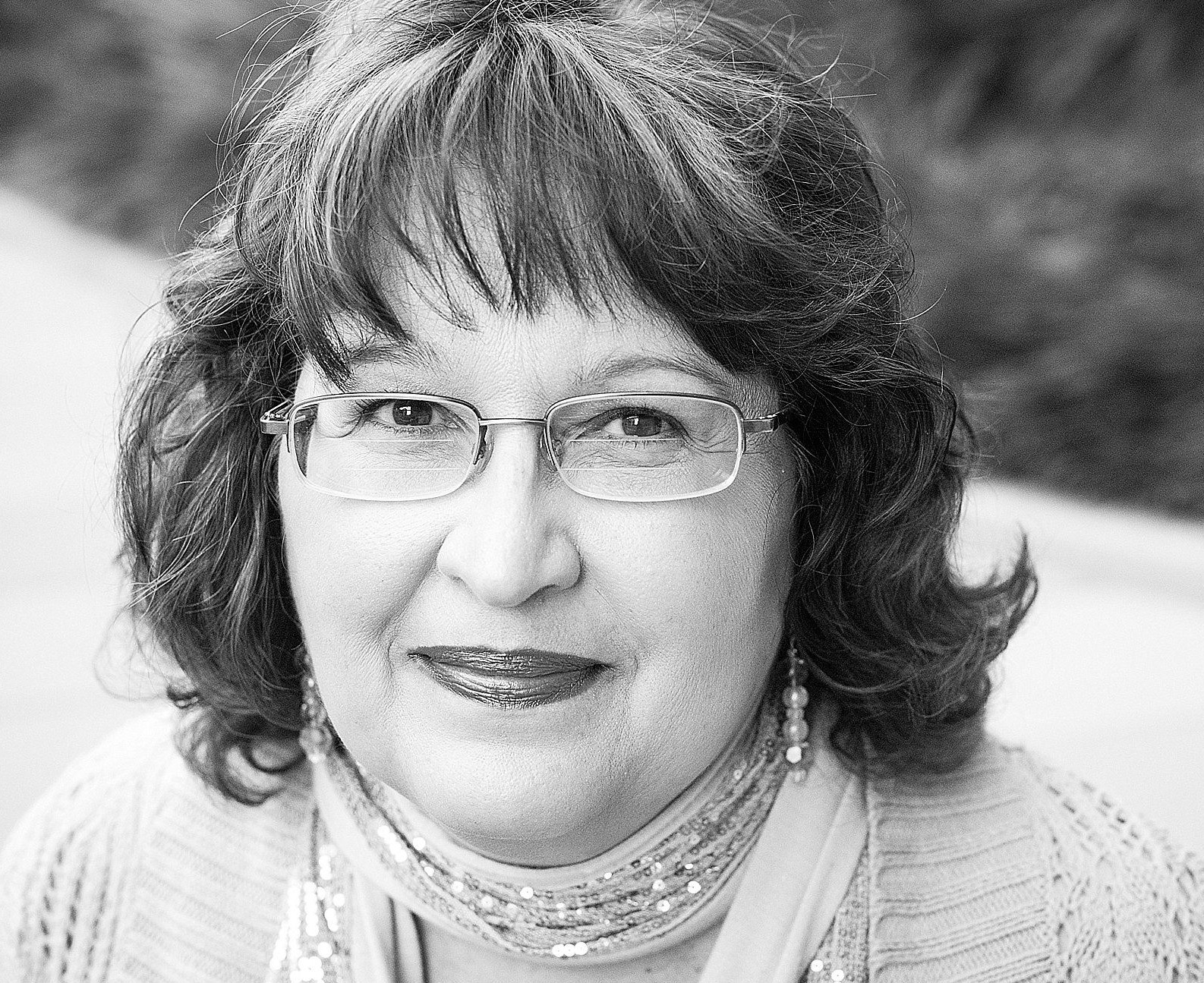
Carrie pro headshot B&W pm Carrie Fancett Pagels, Ph.D. served as a psychologist for twenty-five years. She is the author of the forthcoming publications Saving the Marquise’s Granddaughter (White Rose, 2015) and The Lumberjack Ball (April, 2015). Carrie was the 2014 Family Fiction winner for short story in the Historical Genre. The Quilting Contest is now published in an anthology. The Fruitcake Challenge and Return to Shirley Plantation: A Civil War Romance were Amazon bestselling novels. Carrie also authored the short story “Snowed In” (Guidepost Books, 2013) in A Cup of Christmas Cheer. God’s Provision in Tough Times (Lighthouse of the Carolinas, July 2013) was a Selah award finalist. Carrie gives back to the writing community by serving as blog administrator for www.OvercomingWithGod.com and www.ColonialQuills.com. You can connect with Carrie via her website at www.carriefancettpagels.com.


Three Lessons From The Abyss

We hear people say that true faith stands regardless of circumstances. It’s easy to love God when life is going well, but what about sustained faith when life is hard? Really hard. What does faith look like when our child is out of control, a parent is dying, we receive a difficult medical diagnosis, or experience betrayal by someone we trust? How do we move forward?

When my daughter fell into active drug addiction, and lived on the streets of our community as a meth addict, I was furious with God. Everything I held dear, and had come to believe in, came into question. The daily uncertainty, not to mention gigantic hole in my heart, were almost more than I could bear.

It was a painful time, and this journey of suffering taught me more than I ever wanted to learn. I’d like to share three key discoveries that helped me cope: Image, woman on beach

1. Seeking God

Even though I was angry with God, I knew I was hopeless without him. James tells us to “draw nigh to God and he will draw nigh to you.” (James 4:8) My drawing nigh became angry, desperate wails in the garage. I all but dared God to account for himself! But I soon discovered he could take it… so I kept wailing.

In desperate times we often think, when is God gonna show up and handle this? We wait for this to happen. But maybe he’s already here and just waiting for us? I discovered that drawing nigh was about me showing up… wails and all.

It was in my garage, at the end of myself and at the point of true surrender, when it became clear to me that God was already there. He spoke into my spirit and said, “Give her to me.” I frankly had to think about that for a while. I found surrender to God’s will a terrifying prospect. Yet it was freeing at the same time. Turning my daughter over to the will of God meant the outcome would not be up to me. But the truth of the matter is, it never was up to me.

2. Choosing joy

Joy is something we often think of as happening to us. You know, a passive event, some blissful occurrence or special blessing. We also sometimes think of joy, or happiness, as something we can attain when “x” happens. I’ll be happy when my child gets her act together, when my spouse shows me more attention, when the front door gets painted or that leaky faucet is fixed… when my book sales soar. I’ll be happy when.

In the darkest time of my life, I discovered I could actually choose joy. Joy came when I took my focus off of problems, off trying to change my daughter, and I set my sights on blessings. It came when I realized my life was so much bigger than any one problem in it. There is a Power, and a purpose, at work in the world that is greater than I am. It’s bigger than my pain, and bigger than my own wants and needs.

I may experience loss, grief, I may even experience suffering. But I always have God, which means I always have hope. For that I can choose joy.

3. Taking care of myself

My pastor’s wife shared not long ago in our women’s Bible study, that she has a wooden plaque in her kitchen which says, “I am here to serve with joy.” I jokingly screeched, “Get rid of that thing!”

Like I said earlier, I’m all for joy. And we are indeed called to serve. But what is often left out of the equation is self-care.

Women, especially Christian women, are notorious for poor self-care. And that was certainly true for me. We are the chief “fixer,” organizer and problem solver, prayer warrior, food preparer, and angel-to-others. Yet we often lose ourselves in the process. Therapist’s offices are filled with well-intentioned women like us who are simply overwhelmed trying to hold up the world.

Most mothers are codependent to at least some extent, and I was no exception. I was motivated by the belief that if I could just try hard enough, I could control everything and everyone, force outcomes, and then life would be ship-shape. I sometimes became so enmeshed in other people’s problems, and in “doing,” that I nearly lost myself.

I learned that self-care begins with solid boundaries, asking for help when needed, and allowing others to be responsible for their own stuff. It means saying “yes” when I want to, and probably saying “no” more often. It means my life is as important as the ones I serve.

Please share how you seek God, choose joy, and care for yourself during tough times.

Stupid Marketing Tips

stupidmarketingideasSo, here I was.

Sitting here, trying to think of a fabulous post about marketing books.

The thing is, the “m” word tends to bring up fabulous pictures in my head of those middle of the night moments when one of my children come to me, saying, “Mommy, my tummy hurts–” then proceeds to vomit all over my side of the bed and floor, at times giving me and my PJ’s a good dousing as well.

I, uh, am not the biggest fan of marketing, if you can’t tell.

I take that back. I LOVE the idea of marketing. I KNOW it is needed and I LOVE the bi-product of it: my books being known by people and being PURCHASED by people.

Maybe it just brings back bad middle school memories of trying to get people to like me when I was a pimple-faced, slightly overweight, 4-eyed and teeth-gapped teenager…. the thought of trying to get people to like my books (thereby, it feels like, ME) still creates that knee-jerk reaction to curl up on my bed with chocolate and a romance novel to take me to another place.

But enough about my traumatic teen years.

Marketing is hard for a LOT of writers. Maybe we can WRITE some fantastic marketing copy, but getting out there and trying to peddle books out of our comfort zone is HARD! (Those of you who find it super easy… feel free to market mine too. I won’t mind!)

But in putting ourselves out there, it’s also common to get tripped up by some really BAD marketing ideas, in an absence of good ones.

I remember when I first started researching publishing back in 2007 after I’d completed my first novel. I was searching online tips for getting an agent/editor to look at your book. One place touted the value of STANDING OUT in the slush pile. Print that proposal on colored paper! Use FUN fonts with lots of bolds and italics! Send goofy gifts that relate to your book in the mail to that editor. (one example was a baby shoe for a book about babies…??) Make them be like, WOW, this person is really SERIOUS about wanting to be published!

I laughed, then decided I would probably NEVER be published because no way, no how, would I ever sink that low to use silly gimmicks.

Then I found a few agent blogs that suggested that when they got those out-of-the-norm proposals, they were immediately trashed for their stupidity.

PHEW!

The same goes with marketing. Creativity is a MUST, but sometimes in the name of creativity, we stumble on ideas that can be counterproductive.

Here are just a few things I’ve seen over the past 8-ish years I’ve been on this journey–that have made me NOT want to read a book.

1.) THE WORLD IS ENDING! THIS BOOK IS YOUR ONLY SALVATION! Maybe not those words exactly, but scare tactics or broad, unsubstantiated claims does not a good marketing plan make. “THIS BOOK WILL CHANGE YOUR LIFE FOREVER.” (different than saying something a little more docile like life-changing fiction, etc) “GOD WANTS YOU TO READ THIS BOOK!” (let HIM tell me that, thank you!) Sure, you might get some saps to buy it, but you probably won’t find publishing success with this type of marketing for books.

2.) BUY MY BOOK (five minutes later) BUY MY BOOK (five minutes later) BUY MY BOOK (repeating 100 times per day!) Over posting on social media is a hard one, because there is a fine line. We NEED to be bold and proud of our books and market them on social media, no doubt. However, tact is needed. When my Facebook newsfeed is filled with 6 different posts by the same author marketing the same book all in the same day? It’s a good way to get yourself unfriended or at least blocked. Your Facebook marketing should draw people in, not annoy them.

3.) I MEAN, YOU DID BUY MY BOOK, RIGHT? Guilting people into buying your book is uncool. We all have different budgets and different reading tastes. I’ll readily admit, there are some writing friends I have (who will remain nameless) that I haven’t purchased their books. Why? Partially because I’m a broke mom of 4 kids trying to make a living as a writer. HA HA! But also, I have my writing friends than I have time. The idea of marketing is to ENTICE them to read your book, not twist their arm.

4.) NOTHING. This is the stupidest idea of all. Just not doing anything because you’re afraid of it. It’s the one I’m most guilty of. Oh, I market, but I’ll get an idea and think, ‘Oh, no, that’d totally bomb” and move on. Just like in publishing, sometimes you have to fail a few (or a hundred…) times before you find that golden ticket/agent/editor/marketing scheme. But if you just sit back, cross your fingers and toes, and hope your books sell? Yeah. That is the WORST marketing idea of them all!

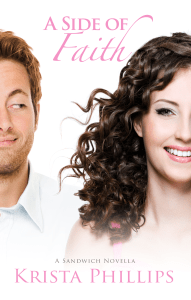
A Side of Faith - front only(putting a picture of my book of my most recent book release as well as a link to purchase it is an example of a not-as-stupid marketing idea… as is to mention that my next book, A Side of Hope, will be releasing later this month…. )

Four Lessons From the Speaking Circuit

Behind the back copy

For 20 years now I’ve dragged a suitcase of books from speaking event to speaking event, telling stories, signing books, listening to people in line innocently yammering on while someone else is waiting impatiently to get an autograph.

I’ve spoken from the Statehouse in Boston to a rain-tattered canopy outside a firehall while firefighters let children blast the siren, from hotel ballrooms with nearly 500 people to three people in an assisted-living home, two of whom seemed comatose by the time I’d finished my intro.

Here, then, are four bits of advice about using your speaking engagements to sell books, 19 of which I’ve written, a few of which have actually sold:

Go where you’re wanted.

I’ve spent far too much of my life trying to convince people that they should believe in me and far too little time appreciating those who do. In the last few years, though, I’ve wised up.

Push on the doors, sure. Push hard. But if they don’t open, stop pushing and go find another door that might. Don’t let your pride get in the way. It’s far more fun doing a small-time gig where people appreciate your being there than beating your head on the door of some larger or more prestigious organization or event that never will.

Partner with one person who believes in you in the community where you’re going to speak.

It was a blustery, rainy Friday night, and I had a speaking gig “up river” in a small community. I honestly wondered if anyone other than the woman who’d organized the talk would come.

After the event, I walked out to my car with more than $500 in book sales, a stomach full of homemade pie and an evening of memories with a bunch of warm, wonderful people.

Why? Because that one woman was an “influencer,” someone people along the river respected. An organizer, someone who can bring an event together. An ally, someone who believed in me.

Someone like that can do more to help your event be a success than hundreds of tweets.

Take time to get to know the place where you’re speaking or the organization you’re speaking to.

Whether you’re selling books afterward or not, this is simply the right thing to do. Why do concert crowds go nuts when some well-known performer mentions something about their town? Because people take pride in where they live and appreciate it when others do, too.

It shows respect. It shows you care. It shows that you’re not just “mailing it in.”

In one of my books, 52 Little Lessons from It’s a Wonderful Life, I devote a chapter to a simple remark that one of the heavenly angels says to Clarence Odbody before the “Angel Second Class” is sent to earth to help a desperate George Bailey: “If you’re going to help a man, you want to know something about him, don’t you?”

Take the time to know something about your audience. Don’t just do a couple of Google searches. Talk to your host. Make a few calls. Do some reporting.

Finally, be interesting.

Never have people had so many options with which to spend their time, so many excuses for not leaving their home.

So, if they’re giving up an evening for you, forget the “first, do no harm” edict inaccurately linked to the Hippocratic Oath. (By me in one book!) No, first, do not put people to sleep. Say something that people haven’t heard before. Or say it in a way they haven’t heard before. Tell jokes. Dispense information. Inspire life-changing action.

But, above all, be interesting. I recently went to an author’s event just to see what other writers do. The guy spent the entire evening reading from his book.

Yawn.

That’s the reader’s job. As writers, we should spend our time offering audiences insight that our books do not. Our stories might be the impetus that draws people to our events, but give them something more than a rehash of our book or books.

Besides, if you’re interesting, people are more apt to believe your books will be, too. And there’s no better way to be asked back.

Conquering the Blank Page

For most professional writers, the incessantly blinking cursor on the computer screen functions like the blank sheet of paper reminiscent of unfinished homework. This nagging reminder of the writing task awaiting completion dares the writer to rise to the challenge. On days when the needed word count looms large and inspiration falls short, I have learned to pull out my writing bag of tricks to make progress. In this bag, I keep different elements of writing. Selecting the right elements helps me conquer the blank page.

iStock_000027717935Medium

Here are the elements I keep handy in my writing bag of tricks.

Factual Information

When I am not sure how to begin writing a particular passage, I start by listing the factual information relevant to what I will be writing. Often when creating this list, I discover that I need to check a source or gather additional information. Once I have the information entered onto the page, I create an outline and sort the information into its proper place.

Dialogue

While the importance of dialogue in creative writing goes without question, nonfiction writers also should consider the place of dialogue in their passages. Dialogue between two characters adds action and excitement to a scene, drawing the reader into the story more effectively than descriptive language alone. Dialogue also forces shorter paragraphs, helping the reader move forward rapidly and read with greater ease.

When you need to illustrate a point, consider using dialogue, even if the dialogue simply conveys the thoughts going through one person’s mind. A few sentences of dialogue can serve as an ice-breaker for a section of nonfiction writing explaining a concept or offering instruction. Pepper sections of factual information with a few tidbits of dialogue and the blank page will begin to fill!

Sensory Language

Long sentences filled with too many adjectives and adverbs can bog down a reader, but a few well-chosen words that appeal to a reader’s senses can make a paragraph come alive. In everyday life, we form memories that encode the sights, sounds, smells, tastes, and textures we experience. Help your readers enter into the world of your book by supplying them with information that appeals to more than one sense. Instead of appearing dull, your factual information will sizzle with delectable style.

Transitional Phrases and Structuring Elements

By now, your blank page is nearly full. To polish what you have written, make sure that the connections between the various elements of writing are clear and smooth. Use words that convey a sense of order such as first, second, and finally. In addition, weave your thoughts together by picking up a key phrase from one paragraph and carrying it into the first sentence of the subsequent paragraph.

Each project and style of writing requires a different combination of writing elements, but if you think in terms of adding these elements one by one and then stitching them together, you will be well on your way to completing the writing task of the day.

What approaches work for you when you need to conquer the blank page?