Writing about Thanksgiving and Food

Photo/Jordan

If you decide for God, living a life of God-worship, it follows that you don’t fuss about what’s on the table at mealtimes … (Matthew 6:25 MSG).

Food, food, food! Why does everyone make such a big fuss about food during the holidays? I’m always focused on food! Either I’m overeating, dieting, or trying to feed someone else. I can’t remember one day of my life that I didn’t focus on food at some point.

So, how can my worries about food help my spiritual focus? Over the years, I’ve discovered that my hyperfocus on food is often a warning sign for a much deeper problem than just trying to meet my physical needs.

Needs. While we were seminary students, I first learned how my own worry about food could actually motivate me to seek deeper spiritual insights.

At seminary, we lived on a much lower income than most of our family and friends. Often we didn’t have enough money for the food we needed for our family.

Miracles. God used that problem to capture my attention, and I saw Him provide in miraculous ways for some of my friends. Groceries would be left on their doorsteps. Money for food would arrive in the mail. Or they would discover some random source of free food, like day-old bread or vegetables discarded from the grocery’s produce department.

Tips. Intrigued by my friends’ stories, I began to ask to God to help me find ways to deal with our food needs. And I discovered many tips for stretching my food budget with recipe ideas and coupons. My friends and I found that we could all stretch our food budgets by sharing our resources. When we gathered together for a meal, each family would bring their menu contributions.

Manna and quail. In Exodus 16:4, “God said to Moses, ‘I’m going to rain bread down from the skies for you. The people will go out and gather each day’s ration. I’m going to test them to see if they’ll live according to my Teaching or not’” (MSG).

I joked about identifying with the Israelites in the wilderness as God provided manna and quail for them to eat. But as I experienced God providing for my own family, like He did for His children in the Old Testament, I searched for more answers to my everyday problems in the Bible.

Traditions. Before my seminary days, I never thought about asking God to provide for my family’s needs, especially our food. Yes, we taught our children to express their thanks before our meals. But my prayer of thanks usually came after I had purchased groceries and prepared our meals.

So, I examined our mealtime prayers and Thanksgiving blessings. Could they simply be a family or religious tradition? Had I ever offered my mealtime prayers with a heartfelt gratitude for God’s blessings?

Diets. I still struggle with worry and my spiritual focus on food from time to time. Even now, as I try to eat a healthier diet, I realize that I must stop and ask God for direction every day–sometimes moment-by-moment–as I seek answers to my problems and needs.

As I prepare to enter into this season of Thanksgiving once again, I pray that I will remember this promise from God’s Word.

… The Lord is near. Do not be anxious about anything, but in every situation, by prayer and petition, with thanksgiving, present your requests to God. And the peace of God, which transcends all understanding, will guard your hearts and your minds in Christ Jesus. (Phil. 4:5-7 NIV)

What stories about food come to mind as you prepare for this Thanksgiving season? Have you recorded them?
Three Things I Wish I Would Have Known When I Started Writing

I still remember sitting in that very first session at my first writer’s conference. Nervous. Insecure. Excited. Then the instructor shared that dreaded statistic. It wasn’t good news.

“About one percent of writers succeed in getting published. Because most give up and drop out of the race.”

I felt liking running out of the room into the brisk autumn air. But instead of following my instincts, I stayed — and made a vow to become one of the one percent. I tell that story here.

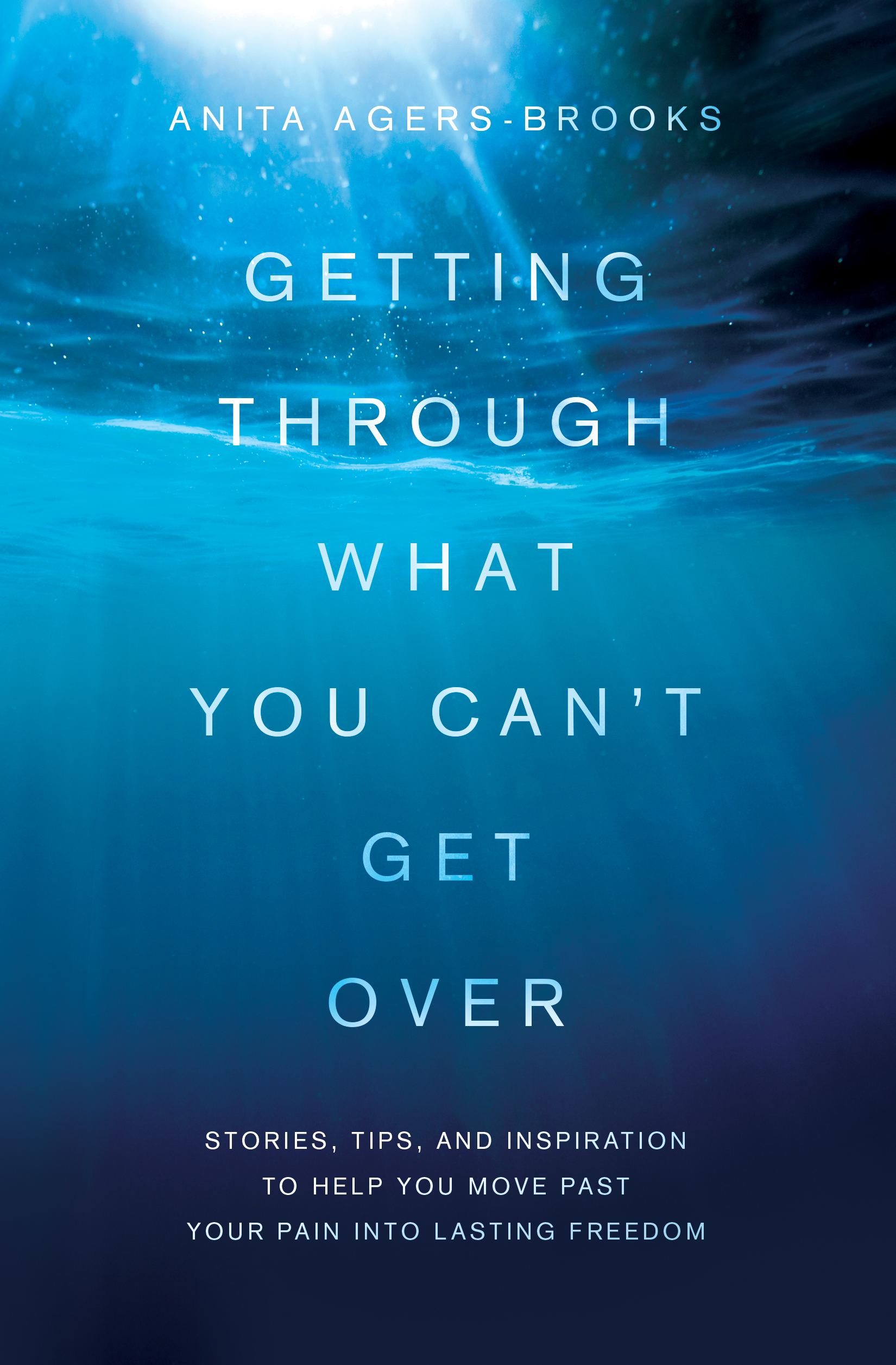
Extra ExtraSeven years later, I can report good news. I have two published books, First Hired, Last Fired: How to Become Irreplaceable in Any Job Market by Leafwood Publishing, and Getting Through What You Can’t Get Over by Barbour Publishing. A third, (one I was hired to write for someone else), will release in the spring of 2016, a new proposal is on the market, and I’ve contributed in two others. No one is more surprised than me.

Sometimes I still shake my head and give myself a pinch. Am I really a professional author and speaker now? Those dreams I journaled, those goals I put in black and white — are they truly my reality? Why, yes, they are.

It’s hard to believe only a few short years ago I seriously began to pursue my most secret desire. When I started this journey, I didn’t believe in my abilities. If I had, I wouldn’t have waited so long to get serious.

  1. What you have to contribute is just as valuable as what anyone else has to offer. Trust God’s call to write more than you trust your fears and comparisons. Dare to believe.
  2. Do something in regard to writing every day, (except your Sabbath). Research, blog, write articles, outline new proposals, brainstorm titles, interview someone, whatever it is, make sure that six days a week you are making forward motion in your writing career. But don’t discount any of it. Sometimes you will feel as if you didn’t accomplish anything because you didn’t type words into your computer, but if you conducted a new interview, or outlined a proposal, you were productive in your writing. So quit beating yourself up!
  3. Analyze all of the things you learned in past career fields, much of it will transfer to your writing career. I’m amazed at how my background in banking, accounting, marketing, and even manufacturing have given me insights and understanding about the business of professional writing. Nothing is wasted — including the time you spent doing those things. Don’t begrudge your past, express gratitude for its benefits.

Getting Through What You Can't Get Over Book CoverEach day that passes I become more comfortable in my own writing skin. I realize what I am compelled to put on a page can really help others. For instance, we’re now in the most depressing three months of the year, November through January. Getting Through What You Can’t Get Over will make an ideal gift for those who don’t know what to get someone suffering from anxiety, grief, PTSD, or depression. I can now make that statement with confidence, whereas three years ago, I wouldn’t have dared.

I guess what it all drills down to is something we hear many times as authors. It takes perseverance, tenacity, and determination to make it. If I could go back to the beginning of my career, I would encourage my newbie self to keep on keeping on every day. And there’s one particular thing I would add. I’d lean in close, cup my hand over her ear, and then I would whisper, “Never give up, buttercup. In the end, you’re going to make it. You become one of the one.”

A Writing and Publishing Journey

So John, tell me about the writing of your book. How long did it take? What did you learn about publishing? What was the most enjoyable and most the difficult part of the process?

Pastor John Merritt, Discover. The Writing Journey

I’ve been asked questions like these numerous times in recent months. And since my first book, Don’t Blink, ready to be released in November (EBook is already available)—I thought I’d share what I loved and what I did not love about becoming an author (things you may consider if you have thoughts of becoming an author yourself).

What I loved: The actual writing of the book that took place during a six month sabbatical. I’ve always enjoyed writing, telling a story and making biblical application out of real life experiences. What I didn’t know was that writing the book was the easy part—let me tell you about the hard part.

Don’t Blink is for procrastinators, dreamers, and would-be adventurers who wish to grab hold of life this day, knowing there are no guarantees about someday. From Alaska to Argentina to the Amazon―in situations ranging from dangerous to humorous―John Merritt takes you on a daring pilgrimage revealing what living in the moment looks like. John demolishes the notion that once you become a Christian your freedoms are gone and your fun is done. Life is an extraordinary adventure elevated to audacious heights when God is leading the charge.

What I didn’t love: The first thing I didn’t love was when I was advised to hire a professional editor who proceeded to get out her electronic red pen and essentially let me know how unaccomplished my writing was. In the end I was thankful for her coaching because the result was her finally telling me, “John, you’ve found your writers voice.” But that required many tedious rewrites that took longer than the initial draft.

A second thing I didn’t love was the realization that unless I was able to find an agent willing to represent my project I had no chance of getting a publishing house to even consider my work. Finding Alice Crider (then with WordServe, now with Cook) was a God-send and was not easy. (Note: Because of the difficulty in getting an agent to represent you, self-publishing is sometimes your best option.)

A third thing I didn’t love is the months it took for my agent to find a publisher who was interested in my book (took an entire year). There are many reasons why a publisher says no to a writer but the main one is market share. Publishers are in the business of selling books, and if you are not able to prove that you have a large audience who will buy lots of books, it really doesn’t matter how good your content is.

A final thing I don’t love is all the marketing of the book I must personally do because no one else is going to do it (not even most publishers these days). Because I’m not good at social media I’ve employed a person who I’m greatly indebted to (Leah Apineru with Impact Author Services, Colorado Springs) who built and maintains my website and posts my blogs. But I’ve always hated self-promotion and leaning on my friends to get the word out—sorry!

Why I wrote it: Given that being a published author is much more difficult than I ever imagined, why did I hang in there and spend lots of my own dollars in order to get my book out there? Simply because I think it will help Christians like yourself discover that God has an adventure designed just for you that will elevate your life each day. And what elevates the purpose of the book for me is if people like yourself find the book to be a good one to pass along to your non-Christian friends who could use a different perspective of the Christian life. If the publishing of “Don’t Blink” results in spiritual explorers becoming followers of Jesus then all that I didn’t love about publishing will be worth it!

John Merritt's Don't Blink TribeToward that end, I’m looking for friends who share that same passion and will help me by reading the book and then sharing it with your friends and family members. Currently Don’t Blink is available in EBook form through Amazon, Kindle, iBookstore and Barnes & Noble Nook. The paperback is due to be released November 10 and you can pre-order a book now. If you would like to learn more about joining the tribe, email: impactauthor@comcast.net.

Please connect with me on Facebook
Google+
Twitter

Thanks everyone!
John


So You Want to Write a Book

photoHave you ever experienced that awkward “oh” followed by the nodding of the head and a slight pitying glance cast your way right after you tell someone you are writing a book? Maybe it’s just me. But it happened more often than not when I shared this little secret of mine: I wanted to be an author. But not only did I want to be, I was trying to be.

Now that my third book will soon hit shelves, those pitying looks have changed to looks of surprise and some pretty fun conversations. I continue to get contacts from friends, friends of friends, and strangers asking, “How do I write a book? Will you help me?” Originally, this overwhelmed me. A lot goes into writing a book. Where do I even begin to teach this? How do I know who will be dedicated to pursue this to the end? Major shout out to the mentors who took time to teach me. The sad truth is that not everyone who wants to write a book or says they are writing a book will ever finish it or see it published.

So how do you avoid falling into this category of a “wanna-be” or “wish-I-had?” No formula is perfect, but this worked for me and this is what I give people who ask me how to start. I had a lot of missteps. I spent a lot of money on training and books. Lost a lot of sleep. Cried a lot of tears. Wondered if I could really do this. Fell in love with characters and settings. But the bottom line is…I tried. And I’m still trying. My writing journey is still a work in progress. But I am always willing to help those who try. My guess is, if you are taking the time to read this, on some level you are serious about making your dream a reality.

  1. How bad do you want this?
    • Know that this is a long journey. How bad do you want it? Have others affirmed this gifting in you (other than your mom)?
    • Ask why this story should matter to others.
  2. Learn how to develop a story.
    • Buy books. Take classes. Do writing exercises. Join a writing group.
    • Write a couple of short stories. Study dialogue, plot, character development.
  3. Brainstorm your idea.
    • Determine what research needs to take place
    • Buy books on the topic/Check out the library
    • Write down your ideas/get something on paper
  4. Start writing.
    • Most companies won’t look at your work until you are finished. Finish the book. Write, rewrite, write again.
    • When you are finished, research publishers that print in your genre. Look into agents that represent your genre.
    • Purchase tools on writing a book proposal.
    • Pray; and be ready for rejection. If this is something you really want and others have affirmed, then keep going
  5. Connect with other writers in your stage.
    • Local writer’s groups are a great beginning, and there are also some online!
    • Develop relationships with people who love story.
    • Ask people to critique what you have, and request honest, tough feedback. Then change your work accordingly.

Prayer + Passion + Perspiration = Success

Keep writing!

Letter to the Spouse of a Writer

Dear Spouse of a Writer,

Please let this letter serve as a note of gratitude. Though you committed to support this journey, I realize your spouse’s growing career might not look like what you imagined. Within six months, any dreams of grandeur probably transformed into desires for normalcy.

At this point, you might feel frustrated.

Let’s face it, your writing spouse’s hours aren’t always that great. Early starts or late runs are often on the schedule. Deadlines might mean sacrificing a date night on occasion.Old Typewriter

You probably question whether the lack of sleep is worth it, or if they’ll ever sit still and watch a movie with you again. And what’s up with the constant pecking on the keyboard?

Do they have anything to say that people want to hear? (Other than family?)

What is the goal?

Money? Can you actually make money at this writing thing?

Why would anyone pour their heart, their energy, their time, and their soul into something so hard? And why would any spouse in their right mind continue supporting it?

Let me give you three powerful reasons it benefits you to cheerlead your spouse’s crazy dream.

  1. Not only did you and your spouse become one according to the biblical definition of marriage, but your role as cheerleader, coach, and sometimes counselor, means you play a direct role in the creative process. Your spouse cannot reach their full potential without you on board. A happy writer is a thankful writer, and a thankful writer wants to give back. In other words, there is definitely something in it for you.
  2. A marriage is not whole if each partner is not given the ability to explore their healthy passions. How would you feel if your spouse tried to take away the things that made you want to get out of bed in the morning? Maybe you’re driven by golf, fishing, shopping, painting, running, or food. Whatever it is that spurs your energy — liken it to how your spouse feels about their writing. For me, reading is my obsession, while writing is my compulsion. Telling me not to write is like telling me not to breathe. By feeding our healthy passions, we are more fulfilled, energized, and interesting.Getting Through What You Can't Get Over Book Cover
  3. The payoff isn’t always calculated in dollars. If one reader is touched, their lives made better, or even saved, no amount of money compares. I’ve received emails from two readers of my latest book, Getting Through What You Can’t Get Over, who said they didn’t commit suicide because of what I wrote. Though I realize we have to put food on the table, and I work hard to do my part, I remind my husband often, “Writing is about souls more than sales.” By supporting your spouse’s desire to write, you could indirectly motivate another human being, brighten their day, inspire them, or even save their life. You and your spouse together can make a difference.

So to all the spouses of writers out there, thank you for what you do. You are the unsung heroes. Though you are often unacknowledged, you are not unnoticed. We couldn’t change the world one word at a time if you didn’t let us bounce them off of you first. We need your voice of wisdom discreetly influencing what we write.

Signed,

Another Grateful Writer

A Novelist Who Writes Non-Fiction Blogs

writing-828911_640

I love story. I love picking up a book and sinking into a character’s journey. Experiencing life and emotion through another’s perspective.

Becoming a novelist was a natural progression for me. Books became my escape from the loneliness and pain as a sensitive introvert in a family that didn’t know how to do relationship or life well. I longed for the love and connections I drank in each week as I watched Little House on the Prairie–wishing so much that I could be Laura Ingalls (though with Mary’s hair). I wanted to be loved with the depth and passion of a father like Charles Ingalls.

Fast forward many years and many choices that brought more scars to my heart. The emotional pain kept me crying out to God for relief. For help. For freedom.

And so started a journey in which God began restoring my soul. Healing brokenness and deep wounds. Bringing joy and peace. And the more healing I received, the more aware I became of the enemy’s tactics against us—God’s precious, broken sheep. And the stronger my passion to help others find the freedom I so craved when I was deep in the pit of hopelessness and shame.

So while I write fiction novels, I blog about freedom and hope.

God has gifted many of us with the power of words.

Not all are called to wield the power of words in the same way. But each of us is uniquely gifted to shine light into our patch of His garden. To hold the light high so lost and hurting sheep can find their way home.

My passion is that none would be lost. And that those who aren’t lost—those who believe in Jesus—don’t live as prisoners of war. Locked behind the enemy lines of hopelessness and fear, defeat and despair.

So many of us present smiling facades. The greater the success, the more invested we tend to be in hiding our brokenness behind shiny walls. Walls that imprison rather than protect.

Our world has evolved from front porch sitting and conversing to a place where technology is replacing face-to-face interaction.

We are designed to be seen and known and accepted in all our flawed beauty. Without that, our souls slowly shrivel while our public (and Facebook) smiles get brighter.

My desire is to encourage people to see beyond their intellectual understanding that Jesus died so we can live as overcomers, and helping them take the steps to live that as their reality. Making the promises of God a tangible daily experience rather than verses we quote but have no real belief in.

God’s desire is that we live in His promises, that His fruits fuel and flow through us. And my hope is to shed light on how to step into all that God has for us, how to kick the enemy and his lies to the curb so we become fully who He designed us to be—His spotless bride.

Six Promises When Words Fail Us

Photo/KarenJordan

What do we do when we don’t know what to say or pray?

Where can we find the words to express our thoughts and emotions?

What can we do when life places us in unbearable circumstances? Where can we go? Who do we run to? What should we cling to when we’re drowning in a sea of our sorrows? And what can we advise others who may be walking through a difficult life crisis?

My younger sister Leslea just endured another health crisis that led to life-threating surgery. My heart aches for my little sister. A single mom of three, Leslea has experienced so many unbearable tragedies and losses in her lifetime–the tragic death of her youngest child, breast cancer, and now major heart surgery. And as her older sister, I often do not know how to respond to her overwhelming needs.

As a writer, my words often fail me when I don’t know how to respond to a difficult issue. And when a friend or family member faces a tragic loss or painful failure, mere words seem inadequate to express my emotions and concerns.

Now, after surviving many trials and crises in my own life, I do know who to turn to when a crisis hits close to home. And I know who I can cling to when I’m overwhelmed by confusion and doubt. I have discovered peace and rest in a storm.

Are you searching for the words to express your thoughts or your faith? God’s Word offers us the promises we need to encourage others.

  1. Help. The Lord promises to help us when we don’t know what to say or pray. “… the Spirit helps us in our weakness. We do not know what we ought to pray for, but the Spirit himself intercedes for us through wordless groans” (Rom 8:26 NIV).
  2. Hope. The Holy Spirit offers promises of hope, even if we never understand why these things happen. “I pray that God, the source of hope, will fill you completely with joy and peace because you trust in him. Then you will overflow with confident hope through the power of the Holy Spirit” (Rom 15:13 NLT).
  3. Assurance. God’s Word provides the assurance that Jesus will bear our grief and carry our sorrows. “He suffered the things we should have suffered. He took on himself the pain that should have been ours” (Is 53:4 NIRV).
  4. Peace. God’s Word can speak peace to the storm ravaging our dreams. And He promises to throw us the lifeline of His Word. “And the peace of God, which transcends all understanding, will guard your hearts and your minds in Christ Jesus” (Phil 4:7 NIV).
  5. Confidence. We can have the confidence to know that in Christ, we will survive. And we can expect Him to provide the power we need to overcome any circumstance in our life if we trust Him with the situation. Healing and hope for the future can be found in Him. “This is the confidence we have in approaching God: that if we ask anything according to his will, he hears us. And if we know that he hears us—whatever we ask—we know that we have what we asked of him” (1 John 5:14).
  6. Rest. In Matthew 11:28-30, Jesus said, “Come to me, all who are tired from carrying heavy loads, and I will give you rest. Place my yoke over your shoulders, and learn from me, because I am gentle and humble. Then you will find rest for yourselves because my yoke is easy and my burden is light” (NOG).

Show, don’t (just) tell! As you tell others of your faith, don’t forget the power of your story. As we share our own faith stories, we invite others to see, feel, and experience what we have experienced.

Are you facing a loss, a failure, a decision, or some other difficult situation? I pray these promises from God’s Word will also give hope to you and others who may be suffering under a heavy burden.

Remember, the Lord knows your needs—even better than you do. He understands. And He wants to assure you of His presence right now and in all the days of your life.

I lift my friends up to you, Heavenly Father. I pray they will give you their heavy burdens. I thank you for your promise of rest and peace.

The Lord answered my prayer about one important concern the weekend before my sister’s heart surgery. Leslea had asked me to take her to church as she prepared for her surgery. She had been unable to attend church for years because of her job schedule. But since she was unable to work, she was free to attend church.

Since I live in a different state than my sister, I prayed that God would lead us to the right church service that Sunday. And the Lord met all of our needs that day with the perfect church, sermon, and worship experience. In fact, the words of a song, “My Heart Is Yours,” expressed Leslea’s prayers in ways I never anticipated.

How has God’s Word helped you through a difficult situation or as you responded to someone else in crisis?

On Zombies

Recently, I’ve noticed a lot of tweets and posts from friends excited about the new television season. Most of them talked about the dramas–obvious favorites. But no one mentioned my favorite:

The Walking Dead.

Here’s the thing. I have a husband and three teenage sons. I have not only missed, but probably never even been aware of, anything remotely pink-tinged or female-oriented that has been popular the last two decades. This includes Downton Abbey (gasp!), Legally Blonde (say it isn’t so!), Glee (I know, right?!), and Dancing with the Stars (oh, the shame!).

Instead, I can recite several monologues–without pause–from the Lord of the Rings trilogies by heart. I can impersonate Batman better than Christian Bale. And I *might have* wept at the new Star Wars 7 movie trailer.

Although the novels I write might be more likely to be read by women, I think my immersion in all-things-male helps my writing. (The exception would be that I tend to kill too many characters off in early drafts. Thankfully, my editors remind me I have to keep a few alive.) While I do binge read within my genre, reading and watching movies outside my genre often sparks my imagination anew, and in turn, helps refresh my writing voice and helps to keep me from writing what’s expected.

Writing what’s expected helps us avoid feeling ashamed of our art. And yet, in the same way you didn’t expect to see a title like “On Zombies” here at the WordServe Water Cooler, writing the unexpected often grabs a reader’s attention.

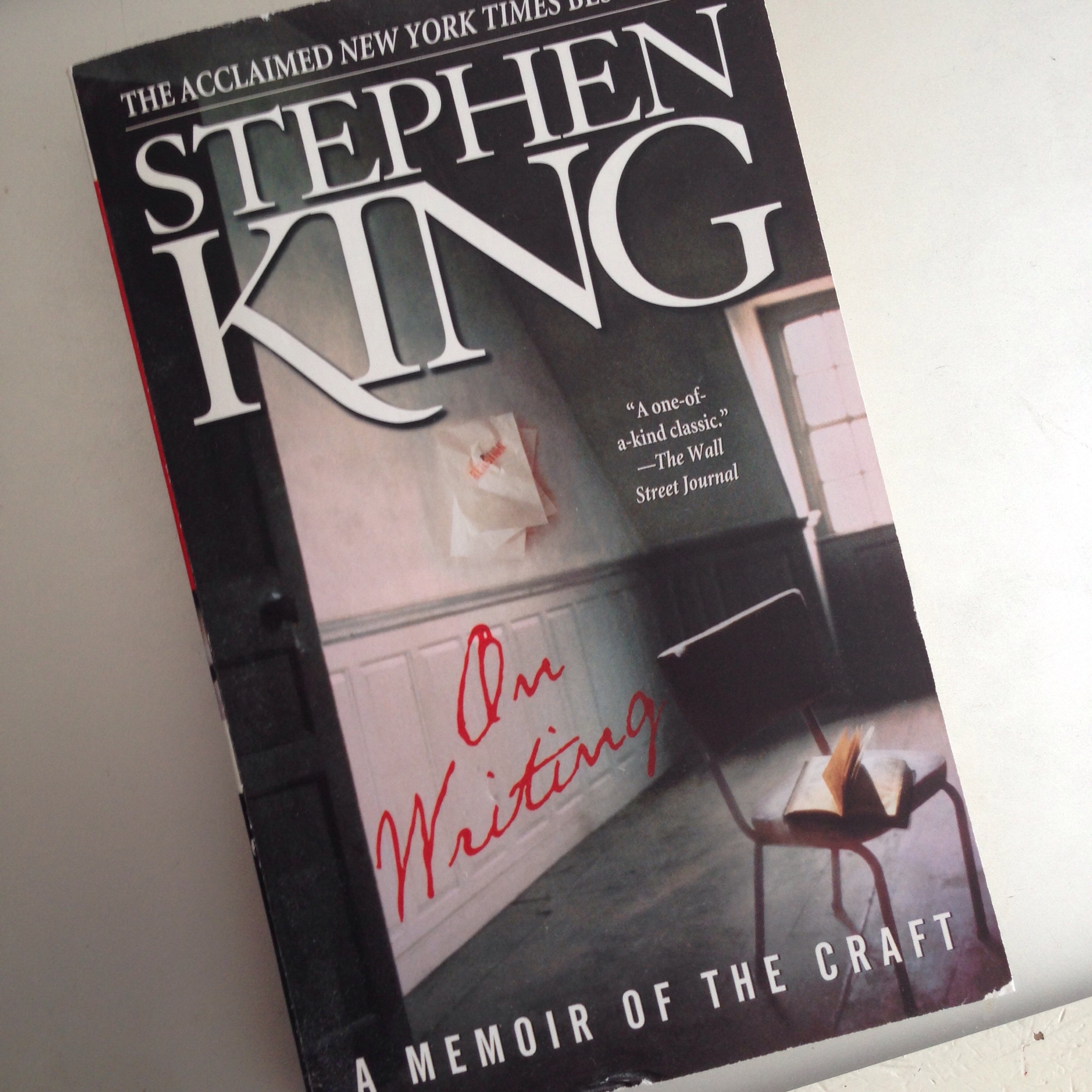
A favorite resource for many writers is Stephen King’s book, On Writing. Here’s what he says after a teacher accused him of “writing junk” and “wasting his abilities” on horror and science fiction:

“I had no answer to give. I was ashamed. I have spent a good many years since–too many, I think–being ashamed about what I write. I think I was forty before I realized that almost every writer of fiction and poetry who has ever published a line has been accused by someone of wasting his or her God-given talent. If you write (or paint or dance or sculpt or sing, I suppose), someone will try to make you feel lousy about it…”

If King had listened to that teacher, if he had not continued to think and write out-of-the-box stories, we’d really be missing out.

I’d like to challenge you to consider reading or viewing something completely unexpected for a change.

Silence the voices in your head telling you what you should write, and discover what you want to write, what compels you, what compels others in out-of-your-genre work.

In the meantime, I think I’ll go rent a copy of Legally Blonde.

How to Make Offers They Can’t Refuse

clapping peopleI’ve learned a terrific lesson about social networking this summer.

If you offer, you receive.

Recently, I’ve turned my LinkedIn contact list into a fertile field of opportunity for spreading my brand by offering help to others. Sometimes, the offer is to write a guest post for a contact’s blog, or to be a last-minute guest for a radio show, or to send a free copy of one of my books because of a mutual interest. I don’t make the offer until a person I’ve invited to connect with me accepts the invitation, and then, instead of just filing their acceptance email away, I take the time to compose a personal note making my offer as a service to them.

That means I only look to connect with people who share an interest of mine, and if they accept my invitation, I then think of a personal way I might contribute to their goals. By asking first how I can help, it reminds me that my writing is my ministry, my God-given gift, and that when others succeed with my help, I’ve made a difference for them. It helps make writing not quite the solitary endeavor it tends to be, and it allows me an avenue to actually build relationships with my contacts. In an age of electronically linking up with people all over the country and the globe, any personal interaction stands out; suddenly that contact in my address book has a personality and we have a tiny bit of shared history. That’s good for people and good for business.

But the big surprise I discovered was how easy it is to offer help, and how grateful people can be. Thanks to my offers, I’ve found new ways to reach larger audiences:

  1. Though I stopped writing my own blog years ago for lack of time, I’m now providing occasional guest posts for three bloggers in the pet dog category. Each time I guest, my host includes links to my website and mentions my best-selling girl-meets-dog memoir Saved by Gracie. I interact with blog readers and expand my brand as they in turn learn more about me. Sweet!
  2. I tell every radio host I connect with that I am happy to fill in last minute if they need a guest. I’ve gotten two interviews that way – with only a day’s notice! Both programs were recorded and played to large markets. I publicized air dates on my social networks, and since they were podcasts, my – and the hosts’ – audience can continue to access them. Score!
  3. Likewise, I offer to speak at any service group’s weekly gathering (think Rotary Club) about my new project to encourage people to #getoutsidehappy! While my message promotes getting outside for greater health and happiness, it also heightens awareness of my books. I make a few sales at the gathering, but what means even more to me is spreading useful information to help people improve their lives. Win-win!

Do you use social networking to offer help?

Bad Writer, Bad Writer

Working with Me, Myself, and I isn’t always what it’s cracked up to be. Now don’t get me wrong, they’re great people, (for the most part), but when they’re bad, they’re really bad.

Every one of them has a propensity to be a bad writer. But maybe not in the way you might think.

Stop When You Are DoneThey, (me), are bad in the realm of behavior. For instance — right now I should be writing the memoir I’ve been hired to pen. It’s a fascinating story of a true miracle man, and I am honored he asked me to help him tell his true story of supernatural experiences.

I should be chomping to listen to the audio recordings of interviews we’ve done. I should be rushing to relay my time with some of the top cardiologists in the world at Mayo Clinic. But am I doing either of those things?

No.

I’m fighting myself. The part that wants to do anything BUT make the most of this once-in-a-lifetime opportunity I’ve been given. Here’s what today consisted of:

  • Earlier, I caught myself popping onto Facebook without realizing I was doing it.
  • I keep checking the rankings of my latest release, Getting Through What You Can’t Get Over. (Granted, at this writing it’s in its twelfth consecutive week listing among Amazon’s best sellers, so it’s hard to ignore, especially when my author’s heart is thumping like a beaver tail on a warm spring day.)
  • I set up two promotional giveaways for Getting Through. One on Amazon, and one on Goodreads.
  • I accepted an invitation from a local TV station to record four, one minute devotionals. Of course, my brain started to buzz with possibility as soon as we confirmed the deal.
  • And all of this spurred a great idea for a WordServe blog post, so I had to jump over here before the inspiration leapt from my brain.

I hope you understand. I’m not saying any of the things I’m doing are wrong, in their appropriate time and setting, they are each very right. We need to stay relationally connected with our readers and our network of fellow writing professionals. It’s important to keep momentum going when a new project is launched into the world. And who doesn’t want to share great insights with our WordServe friends and family?

BreakdownBut how do I ensure I finish the project I was hired to write? First, I need to give myself a little grace. Enough to brush away unhealthy guilt, but not so much that I keep allowing poor behavior to make me a bad writer. When I give myself the level of patience I offer others, a breakthrough often follows.

I also take a few to celebrate the good things. Excellent reviews on Goodreads and Amazon. Strong sales rankings for Getting Through What You Can’t Get Over. New opportunities to spread a message of hope and healing for the hurting via television. All blessings, I couldn’t conjure or imagine — these are gifts from God. So allowing myself to express gratitude is in order. Knowing if I focus only on the gifts instead of the Gift-Giver, I’m out of line.

Finally, I set goals. A target keeps me accountable, even when Me, Myself, and I try to distract me from the work at hand. Word count — that’s the key for me. No matter how tired I am, I push toward the prize, reaching that daily word count before going to bed.

Goodreads Review Getting ThroughWith a shift in mindset, I’m now bathed in fresh discipline. A self-imposed word count waves in front of me, one I will meet before retiring. A grateful heart beats in my chest with new praise. And I’m almost done with this blog post.

As I process all of this, I realize — I’m not a bad writer, I’m a human one. At the end of the journey, it’s what connects a reader to my message. Real, authentic, raw. Word after word, step after step, Me, Myself, and I are helping change the world. All it takes is one positive review or reader response to remind me why I keep on keeping on. What I experience resonates with others — the writing comes from the living.