A Writing and Publishing Journey

So John, tell me about the writing of your book. How long did it take? What did you learn about publishing? What was the most enjoyable and most the difficult part of the process?

Pastor John Merritt, Discover. The Writing Journey

I’ve been asked questions like these numerous times in recent months. And since my first book, Don’t Blink, ready to be released in November (EBook is already available)—I thought I’d share what I loved and what I did not love about becoming an author (things you may consider if you have thoughts of becoming an author yourself).

What I loved: The actual writing of the book that took place during a six month sabbatical. I’ve always enjoyed writing, telling a story and making biblical application out of real life experiences. What I didn’t know was that writing the book was the easy part—let me tell you about the hard part.
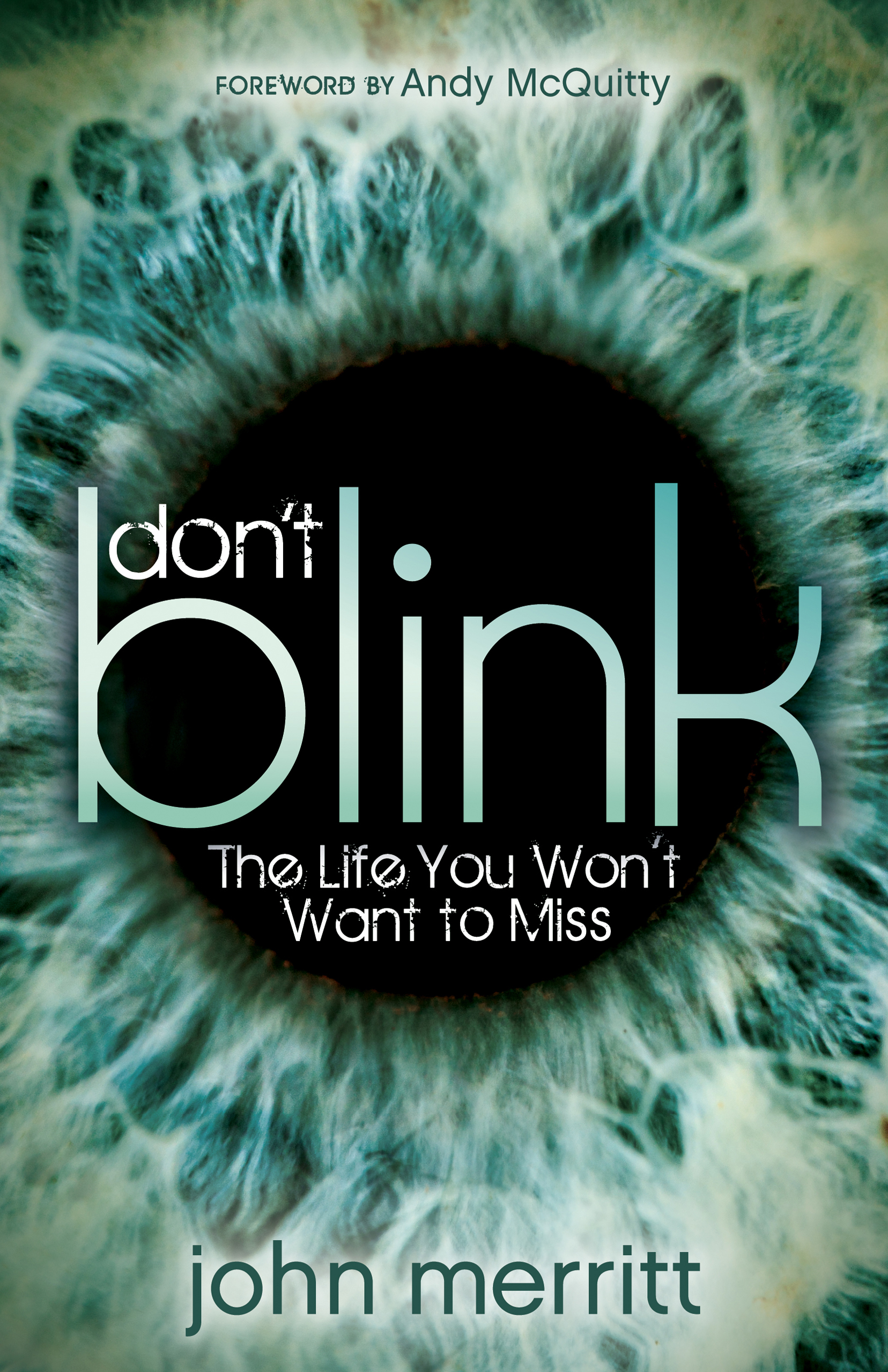
Don’t Blink is for procrastinators, dreamers, and would-be adventurers who wish to grab hold of life this day, knowing there are no guarantees about someday. From Alaska to Argentina to the Amazon―in situations ranging from dangerous to humorous―John Merritt takes you on a daring pilgrimage revealing what living in the moment looks like. John demolishes the notion that once you become a Christian your freedoms are gone and your fun is done. Life is an extraordinary adventure elevated to audacious heights when God is leading the charge.

What I didn’t love: The first thing I didn’t love was when I was advised to hire a professional editor who proceeded to get out her electronic red pen and essentially let me know how unaccomplished my writing was. In the end I was thankful for her coaching because the result was her finally telling me, “John, you’ve found your writers voice.” But that required many tedious rewrites that took longer than the initial draft.

A second thing I didn’t love was the realization that unless I was able to find an agent willing to represent my project I had no chance of getting a publishing house to even consider my work. Finding Alice Crider (then with WordServe, now with Cook) was a God-send and was not easy. (Note: Because of the difficulty in getting an agent to represent you, self-publishing is sometimes your best option.)

A third thing I didn’t love is the months it took for my agent to find a publisher who was interested in my book (took an entire year). There are many reasons why a publisher says no to a writer but the main one is market share. Publishers are in the business of selling books, and if you are not able to prove that you have a large audience who will buy lots of books, it really doesn’t matter how good your content is.

A final thing I don’t love is all the marketing of the book I must personally do because no one else is going to do it (not even most publishers these days). Because I’m not good at social media I’ve employed a person who I’m greatly indebted to (Leah Apineru with Impact Author Services, Colorado Springs) who built and maintains my website and posts my blogs. But I’ve always hated self-promotion and leaning on my friends to get the word out—sorry!

Why I wrote it: Given that being a published author is much more difficult than I ever imagined, why did I hang in there and spend lots of my own dollars in order to get my book out there? Simply because I think it will help Christians like yourself discover that God has an adventure designed just for you that will elevate your life each day. And what elevates the purpose of the book for me is if people like yourself find the book to be a good one to pass along to your non-Christian friends who could use a different perspective of the Christian life. If the publishing of “Don’t Blink” results in spiritual explorers becoming followers of Jesus then all that I didn’t love about publishing will be worth it!
John Merritt's Don't Blink TribeToward that end, I’m looking for friends who share that same passion and will help me by reading the book and then sharing it with your friends and family members. Currently Don’t Blink is available in EBook form through Amazon, Kindle, iBookstore and Barnes & Noble Nook. The paperback is due to be released November 10 and you can pre-order a book now. If you would like to learn more about joining the tribe, email: impactauthor@comcast.net.

Please connect with me on Facebook
Google+
Twitter

Thanks everyone!
John


So You Want to Write a Book

photoHave you ever experienced that awkward “oh” followed by the nodding of the head and a slight pitying glance cast your way right after you tell someone you are writing a book? Maybe it’s just me. But it happened more often than not when I shared this little secret of mine: I wanted to be an author. But not only did I want to be, I was trying to be.

Now that my third book will soon hit shelves, those pitying looks have changed to looks of surprise and some pretty fun conversations. I continue to get contacts from friends, friends of friends, and strangers asking, “How do I write a book? Will you help me?” Originally, this overwhelmed me. A lot goes into writing a book. Where do I even begin to teach this? How do I know who will be dedicated to pursue this to the end? Major shout out to the mentors who took time to teach me. The sad truth is that not everyone who wants to write a book or says they are writing a book will ever finish it or see it published.

So how do you avoid falling into this category of a “wanna-be” or “wish-I-had?” No formula is perfect, but this worked for me and this is what I give people who ask me how to start. I had a lot of missteps. I spent a lot of money on training and books. Lost a lot of sleep. Cried a lot of tears. Wondered if I could really do this. Fell in love with characters and settings. But the bottom line is…I tried. And I’m still trying. My writing journey is still a work in progress. But I am always willing to help those who try. My guess is, if you are taking the time to read this, on some level you are serious about making your dream a reality.

  1. How bad do you want this?
    • Know that this is a long journey. How bad do you want it? Have others affirmed this gifting in you (other than your mom)?
    • Ask why this story should matter to others.
  2. Learn how to develop a story.
    • Buy books. Take classes. Do writing exercises. Join a writing group.
    • Write a couple of short stories. Study dialogue, plot, character development.
  3. Brainstorm your idea.
    • Determine what research needs to take place
    • Buy books on the topic/Check out the library
    • Write down your ideas/get something on paper
  4. Start writing.
    • Most companies won’t look at your work until you are finished. Finish the book. Write, rewrite, write again.
    • When you are finished, research publishers that print in your genre. Look into agents that represent your genre.
    • Purchase tools on writing a book proposal.
    • Pray; and be ready for rejection. If this is something you really want and others have affirmed, then keep going
  5. Connect with other writers in your stage.
    • Local writer’s groups are a great beginning, and there are also some online!
    • Develop relationships with people who love story.
    • Ask people to critique what you have, and request honest, tough feedback. Then change your work accordingly.

Prayer + Passion + Perspiration = Success

Keep writing!

Do You Want to Change The World?

signing declarationWriters can be agents of social change.

I was reminded of that truth after hearing a keynote address at a conference for animal humane workers. The speaker, Amy Mills, CEO of Emancipet, discussed the importance of social change to transform communities in order to improve our treatment of animals. But her words could also be applied to what traits writers need to cultivate to do their job well; in fact, I felt that Amy’s characteristics of social change makers accurately described many of the writers I know. Here are Amy’s six key traits; do you see yourself in any of them?

Social change makers:

  1. Collaborate across sectors. In my own writing, be it the fiction of the Birder Murder Mysteries or my best-selling memoir Saved by Gracie, I draw from many fields of expertise. My sources are birders, dog owners, psychologists, trainers, sociologists, scientific researchers, conservationists, biologists and historians, to name just a few. To be effective, writing has to draw from the world of knowledge.
  2. Are inclusive. Writers want their message to reach wide audiences. To do that, we keep an open mind about who might benefit from our work, and we rejoice when a new market presents itself as one that we might engage productively.
  3. Build empathy. For any piece of writing to succeed, it has to appeal to the heart of the reader. Having something meaningful to share is the first step of the writing process.
  4. Choose curiosity over judgment. The best writers try to see the world with fresh eyes to uncover what is true. Judgment can shut down avenues of investigation that might just lead to new revelations that will transform myself and my readers.
  5. Check assumptions. Writers make careers out of questioning assumptions. Sometimes, we even turn them upside down in the course of our creative process and/or production. The result is new perspectives and new ideas that can often improve readers’ personal or public lives.
  6. Learn from those they serve. Whether it’s hearing about new conservation efforts to protect bird habitat, or effective approaches to increasing animal adoption, or the need for more transparency about mental illness, every bit of research I’ve done for my books has not only taught me more about the world and the people and creatures in it, but how I myself can better connect with and serve my readers by passing along what I have learned. On a regular basis, I hear from readers about the ways my writing has affected them, and it guides me as I plan my next project. Without that feedback, my writing lacks focus, not to mention effectiveness.

Given these shared characteristics of writers and social change makers, I find myself considering my own work as a potential agent for change in the world; I won’t be the first author to do so, nor the last. “The pen is mightier than the sword,” may have come from the pen of English author Edward Bulwer-Lytton in 1839, but it expresses a timeless truth.

What will your pen accomplish today?  

What Breaks Your Heart?

broken heart dreamstimeAndy Stanley, in his teaching series entitled “Re:Solution” asked a powerful question when he asked, “What breaks your heart?”

The point of the question is this: You were designed by your Heavenly Father who has given you unique gifts, talents, experiences, etc. and when He did, He also designed you for the purpose He placed you here at this time in history to fulfill. (Sounds kind of like this book, On Purpose For a Purpose which you may have heard of. #ShamelessPlug)

What breaks your heart is tied directly to your calling.
Does human trafficking and slavery break your heart the most?

Does social injustice break your heart the most?

Does seeing children struggling in poverty break your heart the most?

Does the decline of healthy marriages and families break your heart the most?

Does domestic violence break your heart the most?

Does lack of medical care to those most in need break your heart?

Obviously, these are all tough, tough issues in our world today, and our hearts break with each one. We know that none of us can do everything. We also know that all of us can do something. So, what is it that breaks your heart the most? Perhaps it is something not even listed above.

As Andy asked this question, and as I considered the past decade of my life in full-time ministry, it became so clear to me that what breaks my heart the most is …

Seeing people remain in shackles that keep them from the abundant life Jesus came to offer. This enslavement shows up in the the following ways:

People striving so hard to experience freedom through their self effort to please God..

Husbands and wives trying so hard to make marriage work in their own power…

Parents living with shame and guilt over what their children choose…

Children grasping to find acceptance from parents who never can never be pleased…

Family members estranged from one another over past offenses…

Pastors or other Christian leaders using shame and guilt to motivate change from those sitting in their services, reading their books, or attending their conferences…

Men, women, adolescents and even children in bondage to addictive behaviors, substances or acts.

When it all comes down to it, I realize what breaks my heart the most is seeing people live with the heavy shackles of legalism disguised as “Sold-Out” New Testament Christianity. That’s what breaks my heart.

But what gives me HOPE in the heartbreak is the awareness that through Christ in Shelley, I can be a carrier of light and life into the world. I can be a voice of grace and truth to my generation. I can be a teachable student on a journey who invites others to join me.

Being self-aware enough to know what breaks our hearts can help us when we’re trying to determine our next step, our next move, our next project, or perhaps the next blog post. 

Becoming aware of what truly breaks our hearts can also lead us to the hope we can offer others whose hearts are broken as they live through the experiences that break yours. 

I encourage you to take some time to reflect on this question and articulate what breaks your heart the most, but don’t stop there! Once you’ve written these down, consider the hope you can now offer through your life–vocationally and relationally–to those who need you and are waiting for you to show up in their lives.

U R a Writer (So Write What You Know)

“Everyone’s talking about the Victoria’s Secret fashion show  … how this one girl wore this multi-million dollar outfit …. and how amazing they all are ….”

Books

The lights in my daughter’s eyes dash in the night.  We are up too late, pillow talk, chewing on all things girl: how it’s hard to admit when we are wrong, how friend hurts run deep, how some girls seem to get everything they want … and does that mean happiness?

We are treading the waters of the life I’ve known. It is from this pain that I have written — the pain of feeling like I was never enough

We talk about the real stuff: how love is all the soul really needs; how persevering through the thick of life makes a woman beautiful; how honor and respect are the prettiest adornments we can wear.

We learn the hard way, because the longing to be beautiful is within us, and because Jesus is and always will be the utmost answer on anything Beauty.

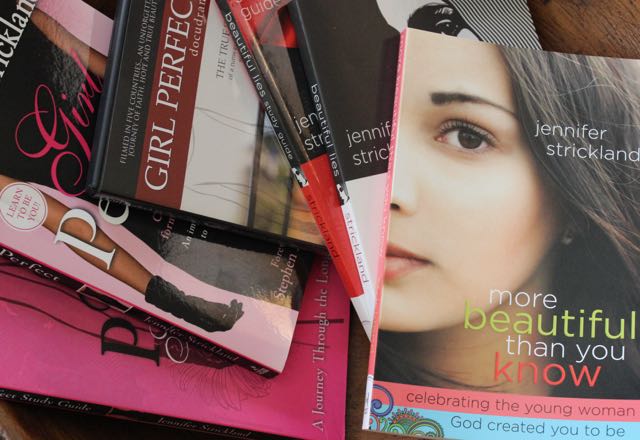
When I wrote More Beautiful Than You Know, I wrote to the girl I used to be; the girl my daughter now is; and the girl who was at my house yesterday, the one who didn’t want to take off her shirt to go in the pool because she stated bluntly, “I don’t have a bathing-suit body.”

I wanted to jump out of my skin and hold her — cup her heart and heal it — flood truth into the blood in her veins so that she would know she is More Beautiful Than She KnowsI wanted her to define beauty in her generosity, in her laughter that fills the sky, in her eyes which pool with humility and honor. I wanted to redefine beauty for her, in her, through her.

And I will ask my daughter if I can give my book to her friend Bella, the one named Beauty who thinks she’s not. Because I wrote it for her, because of her, and because one time I stood being measured by a line of judges against another girl and her bathing-suit body beat mine. That was the last time I felt good enough in a bikini, I’ll tell you that.

We write what we know. Write from your pain. Your core pain. The more you do, the more the wound will heal — and it heals best when it becomes healing to another.

I guess there is still a scar there, because when Bella only eats fruits and vegetables while the girls with “bathing-suit bodies” guzzle sweet tea and potato chips, I want to make a big banner of my book’s cover and hang it over the pool. I want it to say, “Bella: YOU ARE MORE BEAUTIFUL THAN YOU KNOW.”

I know this blog should teach you something about marketing or managing your writing schedule or turning posts into promotion, but today, I just want to challenge you to write what you know, and write for one person who could be changed by your story. Write for Bella. Write for me. Write for the one you see in your mind’s eye who needs healing from the thing that hurt you.

Do that.

And then, do that again. And again. And again.

One day, that person you wrote for, might be sitting at your kitchen table eating vegetables — or about to jump in your pool and fill the sky with laughter.

Your friend,

Jen

Planning a Book Release Party

I’ve said it once and I’ll say it again, an author does much more than just write. In fact understanding this was my biggest learning curve once I penned my John Hancock on my first contract. You are a writer, editor, marketer, publicist, your own biggest cheerleader, and your own worst critic. Not to mention the fact that you have multiple voices talking to you at one time as you write. Don’t worry…that’s normal. Kind of.

Book Release Party - Shadowed Kariss Lynch
This year, I added “party planner” to my growing writing resume as I prepared for the release of Shadowed just two short months ago. When Shaken released in 2014, my friends planned a sweet party to celebrate. This year, it was my turn to grab the wheel. Only I had no idea where to begin! But like all things in this writing journey, the learning curve is steep, the lessons memorable, and the end result rewarding.

The release party doesn’t have to be stressful! Here are some tips I picked up along the way.

1. Choose a theme.

I planned two different parties with the help of loved ones. I wanted to theme the parties, so I selected decorations and small touches according to the audience. Since some of the major moments in Shadowed are centered around sunsets and the ocean and an opening scene with fireworks, I found decorations that flowed like water and paper décor that resembled the pop of color bursting in a dark sky. It was a fun way to set the stage. For the second party, we decided to go with simple and elegant to fit the audience coming. We chose a room lined with windows overlooking downtown, decorated a center table with roses, set up a sidebar with refreshments, and left an open space for mingling and signing books.

2. Delegate the details.

I still didn’t pull this off on my own. In fact, I had a moment where I almost threw in the towel. But friends and family came to the rescue. Friends volunteered to bring refreshments and plastic ware that fit the beach theme. Others donated door prizes like Fossil watches and a hand-lettered quote from Shadowed framed beautifully. Another friend set up a photo booth complete with reading glasses and chalkboards that represented different plot twists. Party-goers could grab their favorite pair of reading glasses, a chalkboard with their favorite plot twist, and enact the scene on camera.

3. Send the invite.

Gather those around you who weathered the journey with you. Those who sat through the tears and endless plot conversations, the ones who left meals on your doorstep, or talked you off the ledge when you wanted to quit. Let them celebrate this win with you! As excited as your readers will be, these people will be even more excited for you, and let’s be honest, you couldn’t have reached this accomplishment without them. Then, encourage them to bring their friends, friends who may just be curious about you as an author, who may just want to come for the party, and who may just walk away as fans of your work. Use Facebook or Evite to send a mass message so that folks can easily respond

4. Remember the journey.

Don’t forget to hit pause in the craziness and excitement Shadowed Kariss Lynchand remember. Remember from whence you’ve come. Remember the winding road that led you to this point, the road that seemed to never end and had too many bumps to identify. Remember that writing is your calling. Remember the One who gave you the story in the first place.

5. Celebrate!

Bask in the joy of completion, of your baby entering the wide, wide world. Ask a couple of your confidants to keep an eye on the refreshments and remind people to turn in their tickets for door prizes, then cut loose and celebrate. Share your heart, speak of the journey, talk about the story, smile, laugh, sell books, giveaway a few, and praise God for the gift of completion, of release day, and all He taught you along the way.

When all is said and done, clean up, sleep up, then hit the desk. You’ve got another manuscript to finish.

Learning to Listen

Have you ever noticed that there is a deep inner peace that descends when you truly listen to someone? Think about it. You focus on what they are saying, sifting through the verbal noise to the subtext that is being laid bare. You take a back seat, allowing them to drive the conversation so that you can lovingly respond. There is a strength in this passivity, a calm in conceding control.

Isn’t that exactly what we are called to do with the Lord?

My world is loud. My email constantly demands my attention – four different accounts for four different reasons. My job revolves around communication and social media, the deadly noise of an electronic culture.

We’ve forgotten the value of letters and phone calls, the connection that comes with face to face. We’ve forgotten how to have a conversation longer than 140 characters, and we sure don’t remember the bond developed by vocally sharing the depth of our thoughts, our hearts. As writer’s we get to connect the gap, to share vulnerability on the page and communicate with the world around us. All too often, I fight that vulnerability. I fight to speak without letting people see the depths of my heart. But as much as I have been called to use my voice in some form or fashion, I must first be willing to listen to my audience of One.

Kariss Lynch oceanI remember a crowded beach in California. Surfers rode the waves, entertainers lined up around the boardwalk, and this misplaced Texas girl walked with my group enjoying the show. About sunset, I found myself alone near the water, the waves roaring in to kiss the shore over and over. All other noise dissipated, and I truly listened.

I see and hear my Creator in the waves and the ocean – His power, His gentle nature, His vastness, His beauty. And I can hear His still small voice in the waves that lap the sand, asking me to drown out the other noise and just listen. He speaks in the quiet moments. He answers when I truly surrender.

Shadowed Kariss LynchWe can’t discern His voice and direction until we give up our need to control and sit back as He shares His heart and mind. I love the childlike faith of Samuel in the Old Testament and the way he simply answers the Lord with “Here am I.” Then He listens and obeys. I want to be defined as a person who delights to do what God desires, who uses my gifts for His glory, who writes without fear. But my surrender comes first. As I finish up my third book, enter a season in between contracts, and pray through what’s next, I want to make sure I am listening more than I am telling the Lord what I want. I want this in between season to be marked by a quietness of spirit as I rest, dream, pray, and enjoy where the Lord currently has me.

With no beach nearby, I’m learning to find my ocean moments in the roar of the big city. He speaks most when I commit to listen. And I’m tired of the noise. I’m sitting on the shore, listening to His voice whisper in the waves.

The Beauty of Lying Fallow

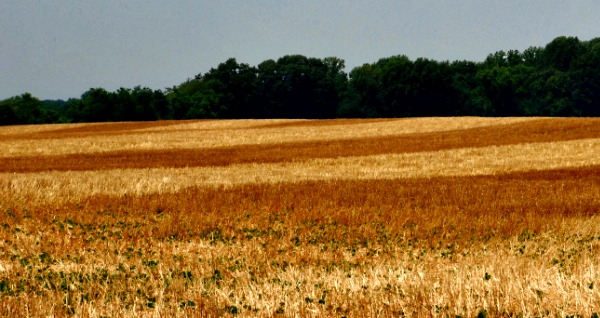
harvested fieldLying fallow isn’t just for fields. If you want to find kernels of ideas to jumpstart your next writing project, you might be surprised to see how much you can glean from the already harvested fields of your finished projects.

Just as farmers routinely allow sections of their fields to remain unplanted for a season in order to replenish the land’s fertility, writers need to leave past projects alone for a time in order to get a fresh perspective on their work – a perspective that often reveals the kernels of ideas that somehow got hidden beneath the framework of that finished work. Every writer knows many ideas that pop into the head during the research and composing process end up getting tossed out in the pursuit of a tightly woven story or narrative. That’s part of the discipline of self-editing: you mercilessly cut out your own words that you might have lovingly slaved over because you realize that, in the end, they don’t make your work stronger.

Ouch. The truth hurts.

The good news, though, is that those same words, those kernels of ideas, might be able to take on their own life in another season of your career–as long as you can find them again. That’s why it’s a good idea to keep your notes from a writing project after its completion. Yes, it means you’ve got bulky files sitting unused on a shelf, or on your computer, but it doesn’t mean you’re a hoarder who just can’t let go.

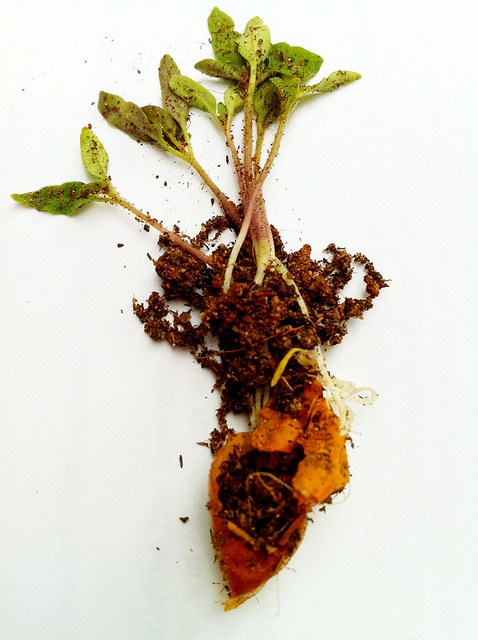
sproutIt means you know that as soon as you get rid of those notes, you’ll find yourself looking for that funky little idea that didn’t quite fit the last manuscript, but would be an amazing starting place for a new project…now that you’ve had some fallow time to let that kernel of an idea begin to sprout all on its own in your subconscious.

I used to think that if I wasn’t working on a new project, I was losing time. Now I realize that my imagination needs as much of a rest as any physical landscape that is cultivated for production. What’s even more delightful is to browse through my bulky files of old projects and find new inspiration just waiting to be gleaned from the rubble of a field I thought I had fully harvested. I shouldn’t be surprised – the Biblical injunction to leave the field fallow in the seventh year was not only to improve its productivity for later, but to provide sustenance for the poor who were free to eat of what was left. In other words, the field might have been harvested, but even in its fallow season, it could give nourishment.

For writers who feel depleted after the long haul to publication and market, it’s reassuring to know that imagination is already replenishing itself.

What kernels have you gleaned from harvested fields?

Cutting Out the Frivolous Stuff

song sparrow singingLast week, during a series of presentations on writing-related discoveries, which I always make first-year composition students do at the end of the year, one student said, “I learned that writing shorter is harder than writing longer.”

“Why’s that, do you think?” I asked.

He thought before answering.White-crowned-Sparrow

“Because to make something shorter, you have to make all these decisions. Like, what’s important and what to get rid of. And then, after you take stuff out, you have to change other stuff to make it sound right.”

“You mean, you have to revise—like, you know, re-see it,” another student chimed in.

“Yeah. It is like that,” he said. “Like seeing that it could be a different way and still be what I wanted to say. Maybe even better. I never thought of that. I always used to think revision was just fixing stuff.” The two students grinned with that mixture of embarrassment and pride students always have when using the language of the course.White-Throated_Sparrow

That night I led a professional development session for graduate faculty on the subject of assessing final projects.

“Everything students hand in is a draft,” I remarked in passing, “and drafts are hard to grade. If you want your students to revise, you have to trick them into it.”

Field_Sparrow“How?” one professor asked.

“Lots of ways,” I said, “but the most successful way for me is to give maximum word limits on assignments rather than minimum word limits.”

“How does that make them revise?” she persisted.

I knew that being made to write short did force students to revise, but it took me a second to come up with a reason why on the spot. “I guess it’s like when you fill out an online application and have to answer a question in a little box that limits you to only so many characters, including spaces,” I told them. “What you write is always way too long. So you have to keep paring it down, getting rid of unnecessary stuff, often the parts you’re Harris's Sparrowproudest of, so you can get down to what’s essential. And, in the end, it’s not only shorter but better. Or, anyway, I always think it is. In my experience, the same thing happens with students when I give them word limits. I get all these emails, begging me to let them go longer. But I never do. Not one word. So they have to revise. And what they turn in is lots better than what they turn in when they’re just trying to fill pages.”

Everyone wrote that down—the most useful grading takeaway, even though it wouldn’t be relevant until they started building assignments the next semester.

The next day, at an end-of-year luncheon of honors English students, my department chair asked those about to graduate to share the moment they realized they wanted to study English, and two women talked about learning to write short.

lark sparrow“Being forced to cut made my writing so much better,” one said. “I knew how to improve my writing after learning that.”

“I had this revelation that every sentence matters,” said another. “That was the moment for me.”

Finally, yesterday, my novel workshop students were talking about their revision strategies for the three chapters I’d be grading at the end of the semester.

“I’m cutting out a lot of frivolous stuff,” one said. “That’s the main thing I learned in this class: You don’t need half the stuff you write.”Chipping_Sparrow

As always, whenever I have one of these clumps of similar messages, I figured it wasn’t just coincidence—or the more obvious reality that people were saying back to me what I’d been preaching all semester—but the Holy Spirit weighing in on the ssavannah sparrowubject. It seemed strange, though, that the Holy Spirit was interested in revision.

Then it occurred to me that I’m the one who needed the cutting message I’d been preaching. My own novel is a frivolous (and practically unpublishable for a first novel) 130,000 words.

There’s no getting around it, I told myself. You need to cut another 30,000 words.

That doesn’t begin to answer the question—if you’re still wondering—of why cutting words from my pages might interest the Holy Spirit. Perhaps it’s that, as I like to tell my students, revision is a key part of the creative process, and God has always been into that. Separating light from dark, water from land. Fiddling with it, examining it, considering, until it’s good, or very good.

Or maybe God’s interested in revision for the same reason he pays attention to sparrows: namely, all of his creation—birds, us, our minds, words, our little improvement plans—fascinates and delights him.

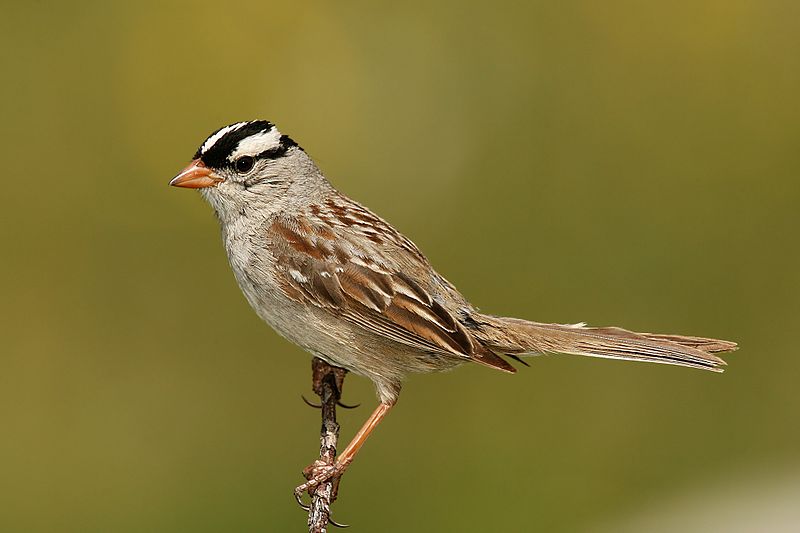
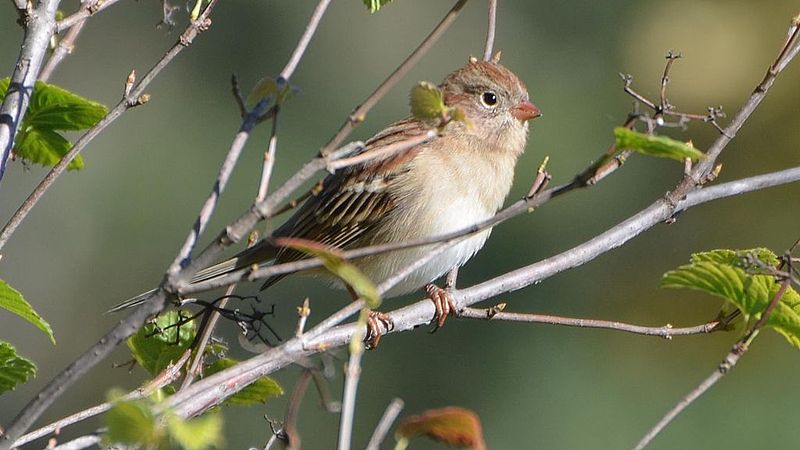
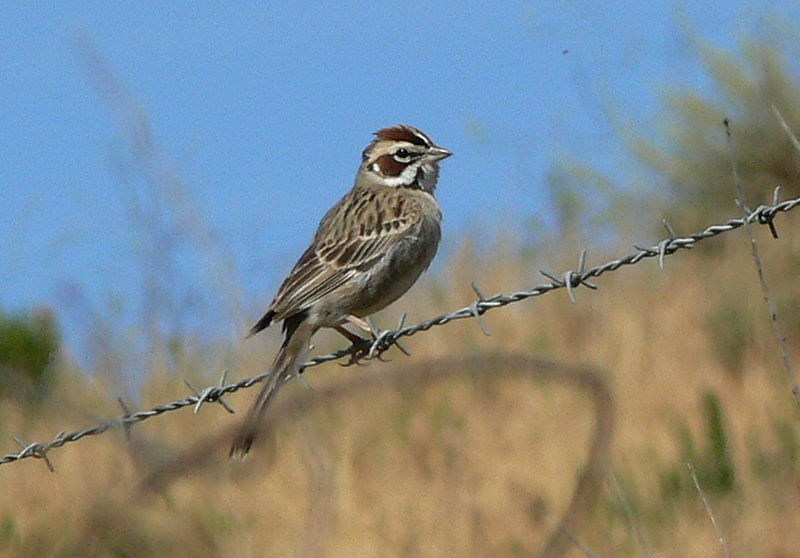
(PS: To whatever fellow birdlovers are out there, I saw all the sparrows pictured this morning: song, white-crowned, white-throated, field, Harris’s, lark, chipping, and savannah. I feel so blessed!)

Crafting a Business Plan

Only a couple weeks ago, I closed the chapter on a significant season in my life – the completion of my first three-book series. I feel as if the last three years of my life have passed in a blur of deadlines, beautiful character adventures, and growing pains. As I celebrate the ending of this season and the potential of the next, I also need to reevaluate what I want this writing gig to look like going forward.

But that’s the thing. It’s more than a writing gig. It’s a business, a ministry. As with all businesses, it requires strategy, planning, and much prayer. When I first began this adventure, I wish someone had told me to look ahead, to dream but to do so in detail. As I reflect on all God has done, I am hitting “pause”–as I pray about contracts and direction and stories–to craft a business plan, one that gives me direction for the years (I hope) that loom with possibility before me.

Kariss Lynch Shakespeare quote

Creating Your Own Business Plan:

1) Craft a mission statement.

What is the purpose of your writing ministry? We all want to reach and impact readers. Be more specific. What unique calling/gifting/direction do you bring to the table?

2) Identify your audience.

If you have worked with publishers or are working to break into the field, you are aware that you must define your audience for your proposals. Be more specific than the age range. Do you write for those who have lost hope? Are your stories for the courageous at heart who want to change the world?

3) Set long-term and short-term goals.

This is where I am crafting financial, spiritual, physical, intellectual, family, social, and career goals. If every area of my life feeds my writing, and I believe it does, then it is important I take all of this into account. I’ve noticed I write better in deadline season when I am taking time to eat healthy and exercise. On the nights I don’t sleep much in favor of finishing a project, my health routine gives me energy to keep pushing. When I don’t set time aside to invest in family and friends or have fun, I write from a drained tank. If I don’t attend at least one conference a year, I miss out on building relationships and gaining valuable training. Goals help me account for these moments, and tackle them with more gusto.

4) Formulate a guideline for the unknown.

I have lingering questions that I want to answer that will help me as this career hopefully grows. Do I want to limit myself to my current genre or do I have other story styles burning on my heart? If so, what do I need to do to incorporate those stories? How do I respond to speaking opportunities? How am I going to interact with readers? How do I answer those who ask my advice on writing? How will I handle endorsements and judging writing competitions? I am working on answers to all these questions. I believe having an idea in place will help me to respond well when these situations arise.

5) Share your vision.

I have a small group of people in my life who will gather to give me feedback on my business plan. They will respond as readers, but they will also respond from a place of knowing my heart. They will be my encouragers in the months and years ahead, my accountability if I get off track, and the ones with wisdom to help me reevaluate this business plan when the need arises. They are the ones who challenged me to identify my direction in the first place.

I am still working to finalize this business plan and would love to hear from you! What goals have you set for your writing career? Do you have a business plan that helps keep you on track, or do you use another method?