20 Reasons Books Don’t Sell (Part 2)

stock-624712_640You can catch part one from Monday here on the Watercooler. Feeling discouraged yet? You’re not the only one trying to make a go of it in publishing and it’s a tough business, but my post isn’t over yet, and I hope you’ll find some room to breathe by the end of this post. Let’s jump right in, shall we?

10:The book is poorly written. You didn’t get a good edit. This is more common with independently-published authors who don’t pay for developmental or copy edits, but not unheard of in traditional publishing.

11: All we hear is crickets. The book never got word of mouth or enough great reviews (50+). There is no tangible buzz about you as an author or the book. Like a movie that no one talks about will sink after week two, the same is nearly true with books. Most books can sell 3,000 to 5,000 copies with little buzz. But if a book has sold more than 10,000 copies, it’s because people are talking.

12: Publisher oversight. The ebook didn’t release simultaneously—and in effect the marketing and PR upon the book’s initial release went to naught – without the e-product available “on the shelves” during the launch. Years ago, one marketing director I was dealing with didn’t know Facebook could be used to promote a book (luckily his PR person did). While gross incompetence is rare, mistakes happen out of the control of the author or agent.

13: A book was written and it should have been an article. We’ve all read books that were all but over after chapter 4. The story was predictable or the points over-used. Yes, there is nothing new under the sun, but try to make sure you’re conveying content that you can’t get in a few blogs.

14: One careless word. The book had a swear word in it so Lifeway wouldn’t carry it. This happens a fair amount of times because authors insist that profanity makes it more “real” (which it might) and they’d rather sacrifice sales than not be real. As Dr. Phil would say, “How’s that working out for you?” If you want to play in certain sandboxes, you have to play by the sandbox’s rules. Sorry.

15: Setting and storyline. If it’s fiction, having a setting outside of America, England or Ireland. “Because I love Russia (or Africa or Thailand)” just plain rarely sells well in America. Or having a storyline that is not entertaining—and very hard—to read (i.e. child abuse, sexual abuse, deaths of key characters).

16: Changing reading habits. People don’t read as much as they used to. Or if they do, it’s blogs and articles that are free on the web. More true with nonfiction readers. The attention span of today’s internet-soaked reader has shortened radically.

17: Cheap buyers. People are waiting around for the free or cheap ebook that comes out a year later instead of spending $10 to $20 on a new book they know they will get eventually and pay less (or nothing) for. Also, the proliferation of self-pub’d books that have a lower price tag has put a dent in a traditional author’s sales.

18: Life happened. Something happened in the author’s life so that all of their well-laid plans to launch and promote their book flew out the window. Or it happened to the in-house PR person’s life. Or the outside PR person’s life. Or the agent’s life. Or their famous author friends’ lives. “Life happens” all the time, and I’ve seen more than a few books sink because cancer or a death occurred in the family of some key person trying to make the book a success.

19: Book retail has gone bye-bye. If you’re a Christian writer, the lack of stores to sell into can certainly be one place to put the blame. When I first started as an agent 21 years ago, there were 6,500 Christian bookstores. Now there are about 1,000. So . . . “no one walks into Christian bookstores anymore” is fairly true.

20: The industry. Frankly, publishing is hard. Every publishing house is working harder for less money. Every editor, marketing and PR person, sales person . . . is overloaded with work because margins are thin. If there is a “new normal” that will get us back to center in publishing, it hasn’t happened yet.

These 20 reasons, and likely a few others, would all not count a twit if people could just find out about the new books they want to read. Agents and editors are still finding great stories, fabulous writers and motivated publishers. The problem? Creating awareness for these great books! Retail continues to shrink, magazines are all but gone, and with over 100,000 new bloggers (on WordPress alone) starting blogs every day, it’s only a matter of time before most of us are tuning out all of the content coming into our inbox (if we haven’t already). How will people start finding out about all of these good books?

The newest and biggest elephant in the publishing room is this:  How, with the demise of print media and bookstores, do we find and target regular book-buying readers who are interested in a particular genre and book topic?

Faithhappenings.com was created to help answer this question. FaithHappenings offers the following unique benefits to authors, publishers and reader-consumers:

  • When a member checks specific boxes on their preferences, it will send readers an email when a new book comes out in any genre they enjoy and buy.
  • FaithHappenings also lists music and videos, independently published books and music, local events of every type, scripture, blogs, devotionals and much more… and all a member has to do is check a box to find out about them. It only takes three minutes to fill out a profile, and it is free to do so.

Check out www.faithhappenings.com. There are 454 local websites that carry local and national info, with a big emphasis on books!


20 Reasons Books Don’t Sell (Part 1)

books-21849_640When your book doesn’t move off the shelves or Amazon warehouses in vast quantities, our first tendency is to point fingers. There is something deep in the human psyche that needs to blame someone when hopes, dreams and plans don’t work out. Publishers blame authors, authors blame publishers (or oddly enough, their agents), retail might blame marketing.

The truth is, there will never be one reason why a particular book doesn’t sell. All any of us—author, publisher, agent, retail partner—can do is look in the mirror and ask, “Did I personally do all I could to help the process?” The other truth is, everyone who invests time in writing, agenting, editing, packaging, marketing, publishing, and selling a book wants the book to turn a profit.  We all want books to sell . . . every single book! Otherwise, none of us could stay in business.  So let’s disabuse ourselves of mistrusting motives of the key people trying to help our book—everyone wants to stay in business!

So why don’t books sell? It’s usually not because of a lack of desire, or effort, or skill, or hope, or prayer… it’s a myriad of tangible and intangible factors. Some an author can control, some a publisher can, and many are outside the control of anyone.

Welcome to the world of publishing in the 2010s. Times… they have changed. So what are the reasons a good book may not have great sales?

  1. Hundreds of books have been scuttled because a war or national tragedy took center stage right when a book releases. Suddenly, all of the great PR efforts and TV interviews set up get pre-empted, never to be rescheduled because everyone has moved onto the newest front list of books to promote.
  2. A bad package. It doesn’t happen too often these days; publishers like to make authors/agents happy. But cover designs do sell—or not sell—books. A great title that screams “must read,” a subtitle that grabs, back cover copy that says, “keep looking,” engaging table of contents, endorsements or a foreword by someone of note, a compelling first few pages… these are a few factors that can turn a book browser into a buyer.
  3. Champions leave. With uncertainty in the industry and publisher entrenchment these last five years, editors have been leaving or moving to different jobs at an enormous clip. Without an in-house champion to keep the book on track, details often fall through the cracks no matter who is following up. New editors must inherit projects, but if they didn’t acquire them, sometimes those books get treated like the red-headed step-child.
  4. Marketing/PR failures. A publisher had no effective marketing plan, or didn’t work their marketing plan no matter the agent effort or follow up. The truth is, the 80/20 principle is truer in publishing than likely anywhere else. Eighty percent of their marketing money goes to 20% of their books, because 80% of their income comes from 20% of their books. A huge fact of life in a very tough publishing environment. Sadly, these days, it may even be 90/10.
  5. Author ambivalence. An author decided they’d let others do the heavy lifting in creating awareness about the book. The writer took the attitude that “Everyone, other than me, should tell the world about my book—because I don’t want to be seen as commercializing anything; I’m above that.” Or, “God has called me to write, not to market my writing.” Or, “I’m busy writing my next book. I don’t have time.” Or, “I’m just not good at pushing my own stuff.” Spiritualizing or tossing out excuses about your inactivity likely means one thing in today’s book culture: a short writing career. God will more often “bless” hard and smart work. If you don’t believe in your work enough to champion it, rethink book publishing. Or, perhaps become a collaborator, you can write and not have to worry about promotion.
  6. Author platform. Ah yes, the scourge of authors everywhere. If you haven’t built enough potential readers into your sphere of influence through blogging, speaking, radio or social networking, publishers will just often say, “We can’t help you.” Why? See reason 20.
  7. Friendship failure. An author’s famous friends (the ones your proposal said were on board) who promised to blog, tweet and Facebook about it forgot, or got too busy, or finally read your book and didn’t like it, or have been doing too much of it for every other author friend they have and are just tired of filling their social networking space crowing about someone else’s product (when they have their own to PR).
  8. Small target audience. The book doesn’t meet a broad enough felt need. Niche books used to have a chance. These days they often do not.
  9. Topic overpopulated. The book has been done a million ways from Sunday and there is just too much competition on the subject.

Not all is as discouraging as this post might have started out—and how you might be thinking. I’ll continue my post on Wednesday with further analysis, but also a bit of hope that I hope will help shift the publishing paradigm and eventually change how we as authors, publishers and agents approach the industry.

How I Discover New Books– Hint, Not in a Bookstore

It’s been said that the reason an author should stick to traditional publishing is book discoverability and distribution by way of a publisher’s marketing budget and sales staff.

bookstore-482970_1280I was fortunate to get a three-book deal with a mid-size Christian publisher who did get behind my book generously with marketing dollars. They even landed me in Sam’s Club with my first two books in hundreds of stores nationwide.

Just, why, didn’t I hit the bestseller lists? I think the books are good. Proof and Poison got starred reviews from Library Journal. Both were nominated (though never won) for awards. Lots of favorable reviews.

In fact, I might even say that landing in Sam’s Club hurt me a little. Why? The issue with Sam’s club is it’s a BIG order. It’s a risk for the publisher. If you’re not a well-known name who can move those novels many are going to get returned and your royalty report is going to look like a defaulted home loan and the bank is knocking on your door.

I began to analyze how I discover books, and does it match with the way a traditional publisher markets novels?

Sure, your best chance of getting into a bookstore is partnering with a traditional publisher but how often are you going to bookstores anymore? I used to go weekly, when they were close. There aren’t any close ones anymore. The one at the mall I would stop in while shopping for other things . . . gone . . . both of them. The closest bookstore is a 15-20 minute drive. And as NYT’s bestselling author Jamie McGuire blogs here— even she wasn’t seeing her novels in bookstores during release week.

Here is a list of how I now discover books.

1. Goodreads Reviews. Goodreads is the place for people who LOVE books and where book lovers leave reviews. I find I have more Goodreads reviews than Amazon reviews. I have close to 2,500 friends on Goodreads. Every day, I get an e-mail of their reviews. I’ve come to know whose reading tastes are similar to mine. A good review of a book will cause me to look further on Amazon. Plus, since I’m friends with so many, I get exposed to a wide variety of books outside my general reading genre (suspense) that I probably wouldn’t have heard about– even browsing bookstore aisles.

2. Amazon Lists. Amazon lists are fun to browse. Of course, there is always the 100 top paid and free Kindle lists but I also look at genre specific top 100 lists. I also pay attention to novels getting a crazy number of reviews and try and read those to see what is catching the reader’s eye. So, from my first two examples, I don’t think any author can say that reviews don’t matter . . . they do.

3. Advertising Lists. There are a couple of advertising lists that I belong to– BookBub and Inspired Reads. On these sites, you can narrow down the types of e-mails you receive to genres you like. Every day you’ll get an e-mail about books that are on sale. Bookbub lists are the primary way I’m buying books. If I see an interesting book cover then I click the buy link for Amazon and check out reviews. Based on the number of reviews, I make a decision about whether or not to buy the novel. BookBub has a very good reputation among authors that though pricey– is generally a good investment of your marketing dollars. I think the same is true with Inspired Reads for their reach/price ratio.

4. Word of Mouth. I’m like every other human being. If a good friend says, “You must read this book.” it will climb up to the top of my TBR list. The more people that say it– the more likely I am to read it. One author I’d almost given up on until a good friend said, “Just read this one. If you don’t like it, I give you permission to never read this author again.” Reading that novel changed my opinion of the author and their work.

What I find is that I’m rarely in a bookstore anymore but I’m discovering a lot more books because these things are available to me every day.

For my fall release, this is how I’m spending my marketing money. I’ll likely not be arranging bookstore book signings, but that’s a topic for another time.

How are you discovering books? Does that determine your marketing plan?

Linking Your Social Media Platforms

tree-200795_640

We’re told to be on as many platforms for social media as we can get our fist around. Not every social media is for every person and I would more encourage you to find two or three you really love and connects you with different people through each platform.

Are there ways to maximize your time?

Absolutely.

In this post I’m going to cover several of the larger social media platforms and how you can link each one to reach your audience in each market.

**Note: (and this is purely my personal opinion) if you have crossover audiences between your social medias that you’re sharing the same content on, I would advise against this. Seeing the same thing over and over, weakens your audience’s interest in what you’re offering. Just keep this in mind.**

**ALSO PLEASE NOTE: in offering these multiple ways to link your platforms, you stand the potential for limiting your reach, especially due to Facebook algorithms. This should never be a total substitute for going in and posting real time updates directly to your social medias, especially Facebook. Take this information with a grain of salt and don’t assume that all your work will now be taken care of. :)**

Linking Facebook:

To send Facebook updates to Twitter see this link: https://www.facebook.com/twitter/ this will give you instructions for linking your profile page and each of your public fan pages you might have.

Linking Twitter:

Login and navigate to your settings (under edit profile which is found by clicking on your profile picture). Go to apps and it’s as simple as choosing an account and loading your password.

Linking Instagram:

You’ll have to do this from your phone’s app. Go to your profile and click the three dots in the upper right hand corner. Under settings choose Linked Accounts. Here you can connect Facebook and Twitter. If you have a picture you don’t want to post to one of these medias, just click off those options before it posts.

Linking Google+:

This topic is more complicated. But it can be done! I’m directing you to this resource that I found online for linking your Google+ updates into Facebook.

Linking Goodreads:

Go to the edit profile function. (Found under the drop down arrow next to your picture in the upper right hand corner). Click the “apps” tab and connect the social medias you want linked. Goodreads also has widgets you can add to your blog that are customized to your book lists.

Linking Pinterest:

Log into Pinterest. Visit your profile page—this is where you’ll see all your boards and pins. Click on the “wheel” in the upper right hand corner and choose account settings. Scroll until you see “Connect Your Social Networks”.

Linking Your Blog:

The easiest form of promotion. You write a blog post. It posts to Facebook. Get started here: http://www.networkedblogs.com/ But note: when you accidentally hit publish it does show up on Facebook, but you CAN remove it. 🙂 If you have hooked your Facebook to Twitter, it will also automatically post there. However there is a pretty big BUT with using Network blogs and you can read that more fully here. You can do this, but be aware, that Network blogs does diminish your reach, especially if you’re using the free version. If you pay a high enough price, Network Blogs won’t route through their platform just to boost their own numbers (what they do on the free option plan). Facebook also limits your reach in using this platform to their social media as only Facebook can. There are positives: posting your blog automatically to Facebook and other social medias. But there are negatives, so weigh both carefully, before handing your blog link over.

Host platforms for scheduling social media updates:

You can schedule updates across multiple platforms so you only have to load an update once and pick the publish time. A couple different options to research for which one best fits your needs are: BufferTweetDeckHootsuiteEdgar (though not free) to name a few.


So there you have it! A few tips to connect each of your social medias. Don’t be daunted by this, take it one at a time. And let me know of your success or failures. Of which I hope there is many of the first and none of the last!


Creative Marketing Ideas

The WordServe Water Cooler would like to welcome guest blogger Charise Olson sharing some of her unique marketing ideas for her novel.

Welcome, Charise!

LC_TheRoaringRedwoods_compressedOne Saturday over two decades ago, I straggled into a church clutching my Diet Coke because it was way too early to do such a thing on a Saturday and I didn’t drink coffee yet. I was there for a marketing workshop. The audience members were all folks like me— working in social services and non profits, needing to promote our services.

Marketing isn’t what I went to school for and I saw it as something that had to be done, rather than a true essential part of my real work.

Sound familiar?

But that workshop all those years ago, gave me a great foundation to further serve my clients and now, as a writer, my readers.

The presenters talked about creativity and making natural connections—more than worrying about strategy or manipulation. They talked about using your passion for your cause as a launching point for your campaign. Here are two key points and some specific applications to our books:

Focus on Adding Value: Try to think about what you can offer, as opposed to what you hope to receive.

Application:

1.  I approached a local historical museum and suggested we cosponsor a book event for The Roaring Redwoods (my historical fiction set in the area). This appealed to them because it was no cost/work for them and offered something different on their calendar. This appealed to me because my event would get out to their extensive mailing list.

2. I belong to a Facebook group celebrating the time period of my project (1920s). These are all people who love my time period. Instead of posting links (“buy my book!”), I have posted pictures from my research to share. For Christmas, at my fictional Riverwood Lodge, I invited group members to suggest menu items. My project got “out there,” but in a way that was engaging and fun for the whole group. Bonus: one of the group members provided invaluable help with a plot line involving race cars.

3. Newspapers now have fewer reporters, shorter deadlines, and a need for more content. However, many are cutting their book columns. When I contact a paper, I have an article ready for print. I write the article as a feature, not an ad. Find the unique angle (local author, clever research, entrepreneur spirit) and help make their job easier.

Go to Where Your Target Audience Goes: The example from the workshop was for a group finding it impossible to reach people about good nutrition. The suggestion was to go to Farmer’s Markets and Food Banks to find people already seeking food and then share the nutritional project info.

Application:

1. Any time I see readers, I spend time trying to find a way I could market my writing in that venue. I noticed that a local coffee shop chain displays art work by local artists on a rotating basis. I asked how artists are selected, and the process was easy. I suggested that I and other local authors use our covers as an exhibit. It was then suggested we could have a reception or related event at the shop, too. Um, okay, if you insist . . .

2. My book’s setting is near a high tourist area, and what do we do on vacation? Read. So, in seeking those reading vacationers, I am placing business cards and, where possible, copies for sale at gift shops and hotel lobbies.

While these ideas may not work precisely for you and your books, I hope they illustrate how we can use our creativity and powers of observation to find new and interesting opportunities to share our work with readers. All in a way that might not feel like quite so much work for us.

What have you learned about marketing that made it easier? What unique/creative efforts have you tried? Anything you’ve wanted to try, but haven’t yet?

*************************************************************************************************

Olsen-Image-56Charise Olson writes California fiction. It’s a lot like Southern Fiction, but without all the humidity. Her historical fiction is published under the pen name Leo Colson. The Roaring Redwoods* is now available in episodes. A collection of the first five episodes will be released March 2015. It is set in 1920s California with an ensemble of characters. Love, Honor, Money…and the laws we break to keep all three.

Olson’s contemporary fiction (under her own name) will release in Spring 2015. More info and her blog Prayers and Cocktails can be found at chariseolson.com

*The Roaring Redwoods is written for the general market and does contain strong language and adult situations.

Marketing a New Novel

Thanks to the WordServe Water Cooler for the opportunity to post about marketing efforts. I’ll touch on group marketing. My caveat to the readers: how you promote is highly personal. I was a psychologist for 25 years and many business professional principles apply to writing, e.g., you must do excellent work to continue to get referrals, or purchases in this case.

fruitcake-challenge-cover-jpgThis post is tailored to budget conscious, hybrid, and newer authors with a few releases already out. One of the advantages of having recently Indie published my novella, The Fruitcake Challenge, was that I got to see what seemed to work for me and what didn’t.

I recently posted on ACFW’s blog about cross promotional marketing and why that’s a good idea. Cross promoting should be built into your own marketing efforts. For instance, in a group publishing effort, include links to the other authors’ books in the series.

I’ve also posted about marketing for three different types of ventures including group.

Set up blog tours: Why I believe this is important (and I’d direct you to read the recent RWA RWR article about promotion.)

  1. You want to create a buzz.
  2. Readers will see if their favorite bloggers are picking up your book to read.
  3. Keeps your name in front of potential readers.
  4. May help you get on the Hot New Releases list for Amazon, which can be important.

    Blog tours also let your reading audience ENGAGE with you, which can be important. So suit up, show up, promote, and respond to commenters! If you have your own blogs  (I’m blessed to have two group blogs OvercomingwithGod.com and www.ColonialQuills.org) don’t overschedule yourself when your book launches. One to two blog visits a week works for me, for three to four months and tapering off after that. Giveaways usually help drive traffic so be prepared to give away a copy at each blog stop.

Set up a promo group: This has been the most beneficial thing I’ve been blessed with. But you have to have engaged with enough wonderful readers, reviewers, and influencers that they’d want to participate. Writing is often a lonely life. The benefits of these groups go WELL beyond any promotional efforts. These people believe in your writing and want to help you continue to do God’s work. How wonderful and humbling is that? I’ve been a member of such groups in the past for different authors and I’m grateful to now have my own bunch of pals supporting my writing efforts. Cautionary note for groups: Be fair to your fellow participants and be sure to bring in your own reader/reviewers to the group promotional page. Also, if you use Facebook, be sure to set controls so only you can approve new members.

Facebook Parties: These are a lot of FUN and help you engage with readers. You may not get you an immediate bunch of sales, but could. Don’t do this unless you can get into the spirit of things!

Radio interviews: I’m not keen on this. I can’t ever be sure, with my arthritis, how I’ll be feeling at a particular time. But if you’re able to get some spots, radio allows readers to hear your voice and your personality.

Book Signings: Another thing I dread for same reason as radio. Multi-author events do better. I do two a year—one near Christmas and another in the summer.  Paired with an event at your book’s location, this can be a blast! Last summer, I was able to do a signing at Tahquamenon Lumber Museum’s Lumberjack Festival. My “Snowed In” story in Guidepost Books, A Cup of Christmas Cheer (2013), was set in my great-grandparents log cabin, located at the museum!

Set up a private Facebook Page for the group authors. This way things that your influencers don’t really need to be bothered with are posted there.

Newsletters: These can be highly effective and reach your own primary readers to inform them of your new releases. I think a multi-author newsletter release could be amazing. Coordinating it might be a nightmare, though!

Ads: Spirit Filled Kindle is very affordable and good to use for early promotion. Book Bub is the one most hybrid authors like to use because they have an excellent rate of return, in general, but you have to do a sale in order to get the lowest price possible for their promotion. Ereader News Today is another great place for advertising with a good return on investment and with multiple options for ads.

**********************************************************************************************

Carrie pro headshot B&W pm Carrie Fancett Pagels, Ph.D. served as a psychologist for twenty-five years. She is the author of the forthcoming publications Saving the Marquise’s Granddaughter (White Rose, 2015) and The Lumberjack Ball (April, 2015). Carrie was the 2014 Family Fiction winner for short story in the Historical Genre. The Quilting Contest is now published in an anthology. The Fruitcake Challenge and Return to Shirley Plantation: A Civil War Romance were Amazon bestselling novels. Carrie also authored the short story “Snowed In” (Guidepost Books, 2013) in A Cup of Christmas Cheer. God’s Provision in Tough Times (Lighthouse of the Carolinas, July 2013) was a Selah award finalist. Carrie gives back to the writing community by serving as blog administrator for www.OvercomingWithGod.com and www.ColonialQuills.com. You can connect with Carrie via her website at www.carriefancettpagels.com.


Stupid Marketing Tips

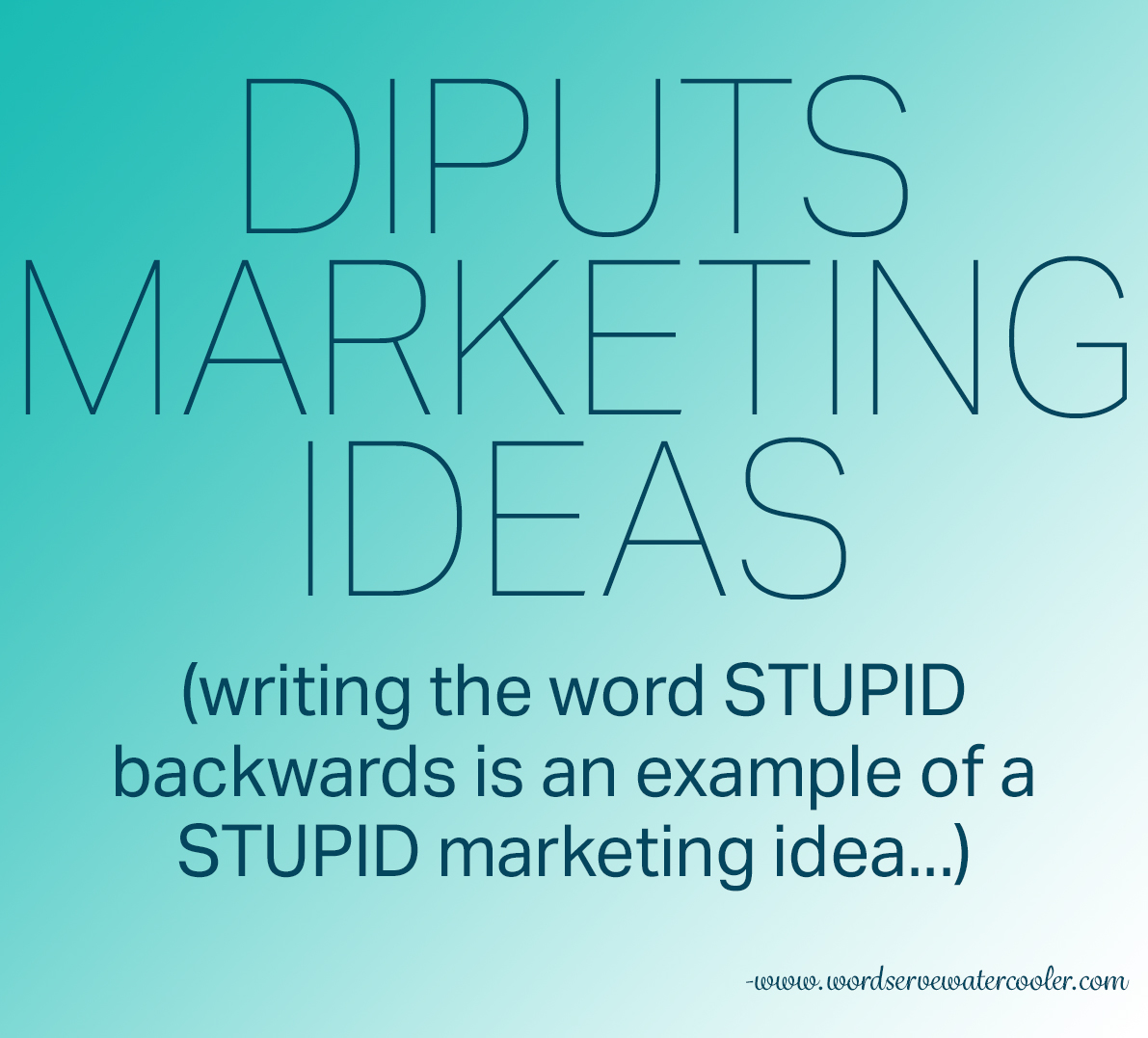
stupidmarketingideasSo, here I was.

Sitting here, trying to think of a fabulous post about marketing books.

The thing is, the “m” word tends to bring up fabulous pictures in my head of those middle of the night moments when one of my children come to me, saying, “Mommy, my tummy hurts–” then proceeds to vomit all over my side of the bed and floor, at times giving me and my PJ’s a good dousing as well.

I, uh, am not the biggest fan of marketing, if you can’t tell.

I take that back. I LOVE the idea of marketing. I KNOW it is needed and I LOVE the bi-product of it: my books being known by people and being PURCHASED by people.

Maybe it just brings back bad middle school memories of trying to get people to like me when I was a pimple-faced, slightly overweight, 4-eyed and teeth-gapped teenager…. the thought of trying to get people to like my books (thereby, it feels like, ME) still creates that knee-jerk reaction to curl up on my bed with chocolate and a romance novel to take me to another place.

But enough about my traumatic teen years.

Marketing is hard for a LOT of writers. Maybe we can WRITE some fantastic marketing copy, but getting out there and trying to peddle books out of our comfort zone is HARD! (Those of you who find it super easy… feel free to market mine too. I won’t mind!)

But in putting ourselves out there, it’s also common to get tripped up by some really BAD marketing ideas, in an absence of good ones.

I remember when I first started researching publishing back in 2007 after I’d completed my first novel. I was searching online tips for getting an agent/editor to look at your book. One place touted the value of STANDING OUT in the slush pile. Print that proposal on colored paper! Use FUN fonts with lots of bolds and italics! Send goofy gifts that relate to your book in the mail to that editor. (one example was a baby shoe for a book about babies…??) Make them be like, WOW, this person is really SERIOUS about wanting to be published!

I laughed, then decided I would probably NEVER be published because no way, no how, would I ever sink that low to use silly gimmicks.

Then I found a few agent blogs that suggested that when they got those out-of-the-norm proposals, they were immediately trashed for their stupidity.

PHEW!

The same goes with marketing. Creativity is a MUST, but sometimes in the name of creativity, we stumble on ideas that can be counterproductive.

Here are just a few things I’ve seen over the past 8-ish years I’ve been on this journey–that have made me NOT want to read a book.

1.) THE WORLD IS ENDING! THIS BOOK IS YOUR ONLY SALVATION! Maybe not those words exactly, but scare tactics or broad, unsubstantiated claims does not a good marketing plan make. “THIS BOOK WILL CHANGE YOUR LIFE FOREVER.” (different than saying something a little more docile like life-changing fiction, etc) “GOD WANTS YOU TO READ THIS BOOK!” (let HIM tell me that, thank you!) Sure, you might get some saps to buy it, but you probably won’t find publishing success with this type of marketing for books.

2.) BUY MY BOOK (five minutes later) BUY MY BOOK (five minutes later) BUY MY BOOK (repeating 100 times per day!) Over posting on social media is a hard one, because there is a fine line. We NEED to be bold and proud of our books and market them on social media, no doubt. However, tact is needed. When my Facebook newsfeed is filled with 6 different posts by the same author marketing the same book all in the same day? It’s a good way to get yourself unfriended or at least blocked. Your Facebook marketing should draw people in, not annoy them.

3.) I MEAN, YOU DID BUY MY BOOK, RIGHT? Guilting people into buying your book is uncool. We all have different budgets and different reading tastes. I’ll readily admit, there are some writing friends I have (who will remain nameless) that I haven’t purchased their books. Why? Partially because I’m a broke mom of 4 kids trying to make a living as a writer. HA HA! But also, I have my writing friends than I have time. The idea of marketing is to ENTICE them to read your book, not twist their arm.

4.) NOTHING. This is the stupidest idea of all. Just not doing anything because you’re afraid of it. It’s the one I’m most guilty of. Oh, I market, but I’ll get an idea and think, ‘Oh, no, that’d totally bomb” and move on. Just like in publishing, sometimes you have to fail a few (or a hundred…) times before you find that golden ticket/agent/editor/marketing scheme. But if you just sit back, cross your fingers and toes, and hope your books sell? Yeah. That is the WORST marketing idea of them all!

A Side of Faith - front only(putting a picture of my book of my most recent book release as well as a link to purchase it is an example of a not-as-stupid marketing idea… as is to mention that my next book, A Side of Hope, will be releasing later this month…. )

I’m Hooked on LinkedIn

hooked onAfter three years of experimenting with social media networking, I’m finally closing in on what works best for my marketing needs at this time.

But before I share with you what I’ve discovered, I need to make some qualifications of phrases in that first sentence.

  1. ‘Experimenting’ – I’ve had no formal training in using Facebook, Twitter, LinkedIn, Google+, or Pinterest. Instead, I’ve read countless books and blog posts about using them, taken online webinars and asked others what they do. I’ve tried some ideas (mostly the ones I understood how to do) and rejected others (the ones I had no idea how to do). My experimenting has truly been all over the net, kind of like sampling all the flavors in an ice cream shop – a small bite at a time.
  2. ‘Works best’ – I define this as ‘what I can successfully manage, given limited time and ability because I am not a social media guru, nor do I aspire to become one.
  3. ‘Marketing needs’ – For me, this is publicity and audience building. I don’t sell books myself; I focus on branding myself to create the desire in my audience to go to vendors. Ultimately, I want my audience to become my sales team to sell my books to others, since there are a lot more of them than there is of me!
  4. ‘At this time’ – Marketing needs change over time, as do the ways different media platforms function. I dread every announcement that a social site has made ‘changes,’ because it means I have to learn/relearn how to use it.

All that said, I have found MY most successful audience builder to be LinkedIn. That’s because I focus there on connecting with others who work professionally in the fields in which I write: dogs, birds, health and wellness.

Yes, you read that right – my Birder Murder Mysteries and girl-meets-dog memoir appeal to three audiences, yet they overlap because my overarching brand is about getting outside to get healthier and happier. My contacts are working professionals at state parks, dog or bird-related businesses, wellness advocates, animal rescue groups, and ecotourism, to name a few. My strategy is to strengthen my social relationships with those contacts by engaging in conversations with them individually and collectively, which is what LinkedIn shines at. I see my contacts as distribution points – when I engage them meaningfully, they share my brand/message/content with their own networks. And LinkedIn makes it easy for me to find people who already care about my topic(s) with their group listings and recommendations.

My marketing strategy will continue to evolve, as healthy marketing strategies do, and I know that my experimentation with other networks is far from over. For now, though, LinkedIn is the backbone of my social networking strategy since it yields me the most new contacts, opportunities to market, and book sales numbers of all the platforms.

Which social media platform is working hardest for you? How do you measure that?

Marketing Book #3 in a Series – Part Three

Three months into this marketing plan, I’ve been able to avoid a nervous breakdown, work on the edits for The Aleppo Code, and Kregel Publications is about to launch its spring marketing for the fall releases. Now is the time to pick up the pace.

SocialMediaI’m still working the basic plan:

Social Media:

  • Twitter – Daily
  • Facebook Page Posts – Daily
  • Blog Posts – Weekly
  • LinkedIn – Change Profile Monthly

Newsletter – Send out at least one Newsletter each month:

(One of my goals for the newsletter as we get closer to the launch is to use contests or other vehicles to tie the three books together as THE JERUSALEM PROPHECIES series … accelerate the idea of people thinking of them as a series.)


March – Contest: Guess two of the main scene locations used in The Aleppo Code. Some of the scenes in the first two books were The Collector’s Club and the Humanities and Social Science Library on Bryant Park, NYC; The Western Wall and Zechariah’s Tomb, Jerusalem; St. Anthony’s Monastery, Egypt; Cairn T, Loughcrew, County Meath, Ireland.

April/May – Tie in with Kregel Back List promotions.

June – Contest: What is The Most Powerful Weapon the world has ever seen?

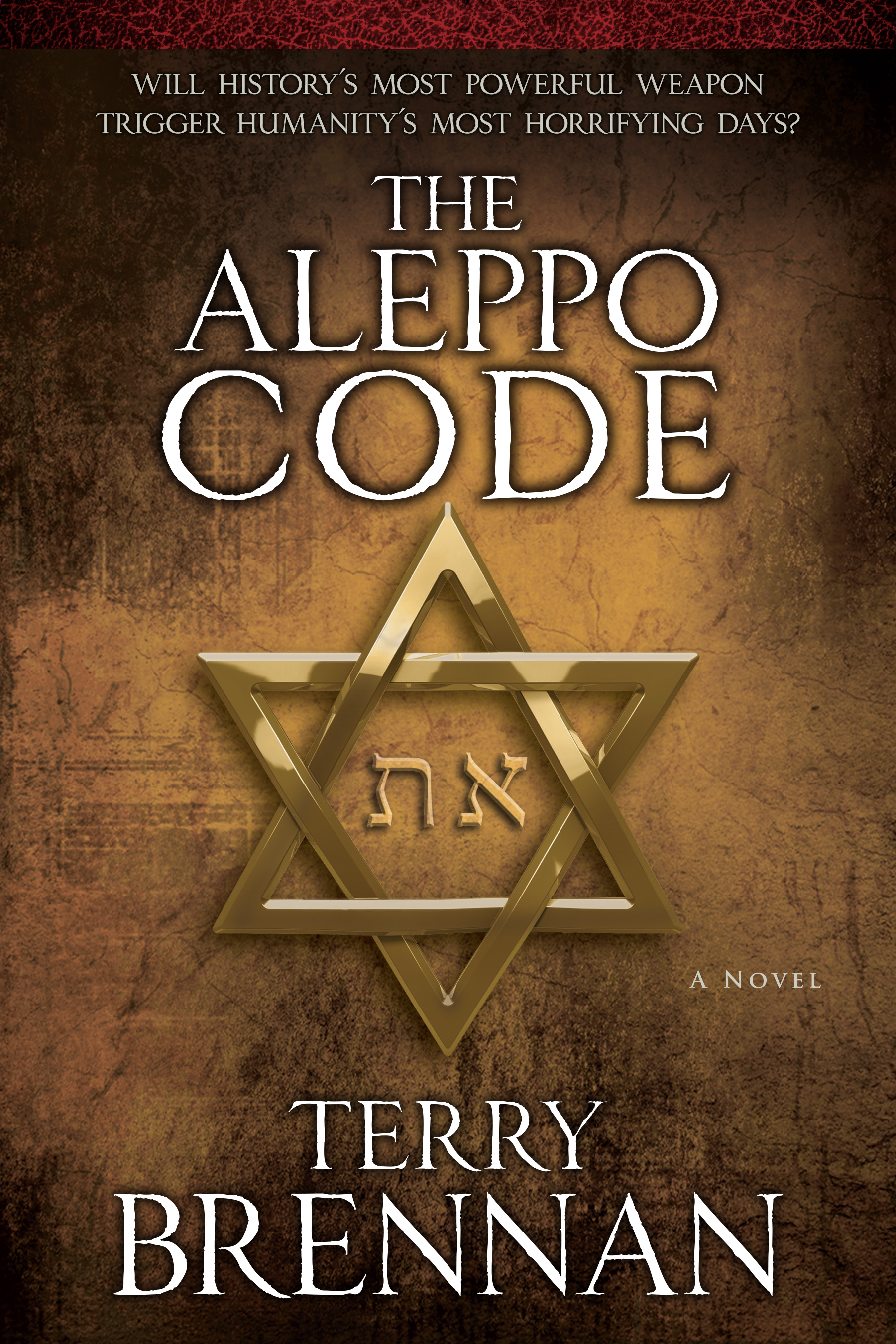
July/August – Unveil the cover of The Aleppo Code.Aleppo Code Cover

September – Promote the coming E-Book promotion from Kregel.

October – Launch date for The Aleppo Code – create some tie in to ‘Midnight Madness’ … at midnight of launch day, the first 12 people who send me an email get a free autographed copy of The Aleppo Code.

Tasks For Me to Tackle:

  • Keep my website and Facebook Author page active and current.
  • Schedule out-of-town speaking engagements for May through December, particularly in those areas where I show higher readership; (This one is a reach, but it’s worth a try.)
  • Engage services of a marketing consultant to increase my standing and visibility as an ‘expert’ speaker on events in the Middle East.
  • In the summer, begin purchasing advertising on Facebook (Goodreads? Other outlets?) and discuss with Kregel and marketing consultant how to get the most impact and best results from these ads.
  • As the launch date gets closer, recreate some of the Guerilla Marketing that I did in New York City prior to the launch of The Sacred Cipher … plaster subways and Metro North trains with The Aleppo Code postcards … when the books show up, visit every B&N in New York City area, hand out post cards, autograph the in-store books, talk to store staff about placement.
  • In September/October schedule local speaking engagements/book signings including local libraries, churches, etc.
  • Arrange in advance for on-line interviews and any other interaction I can have with bloggers, reviewers, podcast producers, etc.
  • Tasks For Kregel to Tackle:
  • Continue to actively market the new series title – THE JERUSALEM PROPHECIES – in all possible outlets.
  • A place we stumbled during the launch of The Brotherhood Conspiracy is that the reviewers on the blog tour were different than the ones used for The Sacred Cipher. Many of the early reviews started “I wish I had known this was a sequel …” For that reason, setting up an effective blog tour for The Aleppo Code is critical.

(One of the great commitments Kregel has agreed to is to strengthen the blog tour for the Aleppo Code. Under consideration is a blog tour that provides all three books for the reviewers, so they can follow the story arc of the series.)


  • Implement a Back-List promotion to drive people to book stores.
    • Create E-Book promotion for both The Sacred Cipher and The Brotherhood Conspiracy prior to the launch of The Aleppo Code.

I’ve learned a few things from creating this marketing plan and then trying to implement it. One, this marketing stuff takes a real commitment – and a lot of time. Two, it’s worth it. And, three, the work doesn’t end once the book is launched. Great … when do I get some sleep?

Have you ever developed a marketing strategy like this? What was the most successful thing you did?

Marketing Book #3 in a Series – Part Two

How to Breathe Life Into A Back-List

MarketingI’ve never been much at the marketing side of this writing business … and I was born in the wrong generation to be adept at social media.

But I knew I had to do something out of my comfort zone. My first book, The Sacred Cipher, is still going strong after five years. Sales for its sequel, The Brotherhood Conspiracy, are disappointing. With the third and last book of the series, The Aleppo Code, due for an October launch, I needed to get to work.

So I proposed a year-long marketing plan to my publisher, Kregel Publications, and asked for their support and participation. This is what I proposed for the first three months:

The Marketing Plan – December thru February:

  • Social Media:
    • Twitter – Daily
    • Facebook Page Posts – Daily
    • Blog Posts – Weekly
    • LinkedIn – Change Profile Monthly
  • Newsletter – Send out at least one Newsletter each month (I currently have over 1,000 active email addresses in my mailing list and cull it after every mailing). A regular newsletter proved to be very valuable in creating buzz for the first book:
    • December – Announce the name of the series – THE JERUSALEM PROPHECIES series; Promote the October launch of the third installment; create a giveaway offer for Conspiracy and promote it in Facebook posts and on website.
    • January – Run a contest – What will be the section titles for The Aleppo Code?
      • Put all contests up on my website and on my Facebook Page – blog post and Tweet about them;
    • February – Additional clues for the section titles contest; Promote Kregel’s month-long Book Giveaway promotion on Goodreads.com.

What Was I Willing to Do?

  • Tasks for me to tackle:
    • Look for ways to expand my marketing reach – Connect with other CBA thriller writers to cross-promote … Follow 10 journalists on Twitter … Follow 10 thriller writers on Facebook – friend them and follow them (all in progress).
    • Begin sending personal messages to my 500-plus Facebook “Friends”.
      • Ask them to “Like” my Facebook Author page and be a follower on Twitter.
      • Write 50 posts per month for 10 months leading up to Aleppo Code launch.
      • Get them all done at least 30 days prior to Aleppo launch, if possible.

Authors on Facebook

(As of January 27, I have written personal Facebook messages to 186 of my 507 Facebook “friends”, asking them to click on the link and “Like” my Facebook Author page. My “Likes” have increased from 134 to 209, up 71 in the last week – 545% from the previous week )


What Was I Asking Kregel to Do?

  • Tasks for Kregel to tackle:
    • There is no obvious link connecting the first two books into a series. I asked a lot from Kregel to help create that linkage.
      • Redesign the E-Book covers to add THE JERUSALEM PROPHECIES to the cover … or add a tag line under my name on the cover, “Author of …”
      • Create “Back Ads” in each book promoting the others … or add thumbnails of the book covers to the bottom of the back cover.

(A lot of these requests were not practical. The marketing staff at Kregel explained that it would be too confusing to make changes to the covers of the E-Books on Amazon or Barnes & Noble but not be able to make any changes to the printed books already in circulation. But they did agree to create Back Ads (pages inside the books promoting the other books in the series) in The Aleppo Code and – if it goes to another printing – in The Sacred Cipher. – Terry)


  • I also asked Kregel to implement an E-Book promotion in February for both The Sacred Cipher and The Brotherhood Conspiracy. During an E-Book promotion in January of 2014, Cipher hit #2 and Brotherhood hit #6 in all E-Book sales on Amazon for that week. Wow! Let’s do it again.

(The entire E-Book promotion I asked for in February has been moved back to coincide with the launch of The Aleppo Code. The marketing staff at Kregel explained that there is a law of diminishing returns with E-Book promotions. They did one a year ago for both books and believe postponing the E-Book promotion until the fall will benefit all three books.)

February 6th: Accelerating the Pace Down the Stretch.