WordServe News: May 2016

Exciting things have been happening at WordServe Literary this month!

On the final post of each month you’ll find a list of Water Cooler contributors’ recently released books along with a recap of WordServe client news.

New Releases

duggerLarry Dugger released 40 Days to Defeat Your Past with Charisma House. Just as Jesus squared off with the devil in the wilderness, we must square off with our devils. Forty Days to Defeat Your Past is a one-day-at-a-time process that uses the number forty to help readers identify and defeat the destructive patterns of their past and establish new, healthy habits to lead them into freedom.

ebookJan Dunlap released Heaven’s Gate, the first book in her Archangels series, with FaithHappenings Publishers. Following the character of Dr. Michael Carilion as he uncovers the missing piece of the One Theory—the Holy Grail of theoretical physics—this supernatural thriller wrestles with questions of science, faith, and a shattering new understanding of life after death.
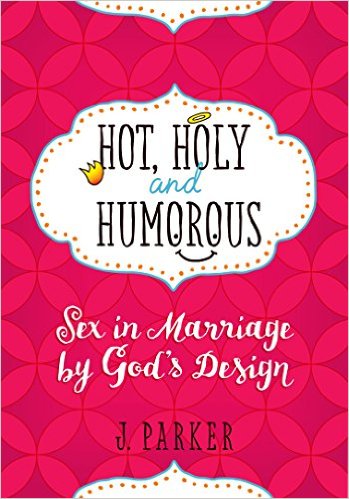
51L8nL3LvpL._SX347_BO1,204,203,200_J. Parker release Hot, Holy, and Humorous with BroadStreet Publishing. Wrongful thinking and attitudes about sex permeate our culture, even in Christian circles. Starting from a foundation of faith and humor, this book offers candid advice for wives who want to make the most of God’s gift of sexual intimacy in marriage.

lead me home

Amy K. Sorrells released Lead Me Home with Tyndale. This powerful novel follows the stories of two men in a small town – one, a young man forced to grow up too soon, the other a pastor of the local church who questions his calling as the church doors close for good. As severe storms roll through, threatening the community, both men confront the fear of losing what they care about most, and reconsider where they truly belong.

51jGauNvGIL._SX311_BO1,204,203,200_Jennifer Strickland released 21 Myths (Even Good) Girls Believe about Sex with Shiloh Run Press. With honest, straight-forward language, Strickland strips away the lies surrounding dating and sex and shares the myths, the truths, and the practical ways girls can enjoy the pursuit of passion and purity.

New Contracts

Mary Davis signed with Barbour for her work, Unworthy Hearts, part of the Pony Express Romance Collection.

Ken Gire and Donald Stratton signed with HarperCollins to publish the memoir of 93-year-old Stratton, who survived the bombing of the USS Arizona at Pearl Harbor on December 7, 1941.

Melissa K. Norris signed with Harvest House for her next book, The Made-From-Scratch Home. This follow-up to her most recent book, The Made-From-Scratch Life, will be available in early 2018.

Barbara Scott signed with Gilead Publishing for her novella I’ll Be Home for Christmas, which will be included in a Christmas seasonal collection of contemporary romances.

Mike Yorkey signed with Barbour to publish a new book on Stephen Curry of the Golden State Warriors, due out early next year.

New Clients

Linda Clare, Ron Hammer, Mary May Larmoyeux, Phillip Robertson, and Craig Selness signed with WordServe this month. Welcome!

How to write REAL dialogue? Listen up!

listenI have a secret weapon when it comes to developing authentic, convincingly real dialogue in my novels: my ear.

That’s not to say that I am an eavesdropper. I do not lurk around others at cocktail parties (Cocktail parties? Do those even exist anymore in our online-saturated world?), nor do I silently sidle up to people talking on their cell phones. The fact is, when I am involved in a conversation, I try to listen very consciously and pay attention to how ideas are expressed, how a dialogue moves from beginning to end, and what it actually sounds like.

And when I hear a particularly memorable line, I steal it.

The result?

My characters say the same things that living, breathing, people actually say.

I know this is one of the keys to my success in creating characters because I always have readers enthuse to me about how “real” my characters are.

“I swear I know your characters,” a reader tells me. “They talk just like my friends do. If I didn’t know better, I’d think that you’d been secretly recording our conversations!”

Confession: I actually considered carrying around a small recorder early in my writing career to capture great lines of conversation, but decided that was too creepy. Instead, I developed the habit of repeating a line in my head until I had it memorized to copy down later. Almost miraculously, the rest of the conversation comes back to me for use in scene development, and that’s when I apply artistic license and my own imagination to craft it into my plot.

Until recently, I thought that was the way every writer developed dialogue: relying on your own ear. But then my daughter shared with me an experience she’d just had with readers of her fan fiction.

“I had so many readers comment on how much they loved this one line from a character,” she happily told me, “and it was verbatim what a friend said to me when he tasted some brownies I made. Seriously, all the best lines come straight from someone’s mouth! Forget struggling to come up with zingers – all you have to do is listen to the people around you.”

That simply confirms what I tell my audiences when I speak about my writing. I can’t take credit for some of the best dialogue in my books, because I didn’t make it up. I just recorded what I heard someone else say. In so many cases, the real world provides much better, more authentic material than I could ever dream up. Not only that, but listening carefully to conversation helps you develop pacing and timing that mimics real people, which is a huge benefit when you’re working with fictional characters.

The next time you’re stumped for dialogue, give your keyboard a rest, and instead, go talk to someone and put your ear to work. It really is surprising what people might say, and what you can do with it.


Learning new marketing tricks

dog shaking handsI am living proof that even old dogs can learn new tricks.

Except that I’m not a dog and the tricks I’m referring to don’t have to do with “shake” and “roll over.”

As an author who came to the book publishing game in her mid-fifties, I realized I had to embrace the internet and social media marketing if I was going to play in the marketplace. As a result, I’ve read a lot of books over the past few years about online marketing and tried to apply that knowledge. But the book I’m finding the most instructional and helpful is Red Hot Internet Publicity because it gives you simple ideas you can implement easily and see immediate results.

twitter-bird-light-bgs.pngFor instance, I’ve never quite been sure how to leverage my Twitter activity into growing my audience; twice-daily tweets and random retweets of those I follow can only do so much in attracting engagement when you consider the enormity of the Twitter universe and its competing attractions. After taking just one tip from RHIP – participating in a group chat sponsored by one of my influential Twitter contacts – I picked up five new followers and at least one immediate book order. “Gee, this really works!” I thought. (Well, duh – the book’s title is Red Hot Internet Publicity, not Mediocre Marketing Online.) As a result, I’m now devoting effort to finding chats EVERY DAY hosted by key influencers in my book topic areas and being sure to participate with tweets and retweets. Yes, I know – it’s called a social network, and that means you’re supposed to be interacting with others, but somehow, actually “chatting” online had seemed a waste of time. No more.

facebook_circle_color-128Likewise, thanks to the book’s advice, I’m streamlining my Facebook involvement to make my time on it more productive. Sure, I’d read before that you need to have your marketing message in front of you every time you post, but I’d gotten lazy. After reviewing my message and tightening its focus (another recommendation from the book), I’ve been more vigilant about making EVERY post count with a comment that somehow reflects that message. The result has already yielded me new followers on my author page at Birder Murder Mama, which had stalled out in the last three months.

Those are just two of the ideas that have already made a difference for me in internet marketing. Being the perennial student that I am, I made a list from each chapter in RHIP of items to try out. Fortunately, I’m gearing up for a book release in May, so the timing to fire up my social media marketing is perfect, and I’m finding lots of opportunities to practice what I’m learning. And that – immediate practice of what I’m learning – is key. Too often, my ideas sit in a file for that magic “sometime” when I’ll get to it. But thanks to the simple presentation of RHIP, AND the timely suggestion from my agent to download and read this new book, my magic “sometime” is right now.

I guess my new trick is “shake” after all – shake up your marketing and see what happens!

Take it with you when you go

moving dayMy husband retired from his job last December in Minnesota , and within a month, we were unpacking our worldly goods in our new home in Texas. Having relied heavily on my local readership for growing my book authoring career, I was faced with a choice: retire from my own career as a writer, or start it all over again in a new place.
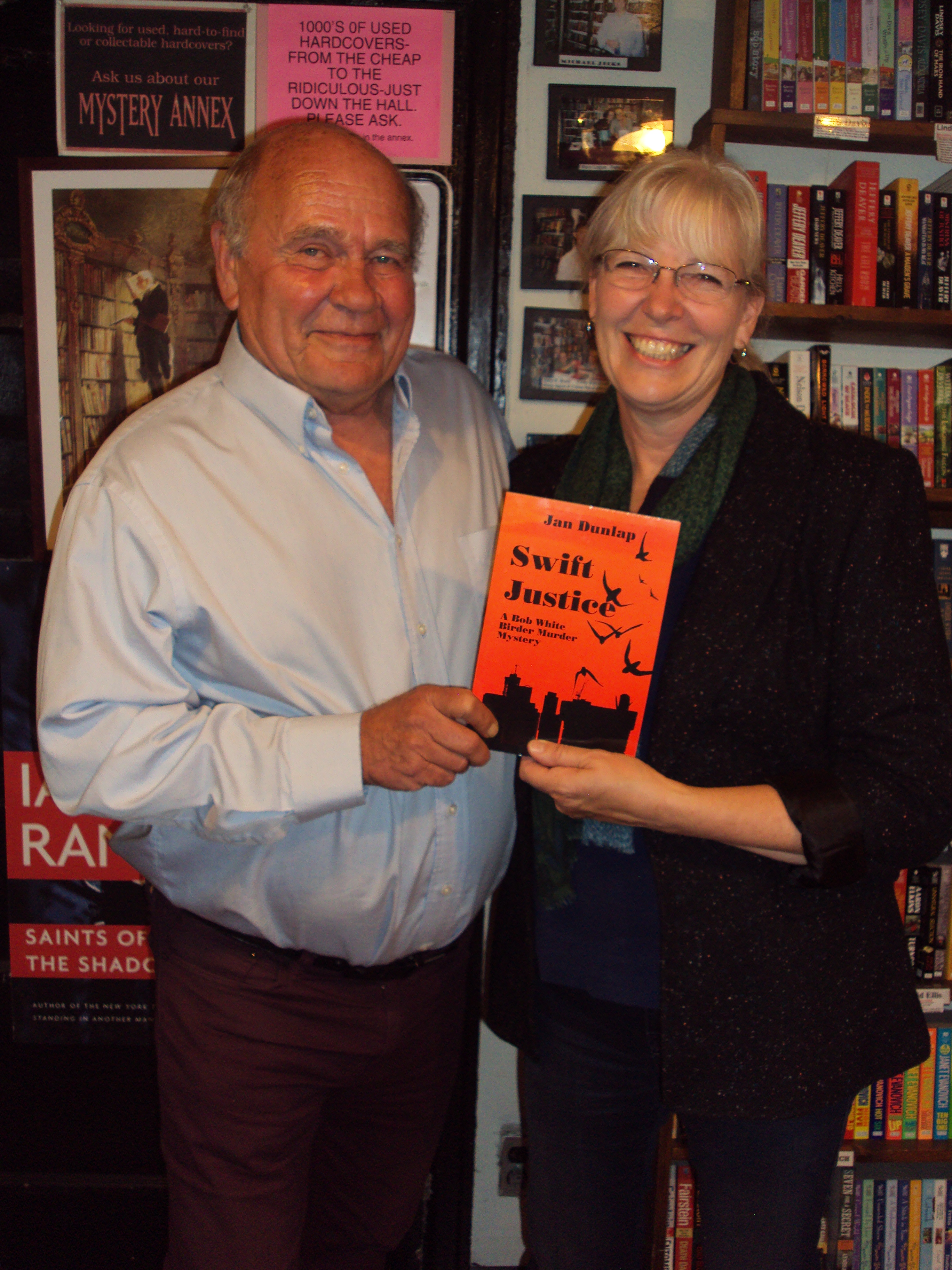
Actually, there was no choice for me: since I can’t NOT write, here I am, back at square one. Except that this time around, I have eight years of experience and a track record as a published author behind me as I begin to cultivate my new area; my task is more transplanting than seeding. For any of you facing a geographic move, here are some of the positive and negative aspects of taking your authoring with you:

A fresh audience!

Positive: You have a fresh audience, which forces you to remember why you write, why you’re excited about what you write, and how what you do can serve readers in your new community. It’s a wonderful opportunity to look at your work from new angles and refresh your own enthusiasm for what you do. And with books already in print, you have product ready to promote in your new area – no waiting around for publication to happen – yet you can re-use the promotional tools you used the first time around, saving you the time and effort of developing new marketing strategies.

Negative: You have a fresh audience, which means you have to start over making connections with bookstores and other venues. Back to phone calls and building relationships (sigh).

A track record as an author!

Positive: You’ve got a track record as an author! Yes, you’re making phone calls, but you’re going to get farther faster in booking events because you’re a proven entity. Your past experience makes you smarter about ways to reach decision makers, adding to your credibility as a published author with new contacts. Since this is your second time around, you won’t waste money and time on the ideas that didn’t work when you were just starting your authoring career.

Negative: You have to put the time in again on building key relationships.

New sales!

Positive: You have a new geographic market to add to your original readership, potentially doubling sales for both old books and anything new to come. Just because you’re no longer physically available doesn’t mean your loyal readers from your old location will abandon your future releases – those fans need to be kept in the loop as you move forward, so be sure to continue communications with them (Facebook, author newsletter, etc.).

Negative: You will lose some readers who only enjoy local authors. Hopefully, though, the gains in your new area will outweigh the lost readers.

Can you add to these experiences/insights of taking your authoring career into new territory?

How to find your best influencers

Jan and Ron vertThe longer I’m in the writing business, the more I appreciate the importance of influencers in helping me build my audience and increase sales. What’s tricky for many writers, however, is figuring out just who and where those influencers can be found.

Unfortunately, after eight years and eight books of being a published author, I still don’t have a magic formula for identifying and recruiting those valuable assets for my marketing efforts. All I can offer you is my own experience and insights, so here goes:

  1. It’s great to have known experts or writers give you an endorsement for your book, but unless they are truly excited about your book and independently give it exposure in their own networks, the endorsement is just nice copy for your back cover, and won’t produce momentum in sales. Those experts are busy with their own marketing and projects, and the truth is, they give endorsements widely as a courtesy, rather than out of commitment to your publicity goals.
  2. The best influencers have a stake in your sales. Although my books sell around the world, my strongest sales come from a local gift shop because the store owner enjoys my books so much, she talks them up to customers and regularly features them in store promotional materials. Because of her enthusiasm, I’ve had more press coverage in local media than I could procure by my own efforts and a consistently growing word-of-mouth readership. As an influencer, she’s one of my best!
  3. You need to continually cultivate relationships with potential influencers. This means reaching out via social networking and/or physically traveling to meet people in your field of interest who might find your books of value in their own professional goals. To market my girl-meets-dog memoir, I make a point of connecting with animal rescue groups/animal humane societies online, and when possible, I attend their conferences/events as a vendor. I often give free copies to keynote speakers or other passionate animal lovers I meet, in hopes they will read and enjoy the book so much, they will mention it to others. Yes, this is basically a hit-or-miss method, but so far, I’ve always made a few excellent contacts and found one or two awesome influencers at such events. It’s well worth my time and money to break into a new group of potential reader-buyers.
  4. Connect with bloggers with big audiences in your target market and ask to send them a copy of your book in return for a review. Offer them additional copies to use as giveaways when they publish a review of your book, or whenever they might have a contest going on. Doing this gives you a reach well beyond your own social networks and local geographic area. I’ve met several significant influencers in this way, and they continue to give me promotional value with each new book.

What tips do you have for identifying and recruiting influencers for your marketing efforts?

Do You Want to Change The World?

signing declarationWriters can be agents of social change.

I was reminded of that truth after hearing a keynote address at a conference for animal humane workers. The speaker, Amy Mills, CEO of Emancipet, discussed the importance of social change to transform communities in order to improve our treatment of animals. But her words could also be applied to what traits writers need to cultivate to do their job well; in fact, I felt that Amy’s characteristics of social change makers accurately described many of the writers I know. Here are Amy’s six key traits; do you see yourself in any of them?

Social change makers:

  1. Collaborate across sectors. In my own writing, be it the fiction of the Birder Murder Mysteries or my best-selling memoir Saved by Gracie, I draw from many fields of expertise. My sources are birders, dog owners, psychologists, trainers, sociologists, scientific researchers, conservationists, biologists and historians, to name just a few. To be effective, writing has to draw from the world of knowledge.
  2. Are inclusive. Writers want their message to reach wide audiences. To do that, we keep an open mind about who might benefit from our work, and we rejoice when a new market presents itself as one that we might engage productively.
  3. Build empathy. For any piece of writing to succeed, it has to appeal to the heart of the reader. Having something meaningful to share is the first step of the writing process.
  4. Choose curiosity over judgment. The best writers try to see the world with fresh eyes to uncover what is true. Judgment can shut down avenues of investigation that might just lead to new revelations that will transform myself and my readers.
  5. Check assumptions. Writers make careers out of questioning assumptions. Sometimes, we even turn them upside down in the course of our creative process and/or production. The result is new perspectives and new ideas that can often improve readers’ personal or public lives.
  6. Learn from those they serve. Whether it’s hearing about new conservation efforts to protect bird habitat, or effective approaches to increasing animal adoption, or the need for more transparency about mental illness, every bit of research I’ve done for my books has not only taught me more about the world and the people and creatures in it, but how I myself can better connect with and serve my readers by passing along what I have learned. On a regular basis, I hear from readers about the ways my writing has affected them, and it guides me as I plan my next project. Without that feedback, my writing lacks focus, not to mention effectiveness.

Given these shared characteristics of writers and social change makers, I find myself considering my own work as a potential agent for change in the world; I won’t be the first author to do so, nor the last. “The pen is mightier than the sword,” may have come from the pen of English author Edward Bulwer-Lytton in 1839, but it expresses a timeless truth.

What will your pen accomplish today?  

How to Make Offers They Can’t Refuse

clapping peopleI’ve learned a terrific lesson about social networking this summer.

If you offer, you receive.

Recently, I’ve turned my LinkedIn contact list into a fertile field of opportunity for spreading my brand by offering help to others. Sometimes, the offer is to write a guest post for a contact’s blog, or to be a last-minute guest for a radio show, or to send a free copy of one of my books because of a mutual interest. I don’t make the offer until a person I’ve invited to connect with me accepts the invitation, and then, instead of just filing their acceptance email away, I take the time to compose a personal note making my offer as a service to them.

That means I only look to connect with people who share an interest of mine, and if they accept my invitation, I then think of a personal way I might contribute to their goals. By asking first how I can help, it reminds me that my writing is my ministry, my God-given gift, and that when others succeed with my help, I’ve made a difference for them. It helps make writing not quite the solitary endeavor it tends to be, and it allows me an avenue to actually build relationships with my contacts. In an age of electronically linking up with people all over the country and the globe, any personal interaction stands out; suddenly that contact in my address book has a personality and we have a tiny bit of shared history. That’s good for people and good for business.

But the big surprise I discovered was how easy it is to offer help, and how grateful people can be. Thanks to my offers, I’ve found new ways to reach larger audiences:

  1. Though I stopped writing my own blog years ago for lack of time, I’m now providing occasional guest posts for three bloggers in the pet dog category. Each time I guest, my host includes links to my website and mentions my best-selling girl-meets-dog memoir Saved by Gracie. I interact with blog readers and expand my brand as they in turn learn more about me. Sweet!
  2. I tell every radio host I connect with that I am happy to fill in last minute if they need a guest. I’ve gotten two interviews that way – with only a day’s notice! Both programs were recorded and played to large markets. I publicized air dates on my social networks, and since they were podcasts, my – and the hosts’ – audience can continue to access them. Score!
  3. Likewise, I offer to speak at any service group’s weekly gathering (think Rotary Club) about my new project to encourage people to #getoutsidehappy! While my message promotes getting outside for greater health and happiness, it also heightens awareness of my books. I make a few sales at the gathering, but what means even more to me is spreading useful information to help people improve their lives. Win-win!

Do you use social networking to offer help?

All Things Come to She Who. . .

gray coneflowerCome this September, I will have been a published author for nine years.

I’m still not a household name, and I don’t expect to ever be one.

But, I can say with complete assurance, my writing career is beginning to bloom into what I had once only imagined.

In the last two months, I received my first Kirkus review, which is, according to my agent, a “big deal.” Not only that, but it was a positive review, and it’s already generating advance word of mouth among readers thanks to shares on social media. I also finally landed a review with a major magazine in my (fiction) subject area of birdwatching, which will generate the nationwide publicity for me that I’ve yearned for since my first Birder Murder Mystery book came out. Both of these reviews are for the seventh book in my series, titled The Kiskadee of Death.

Yes, it took seven books for me to land on these reviewers’ radar.

Seven books.

Another first in the last month was receiving a request from a magazine editor to write an essay for them. In my entire writing career, I have never had an editor approach me for an article – I was always the one doing the pitching. To have an editor seek me out to author an essay was a huge boost to my career confidence; knowing that I’ve made an impact on publishing professionals is worth the months I’ve spent cultivating readers and developing my brand.

The final mark, for me, of having my feet firmly planted on my writing path is the number of guest posts and speaking engagements I’m now booking with relative ease. Whether my new-found success in that arena is due to my hard-won lack of fear of rejection, the persistence I’ve practiced, or just a matter of time, I don’t know. And at this point, I don’t care what has generated these new opportunities; I’m just very grateful to have them.

Coincidentally (or not), I recently read an interview with Kate DiCamillo, the celebrated children’s author. Before her first publication, DiCamillo recalled meeting Louise Erdrich, the award-winning author, who asked DiCamillo how long she’d been writing. When the budding children’s author said “Four years,” Erdrich advised her to hang on, that her own book career had taken six years to get off the ground.

It made me feel better that even some of the author superstars of the publishing world know what it’s like to have to wait for success.

The bright side of all that waiting is that when success does finally come, a writer can look back over the years that have gone before, and see that without that waiting, that revising, refining, re-imagining, and all those countless hours of learning a craft and business, the achievement would not taste as sweet as it does. Because the truth is not that all things come to she who waits, but that all things come to she who works while she’s waiting.

Have you begun to see some signs of success in your own writing journey?


What I Really Want To Say

http://classicfilmsreloaded.com/all-about-eve.html

I’m sure these things never happen to any of you other authors, so forgive me while I vent for a bit among you, my friends and colleagues.

(Not that you have any choice. I mean, we all voluntarily signed up for this crazy business of writing books, so it’s part of the unwritten code that we have to put up with each other’s rants now and then. “Fasten your seatbelts, it’s going to be a bumpy night,” as Bette Davis famously says in All About Eve.)

Scene #1

Filled with good intentions, I agree to mentor a local high schooler who wants to become a writer. I attend the mentor orientation program and lay out goals for the semester, based on the profile and paperwork the student has submitted. At our first meeting, the student informs me that she already has her novel’s first three chapters completed and that she wants to know what publisher she should contact. She explains why her book will eclipseTwilight and expects me to help her become the next Stephenie Meyer.

What I want to say: “Believe me, if I knew how to be the next Stephenie Meyer, I wouldn’t be here helping you. I’d already be the next Stephenie Meyer.”

What I really say: “It would be a good first step to check your spelling since I can see five mistakes right here in the first paragraph.”

Scene #2

I agree to speak at a local aspiring writers’ workshop about my decades-long writing career, the need to understand the business of publishing, and how I finally landed my first book deal with a traditional publisher. After my presentation, I invite questions. The first one I get is, “Have you considered self-publishing? It’s really fast, and I’ve already published several books.”

What I want to say: “Good for you. How many copies have you actually sold and why are you here, then? Did you not hear anything I just said? ”

What I really say: “Good for you. Traditional publishing isn’t for everyone, that’s true.”

Scene #3

I’m standing in line to order my favorite hot tea at the local coffee shop when I see an acquaintance who waves me over to her table. I get my tea and go to say hello. My friend introduces me as a writer to the woman seated next to her, at which point the woman launches into a lengthy description of the book she’s thinking about writing. My eyes glaze over, my smile freezes on my face, and I feel the heat from my tea seeping through the extra layer of the cardboard holder and into my fingers.

What I want to say: “I really don’t give a rip about the book you want to write. I don’t even know you. I just wanted a cup of my favorite tea.”

What I really say: “Nice to meet you. Gotta run.” And I promise myself to make my own tea at home for the rest of my life.

Okay, I’m done ranting. Thanks for listening. I feel so much better. I’m going to go make my tea now.

Your turn. Any rants you want to share?

The Beauty of Lying Fallow

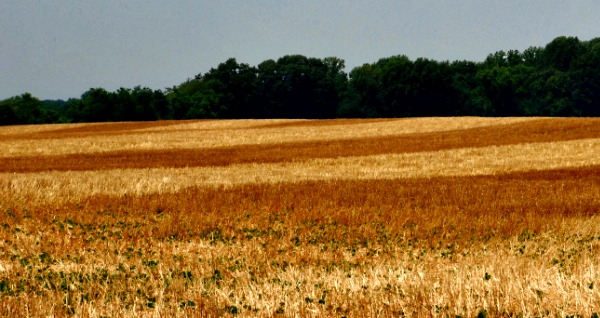
harvested fieldLying fallow isn’t just for fields. If you want to find kernels of ideas to jumpstart your next writing project, you might be surprised to see how much you can glean from the already harvested fields of your finished projects.

Just as farmers routinely allow sections of their fields to remain unplanted for a season in order to replenish the land’s fertility, writers need to leave past projects alone for a time in order to get a fresh perspective on their work – a perspective that often reveals the kernels of ideas that somehow got hidden beneath the framework of that finished work. Every writer knows many ideas that pop into the head during the research and composing process end up getting tossed out in the pursuit of a tightly woven story or narrative. That’s part of the discipline of self-editing: you mercilessly cut out your own words that you might have lovingly slaved over because you realize that, in the end, they don’t make your work stronger.

Ouch. The truth hurts.

The good news, though, is that those same words, those kernels of ideas, might be able to take on their own life in another season of your career–as long as you can find them again. That’s why it’s a good idea to keep your notes from a writing project after its completion. Yes, it means you’ve got bulky files sitting unused on a shelf, or on your computer, but it doesn’t mean you’re a hoarder who just can’t let go.

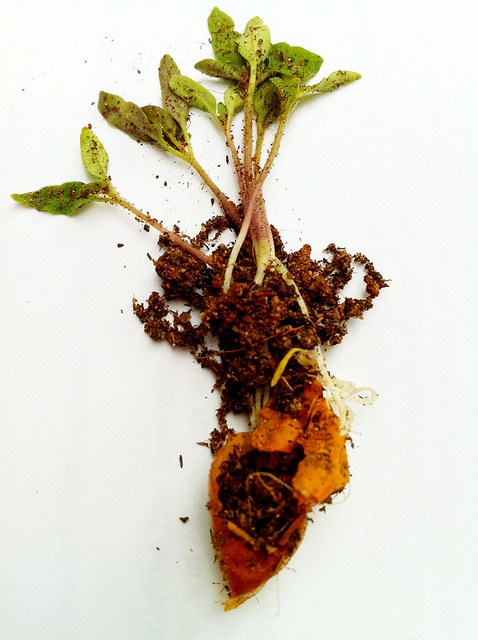
sproutIt means you know that as soon as you get rid of those notes, you’ll find yourself looking for that funky little idea that didn’t quite fit the last manuscript, but would be an amazing starting place for a new project…now that you’ve had some fallow time to let that kernel of an idea begin to sprout all on its own in your subconscious.

I used to think that if I wasn’t working on a new project, I was losing time. Now I realize that my imagination needs as much of a rest as any physical landscape that is cultivated for production. What’s even more delightful is to browse through my bulky files of old projects and find new inspiration just waiting to be gleaned from the rubble of a field I thought I had fully harvested. I shouldn’t be surprised – the Biblical injunction to leave the field fallow in the seventh year was not only to improve its productivity for later, but to provide sustenance for the poor who were free to eat of what was left. In other words, the field might have been harvested, but even in its fallow season, it could give nourishment.

For writers who feel depleted after the long haul to publication and market, it’s reassuring to know that imagination is already replenishing itself.

What kernels have you gleaned from harvested fields?