
When I fir st started writing…
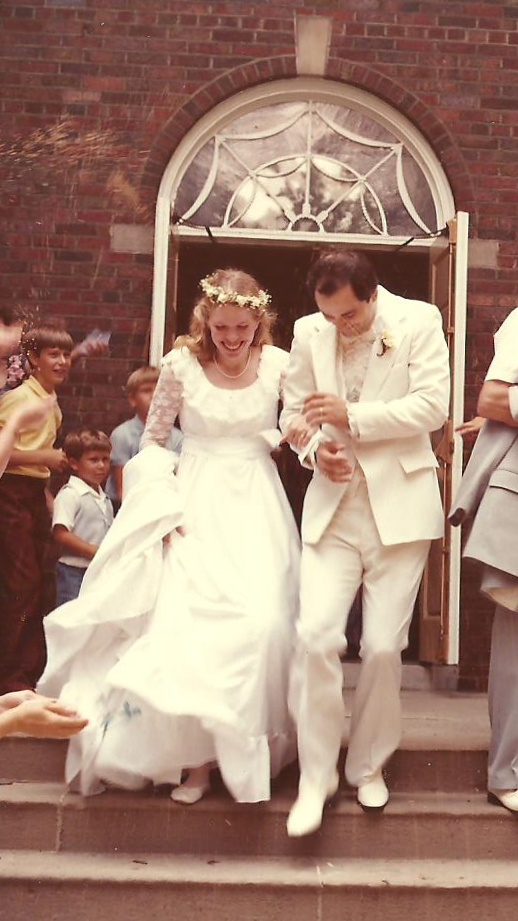
I was living the dream. I spent an hour every morning adding words to my Work in Progress before our homeschooling day started. There were no deadlines; no one demanded anything of me. I dwelled happily in my writer’s cave, isolated from the world, reveling in the company of my characters.
Yes, it was a honeymoon, and everything was perfect.
But as we all know, the honeymoon has to end sometime, right? For me it came to a screeching halt when I signed that first contract.
Just like a honeymoon gives way to the reality of married life, my writing honeymoon quickly turned into the reality of being a published author. But that was all right. I didn’t want to live in a perpetual newbie-honeymoon state in my writing career. I wanted substance. I wanted long-term. I wanted a lifelong commitment.
Thanks to my hard-working agent (hi, Sarah!), I’m on the threshold of that long-term writing life. And that means multiple projects. I’m marketing one book, editing another, writing a third, and proposing a fourth. This is the challenge I thought I wanted back in the writer’s cave days.

So how does a writer handle a challenge like that?
Here’s some advice I’ve received from writing friends:
- Keep writing. Write 1000 words a day. Do the math: 1K per day (without Sundays) becomes 320,000 words per year. Piece of cake!
- Keep on target. There is no magic potion. Get in a groove. Make that 1K per day a habit. Every day, same time, same place.
- Keep learning. My 1K per day takes about an hour of “bottom in the chair, hands on the keyboard.” I spend part of the rest of my time reading writing craft books or taking on-line classes. Even after publishing four books, with two more in the pipeline, I still have a lot to learn!
- Keep planning. I also spend part of my writing day planning the next project. After I turn in the last book for my current trilogy from Revell, I’d really like for them to publish another one. So I’m starting to lay the ground work for that series. I’m also in the middle of planning a new series for Love Inspired Historical. These new projects keep my creative juices flowing!
- Keep dreaming. Kariss Lynch wrote a great post about the difference dreaming makes in our creative life. You can read that post here: The Importance of Dreaming
- Keep living. The honeymoon really IS over if your writing becomes an all-consuming passion. Spend time with your family and friends. Give yourself time off.
Every once in a while, I ask myself if my current life is meeting  my expectations.
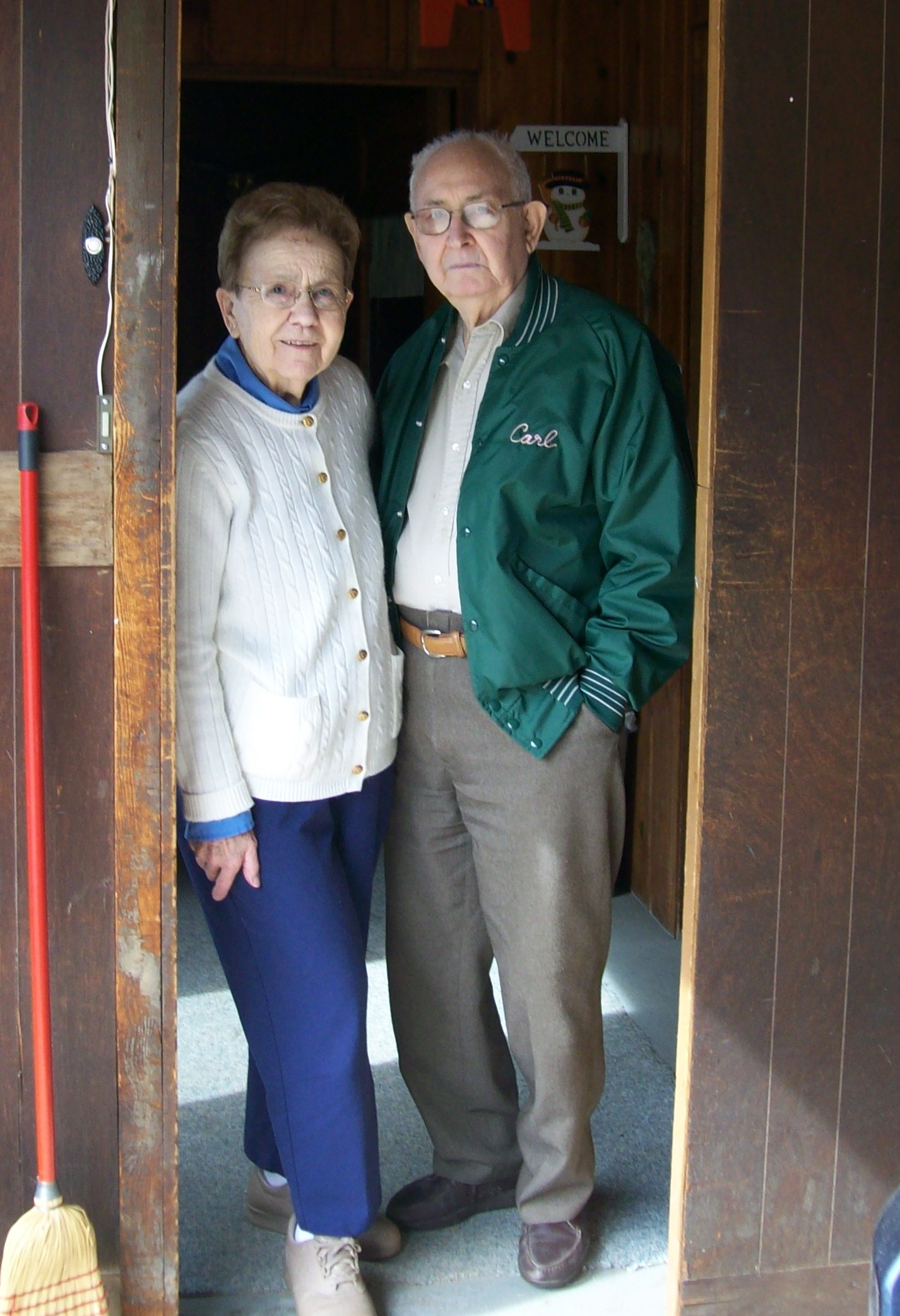
Is the challenge I thought I wanted during my writing honeymoon satisfying enough? Is it worth the work? Does it have substance enough for a long-term, lifetime commitment?
Yes. Oh, yes.
What about your writing life? Are you still in the honeymoon stage, or on your way, navigating through deadlines and contracts? Is it worth it?


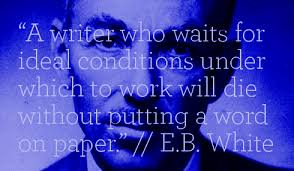 I’m going through one of those seasons of life where I’m not feeling motivated. My mind could go in either one of two directions. I could wallow and give up — allowing myself to succumb to fatigue, discouragement, and fear due to circumstances beyond my control. Or I could remind myself that I am an author, and as such, absolutely everything is potential writing fodder. I’m choosing the latter.
 To maintain any productivity, my way of putting words on the page has changed over the past month. For instance, instead of scheduling hours at a time for writing, I’m snatching snippets and seconds. Scrivener is my friend, as I drop ideas, research links, and summaries of real-time happenings for anecdotal use into project files. Life has required I do things differently, but I refuse to let it stop me.
 I’m also offering myself an extra dose of patience and forgiveness. If I expend emotional energy on unreasonable expectations and unhealthy guilt, I will pay for it in wasted physical and mental energy. It’s taken me years to learn this about myself, but now that I know it, I can approach writing with a healthier perspective.
 Another motivational boost comes from reminding myself that I am a professional. This means I don’t just think about writing, dream about writing, or talk about writing — I do it. A professional writer puts the same integrity, (doing the right thing whether anyone else can see or hear them or not), into their craft as the CEO of a multi-billion dollar company. I refuse to be the amateur Stephen King talks about.
 My past and present circumstances are more than writing fodder, they are also qualifiers. My unique experiences qualify me to speak about subjects, while my role as a professional writer enables me to say what others cannot due to willingness or ability. This is why writing is both privilege and responsibility. This thought alone motivates me to action when I feel unmotivated.
 The answer is yes. After all, I am a professional. And professional authors get to work — one intentional word at a time.




 WordServe Water Cooler