
Exciting things have been happening this month at WordServe Literary!
On the final post of each month you’ll find a list of Water Cooler contributors’ recently released books along with a recap of WordServe client news.
New Releases
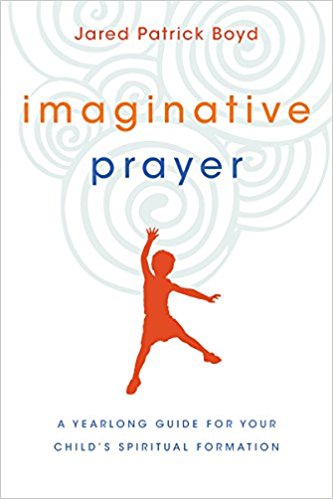 Jared Boyd released Imaginative Prayer with InterVarsity Press. When we lead our children through guided times of imaginative prayer, they can experience a connection with God that transcends mere Bible knowledge or doctrinal content. This book provides six units of weekly guided imaginative prayer on themes such as God’s love, loving others, forgiveness, God as king, and the mission of God; providing a yearlong experience of spiritual formation for children ages 5-13.
 Jim Burns and Doug Fields published The First Few Years of Marriage: 8 Ways to Strengthen Your “I Do” with David C Cook. In this follow-up to Getting Ready for Marriage, Burns and Fields offer a practical guide designed to help newlyweds build a strong foundation for a marriage that will last a lifetime. Along with explaining the traits of a healthy marriage, it helps couples rekindle romance, fight fair, and deal with stress, the challenges of the first baby, and much more.
 Patricia Lee released An Anchor on Her Heart with Mountain Brook Ink. McKenna Nichols, a young wife abandoned by her husband in favor of his work, is left alone to raise their autistic child. She promised to love him until death parted them. But when circumstances drive a wedge into their marriage and Dane chooses to escape what life has dealt them, how long can she be strong?
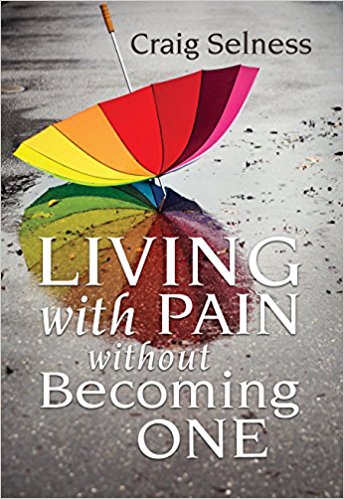 Craig Selness released Living with Pain without Becoming One with Worthy Publishing. With his own chronic pain ailing him, pastor Craig Selness writes about pain using a Biblical perspective on living well. The good news of the gospel is that we can continue to do good — to be kind and gracious and loving and hopeful — despite physical struggle. This book will encourage anyone who hurts or loves someone who does.
New Contracts
Dianne Christner signed with Barbour to publish The Marmalade Belle, part of the Southern Belle Brides collection, for publication in 2018.
Christian George signed with B&H Publishing to publish The Lost Poems of C.H. Spurgeon in 2019. Taken from some of Spurgeon’s earliest writings, which were lost to history for nearly 160 years, these poems are now revealed to the public for the first time.
Fred Sievert signed with BroadStreet to publish Grace in any Crisis, featuring inspiring, real-life stories of how people have sought, and found, God’s grace through faith in Jesus Christ, often resulting in miraculous relief from their pain and suffering and a driving passion to return that grace in Christian service to others.
New Clients
Sharon MacArthur and Nicole Phillips joined WordServe Literary this month. Welcome!

What We’re Celebrating
Martha Bolton received a Golden Scroll Merit Award for Fiction for The Home Game (FaithHappenings Publishers). The award was announced at the annual Golden Scroll Banquet, sponsored by the Advanced Writers and Speakers Association (AWSA) and held at the Hilton Plaza Hotel in Cincinnati, Ohio on June 27, 2017.
Margot Starbuck also received an AWSA Golden Scroll Merit Award for He Knows Your Name. Her book with David King, Overplayed, received a Silver Scroll Merit Award. And He Knows Your Name was honored again by the National Indie Book Awards as an Excellence Award Finalist. Congrats, Margot!


 No matter what we accomplish, many in the writing profession cannot help hoping for more. And there’s nothing wrong with wanting more — within reason. But if we aren’t careful, we will miss out on the best of our own experiences if we focus solely on what we don’t have, versus celebrating what we do.


