It wouldn’t happen to me.
At least not full-blown.
After all, I’d written for ten years, penned multiple novels, experienced a myriad of rejections letters, sold a bunch of articles, and met repeated free-lance deadlines.
I would NOT get the dreaded-first-contracted-book-jitters. Or writer’s block. I was a professional, just taking a next step in the industry.
Right?
You know what’s coming. My first book deal was contracted on a chapter and a synopsis. It was time to write to meet my first book deadline.
Only I needed to do more research. Read more widely within the genre.
I read 13 novellas in less than two weeks.

Obviously, it was becoming an addiction, all of this reading instead of writing.
I should quit—and would—as soon as I finished the 400 page novel that just arrived in the mail.
Then my friend brought me her collection of novellas to help with my research.
(Why do best friends feed addictions? Seriously!)
I had to write.
So I tackled every left-brained project I could find. I wrote non-fiction free-lance assignments, submitted proposals, started a devotional facebook page, and spent a bunch of time networking and marketing.
Which made my brain hurt, so I slipped away with a good book . . .
Renewed and with great resolve I went to bed excited for the morrow, when I would do nothing but write my first contracted novella.
I got up earlier than usual—not because I was eager to write, but due to the need to escape nightmares about inadequacy.
Bleary-eyed, I curled in my recliner, grabbed my journal and Bible, and prayed it through. The Lord reminded me of His promise ten years ago to lead me on the best pathway for my life, to guide me and watch over my writing journey (Psalm 32:8).
He asked if He’d done a good job so far. I said yes. He asked why I would think He would stop now. I said He wouldn’t. He promised to be with me.
Buoyed by God’s assurances for this new writing season I told my husband the whole wonderful story. Then promptly burst into tears.
The sweet man tried to hide his chuckles as he reminded me I was living my dream—that I could do this. Then he resorted to an illustration that good, non-fiction reading, left-brained, red-blooded husbands turn to: football.
Quoting Tim Tebow, the Bronco’s new wonder boy, my husband talked about going out there and doing what you love because you love it and because it is fun.
Oh, yeah.
This is what I love to do, this thing I’ve been avoiding for the past month. It’s fun.
No more fear! I’m going to get creative and let this story pour from my fingertips . . .
Tomorrow.
(How about you? Got a “first contract jitters” story?)


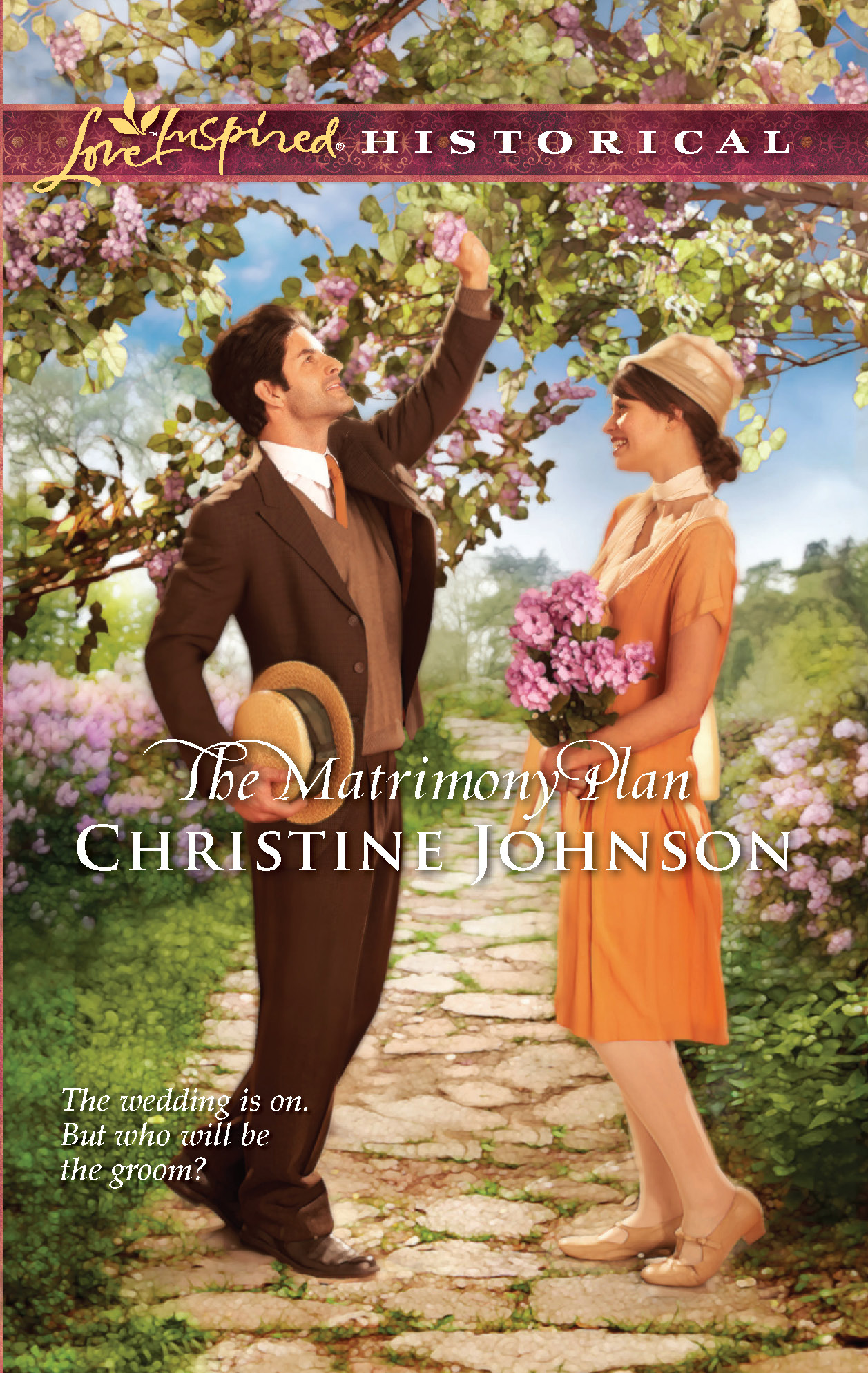
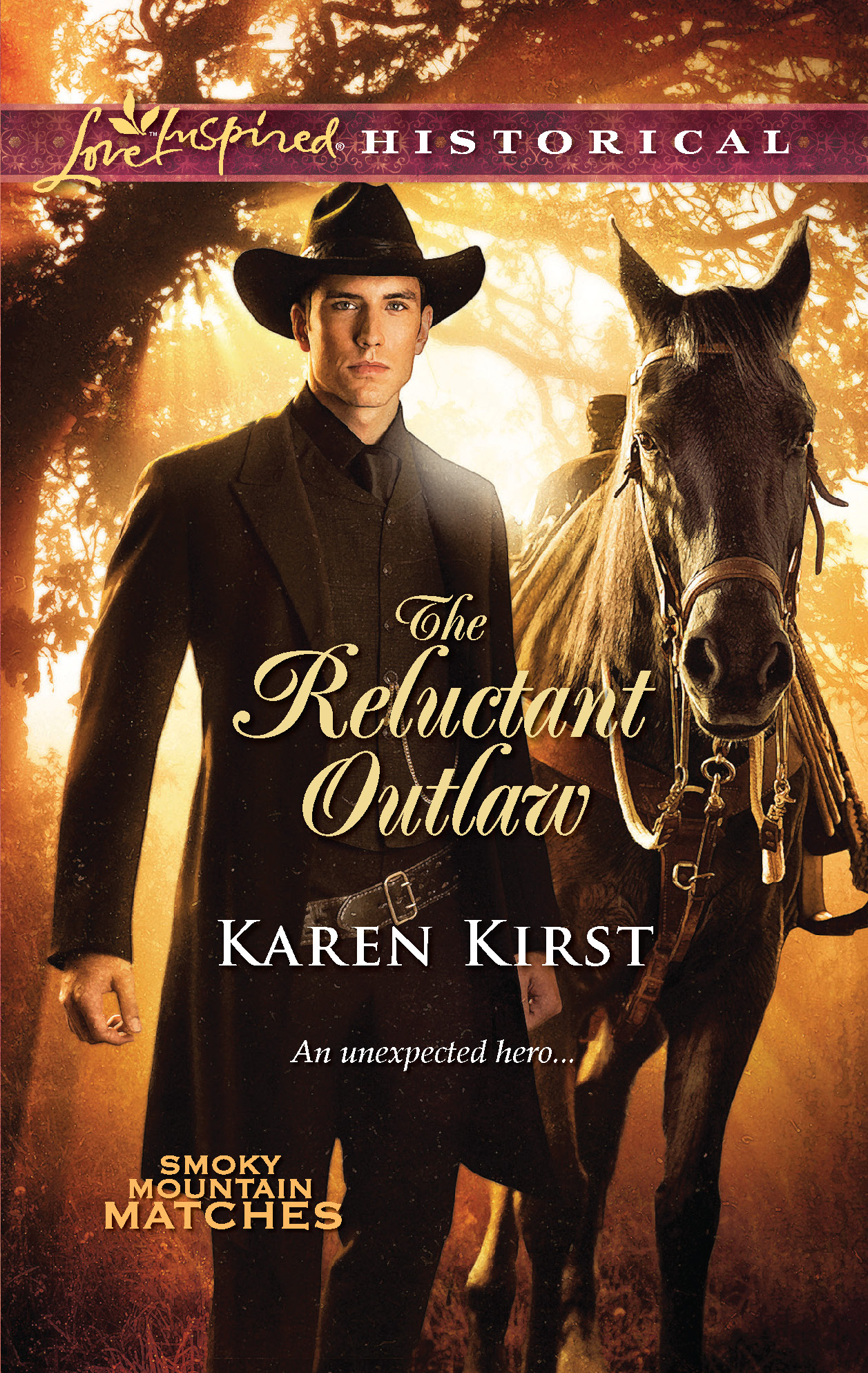
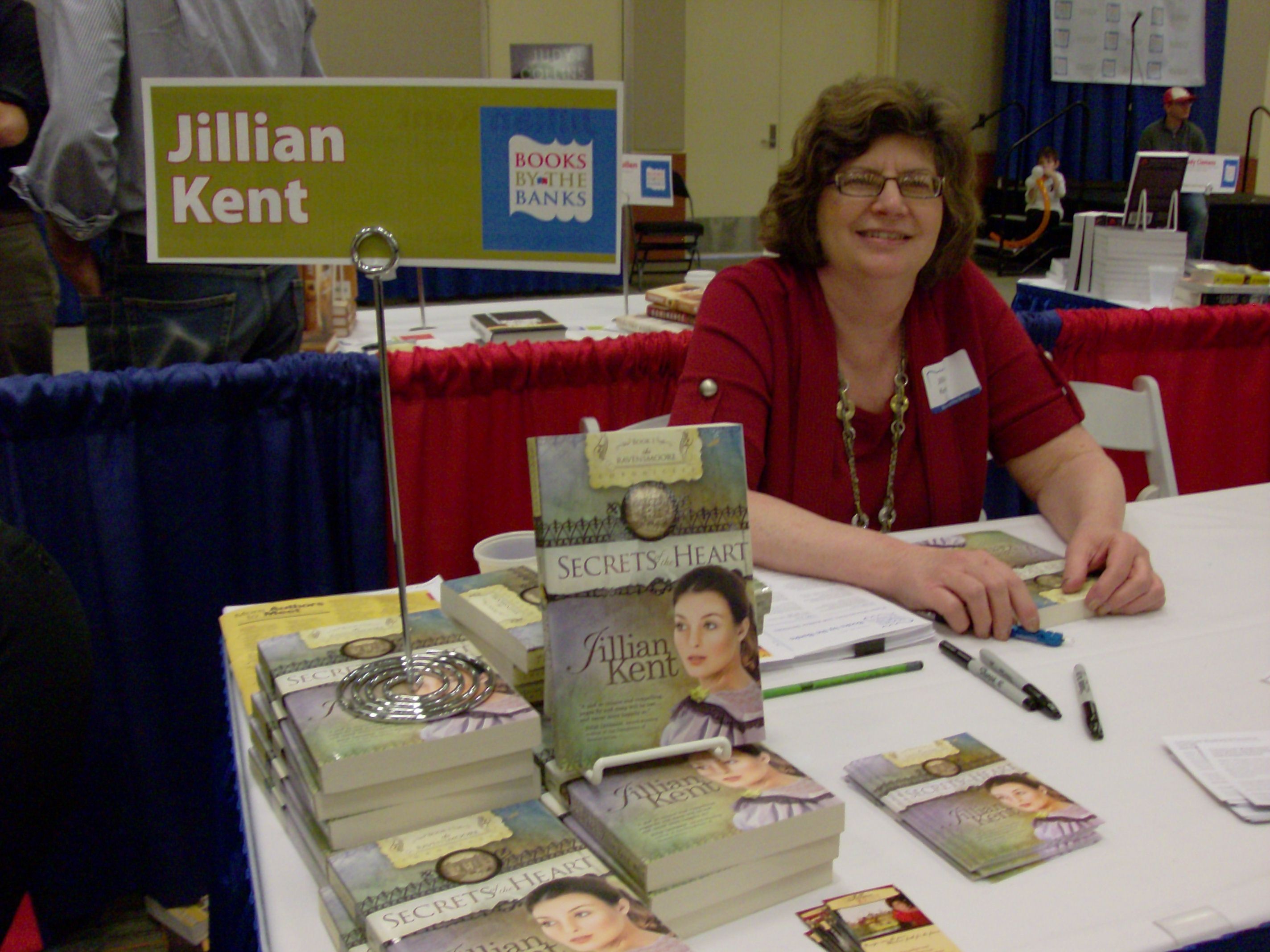
 I was very fortunate to have my novel, Secrets of the Heart, Book One of the Ravensmoore Chronicles picked for this awesome event. This year was the 5th year for