Tomorrow is Another Day (for Publishing)

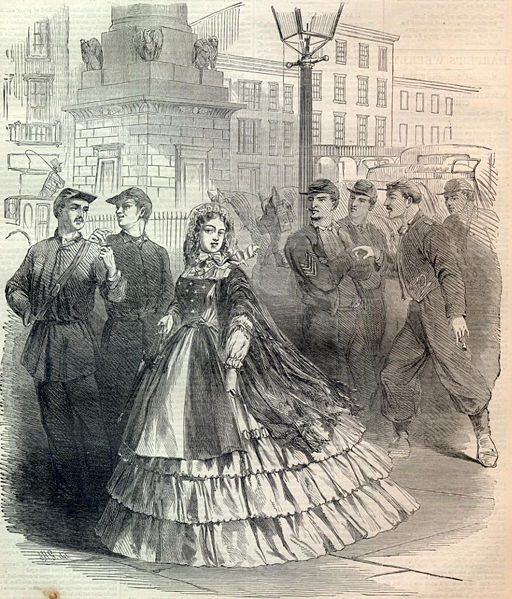
Cover illustration, Harper's Weekly September 7, 1861

The one constant in the print and digital publishing business these days is change, and change isn’t easy. Isn’t that the crux of most novels—thrusting your protagonist into unprecedented circumstances to change their world forever? I relate to strong heroines in those novels—Scarlett O’Hara being a favorite. While I don’t think the publishing landscape is doomed to resemble post-war Atlanta anytime soon, I can imagine when all is said and done, there will be those sitting around shell-shocked, sipping mint tea among burning embers, and those who will thrive with the flurry of a lumber mill during reconstruction.

One thing I’ve learned for seizing opportunity amidst upheaval is to apply basic principles of change management. 

“I can’t think of it now…I’ll think of it later.”1

As much as I enjoy Scarlett’s character, indulging in such thinking could be dangerous. The publishing business is changing, whether you take notice or not. If you don’t want the road to Tara to be riddled with potholes, it’s important to arm yourself with information. Fortunately, lots of people are talking about what publishing changes are in store, and you can follow any number of blogs for an understanding of the essentials or simply pose a question to a trusted writer’s loop and see what personal experiences you stir up. Do anything but ignore change. It’s not going away. 

“It’s better to know the worst, than to wonder.” 1

Expect to grieve a little. Change has a life cycle that passes through phases, including ‘loss’. Think about why you want to be published. This doesn’t have to be the answer you’d give anyone else, but be honest. Is it for the recognition? Because you have a compelling message to tell? Whatever the reason, with that need for being published in mind, ask yourself what you would lose if your choices no longer made sense.

Through the traditional print publishing route…would you lose time waiting for publication? Could your genre be overdone by the time you hit the shelves? Could the physical shelves be long gone by then? Could you lose out on the higher author cuts from e-publishing? And what about the e-publishing route…would you lose big name industry reviews? The satisfaction of seeing your book in print? Store placement to drive sales? Ask yourself if your expectations around what you have to gain or lose are realistic to begin with. What good is a higher e-publishing royalty if you can’t figure out how to move the books? Do you need ‘big name’ reviews if hundreds of GoodReads fans are singing your praises?

When you figure out what you really stand to lose, start brainstorming replacements. Can you hire PR to promote your book or join a group where authors help each other market? Can you fill down time waiting on publication by working on a new novel or building a platform? There is no easy answer here. Loss is painful, but coming to grips with it sooner than later frees you to move through the cycle and gets you thinking about moving forward.

“Now you are beginning to think for yourself instead of letting others think for you. That’s the beginning of wisdom.” 1

Success still resides at the crossroads of opportunity and preparedness. Recognize you have choices. You can go down the traditional publishing route today and find success, and you can go down an e-publishing route and find success. Or both. The choices mean you have some control over your fate. Treat your career decisions with as much careful planning as your circumstances will allow. Once you know where you want to go in the changing landscape, set milestones to mark your progress to keep alert to progress and risks along the way.

“In the end what will happen will be what has happened whenever a civilization breaks up. The people who have brains and courage come through and the ones who haven’t are winnowed out.” 1 

Margaret Mitchell, Gone with the Wind

What about you? How are you coping with the changing publishing landscape?

You’ve Got “Connections”

It’s a great privilege to connect with the world through our words and a greater privilege to connect with the Word about our worlds.

Connect with God about our writing

“God gave you this dream,” my pastor told me.  “You need to give it back to Him in prayer because He’s the only one who can make it count for eternity.”

One of my friends posted this on Facebook:  “I struggled with my writing for three hours, but after praying, I couldn’t stop the flow.  Why did I wait so long?”

When we’re not intentional about prayer, it falls by the wayside like everything else we’re not intentional about.

God wants to be our writing partner.  He says, “Let me have it!”

  • Lord, give me wisdom and direction today.
  • Inspire me and keep me focused.
  • Help me to persevere for your glory. 

“Commit everything you do to the LORD.  Trust him, and he will help you. ” Psalm 37:5

Connect with “the connected”

“You need prayer partners,” a well-known Christian author told me.  “Trustworthy, faith-filled people who will intercede on your behalf before God.”

Because we’re missionaries of words, the enemy stops at nothing to hinder us.  We need to call on our allies.

I took my friend’s advice and prayed for a little army of intercessors I could add to my email prayer list.  They encourage me to keep going, and I encourage them that they’re a key part of my ministry’s eternal reward.

“The man who plants and the man who waters have one purpose, and each will be rewarded according to his own labor.” 1 Corinthians 3:8

Connect with God about our readers

If we’re missionaries, our readers are the mission field.

I wrote the poems in A Friend in the Storm, with only one reader in mind, my friend Chantale who was dying of cancer.  I didn’t know my audience would grow from one to hundreds when she asked me to read them at her funeral.  I didn’t know my audience would grow from hundreds to thousands when Zondervan published them in a gift book.  I simply wanted to be a faithful friend.

“Whoever can be trusted with very little can also be trusted with much.”  Luke 16:10

Here’s how I pray for my readers:

  • Father, draw the right people to my book today.
  • Anoint my words to jump off the page into their hearts.
  • Please bring Holy Spirit peace and transformation.

Connect with God about your agent

If we’re going to pray about our God-given gift, we’re going to pray for our agents because they’re a big part of the gift!  Just as they represent us before editors, we’re privileged to represent them before the Father.

  • Lord, may she stay close to you, in the Word and in prayer.
  • Please help her be balanced and manage her time wisely.
  • Give her favor, Father.  Please open all the right doors for her today.

Connect with God about other writers

“The harvest is plentiful, but the workers are few.  Ask the Lord of the harvest, therefore, to send out workers into his harvest field.” Luke 10:2

We need to pray for other writers the way we would want them to pray for us.

Here are three great groups to remember in prayer:

  • Writers that feed us
  • Writers in our immediate circles
  • Writers we DO NOT want to pray for

Who are we currently reading?  Karen KingsburyMax LucadoKathi Macias?  We need to ask the Lord to continually inspire and bless them.

If we’re a part of a writer’s group or literary agency like WordServe that shares prayer requests, we have a community opportunity to practice true, selfless love.

Are we envious or jealous?  We need to pray!  God even calls us to pray for those writers who wronged us.  It happens.  And prayer changes us ever as much as it changes them!

“The prayer of a righteous person is powerful and effective.” James 5:16

I’m wondering, dear friends, what is your experience with the power of prayer?

The Create Space Experience

Many people gaze at online publishing as settlers must have viewed the wild, wild, west – with fear and awe. However, life on this frontier is not as lawless as one might think. It can be a useful accelerator on your path of obtaining or supplementing traditional publishing efforts. Take Create Space, for instance. Well-organized and structured, this tool can provide the positioning and leverage you need to take your creative efforts to the next level. Where you go from there is entirely up to you, and there are a myriad of options for you to ornament your work with whatever bells and whistles you want.

Even before you receive what is called an advanced reader copy (ARC) or a gallery (similar to an ARC), you can print out books for your readers and reviewers. In turn, they can begin your marketing buzz by word of mouth. With Create Space’s step-by-step application, the author is guided through all the necessary steps to correctly setting up their book. Setting up the title, creating the interior, and selecting cover art are parts of the process. You can upload interior files as a PDF to ensure formatting will not change. You can either create a cover with the website’s cover creator wizard or upload your own. In this case, be sure to follow their directions to the letter to ensure you don’t frustrate yourself by having the wrong size spine or files with poor resolution that will look shabby.  If you aren’t the type that can sustain the trial and error it will take to get this right, then recruit a patient friend to help you with the details.

Even before your book is actually for sale, you can choose to have sample chapters viewable to your social media networks through Create Space / Amazon, even if you don’t have your own website. You will have a way for people all over the world to familiarize themselves with your book. Create Space also has very good deals and is a low cost vehicle for having copies on hand for your book signings and giveaways.

The flexibility for authors is also remarkable. There are no minimum print runs with Create Space. You can order as few as one at a time. For perfectionists who want to make sure everything is just right before committing to a large press run, this is an unprecedented luxury. I ask readers to write Amazon book reviews, which are better than gold, and send out those links via Twitter. Perhaps best of all, actual customer service people answer the phones and they do so 24 hours a day.

Thanks to Create Space and other emerging platforms, there are more options than ever for authors to distribute their work. Technology has opened up an ocean of opportunity, and the new world looks brighter than ever.

Have you ever utilized non-traditional publishing methods to support your traditional publishing dreams? If so, how? How might a tool like Create Space help your marketing platform?

Building Your Author Platform Before The Contract

I remember attending a writer’s conference where the agent I was pitching stated debut authors needed a platform, even for fiction, in their proposal. She said if a query piqued her interest, she’d google the author’s name to see what came up. If there was hardly anything, she’d think long and hard before asking to see more of their book. And, she said editors do the same thing.

Yikes. I didn’t have anything up. I thought that all came after the book deal.

First thing do to is establish yourself as a professional writer. I recommend starting a Facebook page as a writer, not a profile, but a page. Announce to people that you are a writer and believe it!

Do the same with your Twitter account. Don’t have one, here’s my post on How to Effectively Use Twitter for Authors.

You need a website. Don’t panic. There are plenty of free sites that can provide you with a website. I use wordpress.com You don’t have to start a blog yet, though I would recommend it later. You can simply have an about page and a contact page. You can check out my about page here for ideas. Visit your favorite author sites to see what you like and don’t like.

Now, you’ve got these pages up, but what do you do with them. Here’s where it get’s a little bit harder. You need to figure out who your target audience is. You’ll need this for your book proposal, so now is a good time to start on it.

Who will be interested in your books? If you’re writing inspirational fiction, then you’ve already got a faith element. Christians are interested in your books. If you’re writing historical, then what time period? What groups of people or hobbies would go along with this?

This is just scratching the surface. Go deep with this. I recommend making a list of possible interests. Now, you can write some guest posts to blogs targeting this area. Tweet and share Facebook links with articles written by other people on these subjects.

Ask questions on Facebook and Twitter. If you’re coming up with a name for a new character, list two and have people vote.

You are well on your way to establishing a platform.

What ideas or tips do you have to make your platform even more effective? How often do spend social networking? Should you be engaging even more?

Write With Realistic Expectations

Aspiring or first-time authors sometimes hold the misconception that they will hit it big with their first book. Visions of bestsellers dance in their heads.

It’s time for a reality check from The Agent’s Desk. One of our jobs is to manage your expectations through every stage of this long process called publishing.

The statistics have not changed much in the years that I’ve been involved in the book industry. In the entire Kingdom of Books, which includes every title sold in every category—not just Christian—only ten percent of authors make a living solely by writing books.

The authors you meet at conferences may still have day jobs, or if they freelance, they edit manuscripts, ghostwrite books, or conduct their own writing workshops. Or they still have day jobs. They work all day and then come home and write their novels at night. Or if they’re early birds like me, they hop out of bed at 4 a.m. and sit down at the keyboard before rushing out the door to make it to work on time. Some pound out two or three pages every day while riding a commuter train.

Another group of writers may be blessed with a spouse who is the sole breadwinner of the family. Mothers who are writers take care of the kids and write during nap time. I’ve known stay-at-home writer dads as well. The whole family tightens the purse strings and lives on a budget.

Of course, a few authors inherited their fortunes and live on Fantasy Island.

Here’s the reality. The average Christian novel sells about 5,000 copies. Some sell less; some sell more. You notice I didn’t say that the first-time author only sells about 5,000 copies. No, that includes experienced and newbie authors as well. Do the math.

A smaller percentage may sell 10,000 to 15,000 books each time. This is our hope for you because it will assure you a place at the table and a long-term career. Now we enter more rarefied air.

A much smaller group sells 20,000 or 25,000 books, but those are usually long-time authors or a new author who happens to write a book that hits a nerve with readers. We hope you are the exception and will publish books in this range.

Only a handful of authors sell in the 50,000 to 100,000 or more range consistently. You know their names. They live on the bestseller lists. You see their names month after month and year after year on the CBA or ECPA bestseller lists.

Then, once in awhile, an author catches lightning in a bottle, and you have a series such as Left Behind or a single book title like The Shack.

So please, if you are a newcomer to publishing, adjust your expectations, and if you knock it out of the ballpark, you’ll be as ecstatic as your agent and your publisher. We pray for bestsellers!

Image: Nutdanai Apikhomboonwaroot / FreeDigitalPhotos.net

Agent versus Agency

If your agent leaves an agency, several issues may crop up that, as an author, you may find surprising. If you follow Christian publishing circles, recently an agent made a change between agencies, and several authors had to make a decision about what to do.

Stay with the agent or the agency.

Several details may play into your decision. What have you done for me lately? Perhaps you’re not on the best of terms with your current agent, and you want a fresh start. Staying with the agency may be a good choice. Or, you have a great working relationship with your agent and can’t imagine not moving forward with him or her. What’s the reputation of the new and old agency? Does it matter to you?

But the decision may not be as easy as just those questions.

Here are a few things I learned that surprised me.

1. You may not be able to leave. This sounds strange, so let me explain further. Your agent may not be able to take you away from the agency. This depends on the contract your agent signed with the agency when they developed their partnership. So, if you love your agent and never foresee parting ways, this may be an important piece of information for you to know. Personally, I never thought about asking this. Though, my agent is president of his agency, so he likely won’t leave himself.

2. Your contract will stay. Even if you leave the agency with your agent, the contract he/she negotiated will probably stay with the agency. This presents an interesting situation. It’s likely you’ll be working with both parties for the duration of the contract. The agency may handle some aspects, and your agent may handle others. Be sure you’re clear on these details.

3. You may have to reorganize. Perhaps your only social media presence was through your agency. Your picture was only on their web site. You blogged only through their outlets. This speaks to not having all of your eggs in one basket. Remember, your name is your brand. This should be developed separate from what your agency does. So, be blogging in multiple places. Have your own web site. The more internet presence you have, the less likely a change like this will affect your ability to get your message out.

What about you? Do you think you’d be more loyal to the agent or the agency?

When Mom and Dad Split Up

Getting an early morning call from your agent can lead to adrenaline induced heart arrhythmias. Working in the ER, I’m trained to assume and prepare for the worst case scenario. That’s the nurse in me. But, what do you do when you get a cryptic message from your agent?

Me—assume the worst. What could he be calling about? Is it an issue with my publisher? Is he dropping me? What could it possibly be?

Not only am I an ER nurse but a suspense author—so I may lean toward the dramatic.

Quick dial back.

The news was not anything I expected. An agent was leaving the fold as Greg mentioned in late December as part of the agency news. What did that mean? The reason for the call was to discuss what would happen to this agency blog when several contributors were leaving.

The WordServe Water Cooler started in the middle of last year as an agency blog with the focus of helping authors a little further back on their writing journey navigate the publishing road. Since it is an agency blog, professionally, it needed to be maintained as such. Those authors choosing to go with their agent to the other agency would not be able to participate.

Problem was—we had become a family along the way.

Initially, when the blog was set up, a Facebook group was started as a communication tool to facilitate signing up for posts. What it morphed into was a true community of authors supporting, encouraging, and praying for one another’s triumphs and difficulties.

Personally, I didn’t want to lose touch with those who were leaving. It felt like my family was splitting up. Greg had tasked me and another author to take over administrating the blog. We began a conversation with the current overseers about how to handle the change.

How this multi-author blogging group handled this agency change has been humbling and inspiring and I believe has some lessons that can be learned by all—both on a personal and professional level.

Here are a few I’d like to highlight.

1. Do not gossip. On our group Facebook page, there would have been ample opportunity to gossip about the situation. Who was leaving? Why were they leaving? What do you think of such and such agency? Agent? I can honestly say this did not happen. Everyone was professional and supportive and prayed over those having to make tough decisions and over those who were most affected by the change.

2. Your decision is personal. Whether or not you decide to stay with a particular agent/agency is a private matter—not a group discussion. Only a few trusted people should be privy to the reasons. This is handling it professionally. Airing grievances publicly, particularly on social media, will come back to bite you. The world of publishing is small, and people will remember how you acted.

3. Create a neutral meeting ground. To meet the need of maintaining those relationships that developed via the Facebook group—a new private group was created where those who left could still interact with those that stayed. Of course, I can’t tell you the name. It’s a secret.

4. Be open to new opportunities. Change is part of life. The choice you make is how you handle it. You may be presented with opportunities to grow and stretch. Don’t be shy about stepping up and learning new things. This month, you’ll see several new talented authors contributing to this blog—including superstar agents Greg Johnson and Barbara Scott. You’ll learn more about marketing and social media from publicity expert Ingrid Schneider. Ever wonder what it’s like to intern at a literary agency? Check out Sarah Freese’s posts.

Question for you—what’s been the biggest change related to publishing/writing you’ve had to deal with?

WordServe Literary News

Exciting things have been happening at WordServe Literary!

On the final post of each month you’ll find a list of Water Cooler contributors’ books releasing in the upcoming month along with a recap of WordServe client news from the current month.

February New Releases

From Santa to Sexting
By Dr. Brenda Hunter and Kristen Blair
Leafwood Publishers
Non Fiction/Parenting


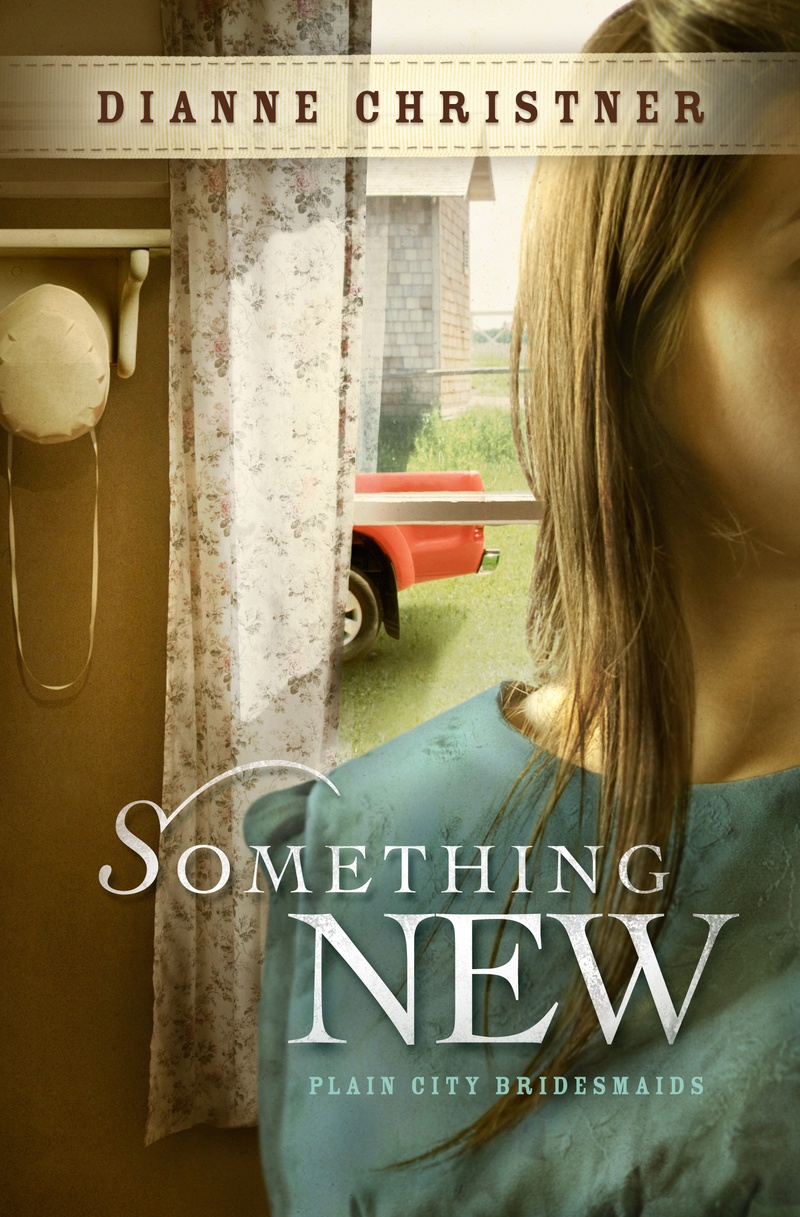
Something New
By Dianne Christner
Barbour Publishers
Historical Fiction

Into the Free
By Julie P. Cantrell
David C. Cook Publishers
                                                          

Sweeter Than Birdsong
By Rosslyn Elliot
Thomas Nelson Publishers
Historical Fiction

 • • •

 Agent News

Though Rachelle is “gone”, she’s still closing deals for her authors that were submitted last fall: Sandi Bricker got a 3-book contract with Moody for fiction; Billy Coffey a 2-book deal with Thomas Nelson for his next two novels; Susie Eller with Regal for a non-fiction book on forgiveness, and several others.

• • •

 Barbara’s New Clients

Dianna T. Benson, EMT and Haz-Mat Operative, is a suspense/thriller novelist.

Terry Brennan, author of The Sacred Cipher published by Kregel, writes political thrillers and is Vice President of the National Organization on Disability in Manhattan.

Ann Lang Bundy, is a former police officer, home-schools her five children, and is a lay Bible scholar. She writes long biblical fiction.

Mary Davis, authored numerous bestselling Barbour/Heartsong books and is writing a longer work of fiction.

Sharon A. Lavy, a member of the Old German Baptist Brethren and author of traditional Old Order fiction. Sharon lives with her husband on a farm in southwest Ohio.

Sandra Dionne Mooore, multi-published Barbour/Heartsong author, has written a longer historical fiction novel.

Stephanie Reed, is a published author and currently in the editing stage of an Amish novel for Kregel.

Amy K. Sorrells, a registered nurse, writes women’s fiction.

Janalyn Voigt, will publish her first epic fantasy novels with Harbourlight and is also writing historical fiction.

 • • •

Greg’s Request

Would appreciate prayers for Lauren Scruggs. She as the woman who was in that horrific airplane/propeller accident where she lost her left hand and eye before Christmas in Dallas, Texas. She’s the daughter of WordServe clients Jeff and Cheryl Scruggs (I Do Again).  She’s getting major media constantly contacting her (People magazine, and all of the morning and afternoon talk shows), and I’ve (naturally) been getting calls from publishers. She’ll be making a decision about whether to write a book about it all soon. If she does, it will likely be a family written book, as this experience has tested them all.

• • •

Sarah’s New Client

Kimberly Vargas, Kimberly Vargas has created instructional design content for companies such as Capital One and GEICO, and she is the 2011 Reader’s Favorite award winner for the category of Fiction—Chick Lit for her novel, Gumbeaux.

• • •

 Contract News from Greg

Heather James signed a three-book contract with Kregel Publishers for contemporary suspense. The novels are tentatively titled: Lure; Lust; Lies.  These are Heather’s first books! Kudos to Sarah Freese for helping with the proposal and manuscript.

The Center for Bible Engagement CEO Arnie Cole and Senior Writer Michael Ross signed their second contract with Bethany for a non-fiction book titled: Tempted, Tested, True: A Proven Path to Overcoming Soul-Robbing Behaviors  (their first book, Unstuck, comes out in May).

Using the research from nearly 20,000 surveys, the authors share the new research that reveals a solution to resisting its grip, untangling negative emotions, and breaking free from behaviors that rob our souls of the life God wants to give us.

Gilbert Morris signed a three-book contract with B&H Publishing Group for a historical series called “All That Glitters”. It’s a series set in turn-of-the-century San Francisco.

Rich Marschall got a contract from Dover Publications for a reprint of 1987 book he wrote called: The Tough Coughs As He Ploughs the Dough: Early Writings and Cartoons by Dr. Seuss.  As a former syndicated cartoonist, Rick knew and knows all of the big-time cartoonists/authors from the day.

 • • •

 Other News from Greg

 Author Ken Gire has decided to give back to authors everywhere and do a month or two-month mentoring intensive for new or seasoned writers (reasonably priced). Ken has written both fiction and nonfiction, and is considered one of the finest devotional writers of our time (Intimate Moments with the Savior, among others).  If you or a writer you know is interested in hearing more about what it all entails, please contact me at greg@wordserveliterary.com or Ken directly at kengire@gmail.com. You can also find Ken on Facebook. Tell him you read about it on the WaterCooler. (He’s hoping to join us soon!)

• • •

 That’s our good news for the month.

Please share yours in the comments so we can celebrate with you.

The Slow Loris Road to Publishing

I’m what you might call the slow loris of book publishing.

 Are you familiar with the slow loris? I know it sounds like a Dr. Seuss character, but the slow loris is actually a real animal – a tiny primate with big, puppy-dog brown eyes and a round head (so far, nothing in common with me, in case you’re wondering). The slow loris is also described as a slow and deliberate climber.

Yup, that’s me: the slow, deliberate climber.

It took me two and a half years to write my first (and at this point, only) book. In my defense, I also had a toddler and a newborn at the time, as well as a part-time job, so I wrote only in the very early mornings and in the evenings, after the kids were tucked into bed. I wrote every day, slowly and deliberately ticking off chapters one by one until I had a completed manuscript. I marvel at writers who crank out two or three books in a single year. I know people that do this, and they are very good, fast writers. I am not. I am methodical, and my editing is nothing short of painfully laborious.

After I finished writing and editing my book, it took me another two years to land an agent. Again, I was slow and deliberate in the querying process. I purchased The Guide to Literary Agents and The Christian Writers’ Market Guide, and scoured the exhaustive lists of agents, categorizing each with the letters A, B or C. “A” designated a top-choice agent; “B” were the agents I considered good, but second-tier; and “C” was reserved for those I might query in desperation. I researched the agents online and then crafted a personal query letter for each. I queried most of my “A” list and some on the “B” list before Rachelle Gardner (top of the “A” list, by the way) offered me a contract (truth be told, I queried her twice).

 “Whew!” I thought, after I’d finished cartwheeling across the living room the day Rachelle offered me representation. “Now the process will finally start moving along! Let’s roll, baby!”

I assumed once the manuscript was out of my slow loris hands (claws?) that the pace would accelerate.

That was last February.

My memoir has not yet sold to a publisher. I’m not saying it won’t sell eventually. I am simply stating that in the nearly 365 days since I accepted representation from Rachelle, it hasn’t sold. As it turns out, Rachelle chooses the slow loris approach, too, if the market demands it. Sometimes, as she noted in a recent post, publishers aren’t in the market for a particular genre (in this case, memoir), so she puts the manuscript aside and patiently waits for a better opportunity.

I admit, being the slow loris is frustrating at times. I see some of my favorite authors publish one book, and then a second, and I wonder, “What about me? What about my book? Why doesn’t my book sell?” Doubt creeps in. And insecurity. I begin to question my ability as a writer, my story, even my choice to pursue this publishing dream.  I contemplate ditching writing all together and taking up needlepoint.

In the end, though, I continue to stick with it. After all, slow lorises, in addition to their slow, deliberate climbing skills, are also known for their ability to cling to a tree in one spot for an exceptionally long period of time, patiently waiting for the perfect meal to wander into proximity.

“Everything in its own time,” Rachelle reminds me.

I’m patient. I can wait.  I am a slow loris.

{For the record, the slow loris is also the only mammal with a toxic bite. Just saying.}

What animal would you choose as a metaphor for your journey to publishing or your writing style {please don’t say cheetah or I may die a little inside}?

Throw Your Spaghetti

Parents are known for their one-liners, and mine were no exception. “Do it once, do it right, then forget about it.” Wise words tattooed on my heart as my military father explained how to mop the kitchen floor.

Now, with four children of my own, I’ve discovered there are a few one-liners I’ve batted around long enough to stick with my four kids as well. My personal favorite?

Throw your spaghetti!

I use these three words to encourage family and friends. Inspiring them to knock on every door in their path and walk through and follow-thru when that door opens.

This saying originates from the traditional Italian way of testing pasta. The cook throws a handful of spaghetti noodles against the wall and if a few strands stick the pasta’s ready. If the noodles fall to the ground—the pasta remains in the boiling water.

Here are a few life examples of what “Throw Your Spaghetti” looks like:

While attending a writer’s conference, I was surrounded by hundreds of wannabee-authors like myself who dreamed of a coveted publishing contract. When I had the chance to talk with some of them, I was amazed by their talent, awed by their creative ideas, and immediately anxious about ever being good enough.

One of those gifted writers spoke with me, “I just got back my edited manuscript. It’s full of red ink. The editor suggested I talk with another publisher.” She moped.

“So, what are you waiting for? There are lots of publishers here you could talk to.” I reminded her.

“I don’t know. I really had hoped this editor would want it for her publishing house. I’m thinking it’s not meant to be for me.” She mumbled.

“Are you kidding? You have a gift, and you’re going to let a rejection from one publisher hold you back from your dream? C’mon get out there and meet with everyone you can. Throw your spaghetti!”

And then there was the time my college-aged daughter called to share:

“Mom, I just found out about another college that offers a fellowship for creative writing. But, the problem is, I’m not sure if I should stick to my number one school choice in Iowa, or try for this one too?”

“Honey, there are no guarantees you’ll get into your first choice, so I’d apply for both. Throw your spaghetti!”

“Throw your spaghetti” is my own silent mantra from time to time. After flying cross-country to attend a women’s conference, I anticipated sharing my book idea with a few publishing houses. By divine miracle, my late registration didn’t hold me back from appointments with publishers.

I called my husband to share my progress. “Paul, I just met with a gal who taught a workshop about pitching my book idea. She said what I have isn’t good enough for a book.”

“I’m sorry, who told you? Did God personally tell you that?” Sarcasm oozed over every syllable.

“No, God did not personally tell me that!” Irritation got the best of me.

“Well then, I suggest you keep your appointments with the publishers and pitch your book idea. Throw your spaghetti!”

He was right. I kept both of my appointments. Each publisher gave me the green light to send in my full book proposal. Months later, those same publishers emailed rejections. But, I did what I do best—I threw my spaghetti and submitted my work over and over again.

What manuscript have you buried for lack of follow-thru? What gift have you ignored because you believe you aren’t good enough, smart enough, or talented enough? Start working on your follow-thru, and perseverance…then throw your spaghetti!

By the way, that book idea I was telling you about? You can find it on Amazon.

What holds you back from trying one more time?

Who encourages you to throw your spaghetti?