Hello, Fellow Publishers!

I’m a publisher.

I thought I was just an author doing some social marketing, but thanks to what I’m learning from Beth Hayden’s book Pinfluence: The Complete Guide to Marketing Your Business with Pinterest, my whole perspective on my writing career is changing. Yes, I write mystery and suspense novels, but in support of that endeavor, I need to be creating and presenting content online that is meaningful and valuable for my customers. I need to give my social media friends and visitors what they are looking for, or as Hayden explains on page 61 of her book, “You need to make sure that every piece of content you publish either solves a problem for your audiences, or entertains them – preferably both.”

That’s a big responsibility. Every piece of content. We’re talking about images, information, links, comments – anything you publish anywhere on the internet that has to do with your writing. It’s all part of your ‘company.’ The really exciting part of using Pinterest as part of your company is that it allows you to get creative with visual content, which, psychologists tell us, can evoke emotional responses in a viewer. The bottom line is that by publishing the right images, you can build enthusiasm and loyalty in your viewers, which will help sell your product (books).

Culling through whatever is already on Pinterest boards, however, is not the way to find the ‘right’ images for your viewers, Hayden points out, just as consistently using someone else’s words doesn’t make your work original. Instead, put together your own content. That doesn’t mean you have to take a hundred photos or hire a graphic artist. It means you have to collect compelling images that represent your unique brand. (Be very careful of image copyrights.)

Do you write historical romance? Pin beautiful images of the places where you set your stories, or sketches of period clothing, or the flowers of the region – anything that helps your reader connect to your book. Think of it as publishing a behind-the-scenes guide to your story.

Do you write motivational memoirs? You could pin pictures of famous people who have overcome hardship, or framed inspirational quotes, or maps that trace incredible journeys. Think of it as pulling together an illustrated companion piece to your book.

The possibilities are limited only by your time and imagination, but if you keep focused on your ‘company,’ it will help eliminate some of the time-draining wandering we all do when we get online; if you’re collecting images of old barnyards for an Amish board, it will be a lot easier to not get distracted by all those cute animal pictures that pop up in the blogosphere. (If all else fails, put a sticky note on your computer screen that reminds you “No puppies!”) Make your publishing goals as specific as possible, pin appealing and evocative images on your boards, and Pinterest can become a great billboard for your books on the global internet highway.

Enjoy your publishing!

What are some examples of images that you have been pinning lately? Do you have any creative ideas for pins besides those I mentioned above?

It’s A Parade!!

Welcome to WordServe Water Cooler’s Very First Blog Parade!!

Listed below are links to many of The Cooler’s authors and we are all writing on this topic: First steps we took to becoming an agented and/or published author!

The goal of today’s post is to give you some great advice and to allow you to see some of the personal blogs of our authors where they offer their ponderings. I think you’ll be amazed at the variety of helpfulness each author gives to the community.

Thank you, our faithful readers, for making the WordServe Water Cooler a great community. Enjoy the parade!

1. Anita Agers-Brooks: Anita Fresh Faith

2. Julie Cantrell: Julie’s Journal

3. Dianne Christner: …plain girl romanticizing

4. Dena Ratliff Dyer: Mother Inferior

5. Jan Dunlap: Jan Dunlap’s Blog

6. Michelle Griep: Writer Off Leash

7. Karen Jordan: BLESSED Legacy Stories

8. Sharon Lavy: Sharon Lavy’s Blogspot.

9. Gillian Marchenko: Gillian Marchenko’s Blog

10. Katy McKenna: Fallible

11. Melissa K. Norris: Inspiring Your Faith and Pioneer Roots

12. Jordyn Redwood: Redwood’s Medical Edge

13. Cheryl Ricker: Fresh Air

14. Kimberly Vargas: Kimberly Vargas’s Blog

15. Janalyn Voigt: Live Write Breath

16. Lucille Zimmerman: Lucille Zimmerman

Hope you enjoyed our parade!

Standing as a Writer, a Lesson Learned from My Daughter with Down Syndrome

My four children are blessings.

But they also make it challenging for me as a writer to, well, write.

After reading Heather St. James’ hilarious post last week about writing with kids in tow, a thought occurred to me. Yes, it is challenging to write with kids, but they also are life-sized object lessons to spur on my pursuit of publication.

Here’s an example.

Our third daughter, Polly, who was born with Down syndrome, has low muscle tone. When she was two and a half years old she wasn’t close to walking, so her therapist suggested a stander; a wooden contraption with Velcro and steel to buckle your child into. The hope was that Polly would bear weight on her legs, build muscle, and start to tolerate the sensation of standing.

She was to stand for three hours. Every. Day. Did I mention she was two?

The first few days Polly was ambivalent. “Polly, time to stand,” I’d sign and say (sign language at the time being her primary form of communication), and she’d shrug her shoulders as I strapped her in.

Soon, though, she grew combative. She learned a few tricks, like to hike her rear up over the thick leather strap to make a seat to rest on, or to pull the Velcro strap apart one-handed, thus freeing herself from her therapeutic shackles.

I’d raise my eyebrow, and she’d look at me like, “What? I’m standing?”

The season of the stander was a difficult time for our family. But the strength my daughter acquired was undeniable. After two months, she pulled to stand on her own, with a triumphant, cheeky grin plastered on her face.

How does this relate to writing?

When I first started writing, I don’t think I actually wanted to write. I wanted to be known as a writer. I wanted to see my name in print. I craved the imagined silence of hours ticking away at a computer somewhere, alone, without my kids hanging on my legs.

But I lacked writing muscle. When it actually came to “butt on the chair” time (to quote Mary DeMuth in her book 11 Secrets to Getting Published), I waxed and waned between ambivalence and combativeness. I wanted to write the next great American story in one sitting. I didn’t want to have to work at it.

I discovered that good writing demanded writing muscles: write consistently, set deadlines, read about the craft of writing, learn from others living a writing life. Also, growing muscle required humility. I needed to ‘fess up’ when I, like Polly, tampered with the shackles of a literary life and attempted to squirm free.

If I let myself get out of hard work consistently, I will never learn to stand as a writer.

Sometimes when I write, the vision of Polly in her stander pops up in my mind. There are several other things besides writing, too numerous and embarrassing to list, that I try to sabotage in my life. I kick. I undo. I push.

My daughter–patient, diligent, and courageous in her daily attempts to do things I take for granted–teaches me a valuable lesson.

If I want to publish a book, or even as Papa Hemingway says, “write one true sentence,” I need to put in the time, effort, humility, and courage to grow strong enough to stand on my own as a writer.

P.S. An update on Polly. She is now six years old. She walks, runs, climbs stairs and in fact, we can’t get her to slow down.

Making Eye Contact

I survived the hottest recorded day in Phoenix—122 degrees, June of 1990.

Slogan tee-shirts celebrated our feat of endurance and brought camaraderie to Phoenicians. Strangers on the street—If we were crazy enough to be outside that particular June—shook heads and bonded without muttering a word. Normally in metropolitan Phoenix, people don’t make eye contact with strangers. But survivors bond.

 On writing island, the heat’s rising and the competition’s growing.

Passivity kills. We must seize all survival tools to inhabit, flourish, and keep our cool. There’s a handy item in the writer’s backpack that can catch the eye of tribal leaders.

A Killer Book Proposal!

I hear your groans. I groaned when the mercury hit 122.

But book proposals create eye contact with your agent or editor.

If you need a format, here’s a simplified version of the one from my backpack.

Title Page  – Title, author’s name, and literary agent’s contact information.

Proposal Overview  – This vital area creates initial eye contact. It’s the premise for a book or series. Be precise. 1-2 sentences for each book.

Synopsis – Deepen interest. About three pages of story summary (My most recent included a twist and a takeaway) After that, do a ¾ page synopsis for each sequel. Note how the books tie together. (For nonfiction proposals, this area contains chapter outline and short summaries)

Manuscript Details – Word count and date when the finished manuscripts can be available (First time authors need to have the manuscript completed)

Author’s Uniqueness – One page. Includes education, credentials, awards, and personal experiences which relate to your book, your writing style as compared to others, and genre. If you’re published, bring in quotes and snippets of reviews to describe your writing.

Marketing – Bullet style, brainstorm what will sell the book. If you write romance, are there some romantic elements that will appeal to readers? Mention them. Tell what you’re already doing to promote your platform or books. Explain what you’re willing to do. List your website and blog links. Talk about your social media outreach. List memberships and organizations.

Affinity Groups – Research what specific groups of people will read your book. If you have previous works, this is easier. You can even use Facebook or website tracking to pinpoint the age of followers. Being specific helps editors promote your idea to an acquisitions committee.

Books Under Contract (or) Previous Works– Before I had books published, I listed magazine articles and plays. In my last proposal, I only listed a series under contract because it gave a fresh representation of my readership. Include sales in units and earnings. You can get this from your agent or royalty statements.

Author Bio – Mine is about 1/2 page, with professional credentials and some personal information.

First Three ChaptersThese significant chapters allow your person of interest to look deep into your writing soul. Shine and represent your style.

On each page, a header contains the book’s title and author’s name. Single space the proposal and use 1½ spacing for sample chapters and between headings. My numbered pages usually run about 35 pages total, including sample chapters. Also, write a short summary, about 1-3 paragraphs, to accompany the cover letter or your agent’s email to publishers.

To survive writers’ island, proposals can’t be rushed. Make the most of the opportunity to create eye-contact. My format contains years of personal tweaking, but you’ll want to embellish whatever format you use with your own creativity and style.

Unlike television’s Survivor cast, the Watercooler’s a safe place for interaction.

What’s your spin on book proposals?

And just for fun . . . what’s the temp at your place?

Loaves, Fish, and Writers

Late in the afternoon the twelve came to him and said, “Send the crowd away so they can go to the surrounding villages and countryside and find food and lodging, because we are in a remote place here.” 

He replied,  “You give them something to eat.” 

They answered, “We have only five loaves of bread and two fish—unless we go and buy food for all this crowd.”  (About five thousand men were there.)

But he said to his disciples, “Have them sit down in groups of about fifty each.”  The disciples did so, and everybody sat down. Taking the five loaves and the two fish and looking up to heaven, he gave thanks and broke them. Then he gave them to the disciples to set before the people. They all ate and were satisfied, and the disciples picked up twelve basketfuls of broken pieces that were left over.  Luke 9:12 – 17

Give it up

Poking at God about what I could cook for you today, he flipped this sizzling little fish story onto my brain plate.

Eyes scrunched on “impossibility” rather than on the Master of limitless capability, it’s easy for us writers to be disciple-like and condescend to natural-mindedness.

The crowds aren’t growing less hungry, aren’t inching any closer to food. Cloistered in the middle of nowhere, fatigued and famished, the beloved twelve scratch their heads before Jesus speaks: “Give the people something to eat.”

As we shake our heads at our scanty drizzle of words, Christ tells us the same: “Give the people something to eat. Don’t worry about sparse resources or small beginnings. If I’m in it, as sure as the heavens, you can make a difference.”

“Give them something to eat.” 

Thrust in this love-test, the apostle John records a different angle in sharing Philip’s retort: “Eight months’ wages would not buy enough bread for each one to have a bite.” Andrew speaks up. “Here’s a boy with five small barley loaves and two small fish, but how far will they go among so many?”

No matter how measly, how un-supersized our flounderings, if God calls us to serve fresh truth in a word-stir, if he speaks the royal “ok,” we step up.

Notice how Jesus dishes up faith-stretching instructions to the disciples. Directing five thousand people to sit in groups of fifty is no small potatoes. It takes time and sweat. Just like advancing in writing.

And so we lift our minuscule loaves and fish, and give thanks.

Give Thanks

Wouldn’t you give your lunch to see the puzzled looks on those hungry faces when Jesus raises his bitty snacks to give thanks?

Thanksgiving flows from a posture of humility. The soul bends low, acknowledging our Sovereign Source, his power, ability, and desire to provide.

Jesus gives thanks and his fingers rip the bread. I wonder if he considers how his flesh will soon be broken to feed many.

Writers know about brokenness, the heart-deep pain-sap that drives and feeds our meanderings. With battle scars, we give thanks to the living Word who uses our words and wounds to paint blood-colored pictures of grace.

No matter how few or many we touch, we give thanks for the opportunity. Chosen conduits of hope, we’re blessed to be a blessing. Our words, charged with Spirit-power, awaken God-hunger. They sustain and multiply life!

Whenever we naturally live out thankfulness, we display God’s bigness to a hungry, watching world. We become more than wishful thinkers about remote possibilities.  We reveal supernatural expectancy. This is how the world sees truth in us as we step up to our dream.

Expect Much

“It will take a miracle to get published!” We say it like miracles are viruses when they’re more likely God’s favorite pastimes.

Food in hand, Jesus says thanks because he expects the miracle. He prays and “looks to heaven.” He isn’t focused on his stomach, the food, or the crowd, but on his Father, the source.

The more we fix our eyes on God, the more we see miracles. The more we see miracles, the more we look for them in him.

“Your will be done on earth as it is in heaven. Give us this day our daily bread…” God’s prayer transcends the “me,” and rests on “us,” because we, in the body, are one, and because love necessitates caring for those outside ourselves.

If we want to use our love gift to nourish souls, we can expect God’s provision to match his call. I haven’t forgotten that we can also expect spiritual warfare (perhaps even intensified tests from a rattled enemy), but ultimately mercy triumphs over Satan’s thievery. God promises to give us everything we need to win!

This gift, this impervious spawning of words, isn’t an instant dinner miracle; rather, it’s a progressive one, a long-term partnership with Chef Jesus.

Part of the miracle involves staying with the process. If God says, “Get everything and everybody in place,” that’s what we do. We plunge in for the long run, expecting to produce sweet fruits like patience and perseverance. Likewise, we expect readers, writers, characters, and observers to be transformed by our faithfulness.

We’re Christ-followers, sojourners on the cusp of miracles. In the course of our collective, out-of-this-world writer-journeys, we can expect nothing less than God cooking up his best.

Bon appetit!

“For I know the plans I have for you,” declares the Lord, “plans to prosper you and not to harm you, plans to give you a hope and a future.” Jeremiah 29:11. 

Do You Need to Schmooze an Editor or Agent?

I’ve attended over 7 writers conferences since walking the road of an author. One thing I’ve come to observe at these conferences is they way we interact with one another.

Editors and agents are seen as the gate keepers to our dreams. They are the ones who will accept our book and validate our work.

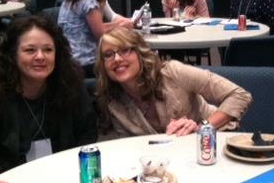
Janalyn Voigt and I at Northwest Christian Wrtiers Renewal

This is sort of true and sort of not. Editors and agents will let you know if your work is ready. They’ll let you know what you need to work on. They do not hold your dreams. You do.

Having our work published will not validate us. Only Jesus can do this. Don’t fall into the trap of thinking your worth is measured by a contract and sales figures.

I’ve seen some writers completely crushed when an editor/agent declined on their pitch. I’ve been one of them. Jesus gently reminded me that He is my agent. And He’s yours if you’re willing to give your writing over to Him.

I don’t mean He will do everything. We still have to hone our craft, build our platform, and continue learning.

At conferences, I’ve seen editors and agents hunted down by well-meaning enthusiastic authors. They couldn’t get an appointment with the agent/editor they wanted, so they stalk them at meal times, breaks, in line at the bathroom….

I’ve had some wonderful chats with editors/agents at meals and in the hallways. But I’ve also seen a weary trapped look in their gaze.

We should never become so focused on what other people can do for us and our careers that we forget they are people and children of God first and foremost.

Take the time to ask them how they’re enjoying the conference. Chat them up like you would meeting someone at a neighborhood barbecue. Take the time to get to know them a little. They’ll eventually turn the conversation towards writing. After all, they’re there to discover great writers.

Even if they turn your project down, they’ll remember a friendly person. Later, circumstances may be different and your project will be the one. You can never go wrong investing in people and relationships.

You should spend some time schmoozing at conferences. Just make sure you’re doing it for the right reasons. If we look at every person and situation with the attitude of how we can help them, instead of how they can help us, we’ll get much further.

Have you ever made new friends at a conference? How have you helped someone else and had it benefit you unexpectedly?

Is a Backlash Coming?

This may be more honest than a long-time agent should admit, but I have a lot more questions and not as many answers these days about where the book industry is going. As I talk with other agents, most of us are having banner years. More deals. More money. More ongoing royalties being paid out. After our three-year downturn, we’re all enjoying the upturn.

What gives?

Haven’t we all been told that e-readers, self-publishing and social networking were going to spell the end to traditional publishing? That quality literary partners (good agents) would soon be a thing of the past? That anyone could make a mint by self-pub’ing their 20,000 word “books” or their 5,000 word articles, or 200,000 word personal family sagas. All they really needed was a thousand or more Facebook friends and 5,000 to 50,000 Twitter followers. If they had a daily blog with 4,000 subscribers, then self-publishing that book they wanted out NOW instead of a year from now would be like printing money.

I love to read all of the prognostications about the end of publishing as we know it . . . almost as much as hearing about what day the world will end (which means, not very much). We have end-time prophets and we have “end of publishing” prophets.  Both, if they play their words and products right, are making a lot of money and scaring a lot of people.

Yes, the publishing industry is going through some major transitions. But where will this ultimately lead us—not 2 years from now, but 10 or 20 years from now? Is anyone’s crystal ball really so good that they KNOW physical books will go the way or the 8-track tape or be a luxury few can afford?

Are we dealing with fads that may come and go or true culture change that alters not only what platform we read our books on, but how and when and why we buy them?

How many e-readers are being purchased by new buyers versus those repeat buyers who are already hooked on them and have now bought 2, 3 or 4? Will e-readers be affordable enough to catch on overseas?

Do people with e-readers actually buy more books because they’re cheaper?  If so, how is this bad for publishing as long as the royalty structure is fair and the author is rewarded?

Why is it that (depending on which report or blog you read) overall only mass market books and a few genres of hard cover are going down in sales and not print books as a whole? In many categories, e-book sales going up doesn’t always translate across the board to print book sales going down.  People are still buying print books and printers are finding cheaper ways of printing them—faster.

Will the medical profession be treating more carpel tunnel and more eye strain because of e-readers? Will our necks and brains and fingers and forearms be able to handle the constant movements needed to be plugged into phones and e-readers and notebooks 8 to 12 hours a day? If not, then what?

Do people really want to read whole books on their phone? Music, yes. Books….?

Are readers of books so dumb that they won’t be able to tell how qualitatively different books published by traditional publishers are than self-published books that have slap-dash covers, design and editing?

Was the movie the end of books? Was TV the end of movies in theaters? Was I-Tunes the end of people wanting new music? Are e-readers the end of people wanting to read and buy whole (and physical) books?

How many social networking platforms can one person with a family and a job actually keep up on? And will there be a social networking backlash in the coming years?

How many books are bought through someone reviewing or mentioning a book from a Facebook or Pinterest account, versus actual word of mouth, face to face?

Will people start rebelling against social media and want to engage in actual relationships again? If so, how will people find out about good books again?

Will Amazon’s takeover of the world survive their politics? Or will people of all walks and faiths make sure one distributor doesn’t corner the market?

In the meantime, as I’m finding some of these answers, I’m still excited about finding new voices with great stories and great messages. I still love seeing great authors with strong sales continue to grow in their reach. I’m still privileged to work with professional editors who add value to a book’s content and improve the author’s overall work. I’m still convinced that “distribution is your destiny,” and that publishers add huge value to the overall sales of books because of their distribution networks.

And as you can read, I have lots of unanswered questions. What about you? What are the questions you’re wondering about as it relates to the long-term future of publishing and/or your career?

Guest Blogging and Guest Hosting

Marketing Your Debut Novel Part IV

I’ve been doing a series on marketing your debut novel. You can find Part I, Part II and Part III here by clicking the links.

Briefly, Part I focused on growing your tribe/social media, Part II was about the comparable books section of your book proposal, and Part III was about the audience section of the book proposal. These all focused on one particular area of the writer’s life–the pre-contract phase.

Let’s depart that phase and begin concentrating on the next phase– the contract submission phase. I’m going to define this part of the writer’s life as the time you or your agent are submitting your book proposal but haven’t yet signed a contract.

You may think…there’s marketing to be done during this phase? Yes, absolutely. For me, this phase lasted from December 2009 to April 2011–almost 18 months! Definitely too much time to be sitting idle.

One thing you can be doing during this phase is hosting other authors/experts on your blog and guest blogging on others’ blogs that support your brand. This will lend to your credibility and should also help internet search engines highlight sites with your name. The more sites, the more opportunities for people to find you and the more exposure you have to people who may not have discovered you yet.

My primary blog, Redwood’s Medical Edge, deals with writing medically authentic fiction. This supports my overall suspense brand because I discuss ways to injure, maim, and kill fictional characters.

To help grow my blog and support my brand (therefore exposing Proof to more potential buyers), I began looking for opportunities to guest blog and looked for other authors to host.

For example, I wrote pieces for other blogs that dealt with strategies an author could use for medical research, common medical mistakes in fiction writing, and even offered real medical advice to parents over at Christian Mama’s Guide. Erin is a non-fiction author who published a guide on having a baby and although Erin’s blog is not a suspense blog at all, my guest blogging allowed me an opportunity to reach possible new readers and lent her blog credibility by having an expert post. A true win/win situation.

I also hosted authors like Richard Mabry, CJ Lyons, and Candace Calvert. I hoped to drive their readers, whose fiction is similar to mine, to my blog to learn more about me and possibly become future buyers of my fiction.

Though this isn’t specific to guest blogging/hosting, I did follow many on Twitter who mentioned they were authors. I sent one direct message to them telling them about my blog. From that, I’ve gotten several additional authors to guest blog for me. In return for guest blogging, I highlight them, their books, and their internet presence.

Some people argue that my strategy, primarily focusing on authors as my initial tribe, will not boost sales in the end. We’ll have to see if what they say is true but I know I’m an author and an avid book fan and have bought many more books because I’ve built relationships with these authors and grown to love them as friends.

Next post in this series, we’ll go over how to be a generous blog host and good guest blogger.

How about you? What are some strategies you’ve used to gain readership by hosting guests on your blog and/or guest blogging other places?

Keeping Track of Contacts, Media History, and Speaking Engagements (Sample Forms Included)

Many of us creative types wish to not be bothered with anything but our craft, especially when a deadline is approaching. But as your electric company has probably conveyed to you, creative types aren’t exempt from pesky little tasks like paying bills, and the IRS doesn’t excuse us from keeping up with our receipts and paperwork either. Much the same, our publishers need their right-brained authors to tap into that left hemisphere on occasion.

Last week, my co-author/mom and I worked on our publisher’s Advanced Sales and Marketing Information (ASMI), which included compiling a list of influencers that should receive a copy of the book. Our book deadline is still three months away and it won’t be on the shelves for another year. As a newbie author I didn’t know to plan for this project and my experienced co-author was surprised at how early it was being requested. It seems we authors have driven our publishers to request the information earlier and earlier.

If you’ve thought ahead and kept good records, the gathering of information will not be a big deal. Then, you can focus on the fun part of the ASMI, the description of your book, the key takeaways, the reason you’re writing it and so on. If you haven’t kept good records, though, you will likely spend days tracking down addresses and contacts, finding the best full service moving rates at http://www.fullservicemovers.biz/ and racking your brain to remember the name of the church where you spoke in the Fall of 2005 and what the call letters are for that radio station in Milwaukee that interviewed you last spring.

Don’t be surprised when you are frantically trying to meet your deadline and your publisher says, “Oh, by the way, we need the following in three weeks.”

A list of names, professional titles, and addresses of 50 influential people who can be counted on to help promote your book.

As someone who has done this legwork for self-published authors, I can say that you really want to take advantage of this offer. It’s a lot of work and expensive to package and mail 50 or more books. Your publisher is offering, but you need the connections and their contact information. In the day of email and Facebook, unless you run a business, it’s rare to exchange physical addresses. I suggest, as you meet potential influencers, to tell them you are writing a book and would love their address so you can have a copy sent to them when it comes out (you don’t have to have a contract to use this line). When you get an address, quickly add it to your online contact database and tag the person as a potential influencer. Excel is an excellent and easy place to track contacts. Here’s a sample contact form you’re welcome to use.

A simple excel spreadsheet can help authors keep track of friends, family, potential endorsers, and media all in one place. Download a copy in the link below.

Download a Sample Contact Spreadsheet

A list of prominent people from whom we should request an endorsement.

If you are lucky or have put in the time to network with other authors or experts in your field, you might know a few prominent people who would gladly write an endorsement for you. Even if you don’t know a person, if they would be a perfect endorser for your book and you can get their address, include them. You may be surprised who will say yes. One of my self-publishing clients requested an endorsement from Olivia-Newton John on her book Alphatudes: the Alphabet of Gratitude. Instead of an endorsement, Olivia ended up offering a free download of her song “Grace and Gratitude” with the purchase of the book. Start a contact record for any potential endorser now or when you are researching competition for your proposal. Those “competitors” may be perfect people to ask.

A list of media you think should receive a copy of the book.

Your publisher will have a set of media contacts that they already plan to send your book to, but you can’t rely on them to know every local or topic-specific outlet. The great news is they will ask you for your input on this, since you know your topic best. As you come across media outlets (blogs, magazines, newspapers, television shows) that would be perfect for your book, put their mailing information in your database.

A list of your previous media and speaking history.

For some, this may be a short and easy list. My writing and speaking career is just getting started, so I I’ve had very few media and speaking appearances, and even still, I almost forgot some of the details I needed.

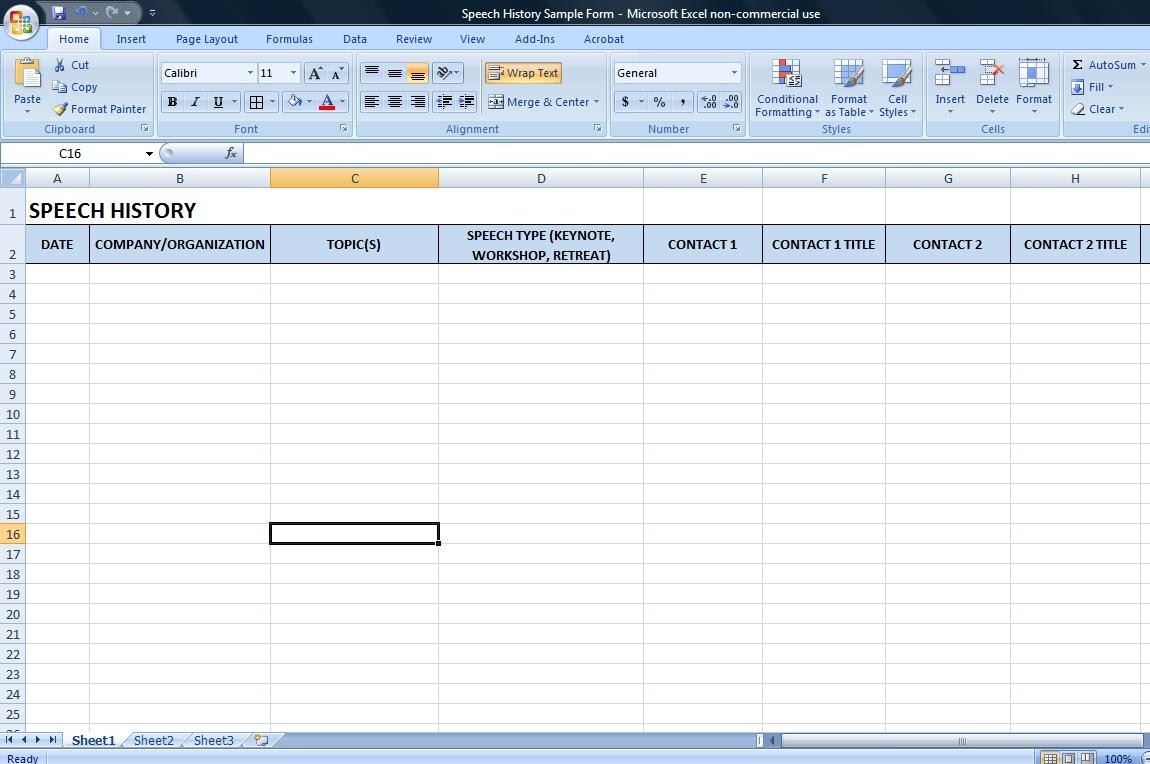
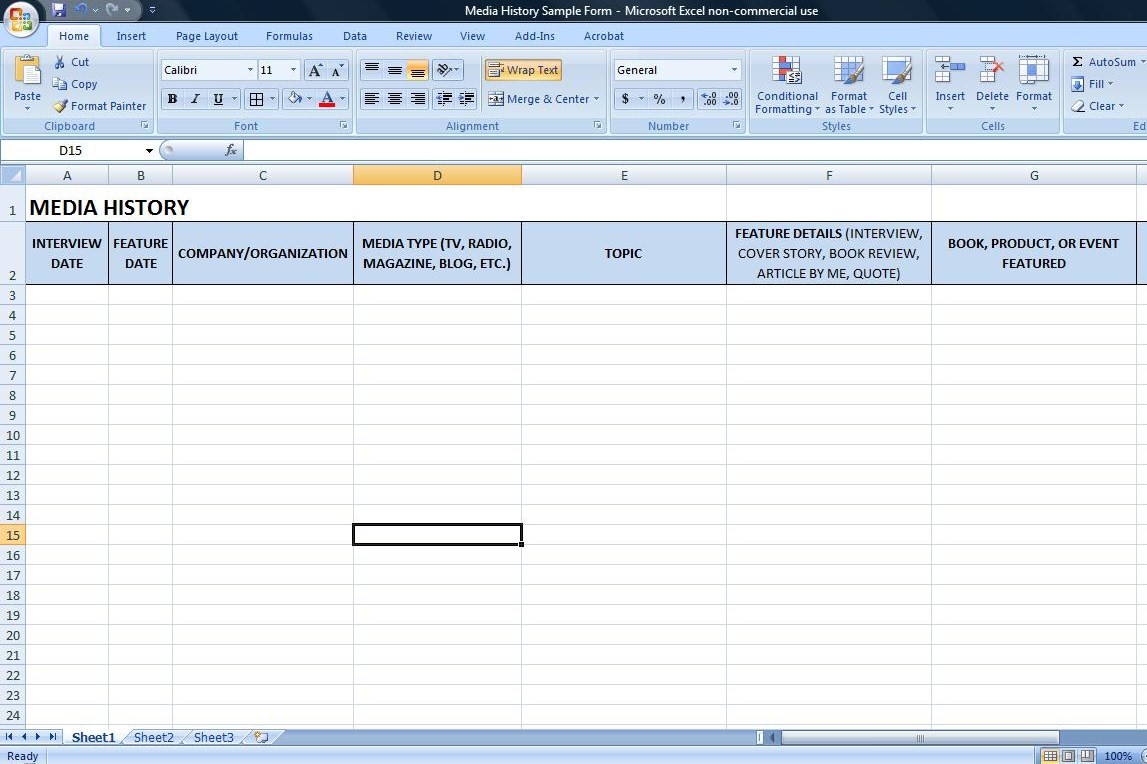
My mom, on the other hand, has been writing and speaking for almost two decades. Try remembering 20 years of speaking engagements and interviews for 40+ books. My suggestion is to keep one ongoing spreadsheet for speeches and one for media. Every time you finish an interview or publish an article, write down all the details. The name of your contact person, the host’s name, the topic, the date, etc. Put contact information in your contact database, though, not on these forms, so you only have to keep one record updated. Here are sample Speech and Media History forms you are free to use.

Keeping track of all your speeches in one place will not only make it easier to fill out your ASMI, but will also give you a quick sortable  history when you need a reference for a certain speaking topic or want to pitch something fresh to a previous client. Download a copy below to start keeping track of your speeches.

Download a Sample Speech History Form

As excited as you might be for your first few interviews, you’d be surprised how quickly you’ll forget which magazine interviewed you on what topic or which tv producer you worked with. Keep it all in one place with an easy spreadsheet. Download a copy below.

Download a Sample Media History Form

How do you keep track of your contacts, media, and speaking engagements? Any other tips or suggestions?

WordServe News: July 2012

Exciting things have been happening at WordServe Literary!

On the final post of each month you’ll find a list of Water Cooler contributors’ books releasing in the upcoming month along with a recap of WordServe client news from the current month.

New Releases

******************************************************************************************

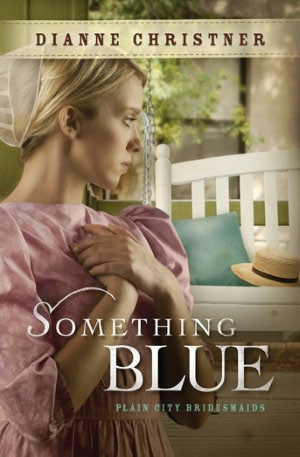
Something Blue by Dianne Christner

Publisher: Barbour

Agent: Greg Johnson

******************************************************************************************

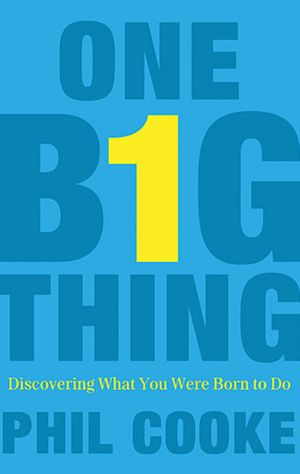
One Big Thing by Phil Cooke

Publisher: Thomas Nelson

Agent: Rachelle Gardner

******************************************************************************************

Serving God and Country by Lyle Dorsett

Publisher:  Berkley Caliber

Agent: Greg Johnson

******************************************************************************************

The Well-Lived Laugh by Rachel St. John-Gilbert

Publisher: Barbour

Agent: Greg Johnson

******************************************************************************************

Son of a Gun by Anne de Graaf

Publisher: Eerdmans

Agent: Greg Johnson

******************************************************************************************

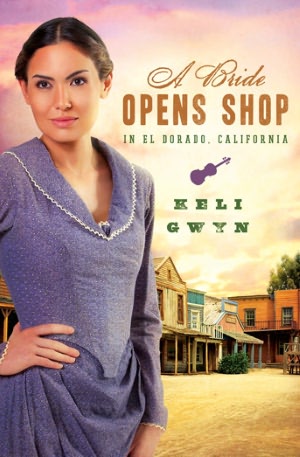
A Bride Opens Shop in El Dorado, California by Keli Gywn

Publisher: Barbour

Agent: Rachelle Gardner

******************************************************************************************

Shrewd by Rick Lawrence

Publisher: David C. Cook

Agent: Greg Johnson

******************************************************************************************

Desperate for Hope by Bruce W. Martin

Publisher: Revell

Agent: Rachelle Gardner

******************************************************************************************

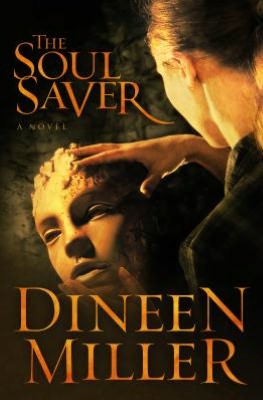
The Soul Saver by Dineen Miller

Publisher: Barbour

Agent: Rachelle Gardner

******************************************************************************************

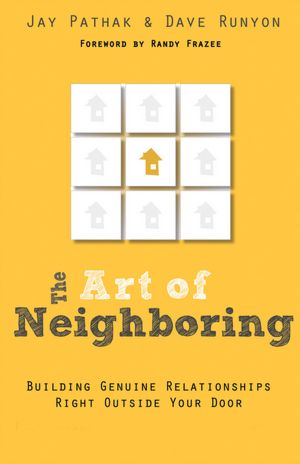
The Art of Neighboring by Jay Pathak and Dave Runyon

Publisher: Baker Books

Agent: Greg Johnson

******************************************************************************************

Central Park Rendezvous by Marylu Tyndall and others

Publisher: Barbour

Agent: Greg Johnson

******************************************************************************************

DawnSinger by Janalyn Voigt

Publsiher: Harbourlight Books

Agent: Barbara Scott

******************************************************************************************

New WordServe Clients

Dave and Claudia Arp and Peter and Heather Larson. The Arps started “Marriage Alive” 25 years ago. Now the Larsons are transitioning into leadershp roles for their ministry to marriages.

Dr. Dave Stoop, a longtime Greg Johnson client when he was at Alive, has rejoined Greg at WordServe.

New Contracts

Marcus Brotherton to collaborate on Austin pastor Matt Carter and NFL quarterback Colt McCoy’s book on BIBLICAL MANHOOD, to be publsihed by WaterBrook Press.

Leigh Ann Bryant sold her book, IN MY DEFENSE. It’s the true story of a life of shame and abuse with a husband she finally had to kill in self defense to protect herself and her small son. Soon after, she came to faith and has built a life as a pastor’s wife and a minister to those in prison (though she served no prison time). Our first sale to the new publisher Authentic Publishers. (Agent: Greg Johnson)

Roberta Kells Dorr was a Christian novelist who wrote biblical fiction in the 70s and 80s. Though she died several years ago, her family and estate wanted the books back in print, especially as e-books. We were able to do a 5-book deal with Moody Publishers for an unpublished work of biblical fiction and four previously published and out of print books. (Agent: Greg Johnson)

Ken Gire to collaborate on Chrissy Cymbola Toledo’s memoir of her prodigal life. Published by Tyndale House Publishers. (Agent: Greg Johnson)

Caesar Kalinowski, pastor and thought leader in the missional movement for the Soma Communities network of churches, a book with a working title of TRANSFORMED. A new way of seeing who we are in Christ and what a foundational difference that makes as we attempt to represent Jesus well to our network of friends.  Sold to Zondervan Publishers. (Agent: Greg Johnson)

Amy Sorrells debut novel CANARY SONG and another untitled work to David C. Cook Publishers. Synopsis: Tucked into the groves of a pecan plantation near the coast of Mobile Bay, secrets deep within the Harlan family simmer until they boil over one long, languishing summer. Will Anna Pearl Harlan, her family and friends seek hope in the midst of unbearable pain, or allow it to destroy their lives? Inspired by Tamar in 2 Samuel 13, Canary Song combines one girl’s coming-of-age with another woman’s redemption to show how God heals the hearts of the broken, and how crooked branches can one day provide the best shade. (Agent: Barbara Scott)

Shellie Tomlinson, our All Things Southern Belle (www.allthingsouthern.com), sold to WaterBrook Press, LORD, I WANT TO LOVE YOU MORE, a book for those who have ever wondered how to get from “belief” to “passion.” (Agent: Greg Johnson)

What We’re Celebrating

Jan Drexler‘s Amish novel slated for publication by Harlequin’s Love Inspired line (titled  Love Bears All Things) placed second in the Inspirational category of the The Fool for Love contest sponsored by the Virginia Romance Writers. 

Bestsellers

Rebecca Alonzo’s book The Devil in Pew 7 reappeared on the New York Times Bestseller lists after her episode on Dr. Phil re-aired:

#4 – Primary e-book best seller list

#14 – Primary combined print & e-book list

#26 – Extended paperback non-fiction list

Karen Witemeyer’s book Short Straw Bride made it two months in a row on the list, moving up from #13 (July) to #10 (August).

Mike Yorkey’s book Playing With Purpose: Tim Tebow (Barbour) debuted #32 on the ECPA Top-50 list for July (May release). (Sorry we missed this last month, Mike.)

Carol Award Finalists

Though these authors are no longer with WordServe, we’re so very proud of their accomplishments and their books that were contracted under the WordServe banner. Rachelle, of course, had a great eye for good writers and good stories, so the kudos goes to her, as well.

Roslyn Elliot is a finalist both for “Debut Novel” and “Long Historical” for her book Fairer Than Morning. (Thomas Nelson)

Lisa Jordan is a finalist for “Short Contemporary” for her book Lakeside Reunion. (Love Inspired)

Erica Vetsch is a finalist for “Short Historical” for her book Light to My Path. (Heartsong Presents)

Karen Witemeyer is a finalist for “Long Historical Romance” for her book To Win Her Heart. (Bethany)

What writing celebrations do you have?