Showing Vs. Telling

Let me first say I am hardly an expert on show versus tell—every writing teacher’s admonition for every storyteller out there. In fact, I was quite shocked when another author said she was taking notes on some passages in Poison because she thought they were good examples of showing. I am still hoping she will tell me exactly which ones they were so I can admire my own amazing work because I was that surprised.

ActorShowing versus telling can definitely be learned (after all, I did it and was never an English major) so don’t go over the writer’s cliff Thelma and Louise style if some of these points don’t hit home. I am still learning the more advanced points myself and that’s a mark of a true writer—always desiring to learn more.

The concept of showing could also be described as Deep POV. I think these concepts are honestly interchangeable. So if you hear one—think of the other.

The first (and really good) piece of advice I got on showing was to write my scenes as if I was filming a movie. How would I describe what was on the screen to a reader without stating the obvious?

For instance: He was angry. This is telling. It doesn’t leave any room for the reader to use their imagination. Now, more showing. Her husband swore at her and spittle hit her face seemingly to mark a target for his fist to punch her in the jaw. See the difference? I haven’t said the word “angry” at all, but does this man seem fired up?

While editing, you’re likely telling if you name the feeling. He was mad, sad, fearful…etc.

A great tool I’ve used to help me show more visceral reactions is The Emotion Thesaurus. There is also a website by the same author called The Bookshelf Muse. It gives specific bodily actions for tons of different emotions. Use this as a starting point to generate ideas and then improve them for your own manuscript.

Another tip to help show instead of tell is to phrase things as questions. Telling: She wondered if her attacker was walking behind her. Showing: The echo of footsteps matched her high heels as they clipped down the pavement of the dark alley. Was it him? Was it the man who nearly killed her with a quick slash of a knife across her throat two years ago? The one she presumed was now sending her all those threatening letters—just like before. Now he was free.

To show more, add a visceral reaction from the woman from the emotion she is likely feeling which in this instance would be fear.

The echo of footsteps matched the quickened pace of her heart as she broke out into a run down the dark alley. Instinctively, her hand covered the thick scar as a shield from both the memory and the act. Was it him? Was it the man who nearly killed her with a quick slash of a knife across her throat two years ago? The one she presumed was now sending her all those threatening letters—just like before. Now he was free.

I know—future editor. How can she run with her hand set on her throat? Just to illustrate a point. Edit at will.

Also, don’t feel like you have to do this in the first draft. The first draft is all about getting the words on the page. Showing can be added in subsequent editing phases that you do before the manuscript goes to an agent or publisher, but don’t get too hung up on trying to do a lot in the first draft until it becomes more natural for you.

This is just the beginning. There are many more techniques that can be used so keep working at it and you’ll have the reader sitting inside your character in no time.

What are some techniques that have helped you show vs. tell?
The Best Marketing Tool

Authors are constantly on the lookout for the best marketing tips and ideas. We want to get our books in the hands of as many readers as possible. This isn’t always just from the monetary end either; most authors I know truly believe in the message of their book. They believe it will help people and have a true desire to enrich the lives of their readers.The Best Author Marketing Tool

But sometimes it seems every where we turn, someone’s spouting a new marketing trick. I can’t remember how many posts and articles I’ve read about marketing. Some of the ideas are great, like the Hope and Trust Chronicles put on my by some of my favorite authors.

Then there are the not so great ideas, like buying fake Twitter followers. It’s not all about the numbers; it’s about connecting with people. Purchasing fake followers is a misrepresentation in my opinion.

The best marketing tool you have is you. The content you write and how you interact with people on your website, your social media sites, and in person is the most influential marketing you will ever do. Because if you do this with sincerity, passion, and genuine caring, your readers will talk about you.

And there is nothing that carries more weight than word of mouth. Think about it. You’re trying to decide between purchasing two books and your best friend comes up. She points to the book in your right hand. “You have to buy this book. It’s the best book I’ve read in years. And the author’s website has these amazing behind the scenes looks and a free e-book you can download. I’d loan you my copy, but I already gave it to my mom, and you shouldn’t wait until she’s done with it. It’s too good not to start today.”

Which book are you going to purchase? The one with the prettier cover, or the one your friend is raving about?

Invest in your readers. They’re real people and worth your very best. And if you invest in them, don’t just look at them as numbers, they’ll invest in you.

And that’s the best marketing tool a writer can have.

What are some great marketing efforts you’ve seen? What is the best marketing tool you’ve used? What’s a marketing endeavour you’d never do again?

WordServe News: May 2013

Exciting things have been happening at WordServe Literary!

On the final post of each month you’ll find a list of Water Cooler contributors’ books releasing in the upcoming month along with a recap of WordServe client news from the current month.

New Releases

*************************************************************************************************

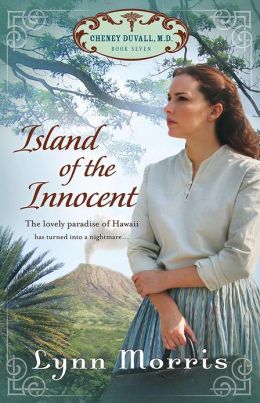
IslandoftheInnocentIsland of the Innocent by Lynn Morris, number 7 in the repackaged “Cheney Duvall, M.D.” series.

*************************************************************************************************

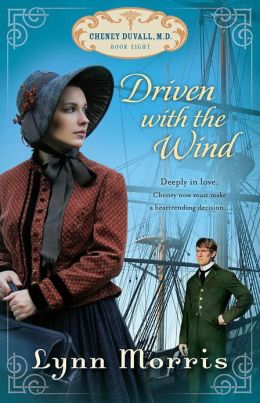
drivenbythewindDriven by the Wind by Lynn Morris, number 8 and the final book in the series.

*************************************************************************************************

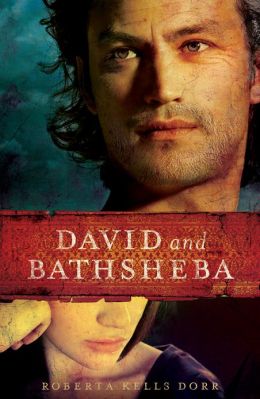
DavidandBathshebaDavid and Bathsheba by Roberta Kells Dorr (Moody). This is the first in a series of biblical novels that are being repackaged by Moody for a new generation of readers. Roberta died several years ago, but her novels were so well written and well-researched, they were deserving of a new life in e-books and the trade.

*************************************************************************************************

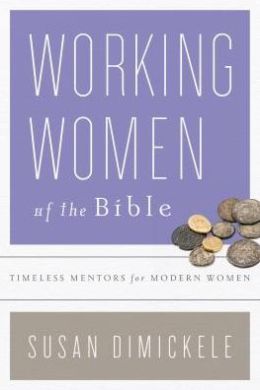
workingwomenWorking Women of the Bible by Susan DiMickele (Leafwood)

*************************************************************************************************

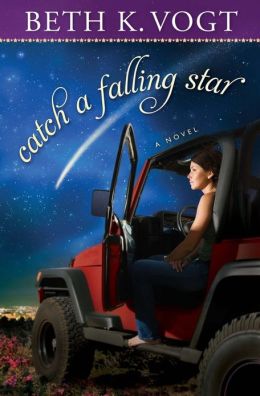
CatchAFallingStarCatch a Falling Star by Beth Vogt (Howard)

*************************************************************************************************


New Contracts

Joe Wheeler has signed 3 new books with Pacific Press to continue the “Christmas in My Heart” series. These books will be numbers 23, 24, and 25…the longest running series of Christmas stories ever published.

Cheri Fuller has signed with Bethany House Publishers to write What a Daughter Needs in a Mom. This will compliment her recently published book, What a Son Needs in a Mom.

Mike Yorkey signed with Destiny Image to write the next health and wellness book for Jordan Rubin.

Jonathan McKee has signed with Barbour to write a book for teen boys, The Wise Guy’s Guide to God, Girls and Google.

What We’re Celebrating!!

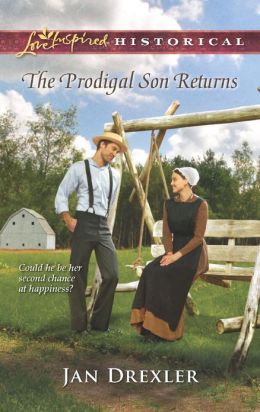
Jan Drexler’s The Prodigal Son Returns is #37 of 100 romances through RWA. This is Jan’s second week on the list; her book debuted at #95, so it is definitely moving on up!

Jillian Kent has her second novel in The Ravensmoore Chronicles, Chameleon, getting some noteworthy buzz. It finaled in the Fiction-Romance Category in the Inspirational Romantic Mystery/Suspense category. And it’s also finaled in RWA’s Daphne du Maurier Contest. Congratulations, Jillian!


Some Thoughts on the Fabrication of Stories

Last week my Bible study class was reading in 2 Peter about false prophets, of whom, as Peter warns his listeners, “In their greed these teachers will exploit you with fabricated stories. Their condemnation has long been hanging over them, and their destruction has not been sleeping” (2 Peter 2:3 NIV).

Of course, as a creative writing professor currently leading a novel workshop—that is, teaching eager students how to fabricate stories—and as a writer currently engaged in writing a novel of her own, I shivered a bit.

He means a different kind of story, I consoled myself, as the class question-answered through the passage. He’s not talking about fiction writing, the passage makes clear, but about preaching, about spreading “destructive heresies, even denying the sovereign Lord(2 Peter 2:1 NIV).

Still, I couldn’t stop thinking aboutVan Reymerswaele--The Moneychanger and His Wife the uncomfortably commercial side of the writing world in which I am involved. How the buying and selling of books necessarily engages our—i.e., writers’, agents’, publishers’, marketers’, publicists’—greediness: to get more media exposure, to sell more books, to make more money. And, we Christian writers are, in effect, preaching, aren’t we? I worried. The Holy Spirit was at work, I feared, forcing me, as always, to look again, think again, before proceeding.

Just then, one of my classmates confirmed my fears by reading from his version of scripture the same passage about greedy story-fabricators: “And through covetousness shall they with feigned words make merchandise of you” (2 Peter 2:3 KJV). Isn’t that what we seek to do in our blogging and signing, platform-developing and tribe-building? I confronted myself. Turn our readers into merchandise sold?

The self-promotion demanded of us writers has always disturbed and embarrassed me. Deep down, I genuinely believe that, if a book is good, it will sell itself. But, the publishing world sages are quick to remind me, if a book’s not out there for people to see and read, no one will know it’s good. My efforts as an author stretch thin between these two pillars of writerly wisdom.

No answers here. Just puzzles, some worries, and a bit of scripture—fodder for reflection, I imagine, among fellow writers bent on being transformed into the image of the One God Sent.

Marketing by the Dozen

marketing]My next book, (which for our purposes here shall henceforth be spoken of as “The Faith Book” because it remains untitled), will release from Random House/Waterbrook early 2014. My dear editor, our own super agent Greg and his fantabulous wife, myself, and every friend and stranger I can pigeon-hole for a title discussion are in the throes of finding that elusive title. Oh, yes, I’m something of a bore about it. Feel free to run if you see me coming.

The mission is simple, and familiar to my fellow non-fiction authors. When my target audience sees this book on the shelves, he or she needs to connect with it, feel the need to purchase it, shove aside the huddled masses that have been awaiting its release, and hoof it to the checkout stand in record-setting speed. Whoa. I must have wandered into a daydream. Back to the real world and your regularly scheduled post.

The reality here is that “The Faith Book” will be vying for attention scraps among countless of those big dog authors, not to mention scores of worthy books, new and old, from authors of every other genre, gracing the shelves. If funds allowed, and they don’t, I would hire an outside publicist with the energy level of Richard Simmons and the marketing skills of whoever is behind Justin How-Did-That-Happen Beiber to beat the drum for it. Instead, I will send it out into the world and recommit to living by my own Happy Dozen Marketing Commandments:

– I will help Waterbrook’s in-house publicist to help me by remembering that I’m only one of many authors she has been assigned and I will remind myself that any media contacts or leads I can gather or pass on to her will help maximize her time, and thus my book’s exposure.

– I will design and mail out postcards for “The Faith Book” to AT LEAST the bookstores that hosted signings for my last book and as many more as I possibly can.

– I will maintain a current database of the stores that graciously welcome me in for a signing and I’ll try to be prompt about following up with thank you notes.

– I will interact with the public as much as possible at book events and do my best to see each individual before me instead of a group. Everyone has a story and every event is an opportunity to capture new ones.

– I will have material (book marks, business cards, etc.) to hand out at book signings so potential book buyers can feel comfortable walking away to consider the purchase instead of being put on the spot to purchase the book.

– I will call radio stations and ask if they are interested in doing giveaways of my book and I’ll consider it a good investment for the trade-off in airtime.

– I will attend as many book festivals as physically possible to connect with readers and writers.

– I will continue to make every effort to see that my weekly newsletter is entertaining and informative, keeping in mind that this is my way of giving back to the All Things Southern community.

– I will not use social media selfishly. Communication, by definition, is a two-way street. My readers are people, not numbers, and they deserve to be treated as such.

– I will support my fellow authors. (Towards that end: Dear author friends, please contact me if you would like to guest on my blog at All Things Southern.)

– I will do readings at area libraries. Their patrons may not buy books, but they are readers. As writers we have a shared responsibility to promote reading.

And number twelve of my Happy Dozen:

– I will enjoy my life while I’m promoting my work, knowing that I am living what I first dreamed many years ago as a little girl perched in the top of my reading/writing mimosa tree. I am a writer and I will be grateful for that privilege.

Hugs,
Shellie

The Joy of Categories

From actual query letters…

“I’ve got a novel that’s sort of a historical fantasy magical realism.”

GregsBooks“My new nonfiction is for everyone. And when I say everyone, I mean everyone. There’s nothing as good or like it on the market. It should be stocked at the front of the store in the ‘bestseller’ section.”

“The graduation gift book I’m proposing will be the kind of book retail will stock all year around.”

One thing new (and sometimes veteran) authors don’t understand is that every book must have a recognizable category. The queries for books listed above have none. The moment you go outside of a known category, retail doesn’t know what to do with it. They don’t know where to stock it; they don’t know how to describe it to their customers. In short, they won’t know how to sell it. And that’s the point of writing books you’d like people to read . . . to sell them.

It starts with what is known as a BISAC code. It’s those few words on the back of the book that give retail and consumer a clue as to what the book is about. Every book gets a maximum of three. Here are the categories from the Book Industry Study Group:

ANTIQUES/COLLECTIBLES
ARCHITECTURE
ART
BIBLES
BIOGRAPHY/AUTOBIOGRAPHY
BODY, MIND & SPIRIT
BUSINESS & ECONOMICS
COMICS & GRAPHIC NOVELS
COMPUTERS
COOKING
CRAFTS & HOBBIES
DESIGN
DRAMA
EDUCATION
FAMILY & RELATIONSHIPS
FICTION
FOREIGN LANGUAGE STUDY
GAMES
GARDENING
HEALTH & FITNESS
HISTORY
HOUSE & HOME
HUMOR
JUVENILE FICTION
JUVENILE NONFICTION
LANGUAGE ARTS & DISCIPLINES
LAW
LITERARY COLLECTIONS
LITERARY CRITICISM
MATHEMATICS
MEDICAL
MUSIC
NATURE
PERFORMING ARTS
PETS
PHILOSOPHY
PHOTOGRAPHY
POETRY
POLITICAL SCIENCE
PSYCHOLOGY
REFERENCE
RELIGION
SCIENCE
SELF-HELP
SOCIAL SCIENCE
SPORTS & RECREATION
STUDY AIDS
TECHNOLOGY & ENGINEERING
TRANSPORTATION
TRAVEL
TRUE CRIME

Handy dandy, but did you notice there are only TWO categories for fiction: Fiction and Juvenile fiction.

When you toddle over to Barnes and Noble, here are the categories you’ll find as you browse the aisles:

Fiction Books & Literature
Graphic Novels
Horror
Mystery & Crime
Poetry
Romance Books
Science Fiction & Fantasy
Thrillers
Westerns

Children
Ages 0-2
Ages 3-5
Ages 6-8
Ages 9-12
Teens

Non-fiction
African Americans
Antiques & Collectibles
Art, Architecture & Photography
Bibles & Bible Studies
Biography
Business Books
Christianity
Christian Fiction
Computer & Technology Books
Cookbooks, Food & Wine
Crafts & Hobbies Books
Education & Teaching
Engineering
Foreign Languages
Game Books
Gay & Lesbian
Health & Fitness
History
Home & Garden
Humor Books
Judaism & Judaica
Law
Medical & Nursing Books
Music/Film/TV/Theater
New Age & Spirituality
Parenting & Family
Pets
Philosophy
Politics & Current Affairs
Psychology & Psychotherapy
Reference
Relationships
Religion Books
Science & Nature
Self Help & Self Improvement
Social Sciences
Sports & Adventure
Study Guides & Test Prep
Travel
True Crime
Weddings
Women’s Studies

Not bad. A little bit more descriptive in fiction, which is helpful, but if you wanted to find “historical fiction,” for example, you have to browse a few thousand books and hope you bump into a title that screams “historical” from the spine.

How about at a Christian bookstore? At a local Mardel, here is what we found:

Bible Reference
Bible Studies
Biography
Christian Living
Commentaries
Counseling
Devotional
Fiction
General Interest
Gift Books
Health
Marriage & Family
Men
Prayer
Seasonal
Software
Spanish
Spirit-Filled Life
Teen Interest
Women

Again, ONE designation for fiction. (Really? Do they really NOT want to sell novels?)

And then there are award categories. Here are the categories for the “Christy Awards,” the yearly fiction awards:

Contemporary Romance
Contemporary Series (sequels and novella)
Contemporary Stand Alones
First Novel
Historical
Historical Romance
Suspense
Visionary
Young Adult

The American Christian Fiction Writers (ACFW) has their own set of categories for determining the “Carol Awards”:

Debut
Long Contemporary
Long Contemporary Romance
Long Historical
Long Historical Romance
Mystery
Novella
Romantic Suspense
Short Contemporary
Short Contemporary Suspense
Speculative Fiction
Suspense/Thriller
Women’s Fiction
Young Adult

The INSPYs (Bloggers Awards of Excellence in Faith-Driven Literature) has yet another set of categories:

Romance
Literature for Young People
General Fiction
Speculative Fiction
Mystery & Thriller

The ECPA has their Gold Medallion Awards in these categories:

Book of the Year
Bibles
Bible Reference
Children
Fiction
Inspiration
New Author
Non-fiction

If all of this seems confusing, well, I suppose it is. When in doubt take comfort that you don’t have to pick from the Amazon.com categories. Just try to find three categories to mention!

The point is, each book gets three known categories on the back. Choose wisely in your proposals, but also try to choose broad categories so your book will get the most amount of exposure. And please, for the love Ernest Hemingway, don’t make up a category and call yourself a “pioneer.” Don’t implore the agent to think “outside the box.” Don’t call publishers “short-sighted non-creatives.” Just pick some categories and color inside the lines. We’ll all be happier.

Have you ever been confused about categories? How did you solve your dilemma?

Why Ignoring Your Author Brand is Career Suicide

Have you heard the term branding? Does it make you want to reach for the remote and turn the channel? If so, you’re not alone. Author branding has a lot of writers confused. It did me.Why Ignoring Your Author Brand is Career Suicide

I first thought author branding was something your publisher did for you when your first books came out. Then, I thought it was a cool author tag line or slogan. And while part of both the previous statements are true, they’re not your author brand.

Knowing your author brand will help you promote yourself before, during, and after your book releases. Your author tag line is what evolves from your brand, not the other way around.

What is an author brand? An author brand is the unique combination of personality and passion you bring to products or services based on your actual or potential abilities. Your author brand won’t look like anyone else’s, because no one else has your insights and perspective to offer to the world.

Why do I need an author brand? Knowing your author brand lets readers, agents, and publishers know immediately what they’re going to receive from you and your writing. In this fast paced world, people won’t take the time to dig through the many books, websites, and blogs to find what they’re looking for. If it isn’t apparent immediately, they’ll move on.

Think about your favorite authors. You know exactly what you’re going to get from their books. It’s the reason you purchase their newest release, read their newsletters, and like their Facebook pages. They deliver on the promise of their brands.

But, I don’t need to develop my author brand until I have a book contract. Wrong. You’re already branding if you have a website, blog, or are on social media sites. Every post, tweet, and blog post is a reflection of you and your brand, even if you don’t know it.  It’s important to understand your brand from the moment you declare yourself a writer.

Your brand will help you develop your website, book proposals, manuscripts, articles, and newsletter. It will help you focus and go deeper in order to reach your audience better. It’s something you should embrace and not put off a minute longer.

Your brand will also aid you when creating visual images for your website and social media pages. For example, my author tagline (developed from my brand), is Inspiring Your Faith and Pioneer Roots. I created this image for my author Facebook page this past week. Branded Facebook Cover for Melissa K. Norris

Do you see how the pioneer roots is enhanced not only in the images, but also ties into the title and cover of my non-fiction book, Pioneering Today? The cabin picture also works for the historical fiction portion of my writing. Your brand should be an umbrella for all you do.

Developing your author brand isn’t something we can completely cover in one blog post, but don’t worry. I’m not giving you this admonishment and leaving you alone. My agency sister and business partner, Janalyn Voigt, and I have created a FREE author branding workbook to walk you through the steps. You can snag your copy at TriLink Social Media Mentors.

What are some of your favorite authors? Can you identify what their brand is, or the promise they always make with their work? What is unique about you and your writing?

WordServe News: March 2013

Exciting things have been happening at WordServe Literary!

On the final post of each month you’ll find a list of Water Cooler contributors’ books releasing in the upcoming month along with a recap of WordServe client news from the current month.

New Releases

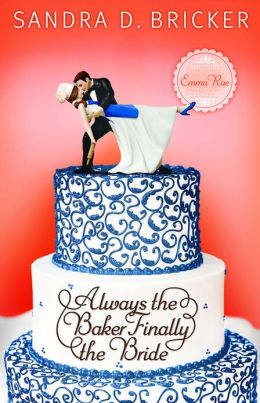
FinallytheBrideSandra Bricker, Always the Baker, Finally the Bride
(Abingdon Press)

**********************************************************************************************
TheProdigalJan Drexler, The Prodigal Son Returns
(Love Inspired)

**********************************************************************************************
UnburdenedSuzanne Eller, The Unburdened Heart (Regal)

**********************************************************************************************
RealValorSteve Farrar, Real Valor (David C. Cook)

**********************************************************************************************
AnsweringtheCallKen Gire, Answering the Call: The Story of Albert Schweitzer (Thomas Nelson)

**********************************************************************************************
ANobleGroomJody Hedlund, A Noble Groom (Bethany House)

**********************************************************************************************
TheEasyBurdenPatty Kirk, The Easy Burden of Pleasing God (IVP Books)

**********************************************************************************************
AllinGoodTimeMaureen Lang, All in Good Time (Tyndale House)

**********************************************************************************************
VoicesofthePacificAdam Makos, with Marcus Brotherton, Voices of the Pacific (Berkley Hardcover)

**********************************************************************************************
RenewedLucille Zimmerman, Renewed
(Abingdon Press)

**********************************************************************************************

New WordServe Clients

None…we’re standing pat with our great group of authors for now!

New Contracts

Tracie Miles signed with Bethany House Publishers for a book titled Your Life Still Counts: How Your Past Has Equipped You for Your Purpose.

Susie Shellenberger and Kristen Weber signed with Barbour Publishers for A Girl’s Guide: Guys, God and the Galaxy.

Gillian Marchenko signed a contract with T.S. Poetry Press for her memoir. Yay, Gillian!

What We’re Celebrating!!

A Higher Call by Adam Makos continues to hit the New York Times list. On March 31, it will be #6 (again) on the Hard Cover nonfiction list. It’s been in the top-15 for 9 weeks!

Bees in the Butterfly Garden by Maureen Lang, hit the March CBA list at #5 on the fiction list and the #40 on the top-50 in sales list.

What thing on your writing journey are you celebrating today?

Monkey Read, Monkey Should Do!

apeDoes the acronym HARO mean anything to you?

It should, because it just might be your ticket to free publicity, extensive exposure as a writer, and the means to grow a national reputation as an expert in your field.

HARO stands for Help A Reporter Out, and it’s a website where you register as an expert and news source. There is no fee to register, and while there is no guarantee that you will get tapped for information, it’s a chance you don’t want to miss. For nonfiction writers, it can become one more piece of a marketing plan to become known for their unique expertise, while fiction writers might consider their own research in specific topics as fodder for story ideas. According to HARO’s website, 30,000 members of the media have turned to HARO for assistance in developing stories; is there any reason you shouldn’t be one of those folks helping out a reporter?

Learning about HARO was just one of the things I learned from recently reading APE: Author, Publisher, Entrepreneur-How to Publish a Book by Guy Kawasaki and Shawn Welch. While I have no desire to publish my own books, I still found the book informative and helpful, especially as I’ve grown from an author-wannabe to someone with five years of publication experience. The first section of the book was a good reminder that writers come in all shapes and sizes, with a range of motives, and that’s okay. It made me consider again the tenacious nature of writers who want to publish and gave me a new understanding of why people choose self-publishing. (It also made me realize that if I did decide to do a short ebook as a promotional opportunity for my other books, I could probably pull it off using APE as my guide.)

What I especially appreciated, though, was the book’s insistence that there is no escaping from the truth of today’s book business landscape: authors need to take responsibility for their books’ success, no matter how they are published.  APE gives valuable insight into the entire publishing process, which I’m convinced every author needs. Publishing is a business, and the sooner authors accept that, the more successful they will be! As an early publishing mentor of mine insisted, if you’re going to succeed, you better know how the business works. Kawasaki and Welch have done a fine job in giving readers the essentials of publishing.

Seeing as I’ve spent the last year trying to educate myself about platform and marketing, I found the last part of the book packed with practical suggestions and resources, like HARO, that I can play with as I continue to polish my marketing skills. The authors even include their own list of what they did to publish/market APE itself, providing readers with a basic outline for promoting any book, and offering links to learn more.

What are you APE-ing these days?

(Special thanks to Lucille Zimmerman, my agency-mate, who gave me the book to read!)

A Note to Young Writers: Honor Your Obscurity

woman praying--parodic

In the last month, I spent time with two younger women, both of whom had just released their first book. Sarah and Andrea are both fine writers whom I expect will continue to write and publish books. In the short time I had with each of them, I found myself dumping all my writing and marketing advice, talking about websites, blogging, Facebook, twitter. But I forgot to say the most important thing of all: honor your obscurity.

Very few young writers, musicians, artists value their obscurity. For good reason. We know if we’re to be published in any form, we need an audience, a sizeable audience. We know that most of the time we have to find that audience before that first book contract even lands on our desk. And once it does, and the book is out, we’re tasked to keep racking up bigger numbers. But how do we catch the eye and ear of a world that so often chooses the flippant, the crude, the gaudy spectacle over the good, the authentic, and the true?  If we’re the praying sort, we may resort to prayer, remembering the words another writer made famous a few years ago,

“O, that you would bless me and enlarge my territory! Let your hand be with me, and keep me from harm so that I will be free from pain.”

(Oh, dear Jabez, I want to say. How did you get away with that prayer?)

But we do it too, I suspect. The artists’ version would go something like, “O, that you would bless me and enlarge my platform, increase my followers, expand my twitter peeps and keep me from publishing harm so I will be famous, free from the pain of falling out-of-print.”

woman praying--parodic

I can write this prayer because I know these desires. An hour ago I was on a nationally syndicated radio show, and I find myself, now, against my better will, glued to numbers, trying to measure “impact.” While guiltily number-stalking, a stranger writes me on Facebook immediately after the broadcast and asks how he can become a writer and speaker, like me. (He’s in his twenties and he hasn‘t written anything  yet . . .)   Someone else writes to ask me how to build a fan base for her blog.

I do have advice: if you want others to read you and listen to you, you must listen to others. Do for others what you want them to do for you. That will not make you famous; that will make you better informed and more humble.


man reading2

And second, fame is not what you think. Admittedly, I am not the best source here. My moments of “fame” are modest and sporadic. But I still know this: it isn’t what you think. It’s often over in a moment. It brings more responsibility than freedom. And if you’re not careful, it can pollute or paralyze your writing. I have a friend whose first book shot to the New York Times bestseller list.  His agent, his readers, his global fan base now hold their collective breath for his next book. “How do I write under this weight?” he asks me. He has so many others he must now heed and please.

“Honor your obscurity” is another way of echoing Bill Roorhbach’s charge to “honor your apprenticeship.”  Value these months, years of laboring toward your best work with fewer listening in than you would like. This quiet is your wilderness, your blessing. Here you will sharpen your art. You will lean closer to the sounds around you, for the fragile people who haunt the forests you watch, for the small voice that whispers names you didn’t know.

Enjoy the purity of your efforts, making art and worlds and essays out of the sheer love of words, of theatre, of longing and of hope. Enjoy it now before a woman or a publisher sits down beside you filling your notebook with a thousand necessary tasks, few of which have much to do with why you began writing in the first place.

Finally, what do you imagine fame will bring you? For me (and for many writers I know) I hope mostly to be able to keep on writing, to keep using “that talent which is death in me to hide,” as John Milton writes. If you’re doing this now, pouring life into the truest sentences you can make, you’re already famous.

woman writing journal