WordServe News: October 2013

Exciting things have been happening at WordServe Literary!

On the final post of each month you’ll find a list of Water Cooler contributors’ books releasing in the upcoming month along with a recap of WordServe client news from the current month.

New Releases
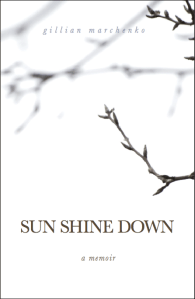
SunShineDownGillian Marchenko’s memoir, Sun Shine Down, was released with T.S. Poetry. Sun Shine Down is about Gillian’s journey through the grieving process of discovering that her daughter, Polly, has Down syndrome. Gillian takes an honest look at what it really means to be the mom of a child with a disability. Her writing is both powerful and poignant and encourages her readers to grapple with the reality that is life.

*****************************************************************************************
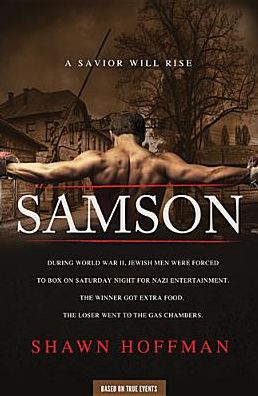
SamsonMarcus Brotherton’s collaboration with author Shawn Hoffman for his novel called Samson released from Thomas Nelson.

*****************************************************************************************
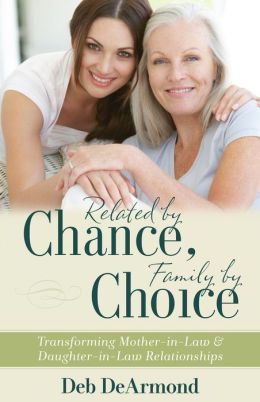
RelatedbyChanceDeb DeArmond released her first book, Related by Chance, Family by Choice with Kregel Publishers.

*****************************************************************************************

RebelliousHeartJody Hedlund released Rebellious Heart with Bethany House Publishers.

*****************************************************************************************
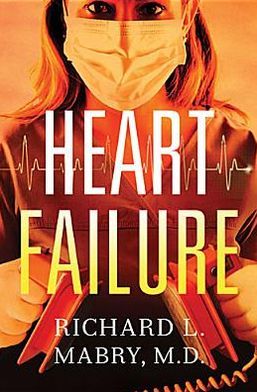
HeartFailureRichard Mabry released Heart Failure with Thomas Nelson

*****************************************************************************************

New WordServe Clients

Sarah Varland

Sara Davison

Patricia Lee

New Contracts

Deb DeArmond signed two contracts with Abingdon; one for I Choose You Today, the second for Don’t Go to Bed Angry, Stay Up and Fight. Both are non-fiction books on things that truly matter in marriage.

Deb Coty signed with Barbour Publishers for another book of humor with a message. The working title is Too Loved to be Lost, a book on the depth of God’s love for us.

Janice Dunlap signed with Authentic Publishers for her nonfiction memoir Saved by Gracie, the story of her dog that helped bring her back from an emotional and spiritual brink. It will come out in the Spring of 2014.

What We’re Celebrating!!

CONGRATULATIONS AND HAPPY ANNIVERSARY WORDSERVE LITERARY!

November 1 marks YEAR 10 of the agency! During that time, we’ve represented nearly 600 books. Our biggest claim to fame, our biggest joy, is the authors we work with on a daily basis. They’re the real stars, and we’re grateful to be here to serve.

The cover of Becky Johnson and Rachel Randoph’s book, We Laugh, We Cry, We Cook was voted one of the top-10 covers for all of CBA in 2013. Great job, Zondervan!

When Your Mountain Comes Crashing Down

Do you remember those troubling times when after writing your first book you are faced with the unenviable task of finding an agent and then a publisher? I heard that J. K. Rowling’s book Harry Potter and the Philosopher’s Stone was rejected 87 times. I don’t know about you, but I think I would have given up long before that.

Do you remember when you suddenly found an agent and they were actually prepared to add you–a mere nobody in the world of literature–to their long list of well-seasoned, published, and successful authors? Oh, what unbelievable joy! And then, by a miracle, it seemed you had a publisher, and not just any publisher but an ‘A’ list one at that.

me and fredYour dreams have become a reality and a bright new world is opening its golden doors to you. Your name in silver lights, your book in all the shop windows of the world. Important people, who before wouldn’t give you the time of day, suddenly are keen to chat. Success is contagious, isn’t it?

Even when standing on the top of the mountain, though, storms may come. The views are fine at first but we should not forget that the mountain is not of our making. We don’t own it. We don’t control what we stand upon.

The decision by my publisher, without warning, to pull out of the fiction market altogether brought my mountain crashing down. I was suddenly cast into the valley of despair and left alone, looking up at a crumpled mass of dreams. My journey to the top, which I had imagined was completely irreversible, was in a moment dashed to pieces.

mountain_collapse

Amidst all the confusion and the devastation, in all the pain and grief, a still small voice struggled to be heard. At first I did not want to hear words of consolation, nor of encouragement. Not from my wife. Not from my friends.

Certainly not from God.

I wanted to have my say! I was angry at God and shouted, “What the hell are you doing with my life? Is that the kind of God you really are? To build me up, to set me on the top of the pile, only to tear me down?”

After a while the anger dissipated and, before I let depression seek me out, I heard the still small voice say, “The most important journey in life is not to reach the top of the mountain, but to journey inward and find Me in the depths of your own being.”

This was a truth I knew. I had long, long ago been set free by His truth. I knew that He dwelt in me, deep in my spirit. John 15:15 declares, “If you remain in Me and I in you, you will bear much fruit; apart from Me you can do nothing.”

Whose mountain top was I standing on?

St. Augustine’s commentary on the Christian faith says:

St_%20Augustine%202Enter into yourself. Leave behind all noise and confusion. Look within yourself and see whether there be some sweet hidden place within where you can be free from noise and argument, where you need not be carrying on your disputes, and planning to have your own stubborn way. Hear the word in quietness that you may understand it.

My wife Linda gave me some very good advice once: ‘”Let God be God, in all your life. He knows what He is doing.”

Creating Plots

I recently attended an intensive writing retreat given by Steven James and Robert Dugoni.

Happy PeopleHere are some of the highlights from the session on creating plots.

One way to look at plot is to ask: What’s a story? It’s the protagonist’s journey. There has to be movement on some level—we don’t want to confine the character. The journey can be physical, emotional, or spiritual. Or all three. As long as we keep the protagonist moving.

What motivates the character to start the journey? The motivation can be simple: love, justice, hate, revenge, power, greed, fear, or adventure.

Here’s a five-question exercise for brainstorming a story, given by Robert Dugoni:

  • Who is my protagonist?
  • What is my protagonist? (accountant, police detective, stayquestion marks man in circle-at-home mom, lawyer, etc.)
  • Where is my protagonist? The setting for the story.
  • What does my protagonist want?
  • What stands in the way of achieving it?

Also, when you’ve answered all these questions, you have the basics of your elevator pitch.

The basic elements of plot are the beginning, the middle, and the end.

In the beginning we establish the tone and the genre. And we introduce who we are going to be traveling with on the story journey—the protagonist.

Also, at the start of the story, we want to create empathy for our hero. One way we can do this is to give the character a wound we all share and a goal we can identify with.

We also want to hook the reader by asking a question or introducing a problem that launches the protagonist into the story.

In the middle, the story continues to develop as we take the protagonist deeper into the story question or problem. And we add twists and surprises.

StrivingWe also add escalating obstacles that make the situation worse. These obstacles must serve one of two purposes: they must move the story forward by raising the tension, or they must further develop a character trait, or both. If they do neither, they need to be cut. Otherwise, the dreaded sagging middle will occur.

The obstacles lead us to the climax where the protagonist either achieves his quest or doesn’t.

The end of the story answers the story questions. It must be satisfying to the reader and it needs to show the protagonist changed by what he experienced in the story.

Here are two excellent resources for plotting. There are many others but I find these very helpful:

  • Plot and Structure by James Scott Bell
  • Plot versus Character by Jeff Gerke.

Ambition, Aspirations, and Obsession: Part Two

Last time I posted to the Water Cooler, I discussed some of the ways that having dreams and aspirations can affect you in a positive way.

CliffWSThis post I’d like to look at some possible dangers of having ambition.

Dangers of Aspirations:

1. Assuming it’s God’s will.

I’ve had authors so single focused, so full of energy and passion, that they interpret this to mean “It’s God’s will that I write for publication.” I’m not the end-all expert on God’s will, but I don’t believe it is simply feeling passionate about something. Yes, feeling passionate about a cause or a new adventure makes you feel alive, but so does war. The men from Band of Brothers who have written books say, “Never have I felt so alive as when I was in battle.” An activity may get your heart moving and leave you with an adrenaline high, but that doesn’t mean it is necessarily God’s will.

2. Overly ambitious writers won’t always listen to counsel.

So many authors have come my way and said, “God told me to write this.” Or, “This will sell millions of copies because these are God’s words.” Too many to count. The danger in this approach is that writers begin to feel their manuscript is so divinely inspired that it would be almost a sin for an agent or editor to suggest changes to it.

Having aspirations without seeking and listening to wise counsel will often lead to a big waste of weeks, months, even years. So if you’re a writer, you must temper your aspirations with the reality of counsel. If everyone who isn’t a family member says your baby is ugly, it likely is.

The best writers are the ones who seek out critique groups, writing partners, and then when they strike gold (they finally get a professional writer or agent to look at their work) they listen. And when they hit the mother lode by finding a publisher, they should realize how much God can use these professional partners to make their work even better.

3. Overwhelm those not sharing the train you are on, going in your direction.

People with writing aspirations can be overwhelming in their single-mindedness. They feel they somehow need this to accomplish something of value. If you’re one who says, “I have to write. I cannot NOT write,” be careful of those around you. They don’t understand. (Unless they are writers, too!)

Aspirations that lead to the neglect of people you love most (for more than a few weeks when you’re on a deadline) are probably not from God. They are more likely from your own need to find significance in having published something with your name on it.

I became an agent because I was faced with a choice. I had written 15 books, had a big platform in youth ministry, and came to a crossroads: Do I write and speak and try to be more famous? Or do I stay involved in the process of books (which I loved) and be able to hang out with my own two young sons instead of other people’s kids? I made the right choice and never looked back.

If aspirations aren’t in balance with your family goals, then I’d question if they are God’s will for you.

To keep ambitions and aspirations from turning into obsessions, they need to be:

• Tempered with counsel, prayer, balance.
• Put up against the harvest of fruit.

If something you’re pursuing doesn’t seem to be yielding the desired results, then there is a good chance that this aspiration may be a stepping stone to a bigger aspiration God has in mind for you. I’ve discovered that most of our lives have a building block-like history to them that makes sense as you reach the middle or near the end of your story.

My biggest revelation on aspirations is that they must be tied to a soul, especially the souls of those you love.

Aspire to feed your family. Writing for money isn’t a bad thing. If publishers hadn’t paid C.S. Lewis to write Chronicles of Narnia, who knows if he would have written it.

Aspire to make a dent for God’s Kingdom. Great. We all want to live our lives for something that will outlast us.

But make sure your ambitions and aspirations are always tied closely to the souls of those whom God has put into your life. In other words, how is your calling to write also blessing those nearest to you?

What about you? What have you done to keep your aspirations from becoming an obsession?

The 15-Minute Writer: Writing for Regional Parenting Publications (RPPs)

(This post is part six of a series. Read the other posts here.)

Do you write primarily for parents, teachers, or grandparents?

If so, you might try selling articles–especially book excerpts or reprints, which take very little time to pitch in an email–to RPPs, or regional parenting publications. RPPs are the free magazines offered at the front of bookstores, family diners, and kids’ clothing retailers in medium-to-large cities.

file000612565099My area has one central office which publishes several magazines, including Dallas Child, Fort Worth Child, and Dallas Teen.

Because these colorful publications come out each month, the editors need a lot of material. However, they rely on advertising dollars instead of subscriptions, so they don’t pay much (usually $25 to $75 per piece). But every little bit, both money and exposure, helps in this publishing climate!

I’ve made a few sales over the years by sending out emails to editors about two/three months before major holidays, telling them about my seasonal articles. The large audience is nice–especially if you think about how many parents (who wouldn’t otherwise know about you) will see your byline.

How to find these gems? Parenting Publications of America lists its members on its website. They offer a writer’s directory, which is searchable by topic, for their members for only $40/year. Here’s an excellent article on how to market your excerpts to RPPs. Also, you can list reprints on a page on your author site. Most of the magazines also offer book reviews…something to think about when you get to the galley stage.

Writers Kerrie McLoughlin and Christina Katz both have e-books on writing for RPPs, for under ten dollars. I haven’t read either, but they look helpful.

One caution: many of the RPP editors use local writers (or insist on having a regional angle in each article). Be sure and check guidelines, just like you would for any national magazine, before sending off a query or manuscript.

Have you already been published in RPPs? If so, leave a comment below detailing your experience and any advice you’d give to other writers.

WordServe News: September 2013

Exciting things have been happening at WordServe Literary!

On the final post of each month you’ll find a list of Water Cooler contributors’ books releasing in the upcoming month along with a recap of WordServe client news from the current month.

New Releases

RawEdgesSandra D. Bricker releases Raw Edges, a book in the “Quilts of Love” series with Abingdon Press.

****************************************************************************************

AnniesChristmasWishBarbara Cameron releases Annie’s Christmas Wish, a book in the “Quilts of Lancaster County” series, with Abingdon Press.

****************************************************************************************

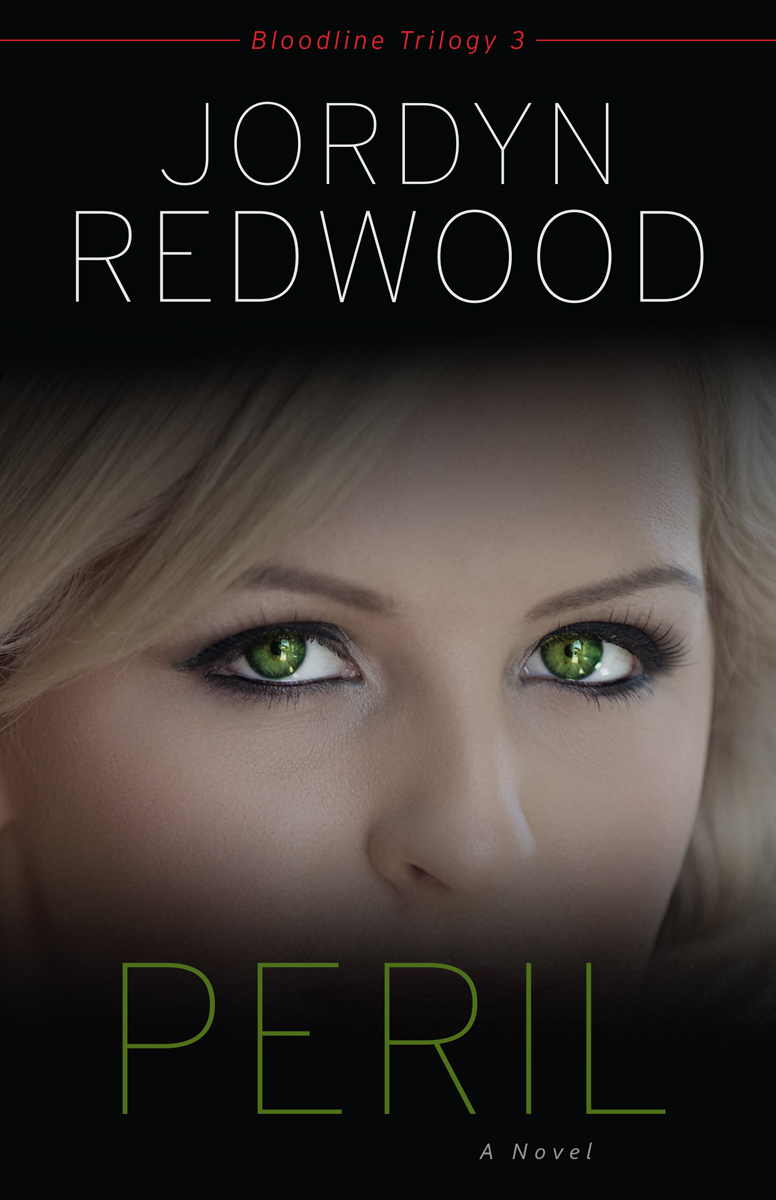
4213 cvr1 CS6.inddJordyn Redwood releases Peril, the final book in her “Bloodline Trilogy” with Kregel Publications.

****************************************************************************************

TheBargainStephanie Reed releases, The Bargain, the first book in the “Plain City Peace” series with Kregel Publications.

****************************************************************************************

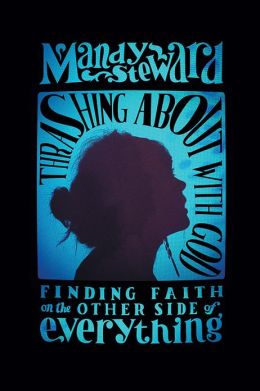
ThrashingAboutMandy Steward releases her debut book, Thrashing About With God: Finding Faith on the Other Side of Everything, with David C. Cook.

****************************************************************************************

Christmasinmyheart22Joe Wheeler releases Christmas in my Heart #22, another heartwarming collection of Christmas stories, from Pacific Press.

****************************************************************************************

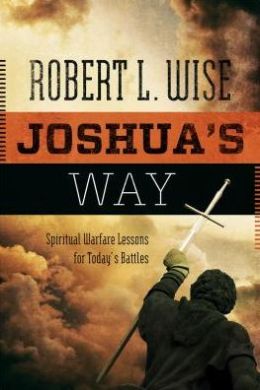
Joshua'sWayRobert Wise releases Joshua’s Way: Spiritual Warfare Lessons for Today’s Battles with Leafwood Publishers.

****************************************************************************************

New WordServe Clients

Jeff Calloway signed with Alice Crider. He’s writing about clearing spiritual clutter so you can clearly see God’s vision for your life.

Kate Hurley, a singer-songwriter who self-published a spunky memoir titled Getting Naked Later, signed with Alice Crider.

Mike Fechner, a Dallas-based missionary to the inner-city, will write his story with Marcus Brotherton.

New Contracts

Marcus Brotherton has signed with Moody Press for his first novel! Rev Rowdy is the post WWII story of a soldier coming home from the war who finds trouble, but then is convinced by the local sheriff to become the town preacher. Sort of a “Band of Brothers” meets “Mitford” for men.

Joe Wheeler signed a three-book deal with Pacific Press to compile and anthologize miracle and angel stories.

What can we help you celebrate?

Ambition, Aspirations, and Obsession: Part One

Are you in a season of fresh aspirations?

WomanCliffWSSeveral years ago I had aspirations. (Or, perhaps it is more accurate to say, they had me.) I was obsessed. I’d stay up late at night, sadly, on my computer, surfing…dead relatives. That’s right, I had an Ancestry.com obsession. I aspired to know everything about all of the branches of my family tree. Soon I had more than 4000 strangers (and a few hundred names I actually knew) attached to my electronic tree, many with pictures and whole histories about their life. Fun and time consuming, but now it’s done.

After 20 years as an agent, I’ve seen literally thousands who have writing aspirations. It starts with an ambition, “Gee, I think I could write a book.” They give it legs by feeding their aspiration, “Wow, I really need to write this book, so I’d better learn how to do it—and then spend weeks doing it.” But oftentimes a good desire to write turns into an obsession, “I have to get this book done and in print if it’s the last thing I do.”

And oftentimes they throw God in the mix as Supreme Instigator.

“I’m so excited about this manuscript, it must be God’s will that I become a famous novelist. Therefore, I will do everything possible to make this God-given dream come true.”

Ambitions and aspirations can certainly be clues to God’s will for us, though ambition alone is not enough to discern God’s calling. My own history of aspirations has had mixed results, with joys and dangers along the way.

The Joys of Aspirations:

1. They Bring Energy.

I’ve got some aspirations about a new project/business I’m working on that will help my authors and, hopefully, help the Kingdom for years to come. As my wife Becky would attest, it’s brought me more energy and motivation about work than she’s seen in a long time. I love being an agent, but with the changes happening in publishing, I’ve been restless. I’ve seen too many great books go unpublished because some publishers are concerned about the lack of social networking tribes in an author’s portfolio. I aspire to do something about that (more on that in a later post).

2. They Bring Focus.

The Apostle Paul had ambitions and aspirations. “…This one thing I do, forgetting what is in the past, I press ahead to the goal of the upward call…”. He wanted to live in the moment and not be hamstrung by his past: a helpful goal that brought focus to his day-to-day life. One of his other aspirations was “…to see Rome…”. He eventually did, and was able to preach the Gospel to likely hundreds.

3. They Bring Fruit.

Aspirations to write books gave me hope that perhaps my life could count for something; that my words on paper could outlive me. That’s what books do. They allow God to use our stories and life lessons in ways that bless others. And with digital books, our stories could live forever on Amazon and other platforms. Granted, they might be ranked at four million, but at least our books are there!

4. They Bring Passion.

About 20 years ago when I was writing as a hobby and working a day job, my routines were to get up at 5 a.m. and write for two hours before work. Then after the kids were in bed, I’d write for another hour or two. That’s what aspirations do; they give us so much passion that we’d rather not sleep.

Next time I’ll discuss some of the dangers of aspirations. What about you? How does having dreams and aspirations affect you in a positive way?

Promotional Items: The Good and Bad

I recently returned from the ACFW conference held in Indianapolis. This is an annual gathering of the largest membered group of Christian fiction authors. It’s a great time to connect with fellow writers and hope some of the writing genius from authors like Dan Walsh, Tosca Lee, James Scott Bell, and Frank Peretti infuses life into my writing cells.

Promo1Most conferences have a “freebie” table where writers are allowed to leave promotional items to get the word out about their product. This year I thought I’d give you my take on them. The good and the bad.

Think of a promotional item with a goal in mind. What do you want it to do for you? Consider the return on your investment and what you hope to achieve. I think most people view a promotional item as a chance for exposure. Most marketing types will tell you it takes six-ten exposures for someone to buy your product. So a good promotional item is something a person will keep and look at over and over.

I’ve determined that giving away bookmarks is not a good idea. EVERY author/writer does this and last year when I had bookmarks I ended up taking most of them home. They are not unusual enough anymore and with the advent of e-readers I think many do not need them anymore either.

One way bookmarks could work is if you are a very popular, well-known author and they are signed. But, sigh, that is not me. Yet.

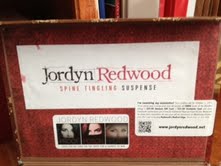
RedwoodNewsletterQRMy goal was to get people to subscribe to my forthcoming newsletter. I gave out full-size Hershey Bars and packs of gum with the stickers you see on the first photo. The sticker includes this QR code that links to a newsletter sign-up form where I’m giving away a prize worth over $75.00. It includes all three books of my Bloodline trilogy, a $25.00 Amazon gift card, a $25.00 Starbucks gift card and some fun Halloween items (yes, this is still happening, so sign up!) and goes on until October 1st, 2013.

I brought 108 chocolate bars (okay, I did eat ONE) and 36 packs of gum. I didn’t have to bring any home, which was great. People were interested enough to pick them up but, thus far, I’ve only gotten about six new newsletter subscribers, making it a very expensive venture with few results. Perhaps the QR code is not intuitive for people yet.

Other promotional items and my thoughts.

promo2 promo3 promo4 promo5 promo6 promo71. Luggage Tag: This is a good idea because not only do you use it but also other people along the way can see it.

2. Small button flashlights for key chains: I’m iffy on these. The writing on one is hard to read and the light is weak. They are fun to have but I don’t know if I would use them.

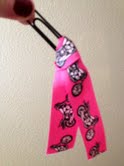
3. Ribbon bookmark: I’m personally not a fan. I am a no-wrinkle-on-the-pages kind of girl and putting a large plastic paper clip on pages would wrinkle them. Plus, it was not very intuitive to me what it was at first because it was attached to a business card.

4. Pack of sticky notes: This was given out by a publisher. Nice, as most authors love office supplies.

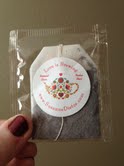
5. A bag of tea: This one I liked because I’m a tea lover. I think this would also be more economical than what I did, as mine ran about 50-60 cents apiece. I think it’s a good tie-in for some genres (romance, cozy mystery, historical set in England) but not so much for suspense. It might not work for my books.

6. Grippie lid opener: Someone can post in the comments what the real name of this is. I like this one for its durability. It’s something I’ll keep on hand and use and therefore will expose me to this author’s name multiple times.

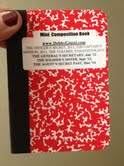
7. Small composition notebook: This one I’m actually giving a gold star and I’ll tell you why. I still have the one from last year in my purse. Every time I pull it out, I see that author’s name. I actually looked into doing this myself but they run (at the cheapest) about $1.00 apiece and that was too spendy for me.

What about you? Which promotional items do you like? Which do you think you’d actually pick up and keep? What have you used as a promotional item and did you appreciate the return on investment?

Seven No Nonsense Book Launch Tips for Broke Authors

Seven no nonsense book launch tips


Sun Shine DownI am launching a book.

My memoir, Sun Shine Down, published at the end of August with T. S. Poetry Press. Eeek!

As a broke, green as the grass in mid-July first time author, I tackled the daunting assignment of launching a book like any other able-minded individual in North America.

I googled ‘book launch.’

In .02 seconds, reputable results-driven marketing and publicity firms jumped into my line of vision. These people surely could launch my book into the stratosphere!

But after some number crunching and a realistic talk with my husband about where hiring a publicist falls in the needs of a family of six (braces, soccer, therapy, FOOD), I conceded. We could not hire help for Sun Shine Down.

These days, whether we sign with a big publisher, a small press, or self-publish, we bear much of the responsibility for launching our own books. And it’s hard work.

If you, too, are a broke new author, here are seven no-nonsense book-launching tips:

1) Plan ahead

If you wait to plan your book launch until your book is out, you’re toast. Plan ahead. Start six months before you are to publish. Research, and consider elements of a book launch you will utilize.

2) Launch your book online

Social media is a marketing ocean. You’ve got Facebook, Twitter, Pinterest, Instagram … Where do you spend your time online? How can you introduce your book in those venues? With Amazon stomping on the book industry, it is a mistake not to market online.

3) Launch your book offline

Is a book party right for you? I’m hosting a party at a bar down the street from my house. I’m doing it on a Monday (because the venue is free then), providing appetizers, and using evites and Facebook events to publicize. Extra tip: Don’t call your gathering a book signing. Call it a book party. Who doesn’t love a good party?

4) Don’t spam people to death with your book

Not everyone is excited to hear about your book all day every day. Post about your book (especially on your Author Fan Page–don’t have one? Um, get going), but don’t post several times a day. It just makes you look full of yourself. The trick is fun, cool content, and looking like you’re not trying that hard even when you are.

4) Create a Facebook launch team

In an effort to build buzz about Sun Shine Down, I invited Facebook friends to join a super secret launch group. I offered perks for joining ( a free PDF advanced copy of the memoir, a thank you on the blog, access to a secret group, and interaction with the author) and requirements (help promote for five weeks, post about the book on your blog, etc.). My secret group has been the highlight of promotion so far. Why? Because relationships are being strengthened and we are having fun! It is also a great way to ensure Amazon reviews once the book is published (make it a requirement).  Read this post to see how I did it. 

5) Get help!

OK, I know that I sound like I am contradicting myself. But next time (God willing), I will hire someone or ask a friend to assist with some promotion. I’m talking about someone to help with a couple time consuming tasks and who is affordable (as opposed to a publicist who would do everything and is expensive). I’m talking a flat rate per month to run a blog tour or help with the launch group. I’d like not to have that pressure, and I am finding out with this book that there are virtual assistants and others who could fit this description. *Note: I LOVE publicists, so If I get to that point in my career when I can hire one, I probably will.

6) Create a new email address to send out official book launch news

I simply created a new Gmail account with the name of my book and merged it with my current email account so that when I send out press releases and other book emails, it looks official (instead of the author sending them, which she is 🙂 ).

7) Set expectations low

This is my Eeyore personality coming out, but I suggest you set your expectations low. Then you’ll be pleasantly surprised when something remarkable happens. Not an Eeyore? More a Tigger? OK, then expect like crazy. We are all different. In my experience, though, the people I thought would help publicize and raise excitement about Sun Shine Down haven’t. I did have one or two wild cards, individuals I knew for a short time long ago who have become cheerleaders and promoters complete with pom- poms and cardboard signs.

Here’s to successful book launches, and to many more hours with our butts in chairs, getting books written so that we can, gasp, go through the nonsense of launching again and again!

Puppies, Unicorns and Dolphin-Shaped Balloons

notes-md

Have you heard of the term bait-and-switch? Yep. This is one of them, and for good cause. If the title had read “3 Reasons to Outline,” would you seriously have stayed tuned? Not only is the topic of outlining boring, it often causes big hivey welts to break out on some people. So if you need to slug back a few gulps of Benadryl, go for it, and let’s move forward with…

3 REASONS TO OUTLINE

1. To keep from crashing head first into the lack of confidence wall.

Yes, you can write an entire novel without drafting an outline, but the chances of losing steam and curling into the fetal position about midway through are pretty high. What you thought was a plot screeches to a halt. Characters wander around like zombies on steroids. Your narrative is a flaming train wreck of twisted words. Reaching this state of mind has a way of sucking all the confidence marrow from your bones. This is where an outline comes in handy. Think of it as a safety net and/or anti-zombie mega-gun. When you hit midway in your story, you can reach out and grab the outline rope to pull yourself up to the grand summit of a finale.

2. So you know where you’re going.

I’m not a huge map fan. I can’t fold the dang things. I know. I know. There’s this great new invention called MapQuest. Yeah. That’d be great if I had a smart phone—which I don’t. Even so, there have been a few family vacations where I’ve been awfully thankful for a map. That’s what your outline is. Writing a story is a lot like going on a road trip. Sure you can throw your bags in the car and hope for the best, but what happens when you hit construction? Or worse…road closed? That’s when a map is your best friend. Same thing with a meandering story. An outline will keep you on track to end up where you wanted to go.

3. It works out the kinks.

Don’t get me wrong. Writing an outline is not a magic pill that takes you to happy writer land (but if you could market that, you’d make scads of money.) Planning out the major scenes ahead of time, thinking through all the what-if-that-happens scenarios, straightens out your plot so you’ll be less likely to have to rewrite unnecessary chapters.

Convinced yet that outlining is the greatest thing ever? I wouldn’t be, either. Outlining sounds about as much fun as scrubbing the toilet—outlining as in Roman Numerals and sub-points and all that analytical falderal. I say it’s time to start thinking outside that no-fun box and reinvent the outline.

Newsflash: there’s no law that says you have to write a text-on-screen outline.

Maybe you’re a Pinterest type of person who creates story boards. That counts. Perhaps you love the smell of dry erase markers and get off on mind mapping a tale on a large whiteboard. Shoot, I even know some writers who adore 3M sticky notes and plan out a novel by decorating a wall with their scenes. Go ahead and get creative. That’s what fiction is about, folks.

One parting thought to shoot down the scare factor of outlining. You have my permission to outline only chunks at a time. If scribbling down the entire story totally freaks you out, just do the first third, then take a break and write the first chapter. Before you end the first third, however, you should plan the next third. Savvy?

Outlining does not have to steal the joy from your writing. Turn it around to enhance the joy of your writing…and keep from having a nervous breakdown halfway through.

What about you? Are you fans of the outline or more pantsers types?