How Writers Can Help Other Writers

While the writing process often requires many hours of solitude in order to turn inspiration into polished paragraphs, I have found that the writing life has a social component that I enjoy. Both before and after the publication of a book, there are numerous ways writers can help each other. Here are a few I discovered:

1. Share experience: The path from hopeful writer to published author can be mysterious to someone preparing to write a first book. Another writer who has walked the path can illuminate the way, point out potential stumbling stones and highlight the important milestones on the journey.

How do you find a good literary agent? What sections belong in a book proposal? How many months does it usually take for your proposal to be accepted by a publisher? Another writer can provide information, perspective, and hope. The mystery of what it takes to achieve the dream of publishing a book becomes a clear set of goals when a more experienced writer helps someone just starting the process.

2. Facilitate connection: Another writer may be able to do much more than simply give a novice writer advice. How much better to work with a literary agent or editor that your friend recommends than to send a stack of letters to strangers. Writers who connect to other writers grow their circle of influence. The end result offsets the isolation of the writing process and helps improve the craft of writing for everyone.

3. Provide feedback: Writers can provide a level of feedback to other writers beyond that supplied by typical readers. Writers understand plot structure, style guides and arcane grammatical rules. They know the right place for a chapter break and how to write the acknowledgment section. No writer is too experienced to benefit from the insights of another writer.

4. Expand resources: When it comes time to increase readership, writers can help each other meet people at conferences, organize author events and multiply social media reach.

If you have already written a book, be generous with new authors. Write a review of a new book, mention a new author on social media, and take a photo with him or her at a writer’s conference.

5. Offer encouragement: Do you remember what it was like to wait while publishers reviewed your manuscript? Did the time from submission of your last edit to shipment of your published books seem to drag on forever? If so, you are the perfect person to offer encouragement to a new author.

If you are a new author lost in the publication process, seek out wisdom from authors who have gone before you. Learn from their mistakes and celebrate their successes. Writing does not have to be a lonely profession.

How has another writer helped you during the publication process, and how have you helped other writers in turn?

The Power of the Ask

I sometimes forget the strength of the simple. Social media is a brawny tool, but it’s sometimes vexing to figure out the best way to reach the masses using our profile platforms. That’s why a couple of informal posts I recently put up surprised me in their reach and response. I re-learned a lesson about the power of the ask.The Last Lecture by Randy Pausch

From infancy, we quickly figure out we must communicate our desires and needs in order to have them filled. A baby cries. A toddler whines. A little child begs. A teenager says, “Mommy or Daddy, please?”

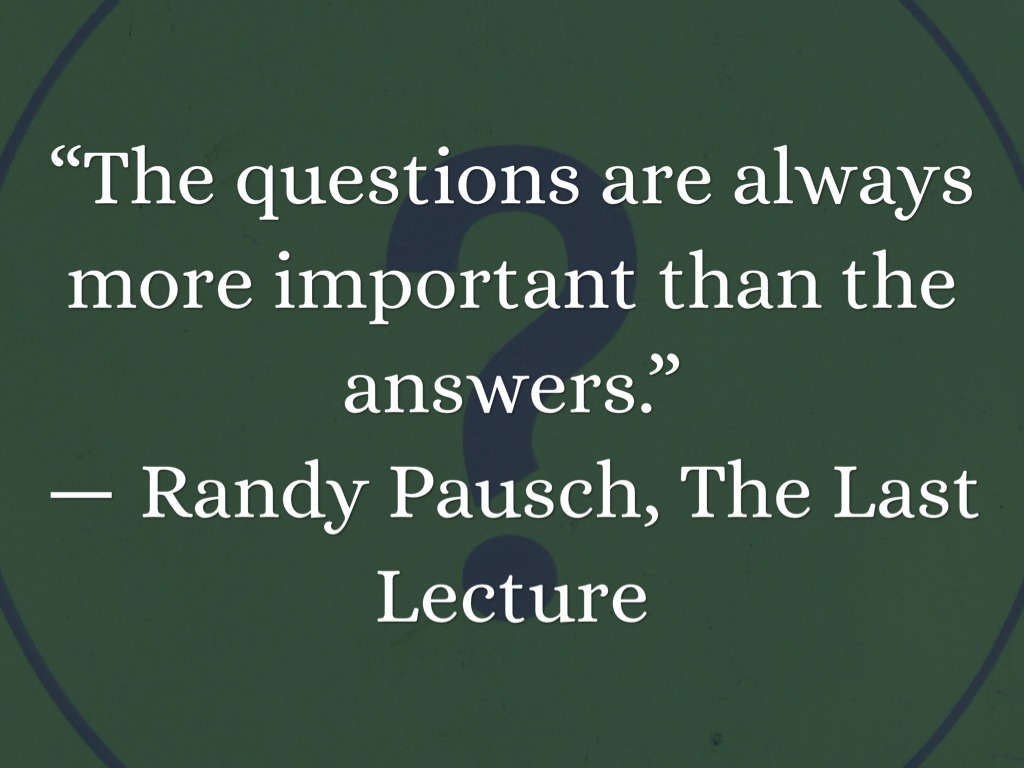
If we make our requests without manipulation or ill motives, especially when we are inspired for a greater good, we generally receive what we ask for. I remember a few years ago, when I read Randy Pausch’s book, The Last Lecture: Really Achieving Your Childhood Dreams, and feeling struck when he mentioned the power of simply asking as criteria for getting what we want. The world relinquished a wise and insightful man when he lost his battle with pancreatic cancer in 2008. Randy’s book was his final gift to the world.

Randy Pausch Questions More ImportantI was reminded of The Last Lecture when two different times I asked for help on my social media platforms. My intent was to help others, but as a by-product, the information I received also helped me. I believe because my questions were genuine and sincere, my friends, fans, and followers were eager to assist.

First, as a favor to a friend who is an editor for a women’s magazine, I asked seven questions in order to find out what the hottest topics were for women today. Not only did the volume of answers surprise me, but so did the patterns they revealed. It turns out many women are struggling with similar issues–raw, real, and relevant in our 21st century culture.

My friend got the information she needed, but as a bonus, I’ve been able to share what I learned with other women with hearts to share messages that matter. The benefit I received was my own fresh insight into what sisters of today are battling, allowing me to search for answers on their behalf. All because I dared to ask.

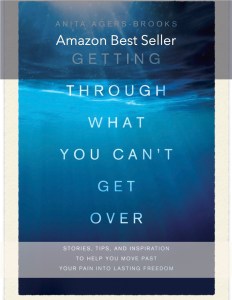
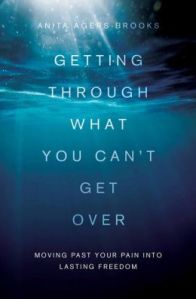
Getting Through Amazon Best SellerThe second thing I asked for came as a result of requesting detailed and specific aid from my social media peeps. When my latest book, Getting Through What You Can’t Get Over released in late March, it enjoyed a strong opening run. The first 90 days, readers reviewed and spread the word as the message resonated with many who were hurting, or knew someone else who was. But as authors, we know the challenge of keeping our messages out there, and figuring out how to reach appropriate audiences with our words of help, healing, and hope.

So when I asked on social media for ideas and/or connections to reach chaplains for the military, hospitals, or prisons, I was again shocked at how much my friends were willing to assist. The power of the ask extended my reach, and the longevity of my book’s impact.

In a world that often feels complicated and confusing, with voices shouting, “Try this. Do that,” it’s refreshing to remember the strength of the simple. Lately, I’ve seen many ask for help in a myriad of ways on social media.Social Media Platforms

“What pediatrician do you recommend in the Denver area? Go!”

“My son got blood on my favorite yellow shirt. Can it be saved? How do you remove blood stains? Go!”

“I need a quick dish for our family reunion this weekend. What’s your fave? Go!”

These days, folks are used to being asked to help with many things. So why can’t we ask for help in sharing our messages, or to find out what messages we should share? Instead of overcomplicating it, why not enact the power of the ask?

What are your current hot topics? Do you have any insights on how/who I can spread my message of real healing and hope for the hurting? How can I help you?

Planning a Book Release Party

I’ve said it once and I’ll say it again, an author does much more than just write. In fact understanding this was my biggest learning curve once I penned my John Hancock on my first contract. You are a writer, editor, marketer, publicist, your own biggest cheerleader, and your own worst critic. Not to mention the fact that you have multiple voices talking to you at one time as you write. Don’t worry…that’s normal. Kind of.

Book Release Party - Shadowed Kariss Lynch
This year, I added “party planner” to my growing writing resume as I prepared for the release of Shadowed just two short months ago. When Shaken released in 2014, my friends planned a sweet party to celebrate. This year, it was my turn to grab the wheel. Only I had no idea where to begin! But like all things in this writing journey, the learning curve is steep, the lessons memorable, and the end result rewarding.

The release party doesn’t have to be stressful! Here are some tips I picked up along the way.

1. Choose a theme.

I planned two different parties with the help of loved ones. I wanted to theme the parties, so I selected decorations and small touches according to the audience. Since some of the major moments in Shadowed are centered around sunsets and the ocean and an opening scene with fireworks, I found decorations that flowed like water and paper décor that resembled the pop of color bursting in a dark sky. It was a fun way to set the stage. For the second party, we decided to go with simple and elegant to fit the audience coming. We chose a room lined with windows overlooking downtown, decorated a center table with roses, set up a sidebar with refreshments, and left an open space for mingling and signing books.

2. Delegate the details.

I still didn’t pull this off on my own. In fact, I had a moment where I almost threw in the towel. But friends and family came to the rescue. Friends volunteered to bring refreshments and plastic ware that fit the beach theme. Others donated door prizes like Fossil watches and a hand-lettered quote from Shadowed framed beautifully. Another friend set up a photo booth complete with reading glasses and chalkboards that represented different plot twists. Party-goers could grab their favorite pair of reading glasses, a chalkboard with their favorite plot twist, and enact the scene on camera.

3. Send the invite.

Gather those around you who weathered the journey with you. Those who sat through the tears and endless plot conversations, the ones who left meals on your doorstep, or talked you off the ledge when you wanted to quit. Let them celebrate this win with you! As excited as your readers will be, these people will be even more excited for you, and let’s be honest, you couldn’t have reached this accomplishment without them. Then, encourage them to bring their friends, friends who may just be curious about you as an author, who may just want to come for the party, and who may just walk away as fans of your work. Use Facebook or Evite to send a mass message so that folks can easily respond

4. Remember the journey.

Don’t forget to hit pause in the craziness and excitement Shadowed Kariss Lynchand remember. Remember from whence you’ve come. Remember the winding road that led you to this point, the road that seemed to never end and had too many bumps to identify. Remember that writing is your calling. Remember the One who gave you the story in the first place.

5. Celebrate!

Bask in the joy of completion, of your baby entering the wide, wide world. Ask a couple of your confidants to keep an eye on the refreshments and remind people to turn in their tickets for door prizes, then cut loose and celebrate. Share your heart, speak of the journey, talk about the story, smile, laugh, sell books, giveaway a few, and praise God for the gift of completion, of release day, and all He taught you along the way.

When all is said and done, clean up, sleep up, then hit the desk. You’ve got another manuscript to finish.

How to Create an Enticing Book Trailer — Secrets from a Professional

Getting ThroughBecause of my passion for the message, and the drama of the subject, I really wanted a book trailer for my latest release, Getting Through What You Can’t Get OverSo I went on a quest, hunting for the most enticing book trailers, hoping to glean insights and ideas.

When I searched on YouTube, high-profile author websites, and via Google searches, I was surprised. There wasn’t much out there, and what was, frankly,  with few exceptions, didn’t entice me to read the books they represented. Especially those filmed for my genre of creative non-fiction.

For transparency sake, I’ll confess. I turned most off before I finished watching.

But quality wasn’t the only issue I had while doing my homework. When I looked at pricing models by those who offered the service, I was appalled at what some of them wanted to charge. (No wonder there are so many self-made book trailers.)

But I knew I wasn’t gifted in the creative realm of film-making. I needed the help of a professional. So what to do???

It was around this time my niece got married. A couple of weeks after the ceremony, she invited an intimate group of close family and friends for a wedding video party. The videographer was there, and he unveiled his masterpiece. I was VERY impressed. His creativity in weaving the footage into a story, really captured my attention, and held it.

When the party was over, I waited until everyone else had left, and asked my niece how much he charged. The price was right. This young creative was building his portfolio, and although he was smart enough not to give his services away, he didn’t price himself out either.

Daniel Thompson Videographer
Daniel Thompson Film & Photography

I asked the videographer, Daniel Thompson Film and Photography, if I could speak with him.

“Have you ever filmed a book trailer?”

“I’m not sure what that is.”

I explained. Then asked if he would consider working with me to create a trailer for Getting Through What You Can’t Get Over. I outlined what I wanted.

“I’ll provide you with plenty of information, much more than you’ll ever use, and I’d love for you to take it from there, use what you need and discard the rest. Don’t be afraid to get creative. You’re the expert, the professional in this field, not me. I don’t want to tell you how to do your job.”

So I emailed him a document, full of information. (If you want a copy as a sample, just email a request to anita@anitabrooks.com).

We did a couple of filming sessions, one at a book signing I had at Barnes & Noble, per his suggestion. And though I don’t like to see or hear myself, I think he did a great job of making the trailer feel warm, inviting, and allowing the flaws of imperfect hair, makeup, etc., add to the real-ness of the message.

Getting Through What You Can't Get Over Book TrailerHe also included things I wouldn’t have thought of. A few touches of dramatic flair. Flipping through the pages of my book. Looking up toward Heaven. A closeup of me autographing. Little things people respond to. You can watch it here and tell me what you think.

Getting Through What You Can’t Get Over book trailer

If you’d like to create a great book trailer, and this area of creativity is not your forte, plus like me, you need to squeeze dollars, I have some suggestions:

  • Hire Daniel, he’s amazing!
  • If you live too far from Daniel, (I’m sorry!), find your own local creative, who’s building a photo/video portfolio, and willing to experiment.
  • Check with local colleges, or even high schools, asking the administration for referrals to a young, talented person who might do a great job.

Through the process, I learned secrets from a professional about how to create an enticing book trailer.  Slapping something together isn’t enough. Make sure it draws people in, and makes them want to read your book, not turn you off. I can’t take credit for mine, but I am happy with the outcome. It isn’t perfect, but in my opinion, it is enticing.

Have you used a book trailer? If so, what was your experience?

Marketing With A New Mindset


If you’re like me, sometimes the best thing in life is a little change of perspective.

perspective

Last July I got my first taste of publication. After months of hard work, I held the finished product in my hand. Countless drafts had transformed into orderly pages and endless edits changed into final words. It was beautiful. And then came the real work—marketing.

For many of us, the idea of marketing our books makes us a little queasy. Peddling wares and pushing books is not an exciting notion. After all, we are writers. Our gift is with words not a megaphone. In fact, most writers fear the aspect of marketing their own book. Yet, in today’s publishing world self-promotion and book marketing are a must.

If you have written a book, part of your purpose is to bring something meaningful to the reader. How can that reader be reached if there is no one to share it?

Think of the passage in Matthew 25:14-30

In this parable, a rich man who was going on a journey called his three servants together. He told them to take care of his property while he was gone. The master gave five talents to one servant, two to another, and one to the third. Then the master left.

The servant who had received five talents made five more. The servant who received two made two more. But the servant who received one buried his talent in the ground. Later, the master returned to settle his accounts. The master praised the first and second servant. But the master’s response to the third was harsh. He stripped the talent from the lazy servant and gave it to the first servant.

In the parable, the master expected his servants to invest and be proactive, to use and expand their talent instead of passively preserving it. With the first servant, courage to face the unknown was rewarded, and we can see God expects us to use our talents toward productive ends, not only was the first servant allowed to keep what he earned, he was invited to rejoice with his master.

This is such a beautiful illustration of what we should do with our God given gifts.

So, is there a cure for marketing anxiety? Maybe. Maybe it’s time to take a step back and gain a new perspective. Maybe it’s time to stop looking at it as MARKETING and instead, look at it as ADVOCATING Your God Given Gifts.

gifts

You are your work’s greatest advocate. So who better to promote it than you? It’s up to you to reach your audience. Invest yourself. When we share our talents lives are changed!

With the same passion that drove you to write your project in the first place, look at your book marketing plan in a new sense. Instead of marketing, advocate. Use whatever is available to you and proudly declare yourself, your message, and your book. Move forward with certainty that you have something important to share and what you share has the power to change the world.

3 Ways to Build Your Writing Career

IMG_5665

As a pre-teen with literary dreams, I was blessed to have a newspaper editor for an uncle. During a visit to his house, he introduced me to a Writer’s Market and demonstrated how to submit poems and short stories to magazines. That nudge helped me sail my ship. After a few dozen submissions, I received my first byline. I still have the $8 check. 🙂

I’m thankful for my uncle’s mentoring, and I try to help other writers get started and stay motivated. As a result, I’m often asked by excited beginners, “how do I get published?” That’s a good question. But it may be the wrong question. I believe a person who’s serious about writing should instead ask, “How do I build a career?”

As I’ve pondered what that process entails, I’ve uncovered three important steps to building a career as a professional writer. They comprise the chart for navigating the murky waters of publishing.

First–Build Confidence

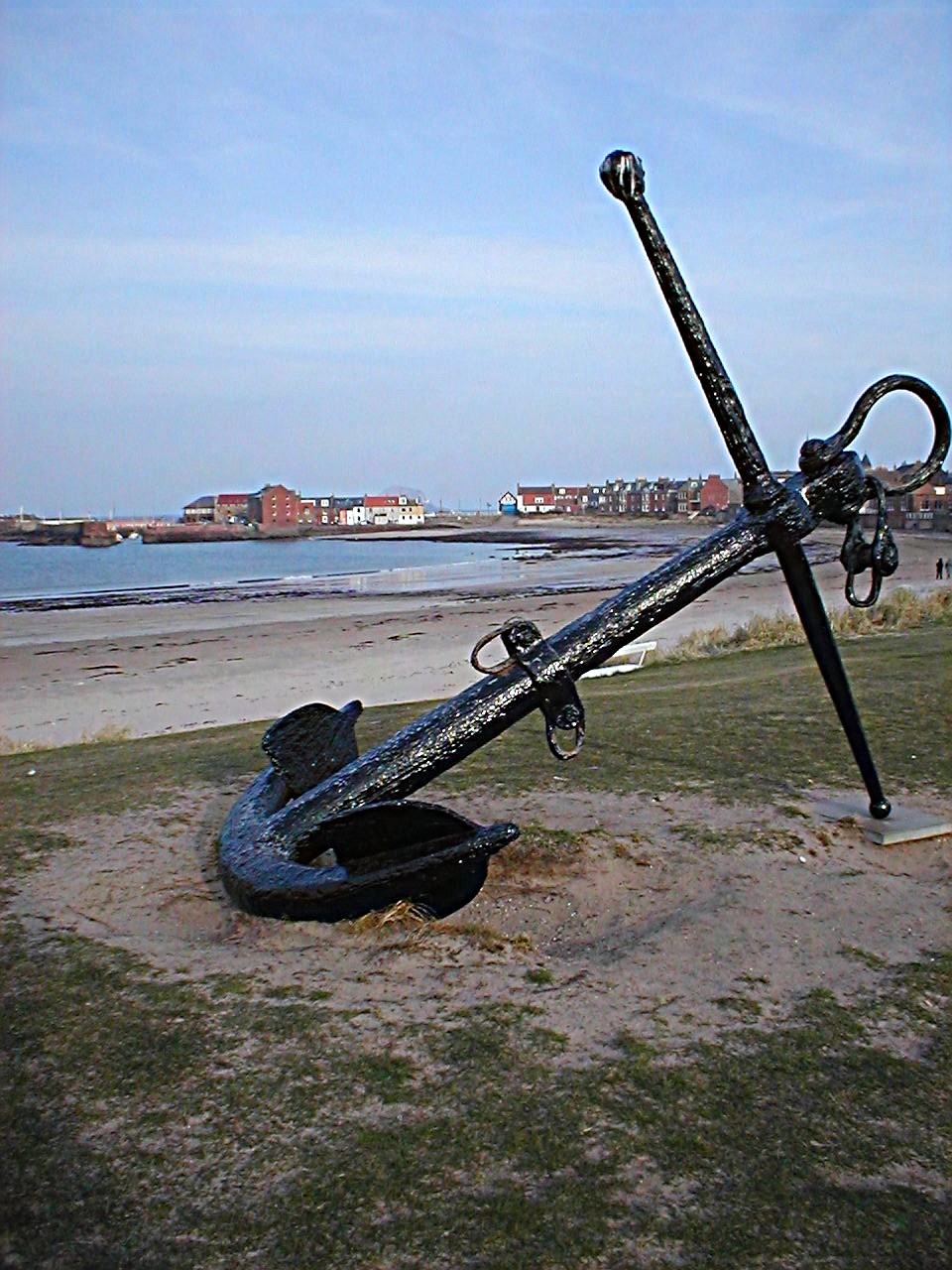
Confidence is the anchor of a writer’s craft. Repeat after me: “I am a writer.” Now say it again. Then repeat this exercise until you believe what you’re saying.

Another way to build confidence is to join a writer’s group, either locally or online.file0001814083365

Your belief in yourself will also improve as you learn about the ocean that is publishing. Like a fisherman trolling unchartered waters, be adventurous—by attending conferences and by subscribing to unfamiliar online and print newsletters and magazines.

There are two reasons to navigate new territory often: first, markets rapidly change, and second, editors and agents repeatedly change positions. The writer with the advantage is the one who stays abreast of people, publications, and trends.

Case in point: recently, a magazine accepted an article of mine (which they had previously rejected) because I re-submitted it when a new editor came on board. I found out about the opportunity through the “market news” section of a writer’s newsletter.

Second–Build Credits

How do you get those all-important first credits? Author Sarah Stockton, says she took two approaches to building her clip file: “First, I targeted online publications that didn’t pay. These are often easier to break into. Secondly, I queried places where I felt I had something to contribute that I felt passionate about, with an idea directly related to their content and an angle that I hadn’t seen from them before.”

Sand your boat often, by reworking old material. Also, don’t forget to revise your new bread several times before casting it on the waters.

Reprints are another way to beef up your resume. After you have a few excellent articles, try selling them over and over again. Each time, you’ll receive a new credit, as well as payment (whether it be in money or in publicity) for old work.

Third—Build Your Craft

Developing your craft takes perseverance, patience and prayer. Picture Noah, slowly putting the ark together under blue skies.Then feel God smiling on you as you obey Him, even when the rest of the world points and laughs.

Other ways to build your craft: attending a writer’s conference every year, entering contests, listening/reading books on areas in which you’re weak, and completing writing courses, whether in person or online.

Now grab that hammer and a few nails and start building your craft. I’ll see you in the water!

My Indie Story (And Why I still *Heart* My Agent)

myindiestoryThere are a gazillion reasons why authors choose to go the “indie” route. (Wanting to use the word gazillion to the chagrin of every publisher out there might be one of them…. :-))

They want more control over covers and editing, more share of the profit, quicker publication. They may be tired of waiting and/or writing in a niche market that isn’t served by traditional publishers… the reasons are as wide and varied as the genres they write in.

I thought I’d share my story and my motivations, and why I still want, value, and love my agent.

IMG_5199My story is a complicated one. When I signed with my first agent and got that coveted first publishing contract, I was in the throes of a personal trial that was, to say the very least, difficult. My fourth daughter was born in 2010 with half of a heart and spent her first 308 days in the hospital.

About three weeks after she came home from the hospital, on oxygen and twenty different medications, and after four open heart surgeries including a heart transplant, an editor offered me a contract. I was also offered representation by an agent, all in the same week.

On one hand, I was ecstatic. This was my dream come true. And considering I’d given up my pay-the-bills day job to take care of my daughter, it felt like amazing timing.

What I didn’t factor in was a fun case of stress induced depression, ongoing medical issues with my daughter (including one very scary helicopter ride which included CPR… Boo!) and the immense stress of editing on a deadline and trying to market a book–all the while dealing with those deeply difficult, personal trials.

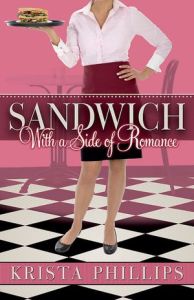
SandwichOnce my book came out, I kinda collapsed. I was exhausted and needed a timeout. I took the next year to recharge and focus on my family. Writing was almost laughable during that time.

When I finally emerged during the fall of 2013 and felt God nudging me to write again, I was met with a few stark and depressing realities regarding my writing career.

1.) Releasing a novel without a follow-up anytime soon does not make for grand sales history.

2.) Trying to market a book well during such a difficult time also doesn’t breed super quality sales either. While my book didn’t totally bomb, it fell much below my expectations, which probably didn’t help my depression either!

3.) Even if I polished up my finished manuscript and had my agent immediately submit it, due to publishing schedules, it’d probably be at least two years or more before it would actually be published, thus making a span of close to three years between book releases. The business side of me knows that isn’t ideal for marketing purposes.

So what to do?Pageflex Persona [document: PRS0000026_00095]

I needed a book release sooner than later, and a way to build back up the platform I lost during my mental-health break. I looked at all those indie authors and wrinkled my nose. No. I’m a writer, not a publisher. That is not what I want at all.

But the more I rejected the idea, the more God pushed me toward it. Then ideas started flowing… what if I did some followups to the first book? Maybe some novellas, then finish out the series with a full-length?

The thought blossomed over a few months. God gave me some fun ideas for books and titles and put some amazing indie-authors in my path to teach me the ropes. I am forever thankful to them!

And you know what?

I don’t regret it for a moment. My sales haven’t been astronomical. My “grand plan” is to release three novellas then a final “full length” to wrap up the series, while my fabulous agent works her magic with a new series.

I’m using the three novellas as trial books, trying different marketing strategies on each to see what works, what doesn’t, and what I can do better. The first book, A Side of Faith, came out in August, 2014, and the second, A Side of Hope, came out March of this year.

Pageflex Persona [document: PRS0000026_00095]A Side of Love will release later this year, and the full length, The Greatest is Love, will release in 2016.

It’s been a lot more fun than I thought it would be. I’d originally dreaded every single step in the process, but the idea of being a hybrid author is intriguing.

At this point, I don’t see myself going “full” indie. I LOVE my agent (waving to Sarah) and LOVE working on a team with a publisher. I know this idea isn’t embraced by all indies, and that’s super okay. What is good for one is not for another.

But this is my Indie story, and I’m very thankful I followed God’s leading and stepped out of my comfort zone. In the end, my hope and prayer is that my indie books and my traditional books can work hand-in-hand to help each other.

What about you? Have you ever thought of indie publishing? Why or why not? While I don’t claim to be an expert, I’m happy to answer what questions I can!

Seven Key Members of a Writer’s Team

Coxed four from aboveIt’s not any one person. It’s not any one coach. It’s the team. Brian McBride

What is true in sports is also true in writing. Becoming a published writer involves assembling a team of talented individuals who will help you write the best book possible for your readers. Here are seven key members of a writer’s team and the roles they play to help a book succeed:

1. Beta Readers – A beta reader is someone who will read and critique the three chapters of your book that you will include in your book proposal if you are writing nonfiction or the entire manuscript if you are writing fiction. You will use this feedback to improve your manuscript before sending it to an literary agent. Choose a person who loves books, belongs to your target audience, and understands how to give feedback on the big picture of your writing instead of bogging down circling typos.

Give your beta readers a time frame for completing their critique and clarify that your manuscript is confidential and should not be shared with others. A beta reader who is also a writer or who understands the publishing industry is ideal. Send your manuscript to multiple beta readers and pay close attention to feedback that is echoed by more than one beta reader.

2. Agent – Your literary agent presents your book to publishers and negotiates the sale. However, your literary agent often provides guidance and editorial suggestions before your book proposal is submitted. He or she knows the industry, so take the advice. After your book is published, your literary agent can provide marketing advice and help you develop your writing career.

3. Editor – Your editor helps you polish your manuscript to its final form, while also guiding you through the entire publication process – title selection, cover art, book design, copy editing, and choice of reviewers.

4. Reviewers – You will encounter three types of reviewers in the traditional book publishing process. The first set of reviewers, selected by your editor, provide feedback on your manuscript. You can take or disregard their suggestions when writing your final draft. However, their insights help you see your book with fresh eyes and learn how your readers might respond to certain passages. The second set of reviewers read the final manuscript and write short reviews for inclusion on the back cover of your book. You select these reviewers with input from your editor. The last set of reviewers are the readers who bought your book and decided to review it on Goodreads, Amazon, a bookstore website, or their blog. All reviewers are essential for the success of the book and the development of your writing career.

5. Marketing Director – Your marketing director will help your book find its way to readers. He or she will coordinate ad placement, mailing copies of your book to key influencers, and the work of a team of publicists. Touch base with your marketing director if you see a valuable opportunity for getting the word out about your book. Coordinate your author efforts with the marketing plan your publisher develops for your book.

6. Publicists – Publicists may specialize in broadcast, publications or online publicity. If you are fortunate to have a publisher that has a team of publicists working to promote your book, they will arrange radio and podcast interviews and connect you with print and online opportunities to introduce readers to your book.

7. Key Influencers – Key influencers are the individuals who will receive an early copy of your book from your publisher. These individuals should connect with segments of your target audience and be able to create positive buzz about your book. Choose influencers across a wide geographical area and with characteristics that represent the breadth of your likely readers.

Other individuals may join the team to help you create a valuable book for your readers, but these seven key team members make up the core of your team as a writer. Appreciate the expertise that each team member brings, and build a good working relationship with all of them.

How has working with a team enhanced your writing career?

20 Reasons Books Don’t Sell (Part 2)

stock-624712_640You can catch part one from Monday here on the Watercooler. Feeling discouraged yet? You’re not the only one trying to make a go of it in publishing and it’s a tough business, but my post isn’t over yet, and I hope you’ll find some room to breathe by the end of this post. Let’s jump right in, shall we?

10:The book is poorly written. You didn’t get a good edit. This is more common with independently-published authors who don’t pay for developmental or copy edits, but not unheard of in traditional publishing.

11: All we hear is crickets. The book never got word of mouth or enough great reviews (50+). There is no tangible buzz about you as an author or the book. Like a movie that no one talks about will sink after week two, the same is nearly true with books. Most books can sell 3,000 to 5,000 copies with little buzz. But if a book has sold more than 10,000 copies, it’s because people are talking.

12: Publisher oversight. The ebook didn’t release simultaneously—and in effect the marketing and PR upon the book’s initial release went to naught – without the e-product available “on the shelves” during the launch. Years ago, one marketing director I was dealing with didn’t know Facebook could be used to promote a book (luckily his PR person did). While gross incompetence is rare, mistakes happen out of the control of the author or agent.

13: A book was written and it should have been an article. We’ve all read books that were all but over after chapter 4. The story was predictable or the points over-used. Yes, there is nothing new under the sun, but try to make sure you’re conveying content that you can’t get in a few blogs.

14: One careless word. The book had a swear word in it so Lifeway wouldn’t carry it. This happens a fair amount of times because authors insist that profanity makes it more “real” (which it might) and they’d rather sacrifice sales than not be real. As Dr. Phil would say, “How’s that working out for you?” If you want to play in certain sandboxes, you have to play by the sandbox’s rules. Sorry.

15: Setting and storyline. If it’s fiction, having a setting outside of America, England or Ireland. “Because I love Russia (or Africa or Thailand)” just plain rarely sells well in America. Or having a storyline that is not entertaining—and very hard—to read (i.e. child abuse, sexual abuse, deaths of key characters).

16: Changing reading habits. People don’t read as much as they used to. Or if they do, it’s blogs and articles that are free on the web. More true with nonfiction readers. The attention span of today’s internet-soaked reader has shortened radically.

17: Cheap buyers. People are waiting around for the free or cheap ebook that comes out a year later instead of spending $10 to $20 on a new book they know they will get eventually and pay less (or nothing) for. Also, the proliferation of self-pub’d books that have a lower price tag has put a dent in a traditional author’s sales.

18: Life happened. Something happened in the author’s life so that all of their well-laid plans to launch and promote their book flew out the window. Or it happened to the in-house PR person’s life. Or the outside PR person’s life. Or the agent’s life. Or their famous author friends’ lives. “Life happens” all the time, and I’ve seen more than a few books sink because cancer or a death occurred in the family of some key person trying to make the book a success.

19: Book retail has gone bye-bye. If you’re a Christian writer, the lack of stores to sell into can certainly be one place to put the blame. When I first started as an agent 21 years ago, there were 6,500 Christian bookstores. Now there are about 1,000. So . . . “no one walks into Christian bookstores anymore” is fairly true.

20: The industry. Frankly, publishing is hard. Every publishing house is working harder for less money. Every editor, marketing and PR person, sales person . . . is overloaded with work because margins are thin. If there is a “new normal” that will get us back to center in publishing, it hasn’t happened yet.

These 20 reasons, and likely a few others, would all not count a twit if people could just find out about the new books they want to read. Agents and editors are still finding great stories, fabulous writers and motivated publishers. The problem? Creating awareness for these great books! Retail continues to shrink, magazines are all but gone, and with over 100,000 new bloggers (on WordPress alone) starting blogs every day, it’s only a matter of time before most of us are tuning out all of the content coming into our inbox (if we haven’t already). How will people start finding out about all of these good books?

The newest and biggest elephant in the publishing room is this:  How, with the demise of print media and bookstores, do we find and target regular book-buying readers who are interested in a particular genre and book topic?

Faithhappenings.com was created to help answer this question. FaithHappenings offers the following unique benefits to authors, publishers and reader-consumers:

  • When a member checks specific boxes on their preferences, it will send readers an email when a new book comes out in any genre they enjoy and buy.
  • FaithHappenings also lists music and videos, independently published books and music, local events of every type, scripture, blogs, devotionals and much more… and all a member has to do is check a box to find out about them. It only takes three minutes to fill out a profile, and it is free to do so.

Check out www.faithhappenings.com. There are 454 local websites that carry local and national info, with a big emphasis on books!

20 Reasons Books Don’t Sell (Part 1)

books-21849_640When your book doesn’t move off the shelves or Amazon warehouses in vast quantities, our first tendency is to point fingers. There is something deep in the human psyche that needs to blame someone when hopes, dreams and plans don’t work out. Publishers blame authors, authors blame publishers (or oddly enough, their agents), retail might blame marketing.

The truth is, there will never be one reason why a particular book doesn’t sell. All any of us—author, publisher, agent, retail partner—can do is look in the mirror and ask, “Did I personally do all I could to help the process?” The other truth is, everyone who invests time in writing, agenting, editing, packaging, marketing, publishing, and selling a book wants the book to turn a profit.  We all want books to sell . . . every single book! Otherwise, none of us could stay in business.  So let’s disabuse ourselves of mistrusting motives of the key people trying to help our book—everyone wants to stay in business!

So why don’t books sell? It’s usually not because of a lack of desire, or effort, or skill, or hope, or prayer… it’s a myriad of tangible and intangible factors. Some an author can control, some a publisher can, and many are outside the control of anyone.

Welcome to the world of publishing in the 2010s. Times… they have changed. So what are the reasons a good book may not have great sales?

  1. Hundreds of books have been scuttled because a war or national tragedy took center stage right when a book releases. Suddenly, all of the great PR efforts and TV interviews set up get pre-empted, never to be rescheduled because everyone has moved onto the newest front list of books to promote.
  2. A bad package. It doesn’t happen too often these days; publishers like to make authors/agents happy. But cover designs do sell—or not sell—books. A great title that screams “must read,” a subtitle that grabs, back cover copy that says, “keep looking,” engaging table of contents, endorsements or a foreword by someone of note, a compelling first few pages… these are a few factors that can turn a book browser into a buyer.
  3. Champions leave. With uncertainty in the industry and publisher entrenchment these last five years, editors have been leaving or moving to different jobs at an enormous clip. Without an in-house champion to keep the book on track, details often fall through the cracks no matter who is following up. New editors must inherit projects, but if they didn’t acquire them, sometimes those books get treated like the red-headed step-child.
  4. Marketing/PR failures. A publisher had no effective marketing plan, or didn’t work their marketing plan no matter the agent effort or follow up. The truth is, the 80/20 principle is truer in publishing than likely anywhere else. Eighty percent of their marketing money goes to 20% of their books, because 80% of their income comes from 20% of their books. A huge fact of life in a very tough publishing environment. Sadly, these days, it may even be 90/10.
  5. Author ambivalence. An author decided they’d let others do the heavy lifting in creating awareness about the book. The writer took the attitude that “Everyone, other than me, should tell the world about my book—because I don’t want to be seen as commercializing anything; I’m above that.” Or, “God has called me to write, not to market my writing.” Or, “I’m busy writing my next book. I don’t have time.” Or, “I’m just not good at pushing my own stuff.” Spiritualizing or tossing out excuses about your inactivity likely means one thing in today’s book culture: a short writing career. God will more often “bless” hard and smart work. If you don’t believe in your work enough to champion it, rethink book publishing. Or, perhaps become a collaborator, you can write and not have to worry about promotion.
  6. Author platform. Ah yes, the scourge of authors everywhere. If you haven’t built enough potential readers into your sphere of influence through blogging, speaking, radio or social networking, publishers will just often say, “We can’t help you.” Why? See reason 20.
  7. Friendship failure. An author’s famous friends (the ones your proposal said were on board) who promised to blog, tweet and Facebook about it forgot, or got too busy, or finally read your book and didn’t like it, or have been doing too much of it for every other author friend they have and are just tired of filling their social networking space crowing about someone else’s product (when they have their own to PR).
  8. Small target audience. The book doesn’t meet a broad enough felt need. Niche books used to have a chance. These days they often do not.
  9. Topic overpopulated. The book has been done a million ways from Sunday and there is just too much competition on the subject.

Not all is as discouraging as this post might have started out—and how you might be thinking. I’ll continue my post on Wednesday with further analysis, but also a bit of hope that I hope will help shift the publishing paradigm and eventually change how we as authors, publishers and agents approach the industry.