Goodreads for Writers (Build a Social Media Platform)

Goodreads for writersDo you daydream about a massive virtual library where lovers of books rub shoulders and authors receive free privileges and promotional opportunities? Well, dream no more. Such a site exists. Surprisingly, many writers ignore Goodreads.

A basic membership affords even unpublished writers the opportunity to include a photo and profile information, make friends with readers and other writers, share book recommendations and reviews, create their own virtual bookshelves. and join groups and forums (including groups of readers who love books in their genres).

Published authors can add the following privileges:

Author Page

It’s likely you will find your book by title in the site’s database. If you don’t find it, it’s not too difficult to add it using the “Find Books” tab. Once you locate your book, you will find a link that asks whether you’re the writer of the book. Click that and follow instructions to set up your Author Page.

Bio

On your author page, you can include a biography and list your books, link to your website and blog, indicate your genre(s), and upload a picture. Take pains with this information, since visitors to your page will notice it before they scroll down to read anything else.

Blog

You can blog right in Goodreads or automatically feed updates from external blogs to your page and into the news feeds of your friends and fans. The whole post won’t appear, but just the first few paragraphs with a link to your blog site. This is one way to lead readers back to your website and expose them to purchase information for your book.

Events

You can list events like your release date, blog tour stops, or book signing schedule to keep your friends and fans informed.

Videos

Set book videos, author interviews, book readings, or other promotional videos from YouTube or another online video service to display right on your Author Page.

Writing Samples

If you have an author page, you can include samples of your writing and reviews of your books for others to read. 

Quotes

You can share favorite quotes from books you love, including your own! Give readers a taste of your writing and they may just purchase your book and keep on reading.

Fans

Your Author Page includes a place where readers can sign up to be your fans. You will then appear in the “Favorite Authors” section of their profiles and they will receive updates from your Author Page. 

Status Updates

Goodreads has a status update box that allows you 240 characters to comment on topics of your choice. Your update will show up in the newsfeeds of your friends and fans. Starting a discussion about an author who writes books similar to yours is a great way to engage with readers who might also enjoy your books. The update box is a little difficult to find. In the top menu bar, click “home,” and then look in the right sidebar for the text link entitled “general update” under the “what are you reading” header. Click the link and an update box should appear. 

Groups and Forums

Join reader groups and enter into their discussions to connect with readers within your genre. Remember, though, not to push your books. Engage readers by joining in the discussions at hand and they may click on your name link to go to your Author Page and find out all about you and your books.

Giveaways

If it’s still within six-months after your book’s release date, you can set up a giveaway of your book through the “First Reads” program. This gives you the opportunity to put a brief synopsis in front of those who participate.

Special Strategies

The way Goodreads is set up yields intelligence data for authors. For instance, you can find a book similar to your own, click on its title, and learn which of your friends and fans have read it. You can search for a similar book and find active discussions about it in reader groups.

Homework

If you don’t have a Goodreads account, sign up for one, upload a photo and fill out your profile information. If you are a published author, apply for your author page and schedule some time to set it up.

I’ve touched on some of the strategies available to writers who use Goodreads. Do you have more ideas? How do you use Goodreads?

Why You Should Stop Marketing Your Book

Years ago, I heard a professional speaker tell about a dream she had: She had always wanted to go to Australia. She mentioned the dream in one of her speaking engagements and a couple approached her afterwards.

We’re from Australia. You can go stay in our home, free, for three months while we are traveling.

Immediately the speaker backpedaled. She had thoughts like, “I can’t do that. I can’t afford to miss work. My career would dry up. People would forget about me.”

Night Sydney Opera House with Harbour BridgeBut it was too great an opportunity to pass up. She flew to Australia, enjoyed herself tremendously, and when she returned her business boomed.

Why?

Everyone wanted to know what her trip had been like. Even better, she came back refreshed and motivated to pour herself into her business.

All authors should take time off from marketing their books. Here’s why:

Sometimes Less Is More  – Some of my favorite bloggers are those I rarely hear from. I don’t get tired of their voices because I don’t hear them every day. All of a sudden I’ll see a link to one of their blogs and I’ll think, “Oh, there you are. I’ve missed you.” Once in a while I get sick of my own selfcare mantra and I’m sure others do as well.

We Need New perspectives And Experiences – The brain loves novelty. It lights up at new experiences. That’s why you can visit an ordinary town and everything about it is fun and interesting. As I write this I’m finishing up a long week of clients, social media, and wedding details (my daughter gets married in September). I’m taking next week off to go to Breckenridge with my husband who has a work conference, and after that I’m flying to Nashville for a relaxing weekend with other creative people. Yes, I’ll miss time with clients, and yes, there is a financial cost, but I know the benefit will be greater.

Even God Took Time Off – Author Wayne Muller says, “In the book of Exodus we read, ‘In six days God made heaven and earth, and on the seventh day God rested, and was refreshed.’ Here, the word ‘refreshed,’ vaiynafesh, literally means, and God exhaled. The creation of the world was like the life-quickening inhale; the Sabbath is the exhale…without the Sabbath exhale, the life-giving inhale is impossible.” Inhale plus exhale equals life. If God needed refreshment, don’t you think we do, too?

When was the last time you blocked off your calendar for pure enjoyment and no book marketing? 

Write to be Relevant

Twelve years ago, tragedy struck our nation. For the second time in United States history, we experienced a day that “lives in infamy,” a day we were attacked on our own soil. From across our country, people came together from every religious, ethnic, and cultural background. The walls fell for a few short weeks between liberals and conservatives, and we stood united in the face of great threat.

Screen Shot 2013-09-04 at 1.16.12 PM

So many years later, many have forgotten the pain they experienced that day, but they are reminded through the documentaries, television shows, and news broadcasts. Flags will fly and people will remember where they were on 9/11.

The news will make much of the event that marked this day twelve years ago. Why? Because people want to know. They will take to the internet and read articles and more new stories. They will remember the valiant plane crew and cheer their heroism. They’ll remember the firefighters and first responders who bravely ran into the towers as they crashed.

As writers, our bread and butter is anticipating what our audience wants. Where are the holes in the market? What’s doing well? What isn’t? Judge the attitudes and mindsets of people. Teen fantasy sells well because those that buy it want to escape reality. The same could be said for many Amish fiction readers.

Know who you are writing for. Let’s be honest. Most of us would like to say that our audience is everyone from 16 to 95, but that’s not realistic. While you hope that those in that age range will read your books, attempt to tailor it to a certain group within that and then market hard. I am a young adult who understands the heart, habits, and hang ups of my generation. I can tailor my novels to my age group. However, I also want to make it relatable to every age group, so I create characters that every group can somehow identify with.

At a mentoring clinic I attended, one of my mentors, a very successful author, looked at me and said, “Kariss, your books perfectly describe your generation’s desire to not simply DO church but to BE the church. You have a lot to learn from those who have gone before, but my generation could learn a lot from your generation by reading this book.” Why? Because at one point, this man was my age. His children are my age. His grandchildren will be my age. It’s still relevant and relatable to him.

We’ve been at war since I was 13. But as a result, I’ve come to value the brave men and women who serve our country and protect our freedom. It’s affected the way I write. It’s even bled into my characters as I researched and created courageous Navy SEALs. I live in an age of everyday heroes who are seldom recognized. 9/11 is relevant to me today, but it also shaped my teen years. It sent my friends into the service and combat. While the media markets this day for other reasons, I choose to remember. And in my writing, I make these heroes front and center, because no matter the day, they are relevant. Now that’s something to market.

When Marketing Ideas Go Bad

http://www.centurynovelty.com

One of the benefits of trying a variety of marketing strategies is that you learn what works.

You also learn what doesn’t.

Here’s a list of my worst marketing ideas. I share it with you so you won’t be tempted to make the same mistakes!

1. Order 1000 very simple business cards with just my name and website. That way, I could customize additional information on it to every person to whom I gave it. What a brilliant idea – I could use it for everything!

And I do – for store lists, reminders to me, store drawings (you know the type – you drop your business card in a big glass bowl), and when I want to write down a new acquaintance’s phone number. I quickly realized that I was spending so much time writing other info on the cards, that it was much easier to just hand out my book series book mark, since everyone wanted to know the names of the books and where they could be found.

Lesson learned: make every marketing piece targeted for what you need it to do. All-purpose pieces are wasted money. (Added benefit of book mark: it’s harder to lose than a little business card!)

2. Have a t-shirt made to wear to festival book signings that features the cover of your book. I could be a walking billboard!

But only once, I found out. The t-shirt shrank too much in the wash to be worn again. I did donate it as a door prize at a later festival, but marked the size as “Child.”

(Related story: I’ve seen authors wearing shirts that read “I’m the author” with the book on the back. Mistake here is that if readers don’t want to talk to the author, they can readily identify you and avoid engaging in conversation, which is how you make sales. The stealth approach can be a good thing at festivals, I’ve found.)

Lesson learned: let your book covers represent themselves and you dress professionally.

3. Try to show a different side of yourself. I thought readers would appreciate my expertise about birds in literature (since I’m both a college literature instructor AND I write about birding), so I gave a talk at a festival on that topic.

Yes, I had a large attentive audience interested and engaged! We talked about myths and legends and literature. But I didn’t sell any of my books.  My books are humorous, not academic. I wasn’t there trying to land a teaching job – I was there to find new readers.

Lesson learned: Stick to your brand and deliver what your books promise.

4. The giant inflatable gorilla that I put out in my front yard when my neighbors have garage sales.

Just kidding! I haven’t made that mistake…yet. Although car dealers have used it for years, so it must work for someone. I know!  A flock of pink flamingos…

WordServe News: August 2013

Exciting things have been happening at WordServe Literary!

On the final post of each month you’ll find a list of Water Cooler contributors’ books releasing in the upcoming month along with a recap of WordServe client news from the current month.

New Releases

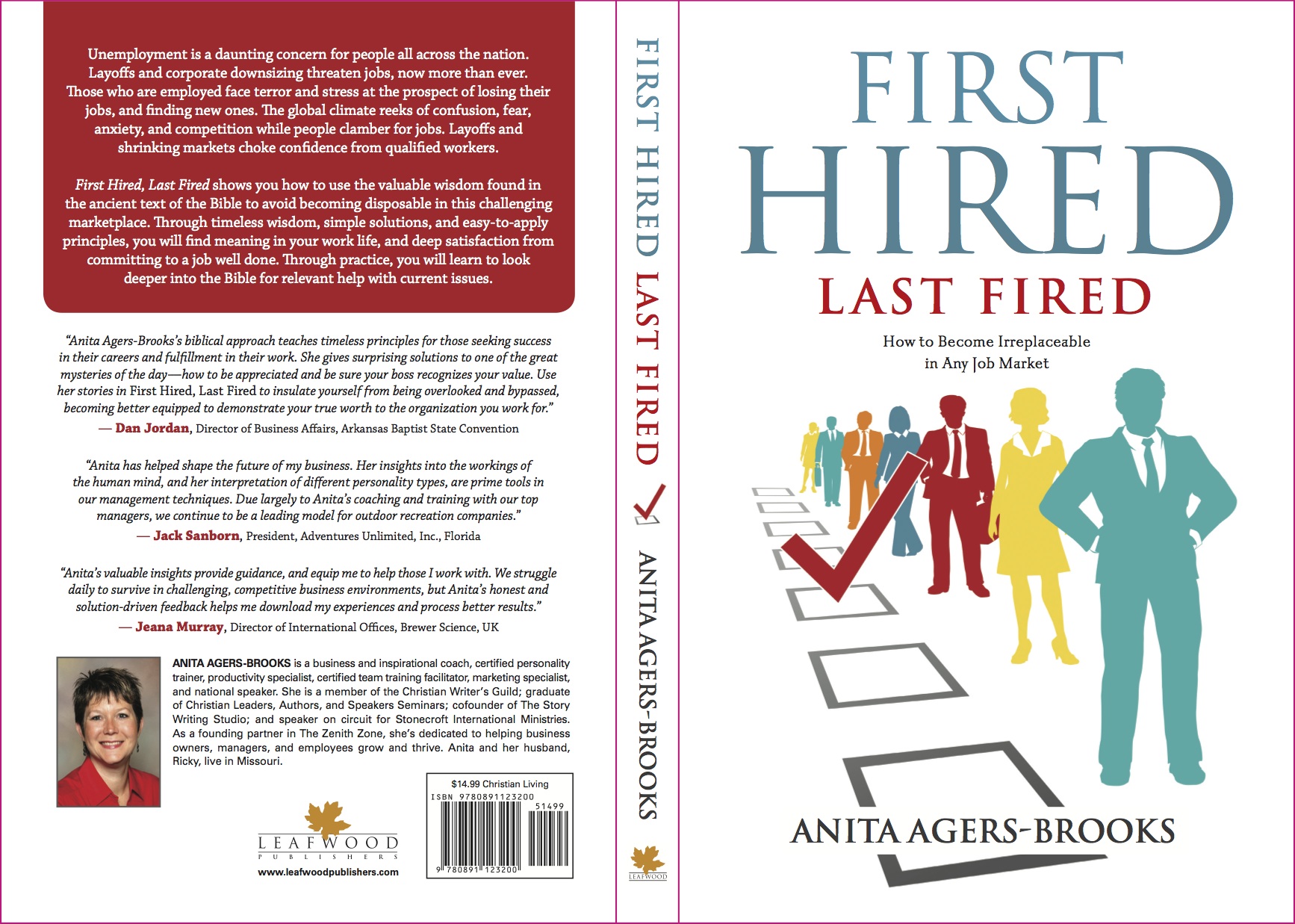
First HiredAnita Agers-Brooks has her debut book coming out, First Hired, Last Fired: How to Become Irreplaceable in Any Job Market (Leafwood).

****************************************************************************************

MountainsJulie Cantrell released the sequel to Into the Free, called When Mountains Move (David C. Cook).

****************************************************************************************

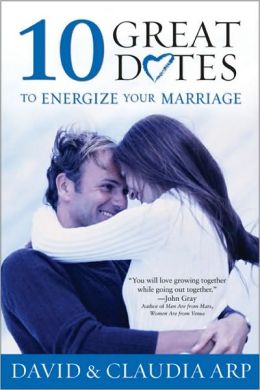
GreatDatesPeter and Heather Larson and Dave and Claudia Arp release 10 Great Dates: Connecting Faith, Love and Marriage (Bethany House Publishers)

****************************************************************************************

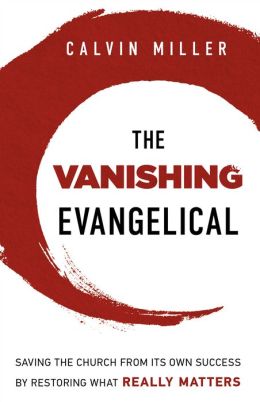
VanishingCalvin Miller’s last book, The Vanishing Evangelical: Saving the Church from its Own Success by Restoring What Really Matters (Baker Books).

****************************************************************************************

InventionOlivia Newport, The Invention of Sarah Cummings (Revell)

****************************************************************************************

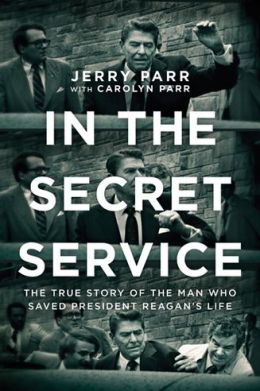
SecretServiceJerry and Carolyn Parr, In the Secret Service (Tyndale House Publishers)

****************************************************************************************

stillloloLauren Scruggs (with Marcus Brotherton) has her book Still Lolo coming out in trade paper (Tyndale)

****************************************************************************************

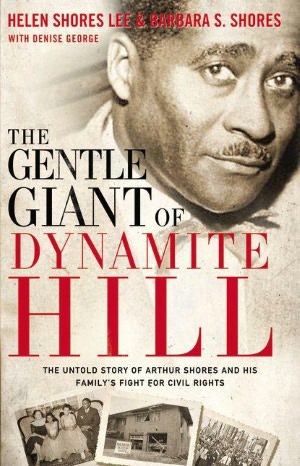
GentleGiantHelen Shores Lee and Barbara Shores (with Denise George) have their memoir of their Civil Rights champion father, The Gentle Giant of Dynamite Hill come out in trade paper (Zondervan Publishing Houses)

****************************************************************************************

beautifulliesJennifer Strickland is releasing Beautiful Lies, book and separate Study Guide (Harvest House Publishers)

****************************************************************************************

TenaciousJeremy and Jennifer Williams released their moving memoir, Tenacious: How God Used a Terminal Diagnosis to Turn a Family and a Football Team into Champions (Thomas Nelson)

****************************************************************************************

FootballMike Yorkey has another book coming out in the Playing with Purpose series, this time on the lives of NFL football players (Barbour Publishers)

****************************************************************************************

New Contracts

Daniel Allan signed with IVP for a book called Deeper, a call for young men to look for ways to grow their roots as they transition from youth to adulthood.

Wintley Phipps signed with Tyndale for a book titled Living the Great Life (co-written by James Lund), in which he shares the secrets to living a fulfilled life by developing eight vital characteristics.

Jan Drexler with Love Inspired for her second novel. Congrats, Jan!

What We’re Celebrating!!

Becky Johnson and Rachel Randolph had a NICE article in the recent issue of Guideposts Magazine surrounding the release of their mother/daughter cookbook We Laugh, We Cry, We Cook, as well as a 4-part article in the huge website/blog postings, Beliefnet.

What can we help you celebrate?

Book Reviews: Do They Help?

Agents, editors, and publishers alike encourage authors to build platforms and engage with readers, well before books are published, whether non-fiction or fiction. I work in both arenas, so I launched www.kerriansnotebook.com (a crime fiction blog with non-fiction resource links) in December of 2011 and www.nightstandbookreviews.com (a book review site that I’ll refer to as NBR) in December of 2012.

BookwormJordyn Redwood and I chatted online and after reviewing Proof, her terrific debut novel, I shared with her some interesting patterns that seemed to be emerging with the book review readers. Three months after the website launch, reviews of books by male authors were being sought out more frequently than those of female authors. It has now been six months since the launch and that remains true.

In the first six months, I reviewed 29 novels, featuring 15 female authors (5 debut, 1 indie) and 14 male. More than half the titles I review are in the suspense/mystery genres, but women’s fiction, historical fiction, adventure, and cozies can be found on the list as well.

I use Google Analytics on my WordPress sites, a great tool for mining the readership data. Here are some of my discoveries:

Spikes in the data for the book review site seemed to be tied to school (and perhaps work) vacations. I post new reviews on Thursdays. NBR gets the most hits for the reviews on Thursdays and Fridays, with the exception of the vacation weeks.

The most read review? Joe Finder’s, Buried Secrets, a thriller.

The second most read? Dee Henderson’s “O’Malley series.” Wahoo! A Christian writer in second place, just ahead of Lee Child and well ahead of a few huge bestselling males in the suspense/mystery genre. Initially, the review of her O’Malley series did not receive much interest, but two-three weeks after Full Disclosure was released, the hits on the related review on my site increased and continue to do so. During that same time, Ms. Henderson (or her representative) became involved in a Twitter promotion and retweets of my review increased.

#3 thru #7 are male suspense/mystery writers (all bestselling authors).

#8 – female debut author, legal mystery, ebook only.

#9 – female author, women’s fiction, bestseller.

#10 – female author, romantic suspense, bestseller.

#26 thru #29 – female authors, a mixture of genres, 3 bestsellers.

Update (as of 8/23/2013)
During the last month, the Dee Henderson review has moved into first place, by a LOT. The rest of the authors maintain approximately the same standings, with the top of the list after Dee still mostly men, and the bottom of the list, mostly women.

Authors who have an active Twitter presence retweeted my tweets about their books (6-8 times a day the first two days of each new post) and that resulted in sales (they told me so) as well as retweets from other fans of mine and theirs. They were also higher in the rankings for my site.

I continue to tweet about each of the titles, but most of the hits come from the first week of publication of the reviews. If the authors have a new book coming out after the initial week of my post, incoming links to the site indicate a specific search for the author.

Most weeks, Twitter is much more effective for Nightstand Book Reviews than Facebook. FB is more effective for my crime fiction site. Half of the FB followers are personal friends and acquaintances, mixed with professional associates. Almost all the Twitter followers were initially unknown to me personally. Several Tweeps have become online friends whose work I respect and also promote. I follow a number of writers and bloggers who provide valuable sources of research information and I promote their work on Twitter’s #FF (#FridayFollow).

According to Google Analytics, I have had absolutely no click-thrus from the Pinterest boards, but LinkedIn has produced a few hits.

The Paper.li community has generated repeated hits for the book reviews. I retweet the Paper.li posts, highlight the publishers, and that in turn, increases hits.

Aside from the increased exposure, there are other benefits to all the work that goes into creating and maintaining both sites. A Christian writer subscribed after reading the ‘About NBR’ blurb. We chatted through FB, discovered we live three hours from each other, and a few weeks ago, I had the privilege of taking a look at an ARC of her book that was in the final edit stage. Three weeks from now, I will attend her book signing, and take some friends along. So much fun!

For me, it has been all about building relationships within the FB, Twitter, and Paper.li communities. Some of those relationships were established after I did guest blogs about research for the crime fiction work, some after attending conferences. But a few have begun just because people like what I write or I like their work and promote them. I have met a few of the fans in person – what a blessing to be able to do so!

Does social media help you? Where do you focus your efforts?

************************************************************************************************
PattiPhillipsPatti Phillips is a transplanted metropolitan New Yorker/north Texan, now living in the piney state of North Carolina.

Her best investigative days are spent writing, cooking, traveling for research and playing golf. Her time on the golf course has been murderously valuable while creating the perfect alibi for the chief villain in her novel, One Sweet Motion. Did you know that there are spots on a golf course that can’t be accessed by listening devices?

Ms. Phillips (writing as Detective Charlie Kerrian) can be found at www.kerriansnotebook.com. Her book reviews can be read at www.nightstandbookreviews.com.

Four Fiction Marketing Fallacies

Spend enough time in the writing blogosphere, and you’ll find all sorts of information on all sorts of topics. But by far the most misunderstood and misrepresented area is that of marketing. We all know that once you write a book, you’re going to have to market it somehow, but opinions on how to best do that vary wildly.

Today we’re going to take a look at the most common fiction-marketing fallacies:

Skye1. Good marketing is more important than good writing.

If you spend any time at all on writers’ sites and blogs, you will hear the opinion that platform (and marketing) is the only thing you need to sell a book. Quality doesn’t matter, just the number of followers you have on social media, the numbers of subscribers on the mailing list, and number of free books you can “sell” on Amazon to boost rank.  Proponents of this idea cite badly-written but heavily promoted books from the New York Times Bestseller list.

But this is unquestionably a fallacy. For one thing, it reflects a poor view of the reader, supposing that buyers can’t tell a good book from a bad book. Even if you do manage to sell bad books through your marketing methods alone, readers will only be fooled once. They won’t buy your next one. Your goal should be to write an excellent book, market it well, and rely on good reviews and word of mouth to help build momentum for your next release.

Inspirational romance author, Becky Wade says it best: “An author who invests thousands of dollars and hours in publicizing her novel will convince some people to spend their hard-earned money and time on it.  But if her readers aren’t crazy about her book, they won’t buy her next one.  Worse, they might tell their friends not to bother.  So what’s the author accomplished, ultimately? In my opinion, the best way for any author to get word of mouth going is to write a book that readers love.”

2. Platform can wait.

On the opposite side of “marketing is king” is the idea that fiction writers don’t need a platform. While it’s true that platform is far more essential for a non-fiction writer, who will rely on his or her established network of followers to sell books, fiction writers still need to give some thought to how they will reach their readership.

You don’t need a ready-built platform to acquire an agent or sell a novel to an editor. But, at some point in the publishing process, your acquiring editor, marketing manager, or publicist will contact you about your marketing plan. You probably don’t want to be thinking about it for the first time when you’re knee-deep in substantive edits. At very least, you should be building a following on Facebook, Twitter, and your blog (if you have decided to blog) pre-publication. It would also be helpful to think about the rudimentary bones of a marketing plan, including your mission statement as a writer.

3. Social media is the only method you need to sell books.

The third fallacy is probably the most widespread. Writers spend hours a day on Facebook and Twitter plugging their books to their followers. Social media can be a great place to interact with readers, but it’s certainly not the main place that books are getting sold. (And over-promoting on social media is more likely to lose you followers than create new fans.)

According to Jeane Wynn, President and CEO of the publicity firm Wynn-Wynn Media, “It takes all types of media to sell books. Social media is one component of a successful publicity campaign, but so are trade reviews, online reviews, blogs, and broadcast media. Writers shouldn’t focus on one area to the exclusion of all others.”

Besides, as every writer knows, “marketing” on Facebook can quickly become an avenue to procrastination!

4. My publisher will do all the marketing for me.

It is true that some of the larger publishers, especially in the inspirational market, will do a huge amount of marketing for their authors. For the most part, though, stories of book tours, television commercials, and full page magazine ads are either writer urban legends or perks reserved for best-selling authors with huge followings and major name recognition.

The amount of publicity and marketing help that a publisher will give varies from house to house and even from author to author. Even in the best case scenario where the publisher is involved and proactive, writers should plan on spending a substantial amount of time helping market their books around launch time, whether it’s writing guest blog posts, filling out online interviews, or arranging speaking engagements.

Remember, no one will be a more enthusiastic advocate for your story than you!

Writing a good book may remain the most important focus for an author, but marketing is a large component of turning writing into a paying career. Setting the proper expectations and thinking ahead now will go a long way to smoothing the marketing process during publication.

************************************************************************************************

CarlaCarla Laureano has held many job titles–professional marketer, small business consultant, and martial arts instructor–but writer is by far her favorite. She is a member of American Christian Fiction Writers (ACFW) and currently serves as Vice President of the South Denver ACFW chapter, Mile High Scribes. Her debut romance novel, Five Days in Skye, was released by David C Cook in June 2013. The first volume of her three-book young adult fantasy series, The Song of Seare, is due out from NavPress in May 2014. She lives with her husband, two sons, and a menagerie of small pets in Denver, Colorado.

Selling More Books

Selling more books, and spreading your message is the ultimate goal. For months extending into years, you work to build a writing career. By the time your book releases, you hope your efforts pay off — and people actually buy it.

But you must help folks find it, or else they can’t purchase and read your Faberge -- And So Onmasterpiece. This takes a whole new kind of effort. I think we all hope for something akin to the old Faberge Organics shampoo commercial. Remember? “If you tell two friends, they’ll tell two friends, and so on, and so on, and so on.”

As a debut author, I knew I needed to find creative ways to tell my first two friends. So I went to the experts, and scheduled a cross-country trip with Michele Cushatt and Michael Hyatt. Okay, so I drove cross-country to a speaking engagement, and took their voices with me via audio recordings. But  their amazing presentation of Get Published gave me some fantastic tips for getting my book noticed.

First Hired Last Fired BookBecause I follow their blogs, I’d already done some of the things Michele and Michael outlined in their program. Like building an online media kit. Mine still needs tweaking, but it’s good enough to have garnered some attention.

But there were plenty of extras I didn’t know about in Get Published. One of the things I learned was to create a Briefing Book, so I could give confident interviews. It was a good thing I did, because the day after I finished it, my publicist scheduled a radio spot.

Another way I spread the word, was to make sure my family and close friends knew I would appreciate speaking leads. It so happens one of my sisters works for a large hospital chain. So she mentioned me to a woman in charge of signing speakers for the New Mexico Staff Services Medical Association Conference. The woman researched my website and online media kit, then voila, booked me.

After that, two other prospects from the medical community called. And so on, and so on.

One of the most fruitful things I’ve done is follow the leads in Sell More Books, Book Marketing and Publishing for Low Profile and Debut Authors. J. Steve and Cherie K. Miller’s marketing manual is chock full of practical applications and lesser known resources. I especially like the access I’ve gotten to state and national associations for potential speaking engagements.

These are just a few ways I’m attempting to spread the word. I don’t know how my various efforts will affect final sale figures. But I think they are making a positive difference. Suddenly likes on my author/speaker Facebook page have increased, and my web traffic is growing.

Cattle on HillsideBut one simple thing has made the biggest difference of all. All along on my writing journey, I’ve prayed about this scary platform thing. A few months ago, I blogged about my reliance on The Platform Builder.

In reality, I know little about book marketing, except to trust and obey. And yet, I truly believe trusting is a secret to selling more books — IF it’s God’s will and my motives are pure. One of the hardest prayers to offer is, “Not my will, but yours be done.” After that, it’s completely in His hands. If He owns the cattle on a thousand hills, I know He owns the pages in a thousand books. I can’t sell a thing if He doesn’t help spread the message. And so on, and so on, and so on.

Being a Published Author Won’t Make Me Happy (And How I know That)

As I finished grad school, I began writing about my experience. I wrote about what I wished I had known earlier in life. I wrote about psychological tools that heal people. In summary, I wrote about pain and what healed that pain. One day, while sitting in a coffee shop, I decided I was going to write a book about all this. So let’s see, it only took eight years to figure out how to find an agent, query an idea, write a proposal, change my idea, change my agent, and finally write the book once it sold. And only eight years of full time engagement in social media, blogging, and marketing. Only eight years of researching and learning through writing and speaker events. That in addition to my real job as a Licensed Professional Counselor and part time professor at a local university.

Getting a book published is difficult.

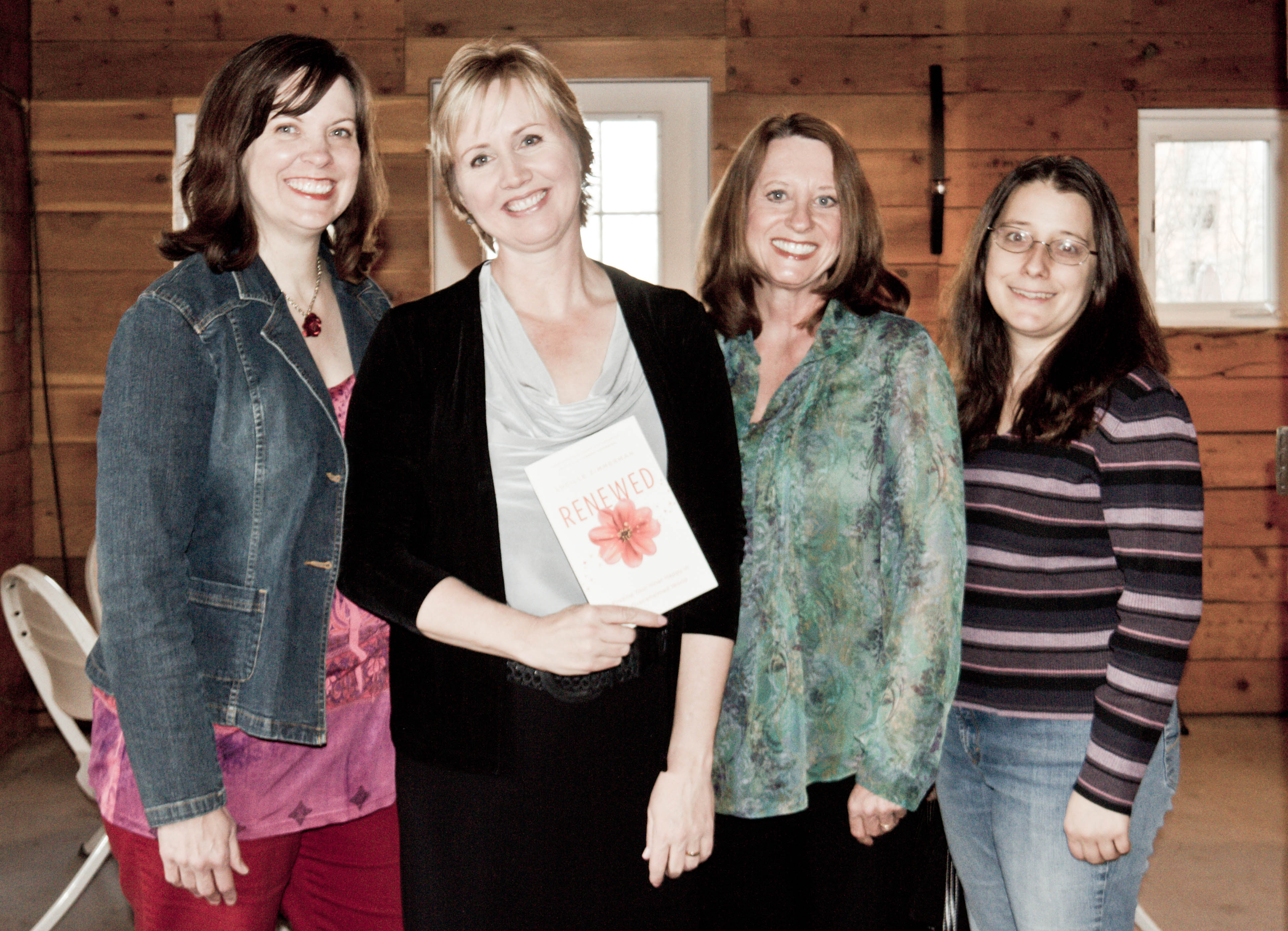
20130314-_MG_7882So the idea of seeing boxes of books on my front doorstep feels both surreal and monumental. It’s a huge accomplishment that I will celebrate with a party, in a red barn, with twinkly lights. There will be music, friends, food, and revelry. But I know that a published book won’t bring me happiness.

A few days ago I was talking to a friend who has authored over 40 books. I told her I knew that having a published book would not make me happy. She seemed surprised and wanted to know how I knew that ahead of time. I told her I thought it was because I had done so much research on the topic of happiness. I understand what poor judges people are at knowing what will bring them happiness and what won’t.

Striving authors need to know that a published book won’t make them happy. Here’s why:

  • People have a happiness set point. Fifty percent of happiness is genetic, ten percent is based on life circumstances, and forty percent is within our power to effect. For instance, Americans will put themselves in debt for decades thinking a dream home, boat, or car will make them happy. But the new wears off within a few days because of an effect called hedonic adaptation. Most people don’t understand that the lotto winer and the paralyzed person will bounce back to their prior happiness level within a few months of their changed life condition.
  • The joy is in the journey. I’ll never forget what my friend Zeke Pipher said when his book released. In essence, “Whether this book sells or not, it won’t define my worth, happiness, or success.” He went on to describe his faith and his relationship with his wife and children, saying those were the reasons for his joy. Zeke should know. His mom wrote an international best-seller. She soon found that the harried pace of traveling and speaking made her miserable. There’s an interesting research study that found when people were randomly beeped, and told to write down what they were doing and how happy they were, folks were happiest while in the creative state of “flow.” Flow is when you are fully absorbed in an activity, so much so that you lose sense of time. Numerous studies have shown that it is the striving, not the achieving, that makes us happy, especially when our goals are realistic, flexible, valued by the culture, authentic, non-materialistic, and not negatively impacting other parts of our lives.
  • The more we attain, the more we want, and this negates our increased happiness. Professor Sonja Lyubomirsky in her newly released book, The Myths of Happiness, explains that aspirations are misleading. We attain more, so we want more, and the wanting makes us feel bad. Crazy huh? She concludes that we shouldn’t expect less but that we should simply not allow our desires to continue escalating to the point where we end up feeling entitled and convinced that we would only be happy if we got more and more of this or that.
  • Relying on external rather than internal validation makes us unhappy. Some people think they will be happy based on other people’s opinions of their success. But, when we ask ourselves the question, “How good (successful, smart, prosperous, ethical) am I?” the people who rely on an internal rather than external objective standard are happier. There will always be someone wealthier, more attractive, thinner, more popular, and more talented. Therefore, relying on other people’s opinions rather than our own is a recipe for misery. In short, goals which cause growth, make us feel competent, and connect us to others are the ones that make us happy. Goals that make us strive to be rich, famous, popular, or powerful make us unhappy. (I wrote more about this over here at Michael Hyatt’s blog.)

*I orignially wrote this post just before my book released in March 2013. It’s true, having a published book has not made me any happier than I already was. I feel a sense of achievement and gratitude, but I’m glad I knew it wouldn’t make me any happier than I already was.

Think about the last big milestone you achieved.

How long did the happiness last?

Speaking Out of the Silence

There are so many voices competing with each other: internet, news shows, even churches. “Follow me … read me … put your faith in my politics or spiritual outlook or life theme.” There are times I hate to add one more entry to the chorus.

When I was a girl living in Africa, street hawkers lined up selling their wares. To compete with others on the crowded street, they’d call out. “Over here, Madam! I have the best one, perfect for you! I will make you a special price!” Sometimes, they would even grab my arm. It was understandable; making a living in Africa was uncertain. But the vendor I was most likely to visit was the one standing quietly by his stall. He seemed less overwhelming.

Etale_de_fruit_en_rue

When I visit my social media sites, I sometimes feel like those overly-aggressive vendors. If I want to get the word about my novel out, I do have to speak out. But I still think the answer lies in silence. To write a novel, what did I do? I took long walks alone, letting ideas ruminate and grow. I sat at my computer, sometimes just staring into empty space, letting characters’ voices take shape. I listened, and a story worth writing grew.

By the same token, when I pray, I don’t feel the need to shout at God and wave for His attention (usually). I sit with His Word and let it speak. I sit quietly in prayer and it’s then I sense His presence.

I think of the many saints and heroes and poets who turned off the noise and worries of their day so they could spend time alone with God, an hour or hours of their day. The apostles, too, even with all they had to accomplish, took hours to pray, to listen. Then, when they spoke, it wasn’t just more noise. They had something so worth hearing that people stopped what they were doing and listened. People came to them. Now I’m not saying our prayerful marketing will put us in a category with the apostles or make us the next Mother Teresa.

I am saying that if we speak from a place of pressure, that place where we have to get the word out, and we’re stressed about it, in combination with all of the other pressures – writing, work, family, finances – the desperation will show, and we’ll be that aggressive street hawker. On the other hand, if we spend time in silence, letting our marketing ideas well up from a place of peace and strength, it’s going to come across differently. Quiet confidence has its own language.

If we take time to listen our ideas might be fresher. If we call attention to our books after prayer, we’re more likely to feel in our bones that God holds our writing destinies and general good in His hands, and people will feel less bombarded. They’ll feel like it might be safe to stop by and see what we’re selling.

By all means, speak about your writing. But speak out of the silence.