When to Tell Your Inner Editor to Shut Up!

We’re not supposed to tell people to shut up. We’re supposed to be polite and considerate.

 Icon Design by Creative Freedom  All copyright for Shimmer Icons belongs to Creative Freedom Ltd.  http://creativecommons.org/licenses/by-nd/3.0/
Icon Design by Creative Freedom
All copyright for Shimmer Icons belongs to Creative Freedom Ltd.
http://creativecommons.org/licenses/by-nd/3.0/

I’m here to tell you that sometimes we need to tell our inner editor to shut up.

I’m not saying we don’t need to edit our work. On the contrary, I even wrote this post, 7 Tips for Self-Editing, but there is a time and a place for said editing.

When you’re writing your first draft, I strongly advise you not to edit. Let your ideas flow. If you try to edit now, you may never finish your novel. Or worse yet, you’ll stifle your creativity.

There is another voice, one that may or not be your inner editor. The one that tells you this isn’t any good. Why on earth did you think you could be a writer? You should just give up before anyone discovers you can’t really write.

These, my friends, are the voice of the enemy. Do not believe his lies.

Recently, I heard these words burn through my mind. When you begin to hear the lies, turn to our source of truth. Pray that God’s voice would be the only one you would hear. Ask Jesus to silence everything that is not from Him.

I’ve started doing this every time I sit down to write. It is making a huge difference. We can choose to listen and believe the voice of truth.

If you’re trying to write your first novel or first draft of a new project, focus on getting it all out on paper or the computer screen. It’s fine to check and make sure your book is keeping in check with your outline and overall story and character goal, but don’t try to make it perfect.

Have you ever had to tell your inner editor to shut up? Do you have any tips to keep yourself going when you feel like giving up?

The Warp and Woof of Weaving Stories

When I was in college, I went on a retreat. One of the skills I learned during the weekend was basket weaving. It was a lovely art, both in what I ended up with, and how I got there. In other words, the process led to a product I was proud of: a tightly woven basket with an intricate design of my own creation.

Writing a novel, I find, parallels that experience. The warp of my story is the primary structure, and the woof is the way I hold it together by weaving in and out of the structure with the scenes and details that make it distinctly my own design. Sometimes, I make an impulsive change in the course of the weaving of my tale, which then affects the entire design, and I end up with a different – but even better – story than I had anticipated; sometimes, I find the change is a mistake, which means I have to unravel back to that point and make corrections.

Unlike crafting a basket, however, the task of weaving a story gives me a dimension of creativity the basket doesn’t allow: I can add in even more layers – more woof – after my initial story is complete.  When I finish a basket, the weaving is of one piece – I can’t cut out a section of threads and replace it, or expand it, and expect the basket to hold together.

With writing, though, I find the extra woof is what gives the story its defining success. In revision, I can add a new character to further complicate the plot or add comic relief. While the main structure of the work doesn’t change, that new character can help breathe more interest into interactions with, and between, other characters. In the case of my mysteries, I often create a character in the revision process who can help move my story through spots that are weak or slow, especially when I need some red herrings thrown in to mislead my readers. I created one such character in my first book as a last-minute thought to complement one of the subplots, only to have readers so enjoy the character, that they repeatedly asked me to bring him back in a later book!

Adding in subplots that reflect the primary plot is another trick to elaborating on my initial story design. When revising, I try to give almost every character some personal issue that can tie into another character’s. Doing so not only makes the characters more real – who, in real life, doesn’t have problems to deal with? – but it affords me more opportunities to weave in conflict, which adds to the story’s pacing. My solution to keeping track of the characters and subplots is the creation of a master flow chart that follows each element of the story from beginning to end. That way, I accomplish every weaver’s goal: no loose ends.

Happy weaving!

What are your favorite threads to add to the warp and woof of your writing?

Hello, Fellow Publishers!

I’m a publisher.

I thought I was just an author doing some social marketing, but thanks to what I’m learning from Beth Hayden’s book Pinfluence: The Complete Guide to Marketing Your Business with Pinterest, my whole perspective on my writing career is changing. Yes, I write mystery and suspense novels, but in support of that endeavor, I need to be creating and presenting content online that is meaningful and valuable for my customers. I need to give my social media friends and visitors what they are looking for, or as Hayden explains on page 61 of her book, “You need to make sure that every piece of content you publish either solves a problem for your audiences, or entertains them – preferably both.”

That’s a big responsibility. Every piece of content. We’re talking about images, information, links, comments – anything you publish anywhere on the internet that has to do with your writing. It’s all part of your ‘company.’ The really exciting part of using Pinterest as part of your company is that it allows you to get creative with visual content, which, psychologists tell us, can evoke emotional responses in a viewer. The bottom line is that by publishing the right images, you can build enthusiasm and loyalty in your viewers, which will help sell your product (books).

Culling through whatever is already on Pinterest boards, however, is not the way to find the ‘right’ images for your viewers, Hayden points out, just as consistently using someone else’s words doesn’t make your work original. Instead, put together your own content. That doesn’t mean you have to take a hundred photos or hire a graphic artist. It means you have to collect compelling images that represent your unique brand. (Be very careful of image copyrights.)

Do you write historical romance? Pin beautiful images of the places where you set your stories, or sketches of period clothing, or the flowers of the region – anything that helps your reader connect to your book. Think of it as publishing a behind-the-scenes guide to your story.

Do you write motivational memoirs? You could pin pictures of famous people who have overcome hardship, or framed inspirational quotes, or maps that trace incredible journeys. Think of it as pulling together an illustrated companion piece to your book.

The possibilities are limited only by your time and imagination, but if you keep focused on your ‘company,’ it will help eliminate some of the time-draining wandering we all do when we get online; if you’re collecting images of old barnyards for an Amish board, it will be a lot easier to not get distracted by all those cute animal pictures that pop up in the blogosphere. (If all else fails, put a sticky note on your computer screen that reminds you “No puppies!”) Make your publishing goals as specific as possible, pin appealing and evocative images on your boards, and Pinterest can become a great billboard for your books on the global internet highway.

Enjoy your publishing!

What are some examples of images that you have been pinning lately? Do you have any creative ideas for pins besides those I mentioned above?

It’s A Parade!!

Welcome to WordServe Water Cooler’s Very First Blog Parade!!

Listed below are links to many of The Cooler’s authors and we are all writing on this topic: First steps we took to becoming an agented and/or published author!

The goal of today’s post is to give you some great advice and to allow you to see some of the personal blogs of our authors where they offer their ponderings. I think you’ll be amazed at the variety of helpfulness each author gives to the community.

Thank you, our faithful readers, for making the WordServe Water Cooler a great community. Enjoy the parade!

1. Anita Agers-Brooks: Anita Fresh Faith

2. Julie Cantrell: Julie’s Journal

3. Dianne Christner: …plain girl romanticizing

4. Dena Ratliff Dyer: Mother Inferior

5. Jan Dunlap: Jan Dunlap’s Blog

6. Michelle Griep: Writer Off Leash

7. Karen Jordan: BLESSED Legacy Stories

8. Sharon Lavy: Sharon Lavy’s Blogspot.

9. Gillian Marchenko: Gillian Marchenko’s Blog

10. Katy McKenna: Fallible

11. Melissa K. Norris: Inspiring Your Faith and Pioneer Roots

12. Jordyn Redwood: Redwood’s Medical Edge

13. Cheryl Ricker: Fresh Air

14. Kimberly Vargas: Kimberly Vargas’s Blog

15. Janalyn Voigt: Live Write Breath

16. Lucille Zimmerman: Lucille Zimmerman

Hope you enjoyed our parade!

Cast Your Line to Hook Agents, Editors, and Readers

CatfishWe writers talk about luring and hooking readers. Makes writing sound a little like a field-and-stream exercise, doesn’t it? In some ways, writing is like fishing. In both cases, you have to step out of your comfort zone, bait your hook, and make your cast. Then you wait for results you can’t see.

In writing, as in fishing, it’s important to know the denizens inhabiting the particular “pond” where you’ve cast your line. It does no good to fish for something that isn’t there. This is why studying publishing trends is important to your survival. Good starting points to catch industry news are at Publisher’s Weekly and the ECPA community site.

In fishing, you bait your hook with delicacies enjoyed by the kind of fish you want. Just because a particular fish exists doesn’t mean you should catch it, though. You might not care for the taste of catfish, for example, but you love trout. Writers who follow every trend in the hope of landing a book contract often leave their interests out of the equation. When it comes to deciding what to offer, don’t pursue soulless commercialism. That may appear attractive, but it’s not sustainable.

For a chance to catch a fish, a fisherman has to ready and throw a line into the water. Similarly, a writer needs to prepare a line, bait a hook, and give a great pitch to ever hope to snag an agent, land a contract, and net readers.

Once that line is in the water, any fisherman watches the pole. If you leave it unattended, when you return you’ll most likely find your hook stripped. That’s because fish nibble at bait without swallowing the hook. A good fisherman knows it’s important to set the hook at just the right moment. It’s one thing to lure a reader into the first chapter of your book. It’s another to have that reader go on to chapter two. Ending each chapter with a new hook will string your reader happily along.

A complaint made by editors is that beyond the first 50 pages, manuscripts often fall apart. Readers want the same thing that editors do—a story that sustains interest throughout its pages. Once you have that, it’s time to go fishing.

Top 5 Self-Editing Tips: Character

This month, let’s concentrate on an aspect of self-editing that writers spend little or no time examining as they go through each successive draft of their novel: character. The people who populate a novel should seem real to the author, and yet, readers often notice that characters are stereotypes—cardboard cutouts.

To explain the importance of knowing your characters well, let me use an example from the relationship between the famous editor Maxwell Perkins and the well-known author F. Scott Fitzgerald, who wrote The Great Gatsby.

After reading the manuscript for The Great Gatsby, Perkins wrote a note to Fitzgerald about one of his characters, which read:

 “Among a set of characters marvelously palpable and vital—I would know Tom Buchanan if I met him on the street and would avoid him—Gatsby is somewhat vague. The reader’s eyes can never quite focus upon him, his outlines are dim. Now everything about Gatsby is more or less a mystery, i.e., more or less vague, and this may be somewhat of an artistic intention, but I think it is mistaken.”

Last month we talked about how every scene should have intention, but so should every character. Characters need motive. They must seem credible in all they do, as though they truly exist—as if they live down the street.

Fitzgerald, no slacker when it came to building characters, reexamined Gatsby through the eyes of his famous editor and wrote a note back to Perkins:

“I myself didn’t know what Gatsby looked like or was engaged in & you felt it. If I’d known & kept it from you you’d have been too impressed with my knowledge to protest. This is a complicated idea but I’m sure you’ll understand. But I know now—and as a penalty for not having known first, in other words to make sure, I’m going to tell more.”

To fulfill Gatsby’s intention, Fitzgerald needed to make him an enigmatic figure, but to accomplish his purpose, the author also needed to know Gatsby’s history to make him real.

A reader doesn’t need to know who Gatsby’s grandmother was, but Fitzgerald as the author should know if and how she shaped his character. Do you know your character’s history, or did you begin your novel with a vague sense of what kind of character needed to occupy a certain place in your plot?

My suggestion is to keep a notebook on every character, making notes throughout your writing on character development. As you self-edit, you can then look back at your record of their motives, history, and tone of voice to make their dialogue and actions consistent, intentional, and credible.

To make your characters come alive, remember they are more than the sum of their physical traits. Characters possess social, psychological, and spiritual uniqueness as well.


What method do you use to develop your characters?

Guest Blogging and Guest Hosting

Marketing Your Debut Novel Part IV

I’ve been doing a series on marketing your debut novel. You can find Part I, Part II and Part III here by clicking the links.

Briefly, Part I focused on growing your tribe/social media, Part II was about the comparable books section of your book proposal, and Part III was about the audience section of the book proposal. These all focused on one particular area of the writer’s life–the pre-contract phase.

Let’s depart that phase and begin concentrating on the next phase– the contract submission phase. I’m going to define this part of the writer’s life as the time you or your agent are submitting your book proposal but haven’t yet signed a contract.

You may think…there’s marketing to be done during this phase? Yes, absolutely. For me, this phase lasted from December 2009 to April 2011–almost 18 months! Definitely too much time to be sitting idle.

One thing you can be doing during this phase is hosting other authors/experts on your blog and guest blogging on others’ blogs that support your brand. This will lend to your credibility and should also help internet search engines highlight sites with your name. The more sites, the more opportunities for people to find you and the more exposure you have to people who may not have discovered you yet.

My primary blog, Redwood’s Medical Edge, deals with writing medically authentic fiction. This supports my overall suspense brand because I discuss ways to injure, maim, and kill fictional characters.

To help grow my blog and support my brand (therefore exposing Proof to more potential buyers), I began looking for opportunities to guest blog and looked for other authors to host.

For example, I wrote pieces for other blogs that dealt with strategies an author could use for medical research, common medical mistakes in fiction writing, and even offered real medical advice to parents over at Christian Mama’s Guide. Erin is a non-fiction author who published a guide on having a baby and although Erin’s blog is not a suspense blog at all, my guest blogging allowed me an opportunity to reach possible new readers and lent her blog credibility by having an expert post. A true win/win situation.

I also hosted authors like Richard Mabry, CJ Lyons, and Candace Calvert. I hoped to drive their readers, whose fiction is similar to mine, to my blog to learn more about me and possibly become future buyers of my fiction.

Though this isn’t specific to guest blogging/hosting, I did follow many on Twitter who mentioned they were authors. I sent one direct message to them telling them about my blog. From that, I’ve gotten several additional authors to guest blog for me. In return for guest blogging, I highlight them, their books, and their internet presence.

Some people argue that my strategy, primarily focusing on authors as my initial tribe, will not boost sales in the end. We’ll have to see if what they say is true but I know I’m an author and an avid book fan and have bought many more books because I’ve built relationships with these authors and grown to love them as friends.

Next post in this series, we’ll go over how to be a generous blog host and good guest blogger.

How about you? What are some strategies you’ve used to gain readership by hosting guests on your blog and/or guest blogging other places?

WordServe News: July 2012

Exciting things have been happening at WordServe Literary!

On the final post of each month you’ll find a list of Water Cooler contributors’ books releasing in the upcoming month along with a recap of WordServe client news from the current month.

New Releases

******************************************************************************************
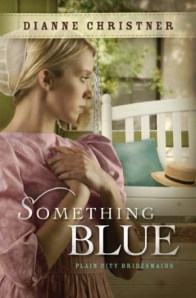
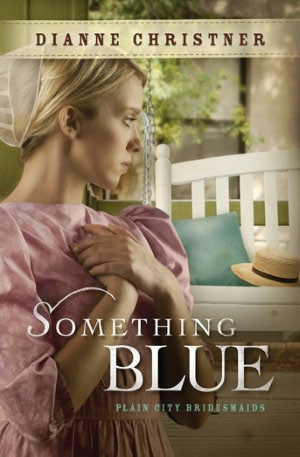
Something Blue by Dianne Christner

Publisher: Barbour

Agent: Greg Johnson

******************************************************************************************

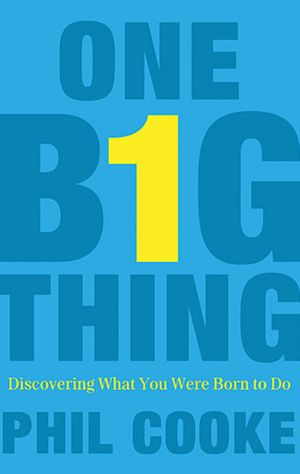
One Big Thing by Phil Cooke

Publisher: Thomas Nelson

Agent: Rachelle Gardner

******************************************************************************************

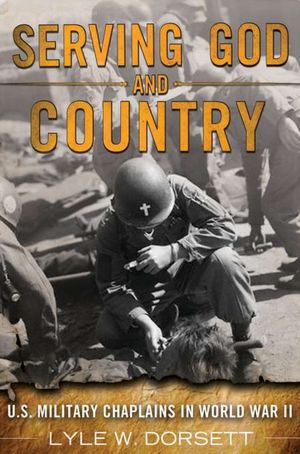
Serving God and Country by Lyle Dorsett

Publisher:  Berkley Caliber

Agent: Greg Johnson

******************************************************************************************
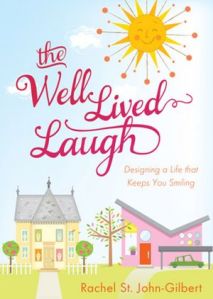
The Well-Lived Laugh by Rachel St. John-Gilbert

Publisher: Barbour

Agent: Greg Johnson

******************************************************************************************
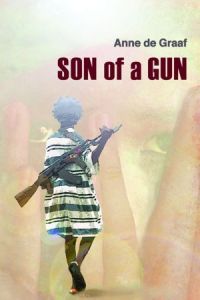
Son of a Gun by Anne de Graaf

Publisher: Eerdmans

Agent: Greg Johnson

******************************************************************************************

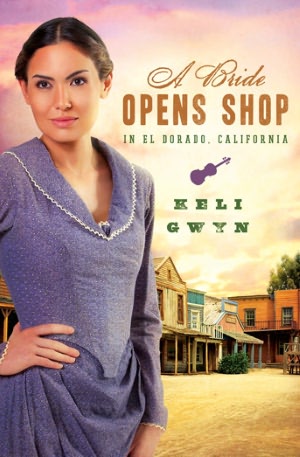
A Bride Opens Shop in El Dorado, California by Keli Gywn

Publisher: Barbour

Agent: Rachelle Gardner

******************************************************************************************
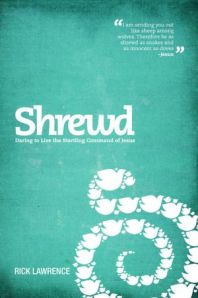
Shrewd by Rick Lawrence

Publisher: David C. Cook

Agent: Greg Johnson

******************************************************************************************

Desperate for Hope by Bruce W. Martin

Publisher: Revell

Agent: Rachelle Gardner

******************************************************************************************

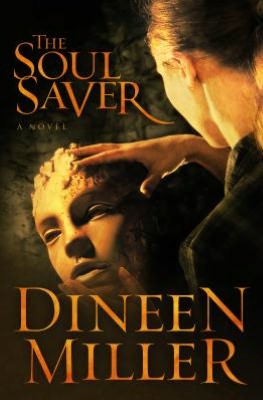
The Soul Saver by Dineen Miller

Publisher: Barbour

Agent: Rachelle Gardner

******************************************************************************************

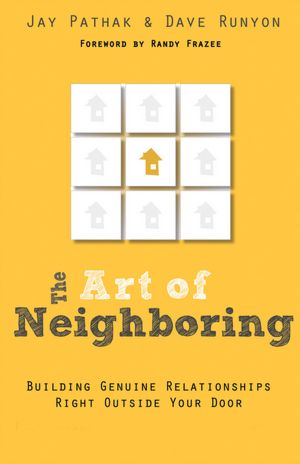
The Art of Neighboring by Jay Pathak and Dave Runyon

Publisher: Baker Books

Agent: Greg Johnson

******************************************************************************************

Central Park Rendezvous by Marylu Tyndall and others

Publisher: Barbour

Agent: Greg Johnson

******************************************************************************************
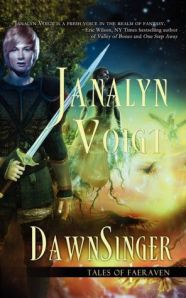
DawnSinger by Janalyn Voigt

Publsiher: Harbourlight Books

Agent: Barbara Scott

******************************************************************************************

New WordServe Clients

Dave and Claudia Arp and Peter and Heather Larson. The Arps started “Marriage Alive” 25 years ago. Now the Larsons are transitioning into leadershp roles for their ministry to marriages.

Dr. Dave Stoop, a longtime Greg Johnson client when he was at Alive, has rejoined Greg at WordServe.

New Contracts

Marcus Brotherton to collaborate on Austin pastor Matt Carter and NFL quarterback Colt McCoy’s book on BIBLICAL MANHOOD, to be publsihed by WaterBrook Press.

Leigh Ann Bryant sold her book, IN MY DEFENSE. It’s the true story of a life of shame and abuse with a husband she finally had to kill in self defense to protect herself and her small son. Soon after, she came to faith and has built a life as a pastor’s wife and a minister to those in prison (though she served no prison time). Our first sale to the new publisher Authentic Publishers. (Agent: Greg Johnson)

Roberta Kells Dorr was a Christian novelist who wrote biblical fiction in the 70s and 80s. Though she died several years ago, her family and estate wanted the books back in print, especially as e-books. We were able to do a 5-book deal with Moody Publishers for an unpublished work of biblical fiction and four previously published and out of print books. (Agent: Greg Johnson)

Ken Gire to collaborate on Chrissy Cymbola Toledo’s memoir of her prodigal life. Published by Tyndale House Publishers. (Agent: Greg Johnson)

Caesar Kalinowski, pastor and thought leader in the missional movement for the Soma Communities network of churches, a book with a working title of TRANSFORMED. A new way of seeing who we are in Christ and what a foundational difference that makes as we attempt to represent Jesus well to our network of friends.  Sold to Zondervan Publishers. (Agent: Greg Johnson)

Amy Sorrells debut novel CANARY SONG and another untitled work to David C. Cook Publishers. Synopsis: Tucked into the groves of a pecan plantation near the coast of Mobile Bay, secrets deep within the Harlan family simmer until they boil over one long, languishing summer. Will Anna Pearl Harlan, her family and friends seek hope in the midst of unbearable pain, or allow it to destroy their lives? Inspired by Tamar in 2 Samuel 13, Canary Song combines one girl’s coming-of-age with another woman’s redemption to show how God heals the hearts of the broken, and how crooked branches can one day provide the best shade. (Agent: Barbara Scott)

Shellie Tomlinson, our All Things Southern Belle (www.allthingsouthern.com), sold to WaterBrook Press, LORD, I WANT TO LOVE YOU MORE, a book for those who have ever wondered how to get from “belief” to “passion.” (Agent: Greg Johnson)

What We’re Celebrating

Jan Drexler‘s Amish novel slated for publication by Harlequin’s Love Inspired line (titled  Love Bears All Things) placed second in the Inspirational category of the The Fool for Love contest sponsored by the Virginia Romance Writers. 

Bestsellers

Rebecca Alonzo’s book The Devil in Pew 7 reappeared on the New York Times Bestseller lists after her episode on Dr. Phil re-aired:

#4 – Primary e-book best seller list

#14 – Primary combined print & e-book list

#26 – Extended paperback non-fiction list

Karen Witemeyer’s book Short Straw Bride made it two months in a row on the list, moving up from #13 (July) to #10 (August).

Mike Yorkey’s book Playing With Purpose: Tim Tebow (Barbour) debuted #32 on the ECPA Top-50 list for July (May release). (Sorry we missed this last month, Mike.)

Carol Award Finalists

Though these authors are no longer with WordServe, we’re so very proud of their accomplishments and their books that were contracted under the WordServe banner. Rachelle, of course, had a great eye for good writers and good stories, so the kudos goes to her, as well.

Roslyn Elliot is a finalist both for “Debut Novel” and “Long Historical” for her book Fairer Than Morning. (Thomas Nelson)

Lisa Jordan is a finalist for “Short Contemporary” for her book Lakeside Reunion. (Love Inspired)

Erica Vetsch is a finalist for “Short Historical” for her book Light to My Path. (Heartsong Presents)

Karen Witemeyer is a finalist for “Long Historical Romance” for her book To Win Her Heart. (Bethany)

What writing celebrations do you have?

Who is My Reader?

Marketing Your Debut Novel Part III

I’ve been doing a series on marketing your debut novel. You can find Part I and Part II by clicking the links.

Briefly, Part I focused on growing your tribe/social media and Part II was about the comparable books section of your book proposal.

In this installment, I’m going to continue on the pre-contract phase of the writer’s life by focusing on another troublesome aspect of the book proposal–the AUDIENCE SECTION. (Cue your choice of scary music.) This section goes before the overall marketing plan that you will design to help the publisher get the word out about your book.

A publisher wants to see that you know who your potential reader is. Are you savvy enough to figure it out? This audience section will help your publisher know how to market your book and how to best reach the reader you’ve identified.

For instance, a novice book proposal writer would say something like: “Proof will be loved by ALL people ages 18-102.”

Really? Everyone? That’s not very discerning. You may not understand your potential readers very well and this will be troubling for the publisher.

EVERYONE is not going to like your book. That’s just fact. And you will waste time trying to market the book to everyone. Did you know the largest group of Christian fiction buyers is women, mostly between the ages of 30-50? In fact, this morsel of truth may translate to the general fiction market as well which are those books published by the ABA. You can watch this fascinating interview with CJ Lyons and Lee Child as they discuss that women purchase most books.

So, when you’re working on this section of your book proposal, think hard about who will be attracted to buying your book. Are they men or women? College educated? What age are they? What do they watch on TV? How popular are those TV shows?

What follows in quotes is my audience section in the book proposal for Proof. For those of you who are not aware, Proof is a medical thriller/police procedural. Equal parts of both. Some romance but not 50/50 romance like a true romantic suspense novel should be.

“Those likely to buy Proof are career men and women age 25-45 who are fans of medical/police procedural television shows and novels. ER ran for 15 seasons and during its first ten years was consistently a top ten show. House, currently in its seventh season, averages 10 million viewers. The DNA mystery in Proof will attract people who watch CSI, as well. CSI has three television shows in its franchise.

Suspense novels with a heavy medical edge do well in fiction markets. Mainstream writers like Robin Cook, Tess Gerritsen, Michael Palmer, and Kathy Reichs consistently hit the New York Times bestseller list. Furthermore, Lethal Harvest by Cutrer and Glahn was a Christy Award finalist. Candace Calvert’s Critical Care was a 2010 Carol Award Finalist. Proof will appeal to these readers.”

What’s been interesting in hindsight is that Library Journal suggested my novel to those who were fans of Robin Cook. Several reviews have specifically mentioned the show CSI as well as Law and Order SVU and Grey’s Anatomy. I carefully marketed the book to those I thought it would appeal to, and ultimately they are indeed the ones who’ve loved the book.

What do you think? Have you tried to write an audience section of a book proposal? How easy or hard was it? What advice helped you write this section?

What Writing Fiction Taught Me About Human Nature

I used to think I knew all about right and wrong, good and evil, heroes and villainsIt was all black and white to me. When I bothered to think of it at all, I pretty much knew how to bucket things and, I’m sad to say, sometimes people. Then I started writing, and I figured every character central to my plot would be a good guy or a bad guy, an ally or an obstacle. I quickly learned that wasn’t the way to build a character-driven novel. All-good or all-bad characters are flat, boring, and unrealistic. No one wants to read about them, and it wasn’t fun to write about them, either. I realized, like real people, characters must have a little of both in them.

Image: FreeDigitalPhotos.net

This concept was easier for me to grasp with my heroes. After all, if a hero doesn’t start out flawed in some way, how can they ever hope to grow? This was something I embraced early on in my writing. The fundamental change that occurs when a hero is tested through a series of internal and external obstacles is half the fun of writing, in my opinion. The villain was a bit trickier. Even understanding no one is perfect, it’s easy to fall into the trap of pointing a finger at a blatant wrong-doer and summing up their person as ‘bad’.

As I spent more time delving into the psyche of my villains before casting them in a story, I realized who they are is more than what they want, their flawed reasoning or perspective, and even what motivates them to do the terrible things they sometimes do. Villains, like real people, can have a backstory wound too.

What is a backstory wound?

Image: FreeDigitalPhotos.net

One of my favorite resources for character-driven plots comes from Martha Alderson, often referred to as the Plot Whisperer. A backstory wound can be anything impressionable in the character’s past that interferes directly with their success at achieving their goal. It’s worth pointing out this isn’t always something you’ll reveal to your readers, but it’s something the writer should know. Essentially, backstory wounds are how characters sabotage themselves, whether they’re aware of it or not. Heroes have them, and villains have them. (Don’t we all, really?) The main difference is, at the end of the story, the hero has changed somehow to overcome their backstory wound to the extent they can achieve their goal, whereas the villain hasn’t.

But they could.

Villains have the same capacity to grow and change as heroes have.

Image: FreeDigitalPhotos.net

When I realized that little nugget, I was able to start writing better villains, and I also had a slightly altered view of human nature; I became a little more understanding. Like our characters, real people face conflict and make choices every single day—choices often colored by their own backstory wounds. The fights we pick, the words we say, the grudges we release, the big dramas and little thoughts and actions that shape us every day—these help us grow in character…or not.

I still have my views on right and wrong. However, now I try not to assign those characteristics to people, but rather to their behavior at any given point in time, often framed by the choices available to them.

What about you? What has writing (or reading) taught you about human nature?