Some Thoughts on the Fabrication of Stories

Last week my Bible study class was reading in 2 Peter about false prophets, of whom, as Peter warns his listeners, “In their greed these teachers will exploit you with fabricated stories. Their condemnation has long been hanging over them, and their destruction has not been sleeping” (2 Peter 2:3 NIV).

Of course, as a creative writing professor currently leading a novel workshop—that is, teaching eager students how to fabricate stories—and as a writer currently engaged in writing a novel of her own, I shivered a bit.

He means a different kind of story, I consoled myself, as the class question-answered through the passage. He’s not talking about fiction writing, the passage makes clear, but about preaching, about spreading “destructive heresies, even denying the sovereign Lord(2 Peter 2:1 NIV).

Still, I couldn’t stop thinking aboutVan Reymerswaele--The Moneychanger and His Wife the uncomfortably commercial side of the writing world in which I am involved. How the buying and selling of books necessarily engages our—i.e., writers’, agents’, publishers’, marketers’, publicists’—greediness: to get more media exposure, to sell more books, to make more money. And, we Christian writers are, in effect, preaching, aren’t we? I worried. The Holy Spirit was at work, I feared, forcing me, as always, to look again, think again, before proceeding.

Just then, one of my classmates confirmed my fears by reading from his version of scripture the same passage about greedy story-fabricators: “And through covetousness shall they with feigned words make merchandise of you” (2 Peter 2:3 KJV). Isn’t that what we seek to do in our blogging and signing, platform-developing and tribe-building? I confronted myself. Turn our readers into merchandise sold?

The self-promotion demanded of us writers has always disturbed and embarrassed me. Deep down, I genuinely believe that, if a book is good, it will sell itself. But, the publishing world sages are quick to remind me, if a book’s not out there for people to see and read, no one will know it’s good. My efforts as an author stretch thin between these two pillars of writerly wisdom.

No answers here. Just puzzles, some worries, and a bit of scripture—fodder for reflection, I imagine, among fellow writers bent on being transformed into the image of the One God Sent.
Writing In Every Season

485045_10101344113008718_1557147312_n

I don’t know about you, but as a writer, I struggle with managing my time.

I work full time. Serve in my young adults ministry. Belong to a community group. Spend time with my family. Juggle a writing contract. Spend free time with friends. Find time to work out. Sleep somewhere in there.

For those of you who have children, I’m sure this list is much longer. Somewhere in the middle of juggling that mess, I hit seasons of extreme burn out and discouragement. Everything seems to pile on at once, and ultimately my writing suffers.

I once heard that it is vital for a writer to be mentally, spiritually, physically, and emotionally healthy. To be honest, I don’t know how that is humanly possible. I am rarely completely healthy in a couple of these areas at a time, and healthy definitely hasn’t described me the past few months.

In January, I received a three-book contract. I couldn’t express my excitement! But, it went down hill from there. Work demanded all my time, I wrecked my car, edits came in right as I hit the most demanding couple of weeks on the job, and conflict rose in several friendships. With all the stress, I lost my appetite and my ability to sleep. Talk about unhealthy in every area.

I wondered how I could possibly finish the edits. I couldn’t concentrate. Creativity escaped me. But I stubbornly kept plugging away. Signature

Then something clicked. My broken emotions began to pour into my character’s painful moments to a greater degree than they ever had before. Not only did I understand what the editor was requesting, but I finally felt like I could pull it off and be proud of the result!

The Lord used my weak moments to breed creativity. 2 Corinthians 12 says, “But he said to me, ‘My grace is sufficient for you, for my power is made perfect in weakness.’ Therefore I will boast all the more gladly about my weaknesses, so that Christ’s power may rest on me.”

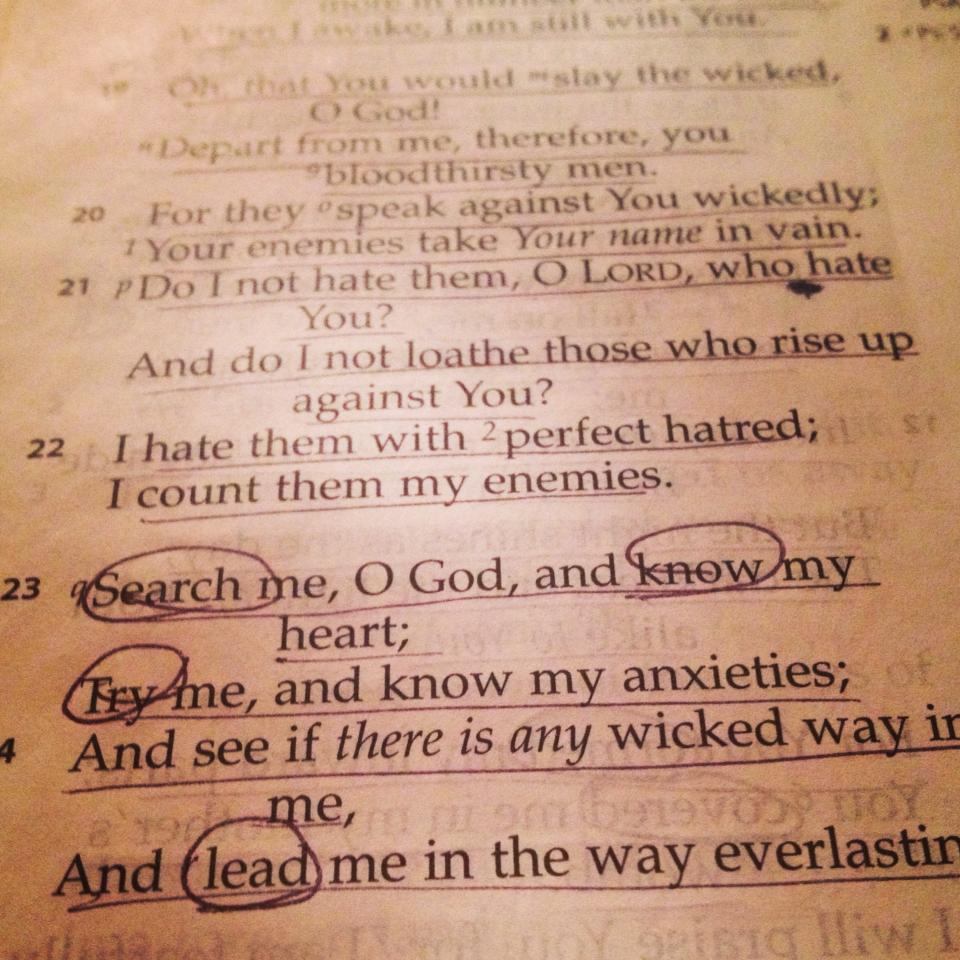
Thankfully, the call and standard of a writer is not to be healthy but faithful. In times of emotional struggle, the Lord uses that brokenness to translate a truth someone can relate to in my writing. I love what the psalmist said in Psalm 139, “Search me, God, and know my heart; test me and know my anxious thoughts. See if there is any offensive way in me, and lead me in the way everlasting.” If God knows our hearts inside and out, surely He can make beautiful writing flow from the inward parts of who we are, for His glory and the good of others.

Just as we labor to create a masterpiece, Jesus is in the process of molding us into His image. Sometimes He uses desert seasons to chip away excess. Sometimes He uses the mountain tops to create epic scenes. But He uses every piece of our story for His glory. We are never disqualified as writers when we can’t get it all together. Trust, obey, and write. Those messy seasons may just be used to encourage a reader, creating a mountain top moment in their life.

The one who calls you is faithful, and He will do it.” 1 Thessalonians 5:24

What areas do you need to focus on in your own life to be healthy? How has the Lord used rough seasons in your writing?

The Joy of Categories

From actual query letters…

“I’ve got a novel that’s sort of a historical fantasy magical realism.”

GregsBooks“My new nonfiction is for everyone. And when I say everyone, I mean everyone. There’s nothing as good or like it on the market. It should be stocked at the front of the store in the ‘bestseller’ section.”

“The graduation gift book I’m proposing will be the kind of book retail will stock all year around.”

One thing new (and sometimes veteran) authors don’t understand is that every book must have a recognizable category. The queries for books listed above have none. The moment you go outside of a known category, retail doesn’t know what to do with it. They don’t know where to stock it; they don’t know how to describe it to their customers. In short, they won’t know how to sell it. And that’s the point of writing books you’d like people to read . . . to sell them.

It starts with what is known as a BISAC code. It’s those few words on the back of the book that give retail and consumer a clue as to what the book is about. Every book gets a maximum of three. Here are the categories from the Book Industry Study Group:

ANTIQUES/COLLECTIBLES
ARCHITECTURE
ART
BIBLES
BIOGRAPHY/AUTOBIOGRAPHY
BODY, MIND & SPIRIT
BUSINESS & ECONOMICS
COMICS & GRAPHIC NOVELS
COMPUTERS
COOKING
CRAFTS & HOBBIES
DESIGN
DRAMA
EDUCATION
FAMILY & RELATIONSHIPS
FICTION
FOREIGN LANGUAGE STUDY
GAMES
GARDENING
HEALTH & FITNESS
HISTORY
HOUSE & HOME
HUMOR
JUVENILE FICTION
JUVENILE NONFICTION
LANGUAGE ARTS & DISCIPLINES
LAW
LITERARY COLLECTIONS
LITERARY CRITICISM
MATHEMATICS
MEDICAL
MUSIC
NATURE
PERFORMING ARTS
PETS
PHILOSOPHY
PHOTOGRAPHY
POETRY
POLITICAL SCIENCE
PSYCHOLOGY
REFERENCE
RELIGION
SCIENCE
SELF-HELP
SOCIAL SCIENCE
SPORTS & RECREATION
STUDY AIDS
TECHNOLOGY & ENGINEERING
TRANSPORTATION
TRAVEL
TRUE CRIME

Handy dandy, but did you notice there are only TWO categories for fiction: Fiction and Juvenile fiction.

When you toddle over to Barnes and Noble, here are the categories you’ll find as you browse the aisles:

Fiction Books & Literature
Graphic Novels
Horror
Mystery & Crime
Poetry
Romance Books
Science Fiction & Fantasy
Thrillers
Westerns

Children
Ages 0-2
Ages 3-5
Ages 6-8
Ages 9-12
Teens

Non-fiction
African Americans
Antiques & Collectibles
Art, Architecture & Photography
Bibles & Bible Studies
Biography
Business Books
Christianity
Christian Fiction
Computer & Technology Books
Cookbooks, Food & Wine
Crafts & Hobbies Books
Education & Teaching
Engineering
Foreign Languages
Game Books
Gay & Lesbian
Health & Fitness
History
Home & Garden
Humor Books
Judaism & Judaica
Law
Medical & Nursing Books
Music/Film/TV/Theater
New Age & Spirituality
Parenting & Family
Pets
Philosophy
Politics & Current Affairs
Psychology & Psychotherapy
Reference
Relationships
Religion Books
Science & Nature
Self Help & Self Improvement
Social Sciences
Sports & Adventure
Study Guides & Test Prep
Travel
True Crime
Weddings
Women’s Studies

Not bad. A little bit more descriptive in fiction, which is helpful, but if you wanted to find “historical fiction,” for example, you have to browse a few thousand books and hope you bump into a title that screams “historical” from the spine.

How about at a Christian bookstore? At a local Mardel, here is what we found:

Bible Reference
Bible Studies
Biography
Christian Living
Commentaries
Counseling
Devotional
Fiction
General Interest
Gift Books
Health
Marriage & Family
Men
Prayer
Seasonal
Software
Spanish
Spirit-Filled Life
Teen Interest
Women

Again, ONE designation for fiction. (Really? Do they really NOT want to sell novels?)

And then there are award categories. Here are the categories for the “Christy Awards,” the yearly fiction awards:

Contemporary Romance
Contemporary Series (sequels and novella)
Contemporary Stand Alones
First Novel
Historical
Historical Romance
Suspense
Visionary
Young Adult

The American Christian Fiction Writers (ACFW) has their own set of categories for determining the “Carol Awards”:

Debut
Long Contemporary
Long Contemporary Romance
Long Historical
Long Historical Romance
Mystery
Novella
Romantic Suspense
Short Contemporary
Short Contemporary Suspense
Speculative Fiction
Suspense/Thriller
Women’s Fiction
Young Adult

The INSPYs (Bloggers Awards of Excellence in Faith-Driven Literature) has yet another set of categories:

Romance
Literature for Young People
General Fiction
Speculative Fiction
Mystery & Thriller

The ECPA has their Gold Medallion Awards in these categories:

Book of the Year
Bibles
Bible Reference
Children
Fiction
Inspiration
New Author
Non-fiction

If all of this seems confusing, well, I suppose it is. When in doubt take comfort that you don’t have to pick from the Amazon.com categories. Just try to find three categories to mention!

The point is, each book gets three known categories on the back. Choose wisely in your proposals, but also try to choose broad categories so your book will get the most amount of exposure. And please, for the love Ernest Hemingway, don’t make up a category and call yourself a “pioneer.” Don’t implore the agent to think “outside the box.” Don’t call publishers “short-sighted non-creatives.” Just pick some categories and color inside the lines. We’ll all be happier.

Have you ever been confused about categories? How did you solve your dilemma?

Are You In the Mood?

When you’re writing a book, you have a purpose. You want to speak to your readers’ emotions, bring them into your story world, and show them ideas that may change their lives.

There are many ways to do that, and one is to be purposeful in expressing the mood of your story.

The mood is different from your setting, theme, plot, or other elements of a story. The mood is the overall feeling your reader gets from your story. It can be happy, tragic, hopeful, desperate, fearful, serene…and everything in between. Your book will have a general mood that permeates your entire story, but each scene may have its own mood, also.

How does a writer convey mood?

There are a couple of very good ways.

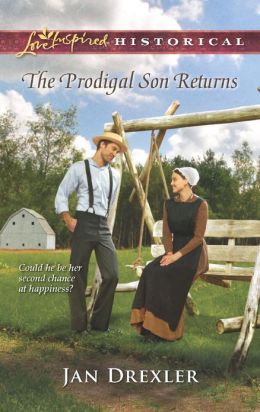
First is your choice of words. Consider this excerpt from “The Prodigal Son Returns”:

ImageFrom the simple white house nestled behind a riotous hedge of lilacs to the looming white barn, the Stoltzfus farm was the image of his Grossdatti’s home, a place he thought he had forgotten since the old man’s death when he was a young boy. A whisper of memory rattled the long-closed door in his mind, willing it to open, but Bram waved it off. Memories were deceptive, even ones more than twenty years old. They covered the truth, and this truth was that he had a job to do. Grossdatti and his young grandson remained behind their door.

I tried to convey the feeling of nostalgia in this paragraph, so I chose soft words like “nestled,” “farm,” “home,” “whisper,” and “memory.” As the paragraph reached its end, I wanted Bram to shake himself back to reality – at least his version of it. So I used harsher words like “rattled” and “truth.”

Read your paragraphs aloud, listening to how the words sound. What feeling do they convey? It isn’t only the meaning of words that speak to your readers – the sound does, too.

A second way to convey mood is in the construction of your sentences. Longer sentences set a softer, quieter tone, and shorter, choppy sentences convey a sense of urgency or danger.

Here’s an excerpt where I was trying to show a peaceful summer afternoon:

Once the family buggy was gone, the farm settled into a quiet that Ellie seldom heard. The early summer sun was hot, and the cows had all sought the shade of the pasture. One pig’s grunting echoed through the empty barn, keeping rhythm with the thump and clatter as he rubbed against the wooden planks of the sty.

Ellie wandered to the lilac bushes that surrounded the front porch of the big house, and she buried her face in the blossoms. They were nearly spent, but the scent still lingered. On either side of the front walk Mam’s peony bushes held round pink and green buds. Another day or two, and they would burst into bloom.

The sentences in these paragraphs are complex, with dependent and independent clauses. They are designed to slow down the reader’s pace and feel the mood of Ellie’s afternoon – hot, languorous, and even lazy.

Contrast that with this excerpt:

Kavanaugh’s lip curled in the sneer that was his trademark. “No cop is going to take me.”

The snub nose of Kavanaugh’s gun steadied as the gangster’s finger tightened on the trigger. Bram shot at the same time. His body jerked as Kavanaugh’s bullet hit his chest, and he fell into blackness.

The sentences here are shorter, choppier. Shorter sentences speed up the action and heighten the tension. The mood becomes urgent, dangerous and suspenseful. Interspersing longer sentences with shorter ones can draw out the tension even further.

So, have you thought about the mood of your book? It can be as elusive to pinpoint as your voice, but once you identify it, using these techniques can help you enhance it and will increase the depth of your readers’ experience.

Why Ignoring Your Author Brand is Career Suicide

Have you heard the term branding? Does it make you want to reach for the remote and turn the channel? If so, you’re not alone. Author branding has a lot of writers confused. It did me.Why Ignoring Your Author Brand is Career Suicide

I first thought author branding was something your publisher did for you when your first books came out. Then, I thought it was a cool author tag line or slogan. And while part of both the previous statements are true, they’re not your author brand.

Knowing your author brand will help you promote yourself before, during, and after your book releases. Your author tag line is what evolves from your brand, not the other way around.

What is an author brand? An author brand is the unique combination of personality and passion you bring to products or services based on your actual or potential abilities. Your author brand won’t look like anyone else’s, because no one else has your insights and perspective to offer to the world.

Why do I need an author brand? Knowing your author brand lets readers, agents, and publishers know immediately what they’re going to receive from you and your writing. In this fast paced world, people won’t take the time to dig through the many books, websites, and blogs to find what they’re looking for. If it isn’t apparent immediately, they’ll move on.

Think about your favorite authors. You know exactly what you’re going to get from their books. It’s the reason you purchase their newest release, read their newsletters, and like their Facebook pages. They deliver on the promise of their brands.

But, I don’t need to develop my author brand until I have a book contract. Wrong. You’re already branding if you have a website, blog, or are on social media sites. Every post, tweet, and blog post is a reflection of you and your brand, even if you don’t know it.  It’s important to understand your brand from the moment you declare yourself a writer.

Your brand will help you develop your website, book proposals, manuscripts, articles, and newsletter. It will help you focus and go deeper in order to reach your audience better. It’s something you should embrace and not put off a minute longer.

Your brand will also aid you when creating visual images for your website and social media pages. For example, my author tagline (developed from my brand), is Inspiring Your Faith and Pioneer Roots. I created this image for my author Facebook page this past week. Branded Facebook Cover for Melissa K. Norris

Do you see how the pioneer roots is enhanced not only in the images, but also ties into the title and cover of my non-fiction book, Pioneering Today? The cabin picture also works for the historical fiction portion of my writing. Your brand should be an umbrella for all you do.

Developing your author brand isn’t something we can completely cover in one blog post, but don’t worry. I’m not giving you this admonishment and leaving you alone. My agency sister and business partner, Janalyn Voigt, and I have created a FREE author branding workbook to walk you through the steps. You can snag your copy at TriLink Social Media Mentors.

What are some of your favorite authors? Can you identify what their brand is, or the promise they always make with their work? What is unique about you and your writing?

The Letter

Sometimes, I don’t think we as “Christian” authors give credit to how extraordinary our calling is. I’m speaking specifically to those writers who feel it is God’s will for them to write. We write because we feel burdened to do so. Not burdened like a chain around our necks but restless that if we don’t write then we are not fulfilling what we are here to do.

dark portraitSometimes that calling in light of our circumstances is hard to manage.

Long hours at the keyboard. Perhaps long hours banging your head against the wall when the words don’t seem to be flowing as they should. Managing two careers and likely a family. Wondering how long you can keep up the pace of working two jobs (yes, writing is very much a job) when one’s maybe not paying you as much as you thought it would. No, I haven’t gotten a James Patterson paycheck. Wondering when, if ever, we’ll hit it “big”. Wondering what “big” is?

I think, too, there is added pressure if we consider ourselves Christian authors. Now, there’s a whole other level of worrying/thinking. Is this what God wants me to write? Why did God take me down this path if I can’t survive on this income? Am I writing when God wants me to do something different? Am I still working my “real” (and paying) job when all God wants me to do is write?

LampPost

And so we look for God’s little lampposts along the path. Something—anything to affirm that this is the right, chosen path. That our typed words on a white screen would make a difference to someone, somewhere, in a Godly way. That someone’s faith would be affirmed—strengthened. That maybe our words would give sense to what Jesus did on the cross in a way that someone could then believe in that sacrificial offering for their own lives.

Now, after being on this journey for a couple of years, this is what I know. Sometimes these lampposts along the path are not what we think they will be. Maybe my affirmation is not in selling a gazillion copies of my book or hitting the bestseller lists.

But in a letter.

One of the smartest things I did as an author was leave an e-mail address in my published books and ask readers to e-mail when they finish with their thoughts. Some authors don’t do this for fear of spamming, privacy, etc. You can list your own reasons.

So far, I haven’t received any creepy/concerning e-mails. I have gotten over fifty letters from readers which is nice when you’re also getting one star reviews (particularly on Christmas Day—yes, that did happen!)

I’ve only sobbed over one letter—thus far.

It was written by a woman who had just finished Proof—my debut medical thriller. Proof, at its heart, is about Lilly Reeves, an ER doctor without faith and her journey to coming to know Christ through a trial- by-fire series of events.

In the novel, a physician friend tells Lilly the story of Lazarus. How Jesus waited three days to respond to his good friends’ cries for help. At first, this seems unusually cruel. But in the end, when Jesus raises Lazarus from the dead, Jesus does a miracle he’s never performed before and gives a prelude to his own forthcoming sacrificial offering.

The letter that brought me to tears was from a woman who was in the midst of her son being diagnosed with cancer. He’d just been through the surgery to retrieve lymph nodes and the surgeon was fairly certain of a lymphoma diagnosis—they were just waiting for the final biopsy results. She specifically mentions this passage of the book and what it meant to her at that moment – “. . .we are praying for healing for our son, but completely trust him to God’s plan, whatever that is . . .”

So humbling.

Remember, God communicated his presence to us in two ways. Through his creation and through his words.

Typed words on a page.

Consider this and the smaller lampposts along your path when you’re wondering exactly why you’re on this crazy writing journey. Maybe it’s not for a James Patterson type paycheck.

But simply for a letter like this . . . and the impact your words will have for one person.

Would this be enough for you to keep going if God has placed the call to write on your heart?

This post first appeared on Elaine Stock’s Everyone’s Story. Check her blog out.

My Friend Jane Kirkpatrick and Feeding the Lake

Jane-1-EE (3)One of my most meaningful evenings as a writer had nothing to do with me and everything to with my friend, workshop partner and fellow writer Jane Kirkpatick.

It was 2005 and Willamette Writers, our state’s largest literary organization, presented Kirkpatrick with its Distinguished Northwest Writer Award. Among recipients of the past: Ken Kesey and Ursula Le Guin.

In accepting the award, Kirkpatrick, then 59, quoted author Jean Rhys to 400 people: “All of life is like a lake made up of many stories, fed by many streams. Some of the streams are long and mighty, like Tolstoy and Dostoevsky, and some are small, like me. The size of the stream doesn’t matter. All that matters is the lake. Feed the lake.”

Kirkpatrick, who then lived on the John Day River in north-central Oregon, told how, at age 36, she first tested the literary waters. Head of a social service agency, she took a writing class through a community college adult education program. “I was terrified,” she told me. “I thought: I don’t belong here.”

The teacher, she later learned, felt the same way about himself. But, neophyte that he was, he still recognized good writing, once choosing a piece by Kirkpatrick to read aloud.

“My heart was pounding so hard I could hardly hear the reading,” she said. When he handed back her paper, it said at the bottom: “You have a gift.”

At the time, she and husband Jerry were still reeling from the loss of Jerry’s son, murdered at 21. She was suffering from a serious gluten intolerance. They needed a change.

The two decided to sell everything, leave secure jobs and homestead on the John Day River, where Jane would write.

At a place called Starvation Point, the home would be known as their “Rural 7-Eleven” — seven miles from their mailbox, eleven miles from pavement. They built it. Dug a well. Battled rattlesnakes. And ran seven miles of underground phone wire.

Once semi-settled, Jane began writing and sending stories to magazines. Rejection. Rejection. Rejection. Then it happened: One sold. Sports Afield, for $75, bought a piece she wrote on repairing fishing poles with pine tar. Then Northwest magazine bought the story her teacher had read aloud in the class.

She began wondering: Could I?

Jane began working as a mental health counselor at Warm Springs Indian Reservation. On Tuesdays, she would make the nearly three-hour drive — longer during snow and ice — and on Thursdays, return.

Then she would start writing, disciplining herself to get up at 4 a.m. Her first book, Homestead (1991), was about her experience on the John Day. More than two dozen have followed — fictional stories of the human heart, based on real events, and often involving women, pioneers, and Native Americans.

At least some of her empathy for those overcoming odds comes from her own experiences. She and Jerry were badly hurt when their small airplane crashed. They took in a granddaughter whose drug-hampered parents weren’t able to raise her. She lost a sister to disease in 1997. In the last year Jerry, 82, has battled numerous physical challenges.

“It’s the obstacles in life that carve out our character,” says Kirkpatrick. “Character comes from the Greek word `to chisel.’ It’s what’s left after you’ve been `gouged out.’ ”

What some of her colleagues were applauding on the night she won the award — none perhaps more enthusiastically than I — was the never-quit spirit that she writes of. And lives.

While working on a book of my own, for instance, I will often hear the “get-up-and-write” alarm at 5 a.m. and think: no, no, no. But then I rise, remembering that my ex-student Jane has already been up for an hour, feeding the lake.

WordServe News: March 2013

Exciting things have been happening at WordServe Literary!

On the final post of each month you’ll find a list of Water Cooler contributors’ books releasing in the upcoming month along with a recap of WordServe client news from the current month.

New Releases

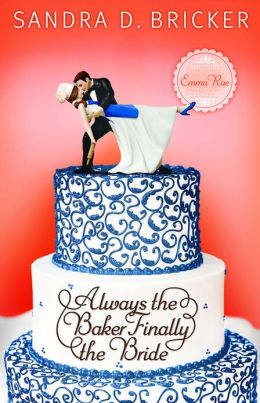
FinallytheBrideSandra Bricker, Always the Baker, Finally the Bride
(Abingdon Press)

**********************************************************************************************
TheProdigalJan Drexler, The Prodigal Son Returns
(Love Inspired)

**********************************************************************************************
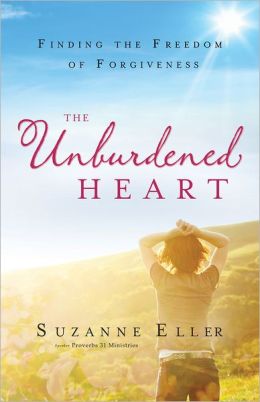
UnburdenedSuzanne Eller, The Unburdened Heart (Regal)

**********************************************************************************************
RealValorSteve Farrar, Real Valor (David C. Cook)

**********************************************************************************************
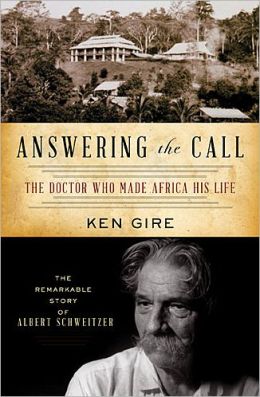
AnsweringtheCallKen Gire, Answering the Call: The Story of Albert Schweitzer (Thomas Nelson)

**********************************************************************************************
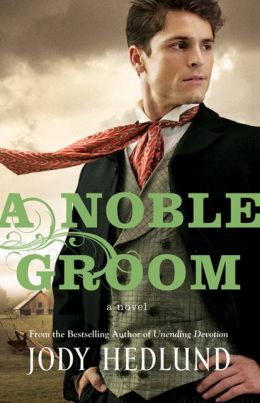
ANobleGroomJody Hedlund, A Noble Groom (Bethany House)

**********************************************************************************************
TheEasyBurdenPatty Kirk, The Easy Burden of Pleasing God (IVP Books)

**********************************************************************************************
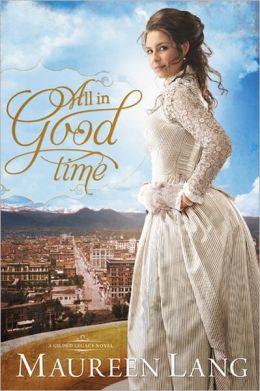
AllinGoodTimeMaureen Lang, All in Good Time (Tyndale House)

**********************************************************************************************
VoicesofthePacificAdam Makos, with Marcus Brotherton, Voices of the Pacific (Berkley Hardcover)

**********************************************************************************************
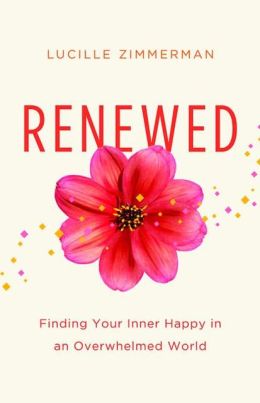
RenewedLucille Zimmerman, Renewed
(Abingdon Press)

**********************************************************************************************

New WordServe Clients

None…we’re standing pat with our great group of authors for now!

New Contracts

Tracie Miles signed with Bethany House Publishers for a book titled Your Life Still Counts: How Your Past Has Equipped You for Your Purpose.

Susie Shellenberger and Kristen Weber signed with Barbour Publishers for A Girl’s Guide: Guys, God and the Galaxy.

Gillian Marchenko signed a contract with T.S. Poetry Press for her memoir. Yay, Gillian!

What We’re Celebrating!!

A Higher Call by Adam Makos continues to hit the New York Times list. On March 31, it will be #6 (again) on the Hard Cover nonfiction list. It’s been in the top-15 for 9 weeks!

Bees in the Butterfly Garden by Maureen Lang, hit the March CBA list at #5 on the fiction list and the #40 on the top-50 in sales list.

What thing on your writing journey are you celebrating today?

Plain, Ordinary, or Beautiful?

14737877_s

Once I made the mistake of creating a heroine who wasn’t loveable because she didn’t forgive until the end of the story. Although her black and white thinking was true to character in her particular setting, it made her unappealing to the modern, more open-minded reader. Some who couldn’t relate blasted her in reviews.

Observation: Characters can be too realistic.

While she needs to stay true to her personality type, a good heroine breaks out of the norm for her particular setting from the get-go.

Because writing is a creative process, the rules are loose to allow us to create a unique voice. It’s a painful process to learn what works through our failures. After a dozen novels, workshops, and self-help studying, I still blunder my way along. At the end of each novel, I find myself vowing, Wow, I’ll never do that again. No more prologues for me—but that’s a topic for another day.

Under deadline, I write and juggle life. But between contracts, I study, plot, fret, and find more time to doubt myself. As you might have guessed, I’m currently developing characters. While fretting over my next heroine, I asked myself, what would help her connect with readers on page one and throughout my manuscript? This thinking led to another observation. Let me explain.

Growing up as a Mennonite, I call myself a plain-vain gal.

I was raised on humble pie and continue to strive for humility. But you know how it goes when somebody says you can’t have something. So if I’m honest, I have a craving for beauty and admiration. When I read, I enjoy living-escaping through beautiful, gutsy heroines. Most of my heroines have been lovely on the outside.

But since I’m wallowing in character fret-mode, I polled my Facebook followers with the following question:

Do you prefer a beautiful heroine or a plain one?

Every single response was plain, except for a few who didn’t care. Really? I expected the comments about inner beauty, but I was shocked they demanded plain on the outside. I expected mixed preferences.

For sure, they want a heroine who overcomes the ordinary. I’m still processing this information so I ask you…

…Is inner beauty or character strength more visible on a plain heroine?

As an example, Katharine Hepburn comes to mind, and I did a follow up blog post about using her as a character on plain girl romanticizing.

I’m conforming to my followers’ preference. Like most authors, I cut photos for each character and study them as I write. Here’s the plain-Jane photo I’ve chose for my WIP.

heroine 2

She’s really growing on me. I’m convinced I’ll make her shine. And hopefully make her smile too.

All of my responses were from women. I wonder: men, would you respond differently? But as a romance author, I’m writing for women. Or was this a genre thing (Amish readers ages 34-55)? Would it have been different for younger readers?

And what about our heroes? In secular romance novels, heroes are often dark and brooding with wicked pasts. It’s up to the heroine to bring out the good and change him. In Christian novels, the growth is often attributed to God. But what kind of heroes are Christian women seeking? Have you done any polls?

From my own experience, my favorite hero was my last one. He was ordinary looking. On a scale of one to ten, he started below zero with the heroine who remembered him as gawky and pesky from college. I developed his inner strength and found myself drawn to him more than my good looking heroes.

On book covers, publishers often hide the heroine’s face. But writers must describe character attributes.

So what do you think? Does it really matter how they look?

Or is it all about the writing?

Traveling Light

I used to take a small suitcase full of books when we traveled. If you are a reader like I am, you’ll know that it’s difficult now days because the airlines want to cut down on the amount of luggage they accept on flights. And now husband likes to fly Charley on cross country trips and then I really have to pack light.

Traveling with Charley
Traveling with our small plane “Charley”

So what would you do to pass the time on a long flight? 

Husband began to notice people using e-readers. He investigated them and told me to purchase a kindle2 for Mother’s day one year.

Now my Kindle is old, and the on/off button is wobbly. I don’t know how much longer it will last. Should I replace my Kindle with a Kindlefire? Or one of the many other e-readers available?

I downloaded the kindle app on Husband’s iPad2. But honestly? I still preferred the screen of the kindle2. It was easier on my eyes. But I used his iPad2 for other things. And when the new iPad came out, we ordered it. Let me tell you, the new retina display is wonderful. On the kindle app, I was able to choose an ivory screen. Reading on the iPad is wonderful.

In fact I now download non-fiction books to study the craft of writing, marketing, social networking, and many other interests. It was hard for me to actually study on the kindle2 and I rarely use it anymore.

So naturally, when brother-in-love wanted to know what kind of an e-reader to buy his wife to take to Florida, I knew just what to recommend. Husband and I raved about the virtues of the iPad and how we used ours for many things. And, we said, it makes a wonderful e-reader. Problem solved. What’s not to like?

It turns out sister-in-love is not interested in all the bells and whistles. She doesn’t want to learn to use email. She doesn’t want to learn to surf the internet. She never uses the computer at home.

There is no one size fits all solution to any problem. And an iPad makes a pretty expensive e-reader if you know you will never use it for anything else.

Instead of extolling the virtues of the iPad, I should have investigated the actual need. It’s the only way to give truly helpful advice. And we finally recommended the basic kindle.

Brother-in-love took his wife shopping. She could purchase any e-reader she wanted. And guess what she picked out? You got it, the basic kindle.

You can be sure the next time someone asks my advice, I will ask more questions, to help find the best solution for them. Which might not be the best solution for us.

Do you have an e-reader? How did you choose?