Risky Moves, But Not Like Miley Cyrus or Britney Spears

Miley CyrusSome risks are worth taking, some are not so smart. Authors aren’t typically in the same celebrity category as Miley Cyrus or Britney Spears. But just as these young artists turned off many product purchasing fans with crazy antics, so can an author’s choices affect book sales. Taking a risk is one thing, taking an in-your-face attitude is not wise.

But unless you fall off the cliff of common sense, some risks can bring happy results.
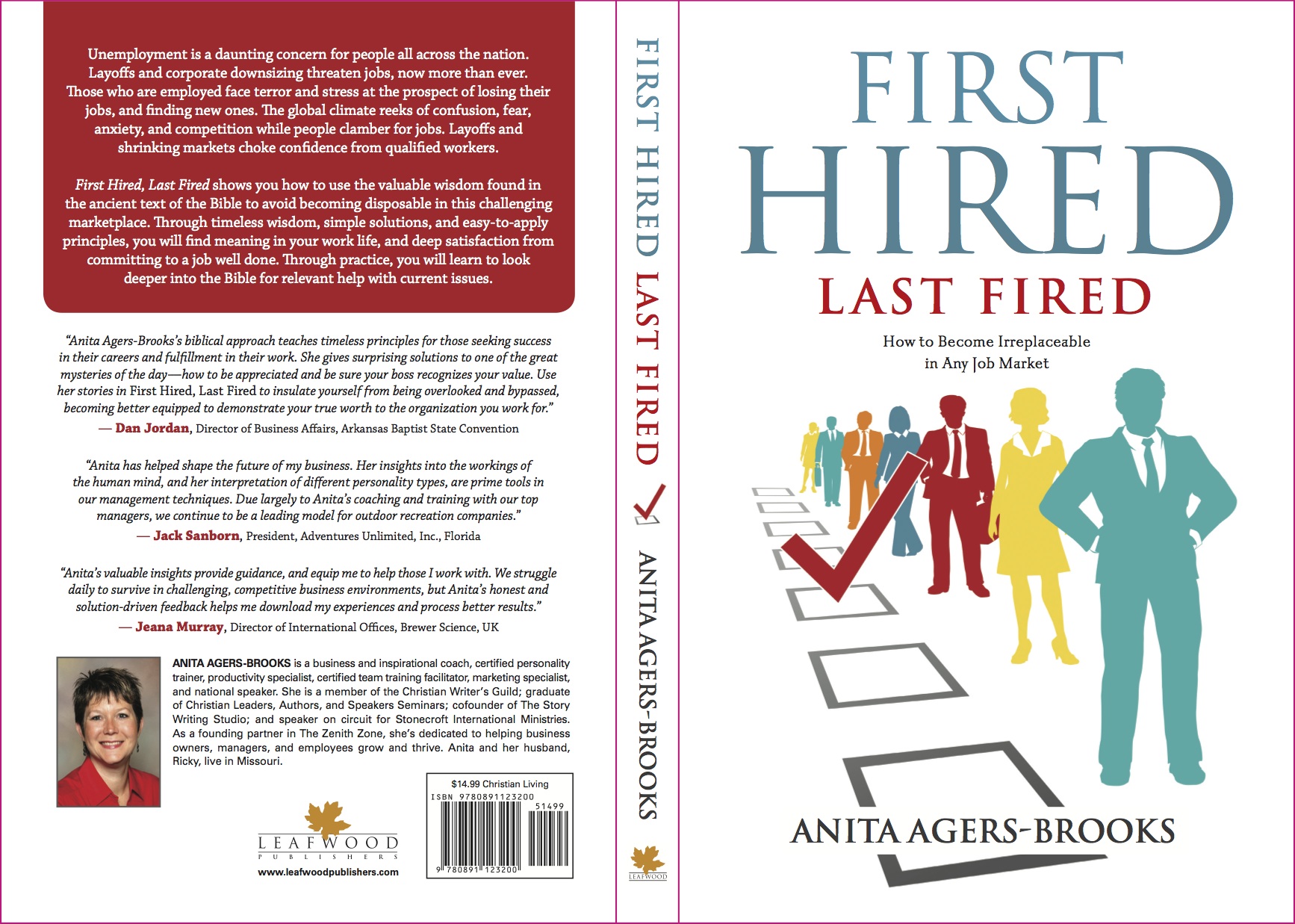
First Hired Last Fired BookAuthors take risks when they try a new style. I did this with my nonfiction book, First Hired, Last Fired — How to Become Irreplaceable in Any Job Market. I patterned short stories in each chapter, using strong fictional elements to demonstrate my hypothesis. It wasn’t something I’d seen done in exactly that way before, but I decided to take the risk. So far, it’s working well.

Into the Free

Many WordServe authors have taken their own style risks suited to particular genres. Reading their books infused me with courage when I battled fear.

It’s a risk when authors write about difficult subjects. Our own Julie Perkins Cantrell did this in her amazing novel, Into the FreeWhy is it an award-winning best seller? Because it hits the heart with readers. Even if they don’t relate to the circumstances in the story line, they can relate to the gut-wrenching feelings Millie experiences. I expect much of the same in the sequel, When Mountains Move

Authors risk when they get out of bed at 4:00 a.m., versus sleeping until 7:00. Who wouldn’t prefer a few extra Zz’s, but trusting the rewards will outweigh the sacrifice keeps dreams alive.

Investing time and energy in the elements that make up your writing business is a risk. After all, you can’t recycle either one. But every web page, blog post, article, social media blast, and book proposal are like laying pieces down in a jigsaw puzzle. Not until you’ve placed a string together, does the picture of your writing career finally start to look appealing. The key is not to give up before the last piece is in place.

But I would be remiss if I didn’t mention some risky moves that don’t typically work for authors. 

  • Avoiding education and research, in hopes you’ll get lucky, and success will come with little effort on your part.
  • Assuming you know how your writing comes across without getting feedback from unbiased sources.
  • Joining negative media frenzies on social media when they involve putting others down for political views, personal choices, or religious beliefs.
  • Reacting to professional guidance with an unteachable spirit.
  • Giving up on writing, and spending the rest of your life wondering, what if . . .

There are many risky writing moves, but envisioning worst case and best case scenarios can help you decide which ones are worth taking. Most are reasonable, and even if you don’t get the outcome you hope for, be willing to brush yourself off and dream again.

After all, if you risk and fail, are you any worse off than you are now?  

Selling More Books

Selling more books, and spreading your message is the ultimate goal. For months extending into years, you work to build a writing career. By the time your book releases, you hope your efforts pay off — and people actually buy it.

But you must help folks find it, or else they can’t purchase and read your Faberge -- And So Onmasterpiece. This takes a whole new kind of effort. I think we all hope for something akin to the old Faberge Organics shampoo commercial. Remember? “If you tell two friends, they’ll tell two friends, and so on, and so on, and so on.”

As a debut author, I knew I needed to find creative ways to tell my first two friends. So I went to the experts, and scheduled a cross-country trip with Michele Cushatt and Michael Hyatt. Okay, so I drove cross-country to a speaking engagement, and took their voices with me via audio recordings. But  their amazing presentation of Get Published gave me some fantastic tips for getting my book noticed.

First Hired Last Fired BookBecause I follow their blogs, I’d already done some of the things Michele and Michael outlined in their program. Like building an online media kit. Mine still needs tweaking, but it’s good enough to have garnered some attention.

But there were plenty of extras I didn’t know about in Get Published. One of the things I learned was to create a Briefing Book, so I could give confident interviews. It was a good thing I did, because the day after I finished it, my publicist scheduled a radio spot.

Another way I spread the word, was to make sure my family and close friends knew I would appreciate speaking leads. It so happens one of my sisters works for a large hospital chain. So she mentioned me to a woman in charge of signing speakers for the New Mexico Staff Services Medical Association Conference. The woman researched my website and online media kit, then voila, booked me.

After that, two other prospects from the medical community called. And so on, and so on.

One of the most fruitful things I’ve done is follow the leads in Sell More Books, Book Marketing and Publishing for Low Profile and Debut Authors. J. Steve and Cherie K. Miller’s marketing manual is chock full of practical applications and lesser known resources. I especially like the access I’ve gotten to state and national associations for potential speaking engagements.

These are just a few ways I’m attempting to spread the word. I don’t know how my various efforts will affect final sale figures. But I think they are making a positive difference. Suddenly likes on my author/speaker Facebook page have increased, and my web traffic is growing.

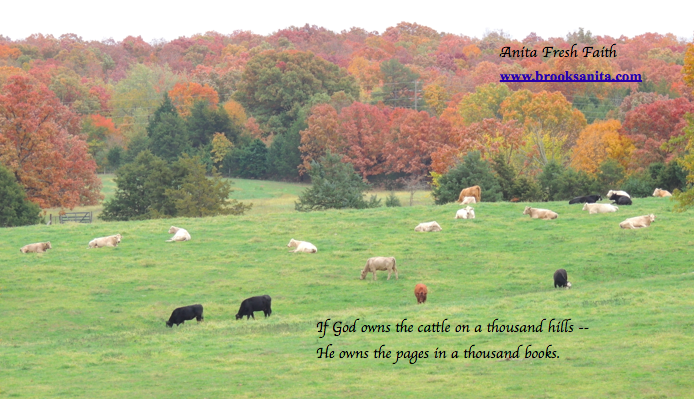
Cattle on HillsideBut one simple thing has made the biggest difference of all. All along on my writing journey, I’ve prayed about this scary platform thing. A few months ago, I blogged about my reliance on The Platform Builder.

In reality, I know little about book marketing, except to trust and obey. And yet, I truly believe trusting is a secret to selling more books — IF it’s God’s will and my motives are pure. One of the hardest prayers to offer is, “Not my will, but yours be done.” After that, it’s completely in His hands. If He owns the cattle on a thousand hills, I know He owns the pages in a thousand books. I can’t sell a thing if He doesn’t help spread the message. And so on, and so on, and so on.

Being a Joseph to the People You Write With

1985 Montgomery WardWhen I was in my late teens I worked at a Montgomery Ward store. One day my supervisor told me to stock inventory in our sporting goods department, but the shelves were a disaster. Fishing lures of varying shapes in reds, oranges, blues, and browns were strewn beneath the silver pegs they’d hung on earlier.

I groaned to myself and looked around. No one will know if I put the new ones on the pegboard and leave the mess scattered below. They’ll assume customers came behind me and wrecked my work.

But my conscience wouldn’t let me get away with it. You’ll know. Mom and Dad always told you to leave things in as good a shape or better than you found them. They’d be disappointed if you did a shoddy job. 

So I got to work, and straightened every artificial worm, spinner bait, and fluke. When I finished, I stood back with a sigh and surveyed the tidy results. I didn’t hear my boss walk up behind me.

“Nice job. This is the best I’ve seen this area in months. Keep up the good work.” Then he patted me on the shoulder before walking away with a smile on his face.

Less than two months later, I received a nice raise and a small promotion. And I learned a valuable lesson through positive reinforcement.

A lesson I’ve carried with me into my writing work, along with another principle I picked up from a historical figure. I apply both to my career today.

The historical figure I mentioned is Joseph. His account in Genesis demonstrates an amazing work ethic that eventually brought him miraculous outcomes. Not without difficult circumstances, or serious setbacks, but by adhering to a determined set of attitudes and actions, Joseph overcame his adversity. And he ultimately succeeded.

As an author, I take the things I see in his story and allow them to help me be a Joseph to the people I write with. Whether it’s my literary agency, publishing team, or booking agency, like Joseph, I strive to:

  • Learn their ways, and follow their processes
  • Treat their business as if it were my own
  • Pray, and then listen for God’s wisdom on the steps I should take next
  • Always respond with a respectful attitude, even when boldness is required
  • Exercise patience when the situation looks bleak
  • Refuse to take credit that belongs to someone else
  • Believe in my early dreams — trusting they came from God

Anita Brooks - First Hired, Last FiredI share a more in-depth version of these principles in my book, First Hired, Last Fired — How to Become Irreplaceable in Any Job Market, releasing early next month. When it comes to writing, I have much more to learn, but these basics serve me well, and I hope make me an author others appreciate working with.

At the end of my career, I pray I’ll leave a few writing related businesses in as good a shape or better than they were before we partnered. I want to be a Joseph, for God’s glory, and the good of other people. Otherwise, why bother writing for publication at all?

Risking Rejection

Why are we afraid to fail? Often because we believe rejection exposes a gap in us. It points to something we don’t want others to see. It confirms what our suspicions tell us.

We aren’t acceptable.

As writers, we risk rejection from many different sources. Projects and people alike can make us feel unacceptable, and throw us into a pit of paralyzing despair. Any one of a myriad of things have the power to make us give up on our writing dreams. If we let it.Definition of Rejection

  • Literary agents can reject us.
  • Booking agents can reject us.
  • Publishers can reject us.
  • Editors can reject us.
  • Endorsers can reject us.
  • Influencers can reject us.
  • Reviewers can reject us.
  • Media can reject us.
  • Readers can reject us.
  • And through Self-deprecation, we can reject ourselves.

So how can you empower yourself to feel acceptable when rejection says you’re not?

Author Jim Stovall
Jim Stovall’s Blindness Didn’t Hold Him Back

Challenge your own viewpoint. Take a 180 approach and look at this specific moment as your personal catalyst for change, improvement, and a call to do better work. Jim Stovall, a blind author and movie maker, knows rejection well.

You’ve GOT to watch the video on his link to see what he says about giving up. Here’s a quote to give you a hint of the amazing story you’ll want to hear. “That big dream would not have been put inside of you if you didn’t have the capacity to achieve it.”

Author John Grisham
John Grisham’s Tenacity Made the Difference

Another powerful example of tenacity in the face of rejection comes from an author most of us recognize. Internationally acclaimed novelist John Grisham. He understands what it feels like to fail in front of professionals, but he chose to learn from his mistakes, and keep on keeping on.

Finally, I would be remiss if I didn’t remind you of the greatest victory that came from the greatest rejection of all. A book that was denounced, fought against, and even after publication, faced efforts to utterly destroy it. But yet, the words inscribed inside changed the world, and made it a better place. The book I refer to is The Bible. Aren’t you glad God didn’t give up.

So the next time you get a rejection letter, phone call, email, or text, remember these three things.

Anita Brooks Walking Bridge Photo
Is Success Waiting Around Your Corner?

1. The capacity to make your big dream reality is already inside of you.

2. Rejection prepares us for great things in the future, and reminds us to stay humble when we arrive there.

3.  Just because a few people fight against your efforts doesn’t mean you won’t come out victorious.

Maintain a teachable attitude, then act with integrity, humility, and tenacity. This is your big dream. Take courage, and don’t let anyone convince you it’s unacceptable. Risking rejection can turn that big dream of yours into something real. But only if you don’t give up too soon.

Live It Before You Write It

Often, I try to shortcut beyond my own abilities. Nowhere is this more true than with writing.

As a non-fiction author, I lean toward meeting felt needs in storied, practical, and spiritual ways. These days, every time I recognize a lack in life, my mind immediately draws a rough book, article, or blog outline. Maybe I can help someone else, I think.

There’s just one little problem. Sometimes I haven’t taken the time to live past my own lack. Impatiently, I rush beyond God’s desire to finish a beautiful work in my situation, and start sharing with others before I’m done living it out. I scribble my pitiful solutions onto a page. Too often, I forget to ask my Mentor what He thinks about what I just said.Nonfiction Half-Baked Ingredients

Like taking a cake out of the oven fifteen minutes before it’s done, my projects are half-baked when I rush them to my agent, to a magazine editor, or onto my blog platform. And because I’m still too close to the circumstances, the topic is too hot to handle.

Slowing down, and allowing God to add His special flavor deepens the richness of my life, and my work. Most often, this happens when I follow His timing, and don’t pull writing topics out before they are ready.

  • These are projects I want to write.
  • Need to write.
  • But the time isn’t right.

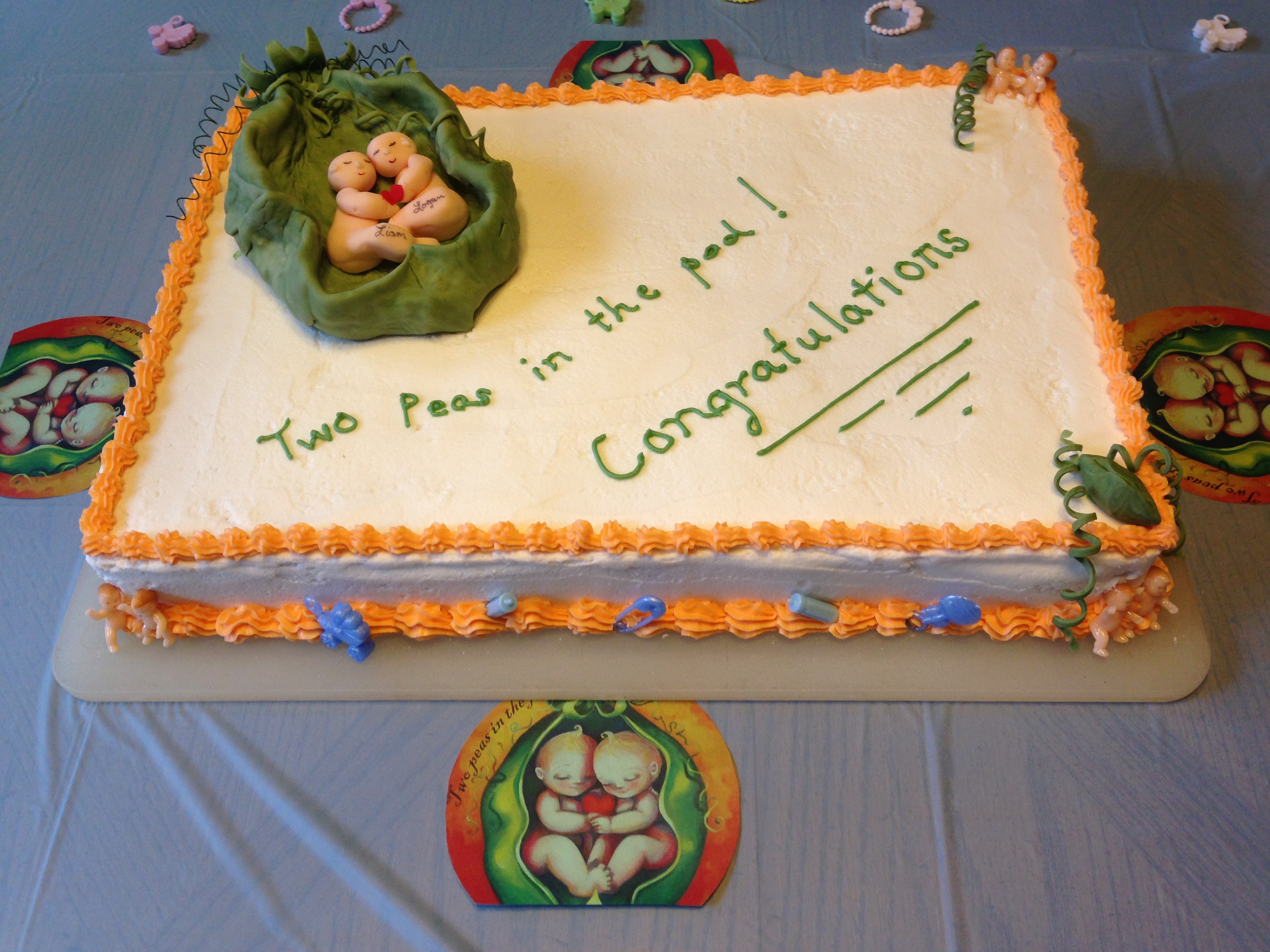
While I wait for the chemistry of those ideas to solidify, there’s plenty of other things to work on. I have life experiences already baked and cooled. But changing writing topics is like changing cake flavors. It requires putting some things away, and laying out a whole new list of ingredients. So how do I make sure I don’t mix things up in the process?

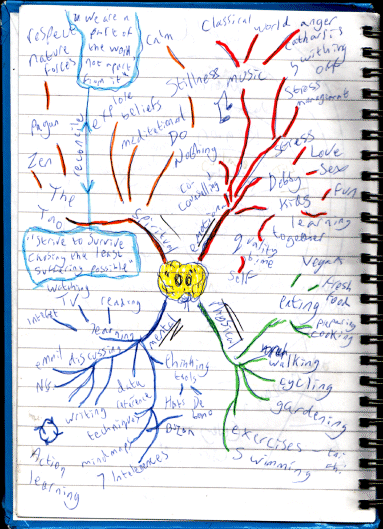
Mind Mapping ImageSpending a mere fifteen to twenty minutes helps me realign my thoughts into an organized fashion appropriate for the topic I need to focus on. One of my favorite brainstorming techniques is Mind Mapping. This process is simple, fast, reduces distracting thoughts, and moves me into a heightened creative flow. It pulls buried memories from the dark pantry of my brain.

Writing effective non-fiction often means living through a subject before you write about it. And Mind Mapping takes what we learn and develops those lessons into a teachable format. It ensures we won’t forget to relate any important part of the process to our readers.

Mind Maps enhance our memories and help us present concise non-fiction book projects. Mixed, baked, and cooled until the end product is just right. Showing readers what we lived, before we wrote.

Writing With a Day Job

Writing Career Plus a Day Job
Juggling a Day Job With a Writing Career?

Are you a writer, or an aspiring writer with a day job? Ever get tired trying to juggle at least two careers, (day job and writing), along with mommy, daddy, spouse, family, friend, and church duties?

If so, you are not alone. A conference speaker gave this statistic. “About one percent of writers succeed at getting published. Because most drop out of the race.” Here’s my post on that experience.

Embedded within that percentage is a smaller number of those who can actually afford to write full-time. Making the leap to a devoted writing career usually requires long-term planning, intentional strategy, and detailed tactics. Jeff Goins’ recent blog encapsulates a great way to approach the goal of becoming a full-time writer. The steps he outlines, I could have written myself. (More on that in a later post.)

But if you’re reading this now, odds are writing with a day job is your reality. Anything else may feel like something built on fluffy clouds.

So how do you bring home the bacon, fry it up in a pan, serve it to those you are responsible for, and after the dishes are done still find time to pursue that dream throbbing with every heart beat? Can it be done? I believe the answer is a resounding YES!

People often ask me how I accomplish everything at work and home, plus write blogs, devotionals, articles, and books. After I imagine my cluttered living room, (I’m not Wonder Woman, something has to suffer), three things come to mind. “Resolve, listen, act.”

As a writer with a day job:

Juggling a Writing Career and a Day Job
Resolve to Invest Time in Your Writing Business

A. Resolve to invest wisely.

  • Treat your day job with respect. Just because you have a higher calling, or a bigger dream, don’t discount the gift of your employment today. After all, it pays the bills, and you can glean great writing fodder from things that happen in your workplace.
  • Watch less television, and write more. 
  • Create your own Writer’s Cave.
  • Rise earlier, and allow fewer sleep-in days.
  • Write when you’re tired, energized, or just so-so.
  • Schedule writing, don’t wait until you feel like it.
  • Celebrate small victories. Fifteen minutes putting words on a screen are worthy of excitement.

B. Listen to voices of genuine authority.

  • For me, the voice of God rings truth above any other I might listen to. Early on, I asked the Best Selling Author of All Time to mentor me, and He hasn’t let me down yet.
  • Do not disregard those who have written with day jobs before you. Heed their valuable advice.
  • Seek the wisdom of professional agents, editors, and publishers. They are in their positions based on education, experience, and talent.

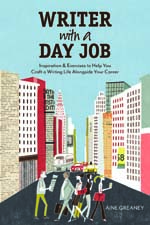
Writer With a Day Job Book CoverC. Act on what you are taught.

  • Be a doer — not a hearer, dreamer, thinker, talker only.
  • Keep something for notes with you always. Inspiration comes in strange times and places.
  • Make tiny goals like, “Write for five minutes before I leave for work.” You will encourage yourself with things to look forward to, and enjoy a sense of satisfaction when you complete them.
  • Keep your word. It’s better not to make a promise at work, or as a writer, than to make one and break it.

Have you read Aine Greaney’s fabulous book, Writer with a Day JobIt’s full of tips, exercises, and encouragements.

Hopelessly Devoted to You

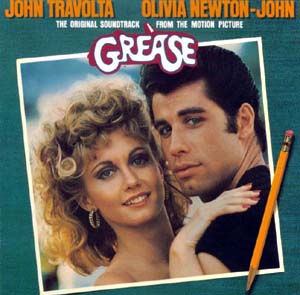
Soundtrack for Grease
I Wore My Album Out

I loved the movie Grease when I was a teenager. My cherished movie soundtrack album wore out, as needle tracks embedded themselves deeper into the shiny, black vinyl. I even played Olivia Newton John’s part as Sandy, in a condensed version with my high school mates.

In the privacy of my bedroom, and a handful of times on the stage, I belted out Sandy’s song of undying love for Danny, Hopelessly Devoted to You. With adoration pulsing through my vocal chords, I too, felt the passion of forever romance.

And today, that’s how I want to feel about Jesus. I want my heart to thump with anticipation every time I hear His voice, smell His scent, brush against His presence, taste His goodness, and see His glory. Though I tremble when I’m near Him, I want to wildly, passionately, and bravely chase after Him for more.

Sandy & Danny at Sunset - Grease
This is my Hopelessly Devotional

Like Sandy in the movie, I ultimately want to transform myself, so at the end, I look more like Him, and less like me. I want my devotion to shine from the inside out, so the whole world knows, I am hopelessly devoted to Him.

Today, I probably wouldn’t watch Grease if it weren’t for nostalgia. As I’ve grown in my desire to please God, I realize there are parts of the movie that don’t honor Him. But when I do allow myself to indulge, I see nuances explaining my draw to the magic of Grease, way back when. The same nuances draw me to intimacy with Jesus. I am hopelessly devoted.

But what exactly does devote mean? According to one dictionary, it’s defined this way. To give all or a large part of one’s time or resources to (a person, activity, or cause). 

This definition makes me pause. Am I giving all or a large part of my time or resources to Christ? Am I offering Him the best of my energy, talents, and love?

Often I think I do, I want to, but deep down, I know I fall short of an active, hope-infused devotion. My vocal cords aren’t pulsing with passion, the way they should.

Danny & Sandy -- Grease
Flying into Forever Romance

Thankfully, Jesus isn’t as fickle as John Travolta, when he played Danny in Grease. Christ is not impacted by peer pressure. He cares little about my outward appearance. His interest in me isn’t self-serving. He loves me enough for both of us. His desire is to meet me in the clouds, where He and I will truly fly away into our forever romance.

As I write this, I can close my eyes, and see us. Jesus and me, in a magical moment, strolling through heaven.

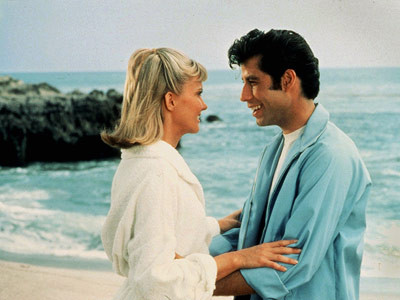
Danny & Sandy on the Beach, Grease
Hopelessly Devoted to Magical Moments with Jesus

I’ll cling to his arm, lay my head on his shoulder, and breathe deeply of his scent while we walk. He’ll stop and turn, so we’re face-to-face. He’ll lift my chin.

Totally engaged, I’ll get lost in His smiling eyes, while I belt out our song. He will know, I’m Hopelessly Devoted to You.

Is there a special song, movie, or memory that offers a unique vision of your intimate moments with Jesus Christ?

My New Word Focus — Six Weeks Later

Like many others, a few years ago I switched from making resolutions to fixating on a single word focus at the beginning of a new year. All of my words tied to specific passages of Bible scripture, equipping me with a support system for my resolve. And they enhanced my writing, as well as general life choices.

In the past, various encouragements came to mind:

Joy by Anita Brooks
One of my past Word Focuses — JOY

All very positive affirmations. And each one transformed me more into the person I wanted to become.

But this year, I’m compelled to focus on a very different word. Mostly opposite of concentrated efforts in my past. This year, I guess God’s using a little reverse psychology on me. My New Year focus word?

Lazy.

As in, don’t be the wicked and lazy servant who buries her talents. Matthew 25:14-30.

Besides the spiritual application, there are practical applications as well. Especially when it comes to succeeding as a published writer.

  • If I fritter my time away on television, or other useless endeavors, I can’t be about my Father’s business of writing.
  • It takes practice, learning as a good apprentice, to become a professional. 
  • Allowing myself to wallow in tiredness stifles my ability to be a doer, and makes me a dreamer only. (I’ve learned I can talk myself out of being tired, can move around for a few minutes, or even allow myself a short nap to revive. Sometimes, fatigue is a mindset.)
  • A person has to start where they are in order to get where they want to go.
  • I only get so many seconds, minutes, hours, days, weeks, and months in a year, and wasting them will only leave me discouraged, guilty, and depressed. This can spin me into a hamster wheel of failure.
  • Publishers don’t like working with lazy writers.
  • Being lazy with my marketing means missed opportunities to get my message into the world.
  • Building a writing career takes time, energy, and persistence. Laziness steals momentum from what we’ve invested thus far.
Anita Brooks Ready to Write
Crawling Into My Writing Cave

The reason I’m writing about this now, versus week one or January 1, is I know myself. Often, about six weeks into a focus of this nature, I start getting lax, allowing apathy to override my renewed concentration on a specific act. I need something to propel me into my Writing Cave.

So this post isn’t just about you, although I certainly hope it encourages you to revisit your resolution or New Year’s focus, but it’s also about me. I’m creating a tickler for myself, to help me avoid the pitfall of so easily forgetting the promise I made to me, before God.

Ecclesiastes 5:5 says, “It is better not to make a vow than to make one and not fulfill it.” A resolution or word focus is a vow you make to yourself.

I’m not saying this to make anyone, including myself, feel guilty. But I can’t ignore the truth of the statement, and the reminder that I need to do a better job of acting on my God-given ability and opportunity. After all, a lazy attitude toward learning new things, or accepting new challenges, will make me stagnate.

Anita Brooks, Dare to LiveAs the tagline on my website says, “It’s Never Too Late for a Fresh Start with Fresh Faith.” I believe it, and I live by it.

So this year, my focus is on the word lazy — something I hope to learn to live without. Each day dawns bright with new hope, and each moment burns deep with opportunity.

What have you resolved? How are you doing in your renewed efforts?

The Jealous Writer

Are You a Smart Writer?

Confession time. I have a problem with writer jealousy. It’s not a serious case, but enough that it requires energy and effort to keep it at bay.

As a child, I was known as The Smart One. But like most who want what they don’t have, I preferred any of these titles, The Cute One, The Funny One, or The Sweet OneAlas, I wasn’t gifted with any of those labels. And I allowed my thoughts over what I wasn’t to overshadow the gift of who I was.

As a woman, I know discontent. Over my hair color, body shape, shoe size, and the shade of my eyes. Insecurity reeks a crushing blow to productive energy. I’d love to recapture the minutes and hours of my youth, spent on wishing I looked more like someone else. I could reinvest my lost time in doing something meaningful.

Are You a Funny Writer?

As a professional author, I too battle the green-eyed monster. When I read an eloquent beauty, a humorous author, a sweet wordsmith, or a creative powerhouse, I often wish I wrote like them. I tremble in the shadows of a thick plot, riddled with mystery, nuances, and intrigue. I covet the ability to paint rich landscapes, where every small touch blends to perfection. I feel sad that I can’t make readers belly laugh like my hysterical peers. My heart’s desire is to embellish dialogue with verbs so strong that the reader forgets where they are as soon as they climb into the story. 

Are You a Sweet Writer?

But there’s hope for a jealous writer like me. 

  • Through age, I’ve learned it’s okay to be me, as designed by God. The child in me couldn’t see the benefit of my unique outlook on things. But now I know if the building’s burning down, pretty, funny, and sweet won’t get you out.
  • Through maturity, I’m learning to appreciate my gifts. I am who I am, and so are the irrevocable qualities others see in me.
  • I’m a serious student by nature, and can’t help sharing God-inspired knowledge and wisdom. Like a sponge, I absorb and release.

    Are You a Cute Writer?
    Are You a Cute Writer?

I don’t know if I’ll ever get past reading a hilarious story, and wishing I could write like its author. But I resolve to remember that just as an arm can’t do an ear’s job, neither can I write what someone else is called to. I may always long to write a great novel, but not until I finish the current race set before me.

Jealous writers who allow themselves to wallow won’t have time or energy to produce their own good work. I am a professional, aged-to-perfection, mature author. This is how I choose to focus my thoughts, so I can create the projects I’m uniquely qualified for. After all, if I don’t write them, who will?

Do you ever struggle with writer’s jealousy?

Write From the Truth of Who You Are
Write From the Truth of How You are Wired

The Platform Builder

This single word has the power to kill or kindle a writer’s career. Platform. The term cripples a lot of would-be authors, so their messages and stories never go any further than their minds.

Anita Brooks -- Building a Platform
The Platform Builder — Creates Opportunity One Step at a Time

But a lack of platform mustn’t stop you from writing. If you don’t have a platform, or any idea of where to begin, help is available. All you have to do is ask.

The secret to a strong platform doesn’t lie in desperately trying to nail interviews, endorsements, speaking gigs, or social media fame. A solid marketing foundation requires a balance of pieces, fitted together in time, with patience and supervision.

Teaming up with a savvy Supervisor, someone who oversees the methodology behind building momentum for your message, can set you apart. Someone who works with the design, who schedules the work crew, and takes the worry out of the process. A Leader you can confidently partner with.

I found my Master Platform Builder in the Bible.

His watchful eye keeps creations moving in the right direction.

Without Him, I can wear myself out, hoping to grow my writing endeavors into something bigger than I am. Psalm 127:1-2 says it best:

Unless the Lord builds the house,
the builders labor in vain.
Unless the Lord watches over the city,
the guards stand watch in vain.
In vain you rise early
and stay up late,
toiling for food to eat—
for he grants sleep to those he loves.

In Control -- Anita Brooks
Relinquishing Control to The Platform Builder

Recently, I realized I hadn’t fully submitted my own messages to the guidance of The Platform Builder. And I’m striving to do something about it. Here are a few ways I’m following His direction, as I bend my will, so he can create a unique marketing stage for my work:

  • Start each day asking the Lord to build where I can’t, and to show me where I should invest my energy.
  • Keep good notes as ideas come throughout the day. Create a goal list spurred from this basis.
  • Take courage and stand true to my beliefs, in written word, and in spoken interactions with those I meet along the way. 
  • Implement at least one action item each day geared toward helping The Builder make my goals become reality.
  • Don’t be afraid to reach out. If God is for me, no one can be against. Rejection simply means there’s more to do.
  • Praise God in advance, before results of hard work are evident.
  • Maintain my platform with regular upkeep. Consult my Supervisor to ensure there are no loose boards, bent nails, or weak trusses.
  • Resolve to remain humble and helpful to others when good things do happen. After all, this calling isn’t all about me, it’s all about Him. 

Anita Brooks -- Pages in BooksGod owns every nuance necessary to create otherwise unimaginable opportunities. Amazing things happen when we submit our will to the expertise of The Platform Builder. He is the author of holy introductions, miraculous occurrences, and creative inspirations. He owns everything a writer needs to succeed at screen sharing.

What incredible pieces has The Platform Builder provided for your writing?