Top 3 Ways Launching a Book is Like Birthing a Baby!

As you may have deduced from the heading, I’ve recently given birth to a new book baby. This is a little list I put together to celebrate the arrival of Heart Wide Open. It will bring you smack dab into my world.

It hit me when I was heavy with this last literary child. Launching a book feels a lot like birthing a baby. I’ve done both. Granted, it’s been a while since I birthed my human offspring but that’s not something a girl forgets. Drawing on those delightful memories, I give you:

TOP THREE WAYS LAUNCHING A BOOK IS LIKE BIRTHING A BABY

stork2-1024x732

Number 3. When it comes time to have a book/baby, you will be thrilled because you have made it to the big day without inflicting pain on the people who use their outside voices inside to inquire, “When on earth is that book/baby of yours coming out anyway?” (The temptation to use violence will be strongest when the question is asked as if you don’t want to share your little bundle of joy with the world but are keeping him/her/it all to yourself in a fit of spite.)

Number 2. When it comes time to have a book/baby you may find yourself in a phenomena called “nesting”. It’s a sudden urge to tidy up the place before you hit the road. If you are a southern belle, this can probably be attributed to the indoctrination you received from your southern mama. She who has likely spent years warning that if you should die in a traffic accident or, heaven forbid, be knocked in the back of the head by someone up to no good while you’re walking into your hotel room, knows the whole world would then find your house in disarray. (If you are a well-raised southern girl, you will not mention to her that should you die, you would never know if someone found your dust-bunnies or not.)

And the Number 1 way launching a book is like birthing a baby–

When it comes time to have a book/baby, you may have all sorts of well-laid plans about the launch and you may have made all sorts of vows to yourself as to how you’re going to handle the details/promotion/heavy labor with grace and aplomb. Warning: These intentions might fall like a house of cards and you will wonder if and when you can have anesthesia.

I thought of more earlier, but the baby is here and she and I need our rest. I will be asleep in .02 seconds but do leave me a note. I’ll be sure and get back to you because your comments are very important to us. (Sounding like an automated recording is yet another sign that the details are getting to you.)

Happy Writing, friends.

Hugs, Shellie

Now tell me, what similarities have I missed?

The Juggling Act of Marketing While You Write

I learned a lot from the publication and release of my first bookInstead of dwelling on what I did wrong or inefficiently, I’m focusing on improving those areas when Getting Through What You Can’t Get Over releases in April, 2015 via Barbour Publishing.

Authors on Facebook
Mention Tiny Excerpts from Your Work in Progress

For instance, while writing my first release, if I had known then what I know now, I wouldn’t have held my enthusiasm back. I would have let my natural flow of excitement transfer into some of my Tweets, Facebook posts, LinkedIn shares, and Pinterest pins. I wouldn’t have sold to people, but would have offered a few teasers, a new sentence, a punchy line taken from my project, while I was writing it, getting people interested early. Word of mouth is still the best marketing vehicle around.

I would have blogged about the process more. (Something I just started doing on my Writing Wednesday posts.)

Authors on YouTube
Open Yourself Up to Your Audience with YouTube Videos

I would have posted a few videos on YouTube about struggles, victories, disappointments, encouragements, life interruptions, cave-dwellings, along with other writing downs and ups. Adding more visual author media to marketing efforts enhances the experience for readers. This allows audiences to read tone of voice, facial expressions, and body language, as well as words.

I would have listened to Michael Hyatt’s fantastic audio series, Get Published!, while I was writing, not shortly after my book released. Then I would have acted on many of his insider suggestions.

While I juggle writing, marketing my current book, pre-release marketing for my new one, family, friends, speaking, coaching, and the occasional unexpected crisis, I’m also celebrating a few things I did right on the first go around.

Michael Hyatt's Get Published
I Highly Suggest This Audio Series for Publishing and Marketing

I made new connections, and built some solid and life-long relationships with people who can benefit my writing career, but more importantly, are now my friends. We help each other, encourage, pray, and genuinely care about what happens to each other, more than we care about what happens with our careers.

I proved myself capable as a professional writer and marketer. Building credibility and practicing integrity at the foundation of your career provides a solid footing to propel you forward as you move ahead with new books, articles, and posts. I see myself as a slow and steady author, who will win the race through consistency and solid growth. I’d rather experience longevity, versus a fast start that sputters in a flash.

I made some marketing mistakes, but didn’t let them become catalysts for giving up. Instead, I evaluated where things fell apart, and used those insights to make informed decisions and new plans. Some things I need to cut out completely, but most only require a few tweaks, and my updated marketing plans will prove more profitable.

Believe GodBut the most powerful thing I did right the first time, and am continuing to do now, is this: I am not leaning on my own understanding. Instead, I am asking God where to invest my talents. Who are the readers? Where should I market? What is the best use of my energy? When should I time marketing efforts? How should I balance the juggling act of marketing while I write?

In the end, none of us knows the perfect marketing plan. But, those who succeed exhibit similar qualities. Guts, consistency, resolve, humility, a teachable spirit, listening ears, watching eyes, and a quitting-is-not-an-option determination. No matter how much juggling is required.

What do you know now that you didn’t know before about marketing?

Six Subtle Ways to Increase Tension in Your Writing

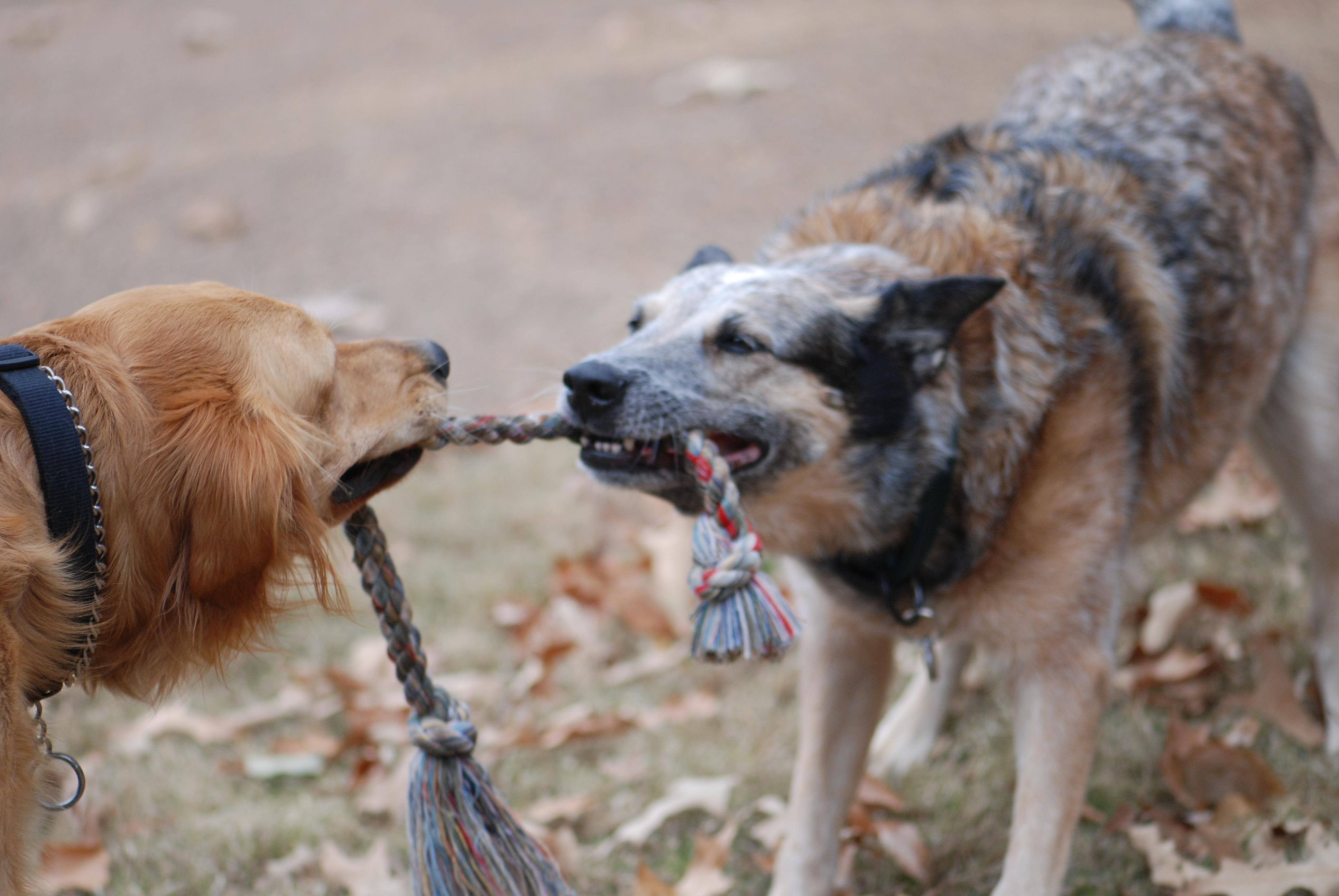
If tug of waryou’ve studied the craft of writing for long, you know about tension. I’m assuming you’ve got adequate conflict in your story, that your characters have inner and outer stakes that are deeply personal, and that your story keeps the resolution out of reach until the last chapter.

But there are more subtle ways to keep tension in your work as well. Sometimes all it takes is an added word or a deleted sentence.  

What to Put into Your Story:

1) Increase the volume. This is a term from agent and writer Donald Maass. With a single motion, word, or metaphor, you can make your scene more dramatic. Even a mundane task like packing becomes more important when the character does it with a slow hand or a furtive glance out the window. The reader experiences the character’s conflict over leaving right along with her. Linda Nichols in At the Scent of Water describes her character’s old grief as a wild animal prowling in its cage. That one metaphor revises ordinary grief into perilous grief.

2) Break a victory into several steps. Suzanne Collins is a master at this. Katniss in The Hunger Games doesn’t destroy the careers’ food stash in one quick movement. She works out that it must be done, she distracts the guards from the food, she puzzles out how to destroy it, and then does it not with one arrow, but with three separate shots. The reader is left breathless as she tries to solve the dilemma with Katniss and as the dangerous action is drawn out, page by page, step by step.

3) Write a scene that underscores the character’s arc. After you’ve written your first draft and have done some editing, you now have a richer understanding of what drives your character and what holds him back. Write a fresh scene that encapsulates this as no other scene has. It may just be one of your most powerful scenes, because it will demonstrate your deeper understanding of the tension between your stakes and your conflict.

What to Leave out of Your Story:

1) Don’t use inner dialogue that hints at what your character will do next. My critique partner, Christine Lindsay, in her upcoming novel Veiled at Midnight, wrote a scene in which her character realizes that what happens next is up to her and God alone, so when she changes course it’s no surprise to the reader. When Christine rewrote it, she dropped the inner dialogue. The character without any preamble looks at the man pointing a rifle at the stranger, places her hand on the gun, and lowers it. Because all of the drama is concentrated in the action, it’s startling to the reader and the scene has more impact.

2) Don’t repeat yourself. It’s so tempting. You want the reader to understand your character’s predicament, so you put clues into their dialogue, their actions, their inner thoughts, maybe even in other characters’ thoughts about them. Don’t do it. It slows the story down and reduces the tension. Trust your reader to get it the first time.  

3) Don’t always have characters say what they mean. Have your characters intentionally misdirect dialogue, respond to an unspoken question rather than the spoken one, or let physical cues do the talking for them. It’s called subtexting. When the reader sees that the character has something to hide or that something deeper is going on than the actual words convey, their attention perks up.

I Wish I Could Google God

Photo/KarenJordanIf only I could “google” God for answers to life’s problems. Then, I could just type a question and get one right answer—the Truth.

As a writer, I don’t always come up with the best questions to ask to find the solutions I need. And at times, I don’t know what to pray when I’m burdened by life challenges.

So, I wish I could enter a word or phrase into my Internet search engine, trusting that God would grant me the exact direction I needed.

As I share in my family’s struggle with their painful issues, I don’t even pretend to know how to help them manage their lives. How can I intercede for someone else, when I don’t know how to pray about my own problems?

Many days, I can’t even express the concerns of my heart. But I’ve discovered some powerful promises in the Bible that help me navigate through the turbulent waters of my worry life.

How can we find rest from our stressful lives?

… Jesus said, “Come to me, all of you who are weary and carry heavy burdens, and I will give you rest. Take my yoke upon you. Let me teach you, because I am humble and gentle at heart, and you will find rest for your souls. For my yoke is easy to bear, and the burden I give you is light.” (Matt. 11:28-30 NLT)

 How can we know that God hears our prayers?

 And we are confident that he hears us whenever we ask for anything that pleases him. And since we know he hears us when we make our requests, we also know that he will give us what we ask for. (1 John 5:15)

What if we don’t know what to pray?

 … the Holy Spirit helps us in our weakness. For example, we don’t know what God wants us to pray for. But the Holy Spirit prays for us with groanings that cannot be expressed in words. And the Father who knows all hearts knows what the Spirit is saying, for the Spirit pleads for us believers in harmony with God’s own will. (Rom. 8:26-27)

What if you don’t believe that you can hear from God? God’s Word answers, “My sheep listen to my voice; I know them, and they follow me … ” (John 10:25 NIV).

What are you worried about today? Philippians 4:6 encourages us, “Don’t fret or worry. Instead of worrying, pray. Let petitions and praises shape your worries into prayers, letting God know your concerns” (MSG).

I still wrestle with how and what to pray at times. I am thankful for the recorded Word of God. It serves as a lifeboat that I can rely on when unexpected storms roll in, or when I need to pray for others who are drowning in their ocean of worries.

Father, we need you, but we don’t know what to say.
Thank You for Your Spirit, Who guides us when we pray.
Holy Spirit, intercede—You alone know our needs. Amen.

Will you share a promise from God’s Word that has helped you find direction?

Training Your Writing Life

056A new puppy joined our family a year ago.

Yes, he was that cute. All puppy smells and fuzzy bums and soft little pads on his feet.

Such a baby! He could hardly run in a straight line back then. He kind of hopped and flailed with his feet, and somehow he made progress.

040

There were a lot of other things he had to learn.

Like going outside to do his business.

And how to get along with the big dog.

And how to play with the cat.


026But he learned all of those things (although he still makes mistakes).

As he reached the ripe old age of ten months, things got interesting. That’s the adolescent age for dogs. He lost all brain power and forgot everything he had ever learned.

29

The rest of the family was ready to give up on him.

But patience and consistency are the keys.

My writing life is much like training a new puppy. Is yours?

Do you sometimes feel like you can’t do the basic things like write a sentence, or come up with a verb other than “was”?

And then there are the “big dogs.” Those multi-published authors can be pretty intimidating sometimes, no matter how nice they are. And whose heart doesn’t start beating faster when you see your agent’s name in your email inbox? Or when the phone rings and you don’t recognize the number?

Have you learned to play with the “cats” in your writing life? You know – your peers who are traveling this same trail with you. Have you made friends, or are you friendly rivals? We’re all in this together, and it’s good when a friend has your back.

001

Or have you passed that beginning learning stage, and are now in the throes of your writing adolescence? Sometimes I feel like my brain has forgotten how to write.

But I keep telling myself, just like with the dogs, and with my children as they were growing, my writing life is growing, too. It needs patient training and consistent discipline.

Without it, I’ll never get past the flailing puppy legs stage!

Here are the steps I’m taking:

1) A dedicated writing time every day. It’s like punching a time clock. I write from 10:00 to noon, and then from 12:30 to 3:00.

2)  A dedicated writing place. My desk is in a corner of the family room, with a view of the creek that runs behind our house. This time of year, birdsong accompanies my writing music.

3) I stay in contact with friends who are ahead of me on the trail, and can encourage me along the way. I also stay in contact with friends who are just starting out on their own writing journey, encouraging them and sharing with them what I’ve learned.

4) I take chances. I try to market myself, even though I dread talking to strangers. I try to write stories that stretch me as a writer and as a person.

 What steps are you taking to help yourself grow beyond the puppy stage of your writing?

006

Marketing Lessons From My Dog

bulldog wearing eyeglasses sleeping over a good novelAlthough my dog knows nothing about online social media, she is a rich inspiration for me when it comes to marketing. Here are the lessons I’m learning from her as I spend this season promoting my humorous memoir, Saved by Gracie, about my life with a four-pawed family member.

1. Persistence pays off. Gracie gets a fresh whiff of ground squirrel in one of the numerous holes in the hillside we walk every day, and for the next three days, she smashes her big nose into that same hole when we pass by. By the fourth day, she tries another approach and begins digging furiously to find the critter she knows is somewhere down there. So far, no squirrel, but she’s produced a mound of fresh dirt to play with. My take-away: keep working a lead until you get what you’re after, or until your work yields other opportunities. It worked for me last week: after a month of trying to get some events press from the alumni office of my alma mater, I tried another approach – I contacted the university’s social media manager, who offered to post and share my events. I knew there was help somewhere, and I found it! And now I have a productive contact in my resource file for future reference. Opossum22. Instead of dancing around an idea, grab it and run with it. Gracie finds an opossum on the edge of our backyard and circles, unsure what to do with it. I try to get her away from the furry ball, but we continue to dance around it until she finally snatches it up in her mouth and tears off for the front yard. She drops it along the way, I snag her collar, and take her into the house. Gracie is unharmed, and the opossum wanders back into the woods. My take-away: be bold and see what develops. I always wondered if there was value in an author book tour, so I decided to put one together myself for Saved by Gracie. It forced me to reach out to new venues and contacts in places I’d never approached, expanding my network of resources and readers. And since I traveled to places where I have family, I got free housing and a chance to visit, too. More importantly, I’ve learned the details that go into a book tour, creating a template for the next time around. (And the book tour didn’t bite me, either.) CC Cookie and Gracie 0533. Take a break. Gracie takes a nap after our morning jog, but by afternoon, she’s eager to go back outside and do it again. My take-away: recharging is just as important as working hard. Like many authors, my to-do lists are long and ever-growing. I have to make myself take breaks, but when I find myself away from my lists, my mind runs free, generating fresh ideas and perspectives. By the time I’m back at work, I’ve got new creative energy to pour into my projects. Which leads me to conclude that whoever said “you can’t teach an old dog new tricks” clearly wasn’t an author. Or at least, not one who sold books…

5 Things the Theater Taught Me About Writing

OLYMPUS DIGITAL CAMERAThe smell of popcorn takes me back…backstage, that is. From 1998 to 2007, my husband and I, along with several other talented individuals, performed thousands of shows to enthusiastic crowds in two small-town Texas theaters. The experience taught me enduring lessons about creativity, professionalism, and making a living through the arts. These tenets apply to your writing life and other creative endeavors, as well. Here are five things the theater taught me about writing, in no particular order:

1. Word of mouth is the best publicity

Our audiences, though small, were passionate. We provided quality entertainment and our most ardent supporters talked about us…a lot. They brought groups, gave their friends tickets, and sometimes drove hours to see us. Though we bought print ads, paid a few publicists, and had a large email newsletter, the theater’s best advertisement was—without a doubt—word of mouth. 

It’s the same with promoting your writing. Today’s readers are consumers, just as our season ticket holders were. They long for quality and consistency. They’re busy, and they need a reason to keep reading past the first few lines. And when they are delighted by what they’ve read? They’re the most loyal, vocal folks around. Because we live in an instant-communication society, bad word-of-mouth spreads fast. Make sure your writing product is stellar, and great publicity will follow.

2. Give the audience what they want

One of the owners of the first theater in which I performed often said, “Give ‘em hamburgers!” He meant that we shouldn’t mess with success. If tickets sold quickly for a 1950s music revue, we wrote another similar show. Of course, we also experimented and pushed boundaries (otherwise, all of us would have grown bored). However, we changed our product in small increments. We also created special experiences—behind-the-scenes tours, holiday packages, giveaways—for avid supporters. Cast members even called our VIPs (those folks who came to the theater over and over) on their birthdays and anniversaries, which the VIPs greatly appreciated.

In your writing, think about creating a memorable experience for the reader. How can you provide extra value (giveaways, incentives, free resources) in a professional, winsome file3691295046962manner? In what ways could you creatively and tangibly thank those who willingly support you and talk about your books?

3. Leave your ego at home

Most of the performers I worked with over the years have been gracious, humble, and diligent. A few, however, turned me off with their arrogance, over-the-top demands, or lack of discretion. The most successful artists, long term, are those who go out of their way to thank people and who treat the sound technician as well as the venue’s owner. Those are the performers who are offered more opportunities.

Ask yourself: am I approachable, warm, and thankful for the opportunities life has given me? Or I am on a mission to impress everyone I meet, in order to “build my brand”?

4. There are no small parts, only small actors

So said Constantin Stanislavski. When you perform a small role with professionalism and excellence, the people in charge notice–and they’ll eventually give you more responsibility.

The same goes for becoming a better writer. If an editor asks for a 400-word piece, I’ve learned to take it seriously and do my best work. In this age of instant access, anyone can read your work at any time, from anywhere. Who knows what small beginnings might lead to larger opportunities?

And, finally, in related wisdom…

5. Know when to stop

On stage and in writing, creatives need to develop an important skill: how to bring a something to a close. In the theater, we say that last line, spin on our heels, and exit, stage left. In writing, we find the right moment, the right phrase, the right word, and that’s it. The end.

This post is a reprint from Tweetspeak Poetry.

Is God Talking to Me?

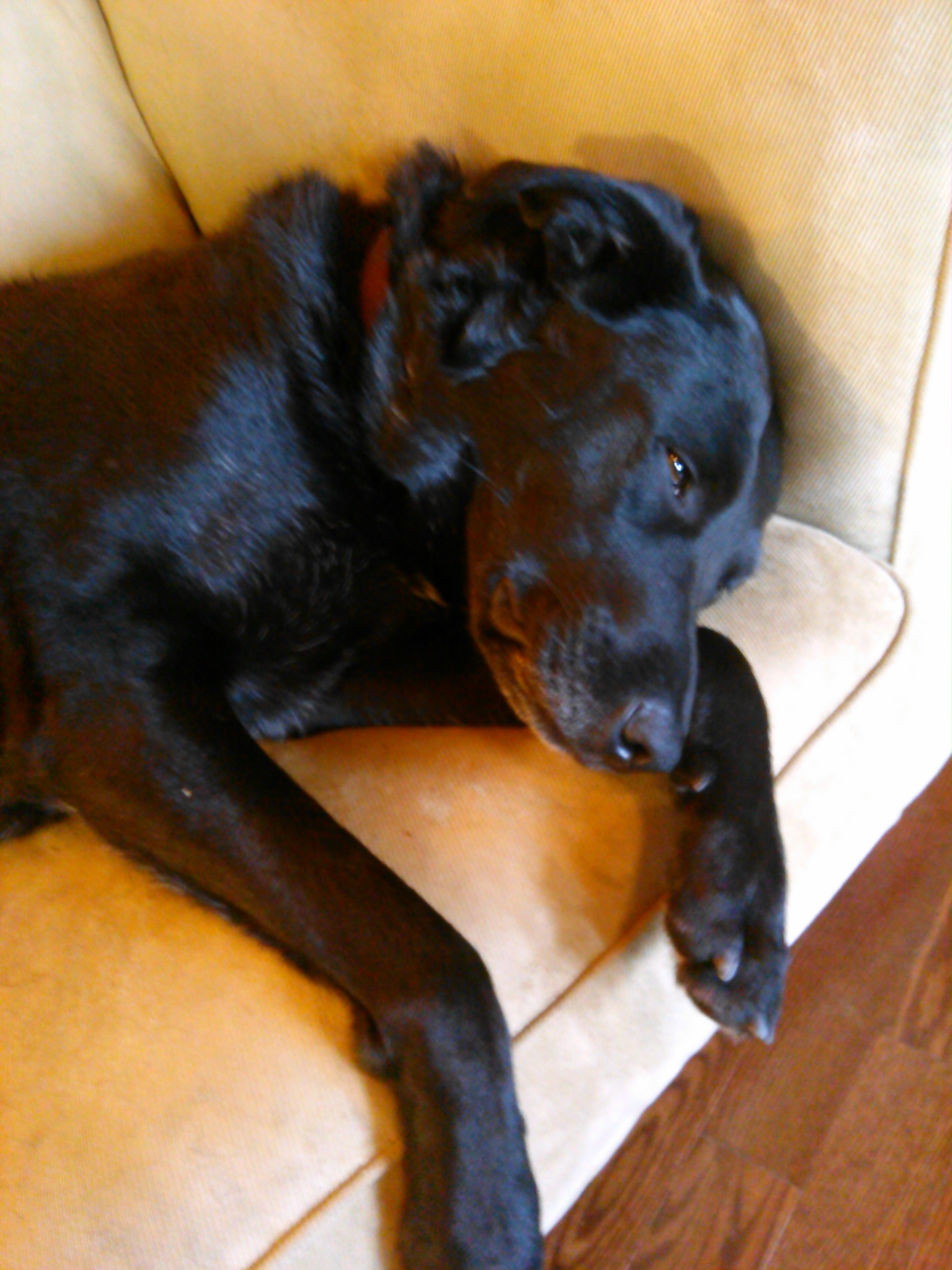
DogAs Christian authors, we often view our books as a way to get God’s Word out in a non-threatening manner. Novels are easier to hand to someone than a Bible and generally an easier way to start a conversation.

However, two recent events are causing me to change my view on that a little. Recently, my minister said that when he’s working on a sermon series, the subject matter is usually something he’s struggling with—something God is trying to teach him.

I had the good fortune to hear Ted Dekker speak during his Outlaw Tour down in Colorado Springs. A big theme of his talk was that his struggles as a Christian come out in his books. His questions about faith. Those uneasy issues that we all contemplate. Is God real? Is He who He says He is? Is there really a Heaven? Is my belief in Christ truly enough?

Perhaps we as authors are actually working through our own issues and the collateral benefit is that we’re frequently able to help other people.

But surely my writing isn’t just about me. It can’t be because my spiritual life is all figured out . . .

I began to think through the books I’d written and the ones I was planning on writing. There were some consistent themes. Truly believing in God’s sacrificial love. Letting God take control. Being submissive to His will for our lives.

If I look honestly at these themes, they are what I struggle with the most. A God . . . people . . . the Lord of the Universe dying one of the most painful deaths ever . . . for me. My heart usually reconciles this easily but my intellectual side waivers occasionally. This is what I believe?

And sometimes with a big gulp . . . I whisper yes.

I’m a control freak by nature. It lends to the job I do every day. As an ER nurse it is expected of me to bring control to chaos. I am stubborn and independent—which is the nature of two out of three of my heroines. They’d rather fix it themselves than reach out for help and yet, when circumstances become insurmountable, they must reach out to survive.

Isn’t this how it is with us? Maybe it is just me and all of you are very good at relinquishing control. If so, please let me in on your tips.

As we write these stories, maybe what we need to do first is read our stories with ourselves in mind and hear what God is trying to say to that person we see in the mirror.

This post first appeared at the ACFW blog. Hope you’ll check it out.