
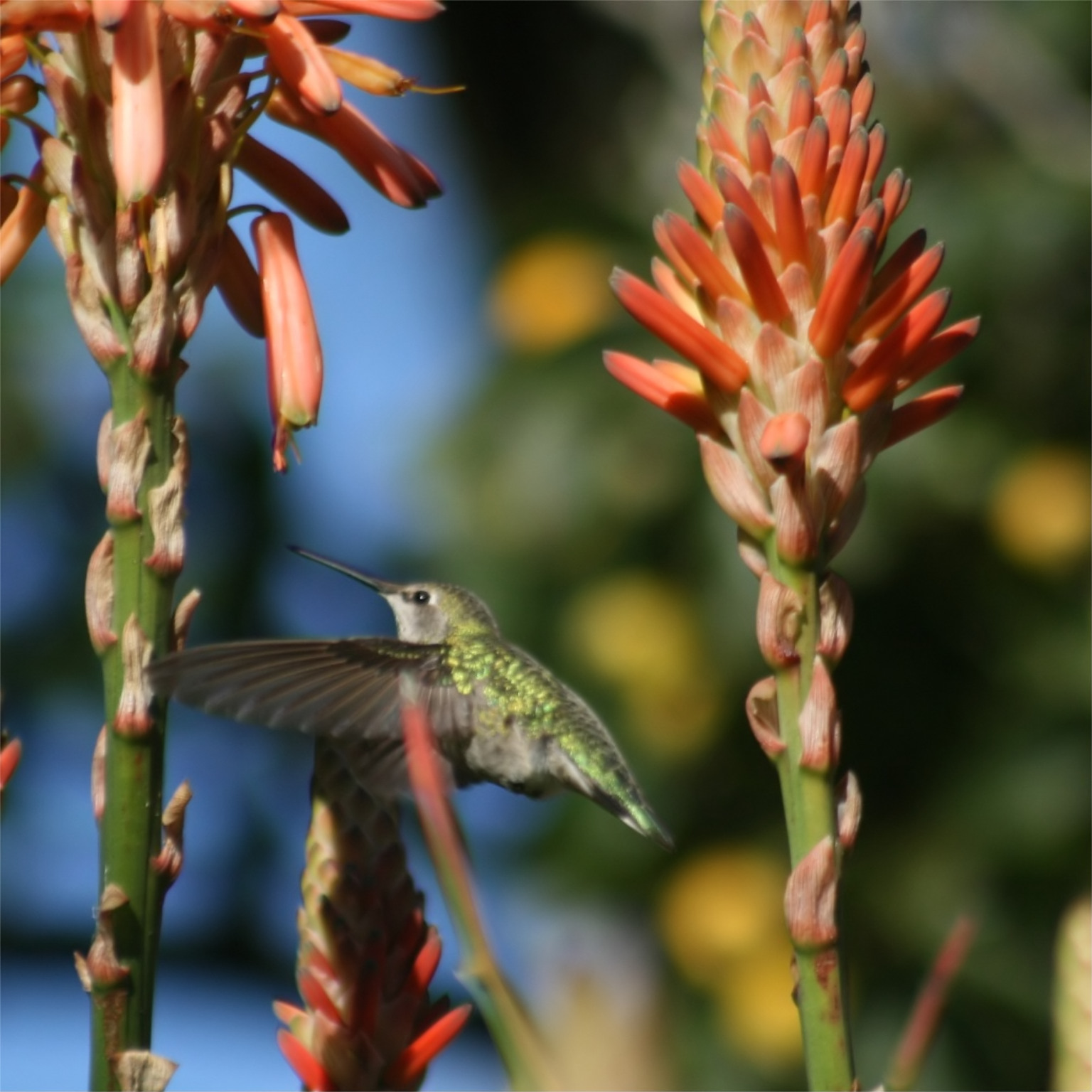
 This Fourth of July, I watched the fireworks from the exotically landscaped grounds of a ritzy Malibu mansion overlooking Santa Monica Bay. I was admiring an Anna’s hummingbird perched in a tree that could have been invented by Dr. Suess when a beautiful woman I’d never met before came up to me to find out how to get her children’s books published.
“They rhyme,” she told me. She had written them together with her three children, whom she homeschooled.
She seemed sweet, one of those amazing moms who can take charge of all children present (in this case, at least twenty of them)—supervising them in the pool, sunscreening them on a schedule only she knew about, braiding hair to keep it out of faces, correcting their behavior toward one another, taking one to the bathroom, moving them en masse to the trampoline, seeing to it every last picky eater among them got something to eat, keeping track of the dog—and all the while initiate and maintain extended conversations with various of the adults present.
“Well,” I said. “I don’t have any experience whatsoever in children’s books. I write nonfiction for adults.”
“Yeah, but I heard you write, um, like, spiritual books.”
I nodded.
“And they’re published, aren’t they? So they’re, you know, regular books, right? Like, you can buy them in bookstores? I mean, publishing is publishing, isn’t it?”
It intrigued me that she was seeking my advice at all. I was such an oddity at that party. Visiting from Oklahoma. Not rich. The only woman present with grey hair. Not at all the sort of person someone like her would go to for advice about anything—except maybe birdwatching. I seemed to be the only one at the party paying attention to the magnificent hummingbirds and house finches and hawks whooshing around us.
But she was right, I guessed. Publishing is publishing. I recommended she get the latest edition of Writer’s Market.
“Did that already,” she said.
“And I think I’ve seen a special Writer’s Market just for kids’ books.”
“Got that too. Read it cover to cover.”
“Then you know what to do. Write a proposal that has all the parts they ask for and send it out to agents listed in the book who represent the sort of thing you’ve written.”
“You mean a query letter?”
“Yes, that too. I mean, for publishing adult nonfiction, you’d need a book proposal, but maybe with kids’ books you can get everything you need to say said in your query letter. Send it to agents who seem in the same place professionally as you are—that is, just beginning your career as a writer.”
“But don’t I need to copyright my stuff first? I mean, they could just steal my ideas.”
I said I didn’t think copyrighting was necessary. Why would an agent want to steal her ideas? “Agents make money from selling your book to publishers,” I told her, “not by stealing ideas and writing books of their own. They get fifteen percent of whatever you make. They want you to make money.”
She seemed unconvinced.
“Well,” I said, “Just do whatever it says to do in your children’s Writer’s Market.”
“I did all that,” she said. “So what do I do now?”
“You wait to hear back. And then, if you don’t get any takers, you revise and do it all again with another list of agents. If your stuff is good, eventually you’ll find someone who wants to represent you.”
“But how long should I wait? I mean, it’s been a few weeks already. Isn’t there anything else I can do?” This woman was a doer. As we spoke, she was rearranging the bowls of dips and crudités that the pool-wet children had left in disarray.
“No,” I told her. “Just write. Revise. Submit. And wait. That’s all I know about how to get published. Unless it’s different with children’s books. Which I’m guessing it isn’t. I mean, publishing is publishing, right?”
So what do you think? Is all publishing the same? If it’s different, how is it different? If it is the same, how is it the same?
 WordServe Water Cooler