What I Learned from Writing a Book in Nine Days

Ghostwriter I tackled something for the first time this year — a ghostwriting project. I must admit, it feels odd to have penned an entire body of work that very few people will ever know I am associated with. The crazier part? I wrote the entire first draft in nine days. Nine. Days!

This is not something I recommend, nor do I wish to attempt another nine-day writing project again. However, I learned some interesting things by writing a book in less than ten days.

  • I am capable of writing from anywhere. But after being sequestered in another state, without the security of my own tools in my own space, I now have a greater appreciation for my happy writing place.
  • Without realizing it happened, I had taken the ability to write for granted. But after working with a person who had a great concept without the skills to communicate it clearly, I was reminded how much other people struggle with words. Even stringing simple sentences together is overwhelming for many.
  • What felt like a nearly impossible deadline improved my writing by stretching me beyond my comfort zone. I had to free-write, lack of time left me no choice.
  • You know that writing exercise? Where you imagine someone holding a gun to your head in order to force you to write, motivating you to action? The right paycheck can inspire breakthrough writing as well.
  • I like to think that what I do is not solely an ego-driven practice. But someone else taking credit for the effort, energy, and creative inflections I put into a project? Eek! However, I discovered I am capable of putting myself aside for the greater good of an excellent message.
  • A lot of daily interruptions are truly unnecessary, and when I temporarily focused only on what was essential, it taught me what I could and should cut out of my life permanently.
  • There isn’t enough coffee on this planet to fully overcome the effect of five hours or less of sleep a night. Actually, hot lemon water is much more energizing and mind clearing.
  • Bathing, hair washing, and fresh clothes are niceties but not necessities when you are in the throes of an intense time-sensitive project.
  • Food delivery is my friend. Disposable eating utensils are a life saver.
  • I can now add ghostwriter to my resume.
  • I’ve come a long way in my writing journey, baby. Practice hasn’t made me perfect, (nor will it), but it has made me faster and better.
  • I can do all things through Him who gives me strength.

Have you ever written an entire book in ten days or less? If so, how did you accomplish it? Would you do it again?

Preparing for Your Next Book Launch

Past and Future

Whether you are about to launch your second book or your twelfth book, you have a valuable opportunity to learn from your past publishing experience and prepare for future success. Some aspects of your previous book launch may be worth repeating, while others may need enhanced and upgraded. Consider the following ways to learn from the past and prepare for the future in the publishing world:

  1. Your book launch team: Ultimately, your overall book sales will be as good as the people you recruit to your book launch team. Are they passionate about your topic, committed to spreading enthusiasm about your new book, and connected to other potential readers? Send early copies of your book to those who will take the time to read it and write a thoughtful review. To differentiate between those who will politely accept a book but are unlikely to follow through on writing a review or spreading enthusiasm about your book within their circle of influence and those who will help your book succeed, ask yourself if this person has ever reviewed or promoted anyone else’s book before. The people who have an established track record of reading, reviewing, and promoting books will be most likely to do the same for you and your book. Help the marketing director for your book locate thriving publications in which to place ads for your book. These publications should connect with readers interested in your topic and have wide circulation. Try to time the ads to coincide with any articles you are publishing in a given magazine.
  2. Your publicity team: People need to know that your book exists before they can read it, enjoy it, and benefit from it. The people who serve on your publicity team help people learn about your book. Think of your publicity team as comprised of both formal and informal members. Formal members include the group of publicists at your publishing house. They will set up radio interviews, create press releases, and coordinate dissemination of books to potential reviewers. Work closely with these publicists to make sure the opportunities they send your way are a good fit for your overall goals as a writer. Informal members of your publicity team include anyone who can coordinate speaking engagements in the six months leading up to your book release and in the first year following your book release. They also include anyone who helps you design a newsletter or other promotional materials suitable for emailing or for distribution at conferences or bookstore events. As the author, you will need to coordinate the efforts of both formal and informal publicists for maximum impact on book sales. Give everyone enough advanced notice before a speaking engagement or promotional event so that they can do quality work. Your publicists want to help your book get in the hands of readers, but you are the one responsible for increasing your own book sales.

What have you learned from publishing your previous book that can help your new book succeed?

WordServe News October 2017

Happy Halloween! Exciting things have been happening this month at WordServe Literary.

On the final post of each month you’ll find a list of Water Cooler contributors’ recently released books along with a recap of WordServe client news.

New Releases

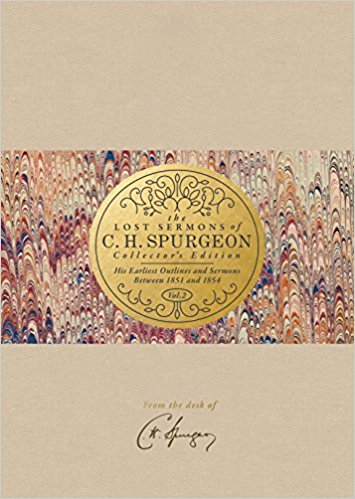
Christian George released Volume II of The Lost Sermons of C. H. SpurgeonPart of a multi-volume set that includes full-color facsimiles, transcriptions, contextual and biographical introductions, and editorial annotations, and written for scholars, pastors, and students alike, The Lost Sermons of C. H. Spurgeon will add approximately 10 percent more material to Spurgeon’s body of literature.

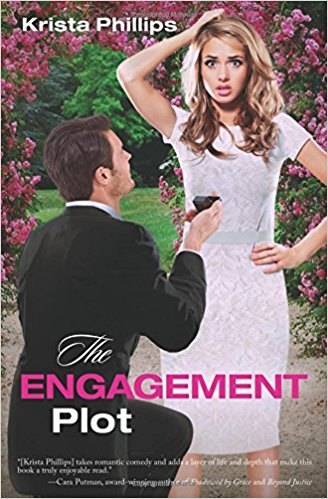
Krista Phillips released The Engagement Plot with Barbour’s Shiloh Run Imprint. Perfect for fans of “The Bachelor,” it follows the story of Hanna and Will after Will shatters Hanna’s heart in front of millions on reality TV. When he shows up on Hanna’s home turf in Minnesota, can she find it in her heart to forgive him?

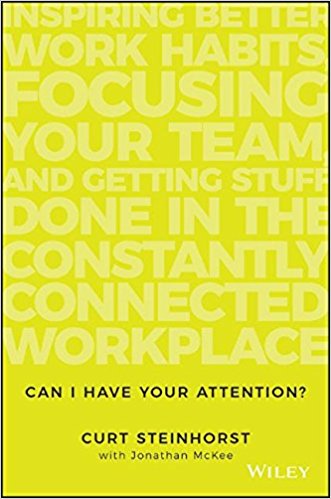
Curt Steinhorst released Can I Have Your Attention?, cowritten with Jonathan McKee. Steinhorst shows business leaders how to cut through the noise and get their employees back to work. Technology has left people spending so much time responding to the interruptions that they’ve lost the ability to focus and do their jobs. Yet, the potential for harnessing the power of your team’s attention has never been greater–if you can capture it.

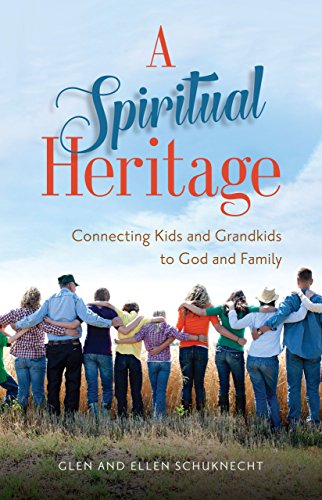
Glenn and Ellen Schuknecht released A Spiritual Heritage with Kregel. In this guide for raising children to be Christ-following adults and parents, through compelling, insightful stories from parents and grandparents who’ve been in the trenches, the Schuknechts demonstrate why that heart-level connection is so crucial in building long-lasting, connected relationships with a foundation of Christ.

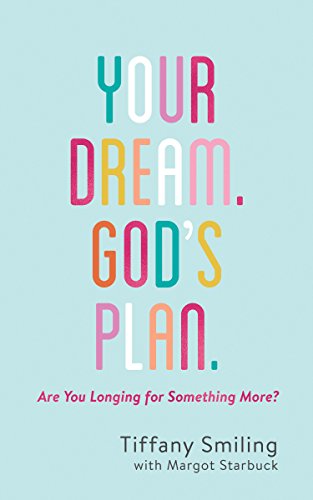
Tiffany Smiling released Your Dream. God’s Plan. Written with Margot Starbuck, it shares Smiling’s story of suffering a stroke in high school that left her paralyzed, and how God convinced her that he could use the broken pieces of her life for a greater plan. It also promises the reader that he has something better in store for you, too–God is writing your amazing story, designed for His glory and your fulfillment.

Joe Wheeler released Christmas in My Heart 26, the latest volume in his long-running series of old-fashioned Christmas stories. Featuring 16 new stories, this anthology offers something for the whole family to enjoy.

New Contracts 

Paul Basden and Jim Johnson signed with Harvest House for the publication of What Do I Tell My Kids About…?, which tackles the toughest topics kids and parents face today and offers wisdom rooted in biblical truths and personal experience to help parents confidently engage their kids in meaningful conversations.

Kathy Berry signed with Kregel for the publication of When Words Fail, a collaboration with Westminster Canterbury Richmond that offers practical information and tools to equip minsters, laypeople, and other members of faith communities to meet the spiritual and pastoral needs of those living with dementia.

Michael and Christopher Ross signed with Harvest House for their next book, “The Kid-Only Guide to Winning in Life.” Packed with faith tips from sports celebrities and written through the eyes of a Christian teen, this tween devotional applies God’s Word to their everyday hangouts: media, gaming, sports, friendships, school, and life on the home front.

Paula Rinehart and Connally Gilliam signed with NavPress for the publication of their book, Exhale. It is due out in the fall of 2019.

Christian George signed with Lifeway for the publication of a 4-volume series, If Spurgeon Still Preached: Modern Sermons from a Classic Author. The first volume will release in 2018.

New Clients

S.M. Carlson, Jason Coombes, and John Starke joined WordServe Literary this month. Welcome!

16 Things I Would Tell My Younger Writing Self

Writer ComparisonsWhen I was starting out, I learned some of my expectations were myth instead of facts. For me, it’s another reminder that there are things in life I don’t know I don’t know, until I experience for myself. Can you relate? In hindsight, there are several things I would tell my younger writing self.

Sixteen Things That Surprised Me As a New Writer

  1. Book signings rarely spur big sales — they’re more hype than help. But good speaking events still consistently drive buyers to your book tables.
  2. Once you succeed as a published author, at least 25% of the people you meet will want you to help them write the book they’ve always dreamed of writing. For free.
  3. You will need to protect your writing time fiercely. The more you achieve, the more other things will try to impede.
  4. Publishing success is not always fair. A good book can struggle to find an audience, while a poorly written book can go viral.
  5. You will probably never feel like your book is truly good enough. But there does come a time you must say, “It’s good and it’s enough.” Otherwise, you’ll never publish anything.
  6. Once you learn the essentials of the writing craft, you will never read someone else’s book in quite the same way.
  7. Some people simply won’t like what you write, no matter how well you’ve penned it. A small percentage will even make their criticism a personal attack, but you must decide in advance to rise above the opinions of others, otherwise, they can crush you. Remember, there are as many varying perspectives as there are various personalities.
  8. There are a lot more givers than takers in the publishing industry — resolve to fall into the giving category, and you won’t have to struggle as much to get.
  9. When you succeed as a writer, a small group of trusted family and friends may accuse you of changing, when in reality, they’ve simply changed their way of looking at you.
  10. Real WritersIt’s often harder to sell books than to write them, until you publish enough titles. The more you write, the more your followers tell their friends, who tell their friends, and so on, and so on. Many writers don’t stick it out that long.
  11. Best sellers are often on the market for two years or more before they catch fire.
  12. Not all retailers that move books are bookstores or coffee shops. A lot of niche shops and online organizational groups can sell plenty of books if the content fits their interests.
  13. No one will care about your book as much as you — not even your publisher. You must take on the role of book advocate for every title you write.
  14. Writing provides the most daunting and thrilling roller coaster of emotions you will ever ride.
  15. You will need to involve yourself with a writer’s community, otherwise you may feel very lonely. Unless someone has experienced this crazy world with the intense interest of a passionate wordsmith, they won’t get it. Don’t hold this against your family and friends.
  16. The average overnight success takes about ten years. But the reward is worth the effort. It’s important not to give up!

What would you teach your younger writing self about the industry or craft?

10 Tips for Building Your Platform With Less Pain

Working on a book?

Yes, it’s true. You have to build your platform to catch the eye of a publisher. And, yes, most of us agree it can be a pain in the patootee, when what we really want to be doing is writing.

Here’s the one thing I know about effective platform-building:

When purposing to build a platform, do what works for you.

You’ll be most successful if you invest your energies in a way that’s live-giving for you.

Your platform-building efforts should align with who you are.

Pay attention to how you’re wired and situated…

  • Are you an introvert or extrovert?
  • Do you enjoy speaking or dread it?
  • Are you free to travel or chained to your home?
  • Do you have the freedom to post on your blog every day, or once a week?

To the extent that you’ll be driving this bus, building platform is about you. But to the extent that you’re inviting others into what you’re doing, it’s not about you! Is your writing and speaking meeting the real needs of the audience you’re building? Are you creating content that has value for them? Are you building relationships and promoting the work of others?

Build your audience by creating great content that has value for them.

…but back to you!

Here’s a list of 10 possibilities—among zillions—to stimulate your imagination for building your platform. Do one or two stand out? What has your name on it? What other ideas do these trigger?

1. Old School Article Writing
Create a list of 20 publications for which you’d like to write and begin pitching! If you have friends who’ve written for these mags, get a good contact name.

2. Easy Social Media Opps
The hard part was  getting the gig and writing the thoughtful article for the online publication.  The easy part will be posting the link on facebook and Twitter. Remember to capitalize on all that work you put into crafting the article. Tweet it 3 or 4 times over several weeks.

3. Go Live on Facebook
Got something to say? Start communicating with your audience. (Yeah…this isn’t for everyone.)

4. Ask For Help
Extend a personal invitation to friends to share something you’ve written. Don’t be all mass-email about. Ask personally.

5. Speak Locally
Volunteer to speak to your local MOPs group, or other gathering that regularly invites speakers. (The venues that don’t pay–like MOPs and many churches–are a great place to build your speaking resume!)

6. Engage Online Communities
Comment on good content you’re reading. Promote the work of others in your field (and make virtual friends!) by sharing valuable links…comment on relevant articles…become strategically involved!

7. Email Signature Line
Make every email count by linking to your site, blog or product at bottom.

8. Make Friends (aka “networking”)
When I read something I enjoy, I often do a quick search online for the writer’s email to send a note about why I liked their work & “friend” them as well. (Note: these are sincere.)

9. Piggyback
If I know I’ll be speaking someplace, I might get in touch with a local church or friend or school that might also need a speaker. (And save $ on travel, too!) Also fair game to have an assistant—or a friend who will do this for you!—make these contacts.

10. Vlogging
When I was blogging, I had a quickie question that I’d ask folks, and they’d answer for about 1 minute while I filmed with my pocket-size flipcam.  These got posted to social media and each one meant one more happy day I didn’t have to write a blog post.

These are jumping-off points. What feels life-giving? What feels death-dealing?

Remember why you’re building your platform.

You are building your platform for the privilege of continuing to be able to communicate with audiences.

That big-picture view is what keeps me tweeting. (Rarely…don’t count them.)

Remember, you don’t have to do everything. Just the next thing.

RESOURCES…
2 must-see resources if you’re a writer who’s serious about building platform…

  1. Michael Hyatt’s book, aptly named Platform.
  2. Rachelle Gardner’s fabulous blog for writers!

This post first appeared on Margot’s blog, wordmelon.com. 

Amazon Book Sales Rankings Explained

The following guest post comes from Rob Eager of WildFire Marketing. It first appeared on his blog

Have you ever suffered from a bout of Amazon fever? It’s a strange condition that can take over an author’s brain and compel him or her to peek at the Amazon sales ranking for their book 10 – 20 times per day. Each time you look, you pray that the ranking will improve before you check it again in another hour. Authors who catch this fever might even get up in the middle of the night to see how their rankings fared after the sun went down. Going cold turkey and avoiding the rankings altogether is an option. But, freedom from the fever sometimes requires an intervention, which is why I wrote this article.

I’ve battled the fever myself, and many of my consulting clients struggle with the problem as well. It can be addictive to see how your books are performing on Amazon, where the vast majority of books are purchased. Besides, it’s easy to reason that authors need a quick way to gauge sales without having to call the publisher, check BookScan, or wait for a royalty check.

However, most people know that Amazon sales rankings must be taken with a grain of salt. The company guards their algorithm like gold in Fort Knox. No one knows how accurate the numbers really are. In fact, even the staff at Amazon has admitted their system isn’t completely precise. Thus, why even bother?

Actually, Amazon sales rankings can provide helpful clues about the performance of a book during a campaign. Plus, the rankings can help compare how similar titles are faring against each other. Since Amazon practically owns the book retail market, it’s easier for authors to judge immediate response to specific marketing activities by checking one website. In addition, the rankings give self-published authors a way to prove that their sales can be every bit as good as an established writer.

Yet, what do Amazon sales rankings really mean for a book and should you care? My answer is yes and no. I don’t mean to sound hypocritical, but the reality is that the rankings can only provide a ballpark idea on actual sales. Amazon updates the rankings every 60 – 90 minutes, so the numbers constantly fluctuate throughout the day. A book could have a good ranking in the morning and a worse ranking that same evening. Therefore, you never get numbers that are solid enough to make big decisions on its own. At best, the rankings can show real-time sales momentum or a lack of consumer interest. If you want to draw any real conclusions, it’s always best to include actual sales data from more reliable sources, such as BookScan. But, is it possible for Amazon rankings to give any reasonable insights? Here’s an example.

Earlier this year, I helped a New York Times bestselling author launch a new book. During the pre-order campaign, we found that the Amazon sales rankings provided a decent indication of sales momentum. That’s because my author client offered a series of special gifts to encourage pre-orders. In order for people to receive the pre-order gifts, they had to go to the author’s website, provide their retailer receipt number, and tell how many copies they purchased. I captured this customer information each day in a database, and then compared the data to the book’s daily Amazon ranking over time.

Before I discuss the results, let me emphasize that everything you see is purely a guess. There are no hard and fast rules. Do NOT quote these numbers or assume they will directly match your specific book sales. I simply conducted this exercise to prove a series of other important points, which I’ll mention in a minute. Here’s how the Amazon sales rankings translated into customer purchases according to one book that I tracked:

Amazon Sales Ranking = Copies Sold on Amazon:
2,500 = 30 – 75 per day
5,000 = 15 – 30 per day
7,500 = 5 – 15 per day

10,000 = 25 – 40 per week
100,000 = 5 – 10 per week
150,000 = 1 – 5 per week

300,000 = 5 per month
500,000 = 1 per month or less

Note: Numbers ONLY reflect book sales at Amazon. Other retailers are not included.

Why would I show you this information when it’s just a guess that cannot be trusted? For several important reasons:

1. As you can see, a good sales ranking of 7,500 or less doesn’t mean you’re actually selling that many books. Those numbers mean anywhere from 5 – 75 copies per day. That’s quite a wide range and doesn’t mean you’ll get rich anytime soon. Even if you maintained sales of 75 copies per day for a really long period of 30 consecutive days, you would only sell 2,250 total units.

Therefore, there is NO reason to brag to anyone about your Amazon sales ranking. In contrast, there is no reason to get depressed if your sales ranking is worse than other authors or books you see. The only authors selling a ton of books on Amazon are those with rankings less than 500 who maintain that level for multiple months. Those are the icons of the industry with major publishers and massive resources behind their campaigns.

As another example, I consulted on a backlist book that consistently maintained an Amazon sales ranking of less than 500, which is amazingly rare. But, it typically sold only 2,500 – 3,500 copies per week. Yes, that’s way above average, but no one is retiring to a private island on those numbers.

2. More importantly, if you tell people that your book is a #1 bestseller on Amazon, it means absolutely nothing. Any author who makes such a claim smacks of desperation and a lack of ethics. Here’s why:

a. First, any author can mount a marketing campaign that spikes their book to #1 for a brief period of time – maybe one day or two. But, that spike is a fleeting moment, which quickly drops off. If a book gets to #1, you could use my chart above and guess that it sold 100, 250, or even 1,000 copies in one day. That’s good, but it’s still not that many copies.

Then, what about the next day when the ranking quickly falls off to 500, 2,500, or 5,000? Sales are back to modest amounts of 50 – 100 per day. Therefore, a brief spike to #1 doesn’t mean a lot of books were actually sold. In order to hit the legitimate bestseller lists, such as the New York Times, USA Today, Wall Street Journal, or Publishers Weekly, you’ve got to sell around 5,000 copies or more in a week. (Amazon now has their own official bestseller list called Amazon Charts.)

Telling people your book made it to #1 on Amazon is like telling someone you’re the fastest runner in your neighborhood. It’s doesn’t mean you actually sold many books, and it doesn’t mean you’re actually a fast runner. Your neighborhood could be full of slow people. Or, a faster neighbor might have been out of town the day you decided to race. You get my point. No one really knows if it’s true, and no one really cares. Authors who make ridiculous claims about being #1 on Amazon look foolish, because they take an unverifiable number and make a big deal out of it. However, the public doesn’t look very smart either when no one challenges these preposterous claims.

b. Second, there is an even more bizarre issue. Some authors now claim to be #1 on Amazon in a specific category, such as women’s issues, advertising books, or even “children’s pig books” (yes, that category actually exists). These arbitrary categories are a distant cousin of the main Amazon sales ranking list. And, if you know anything about distant cousins in real life, they’re usually out of touch with the main family.

I’m shocked by how many authors and publishers will go out of their way to display “#1 Amazon bestseller” on their websites, press releases, blogs, Facebook pages, and even back cover copy. Are we so desperate for accolades that we resort to making up random awards with no basis in fact or actual sales data?!

Just because a book is temporarily #1 in an arbitrary category on Amazon means nothing. For instance, at the time of writing this article, below are rankings for three book categories that I randomly selected:

  • The #1 book in “Mortgages and Real Estate” is #3,353 overall on Amazon.
  • The #1 book in “Advertising Graphic Design” is #13,771 overall on Amazon.
  • The #1 book in “Mice, Hamsters & Guinea Pigs” is #34,444 overall on Amazon.

As you can see, being #1 in a specific category is a far cry from being #1 on Amazon overall. Not many books are actually being sold. Plus, the rankings fluctuate by the hour. So, claiming to be top dog in a random Amazon category is like claiming to be the biggest Chihuahua at a dog park. It doesn’t make sense.

Here’s the real issue. When authors make unsubstantiated claims about their Amazon rankings, they tend to ignore solid principles that could actually help sell more books. If you want to be considered a real bestseller, earn it through legitimate marketing efforts that create results:

  • Learn to master the pre-order sales process
  • Build a large email list
  • Create joint partnerships with other successful authors
  • Secure more speaking engagements and media interviews
  • Spend more money on advertising

For instance, what if I touted myself as the “#1 Book Marketing Consultant in the World”? Who sets the standard and how would anyone know the difference? I could display that title on my website, but you’d probably think I was a little over the top and question your ability to trust me.

Writing and marketing a book requires hard work that can already make an author seem a little crazy. Why make things worse by creating silly claims about a book’s Amazon ranking? Being an author with a book on Amazon is a rare achievement by itself. We get the unique opportunity to educate, inspire, and entertain the world. There’s no need to work ourselves into a frenzy and manufacture false accolades. Take this article and use it as my prescription to forever avoid getting Amazon fever.

—–

Rob Eagar is one of the most accomplished book marketing experts in America and a leading specialist in the field of direct-to-consumer sales. Rob’s consulting firm, Wildfire Marketing, has attracted numerous bestselling authors, including Dr. Gary Chapman, DeVon Franklin, Lysa TerKeurst, Wanda Brunstetter, and Dr. John Townsend. As an expert in direct-to-consumer marketing, Rob also helps companies and non-profits build Million Dollar Email Lists that create seven-figure revenue and donations. Rob is the author of Sell Your Book Like Wildfire (published by Writers Digest), which is considered the bible of book marketing.

“Fever” image courtesy of David Dominici Castillo via FreeDigitalPhotos.net


Critique Partners: 7 Things to Consider

startup-594127_640

Original Image Credit: CCO Creative Commons/Pixabay

Many years ago, I joined one of my first writers’ groups.

In this group were writers of various ages and professional backgrounds. Some were stay-at-home moms. Others were teachers, nurses, social workers, and office managers. We also had a company president or two and a smattering of business owners. Some were published authors.

While we were all at different stages in our writing careers, we shared a common interest and a mutual goal: our love for the creative arts and the desire to grow in our craft.

Our monthly meetings were a great time of fellowship and learning. It was a “safe” environment where we let down our hair and talked about our works-in-progress. We discussed writing mechanics, industry changes, and anything else related to our craft.

As our group grew in number, new friendships formed. Some of us clicked with those who would become our critique partners.

In fact, that’s how I found my first critique partner. Though she eventually moved out of the area and away from writing, I enjoyed our time together and my writing improved. Our working relationship stretched me and nudged me beyond my comfort zone.

There are, of course, some authors who prefer to go it alone, though, I just don’t know of many. The creative process is challenging enough without wondering if our stories are connecting. Even seasoned authors use critique partners to peruse their work.

Does the plot intrigue? Are our characters realistic? Are there any timeline discrepancies? And oh, my gravy, what about grammatical issues?

These are things critique partners can spot easier than we can. When we’ve looked at our own work a thousand times we’re no longer objective, and often, we’re too bleary-eyed from the process to completely care. Well, we care, but the truth is we may tire of our own words. (There. I said it!) Too, we may recognize there are holes and issues within our stories, but we just don’t know how to fix them.

That’s where our awesome, stupendous critique partners help.

It may take time to gel with the right individuals, but once we discover each other, it’s a beautiful thing. These are the folks who become our coaches, cheerleaders, mentors, and friends.

Now that we’ve talked about critique partners and their importance, what criteria should we look for in those connections?

laptop-820274_640

Original Image Credit: fancycrave1/Pixabay

Let’s consider these seven things:


  1. Are they like-minded? Are they believers? Doctrinal issues aside, do our life philosophies mesh? In other words, I love Jesus, sticky notes, and Starbucks. Those last two are negotiable. Now, casting stones and holier-than-thou mindsets? Sorry. Those don’t work for me. They make me break out in hives.


  1. Do they write in similar genres? Our critique partners may write in different sub-genres, but underneath the inspirational fiction umbrella. They’re aware of the vast differences between CBA and ABA guidelines. Likewise, if we write for the secular market, we best choose those who have a knowledgeable grasp on the industry.


  1. Are they well-read? Our critique partners might write to a specific audience, but they enjoy reading a variety of stories. In other words, they’re experienced readers.


  1. Do our personalities mesh? I’m a see-the-glass-half-full, Pollyanna kind of gal. I love to laugh and have fun. I’m an encourager. I’m candid (but tactful), down-to-earth, and unpretentious. I recognize I’m not perfect. While our critique partners have their own special traits, it’s important we share common ground.


  1. Are they aware of the changing market? Do they stay abreast of industry news? This is a must because as times change, so does the publishing world. Our crit partners help us discern what changes might affect our work and what could influence editors’ decisions regarding it. They understand the importance of staying on top of market demands because they’re writers, too.


  1. Will it be a mutually beneficial relationship? While friendship is often a prerequisite, our relationship with our critique partners should be a give-and-take scenario. In the ideal partnership, strengths and weaknesses are addressed, shared, and dealt with professionally (and lovingly).


  1. Do we feel safe? Do our partners understand the importance of trust and confidentiality?  The best working relationships are fueled by those two factors.


***

What things do you look for in a productive partnership?

How have you benefited from critique partners?

CH-7888 copy

Cynthia writes Heartfelt, Homespun Fiction from the beautiful Ozark Mountains. She loves to connect with friends at her online home. “Cindy” also hangs out on Twitter, Facebook, and Pinterest. For love, fun, and encouragement, sign up for her monthly newsletters.


A High King, 3000 Dead Men, and the First Case of Copyright Law

On a recent trip to Ireland, my husband and I had the opportunity to visit the monastic site at Durrow, in the county of Offaly which was founded by Saint Columba (also know as Colum Cille or “church dove” in Ireland). He served in Durrow from 553 to 563 A.D.

The stories surrounding Colum Cille are woven with a mix of truth, history, and legend. This particular tale involves a high king, 3000 dead men, and the first possible case involving copyright law.

Not exactly a soothing bedtime story.

According to the blog Daily Scribbler, Colum Cille did not always live up to his name’s meaning of peaceful dove.  He is said to have slain monsters, and definitely had the death of men on his conscience, before he went to Scotland to “save as many souls as he had doomed.’

In regard to monsters, tradition says the Columba was asked by a chieftain to help him slay a dreadful beast named Suileach (the Many Eyed). When the animal charged out of a cave, the chieftain fled, leaving Columba to fight the beast alone, cutting the animal in half.  The story then slips into legend involving a tail that came back to life, and a head that crawled towards the saint, before he utterly destroyed the creature.

In regard to the death of men on his conscience, it all began with a book.

Yes, a book.

According to the blog for Eternal Word Television Network (EWTN), Colum Cille borrowed a book of psalms from St Finnian, a volume that Colum Cille’s former teacher had obtained on a trip to Rome.  Books in those days were rare and valuable, and without permission, Colum Cille made a copy. (This did not involve a scanner, a copier or a camera. This meant meticulously writing the text letter by letter–not a five-minute job.) When Finnian heard of it, he was incensed and demanded that the unauthorized copy be surrendered. Colum Cille refused.

The case was brought to Diarmait mac Cerball, High King of Tara.

The book, Did You Know: 100 Quirky Facts about County Offaly, states that after hearing both sides of the case, the High King talked about what would happen if someone borrowed a pregnant cow who then had a calf:

To every cow its little cow, that is its calf, and to every book its little book [copy]; and because of that Colum Cille, the book you copied is Finnian’s.

Colum Cille was not happy with the ruling, but had bigger issues with the High King. About that same time, EWTN states that Prince Curnan of Connaught fatally injured a rival in a hurling match (a traditional Irish sport). The prince sought sanctuary with Colum Cille, but that protection was ignored when Diarmaid’s men dragged the prince away from the saint and killed him.

Whether it was this incident, or the copyright decision, Colum Cille stirred his men to war. In the year 561, men loyal to the High King and men loyal to the saint met in battle and 3000 men died.

History records that for his role in sending “3000 unprepared souls into eternity,” Colum Cille was brought before the church for a vote of censure and excommunication. Although this ended up not happening due to St Brendan speaking on his behalf, Colum Cille chose a self-exile to Scotland. He spent the remainder of his days trying to win as many souls for Christ as those that had perished in battle. 

The moral of the story:

Cite your sources, author friends. Copyright law is serious business.


Lynne Hartke can usually be found writing about the desert where she lives in Chandler, Arizona. Her first book, Under a Desert Sky, was released by Revell/Baker Publishing Group in May 2017.

How to make what’s old NEW again

https://catfly.com/post/13-great-tricks-to-make-old-things-look-new

Memo to every writer: even if your book is years old to you, it’s new to every reader who just now picked it up.

This is why your marketing role as an author is never over: as long as your book is available somewhere, it’s going to be new to someone, somewhere. In fact, as I take a break from writing new books, I’m finding more than enough marketing to do for my old books as I reach out to new audiences. Here are three of my favorite strategies for making those old books new again:

  1. Mine the treasure trove of content that exists in others’ reviews of your books. I make it a habit now to check every few months on each of my books’ reviews page on Amazon.com, because there are still new reviews popping up on even my oldest books. A new review means I have new content to share on my social networks about the book, and since my networks continue to grow, there are always some folks who’ve missed out on posts from earlier years/reviews. It’s a simple way to give my audience another nudge towards a specific book, and it just might be the nudge that leads a reader into new genres, as well. I know my reading tastes change with time; remembering that reminds me to continue to promote my books to both old and potential new readers, and it also leads to my second strategy…
  2. Find current events or posts or trends that you can link to the topics of your books. My Birder Murder Mystery series, for example, also deals with conservation issues, so whenever something such as wind farms or habitat destruction is in the news, I can develop and share content on the topic that points readers to my books. Likewise, when neuroscience is a trending topic, I try to post a few comments about the research that went into my science-and-faith thriller Heart and Soul and then include a link to the book page. By paying close attention to what other people are talking about, I can always find something to contribute to the conversation; if it catches the interest of someone, I’ve reached another reader.
  3. Review your reviews for new keywords. As you wrote your book, you probably had certain themes or angles that you emphasized. When you read what others thought of your book, however, you might find that they zeroed in on other facets of your work. As I wrote Saved by Gracie, my memoir of adopting our dog, I was intent on telling the story of how the dog helped me overcome my anxiety issues, but after a few book reviews came in, I realized that women were responding even more to the sense of shame we carry for being depressed. That discovery three years ago redirected my marketing efforts and continues to produce new readers today.

How do you make your old books NEW?

4 Strategies to Examine Your Life and Work Priorities

At times, I get exhausted chasing all of my writing ideas and plans.

I’m tempted to give up when I look at my “to do” list. But after examining the lessons I learned about rearranging furniture, I realized I needed to reposition a few things in my writing life, too.

This process included examining my priorities, resolving some internal and external conflicts, developing a strategy, and asking for help.

1.  Examine your priorities. Right now, I’m overwhelmed with many of the projects I face. So, I decided to visit my priorities again in all of my writing, blogging, and speaking commitments.

I also know that I need to be willing to make changes. Last week’s priority may not even be in the top ten on my “to do” list today. But often it takes a conflict or a stumble to get my attention.

2. Resolve internal and external conflicts. I often take on more commitments than I can handle. Do you? And this causes me humiliation and embarrassment as I’m faced with making choices that others won’t understand.

For instance, a few weeks ago, I traveled out of town to speak at two separate events, leaving only one day to prepare for my next event. Although I had prepared most of my materials, I became overwhelmed as I sorted through the last minute details.

Then, the day after I returned home, I drove a couple of hours to spend a few days at my daughter’s home. She needed a little moral support, preparing to send her four young children back to school and tackling some household projects.

When I returned home again, not only did I need some rest, I needed to sort a few things in my own house, including my writing life.

3.  Develop a strategy. I asked myself, What should I do to meet my writing needs right now? 

I knew I needed to develop a new strategy. Writing down all of my commitments helped me examine them, so I could get a more objective view of my writing decisions.

So, as I reviewed my calendar and my “to do” list, I also asked myself some hard questions. Why did I commit to this endeavor? Am I passionate about this?

Often, I can’t see my own life objectively until I examine it on paper. And sometimes, that process doesn’t even work. So, that’s when I call in the troops.

4.  Recruit a friend for help. I’m grateful for a few family members and writing friends who will be honest with me when I ask for their input about my schedule.

Sometimes the looks on their faces say it all, “What were you thinking?”

At other times, they encourage me, “Don’t give up! You can do this thing!”

Though one may be overpowered, two can defend themselves.
A cord of three strands is not quickly broken. (Eccl. 4:12 NIV)

If you’re overwhelmed in your life—whether you’re a writer or not—don’t give up!

I encourage you to examine your priorities, resolve those internal and external conflicts, develop a strategy, and maybe even call in the troops for some help.

What strategies have helped you as you examine your life and work priorities?