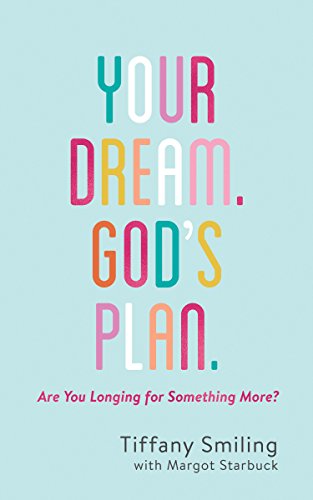
This post first appeared on Margot’s blog, Wordmelon.
Whenever I have a client who’s self-publishing, especially those who are just dipping their toe into the world of publishing for the first time, there is a host of information I want them to know. I can’t communicate all of it, but here’s what you can’t not know:
- Editing Process
When a contracted manuscript is submitted to a traditional publisher, the process will typically involve:
- One or two rounds of developmental editing
- A round of copy editing
- Several meticulous rounds of proofreading, looking for the tiniest errors: an extra space after a period, a “zero” that’s really a capital “O,” or a “there” instead of a “their.”
Readers have been trained to expect an error-free product, and even a few errors can cause the reader to lose confidence in the book, and set it down. While this rigorous level of precision isn’t always possible when self-publishing, your readers will be best-served if you put this important work into your book up front.
- Book Cover
Whether readers will be browsing through a bookstore, scrolling through thumbnail images on Amazon, or buying from a merch table, the cover matters. It both signals what’s inside and whether what’s inside has value for the reader. Even if you have the technical skills to create a cover using your photo editing software, don’t. Resist the urge. There are tried and true principles relating to images, colors, font styles, and font sizes that make for great covers. Let a professional design the cover of your book.
- Book Design
Have you ever noticed that the inside of a traditionally published book, all the pages of content, have been designed? Care and attention have been given to the precise measurements of margins, as well as the size and shape of fonts in the text, chapter titles, headers and subheads. None of this is accidental. Each choice was made to serve the book and serve the reader. Although certain independent publishing options might aid you with book design, it’s up to you to ensure that nothing about the design creates a barrier to a reader reading your book.
- Books Are Hard to Sell
Before you sink your own dollars into publishing a book, have a plan for how you will market and distribute the book to your target audience. Don’t just throw it up at Amazon with millions of other books and hope for the best. You’ve been warned.
The purpose of your book is to serve the reader, and a well-written book with a sharp design does that. If it’s worth doing, it’s worth doing well.
 ‘Tis the season to be thankful! As every writer knows, the writing life is filled with ups and downs, yet it’s a blessing to claim writing as a career/passion. So while this is too long a list of items to share in a Thanksgiving prayer before digging into the holiday turkey, you might want to take a few minutes on your own to make these observations food for thought and thanks!



 I tackled something for the first time this year — a ghostwriting project. I must admit, it feels odd to have penned an entire body of work that very few people will ever know I am associated with. The crazier part? I wrote the entire first draft in nine days. Nine. Days!



 When I was starting out, I learned some of my expectations were myth instead of facts. For me, it’s another reminder that there are things in life I don’t know I don’t know, until I experience for myself. Can you relate? In hindsight, there are several things I would tell my younger writing self.
 Book signings rarely spur big sales — they’re more hype than help. But good speaking events still consistently drive buyers to your book tables.
 It’s often harder to sell books than to write them, until you publish enough titles. The more you write, the more your followers tell their friends, who tell their friends, and so on, and so on. Many writers don’t stick it out that long.