Crafting a Writing Goal

Book Proposal Image

Words aspiring writers want to hear.

“Send me a proposal on your idea.”

When it happened for me, at a writers conference, I first went off to a private place and cried happy tears. Then reality set in.

I hadn’t written a thing. I only had an abstract idea, a desire to write, and a nudge from God. The publisher didn’t offer any guidance on how to format a book proposal; he simply told me to send one.

When I got home, I got to work. The situation called for a marriage between prayer and practical actions. Shortly after I said, “Amen,” inspiration hit.

I wrote my goal on a piece of lined notebook paper. “I Will Read 100 Books on the Craft and Business of Writing.”

I practiced while I studied. It took me almost two years to accomplish the task, but when I finished the one hundredth book, I was able to look back and see the transformation in my work. Only then did I gather enough courage to submit a few queries for articles. And though there were rejections, there was also success.

Article Queries

After focusing on the craft of writing, I invested in the business of writing. If I wanted to author books, I needed help. I networked with other professionals and listened to their advice. I attended more conferences. I hired an editor to critque my work. And I continued reading beyond my first 100 books.

Michael Hyatt
How to Write a Winning Book Proposal

I wanted to create a stellar proposal. After gleaning the best information, I practiced on my first topic numerous times. By the time I ran across Michael Hyatt’s e-books on Writing a Winning Book Proposal for fiction and non-fiction, I was ready to finalize my project.

It took another year before I harvested any fruit from my labors, but harvest I did. WordServe Literary signed me based on that original topic. The hard work of crafting a writing goal and meeting it helped my agent sell my first book, scheduled for release in 2013.

I’ve now lost count of the number of writing books I’ve read. But there are a few I refer back to time and again:

10. On Writing Well — William Zinsser

9. Story — Robert McKee

8. The Art of War for Writers — James Scott Bell

7. Bird by Bird — Anne Lamott

6. Stein on Writing — Sol Stein

5. Writing Down the Bones — Natalie Goldberg

4. Self-Editing for Fiction Writers — Renni Browne & Dave King

3. Finding Your Voice — Les Edgerton

2. Writing for Story — Jon Franklin

1. Screenplay — Syd Field

I’m a lifetime learner. Without the help of many willing to share what they learned through their books, I probably wouldn’t be writing today.

What are your goals, and what are you doing to meet them?

Guest Blogging and Guest Hosting

Marketing Your Debut Novel Part IV

I’ve been doing a series on marketing your debut novel. You can find Part I, Part II and Part III here by clicking the links.

Briefly, Part I focused on growing your tribe/social media, Part II was about the comparable books section of your book proposal, and Part III was about the audience section of the book proposal. These all focused on one particular area of the writer’s life–the pre-contract phase.

Let’s depart that phase and begin concentrating on the next phase– the contract submission phase. I’m going to define this part of the writer’s life as the time you or your agent are submitting your book proposal but haven’t yet signed a contract.

You may think…there’s marketing to be done during this phase? Yes, absolutely. For me, this phase lasted from December 2009 to April 2011–almost 18 months! Definitely too much time to be sitting idle.

One thing you can be doing during this phase is hosting other authors/experts on your blog and guest blogging on others’ blogs that support your brand. This will lend to your credibility and should also help internet search engines highlight sites with your name. The more sites, the more opportunities for people to find you and the more exposure you have to people who may not have discovered you yet.

My primary blog, Redwood’s Medical Edge, deals with writing medically authentic fiction. This supports my overall suspense brand because I discuss ways to injure, maim, and kill fictional characters.

To help grow my blog and support my brand (therefore exposing Proof to more potential buyers), I began looking for opportunities to guest blog and looked for other authors to host.

For example, I wrote pieces for other blogs that dealt with strategies an author could use for medical research, common medical mistakes in fiction writing, and even offered real medical advice to parents over at Christian Mama’s Guide. Erin is a non-fiction author who published a guide on having a baby and although Erin’s blog is not a suspense blog at all, my guest blogging allowed me an opportunity to reach possible new readers and lent her blog credibility by having an expert post. A true win/win situation.

I also hosted authors like Richard Mabry, CJ Lyons, and Candace Calvert. I hoped to drive their readers, whose fiction is similar to mine, to my blog to learn more about me and possibly become future buyers of my fiction.

Though this isn’t specific to guest blogging/hosting, I did follow many on Twitter who mentioned they were authors. I sent one direct message to them telling them about my blog. From that, I’ve gotten several additional authors to guest blog for me. In return for guest blogging, I highlight them, their books, and their internet presence.

Some people argue that my strategy, primarily focusing on authors as my initial tribe, will not boost sales in the end. We’ll have to see if what they say is true but I know I’m an author and an avid book fan and have bought many more books because I’ve built relationships with these authors and grown to love them as friends.

Next post in this series, we’ll go over how to be a generous blog host and good guest blogger.

How about you? What are some strategies you’ve used to gain readership by hosting guests on your blog and/or guest blogging other places?

Learning From Attending Writers Conferences

The first writers conferences I attended were at locations near SW Ohio. Pleased by the way I was received and welcomed by fellow writers, I learned a lot.

I figured the agents I met at those first conferences would not be interested in my genre but I approached them anyway. When I went into the three-minute speed dating room, the first words I said were, “I have never pitched before, so I am here to practice.”

This never failed to get a positive response. And for a deep introvert like me, that was encouraging.

Now several years later, have I learned everything I need to know? Have I learned enough? Can I forget about going to writers conferences? I don’t know about you, but that would never work for me. The networking alone is invaluable.

I’ve bought into the saying that a picture is worth a thousand words, and in this post I want to focus on benefits of the annual trip my friends and I take to the Blue Ridge mountains and the conference held in May.

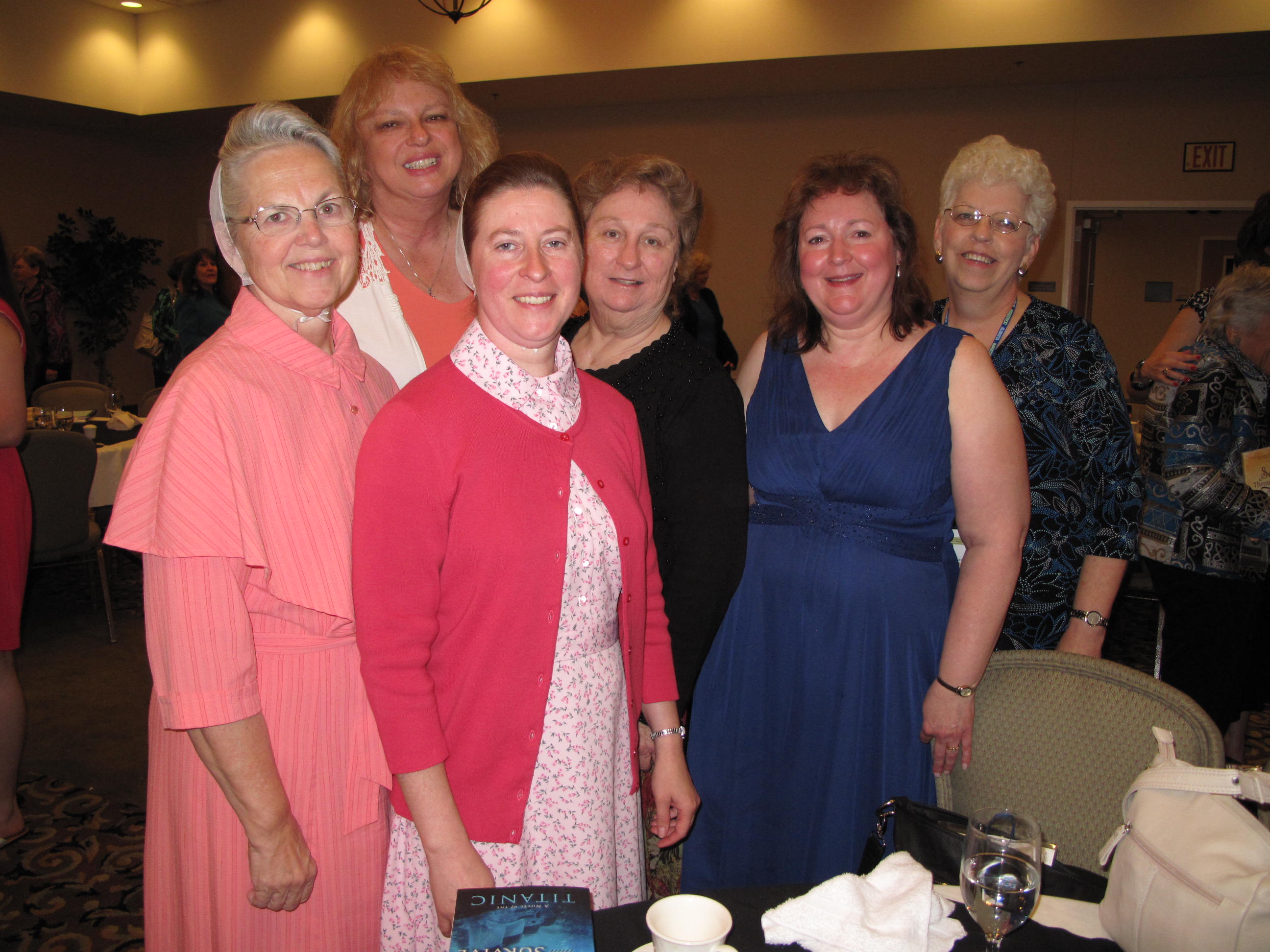
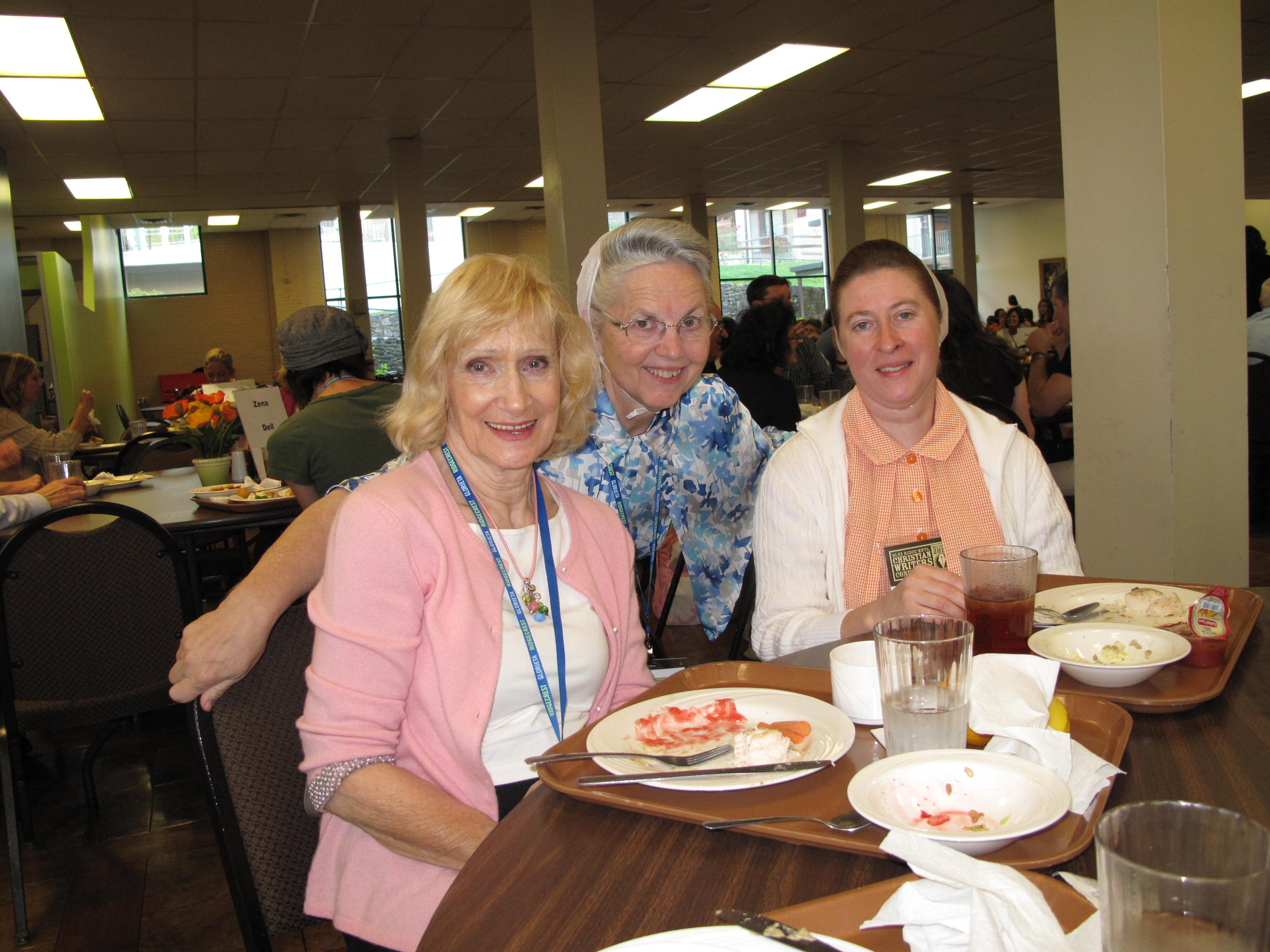
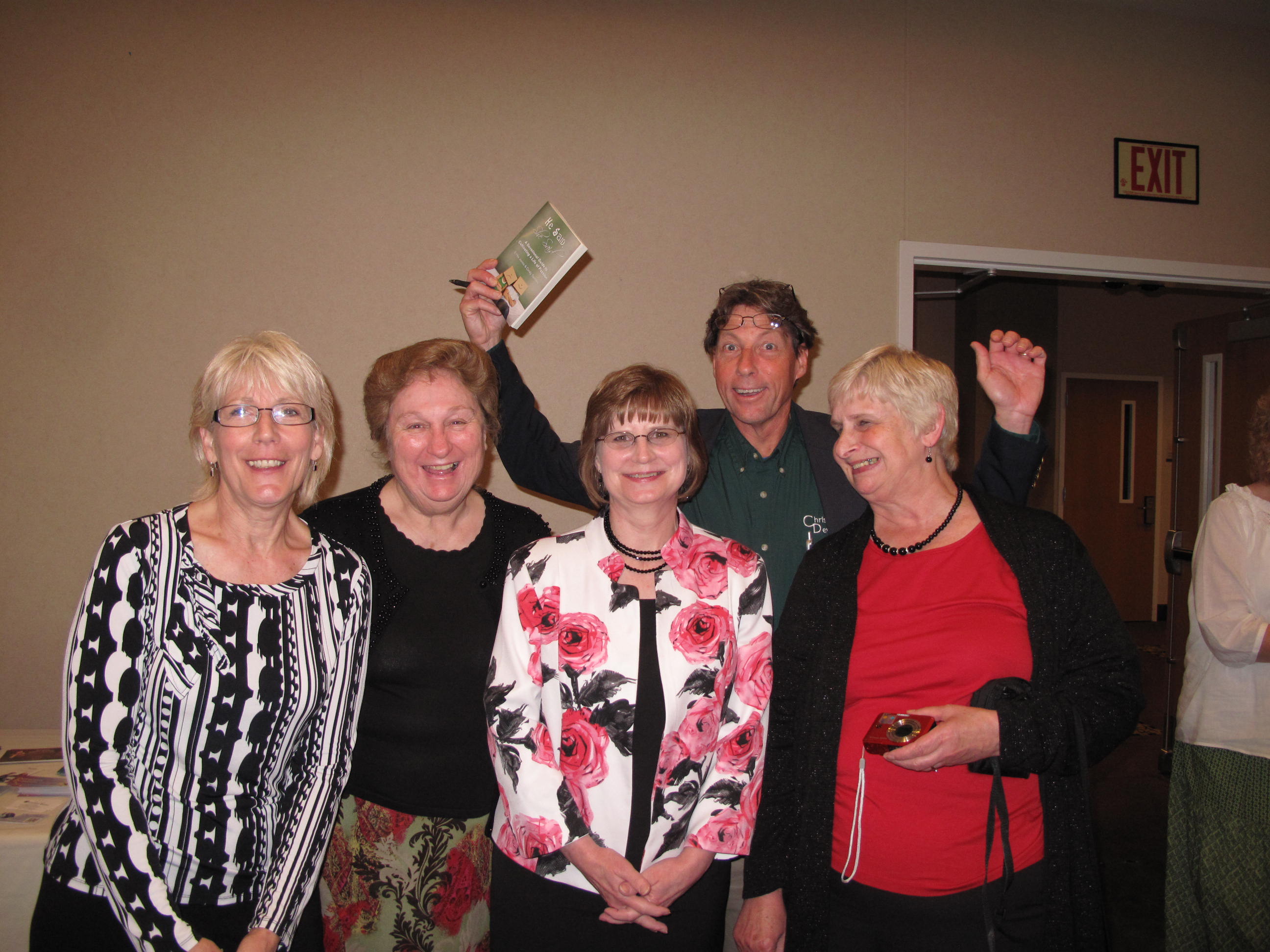
We spend time with forever friends. (I didn’t get enough pictures this year.)

Fellow writer Hope Daugherty
Writers Conference Benefits
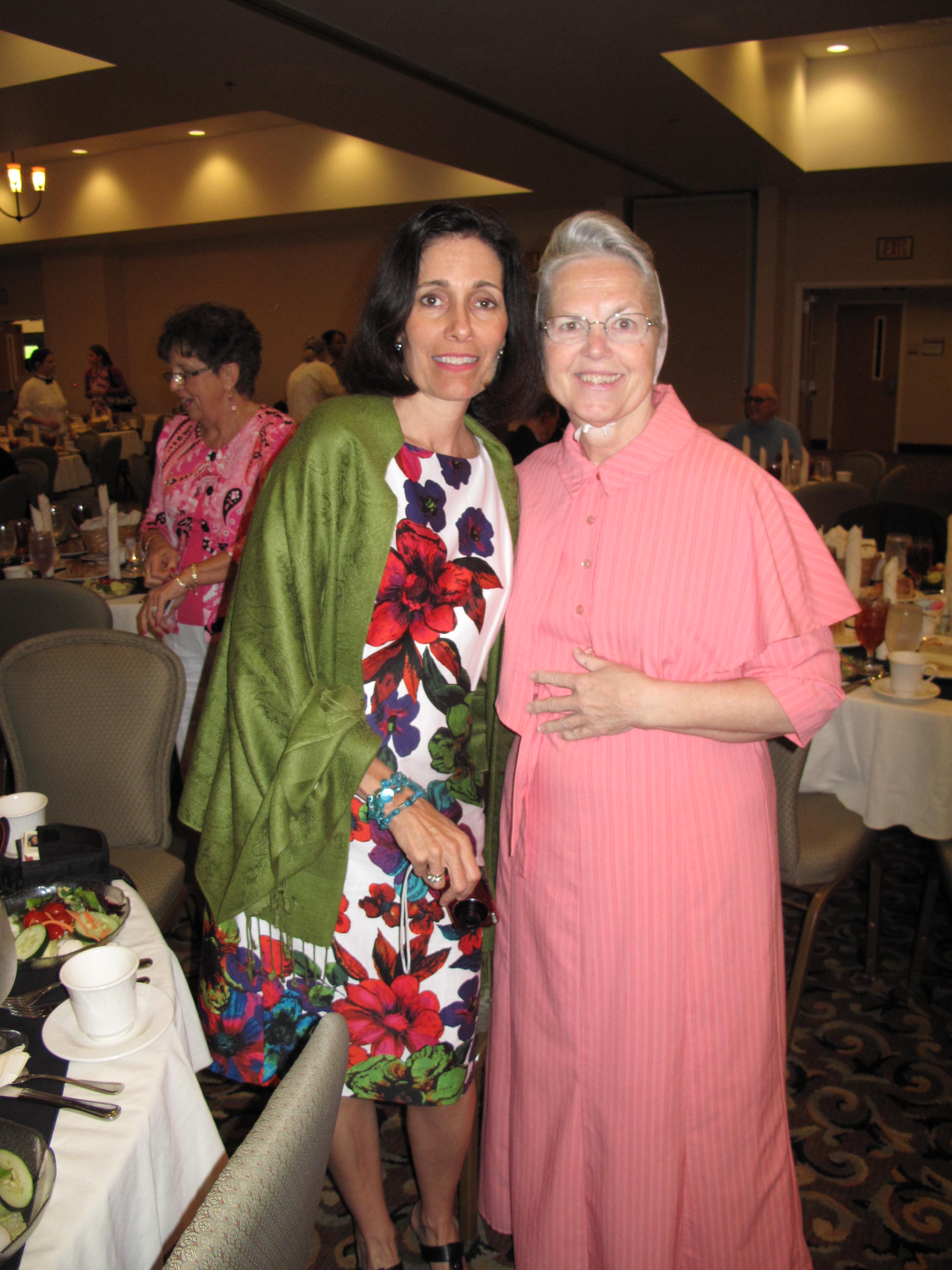
Ohio friends meet at the banquet.

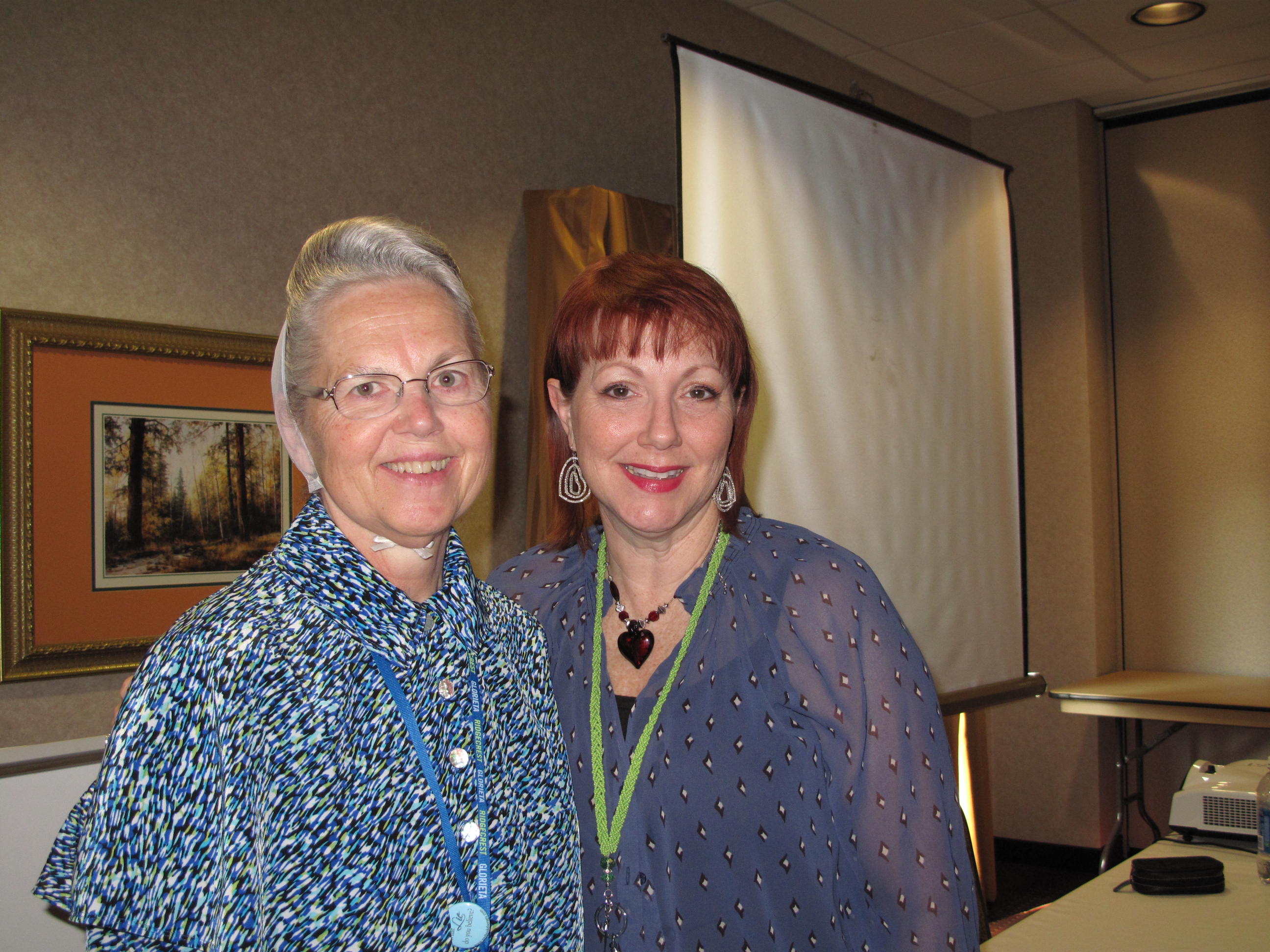
We re-connect with established writers.

Yvonne Lehman
Instructor Eva Marie Everson
Eva Marie Everson

And we get acquainted with new ones.

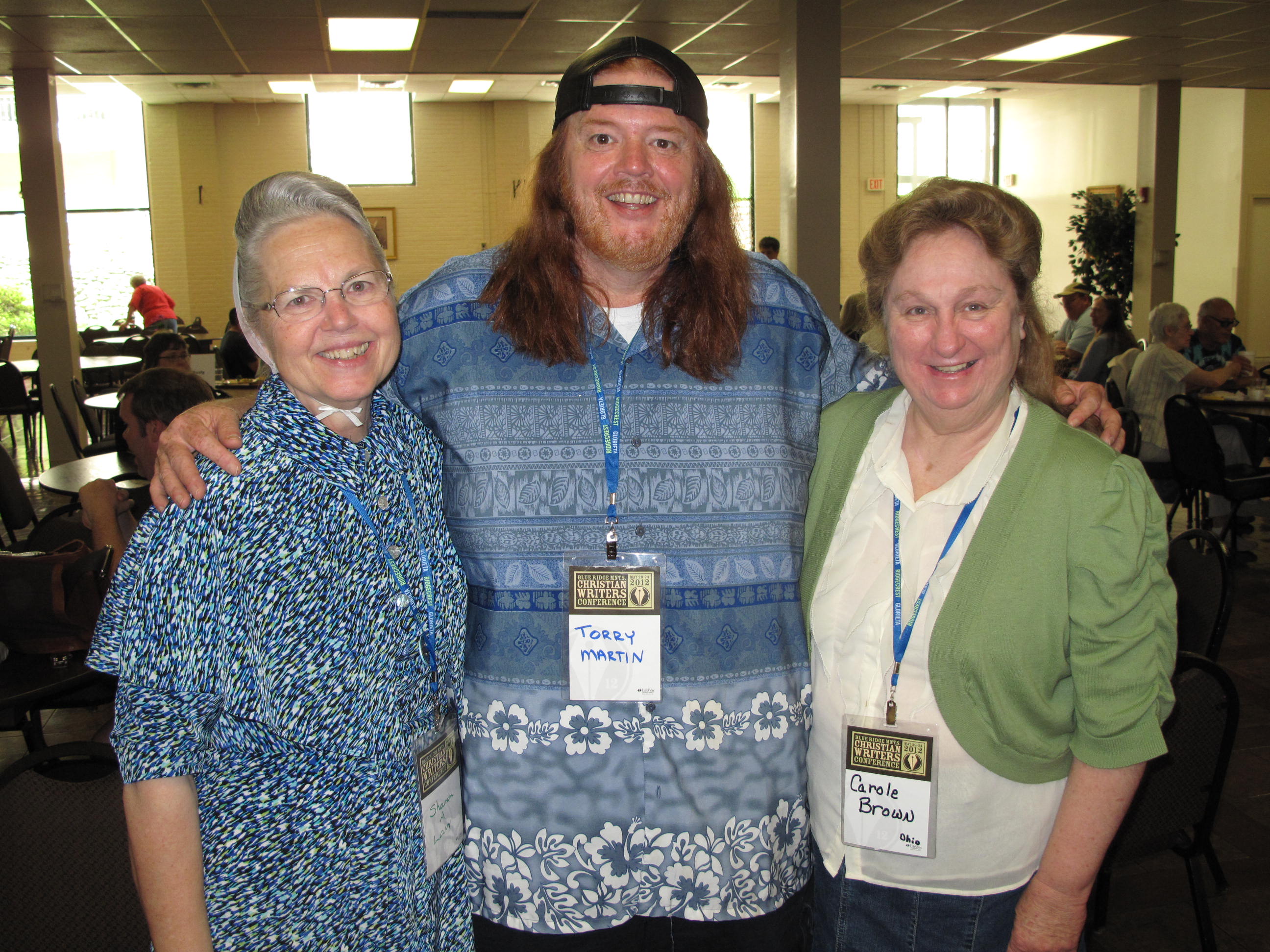
Torry Martin
Torry Martin

Some of us meet with our agents.

Diana Flegal

Mary Ellis shared the banquet meal with her editor at Harvest House.

Kim Moore

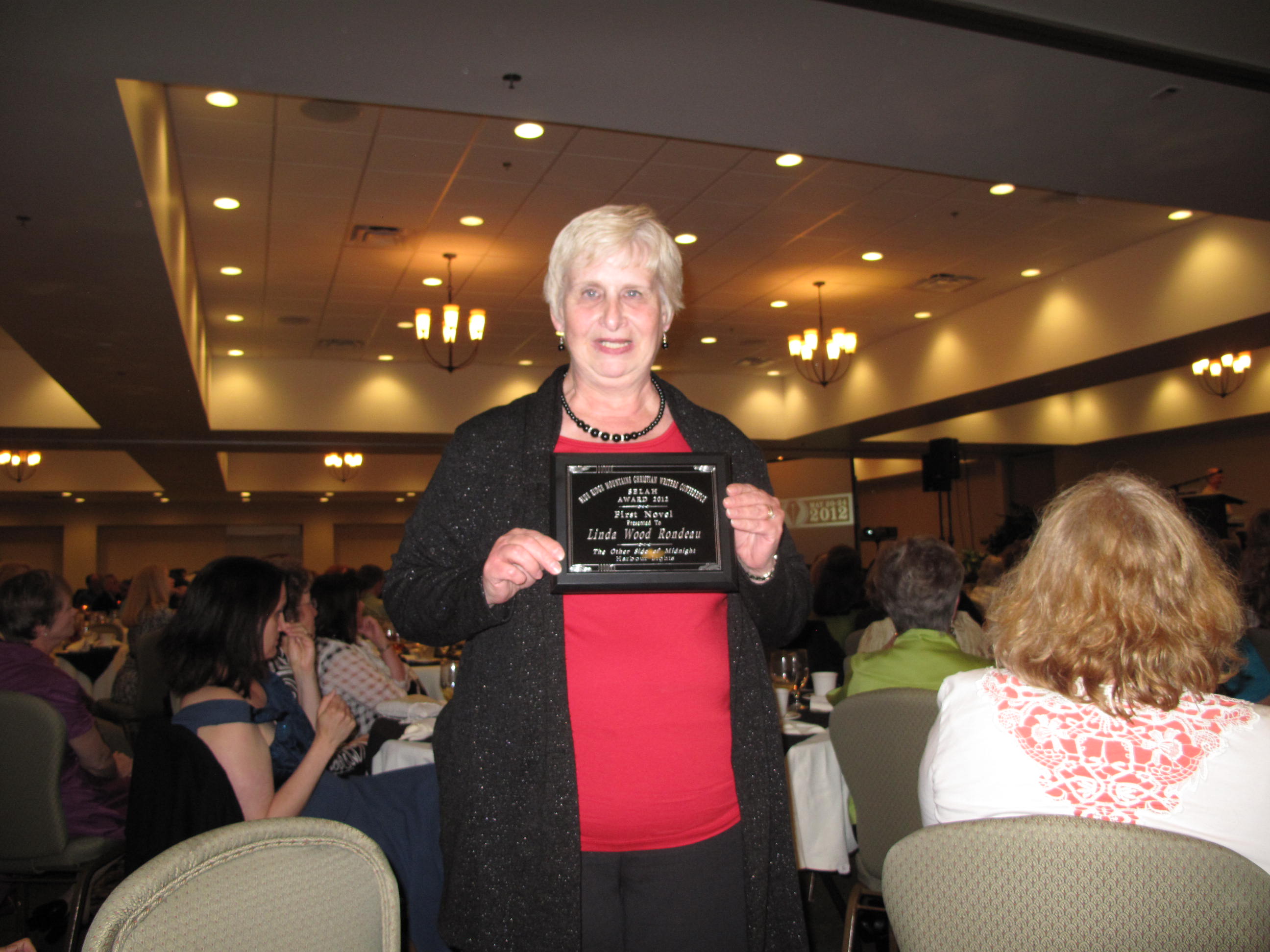
We rejoice when friends win awards.

Linda Rondeau

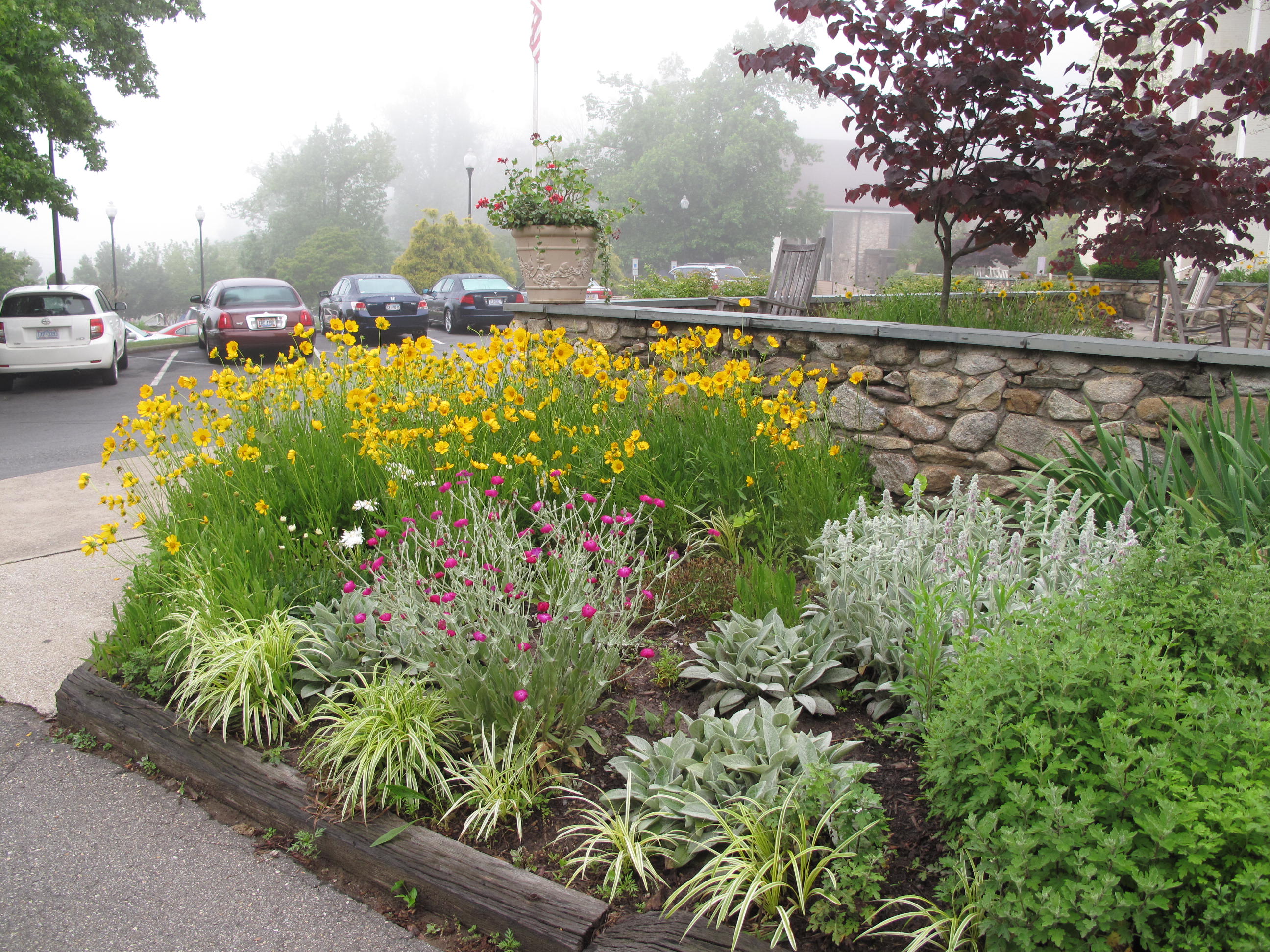
We enjoy the beauty of this place.

Steeped in peace and beauty
A rose by any other name would be as sweet.

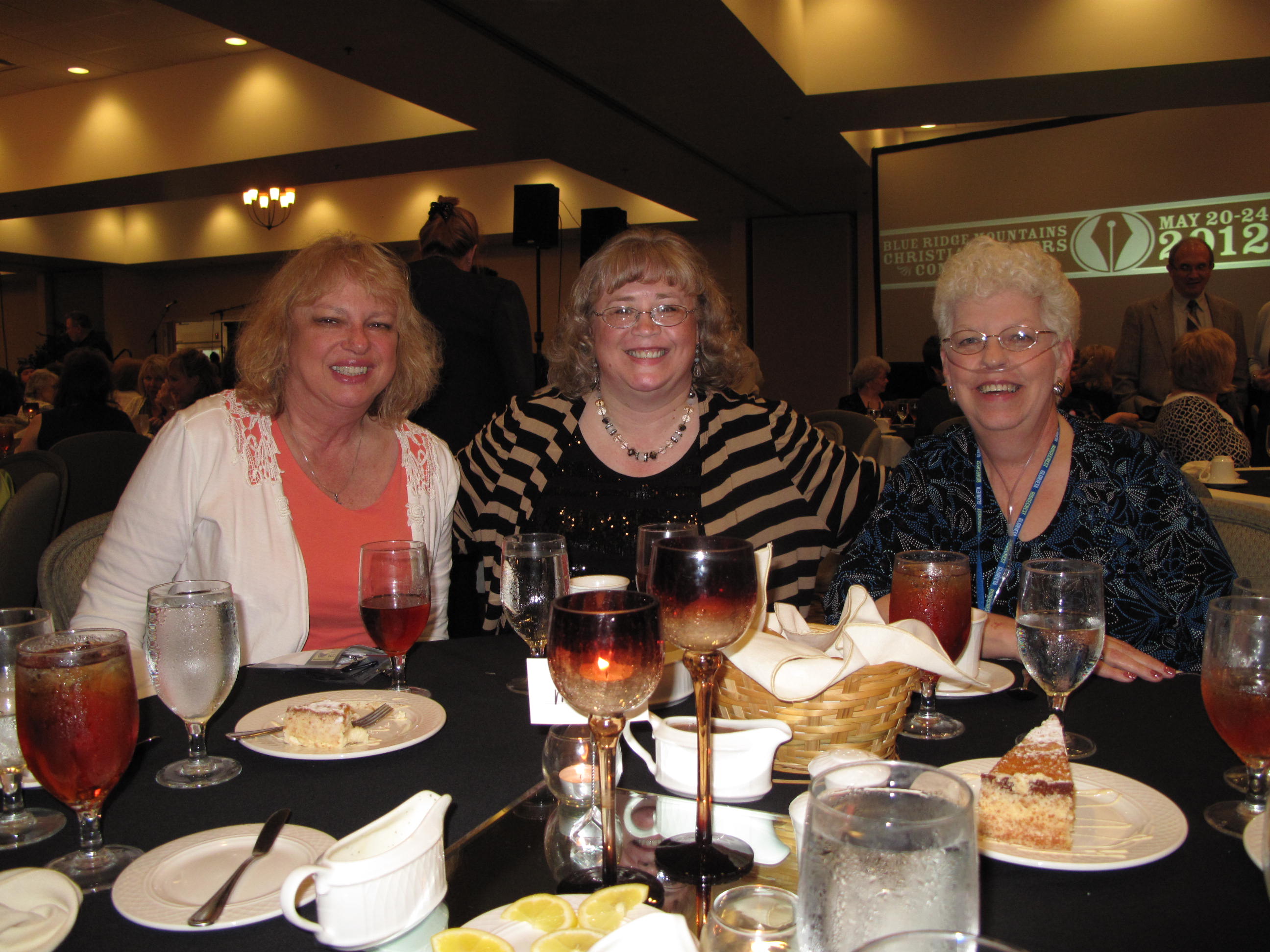
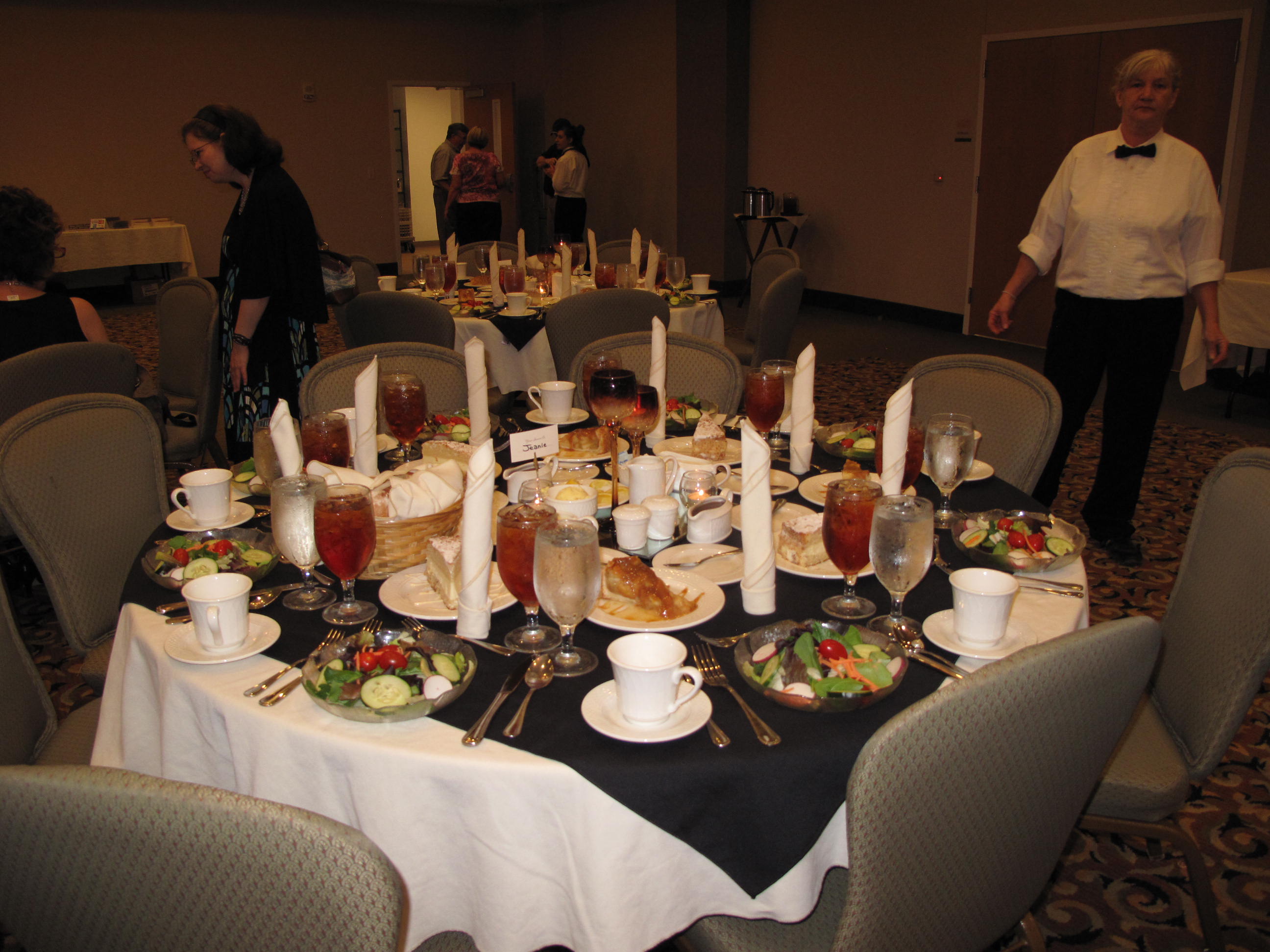
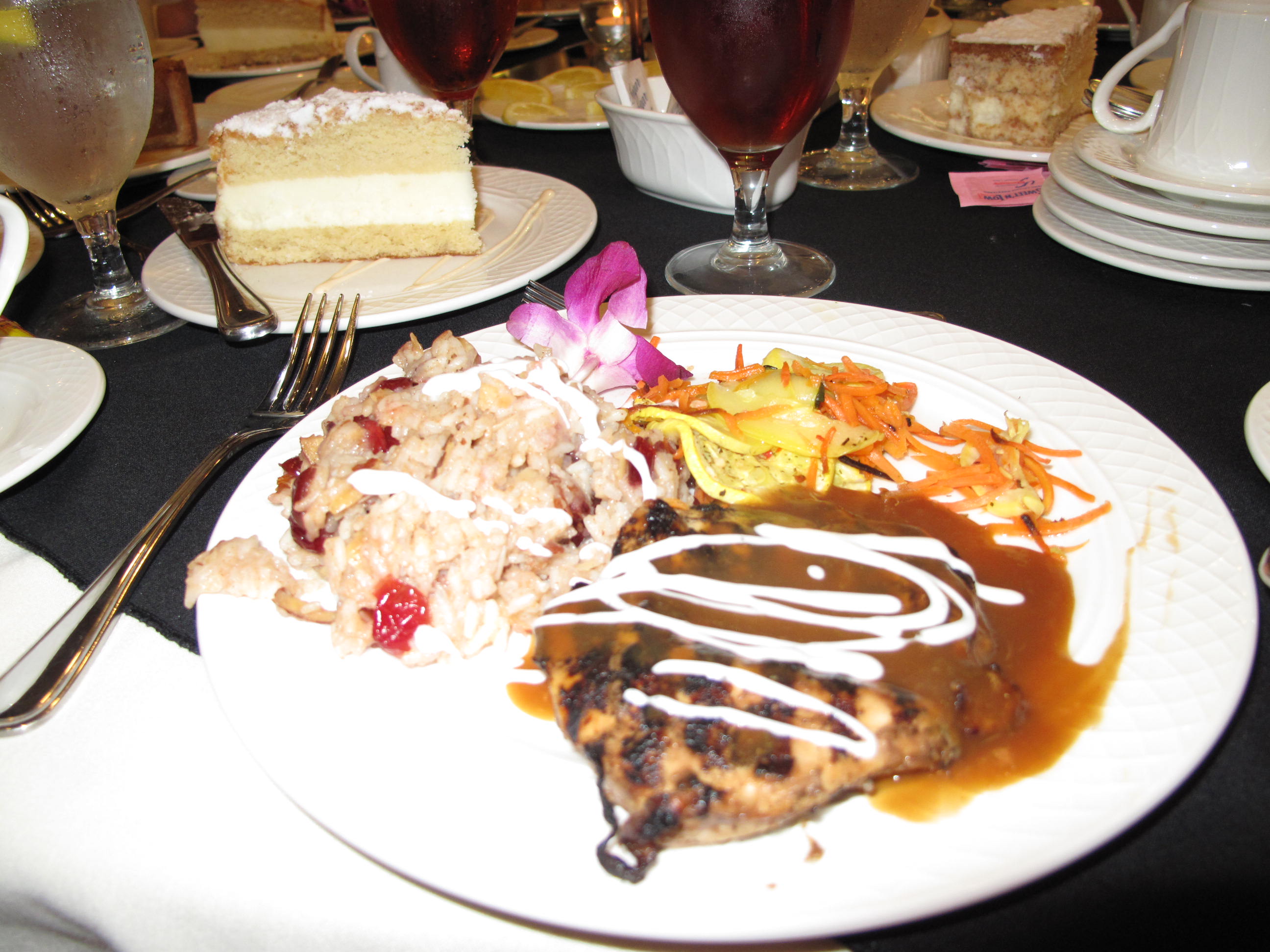
We are refreshed by the people, the classes, the meals . . .

Banquet table setting
Main course at the banquet
Sweet white coffee.

Q4U: Have you ever attended a writers conference? If so, what is your favorite memory? What was the take home value for you?

If not, I encourage you to find one near you and go for it.

WordServe News: July 2012

Exciting things have been happening at WordServe Literary!

On the final post of each month you’ll find a list of Water Cooler contributors’ books releasing in the upcoming month along with a recap of WordServe client news from the current month.

New Releases

******************************************************************************************
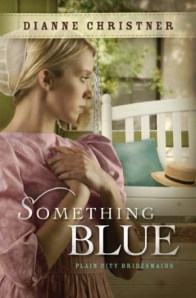
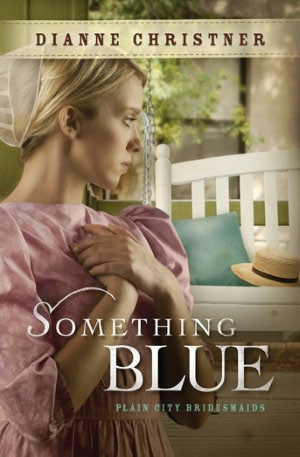
Something Blue by Dianne Christner

Publisher: Barbour

Agent: Greg Johnson

******************************************************************************************

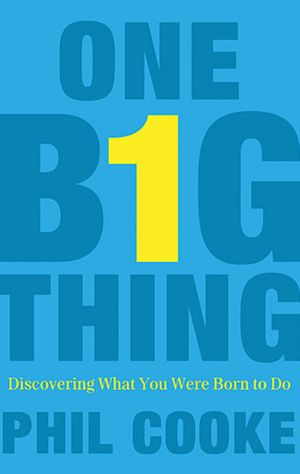
One Big Thing by Phil Cooke

Publisher: Thomas Nelson

Agent: Rachelle Gardner

******************************************************************************************

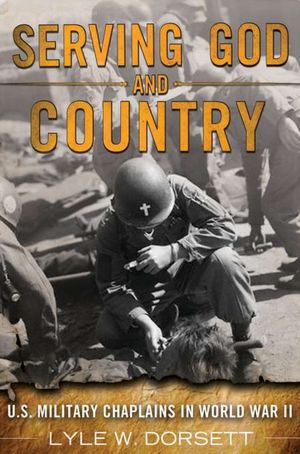
Serving God and Country by Lyle Dorsett

Publisher:  Berkley Caliber

Agent: Greg Johnson

******************************************************************************************
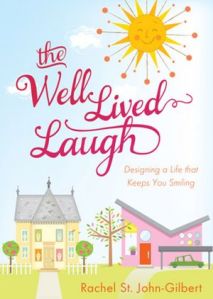
The Well-Lived Laugh by Rachel St. John-Gilbert

Publisher: Barbour

Agent: Greg Johnson

******************************************************************************************

Son of a Gun by Anne de Graaf

Publisher: Eerdmans

Agent: Greg Johnson

******************************************************************************************

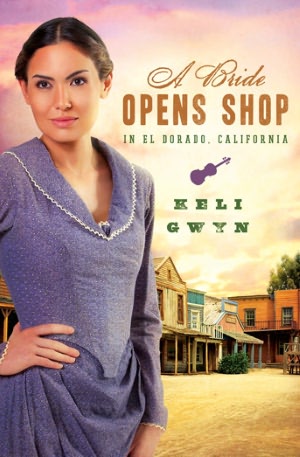
A Bride Opens Shop in El Dorado, California by Keli Gywn

Publisher: Barbour

Agent: Rachelle Gardner

******************************************************************************************
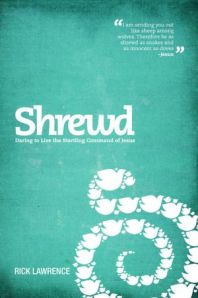
Shrewd by Rick Lawrence

Publisher: David C. Cook

Agent: Greg Johnson

******************************************************************************************

Desperate for Hope by Bruce W. Martin

Publisher: Revell

Agent: Rachelle Gardner

******************************************************************************************

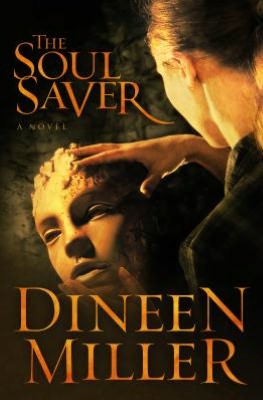
The Soul Saver by Dineen Miller

Publisher: Barbour

Agent: Rachelle Gardner

******************************************************************************************

The Art of Neighboring by Jay Pathak and Dave Runyon

Publisher: Baker Books

Agent: Greg Johnson

******************************************************************************************

Central Park Rendezvous by Marylu Tyndall and others

Publisher: Barbour

Agent: Greg Johnson

******************************************************************************************
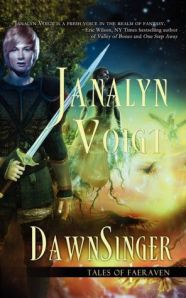
DawnSinger by Janalyn Voigt

Publsiher: Harbourlight Books

Agent: Barbara Scott

******************************************************************************************

New WordServe Clients

Dave and Claudia Arp and Peter and Heather Larson. The Arps started “Marriage Alive” 25 years ago. Now the Larsons are transitioning into leadershp roles for their ministry to marriages.

Dr. Dave Stoop, a longtime Greg Johnson client when he was at Alive, has rejoined Greg at WordServe.

New Contracts

Marcus Brotherton to collaborate on Austin pastor Matt Carter and NFL quarterback Colt McCoy’s book on BIBLICAL MANHOOD, to be publsihed by WaterBrook Press.

Leigh Ann Bryant sold her book, IN MY DEFENSE. It’s the true story of a life of shame and abuse with a husband she finally had to kill in self defense to protect herself and her small son. Soon after, she came to faith and has built a life as a pastor’s wife and a minister to those in prison (though she served no prison time). Our first sale to the new publisher Authentic Publishers. (Agent: Greg Johnson)

Roberta Kells Dorr was a Christian novelist who wrote biblical fiction in the 70s and 80s. Though she died several years ago, her family and estate wanted the books back in print, especially as e-books. We were able to do a 5-book deal with Moody Publishers for an unpublished work of biblical fiction and four previously published and out of print books. (Agent: Greg Johnson)

Ken Gire to collaborate on Chrissy Cymbola Toledo’s memoir of her prodigal life. Published by Tyndale House Publishers. (Agent: Greg Johnson)

Caesar Kalinowski, pastor and thought leader in the missional movement for the Soma Communities network of churches, a book with a working title of TRANSFORMED. A new way of seeing who we are in Christ and what a foundational difference that makes as we attempt to represent Jesus well to our network of friends.  Sold to Zondervan Publishers. (Agent: Greg Johnson)

Amy Sorrells debut novel CANARY SONG and another untitled work to David C. Cook Publishers. Synopsis: Tucked into the groves of a pecan plantation near the coast of Mobile Bay, secrets deep within the Harlan family simmer until they boil over one long, languishing summer. Will Anna Pearl Harlan, her family and friends seek hope in the midst of unbearable pain, or allow it to destroy their lives? Inspired by Tamar in 2 Samuel 13, Canary Song combines one girl’s coming-of-age with another woman’s redemption to show how God heals the hearts of the broken, and how crooked branches can one day provide the best shade. (Agent: Barbara Scott)

Shellie Tomlinson, our All Things Southern Belle (www.allthingsouthern.com), sold to WaterBrook Press, LORD, I WANT TO LOVE YOU MORE, a book for those who have ever wondered how to get from “belief” to “passion.” (Agent: Greg Johnson)

What We’re Celebrating

Jan Drexler‘s Amish novel slated for publication by Harlequin’s Love Inspired line (titled  Love Bears All Things) placed second in the Inspirational category of the The Fool for Love contest sponsored by the Virginia Romance Writers. 

Bestsellers

Rebecca Alonzo’s book The Devil in Pew 7 reappeared on the New York Times Bestseller lists after her episode on Dr. Phil re-aired:

#4 – Primary e-book best seller list

#14 – Primary combined print & e-book list

#26 – Extended paperback non-fiction list

Karen Witemeyer’s book Short Straw Bride made it two months in a row on the list, moving up from #13 (July) to #10 (August).

Mike Yorkey’s book Playing With Purpose: Tim Tebow (Barbour) debuted #32 on the ECPA Top-50 list for July (May release). (Sorry we missed this last month, Mike.)

Carol Award Finalists

Though these authors are no longer with WordServe, we’re so very proud of their accomplishments and their books that were contracted under the WordServe banner. Rachelle, of course, had a great eye for good writers and good stories, so the kudos goes to her, as well.

Roslyn Elliot is a finalist both for “Debut Novel” and “Long Historical” for her book Fairer Than Morning. (Thomas Nelson)

Lisa Jordan is a finalist for “Short Contemporary” for her book Lakeside Reunion. (Love Inspired)

Erica Vetsch is a finalist for “Short Historical” for her book Light to My Path. (Heartsong Presents)

Karen Witemeyer is a finalist for “Long Historical Romance” for her book To Win Her Heart. (Bethany)

What writing celebrations do you have?

Four Ways to Untangle Your Writing Life

Image/FreeDigitalPhotos.net There’s something about chaos in my home office that infuriates me.

As I attempted to help my husband install a new computer, the jumbled mess of wires overwhelmed me. Lying on the floor, flat on my back, reaching under my desk, I needed more than a flashlight and my glasses to see where to plug in the cables. I wanted something to calm my frazzled nerves.

At times, I also find myself overwhelmed with the tangled web of my writing life. I have so many projects going at once that I can’t focus on the most important ones.

So, how do we unravel the emotions and confusion of our writing lives?

Stop and take inventory. As I inspected the knotted wires behind my desk, I saw that each wire needed to be threaded back through a narrow space under my desk and poked through a small round cutout in the desktop, before I could connect my new PC. I took a deep breath and thought about my angry reaction to my husband’s request. We had purchased the new computer for my writing needs, and he needed me to crawl under the desk because of his old college knee injuries.

Since I tend to overreact at times, my routine frustration over my harried writing schedule serves as a warning sign for me to stop and reassess my priorities. I try to remember to seek God first for guidance. Have I made too many commitments again? Do I need to redefine the boundaries of my work and my everyday life? 

Make some space. After we pulled the computer desk away from the wall to allow space to work, I found that the electrical supplies to my paper shredder, stapler, hole-puncher, and phone charger complicated my task. I unplugged all of them and moved the equipment, so I could focus on just the computer wiring.

Sometimes I also need to back away from my writing life to gain perspective, especially before making new commitments. My other activities, projects, and life issues contribute to my inability to manage my time. I’ve considered enrolling in the course, “Managing Multiple Priorities,” but I could never find the time.

Sort through the maze. Before I unplugged our old computer, I decided to tag each cord at its connection to each device. Then, I sorted the cables and bundled the wires with plastic ties. 

Prioritizing my writing projects requires more than plastic cable ties. The process motivates me to evaluate my passions and interests to see if each project meshes with my overall plans. My impulsivity often leads me astray. And someone else’s requests can produce unnecessary and avoidable stress.

Go forward. After installing my new unit, I expressed my appreciation to my husband for his help, and I thanked the Lord for giving me the patience and the helping hands I needed.

The writing life offers temptations and distractions daily. I’d prefer to believe that I have my writing life in order. But with every new task, I experience a learning curve. I’m well aware that I’m still a work in progress.

Therefore, since we are surrounded by such a great cloud of witnesses, let us throw off everything that hinders and the sin that so easily entangles, and let us run with perseverance the race marked out for us. Let us fix our eyes on Jesus, the author and perfecter of our faith …
(Heb. 12:1 NIV1984).

Fear, Hit the Road!

Admit it. You’re scared.

No matter how many times you’ve been published, no matter how many awards you’ve won, no matter how many manuscripts you have finished and waiting in your files, no matter if you’ve never let any of your writing see the light of day…in the far reaches of your mind there’s a voice screaming, “What in the world do you think you’re doing?!?!?!?”

You know, if you let it, fear and panic will freeze you in your tracks.

What do you do with it? Ignore it? Hope it will go away? Tell yourself the next step on the road to publication will finally silence it?

What are we so afraid of, anyway?

We’re afraid someone is going to find out we’re a poser. The little dog is going to pull back the curtain and everyone will see who we really are…and that person is just me.

Not Agatha Christie, or Shakespeare, or Dickens. Not Beverly Lewis, or J.K. Rowling, or Gilbert Morris…

just me.

I’m not a writer. Who do I think I am?

Eventually, someone is going to expose me, and then where will I be?

On my way back to Kansas in an old balloon.

What do we do about it?

Some of us try to build up that flimsy curtain. We think if we write better, faster, switch genres, get the right agent, the right editor, the curtain will withstand prying eyes. We become desperate, frantic in our efforts to be good enough to withstand the pressure when we’re finally found out.

But what should we do?

Have I not commanded you? Be strong and courageous. Do not be frightened, and do not be dismayed, for the LORD your God is with you wherever you go.

Joshua 1:9 ESV

Joshua was in a pickle. He had enjoyed some success as the military leader of Israel, but Moses was always there to stand between him and God. Moses was the one who knew what he was doing, who talked to God face to face, who always knew the next step to take.

But now Moses was gone. You can imagine Joshua’s panic. He was supposed to lead these people now?

He had been given the mantle of responsibility, and he had no choice. Read the first nine verses of Joshua again.

What has God called us to be? Most of us reading this blog have felt that hand on our shoulder, that irresistible whisper, that compelling urge to express in words the truths God has laid on our hearts to convey.

We have no choice. We must write.

Three times in these nine verses, the Lord tells Joshua, “Be strong and courageous.” It isn’t an option, it’s a command.

“Have I not commanded you?”

It isn’t a choice.

We don’t have a choice, either. If God has commanded us to act, we must act.

Fear has no place here. It has no foothold.

And we won’t be alone.

“Be strong and courageous. Do not be frightened and do not be dismayed…”

Why?

“…for the Lord your God is with you wherever you go.”

Fear, hit the road. I’m no poser, I’m the writer God has called me to be.


Surviving the Summer and Social Media

Let’s talk about how hard it is to get things done right now. Ugh!! Personally, I have been battling getting things done because I am so busy with summer activities, or the heat makes me lethargic (and it’s been a HOT one). For those of you writers who are also parents, your life is especially tricky because the kids are out of school. I just got back from the Pine Ridge Indian Reservation, and I am late with this post. Summer can dish out some unexpected adventures. Remember to be prepared. Learn from me, and I am sorry to those who are a victim of my summer.

Summer in Pine Ridge
photo by Amanda Jensen Photography

I decided to make a list of my best tricks for making summer social media survivable.

First.

Schedule whatever you can ahead of time. Block off time to work for a few hours on social media, and do yourself a favor if you are living in Denver: find the nearest icebox with Wi-Fi and work there. Seriously, take time out and work in a isolated place where you can knock a BUNCH of work out.

Schedule your Facebook posts. Did you notice that with the latest update you can schedule and date your posts? It’s kind of the coolest thing ever!

Second.

GUEST BLOG!! Ask people to blog for you, and you should extend the same courtesy to others. This is the best way to skip a little and give a little. The best thing about guest blogging is that you are able to cross-market with some of your author friends/co-conspirators.

Third.

Take advantage of being outside.  You can take some epic pictures with Instagram and use them in your future blog posts.  Be creative and take trips that could be relative to your blogs.  Strategize.  (If you missed my blog about how to use Instagram, find it here.)

Summer in Telluride

Fourth.

Remember that people are not on Social Media quite as much in the summer.  The times that trend are a little bit different depending on your target audience.  More people are on later at night.  Try some test posts to see what time you are getting the best feed back.

Fifth.

Make sure you have all your accounts linked.  Tools like this plug-in make things easier. Link your Twitter to Facebook and your blog to both.

I hope you all survive the heat and have many summer adventures the next month.

What is your best trick to survive the summer? What makes social media easier when you are busy?

Publishing Is Publishing

This Fourth of July, I watched the fireworks from the exotically landscaped grounds of a ritzy Malibu mansion overlooking Santa Monica Bay. I was admiring an Anna’s hummingbird perched in a tree that could have been invented by Dr. Suess when a beautiful woman I’d never met before came up to me to find out how to get her children’s books published.

“They rhyme,” she told me. She had written them together with her three children, whom she homeschooled.

She seemed sweet, one of those amazing moms who can take charge of all children present (in this case, at least twenty of them)—supervising them in the pool, sunscreening them on a schedule only she knew about, braiding hair to keep it out of faces, correcting their behavior toward one another, taking one to the bathroom, moving them en masse to the trampoline, seeing to it every last picky eater among them got something to eat, keeping track of the dog—and all the while initiate and maintain extended conversations with various of the adults present.

“Well,” I said. “I don’t have any experience whatsoever in children’s books. I write nonfiction for adults.”

“Yeah, but I heard you write, um, like, spiritual books.”

I nodded.

“And they’re published, aren’t they? So they’re, you know, regular books, right? Like, you can buy them in bookstores? I mean, publishing is publishing, isn’t it?”

It intrigued me that she was seeking my advice at all. I was such an oddity at that party. Visiting from Oklahoma. Not rich. The only woman present with grey hair. Not at all the sort of person someone like her would go to for advice about anything—except maybe birdwatching. I seemed to be the only one at the party paying attention to the magnificent hummingbirds and house finches and hawks whooshing around us.

But she was right, I guessed. Publishing is publishing. I recommended she get the latest edition of Writer’s Market.

“Did that already,” she said.

“And I think I’ve seen a special Writer’s Market just for kids’ books.”

“Got that too. Read it cover to cover.”

“Then you know what to do. Write a proposal that has all the parts they ask for and send it out to agents listed in the book who represent the sort of thing you’ve written.”

“You mean a query letter?”

“Yes, that too. I mean, for publishing adult nonfiction, you’d need a book proposal, but maybe with kids’ books you can get everything you need to say said in your query letter. Send it to agents who seem in the same place professionally as you are—that is, just beginning your career as a writer.”

“But don’t I need to copyright my stuff first? I mean, they could just steal my ideas.”

I said I didn’t think copyrighting was necessary. Why would an agent want to steal her ideas? “Agents make money from selling your book to publishers,” I told her, “not by stealing ideas and writing books of their own. They get fifteen percent of whatever you make. They want you to make money.”

She seemed unconvinced.

“Well,” I said, “Just do whatever it says to do in your children’s Writer’s Market.”

“I did all that,” she said. “So what do I do now?”

“You wait to hear back. And then, if you don’t get any takers, you revise and do it all again with another list of agents. If your stuff is good, eventually you’ll find someone who wants to represent you.”

“But how long should I wait? I mean, it’s been a few weeks already. Isn’t there anything else I can do?” This woman was a doer. As we spoke, she was rearranging the bowls of dips and crudités that the pool-wet children had left in disarray.

“No,” I told her. “Just write. Revise. Submit. And wait. That’s all I know about how to get published. Unless it’s different with children’s books. Which I’m guessing it isn’t. I mean, publishing is publishing, right?”

So what do you think? Is all publishing the same? If it’s different, how is it different? If it is the same, how is it the same?

Learning to Become a Writer Can Be a Very Rocky Road!

Do we modern civilized westerners really know what it is to travel along a rocky road?

I have just finished reading a book called The Friar of Carcassonne. It is a terrible tale of religious persecution and the horrors of the Catholic Church Inquisition in 13th century Languedoc, a region of southern France, and the famed land of the Cathars.

One very common feature of medieval life was that if you wanted to get from Rome to Paris or Paris to Carcassonne, your choices of transport were few. Horse and cart, riding a horse or donkey, or going by Shanks’s pony–in other words, foot-slogging weariness for hundreds of miles. And the highways and byways were either hard, rocky, dusty roads in summer or icy, frozen lanes and quagmires in winter. Both descriptions could be understood to be a rocky road.

Can I seriously liken my journey in becoming a writer to a rocky road experience? Honestly, I don’t think I can. Sitting in a comfortable study, shelves full of reference books to consult with and now in these, our marvelous times, having a window onto everything through the screen of my PC. A good wife to provide cups of coffee and hand-made sandwiches at my request, a safe environment outside should I want a breather, and even a tender mattress to lie upon should I get overworked and need a nap.

What can I say on this subject?

My second thought took me back to a summer morning twenty-five years ago. Slipping out of the English Lakes holiday cottage at five a.m., I was bound for Scafell Pike, England’s highest mountain. I had planned the trip many months before, pored over the ordnance survey maps to find the best way up to the summit while avoiding any obvious hazards and dangers en-route. I had planned it well. Made a list of all the equipment I needed, and not just needed for the climb, but also in case of emergency, accident, or injury. I wrote a route map and planned to give a copy to a responsible person who knew where I was going and what time I was expected to return and who also would know what to do in the unlikely event I didn’t come back at the appointed time.

The night before my intrepid adventure, I checked my equipment against the list. I made doubly sure that everything was in good order especially my handy fell walkers compass. Triple checked that I had enough food and drink. Had I packed a whistle to raise the alarm and a camera to record the good bits and a pair of binoculars to see what was up ahead?

It was a great day out. All was well. I got to the summit late morning, and there was no one else about. Most importantly, I got back safely and on time, so thankfully the mountain rescue folks weren’t needed.

For sake of argument, disregard the comfortable study and the peripheral luxuries that often accompany the writer’s life. Consider the following circumstances in comparison. If a writer starts out his or her journey in a lackadaisical fashion, then only failure can be the result. If I had started out on the climb up Scafell Pike without proper planning or management or the right equipment then perhaps I might not have returned. I might have encountered many pitfalls on the way for which I had made no contingency plans and thus suffered the consequences.

To avoid the rocky road, the apprentice writer must plan ahead carefully.

A daily timetable is a very good idea. Work out which part of the day is the most creative and productive for you. Don’t fall for the ‘you must get up at dawn to be a serious writer’ jab. If you are a nocturnal creature, write at night. But remember most bad novels were written just after a good lunch.

If you must, put a ‘Do Not Disturb’ sign on the door, so you can concentrate while you are being productive.

Make sure your ‘climbing’ materials are all in good working condition and you have all of the necessities.

Here’s a last tip. A trio of guys, Dibell, Scott Card, & Turco, wrote a book called How to Write a Million and it has helped me a lot over my years as a writer. Check it out!

How have you overcome ‘rocky road’ experiences as a writer? In life?

Everybody’s Talking at Me

While preparing a class on dialogue recently, I came across a concept I hadn’t noticed or considered before: our character’s voice may change based on the situation they’re in.

Consider our own daily lives and the various situations we find ourselves in. If we have a day job, we speak in a different manner to our boss than we do our co-workers. If we’re in customer service, we often react differently with different customers. Some we can be playful and joke with. Others are strictly business and we maintain the professional decorum they demand, even if only non-verbally.

We take our cues from the situation and the person we’re talking to. Notice how polite and differential we are when a police officer pulls us over for speeding. And then how we complain to our friend about how unfair the cop was to give us a ticket.

Our attitude when speaking with our pastor is different from our attitude when working on an outreach with fellow church members.

If you’re a parent, your voice changes depending on the situation and the child. If we have several children and they span age groups from pre-school to adolescent, our kids start thinking we must have multiple personalities. We go from the loving parent taking care of bumps and scrapes to the red-faced tyrant wanting the bedroom cleaned to the strict disciplinarian who dares expect our teens adhere to a curfew. If the kids get into a dispute, they quickly learn that, as Bill Cosby said, “We don’t want justice, we want quiet!” And we frequently don’t care how we get it.

In my first novel, Journey to Riverbend, my female lead, Rachel, used different voices depending on her situation. I didn’t discover this until I was struggling to develop a stronger character arc for her and she revealed her voices to me during an interview I had with her. This sweet (I thought) young lady told me, in no uncertain terms, to go back and read the story. Rachel is a former prostitute trying to establish a dressmaking business while seeking to put her past behind her. At the same time, she’s finding her way as a new Christian and struggling with whether to let a man into her life.

As a businesswoman, her voice is polite and deferential, even as she steers customers away from choices that make her cringe inside. But her old way of speaking comes out when the mayor tries to get too friendly and take advantage of her. She whispers to him, “Remember, I’m making dresses for your wife. I can make her look like a clown and convince her she looks like Queen Victoria.” It’s the voice of a woman who won’t be messed with.

How do your characters speak when you put them in different conversations, especially with someone in a higher social status?