Advice from the Experts

I love browsing around writing boards on Pinterest with words from the literary experts. When I’m feeling discouraged, I find short, pithy quotes that remind me what my meandering plot is missing or quotes that encourage me to stay the course even when things aren’t going as well as I’d like. In any case, to start off the new year, here are a few I’d like to share with you.
Experts

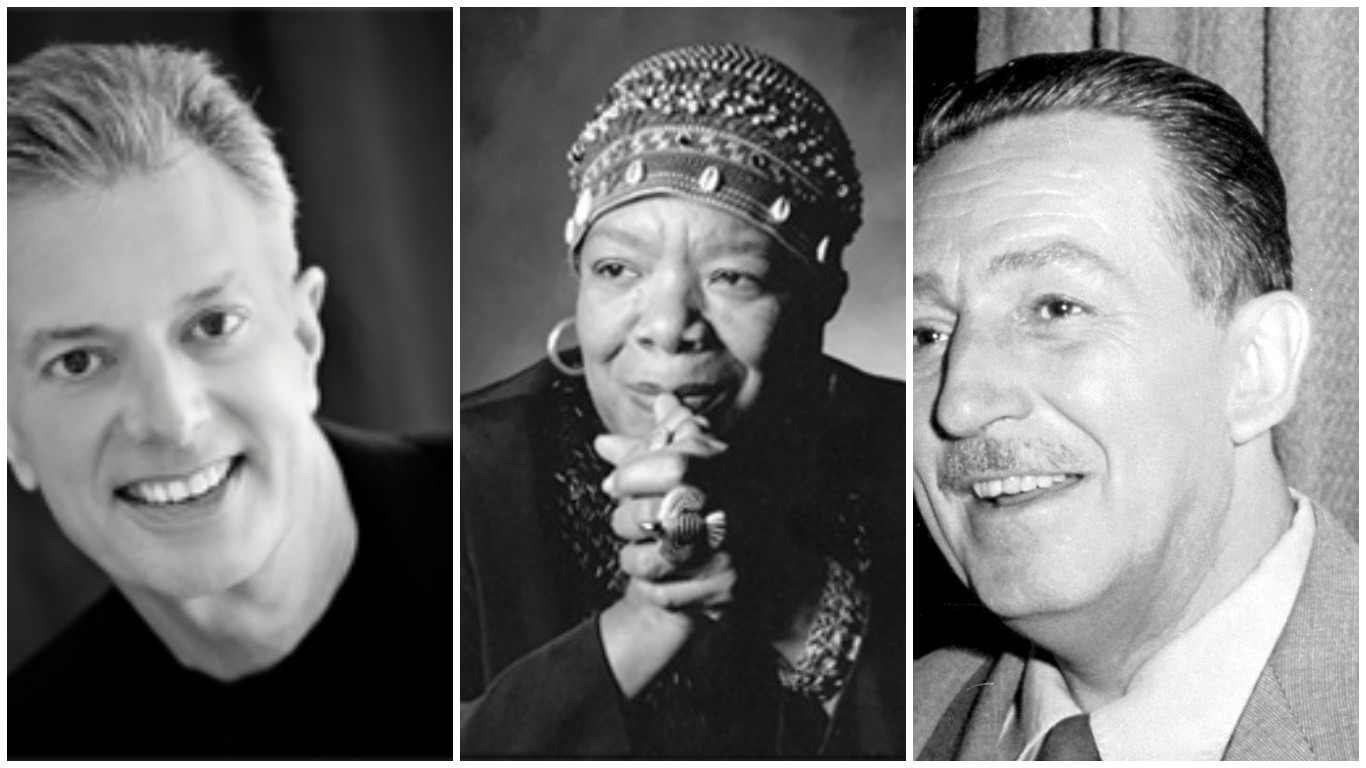
You can’t use up the creativity. The more you use, the more you have. – Maya Angelou

A story is a letter that an author writes to himself, to tell himself things he would be unable to discover otherwise. – Carlos Ruiz Záfon

I can fix a bad page, but I can’t fix a blank one. – Nora Roberts

The difference in winning and losing is most often in not quitting. – Walt Disney

I’m writing a first draft and reminding myself that I’m simply shoveling sand into a box so later I can build castles. – Shannon Hale

Love the writing, love the writing, love the writing. The rest will follow. – Jane Yolen

The key, the crux of the whole matter, is to FINISH YOUR MANUSCRIPT. You must learn to see this as the goal. Not the perfect word or the polished paragraph. A finished text. – Davis Bunn

The bigger the issue, the smaller you write. You don’t write about the horrors of war. No. You write about a kid’s burnt socks lying on the road. – Richard Price

When I used to teach creative writing, I would tell the students to make sure their character wants something right away, even it’s only a glass of water. – Kurt Vonnegut

When in doubt, make trouble for your character. Don’t let her stand on the edge of the pool, dipping her toe. Come up behind her and give her a good hard shove. – Janet Fitch

Novels are forged in passion, demand fidelity and commitment, often drive you to boredom or rage, sleep with you at night. They are the long haul. They are marriage. – David Leavitt

Be yourself and readers will follow you anywhere. Try to commit an act of writing and they will jump overboard to get away. – William Zinsser

Plot is people. Human emotions and desires founded on the realities of life, working at cross purposes,  getting hotter and fiercer as they strike against each other, until finally there’s an explosion – that’s plot. – Leigh Brackett

Write even when the world is chaotic. You don’t need a cigarette, silence, music, a comfortable chair or inner peace to write. You just need ten minutes and a writing implement. – Cory Doctorow

Dialogue is action. It’s not characters making talk. A character’s words are tools he uses to get his way in a scene. – James Scott Bell

Write a little bit each day. One page a day means 365 pages in a year. – Francine Rivers

One should be able to return to the first sentence of a novel and find the resonance of the entire work. – Gloria Naylor

If there’s a book you really want to read but it hasn’t been written yet, then you must write it. –Toni Morrison

We are cups, constantly and quietly being filled. The trick is knowing how to tip ourselves over and let the beautiful stuff out. – Ray Bradbury

 

For the Love of Writing

Have you ever been around someone who loves Christmas? I can’t quite rival Santa, but I love this season. I love the scent of cider as we decorate the tree and the chaos of Christmas decorations. I love the music, lights, winter clothes, the Christmas parties, and my dad sharing a devotional on Christmas morning. I love time with extended family, laughing and making memories. I love reading the Christmas story and imagining it from the perspective of the people who experienced it. And I love being around people who love Christmas, because their joy is contagious.

It’s the same way with our writing. When we love the story, our readers love it, too. My third book, Surrendered, comes out December 26. It’s the end of a series, the end of an era, the end of a contract, and a beautiful beginning (I hope) to many more stories to come. Under the pressure of deadlines, pursuing a contract, and learning to market, I can forget the joy of this calling. So this month, I’m falling in love with writing again.

Write what you love

Write what you love.

This year, Christmas also comes with a book release. I can’t wait to share Surrendered with readers. I loved crafting the romance that made me swoon, conflict that made me cringe, and action that had me scratching my head to figure out how to rescue them.

Now it’s time to begin again.

I have a couple of different manuscripts going, but I’m also working on one just for me.  A fairy tale. Even if it never sees the light of day, it makes me remember what I loved about my favorite stories as a kid and what I still love about romance, magic, and characters as an adult. The new manuscripts, the ones editors have requested to see are experiencing new life, as well, as I read and remember all that I love about Francine Rivers’s Mark of the Lion series, Karen Kingsbury’s Baxter Family series, and Dee Henderson’s O’Malley series. I look at what other people love about those stories, too. Then I add my own creativity, a new story idea, and something I love is born.

Write because you love it.

It’s taken finishing the Heart of a Warrior series to finally own the fact that I am a hopeless romantic who happens to write romance. But once I fully accepted that, I was able to embrace my new manuscripts in a greater way. I write because I love it, because I have a story to share, because I love bringing a character to life. I love tossing them into trouble and watching them come out shining like gold because they wrestled and emerged victorious. I love writing scenes with courage, heart, and emotion. I write because that’s how God made me. This month, I am writing for the love of the craft and not for the deadline.

Others will love it, too.

It’s important to hole up and remember to write because I love it, to write a heart story, but the beautiful benefit is that even when I close the door to my writing closet and let everything I love and am passionate about spill out on the page, I’m writing something that others will love, too. People connect with emotion, with stories that make them think and dream and imagine. They connect with vulnerability. When I write for me, I  am ultimately writing for them. Out of the overflow of what I have learned as a writer, as a person, as a woman made in the image of Creator God, my experiences, quirks, and imagination pour onto the page and the creativity of the reader is captured.

In this Christmas season, a time of joy and celebration and thanking the God who sent His Son to earth, I’m celebrating in a different way – with the gifts he’s given me. I truly believe when we write what we love because we love it, then others will love it, too.

Should I Write Fiction or Non-Fiction?

When I was an aspiring writer, I had no idea whether I should pursue novels, (fictional stories using made-up characters, scenarios, and plots), or nonfiction, (themed projects using real-life examples). So before I signed with WordServe, I wrote a proposal for both.

Juggling a Writing Career and a Day JobWhen my literary agent steered me in the direction of nonfiction, I felt two distinctly different emotions. One part relief, because it’s easier for me encourage, inspire, teach, and motivate through true stories and practical application. But I also felt a twinge of disappointment. After all, it’s a little more fun to make stuff up. Besides, you can get away with things under the guise of imagination, where non-fiction holds you to a strict standard of authenticity.

Mark Twain once said, “It’s no wonder that truth is stranger than fiction. Fiction has to make sense.” He also said, “Fiction is obliged to stick to possibilities. Truth isn’t.”

Today, I’m much more comfortable in my true writer’s skin. Occasionally, I still feel the old pull to write novels, and who knows, maybe someday I’ll do it for fun, but for now, I recognize that I am on the right path. I was made to inspire through nonfiction. But it doesn’t mean I have to give up story-telling…as a matter of fact, for me, stories enhance the topics I am drawn to write about.

Maybe you understand my dilemma. If so, perhaps these bullet points will provide clarity. After all, facts help us make informed decisions.

Fiction

  • Defined by Merriam-Webster as written stories about people and events that are not real. Literature that tells stories which are imagined by the writer; something that is not true.
  • Many readers are drawn to the escape of make-believe story, becoming passionate followers of characters.
  • You can hide truth in a fictional account.
  • There is an increased opportunity to sell two to three book deals as a fictional series.
  • There are fewer speaking platforms to engage with readers, and introduce them to your work.
  • There are fewer fiction publishers available to buy your books.
  • You must write the entire book before submitting it to publishers.

Nonfiction

  • Merriam-Webster describes nonfiction as writing that is about facts or real events. All writing that is not fiction.
  • Statistics show the greater majority of dedicated book buyers gravitate to nonfiction.
  • You can use fictional techniques to tell true stories.
  • On average, studies show nonfiction authors are paid more for their books.
  • With effort, you can find a place where groups gather for practically any true subject–and where they meet, a speaker is needed. Most publishers will require speaking platforms from nonfiction authors.
  • Tapping into felt needs sounds easy on the surface, but unearthing fresh subjects a publisher will buy, and a title that draws readers, is almost as tough as writing the book.
  • Though you need only write two to three chapters of your book, a thorough proposal including a solid marketing plan, comparative analysis of similar books, and complete outline with chapter blurbs is required.

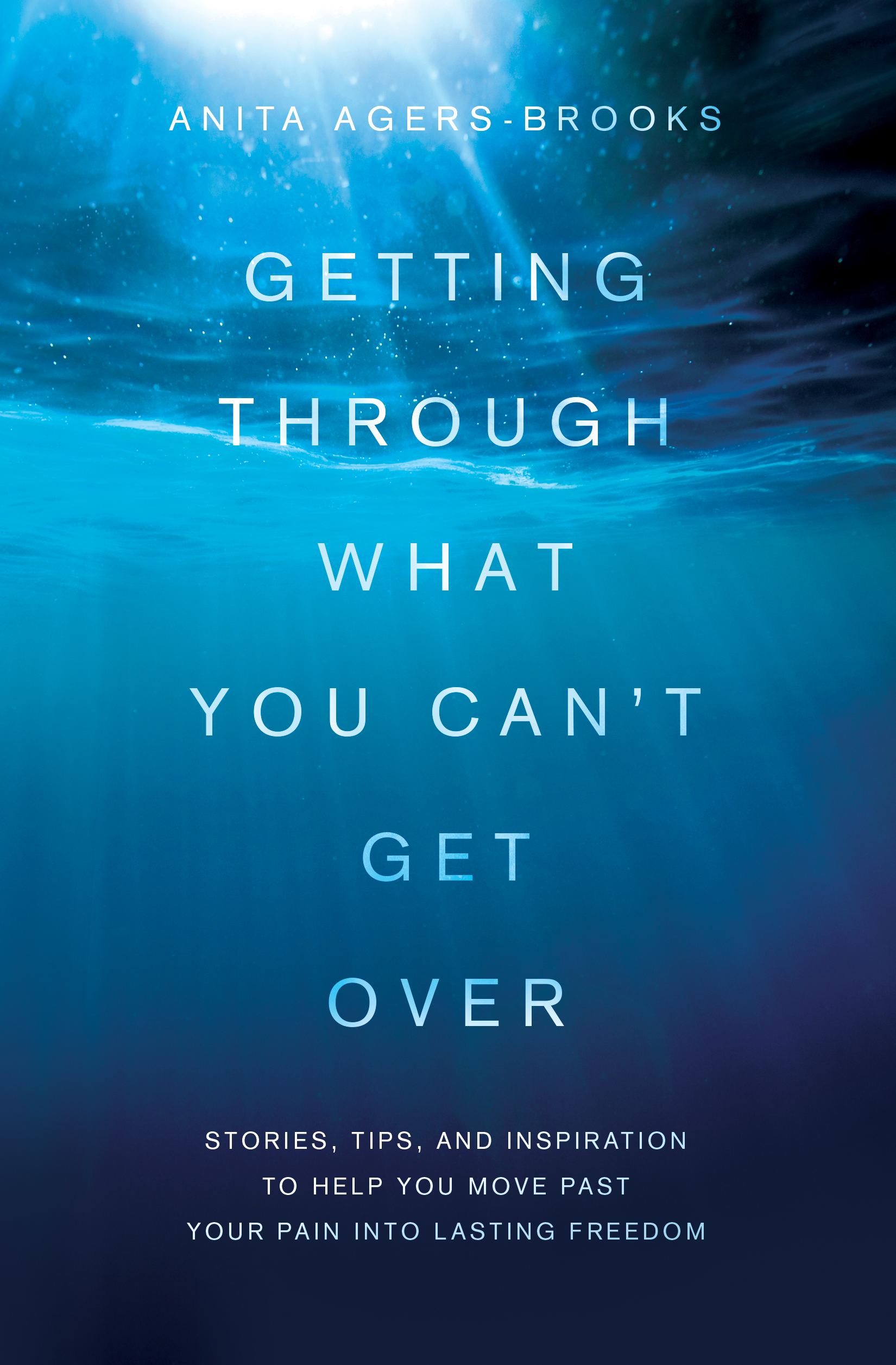
Getting Through What You Can't Get Over Book CoverFor me, nonfiction is my natural fit, and reviewing these bullet points confirms my choice. I have a speaking platform. I prefer truth-telling over make-believe. I love to research facts, statistics, and the latest studies. I actually enjoy the challenge of coming up with a fresh approach to an existing issue, while pounding out a unique title.

There are readers for every genre, or those genres would fade away. Thankfully, there are writers to supply the demands. As an author, I must look at where I can do the greatest good, after all, the books I write ultimately belong to readers. I can’t pen it all, so wisdom says, write what I can pen best. In my case, this means nonfiction.

Are you writing fiction or nonfiction? Why is that your choice?


Got Writer’s Block?

pencil-918449_640It happens to all of us at one time or another. If you’re anything like me, you probably tend to experience “feast or famine” when it comes to putting words onto a page or screen. At times it is hard for my now middle-aged hands to keep up with my brain; and other times, it is frustrating to these same hands to have little, if any, words I can string into sentences that make sense.
If the season I’m in permits me to do so, I use the down times to invest in my own personal growth. I study. I read. I observe. I take notes. I connect with others. This helps me in several ways, but this one way is what motivates me most:

It allows my brain to rest and receive. As writers, we offer so much output that we need to be careful to prevent our own well from drying up. Without investing in our own personal growth and development through relational and educational resources, we minimize our own effectiveness in what we share through our writing.

Most of the time, though, I have some kind of deadline–whether for an event where I’ll be speaking, a blog post I’m writing, a class I’m teaching, or a book I’m authoring. It’s in these situations that I find this one tip helps me get over writer’s block.

The Power of Story

For me, it helps if I can quiet the noise in my inner world long enough to allow a story to come to my mind. It might be a story I’ve read or a story I’ve lived. Either way, there is much to be said about how story inspires.

Consider the following:

“We may live our lives in prose, but it is poetry that we live for. A compelling story can evolve into a narrative that inspires a shared sense of mission. That, in turn can lead to a long and great legacy. That’s the power of story…

As Geoff Colvin explains in his new book, Humans Are Underrated, we are wired for interpersonal connections and put more stock in ideas that result from personal contact than from hard data. Essentially, we internalize stories much better than we do facts.

As proof he points to research that examined expert testimony in a court case. The study found that jurors considered experts that had a personal clinical experience far more credible than those that merely offered an analysis of the relevant facts, even if they were shown that a data driven approach is more accurate. In other words, the jurors needed a story.

Stories are emotional and we are more likely to remember and react to them.”

(For the entire article, written by Greg Satell for Forbes.com, please click here.)

So, if you find yourself struggling with writer’s block, find a quiet place, or do something with your hands that you don’t have to think much through (chores around the house help me), and allow the story to inspire your writing.

As you share the story with your readers, there’s a good chance you’ll connect with them on a personal level in a way that facts alone–regardless of how powerful those facts may be–could never do.

Consider what Curt Thompson, MD has to say in his book, Anatomy of the Soul, in regard to story:

“When we tell our stories or listen to another person’s story, our left and right modes of processing integrate. This is why simply reading The Ten Commandments as a list of dos and don’ts has so little efficacy…Isolating commands for right living apart from their storied context is at best neurologically non-integrating and, at worst, disintegrating. This is why telling our stories is so important.”

Your story is powerful. Refuse to listen to the negative voices inside your own head that tell you differently. There are a whole ‘lotta someones out there who need what only you have the experience to offer. 

Three Things I Wish I Would Have Known When I Started Writing

I still remember sitting in that very first session at my first writer’s conference. Nervous. Insecure. Excited. Then the instructor shared that dreaded statistic. It wasn’t good news.

“About one percent of writers succeed in getting published. Because most give up and drop out of the race.”

I felt liking running out of the room into the brisk autumn air. But instead of following my instincts, I stayed — and made a vow to become one of the one percent. I tell that story here.

Extra ExtraSeven years later, I can report good news. I have two published books, First Hired, Last Fired: How to Become Irreplaceable in Any Job Market by Leafwood Publishing, and Getting Through What You Can’t Get Over by Barbour Publishing. A third, (one I was hired to write for someone else), will release in the spring of 2016, a new proposal is on the market, and I’ve contributed in two others. No one is more surprised than me.

Sometimes I still shake my head and give myself a pinch. Am I really a professional author and speaker now? Those dreams I journaled, those goals I put in black and white — are they truly my reality? Why, yes, they are.

It’s hard to believe only a few short years ago I seriously began to pursue my most secret desire. When I started this journey, I didn’t believe in my abilities. If I had, I wouldn’t have waited so long to get serious.

  1. What you have to contribute is just as valuable as what anyone else has to offer. Trust God’s call to write more than you trust your fears and comparisons. Dare to believe.
  2. Do something in regard to writing every day, (except your Sabbath). Research, blog, write articles, outline new proposals, brainstorm titles, interview someone, whatever it is, make sure that six days a week you are making forward motion in your writing career. But don’t discount any of it. Sometimes you will feel as if you didn’t accomplish anything because you didn’t type words into your computer, but if you conducted a new interview, or outlined a proposal, you were productive in your writing. So quit beating yourself up!
  3. Analyze all of the things you learned in past career fields, much of it will transfer to your writing career. I’m amazed at how my background in banking, accounting, marketing, and even manufacturing have given me insights and understanding about the business of professional writing. Nothing is wasted — including the time you spent doing those things. Don’t begrudge your past, express gratitude for its benefits.

Getting Through What You Can't Get Over Book CoverEach day that passes I become more comfortable in my own writing skin. I realize what I am compelled to put on a page can really help others. For instance, we’re now in the most depressing three months of the year, November through January. Getting Through What You Can’t Get Over will make an ideal gift for those who don’t know what to get someone suffering from anxiety, grief, PTSD, or depression. I can now make that statement with confidence, whereas three years ago, I wouldn’t have dared.

I guess what it all drills down to is something we hear many times as authors. It takes perseverance, tenacity, and determination to make it. If I could go back to the beginning of my career, I would encourage my newbie self to keep on keeping on every day. And there’s one particular thing I would add. I’d lean in close, cup my hand over her ear, and then I would whisper, “Never give up, buttercup. In the end, you’re going to make it. You become one of the one.”

So You Want to Write a Book

photoHave you ever experienced that awkward “oh” followed by the nodding of the head and a slight pitying glance cast your way right after you tell someone you are writing a book? Maybe it’s just me. But it happened more often than not when I shared this little secret of mine: I wanted to be an author. But not only did I want to be, I was trying to be.

Now that my third book will soon hit shelves, those pitying looks have changed to looks of surprise and some pretty fun conversations. I continue to get contacts from friends, friends of friends, and strangers asking, “How do I write a book? Will you help me?” Originally, this overwhelmed me. A lot goes into writing a book. Where do I even begin to teach this? How do I know who will be dedicated to pursue this to the end? Major shout out to the mentors who took time to teach me. The sad truth is that not everyone who wants to write a book or says they are writing a book will ever finish it or see it published.

So how do you avoid falling into this category of a “wanna-be” or “wish-I-had?” No formula is perfect, but this worked for me and this is what I give people who ask me how to start. I had a lot of missteps. I spent a lot of money on training and books. Lost a lot of sleep. Cried a lot of tears. Wondered if I could really do this. Fell in love with characters and settings. But the bottom line is…I tried. And I’m still trying. My writing journey is still a work in progress. But I am always willing to help those who try. My guess is, if you are taking the time to read this, on some level you are serious about making your dream a reality.

  1. How bad do you want this?
    • Know that this is a long journey. How bad do you want it? Have others affirmed this gifting in you (other than your mom)?
    • Ask why this story should matter to others.
  2. Learn how to develop a story.
    • Buy books. Take classes. Do writing exercises. Join a writing group.
    • Write a couple of short stories. Study dialogue, plot, character development.
  3. Brainstorm your idea.
    • Determine what research needs to take place
    • Buy books on the topic/Check out the library
    • Write down your ideas/get something on paper
  4. Start writing.
    • Most companies won’t look at your work until you are finished. Finish the book. Write, rewrite, write again.
    • When you are finished, research publishers that print in your genre. Look into agents that represent your genre.
    • Purchase tools on writing a book proposal.
    • Pray; and be ready for rejection. If this is something you really want and others have affirmed, then keep going
  5. Connect with other writers in your stage.
    • Local writer’s groups are a great beginning, and there are also some online!
    • Develop relationships with people who love story.
    • Ask people to critique what you have, and request honest, tough feedback. Then change your work accordingly.

Prayer + Passion + Perspiration = Success

Keep writing!

Spelunking and Writing in the Deep Dark

When my husband was in college, he and a group of friends went spelunking in an undeveloped cave called Devil’s Icebox near Columbia, Missouri .

Unbeknownst to them, while they spent hours exploring the 6.25 miles of underground passages, it had started raining. When they attempted to return to the entrance, through a narrow tunnel so low they had to meander like snakes on their bellies, they noticed the water was rising. Forced to grope for breaks in the rocks in the tunnel’s ceiling, they were able to gasp for breath in the air pockets.

All the flames in their carbide headlamps became drenched in their scramble to get out of the narrow section and save their lives.

Their lights extinguished.

spelunking

Carbide headlamps or acetylene gas lights were popular with cavers at the time for the bright white light they produced. Unfortunately the flint system–like a lighter–needed to be kept dry.

My husband and his friends, having survived the narrow section, found themselves stranded in utter blackness.

And the water was rising.

Eventually one of the girls in the group found one dry corner on her shirt collar. They dried the flint, lit the lamps and exited to safety.

Despite that experience, my husband still enjoys exploring deep underground caves, corkscrewing his body through narrow passages and entering the unknown.

Me? Not so much.

But I have been in the Deep Dark. My Deep Dark has been cancer.

Perhaps you have your own difficult place.

In the Deep Dark we find ourselves in unknown passageways wondering how in the world we are going to turn on our lights and find our way home.

In the meantime we wrestle in darkness.

Darkness of the unknown. Darkness of our deepest fears. Dark nights of the soul.

Where we wonder where God is in it all.

I have waited on a doctor’s examining table and known the deep darkness. I have sat at a dining room table holding hands with my parents after hearing the diagnosis of my mom’s stage four and heard Dad pray to “our God who is in control.” And I wanted to shout, “God is in control?”

The Deep Dark is a place for shouting. A place for questioning. A place of fumbling for the light.

As writers, one of our challenges is to explore the Deep Dark and take our readers with us as we plunge the depths. One of our most difficult responsibilities is to put into words what people are afraid to whisper in the shadows.

But we don’t leave our readers there.

With our pens … with our pencils … with our keyboards … we craft light in the passages to lead our readers home, home to a God who sees in the dark.

“If I say, ‘Surely the darkness will overwhelm me,
And the light around me will be night,’
Even the darkness is not dark to You,
And the night is as bright as the day.
Darkness and light are alike to You.”  Psalm 139:11-12 NASB

So grab your carbide headlamps. It’s time to go spelunking!

Do You Want to Change The World?

signing declarationWriters can be agents of social change.

I was reminded of that truth after hearing a keynote address at a conference for animal humane workers. The speaker, Amy Mills, CEO of Emancipet, discussed the importance of social change to transform communities in order to improve our treatment of animals. But her words could also be applied to what traits writers need to cultivate to do their job well; in fact, I felt that Amy’s characteristics of social change makers accurately described many of the writers I know. Here are Amy’s six key traits; do you see yourself in any of them?

Social change makers:

  1. Collaborate across sectors. In my own writing, be it the fiction of the Birder Murder Mysteries or my best-selling memoir Saved by Gracie, I draw from many fields of expertise. My sources are birders, dog owners, psychologists, trainers, sociologists, scientific researchers, conservationists, biologists and historians, to name just a few. To be effective, writing has to draw from the world of knowledge.
  2. Are inclusive. Writers want their message to reach wide audiences. To do that, we keep an open mind about who might benefit from our work, and we rejoice when a new market presents itself as one that we might engage productively.
  3. Build empathy. For any piece of writing to succeed, it has to appeal to the heart of the reader. Having something meaningful to share is the first step of the writing process.
  4. Choose curiosity over judgment. The best writers try to see the world with fresh eyes to uncover what is true. Judgment can shut down avenues of investigation that might just lead to new revelations that will transform myself and my readers.
  5. Check assumptions. Writers make careers out of questioning assumptions. Sometimes, we even turn them upside down in the course of our creative process and/or production. The result is new perspectives and new ideas that can often improve readers’ personal or public lives.
  6. Learn from those they serve. Whether it’s hearing about new conservation efforts to protect bird habitat, or effective approaches to increasing animal adoption, or the need for more transparency about mental illness, every bit of research I’ve done for my books has not only taught me more about the world and the people and creatures in it, but how I myself can better connect with and serve my readers by passing along what I have learned. On a regular basis, I hear from readers about the ways my writing has affected them, and it guides me as I plan my next project. Without that feedback, my writing lacks focus, not to mention effectiveness.

Given these shared characteristics of writers and social change makers, I find myself considering my own work as a potential agent for change in the world; I won’t be the first author to do so, nor the last. “The pen is mightier than the sword,” may have come from the pen of English author Edward Bulwer-Lytton in 1839, but it expresses a timeless truth.

What will your pen accomplish today?  

On Zombies

Recently, I’ve noticed a lot of tweets and posts from friends excited about the new television season. Most of them talked about the dramas–obvious favorites. But no one mentioned my favorite:

The Walking Dead.

Here’s the thing. I have a husband and three teenage sons. I have not only missed, but probably never even been aware of, anything remotely pink-tinged or female-oriented that has been popular the last two decades. This includes Downton Abbey (gasp!), Legally Blonde (say it isn’t so!), Glee (I know, right?!), and Dancing with the Stars (oh, the shame!).

Instead, I can recite several monologues–without pause–from the Lord of the Rings trilogies by heart. I can impersonate Batman better than Christian Bale. And I *might have* wept at the new Star Wars 7 movie trailer.

Although the novels I write might be more likely to be read by women, I think my immersion in all-things-male helps my writing. (The exception would be that I tend to kill too many characters off in early drafts. Thankfully, my editors remind me I have to keep a few alive.) While I do binge read within my genre, reading and watching movies outside my genre often sparks my imagination anew, and in turn, helps refresh my writing voice and helps to keep me from writing what’s expected.

Writing what’s expected helps us avoid feeling ashamed of our art. And yet, in the same way you didn’t expect to see a title like “On Zombies” here at the WordServe Water Cooler, writing the unexpected often grabs a reader’s attention.

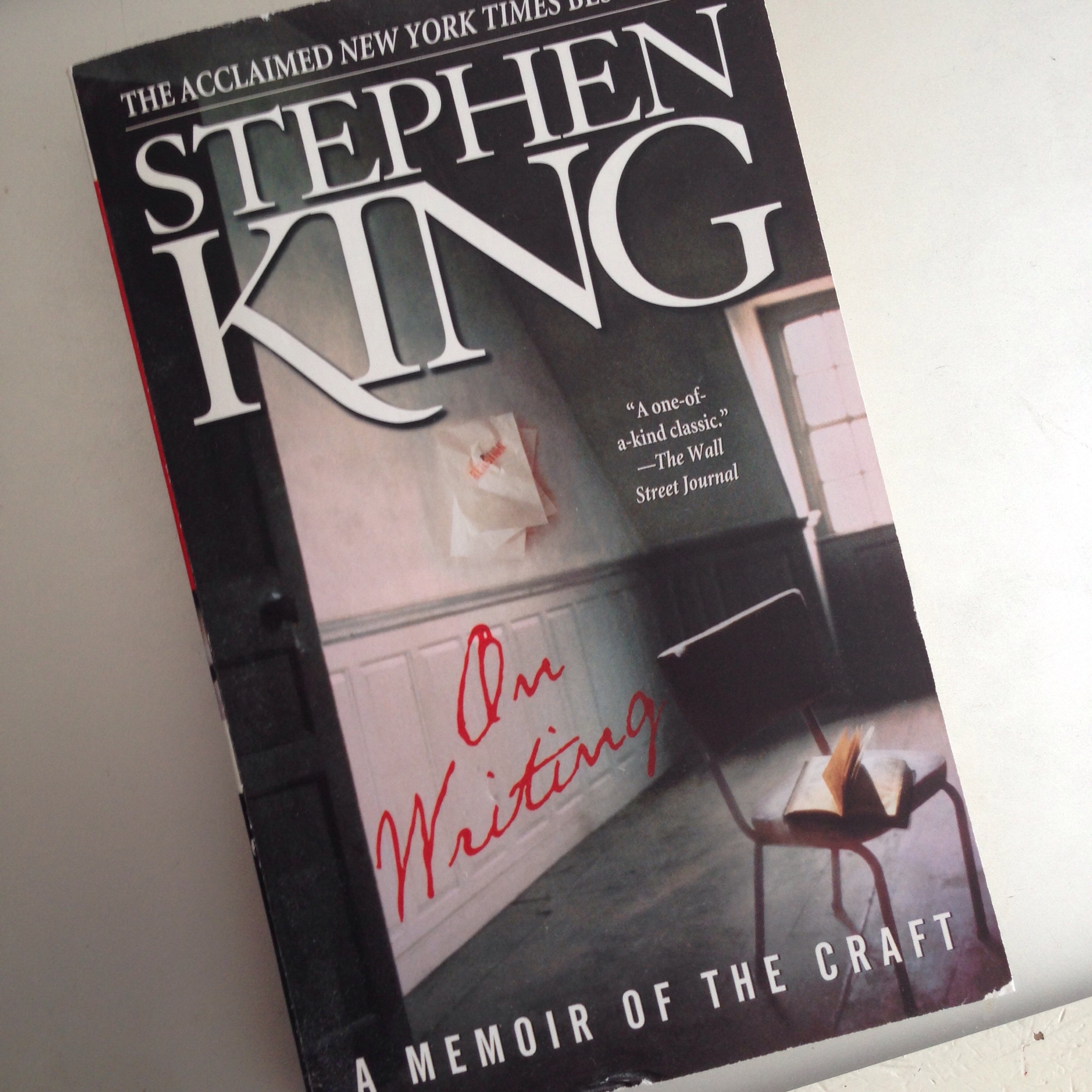
A favorite resource for many writers is Stephen King’s book, On Writing. Here’s what he says after a teacher accused him of “writing junk” and “wasting his abilities” on horror and science fiction:

“I had no answer to give. I was ashamed. I have spent a good many years since–too many, I think–being ashamed about what I write. I think I was forty before I realized that almost every writer of fiction and poetry who has ever published a line has been accused by someone of wasting his or her God-given talent. If you write (or paint or dance or sculpt or sing, I suppose), someone will try to make you feel lousy about it…”

If King had listened to that teacher, if he had not continued to think and write out-of-the-box stories, we’d really be missing out.

I’d like to challenge you to consider reading or viewing something completely unexpected for a change.

Silence the voices in your head telling you what you should write, and discover what you want to write, what compels you, what compels others in out-of-your-genre work.

In the meantime, I think I’ll go rent a copy of Legally Blonde.

Mars versus Venus: Attracting Readers of the Opposite Sex 2/2

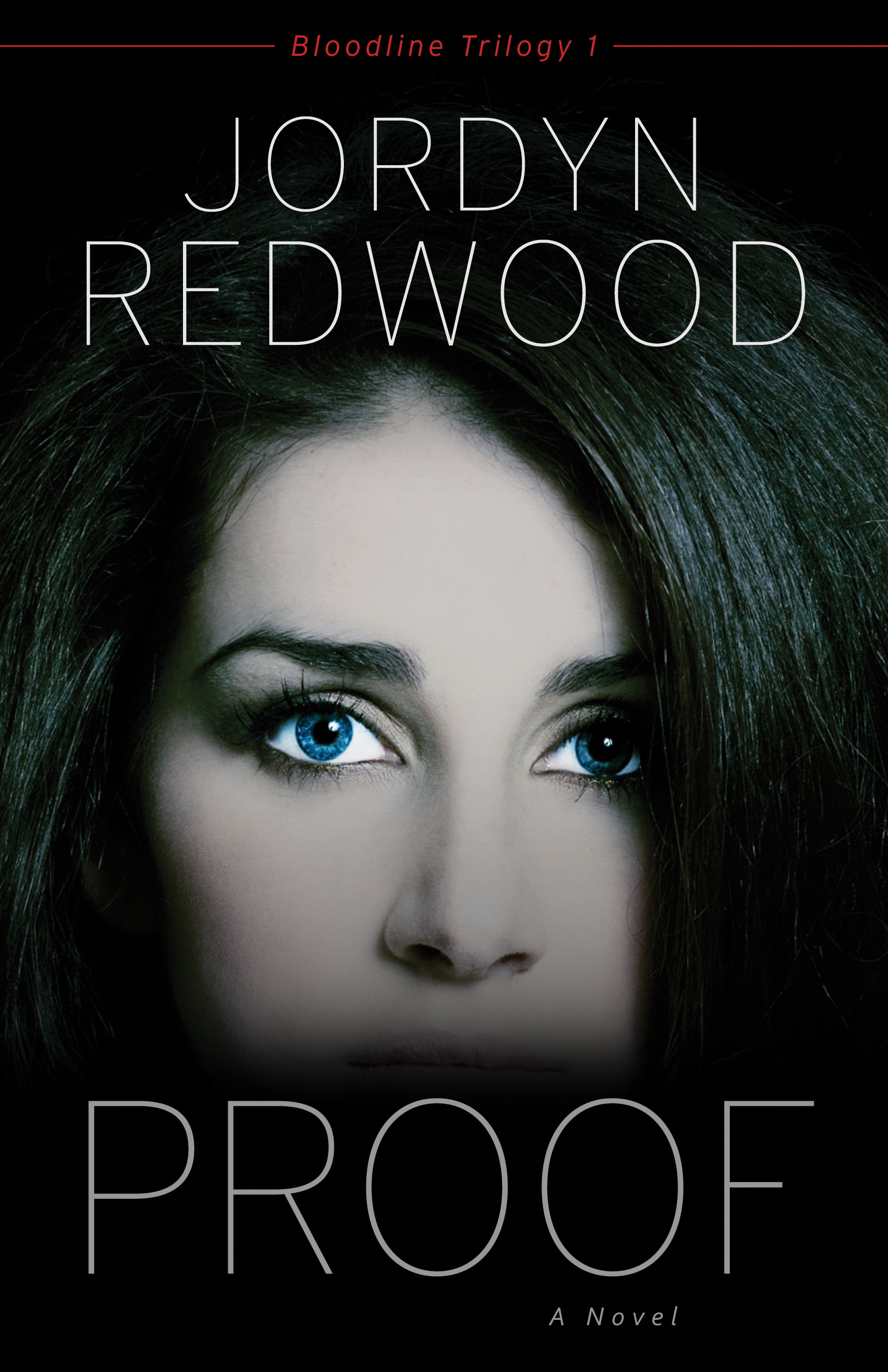
Today, we’re continuing our discussion on reading novels by the opposite sex and what we can learn from that experience. Western historical author Peter Leavell talks about his experience reading my medical thriller Proof. You can read about my experience reading Peter’s western novel here.

1. Have you read this genre before? If not, why not?

ProofHRphotoPeter:  Suspense I have read. Medical thrillers I have not. Perhaps I’ve avoided the genre because of Grey’s Anatomy. Being a man, I never differentiated drama and thriller, giving the two an unfair shake. I didn’t watch Grey’s Anatomy because of a man the ladies chatted about—McDreamy—which instilled as much interest in me as a bunch of guys talking about a great new clip for a .22 rifle might in a lady.

I did look at a picture of McDreamy. I’d say he’s more McOkay. But the buzz about a show with a sexy man (no one ever discussed the plot) destroyed my interest in medical anything. Because I wasn’t really interested in a handsome, flawed doctor. Wait. Now that I put it that way, it doesn’t sound so bad.

2. What did you find surprising about the book? About the genre?

Peter:  A thriller? Medical thriller? As a historical fiction author, the novels didn’t enter my scope of reading—perhaps a Civil War amputation with a dude taking a shot of whisky then biting down on a bullet. When I picked up Jordyn Redwood’s book, I expected some dude who stole morphine and gets caught at the end.

His romance or her romance would be the crux of the novel. Granted, I would still find a romance interesting. Not so with Jordyn’s book. Serial rapist. Twists and turns. Thrilling action and flawed characters looking for redemption. Yeah, the novel had a lot more than I thought.

Being squeamish in the extreme, I thought I would get lightheaded a lot. I had a few bullets on the ready to bite down on, and was thinking about whiskey. But I didn’t need them. In fact, the first scene had medical thrills that pulled me in so fast I couldn’t put the rest of the novel down.

Jordyn: Wow, I didn’t know you were squeamish about medical things. I could have warned you a little bit.

3. Would you read this genre again?

Peter:  Only if Jordyn recommended. Like I said, I’m squeamish, so I have to tread carefully. It’s one thing to thrust a sword through an enemy. I’m okay with that. But to go into details about stitching a laceration? Or worse, drawing blood? Yeah, pass me a paper bag to breath into.

4. Did you feel like you gained any insight into the opposite sex having read the book?

Peter: Tons of insight. Proof’s main character, Dr. Lilly Reeves, is keenly aware of her relationships with others. In fact, the entire novel flows in terms of relationships, giving the writing a flowing style that makes every action from a character reflect on another character—or somehow affect them. Guys (generally speaking) are vaguely aware some people are more important than others in his life, like say a mother.

Lilly gets advice from friends. A guy’s opinion, again generally speaking, is his standard, and any good advice given him is simply an oversight in his movement forward. He simply adjusts and keeps moving forward.

Emotions play such an important role in a woman’s life and in Jordyn’s novel. Men seem to see emotions as an obstacle and try to rid themselves of them as quickly as possible. Women seem to work through emotions with long thought processes and long talks with friends. Interesting to read, at least for me, but if the entire novel is this process it can be tedious and frustrating.

Jodyn’s novel has characters’ thought processes, but they’re anything but tedious. They’re short, and blessedly to the point. A man gets a thought in his head and simply goes for it, and he’ll deal with the consequences with apologies and flowers later. That gives him time to ramble aimlessly about facts that don’t relate to anything.

Also, women characters in Jordyn’s novel are keenly aware of their bodies. Where their elbows are, for example, at any given time. Touches. Blood flowing through veins. They are also aware of everyone else’s body language. Many men simply blunder through life, knocking things over because they forget to steer their legs. Men are cute that way, I guess, and really need a woman to steer.

Interestingly, Jordyn’s characters, men and women, reflect real life. Both men and women are trying to run from something. Events, emotions, the past. Both sexes deal with problems differently. Both reflect reality.

5. What do you think might be lacking from reading this book authored by the opposite sex that you like in novels written by your sex?

Peter:  Jordyn takes great pains to show how people are cared for. A man would skip that part. Also, how will the feelings of those she knows be affected by her decisions? A man would focus on how lives will be changed. In his mind, the stakes must be higher than feelings. Jordyn’s novel is the perfect mixture of both.

What about you? Do you typically read novels authored by the opposite sex. Why or why not?

************************************************************************************************

PeterLPeter Leavell, a 2007 graduate of Boise State University with a degree in history, was the 2011 winner of Christian Writers Guild’s Operation First Novel contest, and 2013 Christian Retailing’s Best award for First-Time Author. Peter and his family live in Boise, Idaho. For entertainment, he reads historical books, where he finds ideas for new novels. Whenever he has a chance, he takes his wife and two homeschooled children on crazy but fun research trips. Learn more about Peter’s books, research, and family adventures at www.peterleavell.com.