Coming Out of the Wilderness

Denabutterfly1The last half-decade has been full of changes for our little family. Stressors included the death of several friends, unwanted job changes for both my husband and I, health challenges, and a total of four moves in five years. We’ve bought and sold three houses (well, we bought three houses…one is yet to sell, so we’re renting it out). Finally, both my dad and my father-in-law underwent major heart surgery within a few months.

Whew. It makes me tired just reading that . . . let alone living it.

To add to the chaos, my writing career stalled. Ideas I felt were timely were turned down again and again, although my previous editors loved several of them and went to bat for me. I prayed, cried, doubted, and wondered what God was up to. He provided income through work for hire projects, magazine and editing work, and I was thankful. However, I longed to write books again.

I didn’t want to turn my back on God because I felt like I didn’t deserve my circumstances. I longed to be obedient, even in the difficulties. I prayed continually for strength, and I kept seeking Him . . . even when He seemed very, very quiet on the subject of when (or if) we might be done with the “desert” we were in.

Wanna know something? Every time I cried out to Him, He answered. Sometimes He reminded me of a Scripture passage that ministered profoundly to me. Songs came on the radio which seemed to have been written just for my situation. Friends and family members called, texted and emailed me at perfect moments, when I couldn’t seem to take another step or cry another tear. He was faithful. So, so faithful.

Two years ago, my friend Tina called me with a book idea, and I knew in an instant that we were meant to collaborate on that project together. Greg Johnson agreed to represent us, and (in a first for me), we actually had two offers on the project.

WoundedWomenIt came out this month, and my heart is full. Though the process of putting the book together was emotionally draining, it was a pleasure to write with such a kindred spirit. I couldn’t be more excited about the finished product (thanks, Kregel!).  Everything I’ve lived through, in publishing and life, has prepared me for Wounded Women of the Bible: Finding Hope When Life Hurts.

Six  months ago, God led my husband into full-time ministry and moved us back to a place we love. It feels as if we are finally coming out of the wilderness and into an oasis. We are grateful beyond words. And we can see in hindsight that He’d been honing and refining us all along to minister more effectively to hurting people.

Friend, are you suffering today? Do you wonder if God has something against you? And do you fear that you’ll ever feel joy again?In-Gods-economy-our

Oh, I’ve been there. My heart aches for you. But this I know: the path He has you on may seem lonely, and you might not feel His presence. But He hasn’t left.

He is up to something, even when we can’t see it. Until then, trust Him with your wounded places, for one day, they will become ministry spaces.

He promises.

WordServe News: August 2013

Exciting things have been happening at WordServe Literary!

On the final post of each month you’ll find a list of Water Cooler contributors’ books releasing in the upcoming month along with a recap of WordServe client news from the current month.

New Releases

First HiredAnita Agers-Brooks has her debut book coming out, First Hired, Last Fired: How to Become Irreplaceable in Any Job Market (Leafwood).

****************************************************************************************

MountainsJulie Cantrell released the sequel to Into the Free, called When Mountains Move (David C. Cook).

****************************************************************************************

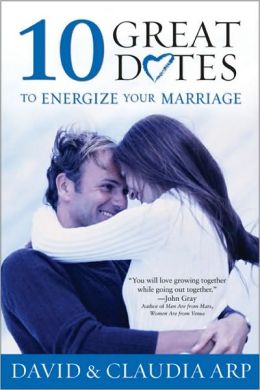
GreatDatesPeter and Heather Larson and Dave and Claudia Arp release 10 Great Dates: Connecting Faith, Love and Marriage (Bethany House Publishers)

****************************************************************************************

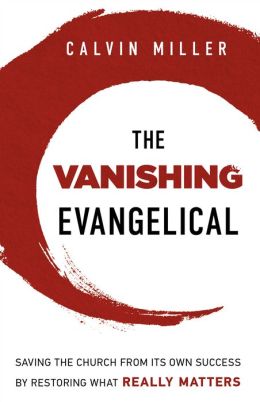
VanishingCalvin Miller’s last book, The Vanishing Evangelical: Saving the Church from its Own Success by Restoring What Really Matters (Baker Books).

****************************************************************************************

InventionOlivia Newport, The Invention of Sarah Cummings (Revell)

****************************************************************************************

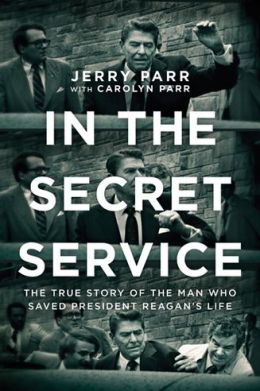
SecretServiceJerry and Carolyn Parr, In the Secret Service (Tyndale House Publishers)

****************************************************************************************

stillloloLauren Scruggs (with Marcus Brotherton) has her book Still Lolo coming out in trade paper (Tyndale)

****************************************************************************************

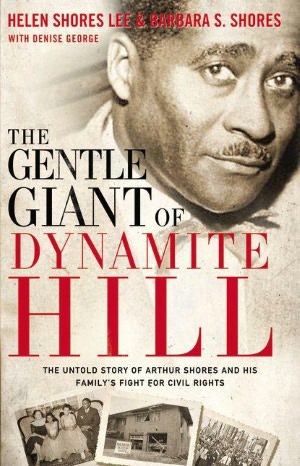
GentleGiantHelen Shores Lee and Barbara Shores (with Denise George) have their memoir of their Civil Rights champion father, The Gentle Giant of Dynamite Hill come out in trade paper (Zondervan Publishing Houses)

****************************************************************************************

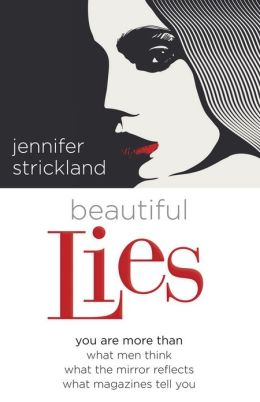
beautifulliesJennifer Strickland is releasing Beautiful Lies, book and separate Study Guide (Harvest House Publishers)

****************************************************************************************

TenaciousJeremy and Jennifer Williams released their moving memoir, Tenacious: How God Used a Terminal Diagnosis to Turn a Family and a Football Team into Champions (Thomas Nelson)

****************************************************************************************

FootballMike Yorkey has another book coming out in the Playing with Purpose series, this time on the lives of NFL football players (Barbour Publishers)

****************************************************************************************

New Contracts

Daniel Allan signed with IVP for a book called Deeper, a call for young men to look for ways to grow their roots as they transition from youth to adulthood.

Wintley Phipps signed with Tyndale for a book titled Living the Great Life (co-written by James Lund), in which he shares the secrets to living a fulfilled life by developing eight vital characteristics.

Jan Drexler with Love Inspired for her second novel. Congrats, Jan!

What We’re Celebrating!!

Becky Johnson and Rachel Randolph had a NICE article in the recent issue of Guideposts Magazine surrounding the release of their mother/daughter cookbook We Laugh, We Cry, We Cook, as well as a 4-part article in the huge website/blog postings, Beliefnet.

What can we help you celebrate?

Use of Humor in Thriller Novels

Don’t we need humor in life to make it through? Life is hard. I have two very serious jobs. I’m a real life pediatric ER RN and a suspense novelist. Those can be heavy days but they can also be fun days—by using a little humor to get through.

LaughterMarriage is no different, right? Humor is necessary. What are some of the funniest things that have happened between you and your spouse? To take a break from discussing serious subjects: like death, trauma, and writing suspense—I thought I’d take a humor break and share some funny highlights from my married life.

Do you find that opposites attract? That’s the truth with my husband and I. He’s the quiet introvert. I’m the more outspoken extrovert. He gets queasy at the site of blood. Obviously, I do not. What we have seems to work—as we’ve been married fifteen years.

During our dating years, we were set to see a movie. I drove to his place and let myself in—and then sat there fuming when he was nowhere to be found. This was before the age of everyone having a cell phone. Finally, his phone rings. I answer. He’s on the line. “Where are you?” He asks. “Where are you?” I ask right back. He says, “I’m at your place!”—“Well, I’m where you should be.”

Other funny moments? Let’s see—teaching kindergarten Sunday school with his ex-girlfriend. Well, we can laugh about that now.

My husband likes to trim his own hair. One day, he mistakenly forgot to put the spacer on the clippers and took a swipe. Without much introduction, he comes into the living room and asks me, “Can you fix this?” with one bald stripe down the middle of his head.

I burst out laughing so hard—I still crack up thinking about it. ER nurse, honey—not hairdresser extraordinaire.

Then, add kids to the mix and the potential for a good laugh multiplies. We have two daughters age 8 and 10. When my youngest was perhaps 4 y/o—she was just in one of these pestering type moods. After several attempts at redirection, I finally just say, “Please, just get out of my hair!” In her sweet, innocent voice, she says—“But, I’m not in your hair.”

Sometimes, readers need lighter moments to get them through serious subjects or intense novels, too. I have a very dry sense of humor. My debut medical thriller, Proof, dealt with some very serious subjects and I thought whilst writing the ms—I really do need some moments of levity.

Hence, the humorous pairing of my odd couple detectives, Nathan Long and Brett Sawyer. Nathan means business. He’s serious and organized—bordering on an undiagnosed case of OCD. A southern gentleman. Brett’s the laid back easy type—maybe plays a little bit loose with the rules to get the job done. Often, their interactions provide comic relief in Proof. Let me give one example: an elderly woman with some questionable underwear choices serving them tea with a heavy dose of liquor during an interview. You may think that would never happen. Well, just recently I had a 14y/o show up just in his skivvies—at the ER. That’s right—just the white cotton briefs. And let me say—he was not deathly ill. Plenty of time for that young man to get dressed.

What about you? What’s the most humorous thing that’s happened in your married/dating/writing life? I’d love to know—could end up in my next book.

Names withheld—of course.

Book Reviews: Do They Help?

Agents, editors, and publishers alike encourage authors to build platforms and engage with readers, well before books are published, whether non-fiction or fiction. I work in both arenas, so I launched www.kerriansnotebook.com (a crime fiction blog with non-fiction resource links) in December of 2011 and www.nightstandbookreviews.com (a book review site that I’ll refer to as NBR) in December of 2012.

BookwormJordyn Redwood and I chatted online and after reviewing Proof, her terrific debut novel, I shared with her some interesting patterns that seemed to be emerging with the book review readers. Three months after the website launch, reviews of books by male authors were being sought out more frequently than those of female authors. It has now been six months since the launch and that remains true.

In the first six months, I reviewed 29 novels, featuring 15 female authors (5 debut, 1 indie) and 14 male. More than half the titles I review are in the suspense/mystery genres, but women’s fiction, historical fiction, adventure, and cozies can be found on the list as well.

I use Google Analytics on my WordPress sites, a great tool for mining the readership data. Here are some of my discoveries:

Spikes in the data for the book review site seemed to be tied to school (and perhaps work) vacations. I post new reviews on Thursdays. NBR gets the most hits for the reviews on Thursdays and Fridays, with the exception of the vacation weeks.

The most read review? Joe Finder’s, Buried Secrets, a thriller.

The second most read? Dee Henderson’s “O’Malley series.” Wahoo! A Christian writer in second place, just ahead of Lee Child and well ahead of a few huge bestselling males in the suspense/mystery genre. Initially, the review of her O’Malley series did not receive much interest, but two-three weeks after Full Disclosure was released, the hits on the related review on my site increased and continue to do so. During that same time, Ms. Henderson (or her representative) became involved in a Twitter promotion and retweets of my review increased.

#3 thru #7 are male suspense/mystery writers (all bestselling authors).

#8 – female debut author, legal mystery, ebook only.

#9 – female author, women’s fiction, bestseller.

#10 – female author, romantic suspense, bestseller.

#26 thru #29 – female authors, a mixture of genres, 3 bestsellers.

Update (as of 8/23/2013)
During the last month, the Dee Henderson review has moved into first place, by a LOT. The rest of the authors maintain approximately the same standings, with the top of the list after Dee still mostly men, and the bottom of the list, mostly women.

Authors who have an active Twitter presence retweeted my tweets about their books (6-8 times a day the first two days of each new post) and that resulted in sales (they told me so) as well as retweets from other fans of mine and theirs. They were also higher in the rankings for my site.

I continue to tweet about each of the titles, but most of the hits come from the first week of publication of the reviews. If the authors have a new book coming out after the initial week of my post, incoming links to the site indicate a specific search for the author.

Most weeks, Twitter is much more effective for Nightstand Book Reviews than Facebook. FB is more effective for my crime fiction site. Half of the FB followers are personal friends and acquaintances, mixed with professional associates. Almost all the Twitter followers were initially unknown to me personally. Several Tweeps have become online friends whose work I respect and also promote. I follow a number of writers and bloggers who provide valuable sources of research information and I promote their work on Twitter’s #FF (#FridayFollow).

According to Google Analytics, I have had absolutely no click-thrus from the Pinterest boards, but LinkedIn has produced a few hits.

The Paper.li community has generated repeated hits for the book reviews. I retweet the Paper.li posts, highlight the publishers, and that in turn, increases hits.

Aside from the increased exposure, there are other benefits to all the work that goes into creating and maintaining both sites. A Christian writer subscribed after reading the ‘About NBR’ blurb. We chatted through FB, discovered we live three hours from each other, and a few weeks ago, I had the privilege of taking a look at an ARC of her book that was in the final edit stage. Three weeks from now, I will attend her book signing, and take some friends along. So much fun!

For me, it has been all about building relationships within the FB, Twitter, and Paper.li communities. Some of those relationships were established after I did guest blogs about research for the crime fiction work, some after attending conferences. But a few have begun just because people like what I write or I like their work and promote them. I have met a few of the fans in person – what a blessing to be able to do so!

Does social media help you? Where do you focus your efforts?

************************************************************************************************
PattiPhillipsPatti Phillips is a transplanted metropolitan New Yorker/north Texan, now living in the piney state of North Carolina.

Her best investigative days are spent writing, cooking, traveling for research and playing golf. Her time on the golf course has been murderously valuable while creating the perfect alibi for the chief villain in her novel, One Sweet Motion. Did you know that there are spots on a golf course that can’t be accessed by listening devices?

Ms. Phillips (writing as Detective Charlie Kerrian) can be found at www.kerriansnotebook.com. Her book reviews can be read at www.nightstandbookreviews.com.

Four Fiction Marketing Fallacies

Spend enough time in the writing blogosphere, and you’ll find all sorts of information on all sorts of topics. But by far the most misunderstood and misrepresented area is that of marketing. We all know that once you write a book, you’re going to have to market it somehow, but opinions on how to best do that vary wildly.

Today we’re going to take a look at the most common fiction-marketing fallacies:

Skye1. Good marketing is more important than good writing.

If you spend any time at all on writers’ sites and blogs, you will hear the opinion that platform (and marketing) is the only thing you need to sell a book. Quality doesn’t matter, just the number of followers you have on social media, the numbers of subscribers on the mailing list, and number of free books you can “sell” on Amazon to boost rank.  Proponents of this idea cite badly-written but heavily promoted books from the New York Times Bestseller list.

But this is unquestionably a fallacy. For one thing, it reflects a poor view of the reader, supposing that buyers can’t tell a good book from a bad book. Even if you do manage to sell bad books through your marketing methods alone, readers will only be fooled once. They won’t buy your next one. Your goal should be to write an excellent book, market it well, and rely on good reviews and word of mouth to help build momentum for your next release.

Inspirational romance author, Becky Wade says it best: “An author who invests thousands of dollars and hours in publicizing her novel will convince some people to spend their hard-earned money and time on it.  But if her readers aren’t crazy about her book, they won’t buy her next one.  Worse, they might tell their friends not to bother.  So what’s the author accomplished, ultimately? In my opinion, the best way for any author to get word of mouth going is to write a book that readers love.”

2. Platform can wait.

On the opposite side of “marketing is king” is the idea that fiction writers don’t need a platform. While it’s true that platform is far more essential for a non-fiction writer, who will rely on his or her established network of followers to sell books, fiction writers still need to give some thought to how they will reach their readership.

You don’t need a ready-built platform to acquire an agent or sell a novel to an editor. But, at some point in the publishing process, your acquiring editor, marketing manager, or publicist will contact you about your marketing plan. You probably don’t want to be thinking about it for the first time when you’re knee-deep in substantive edits. At very least, you should be building a following on Facebook, Twitter, and your blog (if you have decided to blog) pre-publication. It would also be helpful to think about the rudimentary bones of a marketing plan, including your mission statement as a writer.

3. Social media is the only method you need to sell books.

The third fallacy is probably the most widespread. Writers spend hours a day on Facebook and Twitter plugging their books to their followers. Social media can be a great place to interact with readers, but it’s certainly not the main place that books are getting sold. (And over-promoting on social media is more likely to lose you followers than create new fans.)

According to Jeane Wynn, President and CEO of the publicity firm Wynn-Wynn Media, “It takes all types of media to sell books. Social media is one component of a successful publicity campaign, but so are trade reviews, online reviews, blogs, and broadcast media. Writers shouldn’t focus on one area to the exclusion of all others.”

Besides, as every writer knows, “marketing” on Facebook can quickly become an avenue to procrastination!

4. My publisher will do all the marketing for me.

It is true that some of the larger publishers, especially in the inspirational market, will do a huge amount of marketing for their authors. For the most part, though, stories of book tours, television commercials, and full page magazine ads are either writer urban legends or perks reserved for best-selling authors with huge followings and major name recognition.

The amount of publicity and marketing help that a publisher will give varies from house to house and even from author to author. Even in the best case scenario where the publisher is involved and proactive, writers should plan on spending a substantial amount of time helping market their books around launch time, whether it’s writing guest blog posts, filling out online interviews, or arranging speaking engagements.

Remember, no one will be a more enthusiastic advocate for your story than you!

Writing a good book may remain the most important focus for an author, but marketing is a large component of turning writing into a paying career. Setting the proper expectations and thinking ahead now will go a long way to smoothing the marketing process during publication.

************************************************************************************************

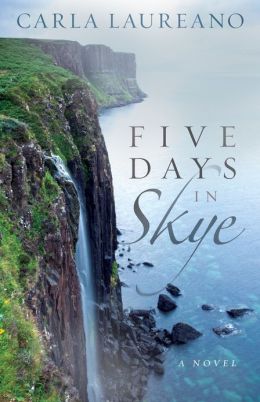
CarlaCarla Laureano has held many job titles–professional marketer, small business consultant, and martial arts instructor–but writer is by far her favorite. She is a member of American Christian Fiction Writers (ACFW) and currently serves as Vice President of the South Denver ACFW chapter, Mile High Scribes. Her debut romance novel, Five Days in Skye, was released by David C Cook in June 2013. The first volume of her three-book young adult fantasy series, The Song of Seare, is due out from NavPress in May 2014. She lives with her husband, two sons, and a menagerie of small pets in Denver, Colorado.

Being a Published Author Won’t Make Me Happy (And How I know That)

As I finished grad school, I began writing about my experience. I wrote about what I wished I had known earlier in life. I wrote about psychological tools that heal people. In summary, I wrote about pain and what healed that pain. One day, while sitting in a coffee shop, I decided I was going to write a book about all this. So let’s see, it only took eight years to figure out how to find an agent, query an idea, write a proposal, change my idea, change my agent, and finally write the book once it sold. And only eight years of full time engagement in social media, blogging, and marketing. Only eight years of researching and learning through writing and speaker events. That in addition to my real job as a Licensed Professional Counselor and part time professor at a local university.

Getting a book published is difficult.

20130314-_MG_7882So the idea of seeing boxes of books on my front doorstep feels both surreal and monumental. It’s a huge accomplishment that I will celebrate with a party, in a red barn, with twinkly lights. There will be music, friends, food, and revelry. But I know that a published book won’t bring me happiness.

A few days ago I was talking to a friend who has authored over 40 books. I told her I knew that having a published book would not make me happy. She seemed surprised and wanted to know how I knew that ahead of time. I told her I thought it was because I had done so much research on the topic of happiness. I understand what poor judges people are at knowing what will bring them happiness and what won’t.

Striving authors need to know that a published book won’t make them happy. Here’s why:

  • People have a happiness set point. Fifty percent of happiness is genetic, ten percent is based on life circumstances, and forty percent is within our power to effect. For instance, Americans will put themselves in debt for decades thinking a dream home, boat, or car will make them happy. But the new wears off within a few days because of an effect called hedonic adaptation. Most people don’t understand that the lotto winer and the paralyzed person will bounce back to their prior happiness level within a few months of their changed life condition.
  • The joy is in the journey. I’ll never forget what my friend Zeke Pipher said when his book released. In essence, “Whether this book sells or not, it won’t define my worth, happiness, or success.” He went on to describe his faith and his relationship with his wife and children, saying those were the reasons for his joy. Zeke should know. His mom wrote an international best-seller. She soon found that the harried pace of traveling and speaking made her miserable. There’s an interesting research study that found when people were randomly beeped, and told to write down what they were doing and how happy they were, folks were happiest while in the creative state of “flow.” Flow is when you are fully absorbed in an activity, so much so that you lose sense of time. Numerous studies have shown that it is the striving, not the achieving, that makes us happy, especially when our goals are realistic, flexible, valued by the culture, authentic, non-materialistic, and not negatively impacting other parts of our lives.
  • The more we attain, the more we want, and this negates our increased happiness. Professor Sonja Lyubomirsky in her newly released book, The Myths of Happiness, explains that aspirations are misleading. We attain more, so we want more, and the wanting makes us feel bad. Crazy huh? She concludes that we shouldn’t expect less but that we should simply not allow our desires to continue escalating to the point where we end up feeling entitled and convinced that we would only be happy if we got more and more of this or that.
  • Relying on external rather than internal validation makes us unhappy. Some people think they will be happy based on other people’s opinions of their success. But, when we ask ourselves the question, “How good (successful, smart, prosperous, ethical) am I?” the people who rely on an internal rather than external objective standard are happier. There will always be someone wealthier, more attractive, thinner, more popular, and more talented. Therefore, relying on other people’s opinions rather than our own is a recipe for misery. In short, goals which cause growth, make us feel competent, and connect us to others are the ones that make us happy. Goals that make us strive to be rich, famous, popular, or powerful make us unhappy. (I wrote more about this over here at Michael Hyatt’s blog.)

*I orignially wrote this post just before my book released in March 2013. It’s true, having a published book has not made me any happier than I already was. I feel a sense of achievement and gratitude, but I’m glad I knew it wouldn’t make me any happier than I already was.

Think about the last big milestone you achieved.

How long did the happiness last?

I Told You So

IMG_38701_edited-1

Some of the most well meaning people told me to wait to write until I get older. No way a twenty-something can write what people want to read. You don’t have enough real world experience. This is a pipe dream.

The reality of writing a book is that this is a tough job, tough business, and not everyone succeeds. So often the people in our lives have the best intentions as they quietly attempt to redirect us. They don’t want us to be disappointed, experience the sting of failure, or struggle through pain induced by rejection.

Thank goodness the Lord has different plans. I’m thankful for those who attempted to redirect me. I’m thankful for the countless friends and family members who consistently encouraged me. Both groups helped me trust the Lord more. I imagine Him smiling down with a little chuckle and saying, “I told you so.”

I am under qualified in life experience, but I serve a big God. If fisherman can become world changers, so can I. I love what the apostles say in Acts 4:20, “As for us, we cannot help speaking about what we have seen and heard.” So let’s turn that into writing advice:

1)   Write what you know.

I know the heart of young adults to make a difference and dream big. I know the pitfalls that come with learning this adult life. I know the struggles of my parents to raise kids and find a new dynamic with adult children. I know my grandparents’ joy as they pour into us and take the “friend and counselor” role because they’ve already done the parent thing.

I know the south. I know Texas. I understand different personality dynamics. I know how girls think. With a younger brother, I’ve been around guys enough to know how they react and respond.

Bam. I can take all that and craft characters, scenes, problems, and story lines. Imagination takes care of the rest.

2)   Write what you want to learn.

In the course of writing my first book, I wanted to learn more about the SEALs, Haiti, and living in the deep south. (Yep, my brain is random.) So I set my book in Alabama with a trip to Haiti and a Navy SEAL love interest. I might recommend starting out with something slightly more familiar for a first novel, but I rarely pick the easy avenue when I start a project. So here we are!

I traveled to Haiti, made friends with a SEAL, and peppered my Alabama friend with questions and requests for pictures. I worked to become an expert. I’m still a long way from perfection, but I can now speak with a working knowledge on these topics.

3)   Write from your passions.

Three things impact my writing heavily:

– Characters that dream big

– Life as an adventure

– Hope that is found in Christ

I believe we serve a big God who loves to do big things with everyday people. I believe every day is an adventure crafted by the Master Storyteller. And I believe every story ends with hope because of Christ. Forget this post-modern idea that you live and die and that’s it. We were created for something more, and my stories wrestle through hard issues that don’t always end perfectly but always end with Christ. With that fueling me, passion informs every word I write.

I don’t have to understand life, the universe, and everything. I understand my world and snapshots of the world around me. I write what I know. I write what I want to learn, and in doing so, my world expands to fuel my next novel. I write what I’m passionate about, which changes and grows constantly.

Now, I’m telling you that you can do it. You can achieve your writing dream. There were many moments when I doubted this dream would come true. But if the Lord has called, He will bring it to pass. Keep writing. Keep growing. Keep networking.

One of these days, when you get that first contract in the mail, know that you heard it here first: I told you so!

Build Your Marketing Wings on the Way Down

“The person who says it cannot be done should not interrupt the person who is doing it.” – Chinese Proverb

“Go to the edge of the cliff and jump off. Build your wings on the way down.” – Ray Bradbury

These powerful quotes began a wonderful book marketing seminar I attended recently with Sheri Fink, a #1 international best-selling, award-winning children’s author and creator of “The Whimsical World of Sheri Fink” children’s brand. Sheri writes books and gives talks that inspire and delight children while planting seeds of self-esteem. She is also very generous with sharing her best practices, as she has an extensive background in marketing.

No matter how you come to the table as an author, marketing is going to be a certainty for the duration of your career. How can we turn marketing into a labor of love? Sheri advises authors to “Write the story your heart wants to tell.” Although she enjoyed a very successful career in corporate America, her dream was to encourage and help children through writing. Sheri was able to leverage her work experience into a successful book launch, and within a few short years, her series has evolved in ways she never dreamed would happen. For example, she was approached by a playwright from Washington, D.C. who wanted to adapt one of her books for the stage, because he believed in her product. Over the course of a year, he shopped it around until a theater in Tennessee picked it up. It is now in production and will be playing to audiences in the near future.

During the seminar, Sheri emphasized the importance of graciousness and authenticity when interacting with readers. Going all out with a focus on creating a special event for the guests will result in a more enjoyable experience for everyone. At a recent festival in Mission Viejo, author Dean Koontz stayed hours longer than he was scheduled to attend a book signing. Why? Because he still had fans waiting to speak to him. Mr. Koontz posed for pictures and even put someone’s pet poodle on the table for a photo opportunity. This kind of attitude goes far in keeping fans for life.

The secret of your success will always be people, so grow your network and always add value for others. Be willing to give first. Know your readers and customers. When someone tells you they like your book, ask for a review. Make it easy for people to help you. Be specific in your request. Write and provide the campaign copy in advance. Always thank the people and share the result of their efforts, because books are marketed best by word of mouth. Your fans will always be your top marketers, so nurture and reward them in ways they will appreciate.

WWofSF_Poster_May0613

Think of yourself as the CEO of your own business and have an entrepreneurial mindset. Your work space will be important, so create space for what you want to come into your life. Establish a physical environment that’s conducive to your best writing. Set up a schedule to support your writing, publishing, and marketing goals. Come up with a consistent font and a brand, an umbrella under which all of your projects can be covered. Be strategic in your marketing efforts. Leverage your books into a brand and promote the whole line.

Find a mentor and / or coach. Create or join a mastermind group, which is a set of 5-6 people who have phone conferences. In these meetings, the group asks each other for assistance, shares  accomplishments, and provides feedback. Be sure to leverage ideas from people with diverse backgrounds who are from different parts of the world. Hire interns to help you (pay them, set expectations, set goals, and let them know what they are getting out of the program you create). Give them a confidentiality agreement. At all times, show professionalism.

In closing, Sheri acknowledged that It takes a lot of courage to build your wings on the way down, but if you’re going to dream, then dream big. Don’t let let other people’s limitations limit you. Play to win – be fearless and take action, because you never know when you’re going to catch an elusive breeze that allows you to take off and soar to new heights.

————————————–

Sheri Fink’s first book, The Little Rose, was a #1 best-seller on Amazon for over 60 weeks, became the #1 Top-Rated Children’s eBook on Amazon, and won a gold medal in the Readers Favorite International Book Awards. Her subsequent books, The Little Gnome and Exploring the Garden with the Little Rose, debuted on the Amazon best-seller list.

The Myth of the Crossover Book

My last post I talked all through the dilemma with book categories that bookstores expect to see when your book is finally published. You either have a clear one or your book will get lost.

BookwormBut what of the intended audience—and message–for your book? Does this also have to be perfectly obvious to get any traction in sales; to make any impact in the world?

I hope I don’t harp on this too much, but I’ve got 20 years and about 2,300 books I’ve had the privilege of representing. About 10% of my sales over the years have been through general market houses. In all of that time I’ve heard hundreds of authors and potential authors tell me they wanted to write the book for “the crossover market.” Read: I want to do some appropriate, hidden preaching so that the reader will consider faith or make a conversion.

Here’s what I know: New York editors don’t want books that surreptitiously preach or try to win anyone to faith. And they really don’t want overt Christian books unless you’re got a massive sales history and platform. “That’s why,” they infer, “our parent company bought a specific Christian publisher…so that we wouldn’t have to see/publish these books.”

So if you tell me you want me to sell a proposal to a general market publisher, saying something to the affect of “let’s be bold and take the Cross over to a secular publisher,” I’ll be sympathetic with your goal, then immediately talk you out of it. Your heart may be in the right place, but your realistic knowledge of what publishers want is lacking.

The truth: It can’t be done. General market houses care about great books that serve readers … and sales. They don’t want to hear from a Barnes and Noble manager that books were returned from angry customers who felt duped (or offended) by the content. My opinion is that those few books that do escape the religious section in B&N (perhaps 1 or 2 a year) really aren’t making a lasting impact. They’re not even planting seeds. Why? Because there likely is not another actual human to help the reader take their seeds of faith and make sure they have been placed on fertile soil.

The small percentage of adults who ultimately do come to faith do so after watching a genuine believer over time, getting their specific questions answered, and usually finding a community where they feel loved and accepted. They rarely (if ever?) stick to the faith because they bumped into a book at B&N.

People mostly buy books because of word of mouth. And they come to faith by watching a consistent imperfect life, and then likely directly interacting with God’s Word in some meaningful way.

Yes, there is the very rare exception. But so rare it borders on impossible.

So if you want to write anything that may make the life of Jesus more attractive, write it to those already in the faith, and hope that they are able to naturally hand the book off to someone they know; someone who if they do come to faith will then have a natural tie back into a community of real people helping each other through life.

Books are a powerful tool for good. People do get moved to consider faith because of them. But 99% of those books were published by a Christian publisher written primarily to Christians.

And let me say a word about the middle. If you try to hit the middle, you likely lose both audiences. The middle isn’t looking to be converted or for Christian content. If you want to write a book for the general market audience, build your platform or skills and write it without expectation you’ve taken the Cross over. If you include Christian content in your book, fiction or nonfiction, do so in a natural way that communicates a strong and obvious message.

Question: Do you know of any book that has made an impact with your friends as it relates to faith?

Being a Joseph to the People You Write With

1985 Montgomery WardWhen I was in my late teens I worked at a Montgomery Ward store. One day my supervisor told me to stock inventory in our sporting goods department, but the shelves were a disaster. Fishing lures of varying shapes in reds, oranges, blues, and browns were strewn beneath the silver pegs they’d hung on earlier.

I groaned to myself and looked around. No one will know if I put the new ones on the pegboard and leave the mess scattered below. They’ll assume customers came behind me and wrecked my work.

But my conscience wouldn’t let me get away with it. You’ll know. Mom and Dad always told you to leave things in as good a shape or better than you found them. They’d be disappointed if you did a shoddy job. 

So I got to work, and straightened every artificial worm, spinner bait, and fluke. When I finished, I stood back with a sigh and surveyed the tidy results. I didn’t hear my boss walk up behind me.

“Nice job. This is the best I’ve seen this area in months. Keep up the good work.” Then he patted me on the shoulder before walking away with a smile on his face.

Less than two months later, I received a nice raise and a small promotion. And I learned a valuable lesson through positive reinforcement.

A lesson I’ve carried with me into my writing work, along with another principle I picked up from a historical figure. I apply both to my career today.

The historical figure I mentioned is Joseph. His account in Genesis demonstrates an amazing work ethic that eventually brought him miraculous outcomes. Not without difficult circumstances, or serious setbacks, but by adhering to a determined set of attitudes and actions, Joseph overcame his adversity. And he ultimately succeeded.

As an author, I take the things I see in his story and allow them to help me be a Joseph to the people I write with. Whether it’s my literary agency, publishing team, or booking agency, like Joseph, I strive to:

  • Learn their ways, and follow their processes
  • Treat their business as if it were my own
  • Pray, and then listen for God’s wisdom on the steps I should take next
  • Always respond with a respectful attitude, even when boldness is required
  • Exercise patience when the situation looks bleak
  • Refuse to take credit that belongs to someone else
  • Believe in my early dreams — trusting they came from God

Anita Brooks - First Hired, Last FiredI share a more in-depth version of these principles in my book, First Hired, Last Fired — How to Become Irreplaceable in Any Job Market, releasing early next month. When it comes to writing, I have much more to learn, but these basics serve me well, and I hope make me an author others appreciate working with.

At the end of my career, I pray I’ll leave a few writing related businesses in as good a shape or better than they were before we partnered. I want to be a Joseph, for God’s glory, and the good of other people. Otherwise, why bother writing for publication at all?