Following the Story to a Different Market

All readers of this blog may not be writing for the CBA market and others may be contemplating writing for the general market when they’ve been in the CBA market for a while.

booksI thought it would be interesting to get the opinion of an author who changed from the Christian market to the general market and what her reasons were for doing so. She brought along two other friends to share their insight as well.

Welcome back, Charise!

Last year, I began to write my first non-Christian marketplace fiction project. It was a kind of one-off idea that I just wanted to try. It was a serial. It was historical fiction; I normally write contemporary. And it was for the general market. It started as a sort of experiment while I plotted my next contemporary novel for the CBA market (as were my first two).

But then something happened. I loved the freedom. The internal editor that kept me from writing what my characters really felt, thought, did and said was silent. And it all felt better. It read better. Frankly, it was better. And I decided I would no longer write with a CBA editor— or CBA reader— in mind.

Instead of being a Christian writer of fiction primarily for Christian readers, I am a writer who is a Christian. It now feels as I am writing with more truth than less; and the struggle with being “Christian enough” is over.

I know two other writers who have made this same switch: Katherine Bolger Hyde and Wendy Paine Miller.

Charise: What made you decide to move toward the general market from the Christian reader market?

Katherine: Even with an agent who believed in my work, I was not able to sell a novel to a CBA publisher. I had the choice of adapting my writing to that market or moving to a different market. Because I felt the adaptations being asked of me would have compromised the artistic integrity of my work, I chose to move.

Wendy: I’ve been honored to be invited to dozens of book clubs, and as I joined in the discussions, it became abundantly clear to me that Christians weren’t the only ones reading and enjoying my books. That was the strongest reason for me. But there’s more. My stories touch upon emotions and depth that reach beyond the Christian market—that are not exclusive to the CBA. When I write I don’t set out to work the gospel into my story arc or I don’t purposefully include a hopeful message. I just follow the story. I trust my faith enough to let it lead where it will.

Charise: I love that, Wendy, “I just follow the story. I trust my faith enough to lead where it will.” I felt the general market would let me be as dark as I needed to be in order to then show how much more blinding the light was when it broke through. And like Katherine, I was not selling in CBA nor entirely comfortable with the editorial limits.

What was the response from your writing network to that decision?

Katherine: My network was mostly supportive—probably because it was pretty obvious to anyone who read my work that it didn’t belong in CBA!

Wendy: So far, so good. As with any change, some have embraced it…

Charise: I think some were surprised and probably a few were relieved. Though I have had longer conversations than I expected about the new content and my choices.

What have been the greatest challenges?

Katherine: Honestly? Almost the minute I made the move, most of my challenges disappeared! The first novel I wrote deliberately for the general market sold to the first agent and the first editor who looked at it. I also got a better advance than I could have hoped for in CBA.

Wendy: Sometimes I feel like I’m straddling an invisible fence. Or quite frankly, I feel too Christian for the ABA market and not Christian enough for the CBA. It’s a strange place to be but more and more I’m feeling I’m on this exact road for a reason.

Charise: Katherine, that is a powerful affirmation! For me, the challenge has been to “sit out” on certain events and conversations because my stories will not fit in with CBA-oriented material. I’m still friends, of course, but there have been challenges.

What have been the rewards?

Katherine: I feel much more free to write what and how I am naturally inclined to do. I found CBA limiting not only in its evangelical worldview (which does not match my Orthodox Christian worldview) but also in its mission-driven approach to fiction. I see fiction as an art form; CBA seems to view it as a tool for evangelism, which can be crippling artistically. As a bonus, I’ve been fortunate enough to land with a publisher who doesn’t object to a little subtle spiritual content in their books.

Wendy: Understanding who I am as an author and establishing a grounded sense of what I want to write. Also, a wider reach. I’m a huge fan of engaging in enriching conversations and this happens at book clubs. When the topic of faith comes up doors open. It’s natural. There’s no budging involved. I learned to trust my voice, to filter through all the ideas of where I thought I’d be and who I thought I was becoming. I took risks. I paid attention, then did things that didn’t feel as safe but ultimately helped me to become a more authentic author.

Charise: I really just want to say “ditto” to Katherine and Wendy’s comments. Having readers who never would have found me in CBA contact me to say “that’s just how I felt!”  The rewards have been to be able tell the story the way I believed it was meant to be told.

Anything else to add on the subject?

Katherine: I have to thank all the people I met in the Christian fiction world for their kindness, generosity, and support. I made many friends there who still put up with me now that I’ve left. I’m not sure I would have had the courage to leap out into the general market if I hadn’t built up my confidence through several years in CBA.

Wendy: I’ll always come alongside other authors no matter who their audience is. This is a crazy calling. And we’d all benefit from doling out more support.

Charise: It can be a hard change, but if it’s the right change for your story and your career and your readers— then it’s the right change to make.

How did you choose your reading market?

Have you changed markets? How did it go?

Have you considered doing so? What’s holding you back?

***********************************************************************************************

Katherine Hyde is an editor by day and a mystery writer by  night. Arsenic with Austen, the first in her mystery series, Crime With the Classics, will launch in 2016. Find out more about Katherine at http://kbhyde.com

Wendy Paine Miller writes women’s fiction and suspense. Her latest release is The Delicate Nature of Love. Meet Wendy and her books at http://thoughtsthatmove.blogspot.com

Charise Olson writes historical fiction under the pen name Leo Colson. The first episode in her serial The Roaring Redwoods is free! For more details and her blog visithttp://chariseolson.com
Define Your Readers to Gain an Audience

Define Your Readers to Gain an Audience via @JanalynVoigt | Wordserve Water CoolerChildren have a way of grabbing your attention, whether you want to give it or not. Ignore them long enough, and they’ll get right in your face. Even after they are fed, watered, dried, and engaged, their demands can continue. Sometimes the need is not physical. I mean, how many glasses of water can one child drink, exactly?

Pay attention to me!

This is the real desire. Children want to matter, to be seen by you, and to know you care about them.

Adults aren’t much different. We might exercise more restraint, but the needs are the same. We want to know we’re important, and that someone really cares about us. It follows that for readers to give you their precious resources of time and money, they need to know you see and care about them.

To put this another way, how can you ever hope to reach people you don’t even know?

“I can’t write without a reader. It’s precisely like a kiss—you can’t do it alone.” — John Cheever

I have heard writers all but brag they don’t write for readers but for themselves, alone. As creative artists, writers should balance the expectations of readers with the exigencies within their stories. Freedom of creative expression factors in as well. You, as a writer, won’t do your best work if you feel unable to create. On the other hand, too much freedom of expression can leave a creative work without readers.

As John Cheever points out so eloquently in his quote, a kiss takes two, and when both parties participate equally, the result can be earthshaking.

Defining Your Readers

Who are they? 

Understanding your readers isn’t as hard as it sounds. Often, we are drawn to write the books we want to read. Those who would enjoy these books will have similar tastes as you and are likely to be a lot like you. Knowing your audience can be as simple as understanding yourself. Even if you write for a different age group (for example, children), this still holds true. You should know the age bracket and gender of your main readership, their desires, their identifications, and their beliefs.

Desire

Some of our desires are universal. We all want food and drink, for example. Move beyond the physical and you’ll uncover shared emotional desires so intense they are more like needs. Love, intimacy, and friendship are three of these.

  • What does your audience want?
  • How can you help them attain their desires?

Identification

One of the strongest human urges is to belong. That translates into feeling like part of a family unit, a group of friends, and an interest group (also known as a tribe).

  • What organizations does your audience identify with?
  • What online social groups or forums draw your readers?
  • Who are the people or groups your audience identifies with?
  • How can you cause your readers to identify with you?
  • What does your writing help your audience to become?

Belief

Belief is a powerful motivating force, which is what makes finding the audience right for you so important. Violate a potential reader’s beliefs, and it’s all over. Reinforce those beliefs, and you’ll gain a fan.

  • What do your ideal readers believe?
  • Does your writing reinforce those beliefs?

What Your Audience Wants From You

Unlike children, your readers won’t usually hang around to demand your attention. Establishing a relationship with your audience requires that they know you see them.

  • Know what they want.
  • Understand who they are and want to be.
  • Communicate that you share their beliefs.
Live Write Breathe Readership Challenge
Join the fun!

To help writers gain readers, I’ve put together a self-guided 30-Day Readership Challenge at Live Write Breathe, my website for writers. I’ll cover the following topics:

  • Connecting with readers through the who of you.
  • Reaching readers through what you do.
  • Finding readers when you’re brand new.
  • Finding readers where they hang out, too.
  • Know why readers matter to you.

You are welcome to join in.

How to Write a Nonfiction Book that Sells — Pt. 2

Good NewsIn Part One, I talked about the importance of subject, title, and content for writing nonfiction books that sell. All of these are key elements. Missing just one could mean the difference between a publisher’s bite on your bait, or their swimming away.

Equally, if you neglect the power of your marketing strategy, including future books you can write, a publisher might say no instead of yes. Short-cutting is not worth the risk of losing a book deal.

So let’s talk specifics.

  • Intriguing marketing strategies are an integral piece of your non-fiction book proposal. Every author’s heard it, “You must help promote your own book.” But most, even those of us with sales and marketing backgrounds from other industries, can feel overwhelmed at how to effectively boost book sales on paper or in application. So what’s an author to do?

Think outside the industry. How do movies and TV programs promote their wares? What are the big producers doing to move sales? Think Coke, Wal-Mart, Apple, Under Armor, Cabelas, or others you see frequenting the air and radio waves, or filling store shelves. Learn from the big boys while creatively using your small budget.

For instance:

  • Getting Through What You Can't Get Over Book CoverBuild human curiosity into the heart of your sales tactics and specify samples in your book proposal. i.e. Six Secrets to…, How to…, What ______ Want, Three Things Most People Forget that Could Cost You Sales. See the pattern?
  • List all of your speaking events, including those you volunteer for, or that may feel more like family than a professional gig. Any exposure to a potential buying public counts — and those with built-in fans increase the odds of book sales.
  • Look at conferences, organizations, businesses, that don’t immediately seem like a fit for your message. Is there a way to connect your book to their needs? For Getting Through What You Can’t Get Over, I’m promoting the impact personal issues have on the workplace and vice-versa. I’ve booked new speaking opportunities as a result.
  • Include something unique. *Talk about the psychology of color and how you can use it in your marketing materials. Note your intent to attract those looking for peace through shades of green, your strategy to pursue passionate responses with strokes of red, or your ability to stir deeper thinking by adding blue.

*After you’ve made the sale, don’t forget to work with your publisher on appropriate colors when considering cover art for your book.

  • Future books you’d like to write are like adding scent to the lure for a publisher ready to bite. After writing your proposal on a subject matter readers are interested in, brainstorming a dynamite title, writing clear content, and adding unique marketing flavors, offer a list of intriguing future titles, true to your brand. This shows the publisher you are more than a one-hit-wonder. You are an author readers will follow for a long time to come.

In conclusion, I must stress the need for a teachable attitude and patient demeanor. Two common challenges we must overcome if we want to succeed. There is no place for arrogance or impatience in any professional venue. Be a turtle, not a hare, and in time, you will write a nonfiction book that sells.

Have you sold books and if so, can you offer insights I missed?

Have You Heard a Good Book Lately?

The WordServe Water Cooler is please to host Becky Doughty again as she shares her experience in creating audio books.

Welcome back, Becky!

AudioBookFrom as far back as I can remember, I have had a TBR (to be read) pile stacked beside my bed, books waiting for me to lose myself in them. As a child, my favorite time of year was summer, because it meant endless hours of uninterrupted reading time. As an adult, my days are now consumed with working for a living. My non-work hours are filled to overflowing with the joys and responsibilities of my family. Family meals, homework, laundry. Bathrooms to clean, dogs to walk, gardens to plant…. I have replaced my TBR pile with a TBD (to be done) pile. Well, actually, I haven’t replaced it. My TBR pile collects dust by my bedside and I stare at it longingly as I lay my head on my pillow, unable to keep my eyes open a moment longer.

Then I discovered audiobooks. No, they don’t replace hands-on reading, but they DO offer an alternative method of consumption, one that allows me to “read” while I cook, fold laundry, clean bathrooms, walk dogs, plant gardens, commute. They make standing in line at the DMV and waiting for an oil change a pleasure. And when a good narrator brings a book to life, it can be a really wonderful literary experience!

Three Tips for Audiobook Enjoyment:

  1. becky-doughy-braveheart-audiobooks-1Narrators can make or break a story. Thankfully, most audiobook resources, such as Amazon, Audible, iTunes, etc., give up to a 5-minute sample to listen to before purchasing. Take advantage of those samples, considering you’ll be listening to him or her for 8-10 hours.
  2. That being said, don’t pass over a wonderful book just because the narrator doesn’t read in a style you’re accustomed to. We humans have the innate capacity to adapt, so give your ears the chance to hear past the extraneous stuff. More often than not, by the end of the audiobook, all those little things that bugged you at the beginning no longer will.
  3. Audiobooks can be expensive. However, there are lots of ways to enjoy audiobooks on a budget. Look for subscriptions that include special offers and discounts like Audible. iBooks (iTunes) always has package deals and special sales on audiobooks . Amazon has their WhisperSync program that gives you a DEEP discount on the audiobooks of many ebooks you purchase. Audiobooks on this program can run as low as $1.99 when you purchase the ebook!

For authors, turning your book into an audiobook can also be a rewarding experience on many levels. Not only is it another format in which to get your story into the hands—or ears!—of readers, but it’s a little like giving your words a third dimension. And it’s a bit of a thrill to hear your book professionally narrated!

Five tips for a turning your book into an audiobook:

  1. Narrators can make or break a story. There are many, many wonderful voice actors in this industry who can breathe new scope into your words. Don’t settle. Be selective.
  2. Make a list of anything important your narrator needs to know up front –pronunciations, dialect, personality traits, etc.—before production begins.
  3. 99% of your listeners will not follow along with the text. Minor narration errors, such as making two words into a contraction, as long as they do not change the meaning or tone of the book, should not be reason to send an audio file back to production.
  4. Although there are many narrators who work on royalty contracts that require little or no money up front, these contracts usually have a term of 7-10 years. Consider paying for the service up front. It can seem costly, however, paying up front gives you a much broader pool of narrators to choose from, and it immediately frees you from any ties to a third party.
  5. Be knowledgeable about the service you’re requesting. If a narrator charges $200 per finished hour, along with their narration expertise and voice acting talent, this is what you’re paying for:
    • Approximately 9000 words = 1 finished hour of audio.
    • 1 finished hour of audio = approximately 6-8 hours of prep and studio time.
    • A 90,000 word novel = approximately 10 finished hours of audio.

6. A 10-hour audiobook = approximately 60-80 hours to produce.

*******************************************************************************************

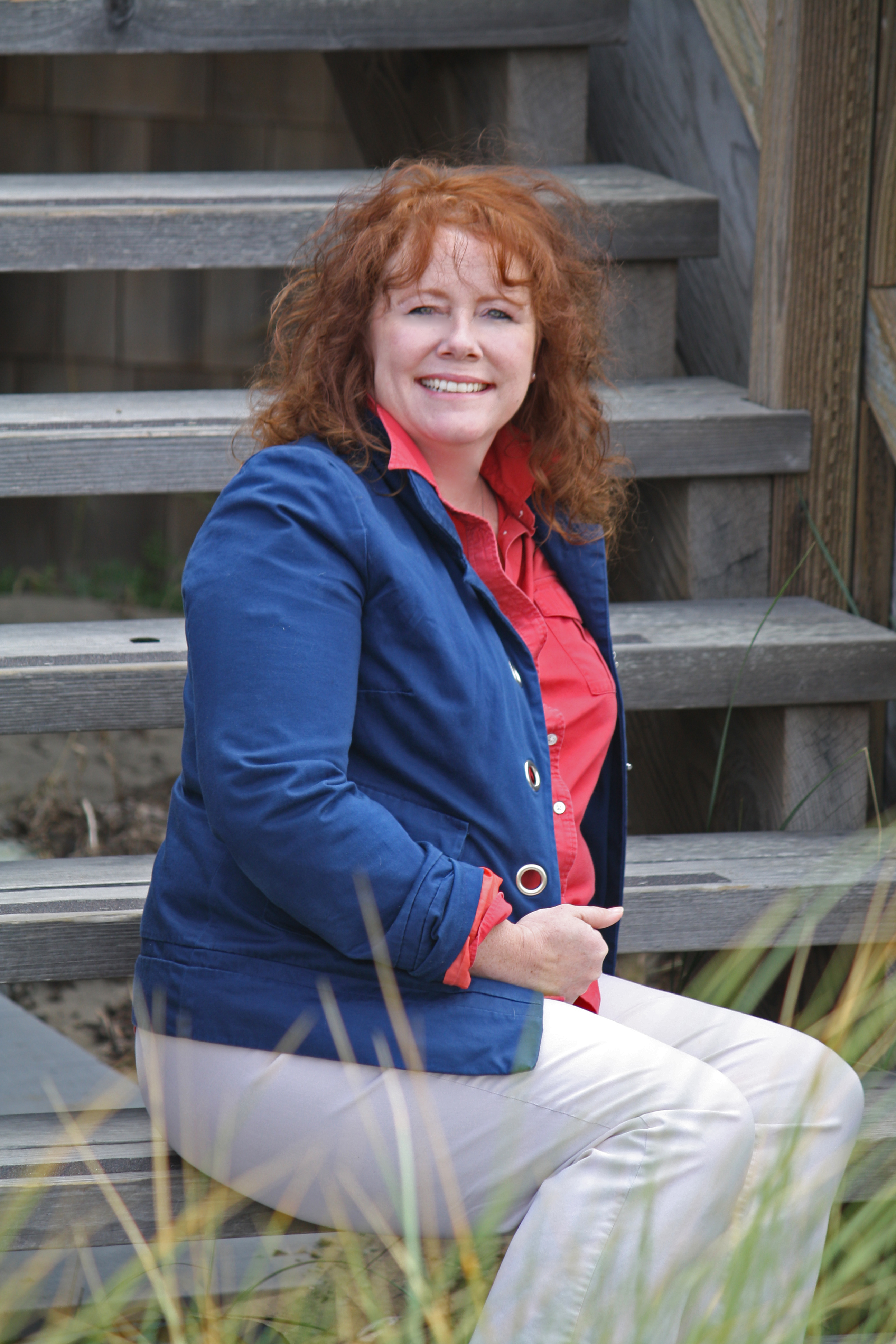
becky-doughty-author1Becky Doughty is the author of the best-selling Elderberry Croft series, the controversial Waters Fall, and the voice behind BraveHeart Audiobooks. Raised on the mission field among the indigenous tribes of West Papua, Indonesia, Becky’s ministry is through the written word. Her heart is for people living on the edge–that fine line where grace becomes truly amazing. Married to her champion of more than 25 years, they have three children, two of whom are starting families of their own, and they all live within a few miles of each other in Southern California. You can connect with Becky via her website, Facebook,Twitter and Pinterest.


How I Discover New Books– Hint, Not in a Bookstore

It’s been said that the reason an author should stick to traditional publishing is book discoverability and distribution by way of a publisher’s marketing budget and sales staff.

bookstore-482970_1280I was fortunate to get a three-book deal with a mid-size Christian publisher who did get behind my book generously with marketing dollars. They even landed me in Sam’s Club with my first two books in hundreds of stores nationwide.

Just, why, didn’t I hit the bestseller lists? I think the books are good. Proof and Poison got starred reviews from Library Journal. Both were nominated (though never won) for awards. Lots of favorable reviews.

In fact, I might even say that landing in Sam’s Club hurt me a little. Why? The issue with Sam’s club is it’s a BIG order. It’s a risk for the publisher. If you’re not a well-known name who can move those novels many are going to get returned and your royalty report is going to look like a defaulted home loan and the bank is knocking on your door.

I began to analyze how I discover books, and does it match with the way a traditional publisher markets novels?

Sure, your best chance of getting into a bookstore is partnering with a traditional publisher but how often are you going to bookstores anymore? I used to go weekly, when they were close. There aren’t any close ones anymore. The one at the mall I would stop in while shopping for other things . . . gone . . . both of them. The closest bookstore is a 15-20 minute drive. And as NYT’s bestselling author Jamie McGuire blogs here— even she wasn’t seeing her novels in bookstores during release week.

Here is a list of how I now discover books.

1. Goodreads Reviews. Goodreads is the place for people who LOVE books and where book lovers leave reviews. I find I have more Goodreads reviews than Amazon reviews. I have close to 2,500 friends on Goodreads. Every day, I get an e-mail of their reviews. I’ve come to know whose reading tastes are similar to mine. A good review of a book will cause me to look further on Amazon. Plus, since I’m friends with so many, I get exposed to a wide variety of books outside my general reading genre (suspense) that I probably wouldn’t have heard about– even browsing bookstore aisles.

2. Amazon Lists. Amazon lists are fun to browse. Of course, there is always the 100 top paid and free Kindle lists but I also look at genre specific top 100 lists. I also pay attention to novels getting a crazy number of reviews and try and read those to see what is catching the reader’s eye. So, from my first two examples, I don’t think any author can say that reviews don’t matter . . . they do.

3. Advertising Lists. There are a couple of advertising lists that I belong to– BookBub and Inspired Reads. On these sites, you can narrow down the types of e-mails you receive to genres you like. Every day you’ll get an e-mail about books that are on sale. Bookbub lists are the primary way I’m buying books. If I see an interesting book cover then I click the buy link for Amazon and check out reviews. Based on the number of reviews, I make a decision about whether or not to buy the novel. BookBub has a very good reputation among authors that though pricey– is generally a good investment of your marketing dollars. I think the same is true with Inspired Reads for their reach/price ratio.

4. Word of Mouth. I’m like every other human being. If a good friend says, “You must read this book.” it will climb up to the top of my TBR list. The more people that say it– the more likely I am to read it. One author I’d almost given up on until a good friend said, “Just read this one. If you don’t like it, I give you permission to never read this author again.” Reading that novel changed my opinion of the author and their work.

What I find is that I’m rarely in a bookstore anymore but I’m discovering a lot more books because these things are available to me every day.

For my fall release, this is how I’m spending my marketing money. I’ll likely not be arranging bookstore book signings, but that’s a topic for another time.

How are you discovering books? Does that determine your marketing plan?

Linking Your Social Media Platforms

tree-200795_640

We’re told to be on as many platforms for social media as we can get our fist around. Not every social media is for every person and I would more encourage you to find two or three you really love and connects you with different people through each platform.

Are there ways to maximize your time?

Absolutely.

In this post I’m going to cover several of the larger social media platforms and how you can link each one to reach your audience in each market.

**Note: (and this is purely my personal opinion) if you have crossover audiences between your social medias that you’re sharing the same content on, I would advise against this. Seeing the same thing over and over, weakens your audience’s interest in what you’re offering. Just keep this in mind.**

**ALSO PLEASE NOTE: in offering these multiple ways to link your platforms, you stand the potential for limiting your reach, especially due to Facebook algorithms. This should never be a total substitute for going in and posting real time updates directly to your social medias, especially Facebook. Take this information with a grain of salt and don’t assume that all your work will now be taken care of. :)**

Linking Facebook:

To send Facebook updates to Twitter see this link: https://www.facebook.com/twitter/ this will give you instructions for linking your profile page and each of your public fan pages you might have.

Linking Twitter:

Login and navigate to your settings (under edit profile which is found by clicking on your profile picture). Go to apps and it’s as simple as choosing an account and loading your password.

Linking Instagram:

You’ll have to do this from your phone’s app. Go to your profile and click the three dots in the upper right hand corner. Under settings choose Linked Accounts. Here you can connect Facebook and Twitter. If you have a picture you don’t want to post to one of these medias, just click off those options before it posts.

Linking Google+:

This topic is more complicated. But it can be done! I’m directing you to this resource that I found online for linking your Google+ updates into Facebook.

Linking Goodreads:

Go to the edit profile function. (Found under the drop down arrow next to your picture in the upper right hand corner). Click the “apps” tab and connect the social medias you want linked. Goodreads also has widgets you can add to your blog that are customized to your book lists.

Linking Pinterest:

Log into Pinterest. Visit your profile page—this is where you’ll see all your boards and pins. Click on the “wheel” in the upper right hand corner and choose account settings. Scroll until you see “Connect Your Social Networks”.

Linking Your Blog:

The easiest form of promotion. You write a blog post. It posts to Facebook. Get started here: http://www.networkedblogs.com/ But note: when you accidentally hit publish it does show up on Facebook, but you CAN remove it. 🙂 If you have hooked your Facebook to Twitter, it will also automatically post there. However there is a pretty big BUT with using Network blogs and you can read that more fully here. You can do this, but be aware, that Network blogs does diminish your reach, especially if you’re using the free version. If you pay a high enough price, Network Blogs won’t route through their platform just to boost their own numbers (what they do on the free option plan). Facebook also limits your reach in using this platform to their social media as only Facebook can. There are positives: posting your blog automatically to Facebook and other social medias. But there are negatives, so weigh both carefully, before handing your blog link over.

Host platforms for scheduling social media updates:

You can schedule updates across multiple platforms so you only have to load an update once and pick the publish time. A couple different options to research for which one best fits your needs are: BufferTweetDeckHootsuiteEdgar (though not free) to name a few.


So there you have it! A few tips to connect each of your social medias. Don’t be daunted by this, take it one at a time. And let me know of your success or failures. Of which I hope there is many of the first and none of the last!


How to Write a Nonfiction Book that Sells — Part 1

Nonfiction Readers Want in a BookYou can have the greatest book idea in the world, but if it won’t sell, what’s the point in writing it? Unless you simply want to leave a legacy for your family and friends with no concern for sharing the message with anyone else.

As a Christian author, I’m driven to offer lasting hope to those who might read my words. So it’s important I wisely choose the subjects, the titles, the content, the marketing plan, and the future books listed in my proposals. There’s a lot I still don’t know about this process, why some titles are purchased while others languish, but I’ve certainly picked up a few secrets. Some of them, I wish I’d known earlier. Maybe what I’ve learned will help someone else in the place I was a short time in the past.

  • The first and most important thing is choose your subject(s) wisely. But with so many books in existence, and a plethora of authors scrambling for attention, how do you find a fresh subject to write about? Here’s one of my secrets. I listen to others, but I also listen to myself. Both of my initial book titles came about that way. With First Hired, Last Fired, someone said to me, “Anyone can be replaced.” I automatically replied, “Is that really true?” Voila, the subtitle, How to Become Irreplaceable in Any Job Market was born as Greg’s variation from my first take on the idea of being irreplaceable at work. My second title happened when I heard myself say to someone, “You know, there are things in life we learn to get through, but no matter what anyone says, we just won’t get over.” A little tweaking and tightening later, Getting Through What You Can’t Get Over became a book that a lot of people say they or someone else needs to read.Getting Through What You Can't Get Over Book Cover

Listen to your own conversations. What scares us? What are we complaining about? What confuses us? What aha moments do we encounter and why? What works and what doesn’t? How have we discovered hope and healing? For Christian authors, what does the Bible say that’s relevant to 21st century issues, in the here and now?

  • The second most important thing is titling. I’d say the process you use to choose a topic works as well for picking a title. What grabs you? Can you turn a cliché upside down? Is there a pithy quote you can tweak to make your own and spread the message in your topic? What do you hear yourself and others say?

For subtitling, follow the advice of Alice Crider, my former coach and agent with WordServe, “Make a promise you can keep to the readers in every subtitle.” Anytime someone offers us a solution to a big problem, we’re interested. Right?

  • For this segment, I’d conclude with the power of valuable content. Slapping a few words together will not provide opportunities to grow your career as a professional author. Do your homework by reading books on writing well. Hone your craft constantly. Connect with other professionals and barter for editing/critiquing services; look for that rare mix of honesty and encouragement. Karen Barnes Jordan deserves credit for every book of mine that’s sold. You can have the best concept in the world, but if you can’t communicate it clearly, it’s lost on potential readers and they will tune you out.

In part two, I’ll share insights about marketing and future books. No proposal worth its words will sell without showing you have great message promotions in the hopper. There’s a basic formula to writing a non-fiction book that sells, the key is in following it all the way through.

What obstacles are you hitting in your efforts to sell your projects?

Creative Marketing Ideas

The WordServe Water Cooler would like to welcome guest blogger Charise Olson sharing some of her unique marketing ideas for her novel.

Welcome, Charise!

LC_TheRoaringRedwoods_compressedOne Saturday over two decades ago, I straggled into a church clutching my Diet Coke because it was way too early to do such a thing on a Saturday and I didn’t drink coffee yet. I was there for a marketing workshop. The audience members were all folks like me— working in social services and non profits, needing to promote our services.

Marketing isn’t what I went to school for and I saw it as something that had to be done, rather than a true essential part of my real work.

Sound familiar?

But that workshop all those years ago, gave me a great foundation to further serve my clients and now, as a writer, my readers.

The presenters talked about creativity and making natural connections—more than worrying about strategy or manipulation. They talked about using your passion for your cause as a launching point for your campaign. Here are two key points and some specific applications to our books:

Focus on Adding Value: Try to think about what you can offer, as opposed to what you hope to receive.

Application:

1.  I approached a local historical museum and suggested we cosponsor a book event for The Roaring Redwoods (my historical fiction set in the area). This appealed to them because it was no cost/work for them and offered something different on their calendar. This appealed to me because my event would get out to their extensive mailing list.

2. I belong to a Facebook group celebrating the time period of my project (1920s). These are all people who love my time period. Instead of posting links (“buy my book!”), I have posted pictures from my research to share. For Christmas, at my fictional Riverwood Lodge, I invited group members to suggest menu items. My project got “out there,” but in a way that was engaging and fun for the whole group. Bonus: one of the group members provided invaluable help with a plot line involving race cars.

3. Newspapers now have fewer reporters, shorter deadlines, and a need for more content. However, many are cutting their book columns. When I contact a paper, I have an article ready for print. I write the article as a feature, not an ad. Find the unique angle (local author, clever research, entrepreneur spirit) and help make their job easier.

Go to Where Your Target Audience Goes: The example from the workshop was for a group finding it impossible to reach people about good nutrition. The suggestion was to go to Farmer’s Markets and Food Banks to find people already seeking food and then share the nutritional project info.

Application:

1. Any time I see readers, I spend time trying to find a way I could market my writing in that venue. I noticed that a local coffee shop chain displays art work by local artists on a rotating basis. I asked how artists are selected, and the process was easy. I suggested that I and other local authors use our covers as an exhibit. It was then suggested we could have a reception or related event at the shop, too. Um, okay, if you insist . . .

2. My book’s setting is near a high tourist area, and what do we do on vacation? Read. So, in seeking those reading vacationers, I am placing business cards and, where possible, copies for sale at gift shops and hotel lobbies.

While these ideas may not work precisely for you and your books, I hope they illustrate how we can use our creativity and powers of observation to find new and interesting opportunities to share our work with readers. All in a way that might not feel like quite so much work for us.

What have you learned about marketing that made it easier? What unique/creative efforts have you tried? Anything you’ve wanted to try, but haven’t yet?

*************************************************************************************************

Olsen-Image-56Charise Olson writes California fiction. It’s a lot like Southern Fiction, but without all the humidity. Her historical fiction is published under the pen name Leo Colson. The Roaring Redwoods* is now available in episodes. A collection of the first five episodes will be released March 2015. It is set in 1920s California with an ensemble of characters. Love, Honor, Money…and the laws we break to keep all three.

Olson’s contemporary fiction (under her own name) will release in Spring 2015. More info and her blog Prayers and Cocktails can be found at chariseolson.com

*The Roaring Redwoods is written for the general market and does contain strong language and adult situations.

Let’s Get Serious About Serials

The WordServe Water Cooler is pleased to host guest blogger Becky Doughty.

Welcome, Becky!

When I finally decided to “get serious” about my writing, I quickly discovered I had to have a platform. As so many new authors learn, platforms are hard to build, especially with fiction.

I created a website and started a blog. I found a small circle of authors who opened their ranks and let me squeeze in. We traded guest posts and gained a few more followers from each other. I blogged about my family, about my writing. I blogged about my past sins—you know, the good stuff, like witchcraft and broken marriages. That should have brought them flocking, right? I blogged about gardening and chickens and making bread and home schooling and prayer and whether or not one should blog….

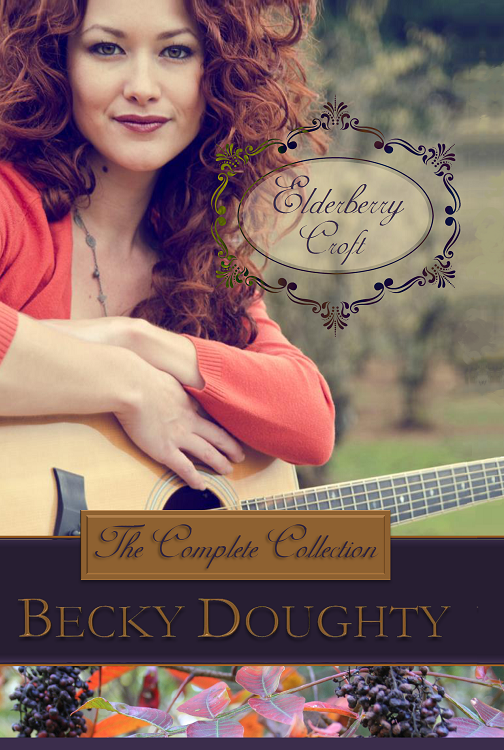
EC-Collection-Cover1I created a Facebook Author page and set up my blog to automatically post there. I linked everything to Twitter, too, and created Pinterest pages with images of what my characters might look and dress like, where they might live and work.

But because I had no books published at that point, I was essentially inviting people to my fancy new restaurant and handing them menus of what they could expect to order on some ambiguous day in the future…. Then I wondered why they didn’t come back every time I announced a new dish being added to the menu.

I needed a way for my visitors to actually “sample” my wares. A serial novel.

For one year, around the 10th of each month, I blogged a 10,000 word episode of my serial novel, Elderberry Croft. Readers could “taste” my fiction for free, with a promise of more to come every time they visited.

Well, Elderberry Croft has turned out to be more than just a sampler platter on my website. It has remained one of my bestselling series and books (it now comes in a complete collection and there’s a holiday sequel, Elderberry Days) since I began publishing the episodes. It’s been my most productive method to building an eager and faithful readership.

Six Suggestions for Serious Serialists:

  1. A serial novel is not simply a novel broken up into parts. That often frustrates readers. A serial novel should be written like television episodes, each episode essentially a short story with a beginning and an end, but linked to the other episodes by a foundational storyline told over the duration of the serial, one that culminates in the final episode.
  2. Your serial novel should be the same genre in which you primarily write. It’s an excellent way to gain readers, but if you usually write historical romance and your serial novel is a dystopian sci-fi thriller, you’re going to have some disgruntled readers who come looking for more Katniss and only find Sir Liam Drake and the White Rose of Kilarney County.
  3. Write ahead. I did not always do this. Translate: There were many months I lost sleep and suffered great anguish over how I was going to pull it off.
  4. Create memorable characters and storylines, especially the main characters whose stories link the episodes. If your readers don’t care about the foundational story, one “off” episode will send them running.
  5. Post a few “extras” in between episodes to keep readers happy. In Elderberry Croft, Willow Goodhope has a thing for elderberries (imagine that!). I posted elderberry recipes and home remedies, elderberry body care products, crafts, and elderberry lore.
  6. Listen to your readers’ comments. I’m of the mindset that authors should steer clear of reviews. Reviews typically tell us more about the reader than they do about the author’s work. However, in the case of serial novels, this is a perfect opportunity to get to know what your readers like, what they want to read about, and then adjust your story accordingly!

This is a great way to publish a book. When you’ve written the final episode, gather them all up and release them in one complete collection. Voila! You have a full-length novel!

And don’t forget to take a break from “serious” now and then, and simply enjoy the journey!

What are your thoughts on serial novels? Have you ever tried to write one?

************************************************************************************************

becky-doughty-author1 Becky Doughty is the author of the best-selling Elderberry Croft series, the controversial Waters Fall, and the voice behind BraveHeart Audiobooks. Raised on the mission field among the indigenous tribes of West Papua, Indonesia, Becky’s ministry is through the written word. Her heart is for people living on the edge–that fine line where grace becomes truly amazing. Married to her champion of more than 25 years, they have three children, two of whom are starting families of their own, and they all live within a few miles of each other in Southern California. You can connect with Becky via her website, Facebook, Twitter and Pinterest.


Marketing a New Novel

Thanks to the WordServe Water Cooler for the opportunity to post about marketing efforts. I’ll touch on group marketing. My caveat to the readers: how you promote is highly personal. I was a psychologist for 25 years and many business professional principles apply to writing, e.g., you must do excellent work to continue to get referrals, or purchases in this case.

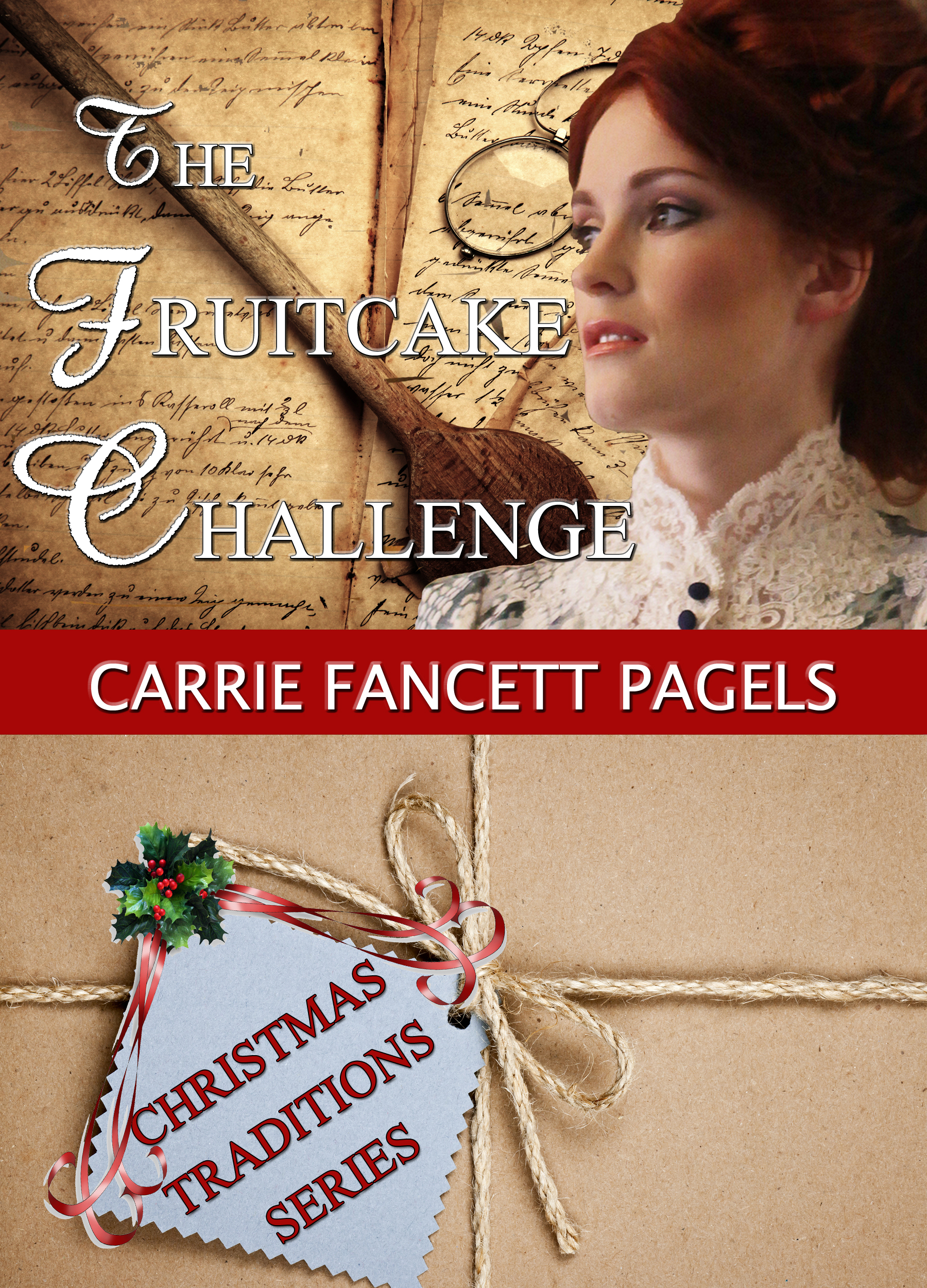
fruitcake-challenge-cover-jpgThis post is tailored to budget conscious, hybrid, and newer authors with a few releases already out. One of the advantages of having recently Indie published my novella, The Fruitcake Challenge, was that I got to see what seemed to work for me and what didn’t.

I recently posted on ACFW’s blog about cross promotional marketing and why that’s a good idea. Cross promoting should be built into your own marketing efforts. For instance, in a group publishing effort, include links to the other authors’ books in the series.

I’ve also posted about marketing for three different types of ventures including group.

Set up blog tours: Why I believe this is important (and I’d direct you to read the recent RWA RWR article about promotion.)

  1. You want to create a buzz.
  2. Readers will see if their favorite bloggers are picking up your book to read.
  3. Keeps your name in front of potential readers.
  4. May help you get on the Hot New Releases list for Amazon, which can be important.

    Blog tours also let your reading audience ENGAGE with you, which can be important. So suit up, show up, promote, and respond to commenters! If you have your own blogs  (I’m blessed to have two group blogs OvercomingwithGod.com and www.ColonialQuills.org) don’t overschedule yourself when your book launches. One to two blog visits a week works for me, for three to four months and tapering off after that. Giveaways usually help drive traffic so be prepared to give away a copy at each blog stop.

Set up a promo group: This has been the most beneficial thing I’ve been blessed with. But you have to have engaged with enough wonderful readers, reviewers, and influencers that they’d want to participate. Writing is often a lonely life. The benefits of these groups go WELL beyond any promotional efforts. These people believe in your writing and want to help you continue to do God’s work. How wonderful and humbling is that? I’ve been a member of such groups in the past for different authors and I’m grateful to now have my own bunch of pals supporting my writing efforts. Cautionary note for groups: Be fair to your fellow participants and be sure to bring in your own reader/reviewers to the group promotional page. Also, if you use Facebook, be sure to set controls so only you can approve new members.

Facebook Parties: These are a lot of FUN and help you engage with readers. You may not get you an immediate bunch of sales, but could. Don’t do this unless you can get into the spirit of things!

Radio interviews: I’m not keen on this. I can’t ever be sure, with my arthritis, how I’ll be feeling at a particular time. But if you’re able to get some spots, radio allows readers to hear your voice and your personality.

Book Signings: Another thing I dread for same reason as radio. Multi-author events do better. I do two a year—one near Christmas and another in the summer.  Paired with an event at your book’s location, this can be a blast! Last summer, I was able to do a signing at Tahquamenon Lumber Museum’s Lumberjack Festival. My “Snowed In” story in Guidepost Books, A Cup of Christmas Cheer (2013), was set in my great-grandparents log cabin, located at the museum!

Set up a private Facebook Page for the group authors. This way things that your influencers don’t really need to be bothered with are posted there.

Newsletters: These can be highly effective and reach your own primary readers to inform them of your new releases. I think a multi-author newsletter release could be amazing. Coordinating it might be a nightmare, though!

Ads: Spirit Filled Kindle is very affordable and good to use for early promotion. Book Bub is the one most hybrid authors like to use because they have an excellent rate of return, in general, but you have to do a sale in order to get the lowest price possible for their promotion. Ereader News Today is another great place for advertising with a good return on investment and with multiple options for ads.

**********************************************************************************************

Carrie pro headshot B&W pm Carrie Fancett Pagels, Ph.D. served as a psychologist for twenty-five years. She is the author of the forthcoming publications Saving the Marquise’s Granddaughter (White Rose, 2015) and The Lumberjack Ball (April, 2015). Carrie was the 2014 Family Fiction winner for short story in the Historical Genre. The Quilting Contest is now published in an anthology. The Fruitcake Challenge and Return to Shirley Plantation: A Civil War Romance were Amazon bestselling novels. Carrie also authored the short story “Snowed In” (Guidepost Books, 2013) in A Cup of Christmas Cheer. God’s Provision in Tough Times (Lighthouse of the Carolinas, July 2013) was a Selah award finalist. Carrie gives back to the writing community by serving as blog administrator for www.OvercomingWithGod.com and www.ColonialQuills.com. You can connect with Carrie via her website at www.carriefancettpagels.com.