Some Thoughts on the Fabrication of Stories

Last week my Bible study class was reading in 2 Peter about false prophets, of whom, as Peter warns his listeners, “In their greed these teachers will exploit you with fabricated stories. Their condemnation has long been hanging over them, and their destruction has not been sleeping” (2 Peter 2:3 NIV).

Of course, as a creative writing professor currently leading a novel workshop—that is, teaching eager students how to fabricate stories—and as a writer currently engaged in writing a novel of her own, I shivered a bit.

He means a different kind of story, I consoled myself, as the class question-answered through the passage. He’s not talking about fiction writing, the passage makes clear, but about preaching, about spreading “destructive heresies, even denying the sovereign Lord(2 Peter 2:1 NIV).

Still, I couldn’t stop thinking aboutVan Reymerswaele--The Moneychanger and His Wife the uncomfortably commercial side of the writing world in which I am involved. How the buying and selling of books necessarily engages our—i.e., writers’, agents’, publishers’, marketers’, publicists’—greediness: to get more media exposure, to sell more books, to make more money. And, we Christian writers are, in effect, preaching, aren’t we? I worried. The Holy Spirit was at work, I feared, forcing me, as always, to look again, think again, before proceeding.

Just then, one of my classmates confirmed my fears by reading from his version of scripture the same passage about greedy story-fabricators: “And through covetousness shall they with feigned words make merchandise of you” (2 Peter 2:3 KJV). Isn’t that what we seek to do in our blogging and signing, platform-developing and tribe-building? I confronted myself. Turn our readers into merchandise sold?

The self-promotion demanded of us writers has always disturbed and embarrassed me. Deep down, I genuinely believe that, if a book is good, it will sell itself. But, the publishing world sages are quick to remind me, if a book’s not out there for people to see and read, no one will know it’s good. My efforts as an author stretch thin between these two pillars of writerly wisdom.

No answers here. Just puzzles, some worries, and a bit of scripture—fodder for reflection, I imagine, among fellow writers bent on being transformed into the image of the One God Sent.

Marketing by the Dozen

marketing]My next book, (which for our purposes here shall henceforth be spoken of as “The Faith Book” because it remains untitled), will release from Random House/Waterbrook early 2014. My dear editor, our own super agent Greg and his fantabulous wife, myself, and every friend and stranger I can pigeon-hole for a title discussion are in the throes of finding that elusive title. Oh, yes, I’m something of a bore about it. Feel free to run if you see me coming.

The mission is simple, and familiar to my fellow non-fiction authors. When my target audience sees this book on the shelves, he or she needs to connect with it, feel the need to purchase it, shove aside the huddled masses that have been awaiting its release, and hoof it to the checkout stand in record-setting speed. Whoa. I must have wandered into a daydream. Back to the real world and your regularly scheduled post.

The reality here is that “The Faith Book” will be vying for attention scraps among countless of those big dog authors, not to mention scores of worthy books, new and old, from authors of every other genre, gracing the shelves. If funds allowed, and they don’t, I would hire an outside publicist with the energy level of Richard Simmons and the marketing skills of whoever is behind Justin How-Did-That-Happen Beiber to beat the drum for it. Instead, I will send it out into the world and recommit to living by my own Happy Dozen Marketing Commandments:

– I will help Waterbrook’s in-house publicist to help me by remembering that I’m only one of many authors she has been assigned and I will remind myself that any media contacts or leads I can gather or pass on to her will help maximize her time, and thus my book’s exposure.

– I will design and mail out postcards for “The Faith Book” to AT LEAST the bookstores that hosted signings for my last book and as many more as I possibly can.

– I will maintain a current database of the stores that graciously welcome me in for a signing and I’ll try to be prompt about following up with thank you notes.

– I will interact with the public as much as possible at book events and do my best to see each individual before me instead of a group. Everyone has a story and every event is an opportunity to capture new ones.

– I will have material (book marks, business cards, etc.) to hand out at book signings so potential book buyers can feel comfortable walking away to consider the purchase instead of being put on the spot to purchase the book.

– I will call radio stations and ask if they are interested in doing giveaways of my book and I’ll consider it a good investment for the trade-off in airtime.

– I will attend as many book festivals as physically possible to connect with readers and writers.

– I will continue to make every effort to see that my weekly newsletter is entertaining and informative, keeping in mind that this is my way of giving back to the All Things Southern community.

– I will not use social media selfishly. Communication, by definition, is a two-way street. My readers are people, not numbers, and they deserve to be treated as such.

– I will support my fellow authors. (Towards that end: Dear author friends, please contact me if you would like to guest on my blog at All Things Southern.)

– I will do readings at area libraries. Their patrons may not buy books, but they are readers. As writers we have a shared responsibility to promote reading.

And number twelve of my Happy Dozen:

– I will enjoy my life while I’m promoting my work, knowing that I am living what I first dreamed many years ago as a little girl perched in the top of my reading/writing mimosa tree. I am a writer and I will be grateful for that privilege.

Hugs,
Shellie

Why Ignoring Your Author Brand is Career Suicide

Have you heard the term branding? Does it make you want to reach for the remote and turn the channel? If so, you’re not alone. Author branding has a lot of writers confused. It did me.Why Ignoring Your Author Brand is Career Suicide

I first thought author branding was something your publisher did for you when your first books came out. Then, I thought it was a cool author tag line or slogan. And while part of both the previous statements are true, they’re not your author brand.

Knowing your author brand will help you promote yourself before, during, and after your book releases. Your author tag line is what evolves from your brand, not the other way around.

What is an author brand? An author brand is the unique combination of personality and passion you bring to products or services based on your actual or potential abilities. Your author brand won’t look like anyone else’s, because no one else has your insights and perspective to offer to the world.

Why do I need an author brand? Knowing your author brand lets readers, agents, and publishers know immediately what they’re going to receive from you and your writing. In this fast paced world, people won’t take the time to dig through the many books, websites, and blogs to find what they’re looking for. If it isn’t apparent immediately, they’ll move on.

Think about your favorite authors. You know exactly what you’re going to get from their books. It’s the reason you purchase their newest release, read their newsletters, and like their Facebook pages. They deliver on the promise of their brands.

But, I don’t need to develop my author brand until I have a book contract. Wrong. You’re already branding if you have a website, blog, or are on social media sites. Every post, tweet, and blog post is a reflection of you and your brand, even if you don’t know it.  It’s important to understand your brand from the moment you declare yourself a writer.

Your brand will help you develop your website, book proposals, manuscripts, articles, and newsletter. It will help you focus and go deeper in order to reach your audience better. It’s something you should embrace and not put off a minute longer.

Your brand will also aid you when creating visual images for your website and social media pages. For example, my author tagline (developed from my brand), is Inspiring Your Faith and Pioneer Roots. I created this image for my author Facebook page this past week. Branded Facebook Cover for Melissa K. Norris

Do you see how the pioneer roots is enhanced not only in the images, but also ties into the title and cover of my non-fiction book, Pioneering Today? The cabin picture also works for the historical fiction portion of my writing. Your brand should be an umbrella for all you do.

Developing your author brand isn’t something we can completely cover in one blog post, but don’t worry. I’m not giving you this admonishment and leaving you alone. My agency sister and business partner, Janalyn Voigt, and I have created a FREE author branding workbook to walk you through the steps. You can snag your copy at TriLink Social Media Mentors.

What are some of your favorite authors? Can you identify what their brand is, or the promise they always make with their work? What is unique about you and your writing?

Should You Be On Pinterest? (Building a Social Media Platform)

Pinterest

The trouble with being a writer is that you have to write. That would seem desirable, but the writing I’m talking about goes beyond pounding out the next scene in my novel. Since becoming a published novelist, I’ve submitted–at the request of agents, editors, bloggers, and marketing personnel–guest posts, interview responses, pitch sentences, two-sentence blurbs, query letters, proposals, sample chapters, material to use for promotion, back-cover copy, tag lines, book club questions, and of course myriad versions of my biography. Add to this the need to devise creative updates for social networks, and you begin to see why a writer might groan.

Enter Pinterest, a social media platform that allows members to network with pictures more than words. Tweet This! I love writing and (go figure) even have a fondness for words, but I find Pinterest a breath of fresh air. As a virtual bulletin board where users pin images, Pinterest frees me to express my creativity without having to hurt my brain with so much thinking. Since women primarily frequent Pinterest, spending more time on it than on other networks, it provides another benefit. Book buyers are predominantly female. (This varies by genre.)

With 4 million active daily visitors and as the fastest-growing social media site (now second only to Facebook), Pinterest is a site many writers should include in their social media platforms. Tweet This! Since I began to take Pinterest seriously, it’s moved to the number one referrer of traffic to my websites.

I won’t go into detail on how to sign up, since Pinterest makes it easy. If you want advice, visit the Pinterest Help Center and enter “how to sign up” in the search box. I suggest you set up or convert to a Pinterest business account. This will allow you access to account analytics once you verify your website for Pinterest.

Be sure and include your author picture in your profile. Also set up a branded bio. This is a little challenging since you should make it brief so it will be read. Every word needs to pull its weight. To see an example, visit the Pinterest page for Janalyn Voigt. While you’re there, take a look at my boards to help inspire your own.

Pinterest Goodies

After you’ve created your account, filled in your profile information, and verified your website, you should visit Pinterest’s Goodies page. There you’ll find instructions on how to:

  • install the Pin It button (for Google Chrome) to your bookmark bar.
  • drag the Pinterest Bookmarklet to your toolbar (click the red link under the Pin It button copy in the sentence that says: “Looking for the Pinterest Bookmarklet?”).
  • add a Pin It button to your site.
  • make a widget for your site.

Creating Your Boards:

On your profile page, you’ll be able to create boards. Here are some suggestions:

  • Name a board for your blog or website.
  • Create a board with the title of your book(s).
  • Name a board for the genre(s) you write.
  • Think up boards that will reinforce your brand.
  • Design boards to attract your target audience.

Pin Three Ways

  1. Click the Pinterest bookmarklet while at a website that grants permission to pin its images and select the image you want to pin.
  2. Under your image in the Pinterest toolbar you’ll find a dropdown menu. Click “Add Pin” to upload an image from your computer or enter the URL of a picture you have permission to pin.
  3. Use the Pin It button on a website.

What to Pin

  • Pin your own original images with a link back to your site.
  • Pin images from sites that state they allow pinning to Pinterest.
  • Pin public-domain images.
  • Create and pin your own collages using sites like PicMonkey.com and your own images.

What to Do on Pinterest

  • Follow other people. You can choose to follow all boards or an individual board. As with all effective social networking, be sincere. Tweet This! When you make the effort to follow people, some will follow you back.
  • Repin from boards of people you trust. Always verify that the link goes where the image indicates it will and that the original site gave permission to pin.
  • Like pins others post. This brings you to their attention.
  • Comment on pins. To comment, click on a pin and the comment box will be in the enlarged image that displays.

Pinterest and Copyright

First, I am not a lawyer and don’t mean the following in any way as legal advice, but here is how I handle myself on Pinterest. I’m careful when pinning images that I don’t own to make sure the website gives explicit permission to pin to Pinterest in its copyright policy. I don’t take the existence of a Pin It button as permission. I’m aware that even if I own a photo, some things like private works of art or images of people who have not signed a release for me to post their photos, for example, are off limits. I prefer to take my own photographs and create my own infographics. When in doubt, I don’t pin.

Pinterest is a relatively painless way to network that is actually a lot of fun. Tweet This! It can help you keep track of research while simultaneously drawing readers to your books.

EXCLUSIVE LIMITED OFFER FOR READERS OF WORDSERVE WATER COOLER

Solving the Pinterest Puzzle for Sidebar

Learn more about using Pinterest to build your social media platform and readership. Sign up for Solving the Pinterest Puzzle course that fellow Wordserve author Melissa K. Norris and I offer as TriLink Social Media Mentors, a bargain at just $27.77.

Related Posts

Build a Social Media Platform: The First Step May Surprise You

4 Pillars to Build an Effective Social Media Platform

Build a Social Media Platform: Your Facebook Page

To Tweet or Not to Tweet (The Social Media Platform Question)

Get Thee to a Conference, Writer!

I want to be alone...photo from www.fanpop.com
I want to be alone…photo from http://www.fanpop.com

Like many writers, I work at home, which means I spend much of my day alone. To force myself to get out of the house and interact with living, breathing, real people, I set a goal of attending at least two conferences in the course of the year.

They’re not writing conferences, however.

They’re pre-writing conferences.

In other words, I go to conferences to do research for my books. In particular, I go to events that have to do with birding, nature, and spirituality, since those are my book topics, and I’m always looking for new ideas and the latest developments in the field.

But last month, as I promoted my second free Kindle offer on amazon.com for my Birder Murder mystery series, I realized a marketing benefit to those research conferences: the stuff I bring home – the hand-outs, the programs, the lists of attendees – are invaluable marketing tools.

Influential contacts

You meet a lot of people at any kind of conference, but you might not get the chance to meet them all, especially if they are keynote speakers who typically are surrounded by a crush of people at the conference. If you keep the program, though, you can usually track them down again on the internet, and make contact by sending an email and thanking them for their presentation. Then, when you would like to notify them of your book release or promotion, you’ve got  influential contacts in your target market. Even if you haven’t previously corresponded with them, just naming the conference in a subject line will ensure your email will be read by the recipient. Ask them to share your promotion, and you’ll reach new readers through their cooperation.

Potential readers

Every person who comes to a conference is a potential reader of your work. I recently went to a conference on the therapeutic effects of nature, and chatted with other attendees about my interest in nature and birds. When I mentioned I was an author, I was asked for the names of my books, so I got to do a little promoting to a market I hadn’t previously considered. At a birding event, email addresses of all the attendees are sometimes included (because birders like to email each other about bird sightings), so I have a ready-made email list for special book promotions that I think they might appreciate. Never underestimate the personal touch of addressing individuals!

Creative approaches

Being the packrat I am, I keep all the hand-outs and advertising materials from conferences, too, thinking I might be able to set up a speaking date or promotional opportunity with one of the sponsors. For example, I never thought of wildlife photographers as a market until I met a camera rep at a birding event; now it’s a part of my target audience. As a result, I’ve found that thinking about the ways sponsors connect to conferences is a fertile field for marketing development.

What kind of conferences do you attend and what are the marketing benefits you find?

Tweetables

Lately, I’ve been noticing this new trick amongst bloggers for fashioning “tweetables” in their blog posts. These are short, catchy phrases that let readers instantaneously click and tweet a hook about your post. Several tweetables are offered in hopes of getting that mouse clicker finger engaged.

Social media conceptSo I thought I’d go through the process of learning how to format one and take you on the ride with me. A shout out to Elaine Stocks for pointing me in the right direction. Check out this blog post at Blogging Bistro for instructions as well. I am hoping to simplify. We’ll see how that works.

Step 1: Go to http://clicktotweet.com/. Once you go there, format a phrase you want others to tweet about. It will generate a link for you, which you can add to your post. Here the first one I did.

Learn How to Format a Tweetable. Click to Tweet.

Step 2: Hit the preview button.
You can then click preview to see how it looks. And mine looks, well,  boring. It’s just the phrase and doesn’t point much to me or the Water Cooler. Let’s try again.

Know how to format a Tweetable? Not as hard as you might think. Click to Tweet.

This is how it will look when tweeted out:

Know how to format a Tweetable? Not as hard as you might think. @JordynRedwood @WordServeLit http://wp.me/p1H9QL-2zH

Step 3: Helpful tips.
Remember, with Twitter you only have 140 characters to work with. In WordPress you can automatically have it give you a shortlink for your post by hitting the button “Get Shortlink” at the top of your editing screen. When you do this, copy and paste that link into your Tweetable. It will save you precious character space to come up with a great Tweet.

However, Blogger doesn’t format shortlinks, though you can customize one for yourself. Blogger will give you a permalink (finally!) and what you can do to shorten it is copy and paste it into the publisher in Hootsuite. It really is not as hard as you might think. From the shortened Hootsuite link you can copy and paste it into the Click to Tweet format system.

Step 4: Format it into your post.

I agree with Blogging Bistro that Rachelle Gardner has a great way to format Tweetables and I’ve copied that style here. You can view her blog for that look or come up with your own crafty, creative way to entice people to tweet.

Why format tweetables? A couple of reasons. When you hit the tweet button at the bottom of a post using the social media sharing buttons, it basically tweets the title of your post which may or may not catch the eye of readers. Tweetables offer several different phrasings to try to get people to tweet that may be a way for them to capture their tribe.

What about you? Have you tried tweetables?

WordServe News: March 2013

Exciting things have been happening at WordServe Literary!

On the final post of each month you’ll find a list of Water Cooler contributors’ books releasing in the upcoming month along with a recap of WordServe client news from the current month.

New Releases

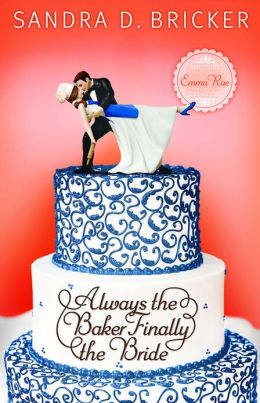
FinallytheBrideSandra Bricker, Always the Baker, Finally the Bride
(Abingdon Press)

**********************************************************************************************
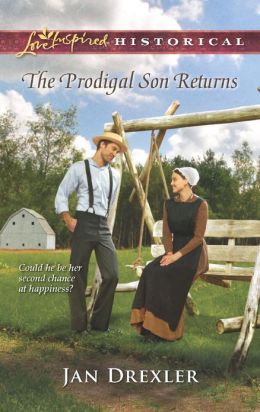
TheProdigalJan Drexler, The Prodigal Son Returns
(Love Inspired)

**********************************************************************************************
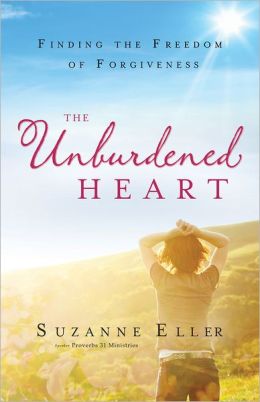
UnburdenedSuzanne Eller, The Unburdened Heart (Regal)

**********************************************************************************************
RealValorSteve Farrar, Real Valor (David C. Cook)

**********************************************************************************************
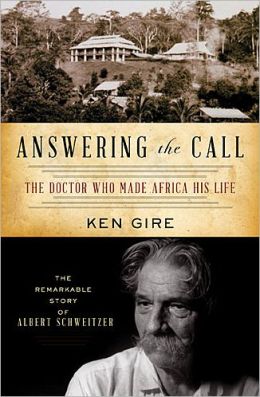
AnsweringtheCallKen Gire, Answering the Call: The Story of Albert Schweitzer (Thomas Nelson)

**********************************************************************************************
ANobleGroomJody Hedlund, A Noble Groom (Bethany House)

**********************************************************************************************
TheEasyBurdenPatty Kirk, The Easy Burden of Pleasing God (IVP Books)

**********************************************************************************************
AllinGoodTimeMaureen Lang, All in Good Time (Tyndale House)

**********************************************************************************************
VoicesofthePacificAdam Makos, with Marcus Brotherton, Voices of the Pacific (Berkley Hardcover)

**********************************************************************************************
RenewedLucille Zimmerman, Renewed
(Abingdon Press)

**********************************************************************************************

New WordServe Clients

None…we’re standing pat with our great group of authors for now!

New Contracts

Tracie Miles signed with Bethany House Publishers for a book titled Your Life Still Counts: How Your Past Has Equipped You for Your Purpose.

Susie Shellenberger and Kristen Weber signed with Barbour Publishers for A Girl’s Guide: Guys, God and the Galaxy.

Gillian Marchenko signed a contract with T.S. Poetry Press for her memoir. Yay, Gillian!

What We’re Celebrating!!

A Higher Call by Adam Makos continues to hit the New York Times list. On March 31, it will be #6 (again) on the Hard Cover nonfiction list. It’s been in the top-15 for 9 weeks!

Bees in the Butterfly Garden by Maureen Lang, hit the March CBA list at #5 on the fiction list and the #40 on the top-50 in sales list.

What thing on your writing journey are you celebrating today?

Monkey Read, Monkey Should Do!

apeDoes the acronym HARO mean anything to you?

It should, because it just might be your ticket to free publicity, extensive exposure as a writer, and the means to grow a national reputation as an expert in your field.

HARO stands for Help A Reporter Out, and it’s a website where you register as an expert and news source. There is no fee to register, and while there is no guarantee that you will get tapped for information, it’s a chance you don’t want to miss. For nonfiction writers, it can become one more piece of a marketing plan to become known for their unique expertise, while fiction writers might consider their own research in specific topics as fodder for story ideas. According to HARO’s website, 30,000 members of the media have turned to HARO for assistance in developing stories; is there any reason you shouldn’t be one of those folks helping out a reporter?

Learning about HARO was just one of the things I learned from recently reading APE: Author, Publisher, Entrepreneur-How to Publish a Book by Guy Kawasaki and Shawn Welch. While I have no desire to publish my own books, I still found the book informative and helpful, especially as I’ve grown from an author-wannabe to someone with five years of publication experience. The first section of the book was a good reminder that writers come in all shapes and sizes, with a range of motives, and that’s okay. It made me consider again the tenacious nature of writers who want to publish and gave me a new understanding of why people choose self-publishing. (It also made me realize that if I did decide to do a short ebook as a promotional opportunity for my other books, I could probably pull it off using APE as my guide.)

What I especially appreciated, though, was the book’s insistence that there is no escaping from the truth of today’s book business landscape: authors need to take responsibility for their books’ success, no matter how they are published.  APE gives valuable insight into the entire publishing process, which I’m convinced every author needs. Publishing is a business, and the sooner authors accept that, the more successful they will be! As an early publishing mentor of mine insisted, if you’re going to succeed, you better know how the business works. Kawasaki and Welch have done a fine job in giving readers the essentials of publishing.

Seeing as I’ve spent the last year trying to educate myself about platform and marketing, I found the last part of the book packed with practical suggestions and resources, like HARO, that I can play with as I continue to polish my marketing skills. The authors even include their own list of what they did to publish/market APE itself, providing readers with a basic outline for promoting any book, and offering links to learn more.

What are you APE-ing these days?

(Special thanks to Lucille Zimmerman, my agency-mate, who gave me the book to read!)

How to Get Started Writing: Hamster Wheels and Hurdles

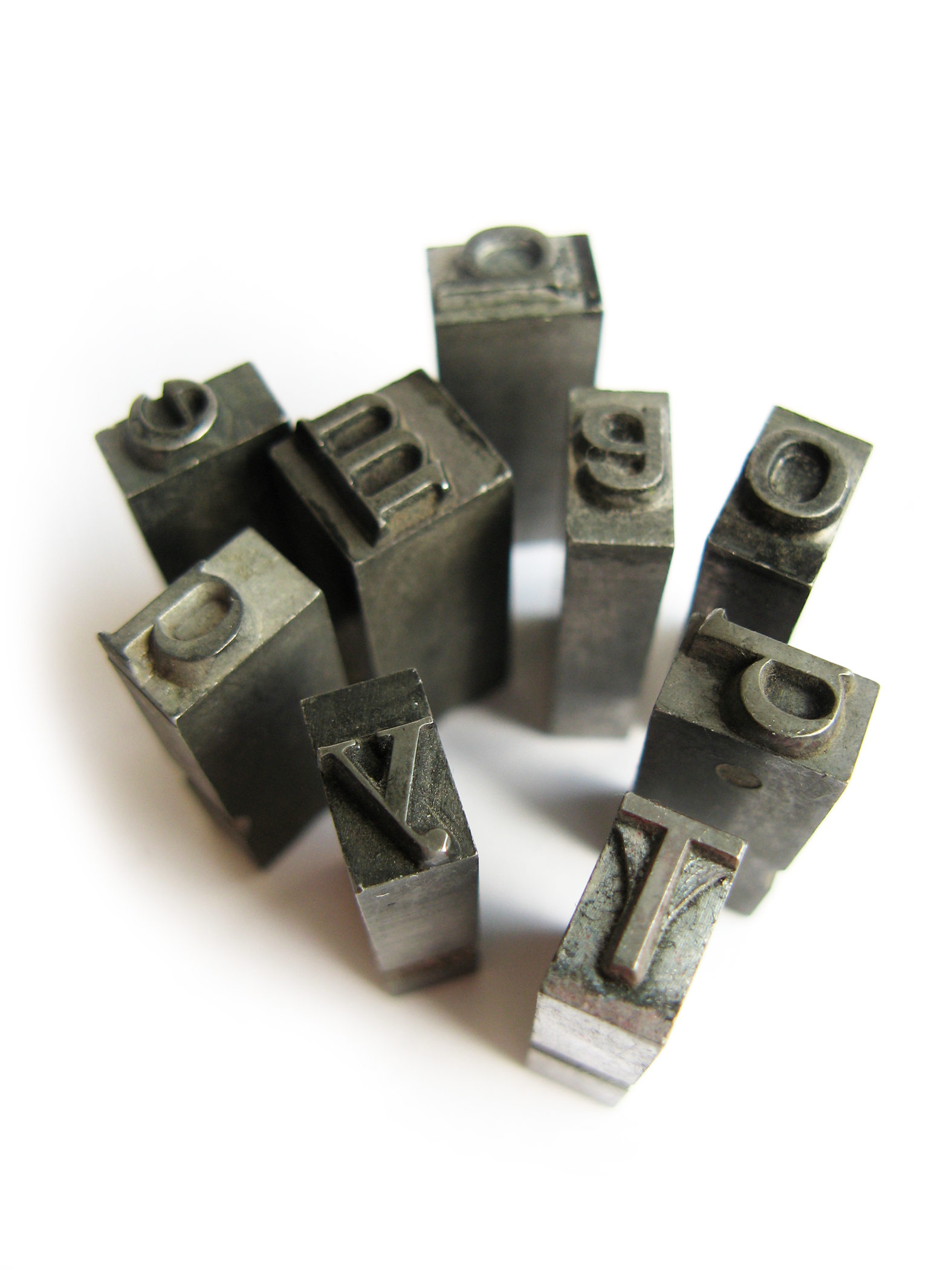
type lettersOf all that a writer can and should do—how, actually, does one get started?

It would be possible, in assembling writing advice from just a handful of the people who are giving it, to come away with the impression that making it in this business requires doing everything all the time.

You must, people say, build and maintain a platform. Start or re-start your website. Pin to boards. Make things that other people will pin to boards. Attend conferences and conventions. Join groups. Pitch ideas. Hone your message. Know your audience. Study writing books. Edit incessantly. Post blogs. Find a writing schedule that works. Tweet and re-tweet updates about all of this. Plus string tens of thousands of words together and hope somebody will see fit to make a book of it. That’s just phase one.

Phase two is its own hamster wheel. With a book in publication you must, people say, promote like crazy. Speak at events. Do interviews. Pursue interviews. Write accompanying articles. Track reviews. Deal with disapproval. Build friendships with booksellers. Have catchy marketing stuff. Improve on sales. Aim for bestseller lists. Figure out your next project. Pin, post, platform-build, edit, update, and speak some more. Promise to tweet and re-tweet, always and forever.

The general question: Who can possibly manage all that?

The specific question: How, possibly, can I?

The general answer is that likely nobody can manage it all, when trying all of it at once. The other answer is that you, specifically you, can work toward all of this by doing so incrementally.

You will not start out on bestseller lists. You’ll begin at the beginning, with the whole unrelenting shebang left to do. Tweet This

There will be potential failures and rejections at every corner and turn. But if you begin—if you sit at a computer or a typewriter or even a small slip of paper, and if you start putting words down and then keep putting words down, you will be writing. Often it is as simple as that.

hurdleHere is a personal example. After having published three books by 30 (two as author, one as collaborator), late last year I didn’t have a single writing project to speak of. I wasn’t sure I wanted any, because being submerged in the mire again—see above paragraphs—seemed exhausting. Other concerns demanded my focus and time too, namely: my husband was on a seven-month combat deployment to Afghanistan, we had moved our lives across the country twice in less than a year, and I had just given birth to a baby, our first. Some days, accomplishing just laundry and dishes seemed out of my league.

But I knew that God had given me a love for writing and the opportunity to publish. He was percolating words in me that I wanted to put down. So on one harried morning, I dared draft an article query. On another day I bravely emailed some book ideas to my agent. It was just a baby toe stepped back into the pool, but from where I stood it was the all-important start, a jump at the big, looming hurdle.

That was trajectory, finally, and in a matter of weeks and months I was actually writing again: ideas flowing, plenty of potential projects on hand, a few materializing, and even (always miraculously) another book contract waiting in the wings. Perhaps more importantly, I was learning to chip away at this job, little by little, reminding myself that it would not be accomplished in a single swing. The laundry and dishes were waiting longer than before, but I figured I could deal with that.

Have you wondered, frustrated, how to get started writing? The solution can be as simple as a little trajectory. Tweet This

Stop trying to figure out how to start writing; instead, start. Aim at a goal and have the courage to start imperfectly and incompletely. As you get a handle on one area, add another. You will likely surprise yourself with all that can be attempted and accomplished. Writing is far more doable when you’re doing it.

WordServe News: February 2013

Exciting things have been happening at WordServe Literary!

On the final post of each month you’ll find a list of Water Cooler contributors’ books releasing in the upcoming month along with a recap of WordServe client news from the current month.

The biggest news is our own Sarah Freese gave birth to a baby boy, Mason. They say writing a book is like giving birth, but I think the comparison breaks down a bit…if you’re the one actually giving birth! Congrats, Sarah! Now…back to work.

New Releases

WhatASonCheri Fuller released What a Son Needs From His Mom (Bethany House)

***********************************************************************************************

wishingonwillowsKatie Ganshert released Wishing on Willows (WaterBrook)

***********************************************************************************************

husbandlistenRick Johnson released How to Talk So Your Husband Will Listen (Revell)

***********************************************************************************************

Jordyn Redwood released Poison, book #2 in her “Bloodline Trilogy” (Kregel)

***********************************************************************************************

permissiongrantedMargot Starbuck released Permission Granted (Baker)

***********************************************************************************************

forsakendreamsMaryLu Tyndall released Forsaken Dreams, the first book in her new “Escape to Paradise” trilogy (Barbour)

***********************************************************************************************

MarianoRiveraMike Yorkey and Jesse Florea released Playing with Purpose: Mariano Rivera, the future Hall of Famer from the New York Yankees (Barbour)

***********************************************************************************************

New WordServe Clients

During the Super Bowl, a storyline grew about Colin Kaepernick, the San Francisco 49er’s starting quarterback. He had been adopted and his faith and family were being talked about, including his birth mother. His birth mother, Heidi Russo, had contacted our agency a few days before and quickly signed in. Margot Starbuck is writing her memoir You’ll Do Great Things, and Alice is circulating it to publishers.

New Contracts

Marcus Brotherton signed with Tyndale to collaborate with a Seattle-area pastor on a book called The Presence.

Tim LaHaye and Timothy Parker signed with Thomas Nelson to write Revelation: Clear and Simple, a chapter-by-chapter explanation of the last book of the Bible.

Margot Starbuck and Jeremy Jones signed with Focus on the Family to publish devotionals called Kingdom Women and Kingdom Men (respectively), using content from Tony Evan’s books of the same name.

Mike Yorkey and Marcus Brotherton signed on with Barbour to do Playing with Purpose: Nascar about Christian race car drivers.

What We’re Celebrating!!

A Higher Call by Adam Makos was able to stay on the New York Times hard cover bestseller list all through the month of February. It rose as high as #6 on the print list. The WWII story also made the NPR hard cover nonfiction list for 4 weeks, Publisher’s Weekly list, as well as USA Today.

Helen Shores Lee and her sister Barbara Shores, authors of The Gentle Giant of Dynamite Hill (Zondervan), appeared on “The 700 Club“.

Carol Barnier flew to Colorado Springs to tape an episode for Focus on the Family for her book Engaging Today’s Prodigal (Moody). One episode turned into two! It should air in March.

Jordyn Redwood got a starred review (her second!) in Library Journal for her new novel, Poison. That’s a pretty rare event, so it’s big news when it happens.

Carolyn McKinstry was on “The Today Show” to talk about Black History and her book, While the World Watched (Tyndale), the story of her losing her 4 girlfriends in 1963 to the 16th Avenue Baptist Church bombing in Birmingham, Alabama.

What can we help you celebrate?