
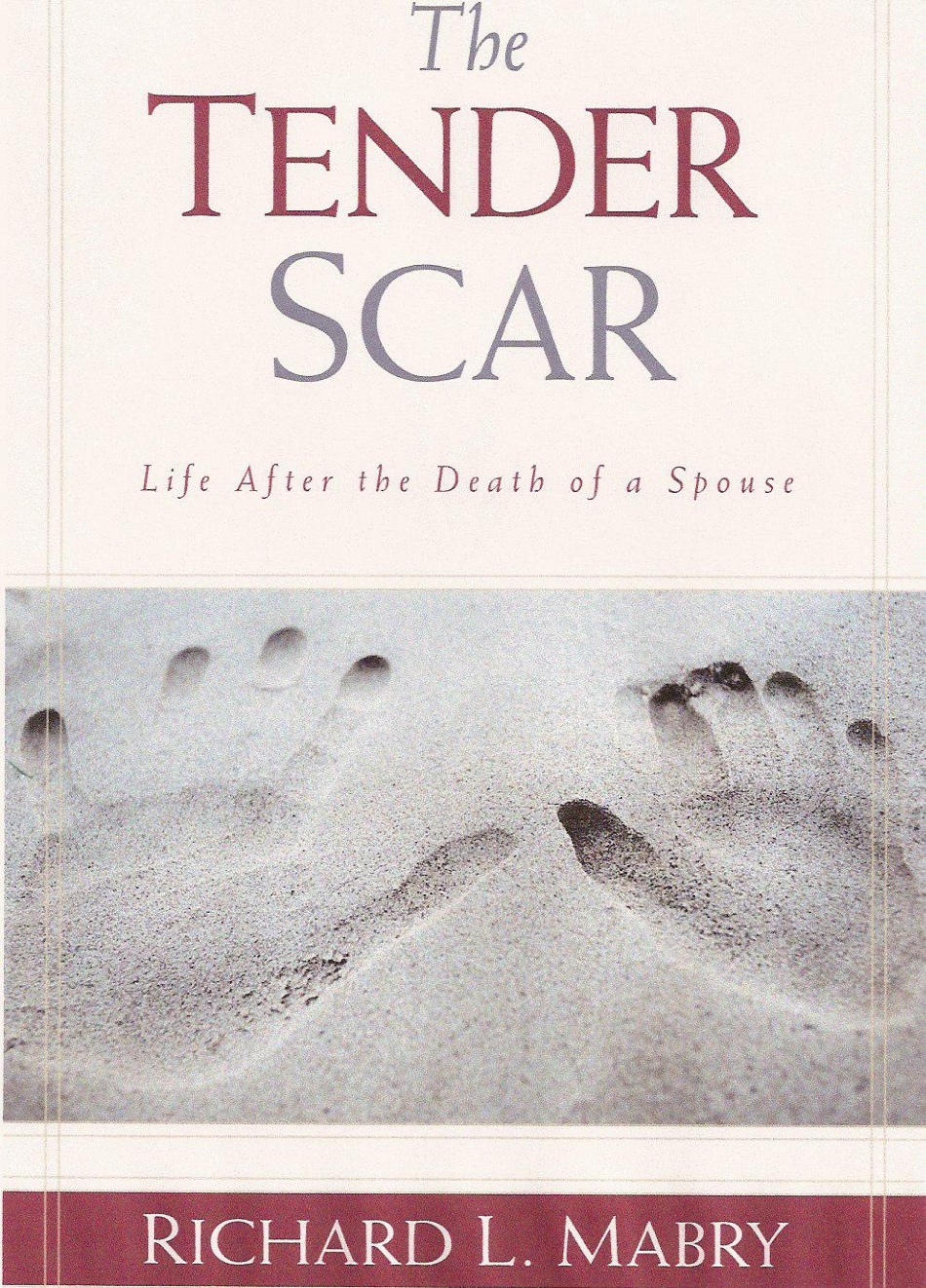
 “I want to publish my story. How do I go about it?” Since the publication of my non-fiction book, The Tender Scar: Life After The Death Of A Spouse, I’m asked that a lot. I can’t say how any one person should go about it, but here’s what I did.
The book stemmed from the journaling I did in the months and years after the death of my wife of forty years. It started out as a mechanism to help me through my grief, but when a trusted friend read the material he urged me to share it with others who were suffering the same loss. I had no idea how to do this, but eventually I stumbled into the process this way.
1) Learn how to write. Now that sounds silly. We all speak and write English. But that’s no guarantee we can organize our thoughts so a reader will understand and appreciate them. There are a number of books available, but I started by attending a writer’s conference. The first one’s tough, sort of like the first time you’re introduced to algebra, but eventually it begins to make sense.
2) Learn how to organize your thoughts. I had to take the two inch-thick pile of raw journaling and decide to which aspect of my grieving process it applied. Using this, I put together a table of contents. Then I worried over it a few times until it seemed to flow correctly.
3) Edit, write, edit, write some more. I gleaned nuggets from the piles of material I’d written and used them as starting points for each chapter. I committed my thoughts to paper, giving equal weight to the good and bad decisions I’d made and offering hard-won advice. I had knowledgeable people read the raw material and make suggestions. Then I edited, rewrote, and repeated the process until I was satisfied.
4) Add the finishing touches. In my case, it was adding an appropriate Scripture passage and brief prayer at the end of a chapter. In your case, it might be doing something else. The important thing is to make the work worthwhile and different than anything currently available.
5) Somewhere along the line, you’ll try to sell the work. I was fortunate enough to be able to interest a publisher in The Tender Scar before I had representation by an agent. That’s a rarity now. Also, I’d written the whole book before I shopped it, which made it easier to sell than if I were working from an annotated table of contents and three sample chapters, which is now common in non-fiction work. In any case, this is the next step, and when you take it, you should be prepared for a lot of rejections and a great deal of waiting.
Remember, in all this, the timing is God’s. And even if your book never sells, the writing of it has affected one person: you. You’ll never be the same after organizing your thoughts and committing them to paper. And that’s a good thing.


 WordServe Water Cooler